1 Indications And Usage
ONSWIK™ is indicated as an adjunct to diet and exercise to improve glycemic control in adults with type 2 diabetes mellitus.
The following Structured Product Label (SPL) was submitted to the FDA by Eli Lilly And Company for the product Onswik (NDC 0002-5137). This document serves as the official prescribing information, containing essential scientific data and clinical materials required for healthcare providers and patients.
This specific version of the label includes detailed information regarding 1 indications and usage, other, 2.1 general dosing instructions, 2.2 important administration instructions, 2.3 recommended dosage in insulin naïve patients, 2.4 switching from once- or twice-daily basal insulin to onswik, 2.5 recommendations regarding missed dose, 2.6 management of accidental extra dose(s), and other regulatory disclosures. Use the navigation below to review specific sections of the FDA submission.
ONSWIK™ is indicated as an adjunct to diet and exercise to improve glycemic control in adults with type 2 diabetes mellitus.
Limitations of Use
ONSWIK is not recommended for use in patients with type 1 diabetes mellitus due to increased risk of severe hypoglycemia. [see Warnings and Precautions (5.2)].
Fixed-Dosage Titration
| Dosing | Dosage (units) once weekly |
| Recommended starting dosage | 100 |
| 150 |
| 250 | |
| 400 | |
| If the FBG is below 130 mg/dL and the fasting glycemic goal has not been reached, titrate the dosage by 20 to 40 units per week as necessary. If a dosage greater than 400 units once weekly is required to reach glycemic goal, titrate the dosage by 20 to 40 units per week as necessary. | |
Flexible-Dosage Titration
See Table 2 for dosage and important considerations for the flexible-dosage titration.
| Week | Dosage (units) | Important Considerations |
| First week | 300 | The 300-unit One-Time Starting Dose is only administered during the first week. |
| Second week | 100 | Do not repeat the 300-unit One-Time Starting Dose. |
| Third and subsequent weeks | Adjust the ONSWIK dosage by 20 units to 40 units per week. | Titrate the dosage as necessary based on the patient's fasting glycemic goal. |
Risk Factors for Hypoglycemia
The risk of hypoglycemia generally increases with intensity of glycemic control. The risk of hypoglycemia after an injection is related to the duration of action of the insulin [see Clinical Pharmacology (12.2)] and, in general, is highest when the glucose lowering effect of the insulin is maximal. As with all insulins, the glucose lowering effect over time of ONSWIK may vary among different individuals or at different times in the same individual and depends on many conditions, including the area of injection as well as the injection site blood supply and temperature.
Other factors that may increase the risk of hypoglycemia include changes in meal pattern (e.g., macronutrient content or timing of meals), changes in level of physical activity, or changes to co-administered medication [see Drug Interactions (7)]. Patients with renal or hepatic impairment may be at higher risk of hypoglycemia [see Use in Specific Populations (8.6, 8.7)].
Risk Mitigation Strategies for Hypoglycemia
Educate patients and caregivers to recognize and manage hypoglycemia. Self-monitoring of blood glucose plays an essential role in the prevention and management of hypoglycemia. In patients at higher risk for hypoglycemia and patients who have reduced symptomatic awareness of hypoglycemia, increased frequency of blood glucose monitoring is recommended.
Common Adverse Reactions
Hypoglycemia
Hypoglycemia is the most common adverse reaction in patients using insulin, including ONSWIK. The frequency of reported hypoglycemia depends on the definition of hypoglycemia used, diabetes type, insulin dose, intensity of glucose control, background therapies, and other intrinsic and extrinsic patient factors. For these reasons, comparing the frequency of hypoglycemia in clinical trials for ONSWIK with the frequency of hypoglycemia for other products may be misleading and may not be representative of hypoglycemia frequencies that occur in clinical practice.
In clinical trials [see Clinical Studies (14)], events of severe hypoglycemia (level 3) were defined as an episode associated with severe cognitive impairment requiring external assistance for recovery. Hypoglycemia episodes with a glucose level below 54 mg/dL with or without associated symptoms (level 2 hypoglycemia) were also assessed in patients with type 2 diabetes mellitus.
In clinical trials in patients with type 2 diabetes mellitus, the proportions of adults treated with ONSWIK who experienced at least one episode of level 3 and/or level 2 hypoglycemia in clinical trials are shown in Table 4.
a Level 3 hypoglycemia: episode associated with severe cognitive impairment requiring external assistance for recovery. | ||||
b Level 2 hypoglycemia: an episode where a self-measured glucose was below 54 mg/dL, with or without the presence of hypoglycemic symptoms. | ||||
| Trial 1 Insulin Naïve Adults on Fixed-Dosage Titration (0-52 weeks) N=397 | Trial 2 Insulin Naïve Adults on Flexible-Dosage Titration (0-52 weeks) N=466 | Trial 3 Adults Previously Treated with Daily Basal Insulin (0-78 weeks) N=655 | Trial 4 Adults Previously Treated with Daily Basal and Mealtime Insulin (0-26 weeks) N=365 | |
| Level 3 hypoglycemiaa | 0.3 | 0 | 0.9 | 1.4 |
| Level 3 and/or Level 2 hypoglycemiab | 25.9 | 27.9 | 40.9 | 55.6 |
Insulin Initiation and Intensification of Glucose Control
Intensification or rapid improvement in glucose control has been associated with a transitory, reversible ophthalmologic refraction disorder, worsening of diabetic retinopathy, and acute painful peripheral neuropathy. However, long-term glycemic control decreases the risk of diabetic retinopathy and neuropathy.
Allergic Reactions
Severe, life-threatening, generalized allergy, including anaphylaxis, generalized skin reactions, angioedema, bronchospasm, hypotension, and shock may occur with any insulin, including ONSWIK. Hypersensitivity reactions were reported in adults with type 2 diabetes mellitus treated with ONSWIK: contact dermatitis (0.7%), rash (0.7%), dermatitis (0.7%), hypersensitivity (0.6%), pruritus (0.6%), eczema (0.6%) and allergic rhinitis (0.5%).
Lipodystrophy
Long-term use of insulin, including ONSWIK, can cause lipodystrophy at the site of repeated insulin injections. Lipodystrophy includes lipohypertrophy (thickening of adipose tissue) and lipoatrophy (thinning of adipose tissue) and may affect insulin absorption [see Dosage and Administration (2.2)]. Lipodystrophy was reported in 0.3% of adults with type 2 diabetes mellitus treated with ONSWIK.
Injection Site Reactions
Adults with type 2 diabetes mellitus taking ONSWIK have experienced redness, hardening, pain, bruising, swelling or itching at the site of ONSWIK injection.
Injection site reactions occurred in 1.4% of adults with type 2 diabetes mellitus treated with ONSWIK. No patients treated with ONSWIK in the clinical trials discontinued ONSWIK due to injection site-related reactions.
Weight Gain
Weight gain can occur with insulin therapy, including ONSWIK, and has been attributed to the anabolic effects of insulin and the decrease in glucosuria. Adults with type 2 diabetes mellitus treated with ONSWIK with or without mealtime insulin therapy gained an average of 1.9 to 3.2 kg after 26 weeks of treatment. Adults with type 2 diabetes mellitus treated with ONSWIK without mealtime insulin therapy gained an average of 2.1 to 3.9 kg after 52 weeks of treatment.
Peripheral Edema
ONSWIK may cause sodium retention and edema. Peripheral edema occurred in 1.6% of adults with type 2 diabetes mellitus treated with ONSWIK.
Risk Summary
The use of ONSWIK during pregnancy is not recommended.
Available data with ONSWIK use in pregnant women are insufficient to evaluate for a drug-related risk of major birth defects, miscarriage, or other adverse maternal or fetal outcomes. There are risks to the mother and fetus associated with poorly controlled diabetes in pregnancy (see Clinical Considerations). Based on animal reproduction studies, there may be risks to the fetus from exposure to ONSWIK during pregnancy.
In pregnant rats or rabbits administered insulin efsitora alfa-gobe during organogenesis, early embryonic deaths, and fetal abnormalities occurred at clinically relevant exposures at the maximum recommended human dose (MRHD) of 1,400 units /week and were associated with hypoglycemia in maternal non-diabetic animals. Hypoglycemia-related mortality occurred in rats during pregnancy and following birth, and pup mortality occurred during the lactation period, which correlated with plasma exposure levels of insulin efsitora alfa-gobe and severe hypoglycemia in pups. Human IgG is known to cross the placental barrier via FcRn transfer; therefore, insulin efsitora alfa-gobe may be transmitted from the mother to the developing fetus in late pregnancy.
The estimated background risk of major birth defects is 6% to 10% in women with pre-gestational diabetes with a HbA1c>7% and has been reported to be as high as 20% to 25% in women with a HbA1c >10%. The estimated background risk of miscarriage for the indicated population is unknown. In the U.S. general population, the estimated background risk of major birth defects and miscarriage in clinically recognized pregnancies is 2% to 4% and 15% to 20%, respectively.
Clinical Considerations
Disease-associated Maternal and/or Embryo-Fetal Risk
Poorly controlled diabetes in pregnancy increases the maternal risk for diabetic ketoacidosis, pre-eclampsia, spontaneous abortions, preterm delivery, and delivery complications. Poorly controlled diabetes increases the fetal risk for major birth defects, stillbirth, and macrosomia related morbidity.
Data
Animal Data
In pregnant rats, insulin efsitora alfa-gobe did not cause adverse effects on embryo-fetal development when given subcutaneously during organogenesis at doses of 22 and 75 units/kg/week, which were up to 0.2-fold the MRHD, based on AUC. However, increased post-implantation loss secondary to maternal hypoglycemia was observed when rats were given 75 units/kg/week insulin efsitora alfa-gobe prior to and during mating and through early gestation (Gestation Day 6) at clinically relevant exposures.
In pregnant rabbits given subcutaneous doses during organogenesis of 6 and 22 units/kg/week insulin efsitora alfa-gobe weekly, which were up to 0.1-fold the MRHD, post-implantation losses and fetal skeletal/visceral abnormalities were observed at clinically relevant exposures, which were secondary to maternal hypoglycemia.
In a pre- and postnatal developmental study in rats where insulin efsitora alfa-gobe was given subcutaneously from implantation through the end of lactation (Gestation Day 6 through Lactation Day 20) at doses of 22 and 75 units/kg/week, which were up to 0.6-fold the MRHD, hypoglycemia-related maternal mortality during or following birth and pup mortality during the lactation period occurred at clinically relevant exposures. There was plasma exposure of insulin efsitora alfa-gobe and severe hypoglycemia in pups, which is likely due to FcRn-mediated transfer of insulin efsitora alfa-gobe.
Risk Summary
The use of ONSWIK during breastfeeding or lactation is not recommended.
There are no data on the presence of insulin efsitora alfa-gobe in animal or human milk, the effects on the breastfed infant, or the effects on milk production. Based on plasma exposure levels of insulin efsitora alfa-gobe in rat pups, there is indirect evidence of presence of insulin efsitora alfa-gobe in the milk.
Absorption
Absorption of insulin efsitora alfa-gobe was evaluated in healthy subjects and adults with diabetes.
Steady-state pharmacokinetics (PK) was achieved between the eighth and tenth weeks after initiating ONSWIK without a one-time starting dose and between the fourth and sixth weeks after initiating ONSWIK with a one-time starting dose of 3 times the weekly dose [see Dosage and Administration (2.3, 2.4)].
At steady-state, time to maximum insulin efsitora alfa-gobe concentration was achieved at 2.5 days post dose (Tmax). ONSWIK has a peak-to-trough ratio of 1.16 and the week-to-week variability (CV%) in total exposure of ONSWIK was 5%.
The absolute bioavailability of insulin efsitora alfa-gobe after subcutaneous administration into the abdomen, was approximately 86%. Injection site (abdomen, upper arm, or thigh) did not influence the absorption or exposure of ONSWIK.
Total insulin efsitora alfa-gobe exposure and maximum insulin efsitora alfa-gobe concentration increased proportionally with increasing subcutaneous doses of ONSWIK within the therapeutic dose range.
No dose conversion is required if transferring a patient between the U-500 and U-1,000 strengths when each is administered at the same units/kg dose.
Distribution
Following a 100-unit subcutaneous bolus injection of ONSWIK, the geometric mean (CV%) volume of distribution of insulin efsitora alfa-gobe (Vd) was 13 L (24%).
Elimination
Following a 100-unit subcutaneous bolus injection of ONSWIK, the geometric mean (CV%) clearance of insulin efsitora alfa-gobe (CL) was 0.02 L/h (24%). The geometric mean (CV%) elimination half-life at steady-state is approximately 17 days (26%), independent of dose.
Specific Populations
No clinically significant differences in the pharmacokinetics of insulin efsitora alfa-gobe were observed based on age (18 to 88 years), sex (56% male and 44% female), race (67% White, 4.7% Black, 8.4% American Indian or Alaska Native, and 19% Asian), renal function (based on race-free CKD-EPI 2021 category) or based on alanine aminotransferase (ALT 5 to 398 U/L) and aspartate aminotransferase (AST 5 to 325 U/L). The effect of hemodialysis with kidney failure or severe hepatic impairment on the pharmacokinetics of insulin efsitora alfa-gobe is unknown. Insulin efsitora alfa-gobe exposure decreased with increasing body weight (43 to 157 kg), but these effects are mitigated by the recommended dosing based on glycemic control.
Fixed-Dosage Titration
Trial 1 (QWINT-1, NCT05662332) was a 52-week, randomized, open-label, active-controlled, treat-to-target, multinational trial that evaluated the efficacy of once-weekly subcutaneous ONSWIK in 795 insulin-naïve adults with type 2 diabetes mellitus who were inadequately controlled on one to three noninsulin antidiabetic medications with HbA1c of 7% to 10%. Patients were randomized to either once-weekly ONSWIK (N=397) or once-daily subcutaneous insulin glargine (N=398) administered according to the approved labeling. Patients remained on stable doses of one to three of the following noninsulin antidiabetic medications: Dipeptidyl peptidase 4 (DPP-4) inhibitors, sodium-glucose cotransporter 2 (SGLT2) inhibitors, biguanides such as metformin, alpha-glucosidase inhibitors, oral or injectable glucagon-like peptide-1 (GLP-1) receptor agonists, or thiazolidinediones.
The mean age was 56 years, and 50% were male. The mean duration of type 2 diabetes mellitus was 9 years, and the mean BMI was 32 kg/m2. Overall, 68% were White, 27% were American Indian/Alaska Native, 3% were Black or African American, 1% were Asian, 0.3% were Native Hawaiian or Other Pacific Islander, and 0.5% reported multiple races; 85% identified as Hispanic or Latino ethnicity.
ONSWIK was initiated at a dosage of 100 units per week and the dosage was escalated every 4 weeks, as needed, to 150, 250, then 400 units per week. Dosage adjustments were based on the median of the three most recent FBG values to achieve a target FBG range of 80 to 130 mg/dL. Patients with a dose reduction in response to hypoglycemia were not allowed to re-escalate to higher fixed doses. After week 16, patients who were treated with the 400 units per week dosage for at least 4 weeks and needed additional dosage adjustments above 400 units per week underwent subsequent dosage adjustment by 20-40 units per week as needed for glycemic control. At week 52, 18.0% of patients were on 100 units, 21.0% were on 150 units, 28.7% were on 250 units, and 8.7% were on 400 units; 23.7% of patients had undergone additional titration beyond 400 units.
Insulin glargine (100 units/mL) was administered at a starting daily dosage of 10 units that was subsequently adjusted on a weekly basis by 3 to 6 units to achieve a target FBG range of 80 to 130 mg/dL and in response to hypoglycemia.
At week 52, treatment with ONSWIK provided a mean reduction in HbA1c that met the pre-specified non-inferiority margin (0.4%) (see Table 6).
a At Week 52, HbA1c data were missing for 10.6% and 9.5% of patients treated with ONSWIK and insulin glargine, respectively. | ||
b Least-squares mean from ANCOVA adjusted for baseline value and other stratification factors. Missing Week 52 data were imputed using return to baseline multiple imputation. | ||
c Tested for noninferiority. | ||
d Least-squares mean from ANOVA adjusted for stratification factors. Missing Week 52 data were imputed using reference-based multiple imputation. | ||
e Approximately equal to daily ONSWIK dose of 43 units/day or a daily insulin glargine dose of 48 units/day. | ||
| ONSWIK | Insulin Glargine | |
| Randomized Population (N) | 397 | 398 |
| HbA1c (%) | ||
| Baseline | 8.2 | 8.3 |
| Week 52 Endpointa,b | 7.1 | 7.1 |
| Change at Week 52b | -1.2 | -1.1 |
| Difference from insulin glargine (95% CI)b,c | 0.0 (-0.2, 0.1) | |
| Fasting Serum Glucose (mg/dL) | ||
| Baseline | 162 | 161 |
| Week 52 Endpointb | 118 | 118 |
| Change at Week 52b | -44 | -43 |
| Insulin Dose (Units/week) | ||
| Week 52 Dosed,e | 303 | 333 |
Flexible-Dosage Titration
Trial 2 (QWINT-2, NCT05362058) was a 52-week, randomized, open-label, active-controlled, treat-to-target, multinational trial that evaluated the efficacy of once-weekly subcutaneous ONSWIK in 928 insulin-naïve adults with type 2 diabetes mellitus who were inadequately controlled on one to three noninsulin antidiabetic medications with HbA1c of 7% to 10.5%. Patients were randomized to either once-weekly ONSWIK (N=466) or once-daily subcutaneous insulin degludec (N=462) administered according to the approved labeling. Patients remained on stable dosages of one to three of the following noninsulin antidiabetic medications: DPP-4 inhibitors, SGLT2 inhibitors, biguanides such as metformin, alpha-glucosidase inhibitors, oral or injectable GLP-1 receptor agonists, sulfonylureas, or thiazolidinediones.
The mean age was 57 years, and 59% were male. The mean duration of type 2 diabetes mellitus was 12 years, and the mean BMI was 31 kg/m2. Overall, 50% were White, 35% were Asian, 8% were American Indian/Alaska Native, 6% were Black or African American, and 0.5% reported multiple races; 26% identified as Hispanic or Latino ethnicity.
ONSWIK was initiated at a one-time starting dosage of 300 units, followed by a weekly dose of 100 units that was subsequently adjusted on a weekly basis by 20 to 40 units to achieve a target FBG range of 80 to 120 mg/dL and in response to hypoglycemia. For patients with a baseline FBG ≤120 mg/dL, a one-time starting dose was not used; ONSWIK was initiated at 100 units. If there was a documented blood glucose ≤70 mg/dL in the previous week, the dose was not increased.
Insulin degludec was administered at a starting daily dosage of 10 units that was subsequently adjusted on a weekly basis by 3 to 6 units to achieve a target FBG range of 80 to 120 mg/dL and in response to hypoglycemia.
At Week 52, treatment with ONSWIK provided a mean reduction in HbA1c that met the pre-specified non-inferiority margin (0.4%) (see Table 7).
Percent time in glucose range (%TIR,70-180 mg/dL) at baseline was 39.2% for the ONSWIK group and 38.4% for the insulin degludec group. The estimated mean change from baseline in %TIR during the last 4 weeks of the trial (Week 48 to 52) was 24.5% for ONSWIK and 21.4% for insulin degludec. Patients in China were excluded from this analysis.
a At Week 52, the HbA1c data were missing for 6.9% and 6.9% of patients treated with ONSWIK and insulin degludec, respectively. | ||
b Least-squares mean from ANCOVA adjusted for baseline value and other stratification factors. Missing Week 52 data were imputed using return to baseline multiple imputation. | ||
c Tested for noninferiority. | ||
d Least-squares mean from ANOVA adjusted for stratification factors. Missing Week 52 data were imputed using reference-based multiple imputation. | ||
e Approximately equal to a daily ONSWIK dose of 45 units/day or a daily insulin degludec dose of 48 units/day. | ||
| ONSWIK | Insulin Degludec | |
| Randomized Population (N) | 466 | 462 |
| HbA1c (%) | ||
| Baseline | 8.2 | 8.2 |
| Week 52 Endpointa,b | 7.0 | 7.1 |
| Change at Week 52b | -1.2 | -1.2 |
| Difference from insulin degludecb,c (95% CI) | -0.1 (-0.2, 0.0) | |
| HbA1c (%) Patients on GLP-1 Receptor Agonists, N (%) | 232 (49.8) | 232 (50.2) |
| Baseline | 8.2 | 8.3 |
| Week 52 Endpointb | 7.0 | 7.0 |
| Change at Week 52b | -1.2 | -1.2 |
| Difference from insulin degludec (95% CI)b,c | -0.1 (-0.3, 0.1) | |
| HbA1c (%) Patients Not on GLP-1 Receptor Agonists, N (%) | 234 (50.2) | 230 (49.8) |
| Baseline | 8.2 | 8.2 |
| Week 52 Endpointb | 7.0 | 7.1 |
| Change at Week 52b | -1.2 | -1.1 |
| Difference from insulin degludec (95% CI)b,c | -0.1 (-0.3, 0.1) | |
| Fasting Serum Glucose (mg/dL) | ||
| Baseline | 162 | 165 |
| Week 52 Endpointb | 108 | 112 |
| Change at Week 52b | -56 | -52 |
| Insulin Dose (Units/week) | ||
| Week 52 Dosed,e | 315 | 338 |
Hypoglycemia Due to Medication Errors and Accidental Overdose
Advise patients to always check the product label before each injection to confirm they are using ONSWIK and not another insulin or injectable antidiabetic medicine. Advise patients using other injectable medications for glycemic control that the dosage selection of ONSWIK differs. Instruct patients to visually verify the dialed units on the dose window of the ONSWIK KwikPen before each injection to avoid dosing errors. Instruct patients to not transfer ONSWIK from the prefilled pen to a syringe. The markings on the syringe will not measure the dose correctly and this can result in overdosage and severe hypoglycemia [see Warnings and Precautions (5.1)].
Hypoglycemia
Inform patients that hypoglycemia is the most common adverse reaction with insulin. Instruct patients on self-management procedures including glucose monitoring, proper injection technique, and management of hypoglycemia, especially upon initiation of ONSWIK therapy. Instruct patients on handling of special situations such as intercurrent conditions (illness, stress, or emotional disturbances), an inadequate or skipped insulin dose, inadvertent administration of an increased insulin dose, inadequate food intake, and skipped meals. [see Warnings and Precautions (5.3)].
Inform patients that their ability to concentrate and react may be impaired as a result of hypoglycemia. Advise patients who have frequent hypoglycemia or reduced or absent warning signs of hypoglycemia to use caution when driving or operating machinery [see Warnings and Precautions (5.3)].
Hyperglycemia or Hypoglycemia with Changes in Insulin Regimen
Advise patients that changes in insulin regimen can predispose to hyperglycemia or hypoglycemia and that changes in insulin regimen should be made under close medical supervision [see Warnings and Precautions (5.4)].
Hypersensitivity Reactions
Advise patients that hypersensitivity reactions have occurred with ONSWIK. Inform patients of the symptoms of hypersensitivity reactions and to seek prompt medical attention if these symptoms occur [see Warnings and Precautions (5.5)].
Never Share an ONSWIK Prefilled Pen Between Patients
Advise patients that they must never share an ONSWIK prefilled pen with another person, even if the needle is changed. Sharing poses a risk for transmission of blood-borne pathogens [see Warnings and Precautions (5.7)].
Storing the KwikPen
Advise patients to store their ONSWIK KwikPen refrigerated between 2°C to 8°C (36°F to 46°F), even after first use and in between uses. The ONSWIK KwikPen may only be stored for up to a total of 14 days at room temperature not to exceed 30°C (86°F). Instruct patients to discard their ONSWIK KwikPen if kept outside of the refrigerator for a total duration over 14 days [see How Supplied/Storage and Handling (16)].
Manufactured by:
Eli Lilly and Company
Indianapolis, IN 46285, USA
US License No. 1891
Copyright © 2026, Eli Lilly and Company. All rights reserved.
Pat.: www.lilly.com/patents
ONS-0001-USPI-20260923
There are two dosing options for insulin naïve patients: a fixed-dosage titration and a flexible-dosage titration.
a Round calculated doses to the nearest 5 units for the U-500 KwikPen and 10 units for the U-1,000 KwikPen. | ||
b For patients switching from once-daily insulin glargine 300 units/mL or twice-daily NPH insulin to ONSWIK, use 80% of the total daily insulin glargine or NPH insulin dosage when calculating ONSWIK dosages. | ||
| Weekly Dosage | Dosage Calculation (units)a | Important Considerations |
| First week | One-Time Starting Dose: Multiply the total daily basalb insulin dosage by 7, then multiply by 3. | The One-Time Starting Dose is only administered during the first week. |
| For patients who have FBG values less than or equal to 120 mg/dL on daily basal insulin: Consider omitting the One-Time Starting Dose. Instead, the first week dose is the total daily basalb insulin dosage multiplied by 7 | If the One-Time Starting Dose is omitted:
| |
| Second week | Multiply the previous total daily basalb insulin dosage by 7 | Do not repeat the One-Time Starting Dose. |
| Third and subsequent weeks | Adjust the ONSWIK dosage by 20 units to 40 units per week, as necessary based on the fasting glycemic goal. | If the One-Time Starting Dose was omitted:
|
Injection: clear and colorless to yellow solution available as:
ONSWIK is contraindicated:
Serious hypoglycemia requiring hospitalization has occurred due to accidental mix-ups between once-weekly insulin products and other insulin products or once-weekly injectable antidiabetic medicines, incorrect dose selection, and dosing frequency errors.
To avoid dosing errors when switching from daily basal insulin to ONSWIK, follow the dosage recommendations in the Dosage and Administration Section (2.4). Administer ONSWIK once weekly only. Do not repeat administration of the one-time starting dose.
Advise patients to always check the product label before each injection to confirm they are using ONSWIK and not another insulin or injectable antidiabetic medicine. Prior to initiation, train patients and their caregiver(s) on how to select their weekly ONSWIK dosage. Advise patients using other injectable medications for glycemic control that the dosage selection of ONSWIK differs. Instruct patients to visually verify the dialed units on the dose window of the ONSWIK KwikPen before each injection to avoid dosing errors. Patients should not dial the maximum single dose (400 units for the U-500 KwikPen or 800 units for the U-1,000 KwikPen) of ONSWIK unless this is the prescribed dose Patients should not use a syringe to remove ONSWIK from the ONSWIK KwikPen. The markings on the syringe will not measure the dose correctly and this can result in overdosage and severe hypoglycemia [see Dosage and Administration (2.2, 2.3, 2.4), Instructions for Use].
Monitor patients for signs and symptoms of hypoglycemia, particularly during the first several weeks after initiation or dose escalation of ONSWIK. Ensure patients understand how to recognize and manage hypoglycemia [see Warnings and Precautions (5.3)].
ONSWIK is not recommended for use in patients with type 1 diabetes mellitus due to increased risk of severe hypoglycemia. In a 52-week clinical trial of adults with type 1 diabetes mellitus, the incidence of Level 3 (severe) hypoglycemia was higher for patients treated with ONSWIK compared with insulin degludec (10% versus 3%).
Hypoglycemia is the most common adverse reaction associated with insulins, including ONSWIK [see Adverse Reactions (6.1)]. Severe hypoglycemia can cause seizures, may lead to unconsciousness, may be life-threatening, or cause death. Hypoglycemia can impair concentration ability and reaction time; this may place an individual and others at risk in situations where these abilities are important (e.g., driving or operating other machinery).
Hypoglycemia can happen suddenly, and symptoms may differ in each individual and change over time in the same individual. Symptomatic awareness of hypoglycemia may be less pronounced in patients with longstanding diabetes, in patients with diabetic nerve disease, in patients using medications that block the sympathetic nervous system (e.g., beta-blockers) [see Drug Interactions (7)], or in patients who experience recurrent hypoglycemia.
The long-acting effect of ONSWIK may delay recovery from hypoglycemia compared to shorter-acting insulins [see Clinical Pharmacology (12.2, 12.3)].
Changes in an insulin regimen (e.g., insulin strength, manufacturer, type, injection site or method of administration) may affect glycemic control and predispose to hypoglycemia [see Warnings and Precautions (5.3)] or hyperglycemia. Repeated insulin injections into areas of lipodystrophy or localized cutaneous amyloidosis have been reported to result in hyperglycemia; and a sudden change in the injection site (to an unaffected area) has been reported to result in hypoglycemia [see Adverse Reactions (6.1)].
The risk of hyperglycemia may be increased during the first four to six weeks of titration, especially if ONSWIK is initiated without the one-time starting dose [see Dosage and Administration (2.3, 2.4), Clinical Pharmacology (12.2, 12.3)].
Make any changes to a patient's insulin regimen under close medical supervision with increased frequency of glucose monitoring. Advise patients who have repeatedly injected into areas of lipodystrophy or localized cutaneous amyloidosis to change the injection site to unaffected areas and closely monitor for hypoglycemia. Adjustments in concomitant anti-diabetic treatment may be needed [see Dosage and Administration (2.3, 2.4)].
Severe, life-threatening, generalized allergy, including anaphylaxis, can occur with insulins, including ONSWIK [see Adverse Reactions (6.1)]. If hypersensitivity reactions occur, discontinue ONSWIK; treat per standard of care and monitor until symptoms and signs resolve. ONSWIK is contraindicated in patients who have had hypersensitivity reactions to insulin efsitora alfa-gobe or any of the excipients in ONSWIK [see Contraindications (4)].
All insulins, including ONSWIK, cause a shift in potassium from the extracellular to intracellular space, possibly leading to hypokalemia. Untreated hypokalemia may cause respiratory paralysis, ventricular arrhythmia, and death. Monitor potassium levels in patients at risk for hypokalemia (e.g., patients using potassium-lowering medications, patients taking medications sensitive to serum potassium concentrations) and treat if indicated.
ONSWIK prefilled pens must never be shared between patients, even if the needle is changed. Sharing poses a risk for transmission of blood-borne pathogens.
Thiazolidinediones (TZDs), which are peroxisome proliferator activated receptor (PPAR)-gamma agonists, can cause dose-related fluid retention, when used in combination with insulin. Fluid retention may lead to or exacerbate heart failure. Patients treated with insulin, including ONSWIK and a PPAR-gamma agonist should be observed for signs and symptoms of heart failure. If heart failure develops, it should be managed according to current standards of care and discontinuation or dose reduction of the PPAR-gamma agonist must be considered.
The following adverse reactions are described below or elsewhere in the prescribing information:
Because clinical trials are conducted under widely varying conditions, adverse reaction rates observed in the clinical trials of a drug cannot be directly compared to rates in the clinical trials of another drug and may not reflect the rates observed in clinical practice.
The safety of ONSWIK was evaluated in four clinical trials involving 1,883 adults with type 2 diabetes mellitus exposed to ONSWIK, with a mean exposure duration of 372 days [see Clinical Studies (14)]. The mean age was 59 years, the mean duration of diabetes was 13 years, 55% were male, 63% were White, 21% were Asian, 10% were American Indian or Alaska Native, 5% were Black or African American, and 45% were Hispanic. The mean BMI was 31 kg/m2 and the mean HbA1c at baseline was 8.1%.
Table 5 includes clinically significant drug interactions with ONSWIK.
| Drugs That May Increase the Risk of Hypoglycemia | |
| Drugs: | Antidiabetic agents (including glucagon-like peptide-1 (GLP-1) receptor agonists, glucose-dependent insulinotropic polypeptide (GIP) and GLP-1 receptor agonists, and sodium-glucose co-transporter 2 (SGLT2) inhibitors), angiotensin converting enzyme (ACE) inhibitors, angiotensin II receptor blocking agents, disopyramide, fibrates, monoamine oxidase inhibitors, pentoxifylline, salicylates, selective serotonin re-uptake inhibitors (SSRIs), somatostatin analogs, and sulfonamide antibiotics. |
| Intervention: | Dose reductions of ONSWIK and increased frequency of glucose monitoring may be required when ONSWIK is co-administered with these drugs. |
| Drugs That May Decrease the Glucose-Lowering Effect of ONSWIK | |
| Drugs: | Atypical antipsychotics (e.g., olanzapine and clozapine), corticosteroids, danazol, diazoxide, diuretics, estrogens, glucagon, isoniazid, niacin, oral contraceptives, pasireotide, phenothiazine, protease inhibitors, somatropin, sympathomimetic agents (e.g., albuterol, epinephrine, and terbutaline), and thyroid hormones. |
| Intervention: | Dose increases of ONSWIK and increased frequency of glucose monitoring may be required when ONSWIK is co-administered with these drugs. |
| FcRn Inhibitors: | Neonatal Fc receptor (FcRn) inhibitors (for example, efgartigimod, rozanolixizumab, nipocalimab) may lower systemic exposure of ONSWIK and reduce its effectiveness. |
| Intervention: | If treatment with an FcRn inhibitor is required, consider switching to an alternative basal insulin. |
| Drugs That May Increase or Decrease the Glucose-Lowering Effect of ONSWIK | |
| Drugs: | Alcohol, beta-blockers, clonidine, lithium salts, and octreotide or lanreotide. Pentamidine may cause hypoglycemia, which may sometimes be followed by hyperglycemia. |
| Intervention: | Dose adjustment of ONSWIK and increased frequency of glucose monitoring may be required when ONSWIK is co-administered with these drugs. |
| Drugs That May Blunt Signs and Symptoms of Hypoglycemia | |
| Drugs: | Beta-blockers, clonidine, guanethidine, and reserpine. |
| Intervention: | Increased frequency of glucose monitoring may be required when ONSWIK is co-administered with these drugs. |
In clinical trials, 30% (561/1,883) of ONSWIK-treated patients were 65 years of age or older, and 5% (85/1,883) of ONSWIK-treated patients were 75 years of age or older at baseline. No overall differences in safety or effectiveness of ONSWIK have been observed between patients 65 years of age and older and younger adult patients.
Greater caution should be exercised when ONSWIK is administered to geriatric patients since greater sensitivity of some older individuals to the effects of ONSWIK cannot be ruled out. The initial dosing, dose increments, and maintenance dosage should be conservative to avoid hypoglycemia. Hypoglycemia may be more difficult to recognize in the elderly. More frequent glucose monitoring is recommended, and the insulin dose is to be adjusted on an individual basis.
No clinically relevant differences in the pharmacokinetics of insulin efsitora alfa-gobe were observed across the different renal impairment subgroups [see Clinical Pharmacology (12.3)]. Additional dose adjustment should not be necessary for patients with renal impairment. However, as with all insulin products, glucose monitoring should be intensified and the ONSWIK dosage adjusted on an individual basis in patients with renal impairment.
No difference in the pharmacokinetics of ONSWIK was identified comparing healthy subjects and subjects with hepatic impairment [see Clinical Pharmacology (12.3)]. Additional dose adjustment should not be necessary for patients with hepatic impairment. However, as with all insulin products, glucose monitoring should be intensified and the ONSWIK dosage adjusted on an individual basis in patients with hepatic impairment.
Overdosage of insulin may cause hypoglycemia with accompanying symptoms that include listlessness, confusion, palpitations, sweating, vomiting, and headache.
Hypoglycemia and hypokalemia may occur as a result of an excess of ONSWIK relative to food intake, energy expenditure, or both [see Warnings and Precautions (5.3, 5.6)]. Mild episodes of hypoglycemia usually can be treated with oral carbohydrates. Lowering the dosage of ONSWIK, adjustments in meal patterns, or physical activity may be needed.
More severe episodes with coma, seizure, or neurologic impairment may be treated with glucagon or concentrated intravenous glucose. Sustained carbohydrate intake and observation may be necessary, because hypoglycemia may recur after apparent clinical recovery. Hypokalemia must be corrected appropriately.
Consideration of the prolonged duration of action of ONSWIK is recommended in the management of overdose [see Dosage and Administration (2.6), Warnings and Precautions (5.3), Clinical Pharmacology (12.2)].
Insulin efsitora alfa-gobe is a long-acting insulin analog that is divalent (dimer), consisting of a single-chain insulin (comprised of insulin B-chain analog, a short peptide linker, and an insulin A-chain analog) fused to a second peptide linker that is fused to a human IgG2 Fc region. Each monomer is comprised of 299 amino acid residues. Insulin efsitora alfa-gobe is produced using Chinese Hamster Ovary cells by recombinant DNA technology. The molecule contains 24-Cys residues that are involved in 2 interchain and 10 intrachain disulfide bonds. The predominant post-translational modification includes N-linked glycosylation of the heavy chain (Asn150). The molecular weight of insulin efsitora alfa-gobe is approximately 64 kDa.
ONSWIK (insulin efsitora alfa-gobe) injection is a clear and colorless to yellow solution for subcutaneous use.
ONSWIK injection is a sterile, preserved formulation supplied in two concentrations (500 units/mL or 1,000 units/mL) manufactured for use in a prefilled pen.
Each mL of ONSWIK U-500 contains 500 units of insulin efsitora alfa-gobe and the inactive ingredients benzyl alcohol (9 mg), dibasic sodium phosphate (0.084 mg), glycerin (17 mg), monobasic sodium phosphate (0.53 mg), phenol (1.8 mg), poloxamer 188 (0.4 mg), and Water for Injection. The 500 units/mL cartridge delivers 5 units of ONSWIK per 0.01 mL (14.3 mg/mL).
Each mL of ONSWIK U-1,000 contains 1,000 units of insulin efsitora alfa-gobe and the inactive ingredients benzyl alcohol (9 mg), dibasic sodium phosphate (0.168 mg), glycerin (17 mg), monobasic sodium phosphate (1.06 mg), phenol (1.8 mg), poloxamer 188 (0.4 mg), and Water for Injection. The 1,000 units/mL cartridge delivers 10 units of ONSWIK per 0.01 mL (28.6 mg/mL).
Hydrochloric acid, glacial acetic acid and/or sodium hydroxide may be added to adjust the pH. ONSWIK has a pH of approximately 6.5.
The primary activity of ONSWIK is the regulation of glucose metabolism. Insulin and its analogs lower blood glucose by stimulating peripheral glucose uptake, especially by skeletal muscle and fat, and by inhibiting hepatic glucose production. Insulin also inhibits lipolysis and proteolysis and enhances protein synthesis.
The protracted time-action profile of ONSWIK results from reduced renal clearance due to its relatively large molecular size, inhibition of degradation due to binding at the neonatal Fc receptor, and reduced affinity relative to human insulin for the insulin receptor, which decreases receptor-mediated clearance. Once insulin efsitora alfa-gobe is engaged with the insulin receptor, it results in the same pharmacological effects as human insulin.
The glucose-lowering effect of ONSWIK at steady-state was measured with a euglycemic glucose clamp study in 53 adults with type 2 diabetes mellitus. The glucose infusion rate (GIR) measured in three euglycemic clamps from 0 to 24 hours, 72 to 96 hours and 144 to 168 hours post dose, along with the model-derived GIR profile show the duration of the glucose lowering effect to cover the weekly dosing interval (see Figure 1).
At steady-state, the mean maximum glucose-lowering effect occurred between Days 4 and 5, with a peak-trough ratio of 1.07. The glucose-lowering response was stable over the dosing interval, with low day-to-day variability of 2% (coefficient of variation for the glucose infusion rate at steady-state).
The glucose-lowering effect of ONSWIK lasted approximately 4 to 6 weeks after the last weekly injection.
Following a dosage adjustment, initial changes in FBG are expected within 1 to 2 weeks, with the full treatment effect of the dosage adjustment occurring in approximately 4 weeks [see Dosage and Administration (2.1, 2.3, 2.4), Warnings and Precautions (5.4)].
Figure 1: Pharmacodynamic Effect of ONSWIK at Steady-State Following Weekly Subcutaneous Injections of 4 units/kg Weekly Dose in Adults with Type 2 Diabetes Mellitus
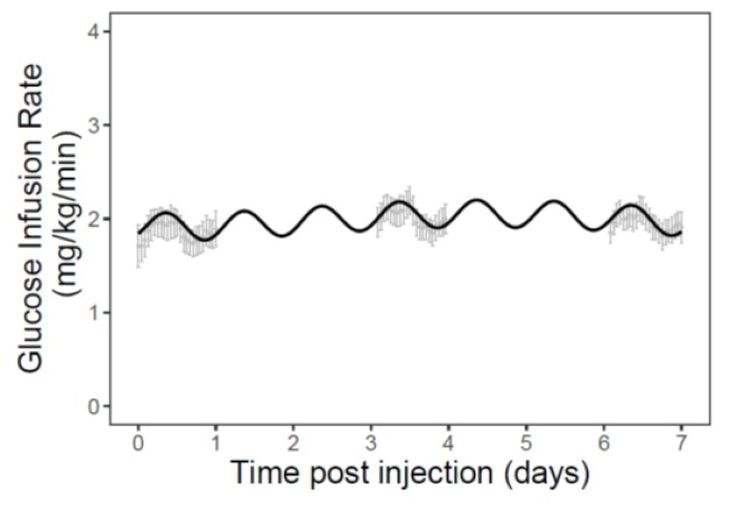
Figure 1 (Onswik Uspi F1 V1)
Notes: Gray dots are means and bars are standard errors of the mean glucose infusion rate (GIR). Black solid line is mean of model-predicted GIR profiles for the weekly dosing interval.
The observed incidence of anti-drug antibodies (ADA) is highly dependent on the sensitivity and specificity of the assay. Differences in assay methods preclude meaningful comparisons of the incidence of ADAs in the trials described below with the incidence of ADAs in other studies, including those of ONSWIK.
During the 26- to 78-week treatment periods in four clinical trials in adults with type 2 diabetes mellitus [see Clinical Studies (14)], 59/858 (7%) of insulin-naïve and 34/1,016 (3%) of insulin-experienced adults treated with ONSWIK developed treatment-emergent anti-insulin efsitora alfa-gobe antibodies. In these trials, 30/1,874 (2%) of ONSWIK-treated adults developed anti-insulin efsitora alfa-gobe antibodies that cross-reacted with native insulin.
In these trials, 23/1,874 (1%) of ONSWIK-treated adults and 23/93 (25%) of ONSWIK-treated adults with treatment-emergent anti-insuiln efsitora alfa-gobe antibodies, had estimated drug clearance that was higher than that observed in patients who were anti-insulin efsitora alfa-gobe antibody-negative. Among these 23 patients, the estimated drug clearance was approximately 5-fold higher than in patients who were anti-insulin alfa-gobe antibody-negative, and some patients had very low insulin efsitora alfa-gobe concentrations. These patients may require higher dosages of ONSWIK to achieve glycemic control [see Dosage and Administration (2.1,2.3, 2.4)].
Neutralizing antibodies against insulin efsitora alfa-gobe were detected in 18/858 (2%) of insulin-naïve and 7/1,016 (0.7%) of insulin-experienced adults treated with ONSWIK;18/59 (31%) of insulin-naïve adults and 7/34 (21%) of insulin-experienced adults with treatment-emergent anti-insulin efsitora alfa-gobe antibodies developed neutralizing antibodies. Neutralizing antibodies against native insulin were detected in 15/1,874 (0.8%) of adults treated with ONSWIK.
There were no identified clinically significant effects of anti-insulin efsitora alfa-gobe antibodies on the safety of ONSWIK.
Standard 2-year carcinogenicity studies in animals have not been performed to evaluate the carcinogenic potential of insulin efsitora alfa-gobe. Insulin efsitora alfa-gobe did not demonstrate higher mitogenic potential compared to human insulin as determined through in vitro assessments of receptor binding, receptor activation and cell-based functional assays. In addition, in rat and dog repeat-dose toxicity studies of up to 26 weeks duration, there were no proliferative tissue changes noted in any tissue including the mammary gland. The available nonclinical data do not indicate an increase in carcinogenic potential of insulin efsitora alfa-gobe compared to human insulin.
Genotoxicity testing of insulin efsitora alfa-gobe was not performed.
In a fertility study in male rats, subcutaneous injections up to 75 units/kg/week insulin efsitora alfa-gobe (up to 0.5-fold the MRHD, based on AUC) prior to and through the mating had no effect on mating performance and fertility at clinically relevant exposures at the MRHD. Similarly, mating and fertility were not adversely affected in female rats given subcutaneous doses up to 75 units/kg/week insulin efsitora alfa-gobe (up to 0.4-fold the MRHD) prior to mating through early gestation at clinically relevant exposures at the MRHD.
The effectiveness of ONSWIK administered once weekly to improve glycemic control in adults with type 2 diabetes mellitus and used in combination with common noninsulin antidiabetic medications with or without mealtime insulin was evaluated in four randomized, open-label, treat-to-target, active-controlled trials. ONSWIK was studied in insulin-naïve adults using fixed-dosage titration (Trial 1) and in insulin-naïve adults using flexible-dosage titration (Trial 2), in adults previously treated with once or twice daily basal insulin (Trial 3), and in adults previously treated with daily basal and mealtime insulin (Trial 4).
Trial 3 (QWINT-3, NCT05275400) was a 78-week, randomized, open-label, active-controlled, treat-to-target, multinational trial that evaluated the efficacy of once-weekly subcutaneous ONSWIK in 986 adults with type 2 diabetes mellitus on once- or twice-daily subcutaneous basal insulin therapy alone or in combination with noninsulin antidiabetic medication(s) with a HbA1c of 6.5% to 10%. Patients were randomized in a 2:1 ratio to either once-weekly ONSWIK (N=655) or once-daily insulin degludec (N=331) administered according to the approved labeling. Patients remained on stable doses of up to three of the following noninsulin antidiabetic medications: DPP-4 inhibitors, SGLT2 inhibitors, biguanides such as metformin, alpha-glucosidase inhibitors, or GLP-1 receptor agonists. The primary endpoint was assessed at Week 26.
The mean age was 61 years, and 56% were male. The mean duration of type 2 diabetes mellitus was 15 years, and the mean BMI was 30 kg/m2. Overall, 67% were White, 28% were Asian, 5% were Black or African American; 0.2% were American Indian or Alaskan Native, 0.1% were Native Hawaiian or Other Pacific Islander, and 0.3% reported multiple races; 27% identified as Hispanic or Latino ethnicity.
ONSWIK was initiated at a one-time starting dosage calculated by multiplying the prior total daily basal insulin dosage by 7 and then multiplying by 3. For patients with a baseline FBG ≤ 120 mg/dL, a one-time starting dosage was not recommended; the initial ONSWIK dosage was the prior total basal insulin dose multiplied by 7. The second weekly dosage was the prior total daily basal insulin dose multiplied by 7 then the dosage was subsequently adjusted on a weekly basis by 20 to 40 units to achieve a target FBG range of 80 to 120 mg/dL and in response to hypoglycemia. If there was a documented blood glucose ≤70 mg/dL in the previous week, the dose was not increased.
Insulin degludec was initiated at the prior total daily basal insulin dosage then was subsequently adjusted on a weekly basis by 2 to 6 units to achieve a target FBG range of 80 to 120 mg/dL and in response to hypoglycemia.
At week 26, treatment with ONSWIK provided a mean reduction in HbA1c that met the pre-specified non-inferiority margin (0.4%) (see Table 8).
Percent time in glucose range (%TIR,70-180 mg/dL) at baseline was 52.1% for the ONSWIK group and 52.8% for the insulin degludec group. The estimated mean change from baseline in %TIR during the last 4 weeks of the trial (Week 22 to 26) was 8.9% for ONSWIK and 8.4% for insulin degludec.
a At Week 26, the HbA1c data were missing for 4.6% and 5.4% of patients treated with ONSWIK and insulin degludec, respectively. | ||
b Least-squares mean from ANCOVA adjusted for baseline value and other stratification factors. Missing Week 26 and Week 78 data were imputed using return to baseline multiple imputation. | ||
c Tested for noninferiority. | ||
d Approximately equal to a daily ONSWIK dose of 48 units/day or a daily insulin degludec dose of 52 units/day at Week 26. | ||
e Approximately equal to a daily ONSWIK dose of 49 units/day or a daily insulin degludec dose of 55 units/day at Week 78. | ||
| ONSWIK | Insulin Degludec | |
| Randomized Population (N) | 655 | 331 |
| HbA1c (%) | ||
| Baseline | 7.8 | 7.8 |
| Week 26 Endpointa,b | 7.0 | 7.1 |
| Change at Week 26b | -0.8 | -0.7 |
| Difference from insulin degludec (95% CI)b,c | -0.1 ( -0.2, 0.0) | |
| Fasting Serum Glucose (mg/dL) | ||
| Baseline | 136 | 136 |
| Week 26 Endpointb | 107 | 109 |
| Change at Week 26b | -29 | -27 |
| Insulin Dose (Units/week) | ||
| Baseline | 232 | 227 |
| Week 26 Doseb,d | 333 | 363 |
| Change from Baseline to Week 26b | 103 | 133 |
| Week 78 Doseb,e | 343 | 386 |
| Change from Baseline to Week 78b | 113 | 156 |
Figure 2 illustrates the differences in the trajectory of mean FBG over time between patients who initiated ONSWIK with a one-time starting dose (FBG >120 mg/dL) and without a one-time starting dose (FBG ≤120 mg/dL) compared with patients with similar baseline FBG cut-off values at randomization treated with daily insulin degludec during Trial 3. The cohort that did not receive the one-time starting dose of ONSWIK experienced a transient rise in FBG from baseline over the first week of therapy which then declined over the following 4 to 6 weeks and stabilized [see Dosage and Administration (2.4), Warnings and Precautions (5.4)].
Figure 2: Mean Fasting Blood Glucose over Time from Trial 3 Comparing ONSWIK to Insulin Degludec in Adults with Type 2 Diabetes Mellitus Also Receiving Noninsulin Antidiabetic Medications (All Patients Previously Treated with Once- or Twice-Daily Basal Insulin)
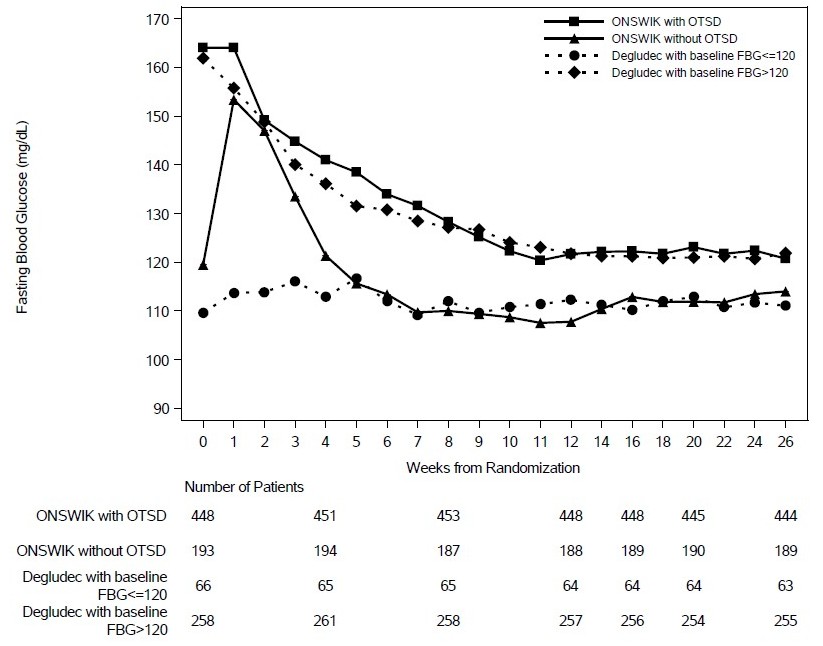
Figure 2 (Onswik Uspi F2 V1)
OTSD, one-time starting dose.
Notes: This figure separates the ONSWIK patients into two groups: those who received the one-time starting dose and those who did not. The one-time starting dose was not recommended for patients with baseline FBG ≤120 mg/dL. The degludec patients were separated into two groups: baseline FBG <120 mg/dL and baseline FBG ≥120 mg/dL.
Trial 4 (QWINT-4, NCT05462756) was a 26-week, randomized, open-label, active-controlled, treat-to-target, multinational trial that evaluated the efficacy of once-weekly subcutaneous ONSWIK in 730 adults with type 2 diabetes mellitus on once- or twice-daily basal insulin and mealtime insulin with a HbA1c of 7% to 10%. Patients were randomized to either once-weekly ONSWIK (N=365) or once-daily insulin glargine (N=365) administered according to the approved labeling. Patients remained on stable doses of up to three of the following noninsulin antidiabetic medications: DPP-4 inhibitors, SGLT2 inhibitors, biguanides such as metformin, or GLP-1 receptor agonists. During the randomized treatment period, patients also received mealtime insulin lispro.
The mean age was 59 years, and 50% were male. The mean duration of type 2 diabetes mellitus was 17 years, and the mean BMI was 32 kg/m2. Overall, 69% were White, 14% were Asian, 13% were American Indian or Alaskan Native, and 4% were Black or African American; 55% identified as Hispanic or Latino ethnicity.
ONSWIK was initiated at a one-time starting dose calculated by multiplying the prior total daily basal insulin dosage by 7 and then multiplying by 3. For patients with a baseline FBG ≤120 mg/dL, a one-time starting dosage was not recommended; the initial ONSWIK dosage was the prior total daily basal insulin dose multiplied by 7. The second weekly dosage was the prior total daily basal insulin dose multiplied by 7 and was subsequently adjusted on a weekly basis by 20 to 40 units to achieve a target FBG range of 80 to 120 mg/dL and in response to hypoglycemia. If there was a documented blood glucose ≤70 mg/dL in the previous week, the dose was not increased.
Insulin glargine was initiated at the prior total daily basal insulin dosage and was subsequently adjusted on a weekly basis by 3 to 6 units to achieve a target FBG range of 80 to 120 mg/dL and in response to hypoglycemia.
At week 26, treatment with ONSWIK provided a mean reduction in HbA1c that met the pre-specified non-inferiority margin (0.4%) (see Table 9).
Percent time in glucose range (%TIR,70-180 mg/dL) at baseline was 44.0% for the ONSWIK group and 43.3% for the insulin glargine group. The estimated mean change from baseline in %TIR during the last 4 weeks of the trial (Week 22 to 26) was 14.4% for ONSWIK and 13.1% for insulin glargine.
a At Week 26, the HbA1c data were missing for 5.8% and 7.1% of patients treated with ONSWIK and insulin glargine, respectively. | ||
b Least-squares mean from ANCOVA adjusted for baseline value and other stratification factors. Missing Week 26 data were imputed using return to baseline multiple imputation. | ||
c Tested for noninferiority. | ||
d Approximately equal to a daily ONSWIK dose of 53 units/day or a daily insulin glargine dose of 59 units/day. | ||
| ONSWIK | Insulin Glargine | |
| Randomized Population (N) | 365 | 365 |
| HbA1c (%) | ||
| Baseline | 8.2 | 8.2 |
| Week 26 Endpointa,b | 7.2 | 7.2 |
| Change at Week 26b | -1.0 | -1.0 |
| Difference from insulin glargine (95% CI)b,c | 0.0 (-0.1, 0.1) | |
| Fasting Serum Glucose (mg/dL) | ||
| Baseline | 148 | 153 |
| Week 26 Endpointb | 117 | 130 |
| Change at Week 26b | -33 | -21 |
| Basal Insulin Dose (Units/week) | ||
| Baseline | 250 | 249 |
| Dose at Week 26b,d | 374 | 413 |
| Change from Baselineb | 125 | 164 |
| Mealtime Insulin Dose (Units/day) | ||
| Baseline | 26 | 28 |
| Week 26 Doseb | 27 | 32 |
| Change from Baselineb | -0.3 | 5 |
Figure 3 illustrates the differences in the trajectory of mean FBG over time between patients who initiated ONSWIK with a one-time starting dose (FBG >120 mg/dL) and without a one-time starting dose (FBG ≤120 mg/dL) compared with patients with similar baseline FBG cut-off values at randomization treated with daily insulin glargine during Trial 4. The cohort that did not receive the one-time starting dose of ONSWIK experienced a transient rise in FBG from baseline over the first week of therapy which then declined over the following 4 to 6 weeks and stabilized [see Dosage and Administration (2.4), Warnings and Precautions (5.4)].
Figure 3: Mean Fasting Blood Glucose over Time for Trial 4 Comparing ONSWIK to Insulin Glargine in Adults with Type 2 Diabetes Mellitus Also Receiving Noninsulin Antidiabetic Medications and Mealtime Insulin Lispro (All Patients Previously Treated with Once- or Twice-Daily Basal Insulin and Mealtime Insulin)
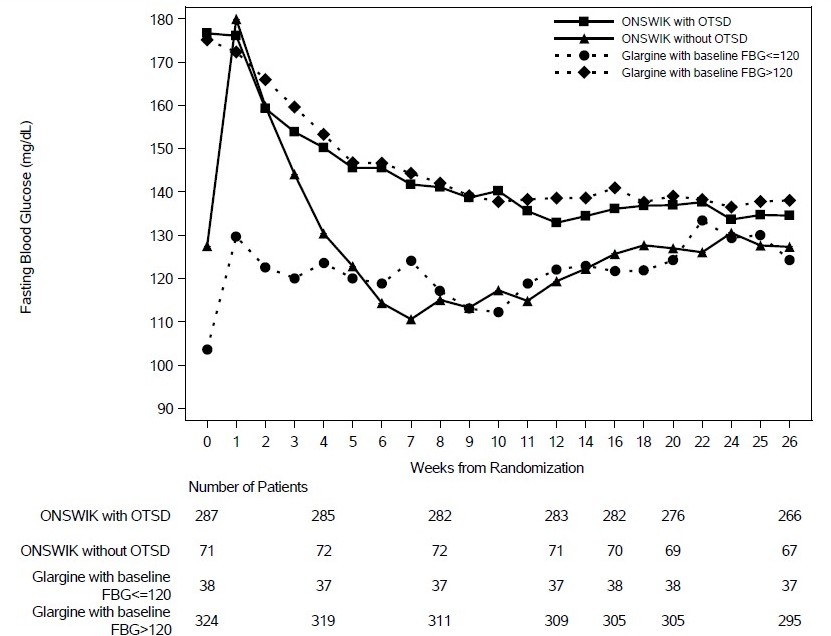
Figure 3 (Onswik Uspi F3 V1)
OTSD, one-time starting dose.
Notes: This figure separates the ONSWIK patients into two groups: those who received the one-time starting dose and those who did not. The one-time starting dose was not recommended for patients with baseline FBG ≤120 mg/dL. The glargine patients were separated into two groups: baseline FBG <120 mg/dL and baseline FBG ≥120 mg/dL.
ONSWIK (insulin efsitora alfa-gobe) injection is a clear, colorless to yellow solution available in the presentations shown in Table 10.
| ONSWIK Presentation | Concentration | Total Units in Presentation | Maximum Dose per Injection | Dose Increment | NDC Number | Package Size |
| 3 mL U-500 KwikPen | 500 units/mL | 1,500 units | 400 units | 5 units | 0002-5137-11 | 1 pen |
| 3 mL U-1,000 KwikPen | 1,000 units/mL | 3,000 units | 800 units | 10 units | 0002-5240-11 | 1 pen |
The storage conditions for the pens are summarized in Table 11.
a ONSWIK can only be used for a total of 112 days (16 weeks) of which 14 days can be at room temperature. | ||||
b Combined time outside of refrigeration (unopened or opened) must not exceed 14 days. | ||||
| ONSWIK Presentation | Not in-use (Unopened) | In-usea (Opened) | ||
| Refrigerated | If refrigeration not possible | Refrigerated | If refrigeration not possible | |
| (2°C to 8°C | Room Temperature | (2°C to 8°C | Room Temperature | |
| [36°F to 46°F]) | (up to 30°C [86°F])b | [36°F to 46°F]) | (up to 30°C [86°F])b | |
| 3 mL U-500 KwikPen | Until expiration date | Total of 14 days | 112 days (16 weeks) | Total of 14 days |
| 3 mL U-1,000 KwikPen | Until expiration date | Total of 14 days | 112 days (16 weeks) | Total of 14 days |
Advise the patient to read the FDA-approved patient labeling (Patient Information and Instructions for Use).
This Patient Information has been approved by the U.S. Food and Drug Administration. Issued: 09/2026 | |||||||||
| PATIENT INFORMATION ONSWIK™ (ON-swihk) (insulin efsitora alfa-gobe) injection, for subcutaneous use | |||||||||
| Do not share your ONSWIK prefilled pen with other people, even if the needle has been changed. You may give other people a serious infection, or get a serious infection from them. Make sure you use the right type and dose of insulin. Always check the label on your insulin pen before each injection to avoid mix-ups with ONSWIK and other insulin products or injectable medicines used to treat diabetes. If you use another injectable medicine to treat your diabetes, pay close attention to how you select your ONSWIK dosage. The dosage of ONSWIK is different from other injectable medicines used to treat diabetes. Always make sure that you select the correct dosage of your ONSWIK KwikPen as prescribed by your healthcare provider, to avoid dosing errors and accidental overdose. People who are blind or have vision problems should not use this pen without help from a person trained to use the pen. Do not dial the maximum single dosage (400 units or 800 units) of your ONSWIK KwikPen, unless prescribed by your healthcare provider. Do not use a syringe to withdraw ONSWIK from your pen. Talk to your healthcare provider if you have any questions about how to correctly dose ONSWIK KwikPen. | |||||||||
What is ONSWIK?
| |||||||||
| Who should not take ONSWIK? Do not take ONSWIK if you:
| |||||||||
Before taking ONSWIK, tell your healthcare provider about all of your medical conditions, including if you:
| |||||||||
| Tell your healthcare provider about all the medicines you take, including prescription and over-the-counter medicines, vitamins, and herbal supplements. Before you start using ONSWIK, talk to your healthcare provider about low blood sugar and how to manage it. | |||||||||
How should I take ONSWIK?
| |||||||||
| Keep ONSWIK and all medicines out of the reach of children. | |||||||||
| What should I avoid while taking ONSWIK? While taking ONSWIK do not:
| |||||||||
| What are the possible side effects of ONSWIK? ONSWIK may cause serious side effects that can lead to death, including:
| |||||||||
| Treatment with TZDs and ONSWIK may need to be changed or stopped by your healthcare provider if you have new or worse heart failure. Your insulin dose may need to change because of: | |||||||||
|
|
| |||||||
The most common side effects of ONSWIK include:
| |||||||||
Get emergency medical help if you have:
| |||||||||
| These are not all the possible side effects of ONSWIK. Call your doctor for medical advice about side effects. You may report side effects to FDA at 1-800-FDA-1088. | |||||||||
| General information about the safe and effective use of ONSWIK. Medicines are sometimes prescribed for purposes other than those listed in a Patient Information leaflet. You can ask your pharmacist or healthcare provider for information about ONSWIK that is written for health professionals. Do not use ONSWIK for a condition for which it was not prescribed. Do not give ONSWIK to other people, even if they have the same symptoms that you have. It may harm them. | |||||||||
| What are the ingredients in ONSWIK? Active ingredients: insulin efsitora alfa-gobe Inactive ingredients: benzyl alcohol, dibasic sodium phosphate, glycerin, monobasic sodium phosphate, phenol, poloxamer 188 and Water for Injection. Hydrochloric acid, glacial acetic acid and/or sodium hydroxide may have been added to adjust the pH. ONSWIK™ is a trademark of Eli Lilly and Company. Manufactured by: Eli Lilly and Company, Indianapolis, IN 46285, USA, US License No. 1891 Copyright © 2026, Eli Lilly and Company. All rights reserved. For more information, go to www.onswik.lilly.com or call 1-800-545-5979. | |||||||||
ONS-0001-PPI-20260923
INSTRUCTIONS FOR USE
ONSWIK™ KwikPen®[ON-swihk KWIHK-pehn]
(insulin efsitora alfa-gobe)
injection, for subcutaneous use
3 mL single-patient-use pen (500 units/mL, U-500)

Figure (Onswik Kp Ifu F1 U500 V1)

Figure (Lilly)
Important:
|
Read this Instructions for Use before you start injecting ONSWIK KwikPen and each time you get another Pen. There may be new information. This information does not take the place of talking to your healthcare provider about your medical condition or your treatment.
ONSWIK KwikPen (“Pen”) is a disposable (can be thrown away) single-patient-use prefilled pen containing 1,500 units of ONSWIK. You can give yourself more than 1 dose from the Pen. Each turn (click) of the Dose Knob dials 5 units of insulin. You can give from 5 units to 400 units in a single injection. If your dose is more than 400 units, you will need to give yourself more than 1 injection.
The Plunger only moves a little with each injection, and you may not notice that it moves. The Plunger will only reach the end of the cartridge when you have used all 1,500 units in the Pen. When the Pen is empty, throw away the entire Pen and get a new Pen (see Throwing away (disposing of) Pens and Needles section at the end of this Instructions for Use).
ONSWIK KwikPen is used 1 time a week. You may want to mark your calendar to remind yourself when to take your next dose.
Inject ONSWIK only with your Pen. Do not transfer insulin from your Pen to a syringe. A severe overdose can happen, causing very low blood sugar, which may put your life in danger.
People who are blind or have vision problems should not use the Pen without help from a person trained to use the Pen.
Do not share your ONSWIK KwikPen with other people, even if the needle has been changed. You may give other people a serious infection or get a serious infection from them.
Storing your Pen
Keep your Pen refrigerated.
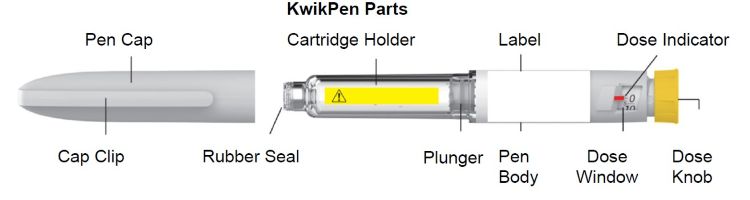
Figure (Onswik Kp Ifu F3 U500 V1)
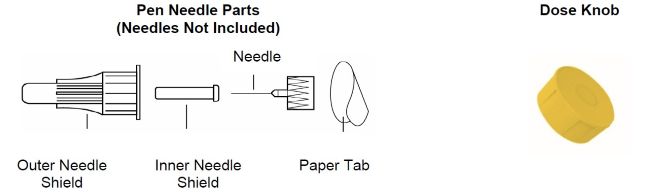
Figure (Onswik Kp Ifu F4 U500 V1)
How to recognize your ONSWIK KwikPen
| 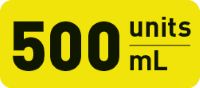 Figure (Onswik Kp Ifu F5 U500 V1) |
Supplies needed to give your injection
Preparing your Pen
Step 1:
| 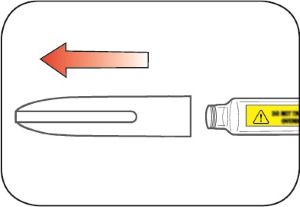 Figure (Onswik Kp Ifu F6 V1) |
Step 2:
| 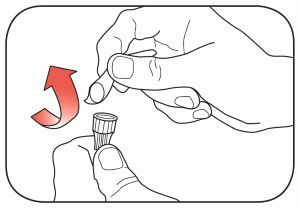 Figure (Onswik Kp Ifu F7 V1) |
Step 3:
| 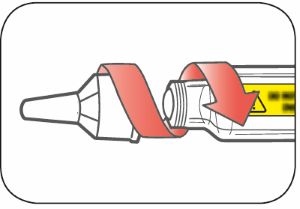 Figure (Onswik Kp Ifu F8 V1) |
Step 4:
| 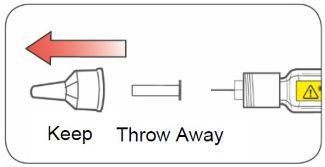 Figure (Onswik Kp Ifu F9 V1) |
Priming your Pen
Prime before each injection.
Step 5:
| 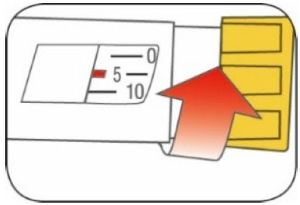 Figure (Onswik Kp Ifu F10 U500 V1) |
Step 6:
| 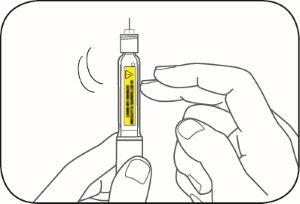 Figure (Onswik Kp Ifu F11 V1) |
Step 7:
| 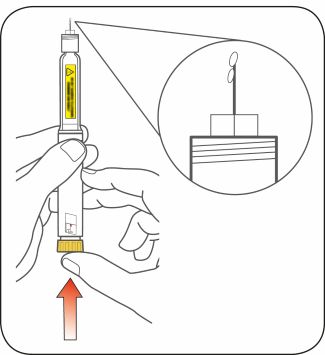 Figure (Onswik Kp Ifu F12 U500 V1) 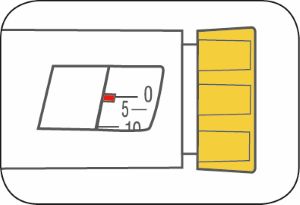 Figure (Onswik Kp Ifu F13 U500 V1) |
Selecting your dose
This Pen has been made to deliver the dose in insulin units that is shown in the Dose Window. Ask your healthcare provider what your dose should be for this Pen.
Step 8:
| 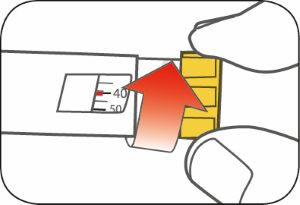 Figure (Onswik Kp Ifu F14 U500 V1) 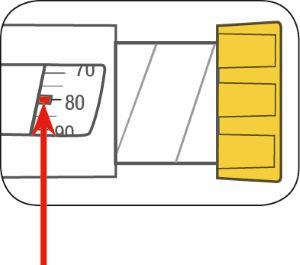 Figure (Onswik Kp Ifu F15 U500 V1) shown in Dose Window 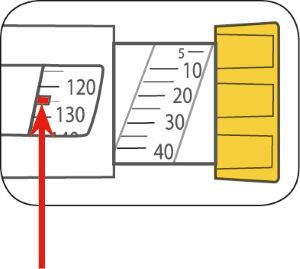 Figure (Onswik Kp Ifu F16 U500 V1) shown in Dose Window |
Giving your injection
Step 9:
| 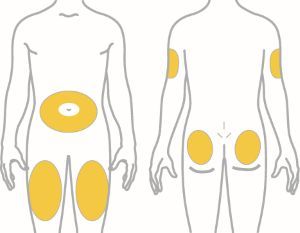 Figure (Onswik Kp Ifu F17 U500 V1) | |
Step 10:
| 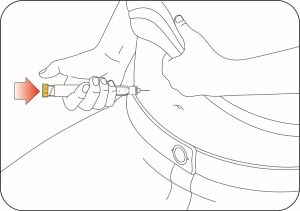 Figure (Onswik Kp Ifu F19 U500 V1) | |
| 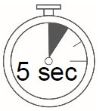 Figure (Onswik Kp Ifu F18 V1) | |
| Do not try to inject your insulin by turning the Dose Knob. You will not receive your insulin by turning the Dose Knob. | ||
Step 11:
If you see blood after you take the Needle out of your skin, press the injection site lightly with a piece of gauze or an alcohol swab. Do not rub the area. | 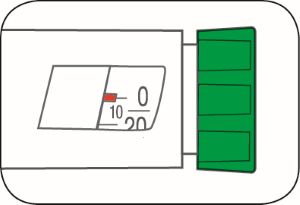 Figure (Onswik Kp Ifu F13 U1000 V1) | |
After your injection
Step 12:
| 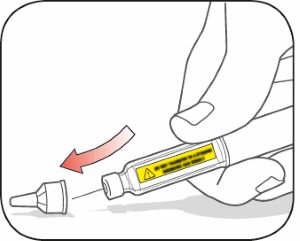 Figure (Onswik Kp Ifu F20 V1) |
Step 13:
| 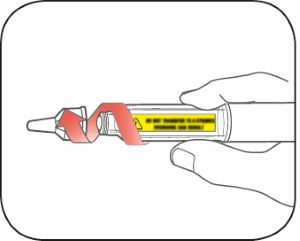 Figure (Onswik Kp Ifu F21 V1) |
Step 14:
| 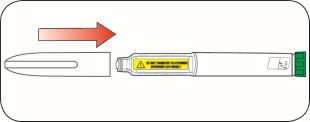 Figure (Onswik Kp Ifu F22 U500 V1) |
Throwing away (disposing of) Pens and Needles
What you should know if you are switching to ONSWIK KwikPen
Ask your healthcare provider what your dose should be for your Pen in insulin units. Always follow your healthcare provider's instructions for dosing.
| If you are: | It is important to know: |
| Switching from another type of insulin device or pen. | This ONSWIK KwikPen is different from other pens. It dials 5 insulin units with each click of the Dose Knob. Do not select your dose by counting clicks. You may get too much insulin or you may not get enough insulin. |
General information about the safe and effective use of your Pen
Troubleshooting
If you have any questions or problems with your ONSWIK KwikPen, contact Lilly at 1-800-LillyRx (1-800-545-5979) or call your healthcare provider for help. For more information on ONSWIK KwikPen and insulin, go to www.ONSWIK.lilly.com.

Figure (Onswik Qr)
Scan this code to launch
www.ONSWIK.lilly.com
Manufactured by
Eli Lilly and Company
Indianapolis, IN 46285, USA
U.S. License Number: 1891
ONSWIK™ and ONSWIK™ KwikPen® are trademarks of Eli Lilly and Company.
Copyright © 2026, Eli Lilly and Company. All rights reserved.
This Instructions for Use has been approved by the U.S. Food and Drug Administration.
Issued: September 2026
| ONSWIK KwikPen meets the current dose accuracy and functional requirements of ISO 11608-1. |
ONS-KP-0001-IFU-U500-20260923
INSTRUCTIONS FOR USE
ONSWIK™ KwikPen®[ON-swihk KWIHK-pehn]
(insulin efsitora alfa-gobe)
injection, for subcutaneous use
3 mL single-patient-use pen (1,000 units/mL, U-1,000)

Figure (Onswik Kp Ifu F1 U1000 V1)
Figure (Lilly)
Important:
|
Read this Instructions for Use before you start injecting ONSWIK KwikPen and each time you get another Pen. There may be new information. This information does not take the place of talking to your healthcare provider about your medical condition or your treatment.
ONSWIK KwikPen (“Pen”) is a disposable (can be thrown away) single-patient-use prefilled pen containing 3,000 units of ONSWIK. You can give yourself more than 1 dose from the Pen. Each turn (click) of the Dose Knob dials 10 units of insulin. You can give from 10 units to 800 units in a single injection. If your dose is more than 800 units, you will need to give yourself more than 1 injection.
The Plunger only moves a little with each injection, and you may not notice that it moves. The Plunger will only reach the end of the cartridge when you have used all 3,000 units in the Pen. When the Pen is empty, throw away the entire Pen and get a new Pen (see Throwing away (disposing of) Pens and Needles section at the end of this Instructions for Use).
ONSWIK KwikPen is used 1 time a week. You may want to mark your calendar to remind yourself when to take your next dose.
Inject ONSWIK only with your Pen. Do not transfer insulin from your Pen to a syringe. A severe overdose can happen, causing very low blood sugar, which may put your life in danger.
People who are blind or have vision problems should not use the Pen without help from a person trained to use the Pen.
Do not share your ONSWIK KwikPen with other people, even if the needle has been changed. You may give other people a serious infection or get a serious infection from them.
Storing your Pen
Keep your Pen refrigerated.
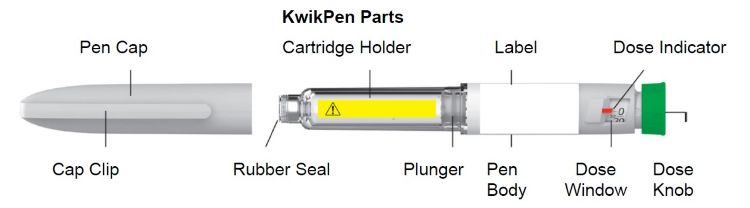
Figure (Onswik Kp Ifu F3 U1000 V1)
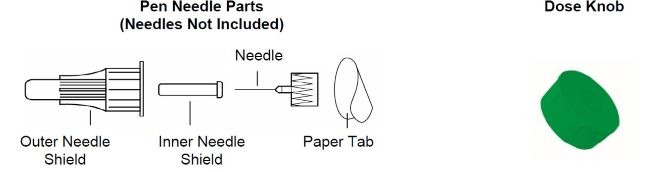
Figure (Onswik Kp Ifu F4 U1000 V1)
How to recognize your ONSWIK KwikPen
| 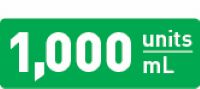 Figure (Onswik Kp Ifu F5 U1000 V1) |
Supplies needed to give your injection
Preparing your Pen
Step 1:
| Figure (Onswik Kp Ifu F6 V1) |
Step 2:
| Figure (Onswik Kp Ifu F7 V1) |
Step 3:
| Figure (Onswik Kp Ifu F8 V1) |
Step 4:
| Figure (Onswik Kp Ifu F9 V1) |
Priming your Pen
Prime before each injection.
Step 5:
| 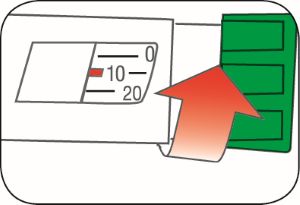 Figure (Onswik Kp Ifu F10 U1000 V1) |
Step 6:
| Figure (Onswik Kp Ifu F11 V1) |
Step 7:
| 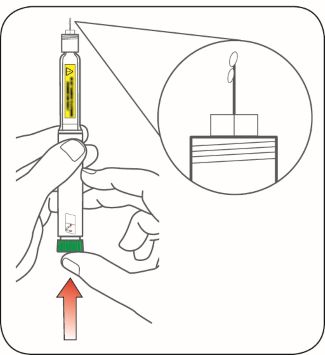 Figure (Onswik Kp Ifu F12 U1000 V1) Figure (Onswik Kp Ifu F13 U1000 V1) |
Selecting your dose
This Pen has been made to deliver the dose in insulin units that is shown in the Dose Window. Ask your healthcare provider what your dose should be for this Pen.
Step 8:
| 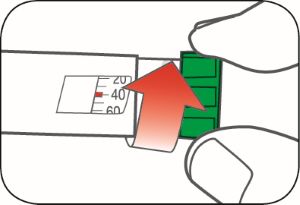 Figure (Onswik Kp Ifu F14 U1000 V1) 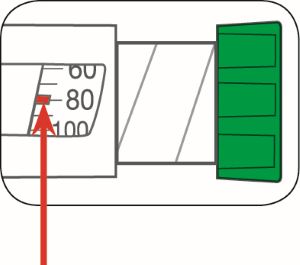 Figure (Onswik Kp Ifu F15 U1000 V1) shown in Dose Window 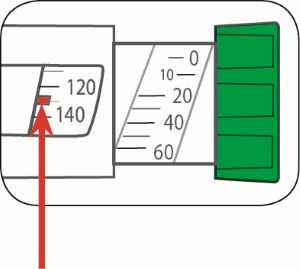 Figure (Onswik Kp Ifu F16 U1000 V1) shown in Dose Window |
Giving your injection
Step 9:
| 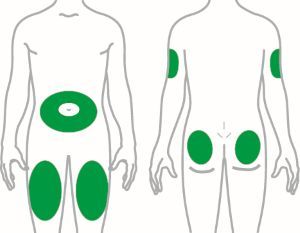 Figure (Onswik Kp Ifu F17 U1000 V1) | |
Step 10:
| 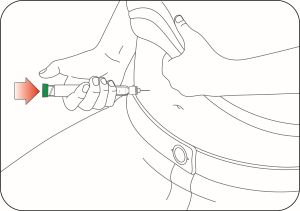 Figure (Onswik Kp Ifu F19 U1000 V1) | |
| Figure (Onswik Kp Ifu F18 V1) | |
| Do not try to inject your insulin by turning the Dose Knob. You will not receive your insulin by turning the Dose Knob. | ||
Step 11:
If you see blood after you take the Needle out of your skin, press the injection site lightly with a piece of gauze or an alcohol swab. Do not rub the area. | Figure (Onswik Kp Ifu F13 U1000 V1) | |
After your injection
Step 12:
| Figure (Onswik Kp Ifu F20 V1) |
Step 13:
| Figure (Onswik Kp Ifu F21 V1) |
Step 14:
| 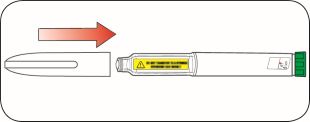 Figure (Onswik Kp Ifu F22 U1000 V1) |
Throwing away (disposing of) Pens and Needles
What you should know if you are switching to ONSWIK KwikPen
Ask your healthcare provider what your dose should be for your Pen in insulin units. Always follow your healthcare provider's instructions for dosing.
| If you are: | It is important to know: |
| Switching from another type of insulin device or pen. | This ONSWIK KwikPen is different from other pens. It dials 10 insulin units with each click of the Dose Knob. Do not select your dose by counting clicks. You may get too much insulin or you may not get enough insulin. |
General information about the safe and effective use of your Pen
Troubleshooting
If you have any questions or problems with your ONSWIK KwikPen, contact Lilly at 1-800-LillyRx (1-800-545-5979) or call your healthcare provider for help. For more information on ONSWIK KwikPen and insulin, go to www.ONSWIK.lilly.com.
Figure (Onswik Qr)
Scan this code to launch
www.ONSWIK.lilly.com
Manufactured by
Eli Lilly and Company
Indianapolis, IN 46285, USA
U.S. License Number: 1891
ONSWIK™ and ONSWIK™ KwikPen® are trademarks of Eli Lilly and Company.
Copyright © 2026, Eli Lilly and Company. All rights reserved.
This Instructions for Use has been approved by the U.S. Food and Drug Administration.
Issued: September 2026
| ONSWIK KwikPen meets the current dose accuracy and functional requirements of ISO 11608-1. |
ONS-KP-0001-IFU-U1000-20260923
Dispense in this sealed carton
NDC 0002-5137-11
onswikTM KwikPen®
(insulin efsitora alfa-gobe)
injection
500 units per mL (U-500)
For Subcutaneous Use
For Single Patient Use Only
Prefilled insulin delivery device
Use Once Weekly
1 x 3 mL prefilled pen Rx only
Read Enclosed Instructions for Use before injecting.
Pen delivers doses in 5 unit increments only.
NEEDLES NOT INCLUDED
Lilly
* Keep Pen Refrigerated,
Including Between Injections.
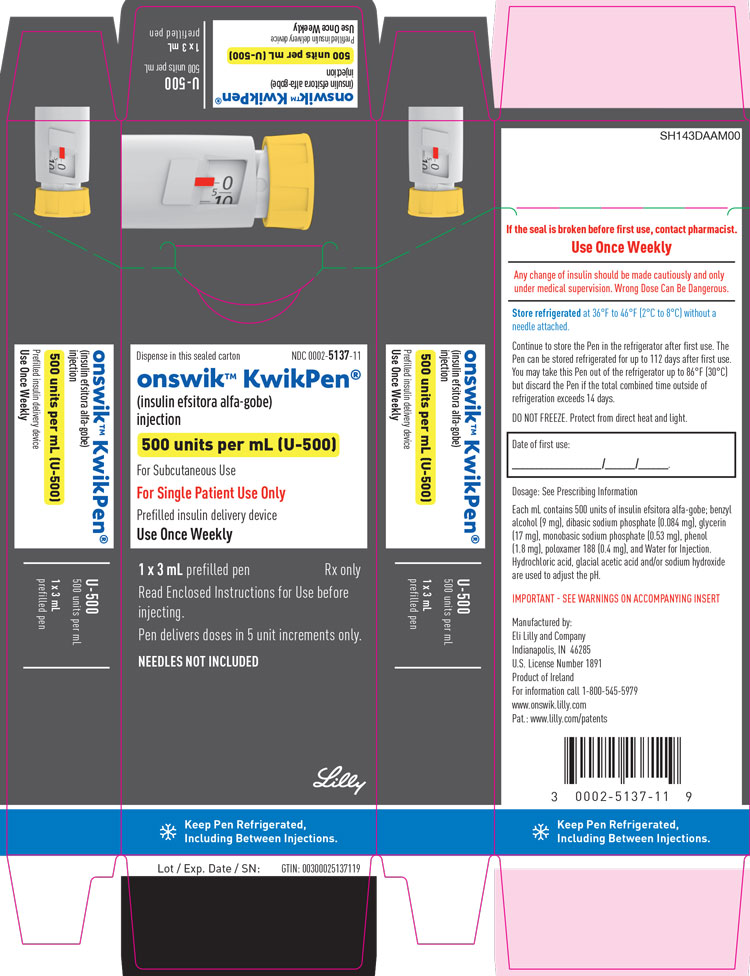
Package Carton – Onswik Kwikpen U-500 Carton (Onswik U500 Kpen 143 00)
Dispense in this sealed carton
NDC 0002-5240-11
onswikTM KwikPen®
(insulin efsitora alfa-gobe)
injection
1,000 units per mL (U-1,000)
For Subcutaneous Use
For Single Patient Use Only
Prefilled insulin delivery device
Use Once Weekly
1 x 3 mL prefilled pen Rx only
Read Enclosed Instructions for Use before injecting.
Pen delivers doses in 5 unit increments only.
NEEDLES NOT INCLUDED
Lilly
* Keep Pen Refrigerated,
Including Between Injections.
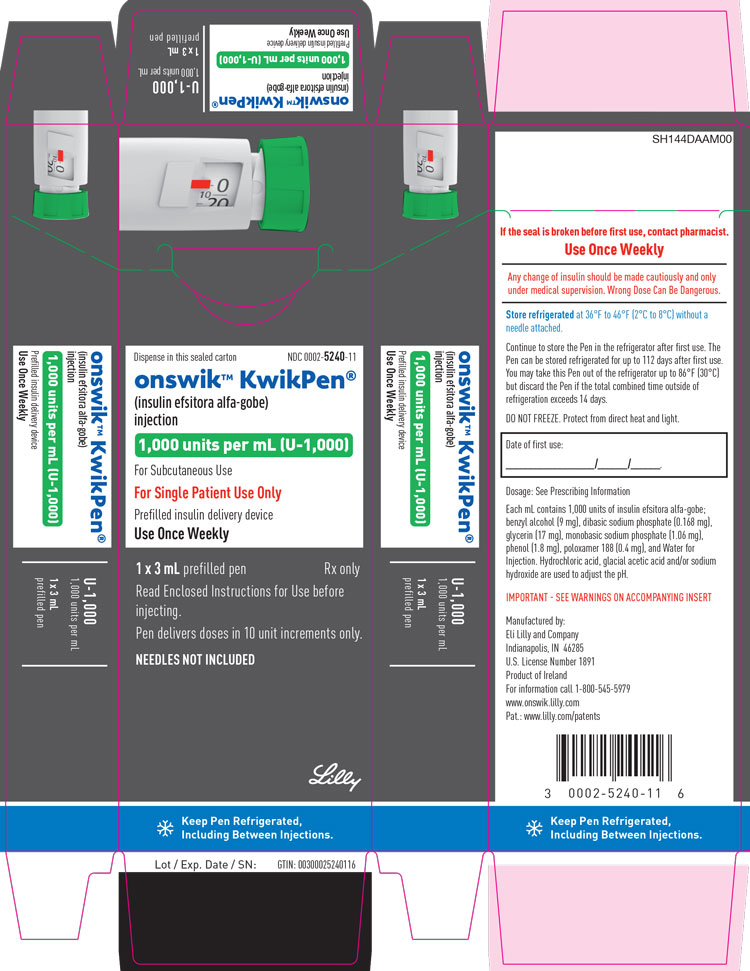
Package Carton – Humalog Kwikpen U-1000 Carton (Onswik U1000 Kpen 144 00)
* Please review the disclaimer below.

