Reyataz Capsule, Gelatin Coated
Product Images NDC 0003-3622

27 FDA label images from E.r. Squibb & Sons, L.l.c. · Packaging, Regulatory Labels, and Product Appearance

Product Visual Gallery

This gallery contains 27 technical images submitted to the FDA as part of the official labeling for Reyataz (NDC 0003-3622). Unlike standard consumer photos, these assets often include clinical data figures, molecular chemical structures, and official manufacturer packaging layouts.

As provided by E.r. Squibb & Sons, L.l.c., these visuals offer a comprehensive scientific overview of the product's physical and chemical identity, aiding pharmacists and researchers in product verification and study.

FDA Label Image

Reyataz Chemical Structure (Image 01)
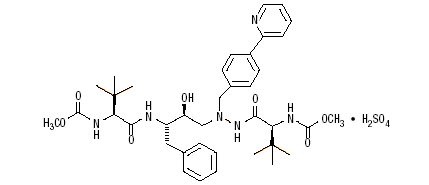
Reyataz Chemical Structure (Image 01)
Chemical structure diagram of the active ingredient in REYATAZ (atazanavir sulfate), showing its molecular configuration with labeled atoms and bonds including functional groups such as amides and aromatic rings.*
FDA Label Image

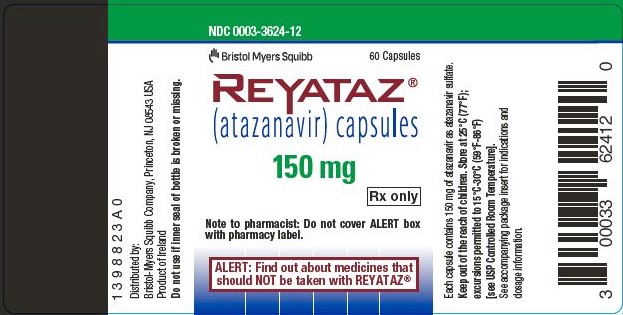
Reyataz 150 mg Bottle Label (Reyataz 150mg Label)

Reyataz 150 mg Bottle Label (Reyataz 150mg Label)
REYATAZ capsules with 150 mg strength by E.R. Squibb & Sons, L.L.C., packaged as 60 capsules per container. The label shows the active ingredient atazanavir and includes a pharmacist alert cautioning against covering an alert box, which advises about medicines that should not be taken with REYATAZ.*
FDA Label Image

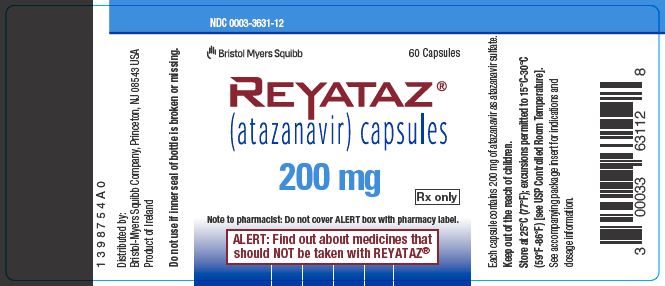
Reyataz 200 mg Bottle Label (Reyataz 200mg Label)

Reyataz 200 mg Bottle Label (Reyataz 200mg Label)
REYATAZ 200 mg capsules label by E.R. Squibb & Sons, L.L.C., featuring the proprietary name in large text and active ingredient atazanavir. The label includes dosage strength, pharmacist alert warning about drug interactions, and usage instructions such as storage conditions. The label also contains the NDC number and barcode.*
FDA Label Image

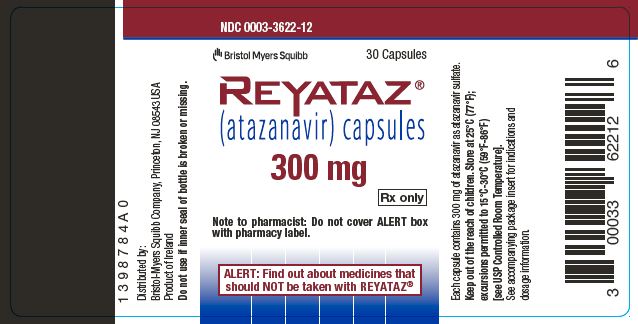
Reyataz 300 mg Bottle Label (Reyataz 300mg Label)

Reyataz 300 mg Bottle Label (Reyataz 300mg Label)
Label for REYATAZ capsules, atazanavir, 300 mg strength, distributed by E.R. Squibb & Sons, L.L.C. The label indicates a package quantity of 30 capsules. The label includes a barcode, a pharmacist alert box about medicines that should not be taken with REYATAZ, and storage instructions. The brand name REYATAZ and active ingredient atazanavir are prominently displayed.*
FDA Label Image

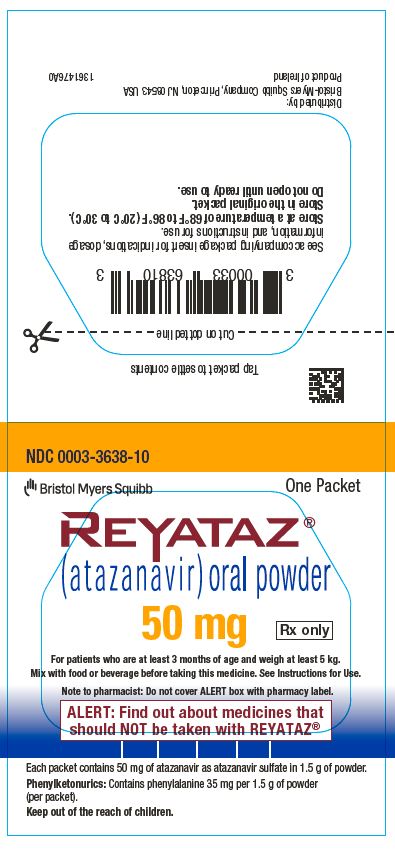
Reyataz 50 mg Packet (Reyataz 50mg Packet)

Reyataz 50 mg Packet (Reyataz 50mg Packet)
REYATAZ 50 mg oral powder packet label by Bristol Myers Squibb. The label includes atazanavir sulfate as the active ingredient with a packet content of 50 mg in 1.5 g powder. It is a prescription-only medication with usage instructions emphasizing mixing with food or beverage and warnings for patients and pharmacists. The label also includes a barcode, manufacturer information, and storage warnings.*
FDA Label Image

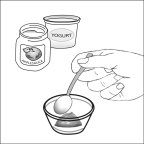
Reyataz Figure A (Reyataz Fig A)

Reyataz Figure A (Reyataz Fig A)
Illustration showing a hand holding a spoon above a small bowl of yogurt. Two containers of yogurt labeled are visible in the background. The image depicts a typical serving method for yogurt.*
FDA Label Image

Reyataz Figure B (Reyataz Fig B)

Reyataz Figure B (Reyataz Fig B)
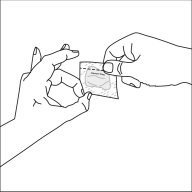
An instructional illustration showing a person opening a foil blister pack with one hand pulling back the foil to remove a single tablet or capsule. The other hand holds the pack steady, demonstrating the method for accessing individual tablets safely and cleanly.*
FDA Label Image

Reyataz Figure C (Reyataz Fig C)

Reyataz Figure C (Reyataz Fig C)
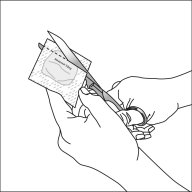
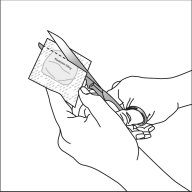
Illustration showing a person using scissors to carefully open a foil packet, demonstrating how to access the contents inside. The image focuses on hand positioning and technique for cutting the packet.*
FDA Label Image

Reyataz Figure D (Reyataz Fig D)

Reyataz Figure D (Reyataz Fig D)
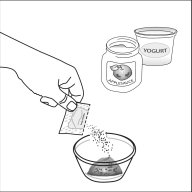
An instructional illustration showing a hand emptying the contents of a small packet into a bowl containing a solid substance. Two containers labeled "Yogurt" and a jar with an image of a peanut are positioned behind the bowl. This image likely demonstrates mixing or preparation steps involving these ingredients.*
FDA Label Image

Reyataz Figure E (Reyataz Fig E)

Reyataz Figure E (Reyataz Fig E)
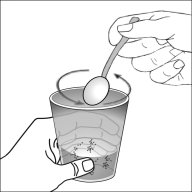
An instructional illustration showing a hand holding a spoon and stirring a powder in a small bowl or cup. The image appears to demonstrate preparation or mixing of a medication or substance before use.*
FDA Label Image

Reyataz Figure F (Reyataz Fig F)

Reyataz Figure F (Reyataz Fig F)
An illustration of a 30 mL medicine cup with measurement markings at 5 mL increments from 5 mL to 30 mL. The cup is transparent and labeled with '30 mL MEDICINE CUP' to the left of the image.*
FDA Label Image

Reyataz Figure G (Reyataz Fig G)

Reyataz Figure G (Reyataz Fig G)
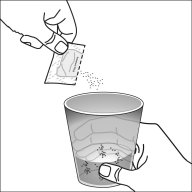
An instructional diagram showing a hand pouring the contents of a packet or sachet into a glass. The image depicts the initial step of reconstituting or dissolving a powdered or granular product in a liquid container, likely related to medication preparation.*
FDA Label Image

Reyataz Figure H (Reyataz Fig H)

Reyataz Figure H (Reyataz Fig H)
Illustration showing a person using their hands to open a foil blister package by peeling back the foil layer. The image demonstrates the proper technique for removing a single tablet from the packaging.*
FDA Label Image

Reyataz Figure I (Reyataz Fig I)

Reyataz Figure I (Reyataz Fig I)
An instructional line drawing showing a pair of hands using scissors to cut open a rectangular package. The package appears to have a tear notch, and the illustration demonstrates how to open it carefully. No text or branding is visible in the image.*
FDA Label Image

Reyataz Figure J (Reyataz Fig J)

Reyataz Figure J (Reyataz Fig J)
Illustration showing hands opening a powdered medication packet and pouring the powder into a clear cup filled with liquid. The image suggests preparation of a medication suspension or solution, possibly relevant to REYATAZ oral administration instructions.*
FDA Label Image

Reyataz Figure K (Reyataz Fig K)

Reyataz Figure K (Reyataz Fig K)
An instructional illustration showing a person's hand stirring a spoon in a cup containing a dissolved substance. The other hand holds the cup steady. This type of image is typically used to demonstrate how to properly mix a medication before administration.*
FDA Label Image

Reyataz Figure L (Reyataz Fig L)

Reyataz Figure L (Reyataz Fig L)
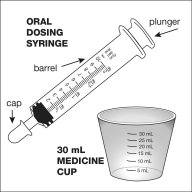
An instructional illustration showing an oral dosing syringe and a medicine cup. The syringe components are labeled including plunger, barrel, and cap. The medicine cup is marked with volume measurements from 5 mL to 30 mL. The image is intended to guide proper measurement and administration of liquid medication doses.*
FDA Label Image

Reyataz Figure M (Reyataz Fig M)

Reyataz Figure M (Reyataz Fig M)
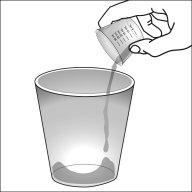
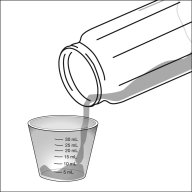
Illustration showing a liquid medication being poured from a bottle into a small graduated measuring cup marked with volume measurements in milliliters up to 30 mL.*
FDA Label Image

Reyataz Figure N (Reyataz Fig N)

Reyataz Figure N (Reyataz Fig N)
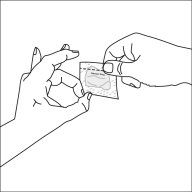
An instructional line drawing showing hands opening or handling a single-dose package, likely for a medication. One hand holds the package while the other hand is positioned to open or access its contents, demonstrating the proper way to handle the unit dose.*
FDA Label Image

Reyataz Figure O (Reyataz Fig O)

Reyataz Figure O (Reyataz Fig O)
An instructional illustration showing a pair of hands using scissors to carefully open a sealed foil pouch. The image demonstrates the correct technique for opening the pouch, likely for accessing the medication inside.*
FDA Label Image

Reyataz Figure P (Reyataz Fig P)

Reyataz Figure P (Reyataz Fig P)
An instructional illustration showing one hand opening a small packet, pouring its contents into a measuring cup held by the other hand. The measuring cup has volume markings visible on its side.*
FDA Label Image

Reyataz Figure Q (Reyataz Fig Q)

Reyataz Figure Q (Reyataz Fig Q)
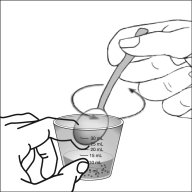
An instructional illustration showing a hand holding a small medicine cup while another hand uses a spoon to stir its contents. The medicine cup has visible measurement markings and is being held steady at the base.*
FDA Label Image

Reyataz Figure R (Reyataz Fig R)

Reyataz Figure R (Reyataz Fig R)
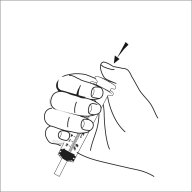
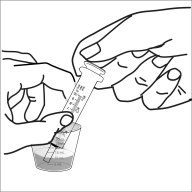
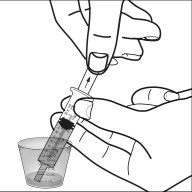
An instructional illustration showing a hand holding a syringe, with an arrow pointing to the thumb to indicate proper thumb placement for pushing the plunger. The image likely demonstrates part of a medication administration technique.*
FDA Label Image

Reyataz Figure S (Reyataz Fig S)

Reyataz Figure S (Reyataz Fig S)
An instructional illustration showing two hands extracting or inserting a capsule or tablet into a small open container, demonstrating a step in medication preparation or administration.*
FDA Label Image

Reyataz Figure T (Reyataz Fig T)

Reyataz Figure T (Reyataz Fig T)
An instructional illustration showing a hand holding a syringe with a cap being removed, positioned above a container or cup. The image likely demonstrates preparation or administration steps for an injectable medication, specifically related to REYATAZ according to the product data.*
FDA Label Image

Reyataz Figure U (Reyataz Fig U)

Reyataz Figure U (Reyataz Fig U)
An instructional illustration showing a young child receiving oral medication from a dispenser or syringe. The image depicts a hand holding the dosing device to the child's open mouth to administer liquid medicine. No packaging or branding is visible.*
FDA Label Image

Reyataz Fig 1 (Reyataz Figure1)

Reyataz Fig 1 (Reyataz Figure1)
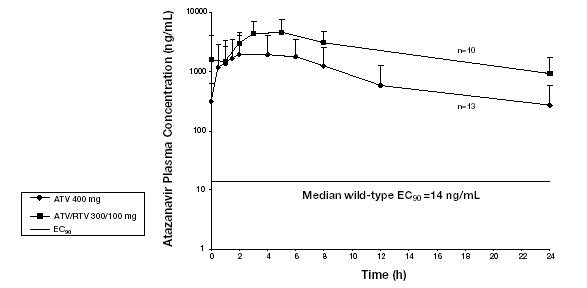
A line graph depicting atazanavir plasma concentration (ng/mL) over time (hours) for two dosing regimens: ATV 400 mg and ATV/RTV 300/100 mg. The y-axis is logarithmic, ranging from 10 to 10000 ng/mL, with error bars shown. A horizontal line marks the median wild-type EC90 at 14 ng/mL. Sample sizes are noted as n=10 and n=13 for the groups.*

* About these descriptions: Image descriptions on this page are generated by automated AI analysis of the product label images from the manufacturer's FDA label submission (SPL). They are provided for reference only and may contain errors or omissions. Always rely on the printed label itself and the official FDA labeling, and consult a pharmacist or healthcare professional with any questions about this product.