Eliquis Kit
Product Images NDC 0003-3764

57 FDA label images from E.r. Squibb & Sons, L.l.c. · Packaging, Regulatory Labels, and Product Appearance

Product Visual Gallery

This gallery contains 57 technical images submitted to the FDA as part of the official labeling for Eliquis (NDC 0003-3764). Unlike standard consumer photos, these assets often include clinical data figures, molecular chemical structures, and official manufacturer packaging layouts.

As provided by E.r. Squibb & Sons, L.l.c., these visuals offer a comprehensive scientific overview of the product's physical and chemical identity, aiding pharmacists and researchers in product verification and study.

Product Images & Figures Index

FDA Label Image

Aristotle Major Bleeding Forest Plot (Aristotle Major Bleeding Forest Plot)
Aristotle Major Bleeding Forest Plot (Aristotle Major Bleeding Forest Plot)
A forest plot chart comparing hazard ratios (95% confidence intervals) of apixaban versus warfarin across various patient subgroups. The horizontal axis shows hazard ratios with markers indicating effect size in favor of apixaban or warfarin. Subgroups include age, sex, weight, prior stroke/TIA, diabetes mellitus, CHADS2 score, creatinine clearance, geographic region, and aspirin use.*
FDA Label Image

Apixaban Chemical Structure (Apixaban Struct)

Apixaban Chemical Structure (Apixaban Struct)
Chemical structure of apixaban, the active ingredient in ELIQUIS. It depicts the molecular framework including multiple ring structures and functional groups characteristic of the compound.*
FDA Label Image

Effect Of Coadministered Drugs On Pharmacokinetics Of Apixaban (Eliquis Pkplot Drugs Fig2)

Effect Of Coadministered Drugs On Pharmacokinetics Of Apixaban (Eliquis Pkplot Drugs Fig2)
A pharmacokinetic chart showing the fold change and 90% confidence interval for the maximum concentration (Cmax) and area under the curve (AUC) of apixaban when given with interacting drugs. The chart lists combined P-gp and strong CYP3A4 inhibitors (Ketoconazole 400 mg, Clarithromycin 500 mg), other CYP3A4 and P-gp inhibitors (Diltiazem 360 mg, Naproxen 500 mg), and combined P-gp and strong CYP3A4 inducer (Rifampin 600 mg), with changes relative to reference on the x-axis ranging from 0.5 to 2.0.*
FDA Label Image

O:\e-submissions\pbo\products\eliquis 202155\08. Pas Esrd Dosing\01. Orig Submission\source\eliquis-pkplot-pop-fig3.jpg (Eliquis Pkplot Pop Fig3)

O:\e-submissions\pbo\products\eliquis 202155\08. Pas Esrd Dosing\01. Orig Submission\source\eliquis-pkplot-pop-fig3.jpg (Eliquis Pkplot Pop Fig3)
A pharmacokinetic chart depicting fold change and 90% confidence intervals of Cmax and AUC in various population subgroups relative to reference for Eliquis (apixaban). It includes data for renal impairment, age, body weight, and hepatic impairment along with dosing recommendations.*
FDA Label Image

Aristotle Kaplan-meier Curve (Eliquis Km Fig4)

Aristotle Kaplan-meier Curve (Eliquis Km Fig4)
A Kaplan-Meier curve graph showing the proportion of subjects with stroke or systemic embolism over time (up to 36 months) for patients treated with ELIQUIS and Warfarin. The graph includes event counts and numbers at risk at various time points, comparing the two treatments with statistical values indicated.*
FDA Label Image

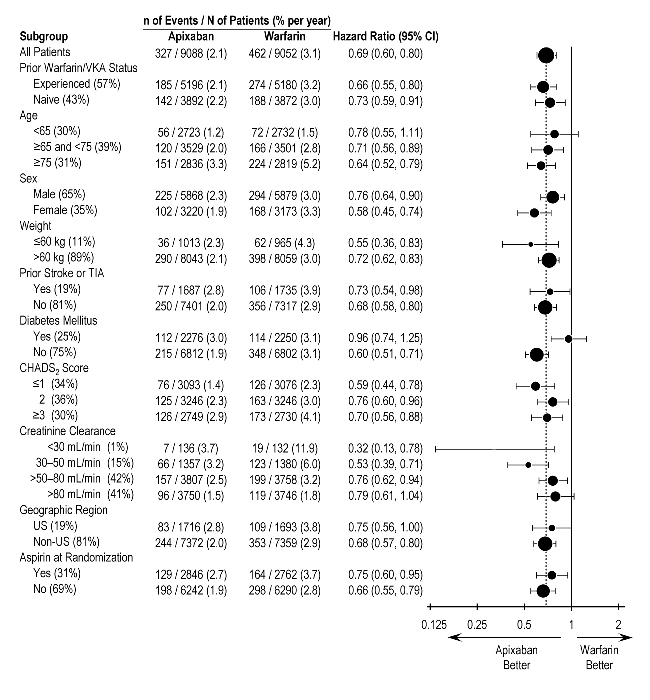
Aristotle Forest Plot (Eliquis Clin Forest Fig5)

Aristotle Forest Plot (Eliquis Clin Forest Fig5)
A forest plot chart displaying the hazard ratios with 95% confidence intervals comparing Apixaban and Warfarin across various patient subgroups. The vertical line at hazard ratio 1 indicates no difference; points left favor Apixaban, right favor Warfarin. Subgroups include prior Warfarin status, age, sex, weight, prior stroke or TIA, diabetes, CHADS2 score, creatinine clearance, geographic region, and aspirin use at randomization, with event rates and patient numbers also provided.*
FDA Label Image

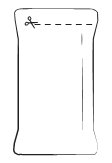
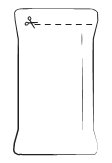
Sachet-packet (Image 02)

Sachet-packet (Image 02)
An instructional line drawing illustration of a pouch or sachet with a dotted line and a scissor icon at the top, indicating where to cut open. The image suggests opening instructions but does not contain text or product-specific details.*
FDA Label Image

Small-spoon (Image 01)

FDA Label Image

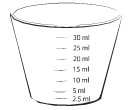
Medicine-cup (Image 04)

Medicine-cup (Image 04)
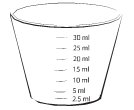
An illustration of a small, translucent measuring cup with volume markings. The cup is marked at increments of 2.5 ml, 5 ml, 10 ml, 15 ml, 20 ml, 25 ml, and 30 ml. The image shows a simple line drawing of the cup used for liquid measurement.*
FDA Label Image

Small-scissors (Small Scissors.png)

FDA Label Image

10ml-dosage-cup (Image 03)

10ml-dosage-cup (Image 03)
An instructional illustration showing a medicine cup marked with volume measurements at 5 mL, 10 mL, 15 mL, 20 mL, 25 mL, and 30 mL, with liquid filled up to 10 mL. It highlights accurate liquid measurement for dosing purposes.*
FDA Label Image

Prescription-label (A Prescription With Barcode And Rx Ai Generated Content May Be Incorrect.)

Prescription-label (A Prescription With Barcode And Rx Ai Generated Content May Be Incorrect.)
Packaging label for ELIQUIS (apixaban) film-coated tablets, displaying prescription information and a barcode. The label includes sections for drug details and usage instructions, consistent with prescription drug labeling by E.R. Squibb & Sons, L.L.C.*
FDA Label Image

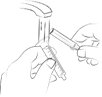
Tap-and-open-packet (A Drawing Of A Hand Holding A Bag Ai Generated Content May Be Incorrect.)

Tap-and-open-packet (A Drawing Of A Hand Holding A Bag Ai Generated Content May Be Incorrect.)
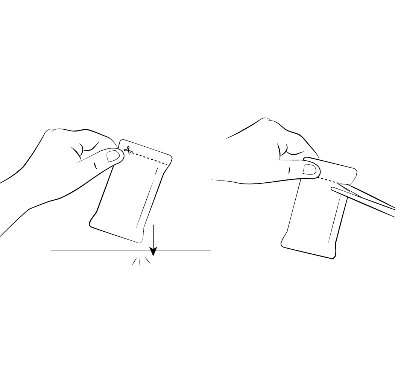
An instructional illustration showing hands opening a small pouch by tearing along the top edge with scissors, likely demonstrating how to access the contents inside, possibly a single-dose package relevant to ELIQUIS (apixaban) oral tablets.*
FDA Label Image

Empty-packet (Empty Packet.png)

Empty-packet (Empty Packet.png)
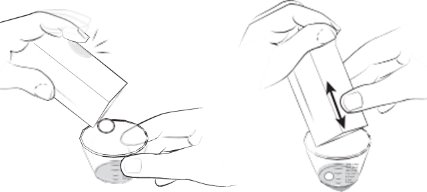
An instructional illustration showing two steps of use: one hand pressing a tablet out of a blister pack into a measuring cup, and the other hand demonstrating sliding motion on a device likely related to tablet handling or dispensing.*
FDA Label Image

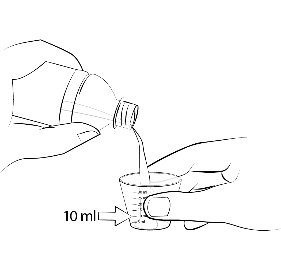
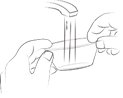
Liquid-to-medicine-cup (A Hand Pouring Liquid Into A Measuring Cup Ai Generated Content May Be Incorrect.)

Liquid-to-medicine-cup (A Hand Pouring Liquid Into A Measuring Cup Ai Generated Content May Be Incorrect.)
An instructional illustration showing a liquid being poured from a bottle into a measuring cup, which is marked at the 10 ml level. The image emphasizes accurate measurement of 10 ml of liquid.*
FDA Label Image

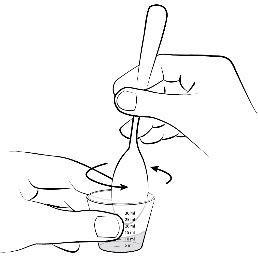
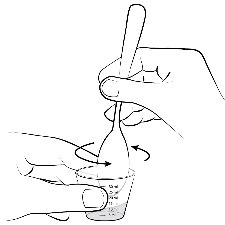
Mix-medicine (Image 05)

Mix-medicine (Image 05)
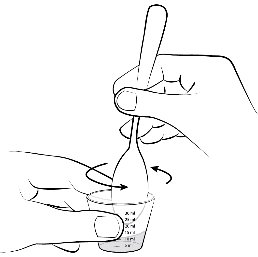
An instructional illustration showing a hand holding a small measuring cup while stirring its contents with a spoon in a circular motion. The image depicts how to mix or stir medication in a measured liquid dose.*
FDA Label Image

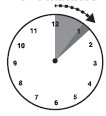
Clock (Image 06)

Clock (Image 06)
An illustration of a clock face showing the time between 12:00 and 2:00, with a shaded segment representing the 10-minute interval between 12:50 and 1:00, indicated by arrows. This diagram likely demonstrates a time-related concept or instruction.*
FDA Label Image

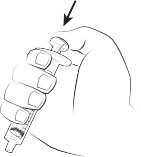
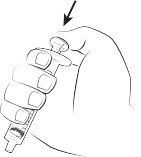
Push-plunger (Image 07)

Push-plunger (Image 07)
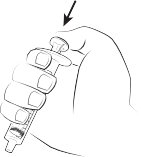
An instructional illustration showing a hand holding a syringe with the thumb ready to press the plunger. The image likely demonstrates the proper technique to administer an injection, with an arrow indicating the direction of pressing the plunger.*
FDA Label Image

Syringe-in-cup (Image 08)

Syringe-in-cup (Image 08)
An instructional illustration showing a hand holding and twisting off the cap of a syringe or similar device. The image demonstrates the first step in preparing or using the device, with an arrow indicating the direction to turn the cap.*
FDA Label Image

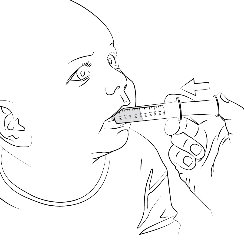
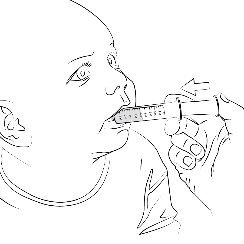
Child-upright (A Drawing Of A Child With A Syringe In His Mouth Ai Generated Content May Be Incorrect.)

Child-upright (A Drawing Of A Child With A Syringe In His Mouth Ai Generated Content May Be Incorrect.)
Illustration showing a person administering oral medication to a child using an oral syringe. The image depicts the syringe being placed in the child's mouth for dosing.*
FDA Label Image

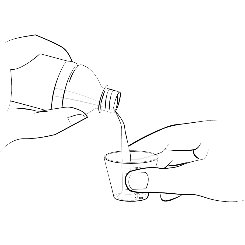
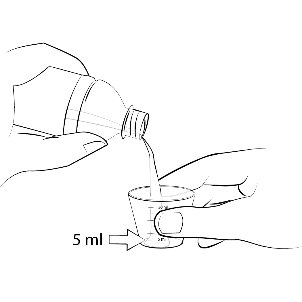
5ml-cup (A Hand Pouring Liquid Into A Small Glass Ai Generated Content May Be Incorrect.)

5ml-cup (A Hand Pouring Liquid Into A Small Glass Ai Generated Content May Be Incorrect.)
An instructional black and white line drawing showing a person pouring liquid from a bottle into a small cup held by another hand. This appears to be a demonstration of how to pour a measured dose of liquid medication into a dosing cup.*
FDA Label Image

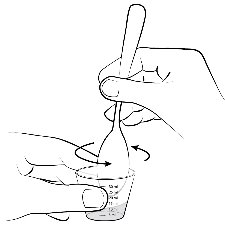
Stir-liquid (A Drawing Of A Measuring Cup With A Spoon Ai Generated Content May Be Incorrect.)

Stir-liquid (A Drawing Of A Measuring Cup With A Spoon Ai Generated Content May Be Incorrect.)
An instructional illustration showing a hand stirring liquid in a small cup or container with a spoon. The image depicts a circular stirring motion indicated by arrows around the spoon.*
FDA Label Image

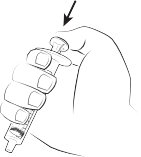
Push-plunger (Image 09)

Push-plunger (Image 09)
An instructional diagram showing a hand holding a syringe with the thumb pressing down on the plunger, illustrating proper syringe use technique.*

FDA Label Image

Syringe-in-cup (Image 10)

Syringe-in-cup (Image 10)
An instructional line drawing illustrating the technique to disengage a syringe cap by rotating it counterclockwise and pulling upward with one hand while holding the syringe barrel with the other. The image highlights the step of removing the cap before administration.*
FDA Label Image

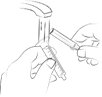
Clean-syringe (Image 11)

Clean-syringe (Image 11)
An instructional line drawing showing a hand holding a bottle while the other hand pulls a tablet out of the bottle, demonstrating how to remove a tablet from its container.*
FDA Label Image

Sachet-packet (Sachet Packet)

Sachet-packet (Sachet Packet)
An illustration of a sealed pouch or packet with a dashed line and scissors icon at the top, indicating where to cut to open. No product-specific text or branding is visible.*
FDA Label Image

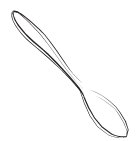
Small-spoon (Small Spoon)

FDA Label Image

Small-scissors (Small Scissors)

FDA Label Image

Apple-sauce (Image 12)

Apple-sauce (Image 12)
ELIQUIS apixaban 2.5 mg film-coated tablets in a blister card packaging. The label indicates oral dosage form with 14 tablets per package, manufactured by E.R. Squibb & Sons, L.L.C. The blister pack is white with black and blue text, showing the product name and strength clearly.*
FDA Label Image

Small-bowl (Image 13)

FDA Label Image

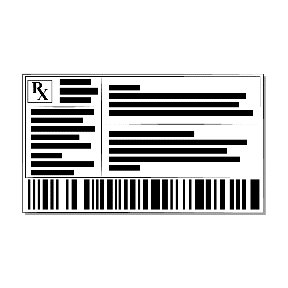
Prescription-label (Prescription Label)

Prescription-label (Prescription Label)
A text panel showing prescription drug information with blacked-out details and a barcode at the bottom. The layout includes sections likely for medication instructions, warnings, or other regulatory text, but the specific content is not legible.*
FDA Label Image

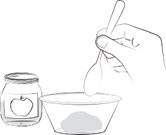
Mix-apple-sauce (Image 14)

Mix-apple-sauce (Image 14)
An illustration showing a hand stirring or mixing the contents of a bowl with a spoon next to a jar labeled with a simple apple graphic, possibly representing apple sauce or similar food.*
FDA Label Image

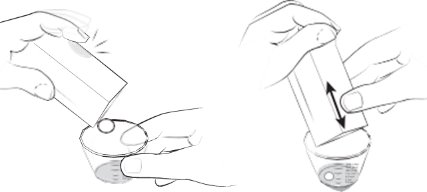
Empty-packet (Empty Packet)

Empty-packet (Empty Packet)
An instructional diagram showing hands dispensing a single tablet from a blister pack into a measuring cup, demonstrating proper tablet removal technique for an oral dosage form.*
FDA Label Image

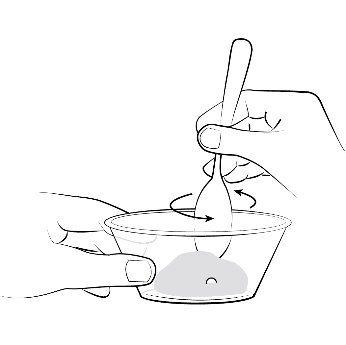
Mix-food (Image 15)

Mix-food (Image 15)
An instructional illustration showing a hand holding a spoon and stirring its contents inside a small cup or bowl held by another hand. The image uses arrows to indicate the stirring motion.*
FDA Label Image

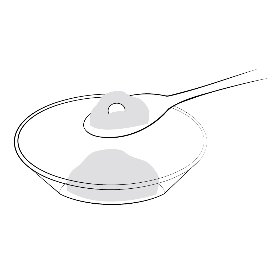
Food-medicine-mixture (Image 16)

Food-medicine-mixture (Image 16)
An illustration showing a single tablet placed on a spoon above a shallow bowl or dish. The image likely demonstrates the appearance or method related to the tablet dosage form.*
FDA Label Image

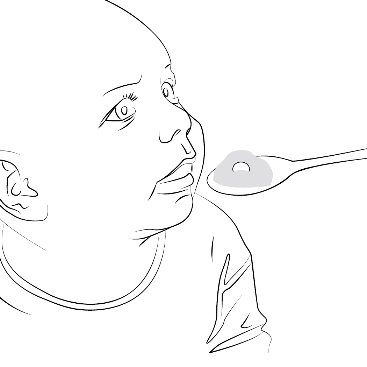
Give-food-to-child (A Drawing Of A Baby Eating Ai Generated Content May Be Incorrect.)

Give-food-to-child (A Drawing Of A Baby Eating Ai Generated Content May Be Incorrect.)
An instructional line drawing showing a person, possibly a child or infant, about to receive medication from a spoon held by another individual. The spoon contains a small dose of medicine.*
FDA Label Image

Wash-items (Image 17)

Wash-items (Image 17)
An instructional line drawing showing a person's hands opening a blister pack containing tablets. The illustration depicts peeling back the foil to remove a single tablet, demonstrating how to access the medication from its packaging.*
FDA Label Image

Flush-volume-table (Image 30)

Flush-volume-table (Image 30)
A data table showing tube sizes in French units (5, 6.5, 12) and their corresponding volumes in milliliters (10, 15, 25). This table provides volume capacity for different tube sizes.*
FDA Label Image

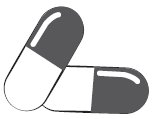
Capsule (Image 18)

Capsule (Image 18)
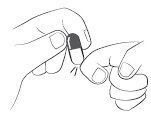
An illustration of two capsules, one partially overlapping the other. The capsules are shaded in gray and white and do not display any text or markings. This image likely represents a generic depiction of medication capsules.*
FDA Label Image

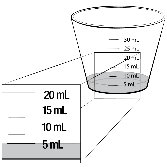
5ml-dose-cup (Image 19)

5ml-dose-cup (Image 19)
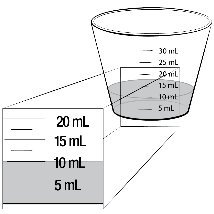
An illustration showing a close-up view of a liquid measuring cup with volume markings at 5 mL, 10 mL, 15 mL, and 20 mL. The zoomed-in section highlights the 5 mL level, indicating a measurement of 5 milliliters.*
FDA Label Image

Small-spoon (Image 20)

FDA Label Image

Medicine-cup (Medicine Cup)

Medicine-cup (Medicine Cup)
An illustration of a clear measuring cup with volume markings from 2.5 ml to 30 ml in 2.5 ml increments. The cup is shown from a slightly elevated angle, displaying the measurement lines arranged vertically on its side.*
FDA Label Image

Oral-dosing-syringe (Image 21)

Oral-dosing-syringe (Image 21)
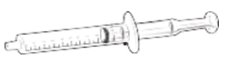
An illustration of a prefilled syringe depicting a medical injection device with a graduated barrel and plunger, showing measurement markings along the barrel. The syringe is intended for administering medication via injection.*
FDA Label Image

Tap-capsule (Image 22)

Tap-capsule (Image 22)
An instructional illustration showing two hands opening a blister pack containing a capsule. One hand holds the blister pack while the other presses the capsule out of the packaging.*
FDA Label Image

Open-capsule (Image 23)

Open-capsule (Image 23)
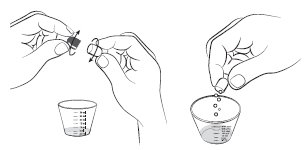
Illustration showing two sets of hands performing tablet manipulation steps for oral administration. The left side depicts a person breaking a tablet, while the right side shows a hand dropping multiple small pieces or granules into a liquid-filled measuring cup. The image appears to guide how to prepare oral medication using the tablet form.*
FDA Label Image

Liquid-to-medicine-cup (Image 24)

Liquid-to-medicine-cup (Image 24)
An instructional illustration showing a liquid being poured from a bottle into a small measuring cup marked with a 5 ml dosage level. The image demonstrates proper measuring of a 5 ml dose using the provided cup.*
FDA Label Image

Mix-medicine (A Drawing Of A Measuring Cup And A Spoon Ai Generated Content May Be Incorrect.)

Mix-medicine (A Drawing Of A Measuring Cup And A Spoon Ai Generated Content May Be Incorrect.)
An instructional illustration showing a hand holding a small measuring cup while another hand stirs the contents inside the cup with a spoon in a circular motion.*
FDA Label Image

Push-plunger (Push Plunger)

Push-plunger (Push Plunger)
Illustration showing a close-up of a hand gripping a syringe with the thumb positioned on the plunger to push the medication out. The image highlights proper thumb placement for injection.*
FDA Label Image

Syringe-in-cup (Syringe In Cup)

Syringe-in-cup (Syringe In Cup)
An instructional illustration showing a hand holding and preparing a syringe with a stopper being pulled upward by the index finger to remove it, demonstrating the initial step in syringe preparation or medication administration.*
FDA Label Image

5ml-cup (5ml Cup)

5ml-cup (5ml Cup)
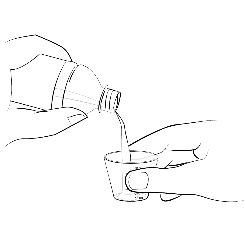
An instructional line drawing showing a hand pouring liquid from a bottle into a small measuring cup held by the other hand.*
FDA Label Image

Stir-liquid (Stir Liquid)

Stir-liquid (Stir Liquid)
An instructional illustration showing a hand stirring the contents of a small cup or container with a spoon. The motion is indicated by curved arrows around the spoon, suggesting mixing or dissolving action.*
FDA Label Image

Push-plunger (Image 25)

Push-plunger (Image 25)
An instructional illustration showing a hand holding a prefilled syringe, with an arrow indicating pressing the plunger. The drawing demonstrates the proper technique for injecting or administering an injectable medication.*
FDA Label Image

Capsule-child-upright (Capsule Child Upright)

Capsule-child-upright (Capsule Child Upright)
An instructional line drawing showing a child receiving oral medication from a syringe held by an adult. The syringe is positioned at the child's mouth, demonstrating the administration of liquid medicine by oral route.*
FDA Label Image

Clean-syringe (Clean Syringe)

Clean-syringe (Clean Syringe)
An instructional illustration showing the hands of a person preparing an injection by drawing liquid from a vial into a syringe. The vial is held in one hand, with the other hand inserting the syringe needle into the vial's rubber stopper to withdraw the medication.*
FDA Label Image

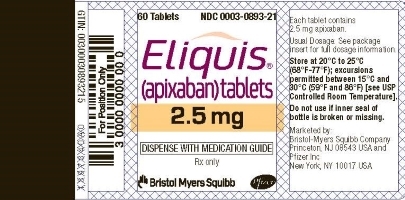
Apixa-2.5mg-label (Apixa 2.5mg Label.jpg)

Apixa-2.5mg-label (Apixa 2.5mg Label.jpg)
ELIQUIS (apixaban) tablets 2.5 mg carton label showing 60 tablets. The label includes dosage strength, packaging details, and manufacturer information from Bristol-Myers Squibb Company, Princeton, NJ, and Pfizer Inc., New York, NY. It states the product is for oral use and includes storage conditions and warnings.*
FDA Label Image

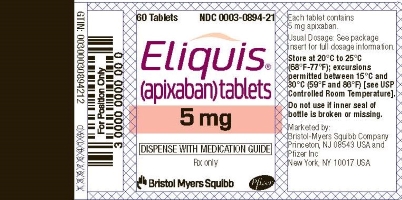
Apixa-5.0mg-label (Apixa 5.0mg Label.jpg)

Apixa-5.0mg-label (Apixa 5.0mg Label.jpg)
ELIQUIS (apixaban) tablets 5 mg film-coated, package containing 60 tablets, labeled for oral use. The label includes dosing information, storage instructions, and is marked by the labeler E.R. Squibb & Sons, L.L.C., associated with Bristol-Myers Squibb Company.*
FDA Label Image

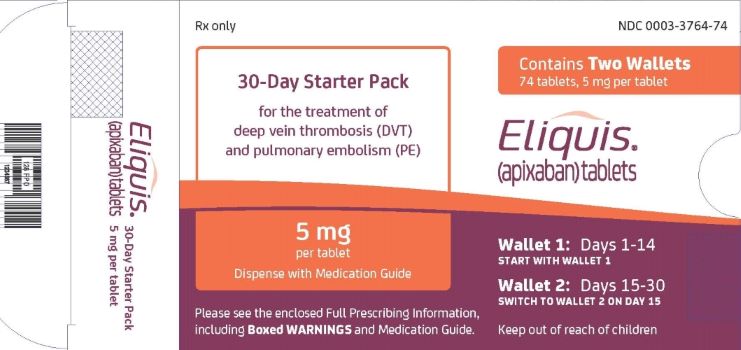
Apixa-5.0mg-startcrtn (Apixa 5.0mg Startcrtn.jpg)

Apixa-5.0mg-startcrtn (Apixa 5.0mg Startcrtn.jpg)
Packaging label for Eliquis (apixaban) 5 mg film-coated tablets, 30-Day Starter Pack by E.R. Squibb & Sons, L.L.C. The label indicates the pack contains two wallets with a total of 74 tablets for the treatment of deep vein thrombosis (DVT) and pulmonary embolism (PE). Wallet 1 is for days 1-14 and Wallet 2 for days 15-30. Includes instructions to dispense with Medication Guide and Full Prescribing Information.*

* About these descriptions: Image descriptions on this page are generated by automated AI analysis of the product label images from the manufacturer's FDA label submission (SPL). They are provided for reference only and may contain errors or omissions. Always rely on the printed label itself and the official FDA labeling, and consult a pharmacist or healthcare professional with any questions about this product.