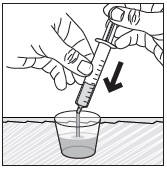
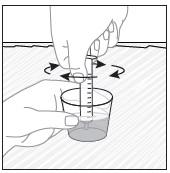
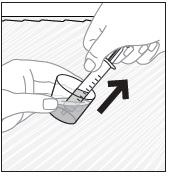
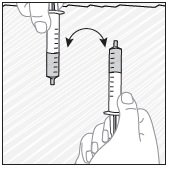
- PREVYMIS 240 mg/12 mL (20 mg/mL) injection: clear and colorless solution in a single-dose vial.
- PREVYMIS 480 mg/24 mL (20 mg/mL) injection: clear and colorless solution in a single-dose vial.
Adult CMV-seropositive Recipients [R+] of an Allogeneic HSCT
Prophylaxis Through Week 14 (~100 days) Post-HSCT
The safety of PREVYMIS was evaluated in a Phase 3 randomized, double-blind, placebo-controlled trial (P001) in which 565 subjects were randomized and treated with PREVYMIS (N=373) or placebo (N=192) through Week 14 post-HSCT. Adverse events were those reported while subjects were on study medication or within two weeks of study medication completion/discontinuation. The mean time for reporting adverse events and laboratory abnormalities was approximately 22% longer in the PREVYMIS arm compared to the placebo arm.
Cardiac Adverse Events
The cardiac adverse event rate was higher in subjects receiving PREVYMIS (13%) compared to subjects receiving placebo (6%). The most common cardiac adverse events were tachycardia (reported in 4% of PREVYMIS subjects and in 2% of placebo subjects) and atrial fibrillation (reported in 3% of PREVYMIS subjects and in 1% of placebo subjects). Among those subjects who experienced one or more cardiac adverse events, 85% of PREVYMIS and 92% of placebo subjects had events reported as mild or moderate in severity.
Common Adverse Events
The rate of adverse events occurring in at least 10% of subjects in the PREVYMIS group and at a frequency at least 2% greater than placebo are outlined in Table 8.
Table 8: Trial P001 All Grade Adverse Events Reported in ≥ 10% of PREVYMIS-Treated HSCT Recipients at a Frequency at least 2% Greater than Placebo| Adverse Events | PREVYMIS
(N=373) | Placebo
(N=192) |
|---|
| nausea | 27% | 23% |
| diarrhea | 26% | 24% |
| vomiting | 19% | 14% |
| peripheral edema | 14% | 9% |
| cough | 14% | 10% |
| headache | 14% | 9% |
| fatigue | 13% | 11% |
| abdominal pain | 12% | 9% |
Overall, similar proportions of subjects in each group discontinued study medication due to an adverse event (13% of PREVYMIS subjects vs. 12% of placebo subjects). The most frequently reported adverse event that led to study drug discontinuation was nausea, occurring in 2% of PREVYMIS subjects and 1% of placebo subjects. Hypersensitivity reaction, with associated moderate dyspnea, occurred in one subject following the first infusion of IV PREVYMIS after switching from oral PREVYMIS, leading to treatment discontinuation.
Laboratory Abnormalities
Selected laboratory abnormalities reported during treatment or within 2 weeks of stopping treatment are presented in Table 9.
Table 9: Trial P001 Selected Laboratory Abnormalities | PREVYMIS
N=373 | Placebo
N=192 |
|---|
| Absolute neutrophil count (cells/μL) | | |
| < 500 | 19% | 19% |
| 500 – < 750 | 4% | 7% |
| 750 – < 1000 | 8% | 9% |
| Hemoglobin (g/dL) | | |
| < 6.5 | 2% | 1% |
| 6.5 – < 8.0 | 14% | 15% |
| 8.0 – < 9.5 | 41% | 43% |
| Platelets (cells/μL) | | |
| < 25000 | 27% | 21% |
| 25000 – < 50000 | 17% | 18% |
| 50000 – < 100000 | 20% | 30% |
| Serum creatinine (mg/dL) | | |
| > 2.5 | 2% | 3% |
| > 1.5 – 2.5 | 17% | 20% |
The median time to engraftment (defined as absolute neutrophil count ≥ 500/mm3 on 3 consecutive days after transplantation) was 19 days in the PREVYMIS group and 18 days in the placebo group.
Prophylaxis From Week 14 (~100 days) Through Week 28 (~200 days) Post-HSCT
The safety of PREVYMIS was evaluated in a Phase 3 randomized, double-blind, placebo-controlled trial (P040) in which 218 subjects who completed PREVYMIS prophylaxis through ~100 days post-HSCT were randomized to treatment with PREVYMIS (N=144) or placebo (N=74) through Week 28 (~200 days) post-HSCT. Adverse events were those reported while subjects were on study drug or within two weeks of study drug completion/discontinuation.
The most commonly reported adverse events in P040 were similar to those reported in P001. Study drug was discontinued due to an adverse event in 5% of PREVYMIS subjects and 1% of placebo subjects. The cardiac adverse event rate was 4% in the PREVYMIS and placebo groups.
The rates of hematologic laboratory abnormalities were comparable in the PREVYMIS and placebo groups. Serum creatinine abnormalities > 1.5 mg/dL occurred in 15% of PREVYMIS and 8% of placebo subjects.
Adult Kidney Transplant Recipients [D+/R-]
The safety of PREVYMIS was evaluated in a Phase 3 randomized, double-blind, active comparator-controlled trial (P002) in which 589 subjects were treated with PREVYMIS (N=292) or valganciclovir (N=297) through Week 28 post-transplant. Adverse events were those reported while subjects were on study medication or within two weeks of study medication completion/discontinuation. In these subjects, diarrhea was reported in at least 10% of subjects in the PREVYMIS group and at a frequency greater than valganciclovir (PREVYMIS, 32%; valganciclovir, 29%). Study drug was discontinued due to an adverse event in 4% of PREVYMIS subjects and 14% of valganciclovir subjects. The most frequently reported adverse events that led to study drug discontinuation were neutropenia (PREVYMIS, 1%; valganciclovir, 2%) and leukopenia (PREVYMIS, 1%; valganciclovir, 5%).
Laboratory Abnormalities
Selected laboratory abnormalities reported through Week 28 post-transplant are presented in Table 10.
Table 10: Trial P002 Selected Laboratory Abnormalities | PREVYMIS
N=292 | Valganciclovir
N=297 |
|---|
| Absolute neutrophil count (cells/μL) | | |
| < 500 | 2% | 7% |
| 500 – < 750 | 1% | 4% |
| 750 – < 1000 | 1% | 8% |
| Total < 1000 | 5% | 18% |
| Hemoglobin (g/dL) | | |
| < 6.5 | 2% | 0% |
| 6.5 – < 8.0 | 4% | 5% |
| 8.0 – < 9.5 | 29% | 32% |
| Total < 9.5 | 34% | 37% |
| Platelets (cells/μL) | | |
| < 50000 | 0% | 0% |
| 50000 – < 100000 | 1% | 3% |
| Total < 100000 | 1% | 3% |
| Leukocytes (cells/μL) | | |
| < 1000 | 1% | 2% |
| 1000 – < 2000 | 5% | 19% |
| 2000 – < 2500 | 4% | 14% |
| Total < 2500 | 10% | 35% |
| Serum creatinine (mg/dL) | | |
| > 2.5 | 24% | 22% |
| > 1.5 – 2.5 | 49% | 52% |
| Total > 1.5 | 73% | 73% |
Pediatric Recipients of an Allogeneic HSCT
The safety of PREVYMIS was evaluated in 63 pediatric subjects aged 2 months to less than 18 years of age who received an allogeneic HSCT (P030). PREVYMIS was administered orally (tablet or pellet) or intravenously. The duration of PREVYMIS exposure ranged from 3 days to 102 days (median duration 84 days). The safety profile was consistent with the safety profile observed in clinical trials of PREVYMIS in adults [see Use in Specific Populations (8.4) and Clinical Studies (14.4)].
Risk Summary
No adequate human data are available to establish whether PREVYMIS poses a risk to pregnancy outcomes. In animal reproduction studies, embryo-fetal developmental toxicity (including fetal malformations) was observed in rats during the period of organogenesis at letermovir exposures (AUC) 11 times higher than human exposure at the recommended human dose (RHD). In rabbits, no embryo-fetal developmental toxicity was noted at exposures that were not maternally toxic (up to letermovir exposures 2 times higher than human exposure at the RHD). In a rat pre/post-natal development study, total litter loss was observed at maternal letermovir exposures approximately 2 times higher than human exposure at the RHD (see Data).
The background risk of major birth defects and miscarriage for the indicated population is unknown. In the U.S. general population, the estimated background risk of major birth defects and miscarriage in clinically recognized pregnancies is 2-4% and 15-20%, respectively.
Data
Animal Data
Letermovir was administered orally to pregnant rats at 0, 10, 50 or 250 mg/kg/day from gestation days 6 to 17. Developmental toxicities, including skeletal malformations and umbilical cord shortening, were observed at 250 mg/kg/day (approximately 11 times higher than human exposure at the RHD). In addition, decreased fetal body weight and skeletal variations (due to maternal toxicity) were observed at this dose. No embryo-fetal toxicities were observed at 50 mg/kg/day (approximately 3 times higher than human exposure at the RHD).
Letermovir was administered orally to pregnant rabbits at 0, 25, 75 or 225 mg/kg/day from gestation days 6 to 20. Developmental toxicities, including spontaneous abortion, increased post-implantation loss, and skeletal variations, were observed at a maternally toxic dose (225 mg/kg/day; approximately 2 times higher than human exposure at the RHD). No embryo-fetal toxicities were observed at 75 mg/kg/day (less than human exposure at the RHD).
In the pre/post-natal development study, letermovir was administered orally to pregnant rats at 0, 10, 45 or 180 mg/kg/day from gestation day 6 to lactation day 22. At 180 mg/kg/day (approximately 2 times higher than human exposure at the RHD), total litter loss due to stillbirth or possible maternal neglect was observed in 5 of 23 pregnant females by post-partum/lactation day 4. In surviving offspring, slight developmental delays in vaginal opening and pinna unfolding were accompanied by reduced body weight gain at this dose. No toxicities were observed at 45 mg/kg/day (similar to human exposure at the RHD).
Risk Summary
It is not known whether letermovir is present in human breast milk, affects human milk production, or has effects on the breastfed child.
When administered to lactating rats, letermovir was present in the milk of lactating rats as well as the blood of nursing pups (see Data).
The developmental and health benefits of breastfeeding should be considered along with the mother's clinical need for PREVYMIS and any potential adverse effects on the breastfed child from PREVYMIS or from the underlying maternal condition.
Data
In a lactation study, letermovir was excreted in milk when administered intravenously (at 10 mg/kg) to lactating rats on post-partum/lactation day 10. Letermovir was also detected in the blood of nursing pups on post-partum/lactation day 21 in the pre/post-natal developmental study.
Infertility
There are no data on the effect of letermovir on human fertility. Decreased fertility due to testicular toxicity was observed in male rats [see Nonclinical Toxicology (13.1, 13.2)].
Cardiac Electrophysiology
In a thorough QT trial in healthy adult subjects, letermovir at the therapeutic IV dose or at a dose of 2 times the approved IV dose did not prolong QTc to any clinically relevant extent.
Specific Populations
Pediatric Patients
Letermovir AUC in pediatric HSCT recipients was estimated using population pharmacokinetic analysis using Trial P030 data (see Table 13 and Table 14). Exposures for pediatric HSCT recipients for body weight bands 6 kg and above are within the range of exposures observed at the recommended doses of PREVYMIS in adults (see Table 12).
Table 13: PREVYMIS AUC (ng•hr/mL) Values Following Once Daily Oral Administration in Pediatric HSCT Recipients| Body Weight | Oral Dose, No Cyclosporine | Steady-state Median
(90% Prediction Interval)Medians and 90% prediction intervals are based on simulations using the pediatric HSCT population PK model with inter-individual variability. | Oral Dose, With Cyclosporine | Steady-state Median
(90% Prediction Interval) |
|---|
| 30 kg and above Includes pediatric patients 12 years of age and older or weighing ≥ 30 kg. | 480 mg | 38,500
(18,100, 78,100) | 240 mg | 50,200
(24,100, 102,000) |
| 15 kg to less than 30 kg | 240 mg | 39,600
(21,300, 71,800) | 120 mg | 53,200
(27,800, 102,000) |
| 7.5 kg to less than 15 kg | 120 mg | 32,900
(16,800, 61,200) | 60 mg | 42,300
(22,300, 81,500) |
| 6 kg to less than 7.5 kg Includes pediatric patients 6 months of age and older and weighing 6 kg to < 7.5 kg. | 80 mg | 29,400
(16,600, 54,100) | 40 mg | 39,200
(20,900, 71,800) |
Table 14: PREVYMIS AUC (ng•hr/mL) Values Following Once Daily IV Administration in Pediatric HSCT Recipients| Body Weight | IV Dose, No Cyclosporine | Steady-state Median
(90% Prediction Interval)Medians and 90% prediction intervals are based on simulations using the pediatric HSCT population PK model with inter-individual variability. | IV Dose, With Cyclosporine | Steady-state Median
(90% Prediction Interval) |
|---|
| 30 kg and above Includes pediatric patients 12 years of age and older or weighing ≥ 30 kg. | 480 mg | 114,000
(53,900, 230,000) | 240 mg | 61,400
(29,300, 128,000) |
| 15 kg to less than 30 kg | 120 mg | 56,400
(29,100, 110,000) | 120 mg | 62,300
(32,100, 114,000) |
| 7.5 kg to less than 15 kg | 60 mg | 45,900
(24,500, 86,400) | 60 mg | 49,900
(26,300, 96,300) |
| 6 kg to less than 7.5 kg Includes pediatric patients 6 months of age and older and weighing 6 kg to < 7.5 kg. | 40 mg | 42,800
(23,800, 79,200) | 40 mg | 46,400
(26,300, 86,500) |
Age, Gender, Race, and Weight
Age (18 to 82 years), gender, race, and body weight (up to 100 kg) did not have a clinically significant effect on the pharmacokinetics of letermovir in adult subjects.
Renal Impairment
Clinical Study in a Renally Impaired Population
Letermovir AUC was approximately 1.9- and 1.4-fold higher in adult subjects with moderate (eGFR greater than or equal to 30 to 59 mL/min/1.73m2) and severe (eGFR less than 30 mL/min/1.73m2) renal impairment, respectively, compared to healthy adult subjects.
Post-kidney Transplant
Based on population pharmacokinetic analysis, letermovir AUC was approximately 1.1-, 1.3- and 1.4-fold higher in adult subjects with mild (CLcr greater than or equal to 60 to less than 90 mL/min), moderate (CLcr greater than or equal to 30 to less than 60 mL/min) and severe (CLcr greater than or equal to 15 to less than 30 mL/min) renal impairment, respectively, compared to adult subjects with CLcr greater than or equal to 90 mL/min.
Intravenous Formulation
Hydroxypropyl betadex present in the intravenous letermovir formulation is mainly eliminated by glomerular filtration. Decreased elimination of hydroxypropyl betadex has been reported in the literature in patients with severe renal impairment.
Hepatic Impairment
Letermovir AUC was approximately 1.6- and 3.8-fold higher in adult subjects with moderate (Child-Pugh Class B [CP-B], score of 7-9) and severe (Child-Pugh Class C [CP-C], score of 10-15) hepatic impairment, respectively, compared to healthy adult subjects.
Drug Interaction Studies
Drug interaction studies were performed in healthy adult subjects with PREVYMIS and drugs likely to be co-administered or drugs commonly used as probes for pharmacokinetic interactions (see Table 15 and Table 16).
In vitro results indicate that letermovir is a substrate of drug metabolizing enzymes CYP3A, CYP2D6, UGT1A1, and UGT1A3, and transporters OATP1B1/3 and P-gp. Oxidative metabolism is considered to be a minor elimination pathway based on in vivo human data. Inhibitors of OATP1B1/3 may result in increases in letermovir plasma concentrations. Changes in letermovir plasma concentrations due to inhibition of P-gp/BCRP by itraconazole were not clinically relevant. Changes in letermovir plasma concentrations due to inhibition of UGTs are not anticipated to be clinically relevant.
Based on in vitro studies, the metabolism of letermovir is not mediated by CYP1A2, CYP2A6, CYP2B6, CYP2C8, CYP2C9, CYP2C18, CYP2C19, CYP2E1, CYP4A11, UGT1A4, UGT1A6, UGT1A7, UGT1A8, UGT1A9, UGT1A10, UGT2B4, UGT2B7, UGT2B15, or UGT2B17. The transport of letermovir is not mediated by OATP2B1, OCT1, OAT1, BCRP, or MRP2 in vitro.
Letermovir is a time-dependent inhibitor and inducer of CYP3A in vitro. Co-administration of PREVYMIS with midazolam resulted in increased exposure of midazolam, indicating that the net effect of letermovir on CYP3A is moderate inhibition (see Table 16). Based on these results, co-administration of PREVYMIS with CYP3A substrates may increase the plasma concentrations of the CYP3A substrates [see Contraindications (4), Warnings and Precautions (5.1), Drug Interactions (7.2, 7.3), and Table 11]. Letermovir is a reversible inhibitor of CYP2C8 in vitro. When co-administered with PREVYMIS, plasma concentrations of CYP2C8 substrates are predicted to be increased [see Table 11 in Drug Interactions (7.3)]. Co-administration of PREVYMIS reduced the exposure of voriconazole, most likely due to the induction of voriconazole elimination pathways, CYP2C9 and CYP2C19. Co-administration of PREVYMIS with CYP2C9 and CYP2C19 substrates may decrease the plasma concentrations of the CYP2C9 and CYP2C19 substrates [see Table 11 in Drug Interactions (7.3)]. Letermovir is an inducer of CYP2B6 in vitro; the clinical relevance is unknown.
Letermovir inhibited efflux transporters P-gp, breast cancer resistance protein (BCRP), bile salt export pump (BSEP), multidrug resistance-associated protein 2 (MRP2), OAT3, and hepatic uptake transporter OATP1B1/3 in vitro. Co-administration of PREVYMIS with substrates of OATP1B1/3 transporters (e.g., atorvastatin, a known substrate of CYP3A, OATP1B1/3, and potentially BCRP) may result in a clinically relevant increase in plasma concentrations of OATP1B1/3 substrates [see Table 11 in Drug Interactions (7.3)]. There were no clinically relevant changes in plasma concentrations of digoxin, a P-gp substrate, or acyclovir, an OAT3 substrate, following co-administration with PREVYMIS in clinical studies (see Table 16). The effect of letermovir on BCRP, BSEP, and MRP2 substrates was not evaluated in clinical studies; the clinical relevance is unknown.
Based on in vitro results letermovir is not an inhibitor of CYP1A2, CYP2A6, CYP2C9, CYP2C19, CYP2D6, CYP2E1, UGT1A4, UGT1A6, UGT1A9, or UGT2B7 and is not an inducer of CYP1A2. Letermovir is not an inhibitor of OATP2B1, OCT1, OCT2, or OAT1 in vitro.
Table 15: Drug Interactions: Changes in Pharmacokinetics of Letermovir in the Presence of Co-administered Drug| Co-administered Drug | Regimen of Co-administered Drug | Letermovir Regimen | Geometric Mean Ratio [90% CI] of Letermovir PK with/without Co-administered Drug
(No Effect=1.00) |
|---|
| AUC | Cmax | C24hr C12hr for tacrolimus |
|---|
| Abbreviations: PO= oral |
| Antifungals |
| fluconazole | 400 mg single dose PO | 480 mg single dose PO | 1.11
(1.01, 1.23) | 1.06
(0.93, 1.21) | 1.28
(1.15, 1.43) |
| itraconazole | 200 mg once daily PO | 480 mg once daily PO | 1.33
(1.17, 1.51) | 1.21
(1.05, 1.39) | 1.90
(1.58, 2.28) |
| Antimycobacterials |
| rifampin | 600 mg single dose PO | 480 mg single dose PO | 2.03
(1.84, 2.26) | 1.59
(1.46, 1.74) | 2.01
(1.59, 2.54) |
| 600 mg single dose IV | 480 mg single dose PO | 1.58
(1.38, 1.81) | 1.37
(1.16, 1.61) | 0.78
(0.65, 0.93) |
| 600 mg once daily PO | 480 mg once daily PO | 0.81
(0.67, 0.98) | 1.01
(0.79, 1.28) | 0.14
(0.11, 0.19) |
| 600 mg once daily PO (24 hours after rifampin) These data are the effect of rifampin on letermovir 24 hours after final rifampin dose. | 480 mg once daily PO | 0.15
(0.13, 0.17) | 0.27
(0.22, 0.31) | 0.09
(0.06, 0.12) |
| Immunosuppressants |
| cyclosporine | 200 mg single dose PO | 240 mg once daily PO | 2.11
(1.97, 2.26) | 1.48
(1.33, 1.65) | 2.06
(1.81, 2.35) |
| mycophenolate mofetil | 1 g single dose PO | 480 mg once daily PO | 1.18
(1.04, 1.32) | 1.11
(0.92, 1.34) | 1.39
(1.12, 1.74) |
| tacrolimus | 5 mg single dose PO | 80 mg twice daily PO | 1.02
(0.97, 1.07) | 0.92
(0.84, 1.00) | 1.02
(0.93, 1.12) |
Table 16: Drug Interactions: Changes in Pharmacokinetics for Co-administered Drug in the Presence of Letermovir| Co-administered Drug | Regimen of Co-administered Drug | Letermovir Regimen | Geometric Mean Ratio [90% CI] of Co-administered Drug PK with/without Letermovir
(No Effect=1.00) |
|---|
| AUC | Cmax | C24hr C12hr reported for voriconazole. |
|---|
| Abbreviations: PO=oral |
| CYP3A Substrates |
| midazolam | 1 mg single dose IV | 240 mg once daily PO | 1.47
(1.37, 1.58) | 1.05
(0.94, 1.17) | 2.74
(2.16, 3.49) |
| 2 mg single dose PO | 240 mg once daily PO | 2.25
(2.04, 2.48) | 1.72
(1.55, 1.92) | Not available |
| P-gp Substrates |
| digoxin | 0.5 mg single dose PO | 240 mg twice daily PO | 0.88
(0.80, 0.96) | 0.75
(0.63, 0.89) | 0.90
(0.84, 0.96) |
| Immunosuppressants |
| cyclosporine | 50 mg single dose PO | 240 mg once daily PO | 1.66
(1.51, 1.82) | 1.08
(0.97, 1.19) | 2.19
(1.80, 2.66) |
| mycophenolate mofetil | 1 g single dose PO | 480 mg once daily PO | 1.08
(0.97, 1.20) | 0.96
(0.82, 1.12) | 1.04
(0.86, 1.27) |
| tacrolimus | 5 mg single dose PO | 480 mg once daily PO | 2.42
(2.04, 2.88) | 1.57
(1.32, 1.86) | 2.53
(2.12, 3.03) |
| sirolimus | 2 mg single dose PO | 480 mg once daily PO | 3.40
(3.01, 3.85) | 2.76
(2.48, 3.06) | 3.15
(2.80, 3.55) |
| Antifungals and Antivirals |
| acyclovir | 400 mg single dose PO | 480 mg once daily PO | 1.02
(0.87, 1.2) | 0.82
(0.71, 0.93) | 1.13
(0.94, 1.36) |
| fluconazole | 400 mg single dose PO | 480 mg single dose PO | 1.03
(0.99, 1.08) | 0.95
(0.92, 0.99) | 1.04
(1.00, 1.08) |
| itraconazole | 200 mg once daily PO | 480 mg once daily PO | 0.76
(0.71, 0.81)
| 0.84
(0.76, 0.92)
| 0.67
(0.61, 0.73)
|
| posaconazole | 300 mg single dose PO | 480 mg once daily PO | 0.98
(0.82, 1.17) | 1.11
(0.95, 1.29) | 1.10
(0.94, 1.30) |
| voriconazole | 200 mg twice daily PO | 480 mg once daily PO | 0.56
(0.51, 0.62) | 0.61
(0.53, 0.71) | 0.49
(0.42, 0.57) |
| HMG-CoA Reductase Inhibitors |
| atorvastatin | 20 mg single dose PO | 480 mg once daily PO | 3.29
(2.84, 3.82) | 2.17
(1.76, 2.67) | 3.62
(2.87, 4.55) |
| Oral Contraceptives |
| ethinyl estradiol (EE) /levonorgestrel (LNG) | 0.03 mg EE single dose PO | 480 mg once daily PO | 1.42
(1.32, 1.52) | 0.89
(0.83, 0.96) | 1.57
(1.45, 1.70) |
| 0.15 mg LNG single dose PO | 1.36
(1.30, 1.43) | 0.95
(0.86, 1.04) | 1.38
(1.32, 1.46) |
Mechanism of Action
Letermovir inhibits the CMV DNA terminase complex (pUL51, pUL56, and pUL89) which is required for viral DNA processing and packaging. Biochemical characterization and electron microscopy demonstrated that letermovir affects the production of proper unit length genomes and interferes with virion maturation. Genotypic characterization of virus resistant to letermovir confirmed that letermovir targets the terminase complex.
Antiviral Activity
The median EC50 value of letermovir against a collection of clinical CMV isolates in a cell-culture model of infection was 2.1 nM (range = 0.7 nM to 6.1 nM, n = 74). There was no significant difference in EC50 value by CMV gB genotype (gB1=29; gB2=27; gB3=11; and gB4=3).
Combination Antiviral Activity
No antagonism of the antiviral activity was seen when letermovir was combined with CMV DNA polymerase inhibitors (cidofovir, foscarnet, or ganciclovir).
Viral Resistance
In Cell Culture
CMV mutants with reduced susceptibility to letermovir have been selected in cell culture and the resistance mutations map to UL51, UL56, and UL89. Resistance-associated substitutions were found in pUL51 (P91S, A95V), pUL56 (C25F, S229F, V231A/L, N232Y, V236A/L/M, E237D, L241P, T244K/R, L254F, L257F/I, K258E, F261C/L/S, Y321C, C325F/R/W/Y, L328V, M329T, A365S, N368D, R369G/M/S), and pUL89 (N320H, D344E). EC50 values for recombinant CMV mutants expressing these substitutions are 1.6- to 9,300-fold higher than those for the wild-type reference virus.
In Clinical Studies
In a Phase 2b trial evaluating letermovir or placebo in 131 adult HSCT recipients, DNA sequence analysis of a select region of UL56 (amino acids 231 to 369) was performed on samples obtained from 12 letermovir-treated subjects who experienced prophylaxis failure and for whom on-treatment samples were available for analysis. One subject had a letermovir resistance substitution, pUL56 V236M (19-50-fold reduction in susceptibility).
In a Phase 3 trial (P001), DNA sequence analysis of the entire coding regions of UL56 and UL89 was performed on samples obtained from 50 letermovir-treated adult subjects who had received at least one dose of study drug and experienced prophylaxis failure and for whom samples were available for analysis. The pUL56 substitutions V236M (19-50-fold reduction), E237G (13-fold reduction), C325W (9300-fold reduction), and R369T (52-fold reduction) were detected in 3 subjects; however, no 2 subjects had substitutions at the same positions.
In a Phase 3 trial (P040), DNA sequence analysis of the entire coding regions of UL51, UL56 and UL89 was performed on samples obtained from 32 adult subjects (regardless of treatment group) who experienced prophylaxis failure or who discontinued early with CMV viremia. No letermovir resistance-associated substitutions were detected above the validated assay limit.
In a Phase 3 trial (P002), DNA sequence analysis of the entire coding regions of UL51, UL56 and UL89 was performed on samples obtained from 52 letermovir-treated adult subjects who experienced CMV disease or who discontinued early with CMV viremia. No previously characterized resistance-associated substitutions were identified. Novel substitutions were detected in letermovir-treated subjects at resistance-associated positions (pUL56 S229Y [2-fold reduction; n=1] and pUL56 M329I [0.77-fold reduction; n=9]) at low frequencies, ranging between 0.05 to 0.07.
In a Phase 2b trial (P030), DNA sequence analysis of the entire coding regions of UL51, UL56 and UL89 was performed on samples obtained from 10 letermovir-treated pediatric subjects at a visit for evaluation of CMV infection. A total of 2 letermovir resistance-associated substitutions both mapping to pUL56 were detected in 2 subjects. One subject had the substitution C325W (9300-fold reduction), and the other had R369S (38-fold reduction).
Cross Resistance
Cross resistance is not likely with drugs outside of this class. Letermovir is fully active against viral populations with substitutions conferring resistance to CMV DNA polymerase inhibitors (cidofovir, foscarnet, and ganciclovir). These DNA polymerase inhibitors are expected to be fully active against viral populations with substitutions conferring resistance to letermovir.
Carcinogenesis and Mutagenesis
Letermovir was not genotoxic in in vitro or in vivo assays, including microbial mutagenesis assays, chromosomal aberration in Chinese hamster ovary cells, and in an in vivo mouse micronucleus study.
Letermovir was not carcinogenic in a 6-month RasH2 transgenic mouse study up to the highest doses tested (150 mg/kg/day in males and 300 mg/kg/day in females). Based on a comprehensive assessment of the available toxicology data and the CMV-specific target, letermovir is not expected to be carcinogenic in humans.
Impairment of Fertility
In a fertility and early embryonic development study in rats, no effects of letermovir on female fertility were observed at letermovir exposures (AUC) approximately 5 times higher than human exposure at the RHD.
In male rat fertility studies, decreased fertility associated with irreversible testicular toxicity was observed at ≥180 mg/kg/day (greater than or equal to 3 times the human exposure at the RHD). No fertility or testicular effects were observed at dose levels resulting in letermovir exposures (AUC) similar to human exposure at the RHD [see Nonclinical Toxicology (13.2)].
Clinically Significant CMV Infection
The primary efficacy endpoint of Trial P001 was the incidence of clinically significant CMV infection through Week 24 post-HSCT (prophylaxis failure). Clinically significant CMV infection was defined as the occurrence of either CMV end-organ disease, or initiation of anti-CMV pre-emptive therapy (PET) based on documented CMV viremia (using the Roche COBAS® AmpliPrep/COBAS TaqMan® assay, LLoQ is 137 IU/mL, which is approximately 150 copies/mL) and the clinical condition of the subject. The protocol-specified guidance for CMV DNA thresholds for the initiation of PET during the treatment period was ≥ 150 copies/mL or > 300 copies/mL for subjects in the high and low risk strata, respectively. From Week 14 through Week 24, the threshold was >300 copies/mL for both high and low risk strata subjects. The Non-Completer=Failure (NC=F) approach was used, where subjects who discontinued from the trial prior to Week 24 post-HSCT or had a missing outcome at Week 24 post-HSCT were counted as failures.
Efficacy results from Trial P001 are shown in Table 18.
Table 18: Trial P001 Incidence of Clinically Significant CMV Infection in HSCT Recipients (NC=F Approach, FAS Population) Through Week 24| Parameter | PREVYMIS
(N=325) | Placebo
(N=170) |
|---|
| Note: FAS=Full analysis set; FAS includes randomized subjects who received at least one dose of study medication, and excludes subjects with detectable CMV DNA at baseline. Approach to handling missing values: Non-Completer=Failure (NC=F) approach. With NC=F approach, failure was defined as all subjects who developed clinically significant CMV infection or prematurely discontinued from the study or had a missing outcome through Week 24 post-HSCT visit window. |
| Proportion of subjects who failed prophylaxis | 38% | 61% |
| Reasons for failures The categories of failure are mutually exclusive and based on the hierarchy of categories in the order listed. | | |
| Clinically significant CMV infection by Week 24 Through Week 14, 8% of subjects in the PREVYMIS group and 39% of subjects in the placebo group experienced clinically significant CMV infection. | 18% | 42% |
| Initiation of PET based on documented CMV viremia | 16% | 40% |
| CMV end-organ disease | 2% | 2% |
| Discontinued from study before Week 24 Reasons for discontinuation included adverse event, death, lost to follow-up, physician decision, and withdrawal by subject. | 17% | 16% |
| Missing outcome in Week 24 visit window | 3% | 3% |
| Stratum-adjusted treatment difference (PREVYMIS-Placebo) 95% CI and p-value for the treatment differences in percent response were calculated using stratum-adjusted Mantel-Haenszel method with the difference weighted by the harmonic mean of sample size per arm for each stratum (high or low risk). | | |
| Difference (95% CI) | -23.5 (-32.5, -14.6) p-value <0.0001. | |
Efficacy results were consistent across high and low risk strata for CMV reactivation. The time to clinically significant CMV infection is shown in Figure 1. Among subjects in the PREVYMIS group, the cumulative rate of clinically significant CMV infection increased from 6.8% at the end of prophylaxis (Week 14) to 18.9% at Week 24. In the placebo group, the cumulative rate of clinically significant CMV infection increased from 41.3% at Week 14 to 44.3% at Week 24 [see Dosage and Administration (2.2)].
| Figure 1: P001: Kaplan-Meier Plot of Time to Onset of Clinically Significant CMV Infection Through Week 24 Post-Transplant in HSCT Recipients (FAS Population) |
|
Post-hoc analysis demonstrated that among PREVYMIS-treated subjects, inclusion in the high risk stratum for CMV reactivation at baseline, occurrence of GVHD, and steroid use at any time after randomization may be associated with the development of clinically significant CMV infection between Week 14 and Week 24 post-HSCT.
Mortality
The Kaplan-Meier event rate for all-cause mortality in the PREVYMIS vs. placebo groups was 12% vs. 17% at Week 24 post-HSCT, and 24% vs. 28% at Week 48 post-HSCT.
Prophylaxis From Week 14 (~100 days) Through Week 28 (~200 days) Post-HSCT (Trial P040)
The efficacy of extending PREVYMIS prophylaxis from Week 14 (~100 days) through Week 28 (~200 days) post-HSCT in patients at risk for late CMV infection and disease was assessed in a multicenter, double-blind, placebo-controlled Phase 3 trial (P040, NCT03930615) in adult CMV-seropositive recipients [R+] of an allogeneic HSCT. Eligible subjects who completed PREVYMIS prophylaxis through ~100 days post-HSCT were randomized (2:1) to receive PREVYMIS or placebo from Week 14 through Week 28 post-HSCT. Subjects received PREVYMIS at a dose of 480 mg once daily (adjusted to 240 mg when co-administered with cyclosporine) or placebo. Study drug was administered either orally or IV; the dose of PREVYMIS was the same regardless of the route of administration. One subject received IV PREVYMIS for 2 days. Subjects were monitored through Week 28 post-HSCT for the primary efficacy endpoint with continued off-treatment follow-up through Week 48 post-HSCT.
Among the 218 treated subjects, 144 subjects received PREVYMIS and 74 received placebo. The median age was 55 years (range: 20 to 74 years); 62% were male; 79% were white; 11% were Asian; 2% were Black; 1% were multiple races; 6% had missing race; and 10% were Hispanic or Latino.
At study entry, all subjects had risk factors for late CMV infection and disease, with 64% having two or more risk factors. The risk factors included: HLA-related (sibling) donor with at least one mismatch at one of the following three HLA-gene loci: HLA-A, -B or –DR; haploidentical donor; unrelated donor with at least one mismatch at one of the following four HLA-gene loci: HLA-A, -B, -C and -DRB1; use of umbilical cord blood as stem cell source; use of ex vivo T-cell-depleted grafts; receipt of anti-thymocyte globulin; receipt of alemtuzumab; use of systemic prednisone (or equivalent) at a dose of ≥1 mg/kg of body weight per day. The most common reasons for transplant were acute myeloid leukemia (42%), acute lymphocytic leukemia (15%), and myelodysplastic syndrome (11%).
Clinically Significant CMV Infection
The primary efficacy endpoint of Trial P040 was the incidence of clinically significant CMV infection through Week 28 post-HSCT. Clinically significant CMV infection was defined as the occurrence of either CMV end-organ disease, or initiation of anti-CMV PET based on documented CMV viremia and the clinical condition of the subject. The Observed Failure (OF) approach was used, where subjects who discontinued prematurely from the study without viremia or were missing data at the timepoint were not counted as failures. The number of subjects who discontinued from the study before Week 28 without viremia was 14 (9.7%) in the PREVYMIS arm and 0 in the placebo arm. The number of subjects with a missing outcome in the Week 28 visit window was 3 (2.1%) in the PREVYMIS arm and 4 (5.4%) in the placebo arm, none had prior viremia.
Efficacy results from Trial P040 are shown in Table 19. Efficacy was consistent across subgroups based on participant characteristics (age, gender, race) and risk factors for late CMV infection and disease.
Table 19: Trial P040 Efficacy Results in HSCT Recipients at Risk for Late CMV Infection and Disease (OF Approach, FAS Population)| Parameter | PREVYMIS
(~200 days PREVYMIS)
(N=144) | Placebo
(~100 days PREVYMIS)
(N=74) |
|---|
| Approach to handling missing values: Observed Failure (OF) approach. With the OF approach, failure was defined as all subjects who developed clinically significant CMV infection or discontinued prematurely from the study with CMV viremia from Week 14 (~100 days) through Week 28 (~200 days) post-HSCT. |
| N = Number of subjects in each treatment group. |
| Failures The categories of failure are mutually exclusive and based on the hierarchy of categories in the order listed. | 2.8% | 18.9% |
| Clinically significant CMV infection from Week 14 through Week 28 Clinically significant CMV infection was defined as CMV end-organ disease (proven or probable) or initiation of PET based on documented CMV viremia and the clinical condition of the subject. | 1.4% | 17.6% |
| Initiation of PET based on documented CMV viremia | 0.7% | 14.9% |
| CMV end-organ disease | 0.7% | 2.7% |
| Discontinued from study with CMV viremia before Week 28 | 1.4% | 1.4% |
| Stratum-adjusted treatment difference (PREVYMIS (~200 days PREVYMIS)-Placebo (~100 days PREVYMIS)) The 95% CIs and p-value for the treatment differences in percent response were calculated using stratum-adjusted Mantel-Haenszel method with the difference weighted by the harmonic mean of sample size per arm for each stratum (haploidentical donor yes or no). A one-sided p-value ≤0.0249 was used for declaring statistical significance. | | |
| Difference (95% CI) | -16.1 (-25.8, -6.5) p-value = 0.0005 |
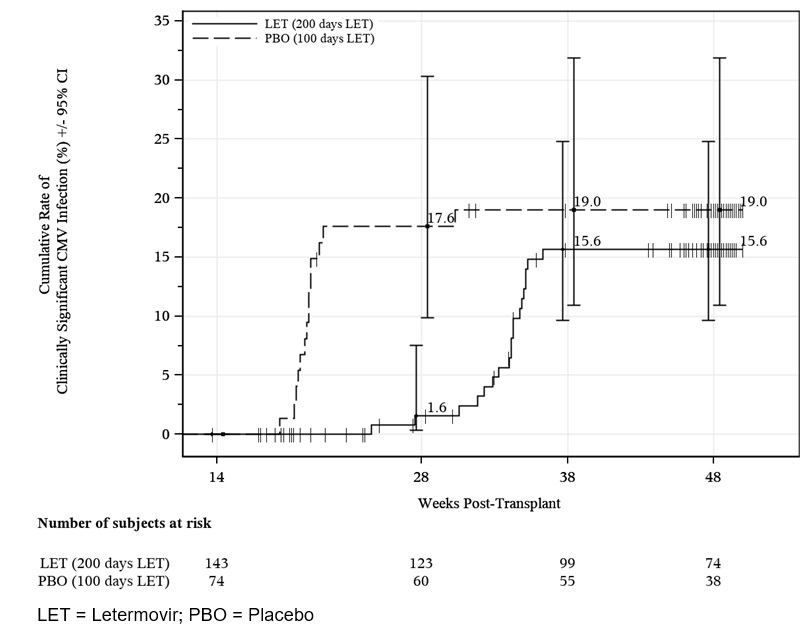
The time to clinically significant CMV infection is shown in Figure 2. Among subjects in the PREVYMIS group, the cumulative rate of clinically significant CMV infection increased from 1.6% at the end of prophylaxis (Week 28) to 15.6% at Week 38. In the placebo group, the cumulative rate of clinically significant CMV infection increased from 17.6% at Week 28 to 19.0% at Week 38. There were no additional cases of clinically significant CMV infection in either group between Weeks 38 and 48 [see Dosage and Administration (2.2)].
| Figure 2: Trial P040 Kaplan-Meier Plot of Time to Onset of Clinically Significant CMV Infection From Week 14 Through Week 48 Post-transplant in HSCT Recipients at Risk for Late CMV Infection and Disease (FAS Population) |
|
Tablets:
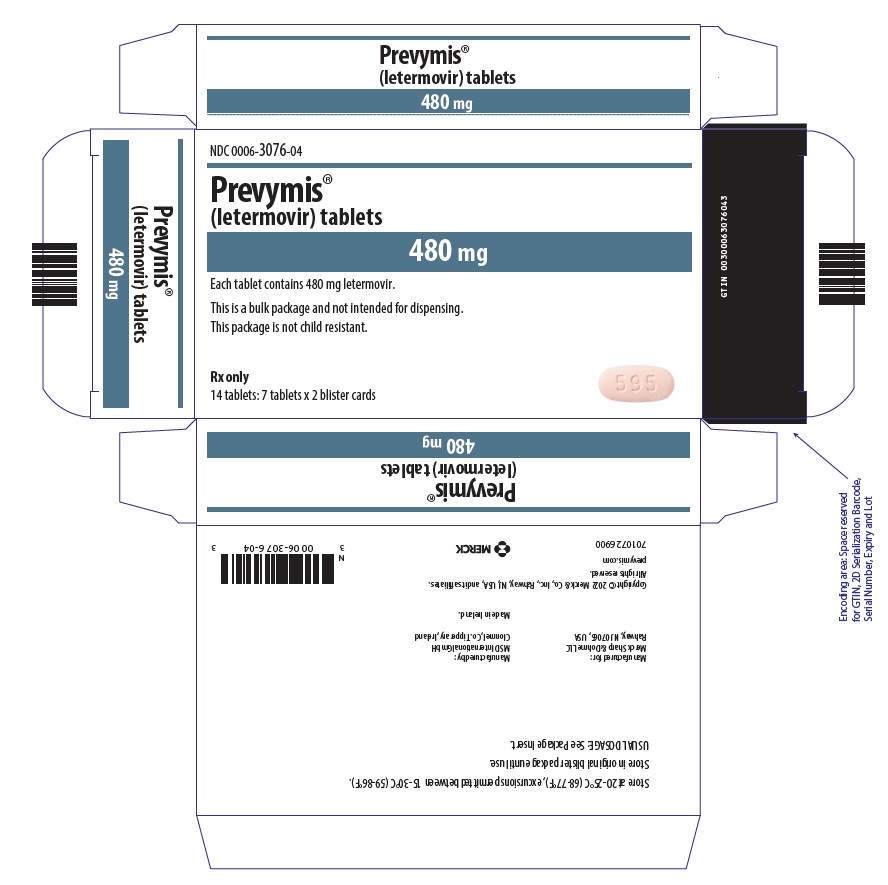
Each PREVYMIS 240 mg tablet is a yellow oval tablet; each tablet is debossed with "591" on one side and corporate logo on the other side. Each PREVYMIS 480 mg tablet is a pink oval, bi-convex tablet debossed with "595" on one side and corporate logo on the other side.
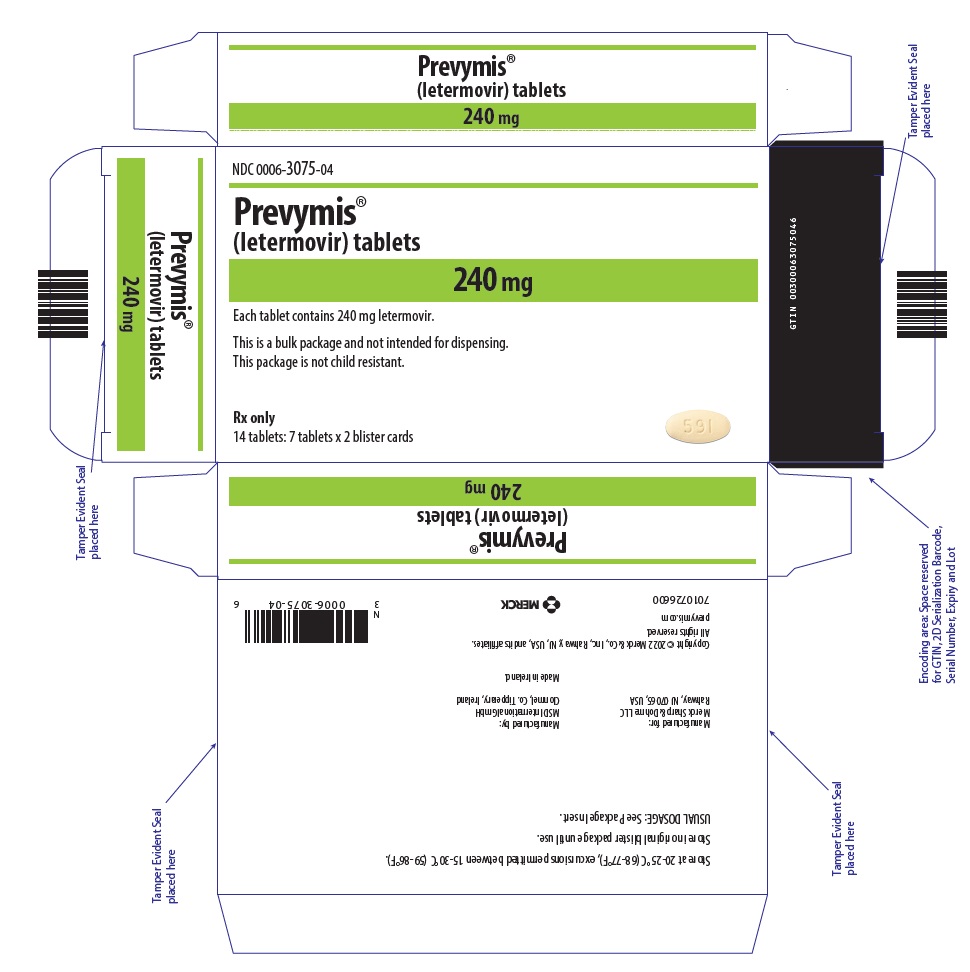
The 240 mg tablets are packaged into a carton (NDC 0006-3075-02) containing four (4) Child Resistant (CR) Dosepaks®, each containing a 7-count blister card for a total of 28 tablets, or into a carton (NDC 0006-3075-04) containing two (2) unit-dose 7-count blister cards for a total of 14 tablets.
The 480 mg tablets are packaged into a carton (NDC 0006-3076-02) containing four (4) Child Resistant (CR) Dosepaks®, each containing a 7-count blister card for a total of 28 tablets, or into a carton (NDC 0006-3076-04) containing two (2) unit-dose 7-count blister cards for a total of 14 tablets.
Oral Pellets:
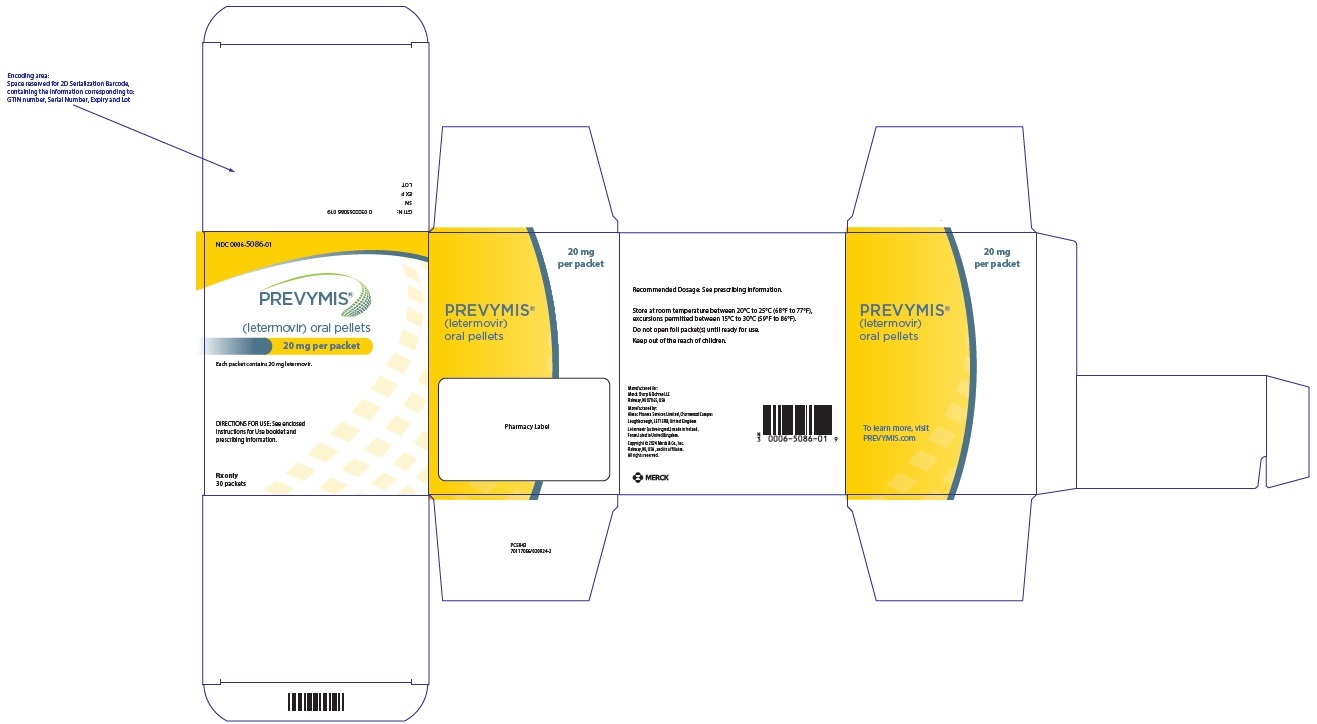
PREVYMIS oral pellets are supplied as beige round pellets in packets. Each packet contains 20 mg of letermovir.
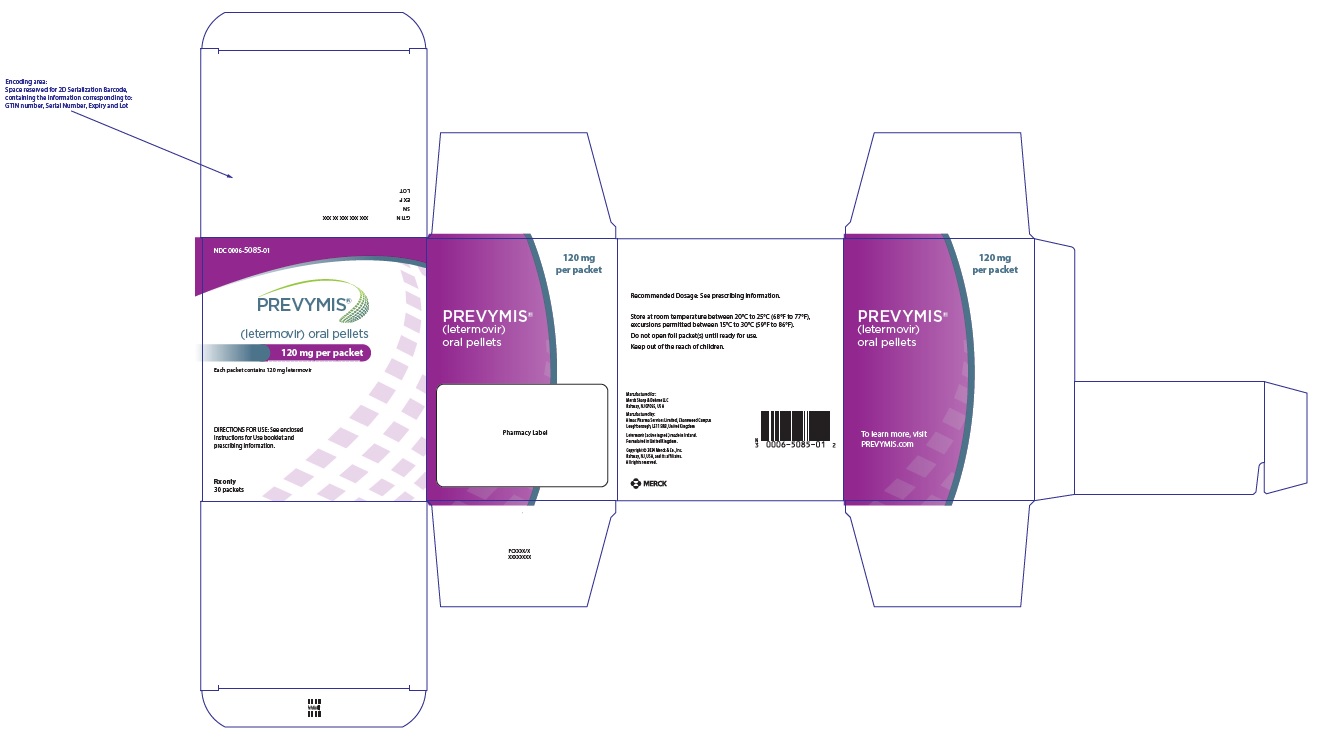
PREVYMIS oral pellets are supplied as beige round pellets in packets. Each packet contains 120 mg of letermovir.
The 20 mg packets of PREVYMIS oral pellets are packaged into a carton (NDC 0006-5086-01). Each carton contains 30 child resistant packets.
The 120 mg packets of PREVYMIS oral pellets are packaged into a carton (NDC 0006-5085-01). Each carton contains 30 child resistant packets.
Store PREVYMIS oral pellets in the original packet until use.
Store PREVYMIS oral pellets at 20°C to 25°C (68°F to 77°F); excursions permitted between 15°C to 30°C (59°F to 86°F) [see USP Controlled Room Temperature].
Injection:
PREVYMIS is supplied as a sterile, clear and colorless solution for intravenous use of 240 mg/12 mL (20 mg/mL) or 480 mg/24 mL (20 mg/mL) that may contain a few product-related small translucent or white particles.
The single-dose vials are supplied in cartons that contain a 240 mg single-dose vial (NDC 0006-5003-01) or a 480 mg single-dose vial (NDC 0006-5004-01).
Drug Interactions
Inform patients that PREVYMIS may interact with some drugs; therefore, advise patients to report the use of any prescription, non-prescription medication, or herbal products to their healthcare provider [see Dosage and Administration (2.4, 2.6), Contraindications (4), Warnings and Precautions (5.1), and Drug Interactions (7)].
Risks Associated with Hydroxypropyl Betadex Excipient in Intravenous Formulation
Inform patients that the intravenous formulation of PREVYMIS contains hydroxypropyl betadex which is eliminated through glomerular filtration and may accumulate in patients with renal impairment. In animals, hydroxypropyl betadex has been shown to cause ototoxicity [see Warnings and Precautions (5.2), Use in Specific Populations (8.6) and Nonclinical Toxicology (13.2)].
Administration
Inform patients that it is important not to miss or skip doses and to take PREVYMIS for the duration that is recommended by the healthcare provider. Instruct patients that if they miss a dose of PREVYMIS, they should take it as soon as they remember. If they do not remember until it is time for the next dose, instruct them to skip the missed dose and go back to the regular schedule. Instruct patients not to double their next dose or take more than the prescribed dose.
Advise patients that PREVYMIS injection should be used only in patients unable to take oral therapy and that patients should be switched to oral therapy as soon as they are able [see Dosage and Administration (2.1)].
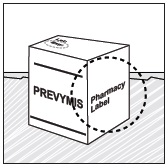
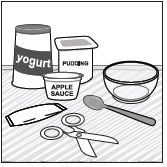
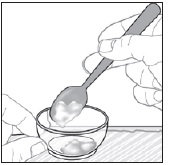
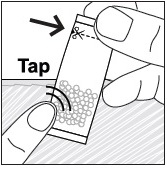
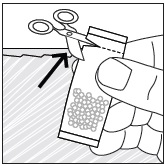
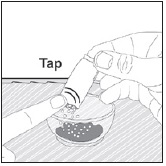
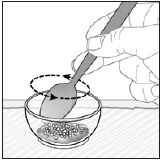
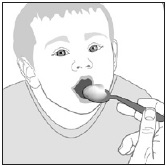
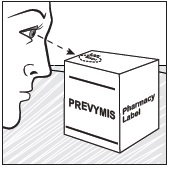
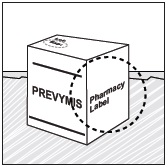
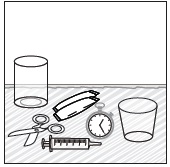
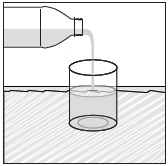
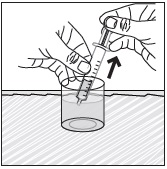
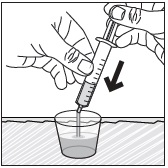
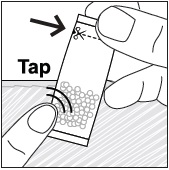
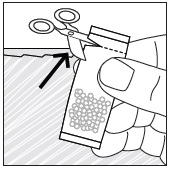
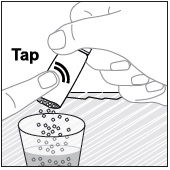
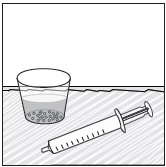
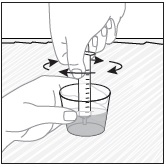
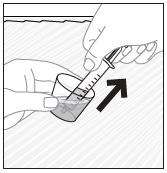
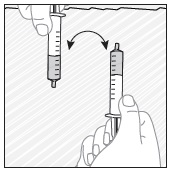
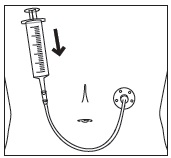
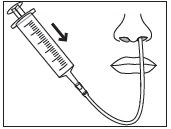
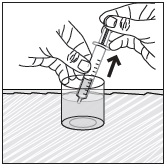
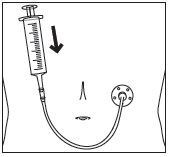
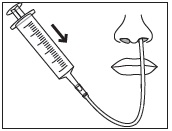
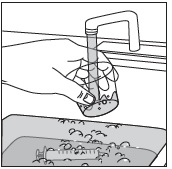
For PREVYMIS oral pellets, advise patients or caregivers to read and follow the Instructions for Use for preparing and taking the correct dose [see Dosage and Administration (2.3, 2.4, 2.5, 2.6, 2.9)].
Storage
Advise patients to store PREVYMIS tablets and oral pellets in the original package until use [see How Supplied/Storage and Handling (16)].
Distributed by: Merck Sharp & Dohme LLC
Rahway, NJ 07065, USA
For patent information: www.msd.com/research/patent
The trademarks depicted herein are owned by their respective companies.
Copyright © 2017-2026 Merck & Co., Inc., Rahway, NJ, USA, and its affiliates.
All rights reserved.
uspi-mk8228-mf-2601r012
Distributed by: Merck Sharp & Dohme LLC
Rahway, NJ 07065, USA
For patent information: http://www.msd.com/research/patent
The trademarks depicted herein are owned by their respective companies.
Copyright © 2017-2024 Merck & Co., Inc., Rahway, NJ, USA, and its affiliates.
All rights reserved.
usppi-mk8228-mf-2408r004
For more information go to www.PREVYMIS.com or call 1-800-444-2080.
This Patient Information has been approved by the U.S. Food and Drug Administration. Revised: 08/2024