- Before initiating SEGLUROMET, obtain an eGFR.
- SEGLUROMET is contraindicated in patients with an eGFR less than 30 mL/minute/1.73 m2.
- Initiation of SEGLUROMET is not recommended in patients with an eGFR of 30 mL/minute/1.73 m2 to less than 60 mL/min/1.73 m2.
- Continued use of SEGLUROMET is not recommended when eGFR is persistently between 30 and less than 60 mL/min/1.73 m2.
- Renal function should be evaluated prior to initiating SEGLUROMET and periodically thereafter. In patients at increased risk for the development of renal impairment (e.g., the elderly), renal function should be assessed more frequently.
Drug Interactions: The concomitant use of SEGLUROMET with specific drugs may increase the risk of metformin-associated lactic acidosis: those that impair renal function, result in significant hemodynamic change, interfere with acid-base balance or increase metformin accumulation (e.g., cationic drugs) [see Drug Interactions (7)]. Therefore, consider more frequent monitoring of patients.
Age 65 or Greater: The risk of metformin-associated lactic acidosis increases with the patient's age because elderly patients have a greater likelihood of having hepatic, renal, or cardiac impairment than younger patients. Assess renal function more frequently in elderly patients [see Use in Specific Populations (8.5)].
Radiological Studies with Contrast: Administration of intravascular iodinated contrast agents in metformin-treated patients has led to an acute decrease in renal function and the occurrence of lactic acidosis. Stop SEGLUROMET at the time of, or prior to, an iodinated contrast imaging procedure in patients with an eGFR less than 60 mL/min/1.73 m2; in patients with a history of hepatic impairment, alcoholism, or heart failure; or in patients who will be administered intra-arterial iodinated contrast. Re-evaluate eGFR 48 hours after the imaging procedure, and restart SEGLUROMET if renal function is stable.
Surgery and Other Procedures: Withholding of food and fluids during surgical or other procedures may increase the risk for volume depletion, hypotension and renal impairment. SEGLUROMET should be temporarily discontinued while patients have restricted food and fluid intake.
Hypoxic States: Several of the postmarketing cases of metformin-associated lactic acidosis occurred in the setting of acute congestive heart failure (particularly when accompanied by hypoperfusion and hypoxemia). Cardiovascular collapse (shock), acute myocardial infarction, sepsis, and other conditions associated with hypoxemia have been associated with lactic acidosis and may also cause pre-renal azotemia. When such events occur, discontinue SEGLUROMET.
Excessive Alcohol Intake: Alcohol potentiates the effect of metformin on lactate metabolism and this may increase the risk of metformin-associated lactic acidosis. Warn patients against excessive alcohol intake while receiving SEGLUROMET.
Hepatic Impairment: Patients with hepatic impairment have developed metformin-associated lactic acidosis. This may be due to impaired lactate clearance resulting in higher lactate blood levels. Therefore, avoid use of SEGLUROMET in patients with clinical or laboratory evidence of hepatic disease.
Ertugliflozin
Insulin and insulin secretagogues (e.g., sulfonylurea) are known to cause hypoglycemia. Ertugliflozin, a component of SEGLUROMET, may increase the risk of hypoglycemia when used in combination with insulin and/or an insulin secretagogue [see Adverse Reactions (6.1)]. Therefore, a lower dose of insulin or insulin secretagogue may be required to minimize the risk of hypoglycemia when used in combination with SEGLUROMET.
Metformin
Hypoglycemia does not occur in patients receiving metformin, a component of SEGLUROMET, alone under usual circumstances of use, but could occur when caloric intake is deficient, when strenuous exercise is not compensated by caloric supplementation, or during concomitant use with other glucose-lowering agents (such as sulfonylureas and insulin) or ethanol. Elderly, debilitated, or malnourished patients, and those with adrenal or pituitary insufficiency or alcohol intoxication are particularly susceptible to hypoglycemic effects. Hypoglycemia may be difficult to recognize in the elderly, and in people who are taking β-adrenergic blocking drugs.
Ertugliflozin and Metformin Hydrochloride
The incidence and type of adverse reactions in the two 26-week, placebo-controlled trials of ertugliflozin 5 mg and 15 mg added to metformin, representing a majority of data from the three 26-week, placebo-controlled trials, were similar to the adverse reactions described in Table 1.
Ertugliflozin
Pool of Placebo-Controlled Trials
The data in Table 1 are derived from a pool of three 26-week, placebo-controlled trials. Ertugliflozin was used as monotherapy in one trial and as add-on therapy in two trials [see Clinical Studies (14)]. These data reflect exposure of 1,029 patients to ertugliflozin with a mean exposure duration of approximately 25 weeks. Patients received ertugliflozin 5 mg (N=519), ertugliflozin 15 mg (N=510), or placebo (N=515) once daily. The mean age of the population was 57 years and 2% were older than 75 years of age. Fifty-three percent (53%) of the population was male and 73% were Caucasian, 15% were Asian, and 7% were Black or African American. At baseline the population had diabetes for an average of 7.5 years, had a mean HbA1c of 8.1%, and 19.4% had established microvascular complications of diabetes. Baseline renal function (mean eGFR 88.9 mL/min/1.73 m2) was normal or mildly impaired in 97% of patients and moderately impaired in 3% of patients.
Table 1 shows common adverse reactions associated with the use of ertugliflozin. These adverse reactions were not present at baseline, occurred more commonly on ertugliflozin than on placebo, and occurred in at least 2% of patients treated with either ertugliflozin 5 mg or ertugliflozin 15 mg.
Table 1: Adverse Reactions Reported in ≥2% of Patients with Type 2 Diabetes Mellitus Treated with ErtugliflozinThe three placebo controlled studies included one monotherapy trial and two add-on combination trials with metformin or with metformin and sitagliptin.
and Greater than Placebo in Pooled Placebo-Controlled Clinical Studies of Ertugliflozin Monotherapy or Combination Therapy | Number (%) of Patients |
|---|
| Placebo
N = 515 | Ertugliflozin 5 mg
N = 519 | Ertugliflozin 15 mg
N = 510 |
|---|
| Female genital mycotic infections Includes: genital candidiasis, genital infection fungal, vaginal infection, vulvitis, vulvovaginal candidiasis, vulvovaginal mycotic infection, and vulvovaginitis. Percentages calculated with the number of female patients in each group as denominator: placebo (N=235), ertugliflozin 5 mg (N=252), ertugliflozin 15 mg (N=245). | 3.0% | 9.1% | 12.2% |
| Male genital mycotic infections Includes: balanitis candida, balanoposthitis, genital infection, and genital infection fungal. Percentages calculated with the number of male patients in each group as denominator: placebo (N=280), ertugliflozin 5 mg (N=267), ertugliflozin 15 mg (N=265). | 0.4% | 3.7% | 4.2% |
| Urinary tract infections Includes: cystitis, dysuria, streptococcal urinary tract infection, urethritis, urinary tract infection. | 3.9% | 4.0% | 4.1% |
| Headache | 2.3% | 3.5% | 2.9% |
| Vaginal pruritus Includes: vulvovaginal pruritus and pruritus genital. Percentages calculated with the number of female patients in each group as denominator: placebo (N=235), ertugliflozin 5 mg (N=252), ertugliflozin 15 mg (N=245). | 0.4% | 2.8% | 2.4% |
| Increased urination Includes: pollakiuria, micturition urgency, polyuria, urine output increased, and nocturia. | 1.0% | 2.7% | 2.4% |
| Nasopharyngitis | 2.3% | 2.5% | 2.0% |
| Back pain | 2.3% | 1.7% | 2.5% |
| Weight decreased | 1.0% | 1.2% | 2.4% |
| Thirst Includes: thirst, dry mouth, polydipsia, and dry throat. | 0.6% | 2.7% | 1.4% |
Volume Depletion
Ertugliflozin causes an osmotic diuresis, which may lead to intravascular volume contraction and adverse reactions related to volume depletion, particularly in patients with impaired renal function (eGFR less than 60 mL/min/1.73 m2). In patients with moderate renal impairment, adverse reactions related to volume depletion (e.g., dehydration, dizziness postural, presyncope, syncope, hypotension, and orthostatic hypotension) were reported in 0%, 4.4%, and 1.9% of patients treated with placebo, ertugliflozin 5 mg, and ertugliflozin 15 mg, respectively. Ertugliflozin may also increase the risk of hypotension in other patients at risk for volume contraction [see Use in Specific Populations (8.5, 8.6)].
Ketoacidosis
Across the clinical program, ketoacidosis was identified in 3 of 3,409 (0.1%) ertugliflozin-treated patients and 0.0% of comparator-treated patients [see Warnings and Precautions (5.3)].
Impairment in Renal Function
Treatment with ertugliflozin was associated with increases in serum creatinine and decreases in eGFR (see Table 2). Patients with moderate renal impairment at baseline had larger mean changes. In a study in patients with moderate renal impairment, these abnormal laboratory findings were observed to reverse after treatment discontinuation [see Use in Specific Populations (8.5, 8.6)].
Table 2: Changes from Baseline in Serum Creatinine and eGFR in the Pool of Three 26-Week Placebo-Controlled Studies and a 26-Week Moderate Renal Impairment Study in Patients with Type 2 Diabetes Mellitus | | Pool of 26-Week Placebo-Controlled Studies |
| | Placebo
N = 515 | Ertugliflozin 5 mg
N = 519 | Ertugliflozin 15 mg
N = 510 |
| Baseline Mean | Creatinine (mg/dL) | 0.83 | 0.82 | 0.82 |
| eGFR (mL/min/1.73 m2) | 89.5 | 88.2 | 89.0 |
| Week 6 Change | Creatinine (mg/dL) | 0.00 | 0.03 | 0.03 |
| eGFR (mL/min/1.73 m2) | -0.3 | -2.7 | -3.1 |
| Week 26 Change | Creatinine (mg/dL) | -0.01 | 0.00 | 0.01 |
| eGFR (mL/min/1.73 m2) | 0.7 | 0.5 | -0.6 |
| | Moderate Renal Impairment Study |
| | Placebo
N = 154 | Ertugliflozin 5 mg
N = 154 | Ertugliflozin 15 mg
N = 154 |
| Baseline | Creatinine (mg/dL) | 1.39 | 1.38 | 1.37 |
| eGFR (mL/min/1.73 m2) | 46.0 | 46.8 | 46.9 |
| Week 6 Change | Creatinine (mg/dL) | -0.02 | 0.11 | 0.12 |
| eGFR (mL/min/1.73 m2) | 0.6 | -3.2 | -4.1 |
| Week 26 Change | Creatinine (mg/dL) | 0.02 | 0.08 | 0.10 |
| eGFR (mL/min/1.73 m2) | 0.0 | -2.7 | -2.6 |
Renal-related adverse reactions (e.g., acute kidney injury, renal impairment, acute prerenal failure) may occur in patients treated with ertugliflozin, particularly in patients with moderate renal impairment where the incidence of renal-related adverse reactions was 0.6%, 2.5%, and 1.3% in patients treated with placebo, ertugliflozin 5 mg, and ertugliflozin 15 mg, respectively.
Lower Limb Amputation
Across seven Phase 3 clinical trials in which ertugliflozin was studied as monotherapy and in combination with other antihyperglycemic agents, non-traumatic lower limb amputations occurred in 1 of 1,450 (0.1%) in the non-ertugliflozin group, 3 of 1,716 (0.2%) in the ertugliflozin 5 mg group, and 8 of 1,693 (0.5%) in the ertugliflozin 15 mg group.
Hypoglycemia
The incidence of hypoglycemia by study is shown in Table 3.
Table 3: Incidence of OverallOverall hypoglycemic events: plasma or capillary glucose of less than or equal to 70 mg/dL.
and SevereSevere hypoglycemic events: required assistance, lost consciousness, or experienced a seizure regardless of blood glucose.
Hypoglycemia in Placebo-Controlled Clinical Studies in Patients with Type 2 Diabetes Mellitus| Add-on Combination Therapy with Metformin (26 weeks) | Placebo
(N = 209) | Ertugliflozin
5 mg
(N = 207) | Ertugliflozin
15 mg
(N = 205) |
| Overall [N (%)] | 9 (4.3) | 15 (7.2) | 16 (7.8) |
| Severe [N (%)] | 1 (0.5) | 1 (0.5) | 0 (0.0) |
| Add-on Combination Therapy with Metformin and Sitagliptin (26 weeks) | Placebo
(N = 153) | Ertugliflozin
5 mg
(N = 156) | Ertugliflozin
15 mg
(N = 153) |
| Overall [N (%)] | 5 (3.3) | 7 (4.5) | 3 (2.0) |
| Severe [N (%)] | 1 (0.7) | 1 (0.6) | 0 (0.0) |
Genital Mycotic Infections
In the pool of three placebo-controlled clinical trials, the incidence of female genital mycotic infections (e.g., genital candidiasis, genital infection fungal, vaginal infection, vulvitis, vulvovaginal candidiasis, vulvovaginal mycotic infection, vulvovaginitis) occurred in 3%, 9.1%, and 12.2%, of females treated with placebo, ertugliflozin 5 mg, and ertugliflozin 15 mg, respectively (see Table 1). In females, discontinuation due to genital mycotic infections occurred in 0% and 0.6% of patients treated with placebo and ertugliflozin, respectively.
In the same pool, male genital mycotic infections (e.g., balanitis candida, balanoposthitis, genital infection, genital infection fungal) occurred in 0.4%, 3.7%, and 4.2% of males treated with placebo, ertugliflozin 5 mg, and ertugliflozin 15 mg, respectively. Male genital mycotic infections occurred more commonly in uncircumcised males. In males, discontinuations due to genital mycotic infections occurred in 0% and 0.2% of patients treated with placebo and ertugliflozin, respectively. Phimosis was reported in 8 of 1,729 (0.5%) male ertugliflozin-treated patients, of which four required circumcision.
Metformin
The most common (5% or greater incidence) established adverse reactions due to initiation of metformin therapy are diarrhea, nausea, vomiting, flatulence, abdominal discomfort, indigestion, asthenia, and headache.
Long-term treatment with metformin has been associated with a decrease in vitamin B12 absorption, which may very rarely result in clinically significant vitamin B12 deficiency (e.g., megaloblastic anemia).
Laboratory Tests
Ertugliflozin
Increases in Low-Density Lipoprotein Cholesterol (LDL-C)
In the pool of three placebo-controlled trials, dose-related increases in LDL-C were observed in patients treated with ertugliflozin. Mean percent changes from baseline to Week 26 in LDL-C relative to placebo were 2.6% and 5.4% with ertugliflozin 5 mg and ertugliflozin 15 mg, respectively. The range of mean baseline LDL-C was 96.6 to 97.7 mg/dL across treatment groups [see Warnings and Precautions (5.11)].
Increases in Hemoglobin
In the pool of three placebo-controlled trials, mean changes (percent changes) from baseline to Week 26 in hemoglobin were -0.21 g/dL (-1.4%) with placebo, 0.46 g/dL (3.5%) with ertugliflozin 5 mg, and 0.48 g/dL (3.5%) with ertugliflozin 15 mg. The range of mean baseline hemoglobin was 13.90 to 14.00 g/dL across treatment groups. At the end of treatment, 0.0%, 0.2%, and 0.4% of patients treated with placebo, ertugliflozin 5 mg, and ertugliflozin 15 mg, respectively, had a hemoglobin increase greater than 2 g/dL and above the upper limit of normal.
Increases in Serum Phosphate
In the pool of three placebo-controlled trials, mean changes (percent changes) from baseline in serum phosphate were 0.04 mg/dL (1.9%) with placebo, 0.21 mg/dL (6.8%) with ertugliflozin 5 mg, and 0.26 mg/dL (8.5%) with ertugliflozin 15 mg. The range of mean baseline serum phosphate was 3.53 to 3.54 mg/dL across treatment groups. In a clinical trial of patients with moderate renal impairment, mean changes (mean percent changes) from baseline at Week 26 in serum phosphate were -0.01 mg/dL (0.8%) with placebo, 0.29 mg/dL (9.7%) with ertugliflozin 5 mg, and 0.24 mg/dL (7.8%) with ertugliflozin 15 mg.
Metformin
In controlled clinical trials of metformin of 29 weeks duration, a decrease to subnormal levels of previously normal serum vitamin B12 levels, without clinical manifestations, was observed in approximately 7% of patients. Such decreases, possibly due to interference with B12 absorption from the B12-intrinsic factor complex is, however, very rarely associated with anemia and appears to be rapidly reversible with discontinuation of metformin or vitamin B12 supplementation [see Warnings and Precautions (5.10)].
Concomitant Use with Insulin and Insulin Secretagogues
Ertugliflozin may increase the risk of hypoglycemia when used in combination with insulin and/or an insulin secretagogue [see Adverse Reactions (6.1)]. Therefore, a lower dose of insulin or insulin secretagogue may be required to minimize the risk of hypoglycemia when used in combination with SEGLUROMET [see Warnings and Precautions (5.7)].
Positive Urine Glucose Test
Monitoring glycemic control with urine glucose tests is not recommended in patients taking medicines containing an SGLT2 inhibitor as SGLT2 inhibitors increase urinary glucose excretion and will lead to positive urine glucose tests. Use alternative methods to monitor glycemic control.
Interference with 1,5-anhydroglucitol (1,5-AG) Assay
Monitoring glycemic control with 1,5-AG assay is not recommended as measurements of 1,5-AG are unreliable in assessing glycemic control in patients taking medicines containing an SGLT2 inhibitor. Use alternative methods to monitor glycemic control.
Carbonic Anhydrase Inhibitors
Topiramate or other carbonic anhydrase inhibitors (e.g., zonisamide, acetazolamide or dichlorphenamide) frequently cause a decrease in serum bicarbonate and induce non-anion gap, hyperchloremic metabolic acidosis. Concomitant use of these drugs with SEGLUROMET may increase the risk of lactic acidosis. Consider more frequent monitoring of these patients.
Drugs that Reduce Metformin Clearance
Concomitant use of drugs that interfere with common renal tubular transport systems involved in the renal elimination of metformin (e.g., organic cationic transporter-2 [OCT2] / multidrug and toxin extrusion [MATE] inhibitors such as ranolazine, vandetanib, dolutegravir, and cimetidine) could increase systemic exposure to metformin and may increase the risk for lactic acidosis [see Clinical Pharmacology (12.3)]. Consider the benefits and risks of concomitant use.
Alcohol
Alcohol is known to potentiate the effect of metformin on lactate metabolism. Warn patients against excessive alcohol intake while receiving SEGLUROMET.
Drugs that Affect Glycemic Control
Certain drugs tend to produce hyperglycemia and may lead to loss of glycemic control. These drugs include the thiazides and other diuretics, corticosteroids, phenothiazines, thyroid products, estrogens, oral contraceptives, phenytoin, nicotinic acid, sympathomimetics, calcium channel blocking drugs, and isoniazid. When such drugs are administered to a patient receiving SEGLUROMET the patient should be closely observed to maintain adequate glycemic control.
Risk Summary
Based on animal data showing adverse renal effects, from ertugliflozin, SEGLUROMET is not recommended during the second and third trimesters of pregnancy. Published studies with metformin use during pregnancy have not reported a clear association with metformin and major birth defect or miscarriage risk (see Data).
The limited available data with SEGLUROMET in pregnant women are not sufficient to determine a drug-associated risk for major birth defects or miscarriage. There are risks to the mother and fetus associated with poorly controlled diabetes in pregnancy (see Clinical Considerations).
In animal studies, adverse renal changes were observed in rats when ertugliflozin was administered during a period of renal development corresponding to the late second and third trimesters of human pregnancy. Doses approximately 13 times the maximum clinical dose caused renal pelvic and tubule dilatations and renal mineralization that were not fully reversible. There was no evidence of fetal harm in rats or rabbits at exposures of ertugliflozin approximately 300 times higher than the maximal clinical dose of 15 mg/day when administered during organogenesis (see Data).
The estimated background risk of major birth defects is 6-10% in women with pre-gestational diabetes with a HbA1c >7 and has been reported to be as high as 20-25% in women with HbA1c >10. The estimated background risk of miscarriage for the indicated population is unknown. In the U.S. general population, the estimated background risk of major birth defects and miscarriage in clinically recognized pregnancies is 2-4% and 15-20%, respectively.
Clinical Considerations
Disease-Associated Maternal and/or Embryo/Fetal Risk
Poorly-controlled diabetes in pregnancy increases the maternal risk for diabetic ketoacidosis, pre-eclampsia, spontaneous abortions, preterm delivery, stillbirth, and delivery complications. Poorly controlled diabetes increases the fetal risk for major birth defects, stillbirth, and macrosomia related morbidity.
Data
Human Data
Published data from post-marketing studies have not reported a clear association with metformin and major birth defects, miscarriage, or adverse maternal or fetal outcomes when metformin was used during pregnancy. However, these studies cannot definitely establish the absence of any metformin-associated risk because of methodological limitations, including small sample size and inconsistent comparator groups.
Animal Data
Ertugliflozin
When ertugliflozin was orally administered to juvenile rats from PND 21 to PND 90, increased kidney weight, renal tubule and renal pelvis dilatation, and renal mineralization occurred at doses greater than or equal to 5 mg/kg (13-fold human exposures, based on AUC). These effects occurred with drug exposure during periods of renal development in rats that correspond to the late second and third trimester of human renal development, and did not fully reverse within a 1-month recovery period.
In embryo-fetal development studies, ertugliflozin (50, 100 and 250 mg/kg/day) was administered orally to rats on gestation days 6 to 17 and to rabbits on gestation days 7 to 19. Ertugliflozin did not adversely affect developmental outcomes in rats and rabbits at maternal exposures that were approximately 300 times the human exposure at the maximum clinical dose of 15 mg/day, based on AUC. A maternally toxic dose (250 mg/kg/day) in rats (707 times the clinical dose) was associated with reduced fetal viability and a higher incidence of a visceral malformation (membranous ventricular septal defect). In the pre- and post-natal development study in pregnant rats, ertugliflozin was administered to the dams from gestation day 6 through lactation day 21 (weaning). Decreased post-natal growth (weight gain) was observed at maternal doses ≥100 mg/kg/day (greater than or equal to 331 times the human exposure at the maximum clinical dose of 15 mg/day, based on AUC).
Metformin hydrochloride
Metformin did not adversely affect development outcomes when administered to rats and rabbits at doses up to 600 mg/kg/day. This represents an exposure of about 2 and 6 times the maximum recommended human dose of 2,000 mg based on body surface area comparisons for rats and rabbits, respectively. Determination of fetal concentrations demonstrated a partial placental barrier to metformin.
Risk Summary
There is no information regarding the presence of SEGLUROMET or ertugliflozin in human milk, the effects on the breastfed infant, or the effects on milk production. Limited published studies report that metformin is present in human milk (see Data). However, there is insufficient information on the effects of metformin on the breastfed infant and no available information on the effects of metformin on milk production. Ertugliflozin (see Data) and metformin are present in the milk of lactating rats. Since human kidney maturation occurs in utero and during the first 2 years of life when lactational exposure may occur, there may be risk to the developing human kidney, based on data with ertugliflozin. Because of the potential for serious adverse reactions in a breastfed infant, advise women that the use of SEGLUROMET is not recommended while breastfeeding.
Data
Human Data
There is no information regarding the presence of SEGLUROMET in human milk, the effects on the breastfed infant, or the effects on milk production. Ertugliflozin is present in the milk of lactating rats (see Data). Since human kidney maturation occurs in utero and during the first 2 years of life when lactational exposure may occur, there may be risk to the developing human kidney. Published studies report that metformin is present in human milk which resulted in infant doses approximately 0.11% to 1% of the maternal weight adjusted dosage and a milk/plasma ratio ranging between 0.13 and 1. There are no reports of adverse effects on breastfed infants exposed to metformin. Because of the potential for serious adverse reactions in a breastfed infant, advise women that the use of SEGLUROMET is not recommended while breastfeeding.
Data
Ertugliflozin
The lacteal excretion of radiolabeled ertugliflozin in lactating rats was evaluated 10 to 12 days after parturition. Ertugliflozin derived radioactivity exposure in milk and plasma were similar, with a milk/plasma ratio of 1.07, based on AUC. Juvenile rats directly exposed to ertugliflozin during a developmental period corresponding to human kidney maturation were associated with a risk to the developing kidney (persistent increased organ weight, renal mineralization, and renal pelvic and tubular dilatations).
Metformin hydrochloride
Published clinical lactation studies report that metformin is present in human milk, which resulted in infant doses approximately 0.11% to 1% of the maternal weight-adjusted dosage and a milk/plasma ratio ranging between 0.13 and 1. However, the studies were not designed to definitely establish the risk of use of metformin during lactation because of small sample size and limited adverse event data collected in infants.
SEGLUROMET
No dosage adjustment of SEGLUROMET is recommended based on age. Elderly patients are more likely to have decreased renal function. Because renal function abnormalities can occur after initiating ertugliflozin, and metformin is known to be substantially excreted by the kidneys, care should be taken in dose selection in the elderly. Assess renal function in elderly patients prior to initiating dosing and periodically thereafter. [See Dosage and Administration (2.2) and Warnings and Precautions (5.1, 5.4).] SEGLUROMET is expected to have diminished efficacy in elderly patients with renal impairment [see Use in Specific Populations (8.6)].
Ertugliflozin
Across the clinical program, a total of 876 (25.7%) patients treated with ertugliflozin were 65 years and older, and 152 (4.5%) patients treated with ertugliflozin were 75 years and older. Patients 65 years and older had a higher incidence of adverse reactions related to volume depletion compared to younger patients; events were reported in 1.1%, 2.2%, and 2.6% of patients treated with comparator, ertugliflozin 5 mg, and ertugliflozin 15 mg, respectively [see Warnings and Precautions (5.2) and Adverse Reactions (6.1)].
Metformin hydrochloride
Controlled clinical studies of metformin did not include sufficient numbers of elderly patients to determine whether they respond differently from younger patients, although other reported clinical experience has not identified differences in responses between the elderly and young patients. In general, dose selection for an elderly patient should be cautious, usually starting at the low end of the dosing range, reflecting the greater frequency of decreased hepatic, renal, or cardiac function, and of concomitant disease or other drug therapy and the higher risk of lactic acidosis. Assess renal function more frequently in elderly patients. [See Contraindications (4), Warnings and Precautions (5.1), and Clinical Pharmacology (12.3).]
SEGLUROMET
In the event of an overdose with SEGLUROMET, contact the Poison Control Center. Employ the usual supportive measures as dictated by the patient's clinical status.
Ertugliflozin
Removal of ertugliflozin by hemodialysis has not been studied.
Metformin hydrochloride
Overdose of metformin hydrochloride has occurred, including ingestion of amounts greater than 50 g (25 times the maximum recommended daily dose). Hypoglycemia was reported in approximately 10% of cases, but no causal association with metformin hydrochloride has been established. Lactic acidosis has been reported in approximately 32% of metformin overdose cases [see Warnings and Precautions (5.1)]. Metformin is dialyzable with a clearance of up to 170 mL/min under good hemodynamic conditions. Therefore, hemodialysis may be useful for removal of accumulated drug from patients in whom metformin overdosage is suspected.
Ertugliflozin
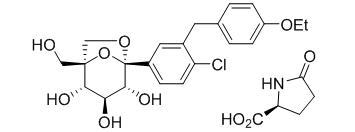
The chemical name of ertugliflozin L-pyroglutamic acid is (1S,2S,3S,4R,5S)-5-(4-chloro-3-(4-ethoxybenzyl)phenyl)-1-(hydroxymethyl)-6,8-dioxabicyclo[3.2.1]octane-2,3,4-triol, compound with (2S)-5-oxopyrrolidine-2-carboxylic acid. The molecular formula is C27H32ClNO10 and the molecular weight is 566.00.
The chemical structure is:
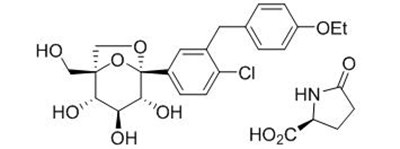
Chemical Structure (Segluromet 01)
Ertugliflozin L-pyroglutamic acid is a white to off-white powder that is soluble in ethyl alcohol and acetone, slightly soluble in ethyl acetate and acetonitrile and very slightly soluble in water.
Metformin hydrochloride
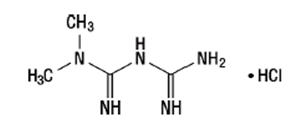
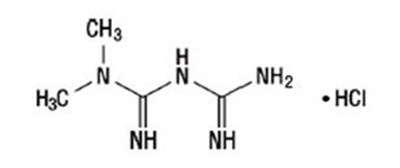
Metformin hydrochloride (N,N-dimethylimidodicarbonimidic diamide hydrochloride) is not chemically or pharmacologically related to any other classes of oral antihyperglycemic agents. The structural formula is as shown:
Chemical Structure (Segluromet 02)
Metformin hydrochloride is a white to off-white crystalline compound with a molecular formula of C4H11N5∙HCl and a molecular weight of 165.63. Metformin hydrochloride is freely soluble in water and is practically insoluble in acetone, ether and chloroform. The pKa of metformin is 12.4. The pH of a 1% aqueous solution of metformin hydrochloride is 6.68.
SEGLUROMET is available as film-coated tablets containing:
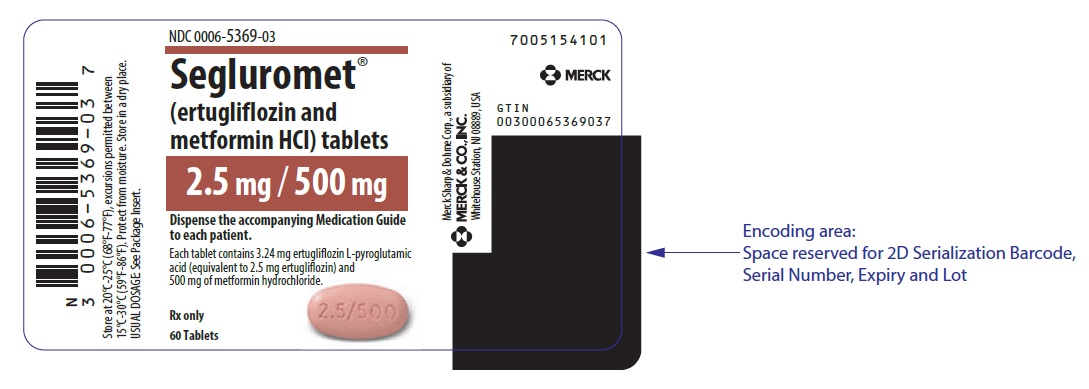
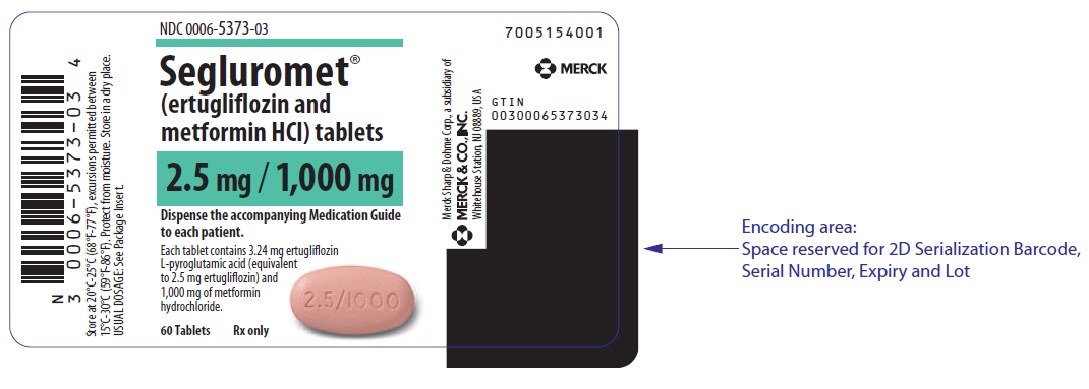
- 3.24 mg ertugliflozin L-pyroglutamic acid equivalent to 2.5 mg of ertugliflozin and 500 mg metformin hydrochloride (SEGLUROMET 2.5/500)
- 3.24 mg ertugliflozin L-pyroglutamic acid equivalent to 2.5 mg of ertugliflozin and 1,000 mg metformin hydrochloride (SEGLUROMET 2.5/1000)
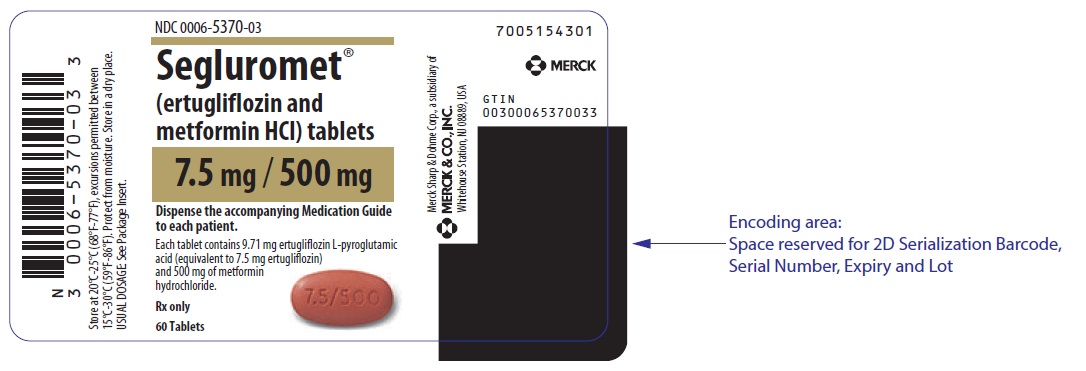
- 9.71 mg ertugliflozin L-pyroglutamic acid equivalent to 7.5 mg of ertugliflozin and 500 mg metformin hydrochloride (SEGLUROMET 7.5/500)
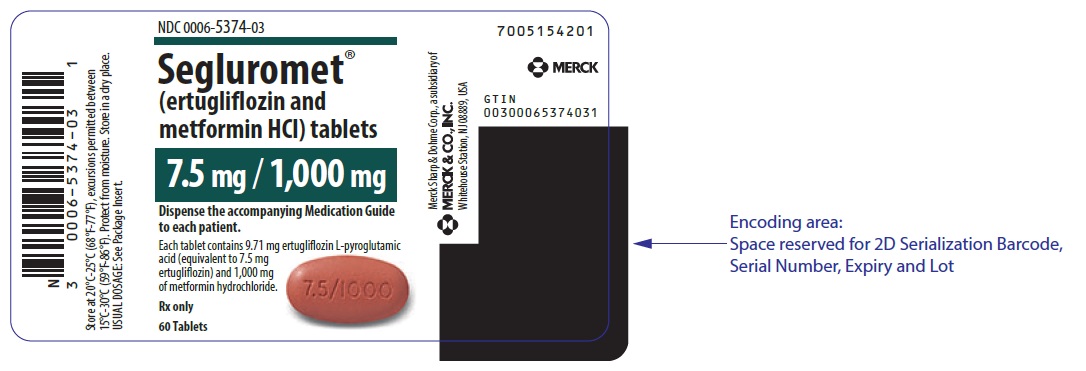
- 9.71 mg ertugliflozin L-pyroglutamic acid equivalent to 7.5 mg of ertugliflozin and 1,000 mg metformin hydrochloride (SEGLUROMET 7.5/1000)
Inactive ingredients are povidone, microcrystalline cellulose, crospovidone, sodium lauryl sulfate, and magnesium stearate.
The film coating contains: hypromellose, hydroxypropyl cellulose, titanium dioxide, iron oxide red, and carnauba wax.
SEGLUROMET
SEGLUROMET combines two antihyperglycemic agents with complementary mechanisms of action to improve glycemic control in patients with type 2 diabetes mellitus: ertugliflozin, a SGLT2 inhibitor, and metformin hydrochloride, a member of the biguanide class.
Ertugliflozin
SGLT2 is the predominant transporter responsible for reabsorption of glucose from the glomerular filtrate back into the circulation. Ertugliflozin is an inhibitor of SGLT2. By inhibiting SGLT2, ertugliflozin reduces renal reabsorption of filtered glucose and lowers the renal threshold for glucose, and thereby increases urinary glucose excretion.
Metformin hydrochloride
Metformin is an antihyperglycemic agent which improves glucose tolerance in patients with type 2 diabetes mellitus, lowering both basal and postprandial plasma glucose. Its pharmacologic mechanisms of action are different from other classes of oral antihyperglycemic agents. Metformin decreases hepatic glucose production, decreases intestinal absorption of glucose, and improves insulin sensitivity by increasing peripheral glucose uptake and utilization. Metformin does not produce hypoglycemia in either patients with type 2 diabetes mellitus or normal subjects (except in special circumstances) [see Warnings and Precautions (5.7)] and does not cause hyperinsulinemia. With metformin therapy, insulin secretion remains unchanged while fasting insulin levels and day-long plasma insulin response may actually decrease.
Ertugliflozin
Urinary Glucose Excretion and Urinary Volume
Dose-dependent increases in the amount of glucose excreted in urine were observed in healthy subjects and in patients with type 2 diabetes mellitus following single- and multiple-dose administration of ertugliflozin. Dose-response modeling indicates that ertugliflozin 5 mg and 15 mg result in near maximal urinary glucose excretion (UGE). Enhanced UGE is maintained after multiple-dose administration. UGE with ertugliflozin also results in increases in urinary volume.
Cardiac Electrophysiology
The effect of ertugliflozin on QTc interval was evaluated in a Phase 1 randomized, placebo- and positive-controlled 3-period crossover study in 42 healthy subjects. At 6.7 times the therapeutic exposures with maximum recommended dose, ertugliflozin does not prolong QTc to any clinically relevant extent.
General Introduction
Ertugliflozin
The pharmacokinetics of ertugliflozin are similar in healthy subjects and patients with type 2 diabetes mellitus. The steady state mean plasma AUC and Cmax were 398 ng∙hr/mL and 81.3 ng/mL, respectively, with 5 mg ertugliflozin once-daily treatment, and 1,193 ng∙hr/mL and 268 ng/mL, respectively, with 15 mg ertugliflozin once-daily treatment. Steady-state is reached after 4 to 6 days of once-daily dosing with ertugliflozin. Ertugliflozin does not exhibit time-dependent pharmacokinetics and accumulates in plasma up to 10-40% following multiple dosing.
Absorption
SEGLUROMET
The effects of a high-fat meal on the pharmacokinetics of ertugliflozin and metformin when administered as SEGLUROMET tablets are comparable to those reported for the individual tablets. Food had no meaningful effect on AUCinf of ertugliflozin and metformin, but reduced mean ertugliflozin Cmax by approximately 41% and metformin Cmax by approximately 29% compared to the fasted condition.
Ertugliflozin
Following single-dose oral administration of 5 mg and 15 mg of ertugliflozin, peak plasma concentrations of ertugliflozin occur at 1 hour postdose (median Tmax) under fasted conditions. Plasma Cmax and AUC of ertugliflozin increase in a dose-proportional manner following single doses from 0.5 mg (0.1 times the lowest recommended dose) to 300 mg (20 times the highest recommended dose) and following multiple doses from 1 mg (0.2 times the lowest recommended dose) to 100 mg (6.7 times the highest recommended dose). The absolute oral bioavailability of ertugliflozin following administration of a 15 mg dose is approximately 100%.
Effect of Food
Administration of ertugliflozin with a high-fat and high-calorie meal decreases ertugliflozin Cmax by 29% and prolongs Tmax by 1 hour, but does not alter AUC as compared with the fasted state. The observed effect of food on ertugliflozin pharmacokinetics is not considered clinically relevant, and ertugliflozin may be administered with or without food. In Phase 3 clinical trials, ertugliflozin was administered without regard to meals.
Metformin hydrochloride
The absolute bioavailability of a metformin hydrochloride 500-mg tablet given under fasting conditions is approximately 50-60%. Studies using single oral doses of metformin hydrochloride tablets 500 mg to 1,500 mg, and 850 mg to 2,550 mg (approximately 1.3 times the maximum recommended daily dosage), indicate that there is a lack of dose proportionality with increasing doses, which is due to decreased absorption rather than an alternation in elimination. Food decreases the extent of and slightly delays the absorption of metformin, as shown by approximately a 40% lower mean peak plasma concentration (Cmax), a 25% lower area under the plasma concentration versus time curve (AUC), and a 35-minute prolongation of time to peak plasma concentration (Tmax) following administration of a single 850-mg tablet of metformin with food, compared to the same tablet strength administered fasting. The clinical relevance of these decreases is unknown.
Distribution
Ertugliflozin
The mean steady-state volume of distribution of ertugliflozin following an intravenous dose is 85.5 L. Plasma protein binding of ertugliflozin is 93.6% and is independent of ertugliflozin plasma concentrations. Plasma protein binding is not meaningfully altered in patients with renal or hepatic impairment. The blood-to-plasma concentration ratio of ertugliflozin is 0.66.
Metformin hydrochloride
The apparent volume of distribution (V/F) of metformin following single oral doses of metformin hydrochloride tablets 850 mg averaged 654 ± 358 L. Metformin is negligibly bound to plasma proteins, in contrast to sulfonylureas, which are more than 90% protein bound. Metformin partitions into erythrocytes, most likely as a function of time. At usual clinical doses and dosing schedules of metformin hydrochloride tablets, steady-state plasma concentrations of metformin are reached within 24-48 hours and are generally <1 mcg/mL. During controlled clinical trials of metformin, maximum metformin plasma levels did not exceed 5 mcg/mL, even at maximum doses.
Elimination
Metabolism
Ertugliflozin
Metabolism is the primary clearance mechanism for ertugliflozin. The major metabolic pathway for ertugliflozin is UGT1A9 and UGT2B7-mediated O-glucuronidation to two glucuronides that are pharmacologically inactive at clinically relevant concentrations. CYP-mediated (oxidative) metabolism of ertugliflozin is minimal (12%).
Metformin hydrochloride
Intravenous single-dose studies in normal subjects demonstrate that metformin is excreted unchanged in the urine and does not undergo hepatic metabolism (no metabolites have been identified in humans) nor biliary excretion.
Excretion
Ertugliflozin
The mean systemic plasma clearance following an intravenous 100 µg dose was 11.2 L/hr. The mean elimination half-life in type 2 diabetic patients with normal renal function was estimated to be 16.6 hours based on the population pharmacokinetic analysis. Following administration of an oral [14C]-ertugliflozin solution to healthy subjects, approximately 40.9% and 50.2% of the drug-related radioactivity was eliminated in feces and urine, respectively. Only 1.5% of the administered dose was excreted as unchanged ertugliflozin in urine and 33.8% as unchanged ertugliflozin in feces, which is likely due to biliary excretion of glucuronide metabolites and subsequent hydrolysis to parent.
Metformin hydrochloride
Renal clearance is approximately 3.5 times greater than creatinine clearance, which indicates that tubular secretion is the major route of metformin elimination. Following oral administration, approximately 90% of the absorbed drug is eliminated via the renal route within the first 24 hours, with a plasma elimination half-life of approximately 6.2 hours. In blood, the elimination half-life is approximately 17.6 hours, suggesting that the erythrocyte mass may be a compartment of distribution.
Specific Populations
Patients with Renal Impairment
SEGLUROMET
Studies characterizing the pharmacokinetics of ertugliflozin and metformin after administration of SEGLUROMET in renally impaired patients have not been performed [see Dosage and Administration (2.2)].
Ertugliflozin
In a Phase 1 clinical pharmacology study in patients with type 2 diabetes mellitus and mild, moderate, or severe renal impairment (as determined by eGFR), following a single-dose administration of 15 mg ertugliflozin, the mean increases in AUC of ertugliflozin were 1.6-, 1.7-, and 1.6-fold, respectively, for mild, moderate, and severe renally-impaired patients compared to subjects with normal renal function. These increases in ertugliflozin AUC are not considered clinically meaningful. The 24-hour urinary glucose excretion declined with increasing severity of renal impairment [see Warnings and Precautions (5.4) and Use in Specific Populations (8.6)]. The plasma protein binding of ertugliflozin was unaffected in patients with renal impairment.
Metformin hydrochloride
In patients with decreased renal function, the plasma and blood half-life of metformin is prolonged and the renal clearance is decreased [see Contraindications (4) and Warnings and Precautions (5.1)].
Patients with Hepatic Impairment
Ertugliflozin
Moderate hepatic impairment (based on the Child-Pugh classification) did not result in an increase in exposure of ertugliflozin. The AUC of ertugliflozin decreased by approximately 13%, and Cmax decreased by approximately 21% compared to subjects with normal hepatic function. This decrease in ertugliflozin exposure is not considered clinically meaningful. There is no clinical experience in patients with Child-Pugh class C (severe) hepatic impairment. The plasma protein binding of ertugliflozin was unaffected in patients with moderate hepatic impairment [see Use in Specific Populations (8.7)].
Metformin hydrochloride
No pharmacokinetic studies of metformin have been conducted in patients with hepatic impairment [see Use in Specific Populations (8.7)].
Pediatric Patients
No studies with SEGLUROMET have been performed in pediatric patients.
Effects of Age, Body Weight, Gender, and Race
Ertugliflozin
Based on a population pharmacokinetic analysis, age, body weight, gender, and race do not have a clinically meaningful effect on the pharmacokinetics of ertugliflozin.
Metformin hydrochloride
Limited data from controlled pharmacokinetic studies of metformin in healthy elderly subjects suggest that total plasma clearance of metformin is decreased, the half-life is prolonged, and Cmax is increased, compared to healthy young subjects. From these data, it appears that the change in metformin pharmacokinetics with aging is primarily accounted for by a change in renal function.
Metformin pharmacokinetic parameters did not differ significantly between normal subjects and patients with type 2 diabetes mellitus when analyzed according to gender. Similarly, in controlled clinical studies in patients with type 2 diabetes mellitus, the antihyperglycemic effect of metformin was comparable in males and females.
No studies of metformin pharmacokinetic parameters according to race have been performed. In controlled clinical studies of metformin in patients with type 2 diabetes mellitus, the antihyperglycemic effect was comparable in Whites (n=249), Blacks (n=51), and Hispanics (n=24).
Drug Interaction Studies
SEGLUROMET
Coadministration of single dose of ertugliflozin (15 mg) and metformin (1,000 mg) did not meaningfully alter the pharmacokinetics of either ertugliflozin or metformin in healthy subjects.
Pharmacokinetic drug interaction studies with SEGLUROMET have not been performed; however, such studies have been conducted with ertugliflozin and metformin, the individual components of SEGLUROMET.
Ertugliflozin
In Vitro Assessment of Drug Interactions
In in vitro studies, ertugliflozin and ertugliflozin glucuronides did not inhibit CYP450 isoenzymes (CYPs) 1A2, 2C9, 2C19, 2C8, 2B6, 2D6, or 3A4, and did not induce CYPs 1A2, 2B6, or 3A4. Ertugliflozin was not a time-dependent inhibitor of CYP3A in vitro. Ertugliflozin did not inhibit UGT1A6, 1A9, or 2B7 in vitro and was a weak inhibitor (IC50 >39 µM) of UGT1A1 and 1A4. Ertugliflozin glucuronides did not inhibit UGT1A1, 1A4, 1A6, 1A9, or 2B7 in vitro. Overall, ertugliflozin is unlikely to affect the pharmacokinetics of drugs eliminated by these enzymes. Ertugliflozin is a substrate of P-glycoprotein (P-gp) and breast cancer resistance protein (BCRP) transporters and is not a substrate of organic anion transporters (OAT1, OAT3), organic cation transporters (OCT1, OCT2), or organic anion transporting polypeptides (OATP1B1, OATP1B3). Ertugliflozin or ertugliflozin glucuronides do not meaningfully inhibit P-gp, OCT2, OAT1, or OAT3 transporters, or transporting polypeptides OATP1B1 and OATP1B3, at clinically relevant concentrations. Overall, ertugliflozin is unlikely to affect the pharmacokinetics of concurrently administered medications that are substrates of these transporters.
In Vivo Assessment of Drug Interactions
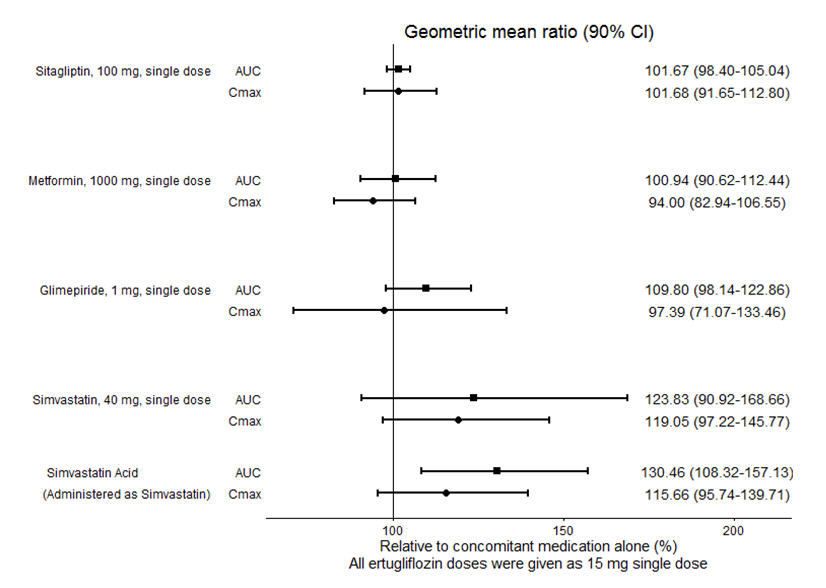
No dose adjustment of SEGLUROMET is recommended when coadministered with commonly prescribed medicinal products. Ertugliflozin pharmacokinetics were similar with and without coadministration of metformin, glimepiride, sitagliptin, and simvastatin in healthy subjects (see Figure 1). Coadministration of ertugliflozin with multiple doses of 600 mg once-daily rifampin (an inducer of UGT and CYP enzymes) resulted in approximately 39% and 15% mean reductions in ertugliflozin AUC and Cmax, respectively, relative to ertugliflozin administered alone. These changes in exposure are not considered clinically relevant. Ertugliflozin had no clinically relevant effect on the pharmacokinetics of metformin, glimepiride, sitagliptin, and simvastatin when coadministered in healthy subjects (see Figure 2). Physiologically-based PK (PBPK) modeling suggests that coadministration of mefenamic acid (UGT inhibitor) may increase the AUC and Cmax of ertugliflozin by 1.51- and 1.19-fold, respectively. These predicted changes in exposure are not considered clinically relevant.
Figure 1: Effects of Other Drugs on the Pharmacokinetics of Ertugliflozin
Figure 2: Effects of Ertugliflozin on the Pharmacokinetics of Other Drugs
Metformin hydrochloride
Table 4: Effect of Metformin on Systemic Exposure of Coadministered Drugs| Coadministered Drug | Dose of Coadministered Drug All doses administered as single dose unless otherwise specified. | Dose of Metformin | Geometric Mean Ratio
(ratio with/without metformin)
No Effect = 1.00 |
|---|
| | | | AUC AUC is reported as AUC0-∞ unless otherwise specified. | Cmax |
|---|
| No dosing adjustments required for the following: |
|---|
| Cimetidine | 400 mg | 850 mg | Cimetidine | 0.95 AUC0-24hr. | 1.01 |
| Glyburide | 5 mg | 500 mg Metformin hydrochloride extended-release tablets 500 mg. | Glyburide | 0.78 Ratio of arithmetic means, p value of difference <0.05. | 0.63 |
| Furosemide | 40 mg | 850 mg | Furosemide | 0.87 | 0.69 |
| Nifedipine | 10 mg | 850 mg | Nifedipine | 1.10 | 1.08 |
| Propranolol | 40 mg | 850 mg | Propranolol | 1.01 | 0.94 |
| Ibuprofen | 400 mg | 850 mg | Ibuprofen | 0.97 Ratio of arithmetic means. | 1.01 |
Table 5: Effect of Coadministered Drugs on Systemic Exposure of Metformin| Coadministered Drug | Dose of Coadministered Drug All doses administered as single dose unless otherwise specified. | Dose of Metformin | Geometric Mean Ratio
(ratio with/without coadministered drug)
No Effect = 1.00 |
|---|
| | | | AUC AUC is reported as AUC0-∞ unless otherwise specified. | Cmax |
|---|
| No dosing adjustments required for the following: |
| Glyburide | 5 mg | 500 mg Metformin hydrochloride extended-release tablets 500 mg. | Metformin | 0.98 Ratio of arithmetic means. | 0.99 |
| Furosemide | 40 mg | 850 mg | Metformin | 1.09 | 1.22 |
| Nifedipine | 10 mg | 850 mg | Metformin | 1.16 | 1.21 |
| Propranolol | 40 mg | 850 mg | Metformin | 0.90 | 0.94 |
| Ibuprofen | 400 mg | 850 mg | Metformin | 1.05 | 1.07 |
| Drugs that are eliminated by renal tubular secretion may increase the accumulation of metformin. [See Warnings and Precautions (5.1) and Drug Interactions (7.2).] |
| Cimetidine | 400 mg | 850 mg | Metformin | 1.40 | 1.61 |
| Carbonic anhydrase inhibitors may cause metabolic acidosis. [See Warnings and Precautions (5.1) and Drug Interactions (7.2).] |
| Topiramate | 100 mg Steady-state 100 mg topiramate every 12 hr + metformin 500 mg every 12 hr AUC = AUC0-12hr. | 500 mg | Metformin | 1.25 | 1.17 |
Carcinogenesis
Ertugliflozin
Carcinogenicity was evaluated in CD-1 mice and Sprague-Dawley rats. In the mouse study, ertugliflozin was administered by oral gavage at doses of 5, 15, and 40 mg/kg/day for up to 97 weeks in males and 102 weeks in females. There were no ertugliflozin-related neoplastic findings at doses up to 40 mg/kg/day (approximately 50 times human exposure at the maximum recommended human dose [MRHD] of 15 mg/day based on AUC). In the rat study, ertugliflozin was administered by oral gavage at doses of 1.5, 5, and 15 mg/kg/day for up to 92 weeks in females and 104 weeks in males. Ertugliflozin-related neoplastic findings included an increased incidence of adrenal medullary pheochromocytoma (PCC) in male rats at 15 mg/kg/day. Although the molecular mechanism remains unknown, this finding may be related to carbohydrate malabsorption leading to altered calcium homeostasis, which has been associated with PCC development in rats and has unclear relevancy to human risk. The no-observed-effect level (NOEL) for neoplasia was 5 mg/kg/day (approximately 16 times human exposure at the MRHD of 15 mg/day, based on AUC).
Metformin hydrochloride
Long-term carcinogenicity studies have been performed in rats (dosing duration of 104 weeks) and mice (dosing duration of 91 weeks) at doses up to and including 900 mg/kg/day and 1,500 mg/kg/day, respectively. These doses are both approximately four times the maximum recommended human daily dose of 2,000 mg based on body surface area comparisons. No evidence of carcinogenicity with metformin was found in either male or female mice. Similarly, there was no tumorigenic potential observed with metformin in male rats. There was, however, an increased incidence of benign stromal uterine polyps in female rats treated with 900 mg/kg/day.
Mutagenesis
Ertugliflozin
Ertugliflozin was not mutagenic or clastogenic with or without metabolic activation in the microbial reverse mutation, in vitro cytogenetic (human lymphocytes), and in vivo rat micronucleus assays.
Metformin hydrochloride
There was no evidence of a mutagenic potential of metformin in the following in vitro tests: Ames test (S. typhimurium), gene mutation test (mouse lymphoma cells), or chromosomal aberrations test (human lymphocytes). Results in the in vivo mouse micronucleus test were also negative.
Impairment of Fertility
Ertugliflozin
In the rat fertility and embryonic development study, male and female rats were administered ertugliflozin at 5, 25, and 250 mg/kg/day. No effects on fertility were observed at 250 mg/kg/day (approximately 480 and 570 times male and female human exposures, respectively, at the MRHD of 15 mg/day based on AUC comparison).
Metformin hydrochloride
Fertility of male or female rats was unaffected by metformin when administered at doses as high as 600 mg/kg/day, which is approximately three times the maximum recommended human daily dose based on body surface area comparisons.
Instructions
Instruct patients to read the Medication Guide before starting SEGLUROMET (ertugliflozin and metformin) and to reread it each time the prescription is renewed.
Inform patients of the potential risks and benefits of SEGLUROMET and of alternative modes of therapy. Also inform patients about the importance of adherence to dietary instructions, regular physical activity, periodic blood glucose monitoring and HbA1c testing, recognition and management of hypoglycemia and hyperglycemia, and assessment for diabetes complications. Advise patients to seek medical advice promptly during periods of stress such as fever, trauma, infection, or surgery, as medication requirements may change.
Instruct patients to take SEGLUROMET only as prescribed. If a dose is missed, advise patients to take it as soon as it is remembered unless it is almost time for the next dose, in which case patients should skip the missed dose and take the medicine at the next regularly scheduled time. Advise patients not to take two doses of SEGLUROMET at the same time.
Hypoglycemia with Concomitant Use of Insulin and/or Insulin Secretagogue
Inform patients that the incidence of hypoglycemia may increase when SEGLUROMET is added to insulin and/or an insulin secretagogue and that a lower dose of insulin or insulin secretagogue may be required to reduce the risk of hypoglycemia [see Warnings and Precautions (5.7)].
Fetal Toxicity
Advise pregnant patients of the potential risk to a fetus with treatment with SEGLUROMET. Instruct patients to immediately inform their healthcare provider if pregnant or planning to become pregnant. [See Use in Specific Populations (8.1).]
Lactation
Advise patients that use of SEGLUROMET is not recommended while breastfeeding [see Use in Specific Populations (8.2)].
Pregnancy
Inform female patients that treatment with metformin may result in an unintended pregnancy in some premenopausal anovulatory females due to its effect on ovulation [see Use in Specific Populations (8.3)].
Lactic Acidosis
Inform patients of the risks of lactic acidosis due to the metformin component, its symptoms, and conditions that predispose to its development [see Warnings and Precautions (5.1)]. Advise patients to discontinue SEGLUROMET immediately and to notify their doctor promptly if unexplained hyperventilation, malaise, myalgia, unusual somnolence, slow or irregular heartbeat, sensation of feeling cold (especially in the extremities), or other nonspecific symptoms occur. GI symptoms are common during initiation of metformin treatment and may occur during initiation of SEGLUROMET therapy; however, advise patients to consult their doctor if they develop unexplained symptoms. Although GI symptoms that occur after stabilization are unlikely to be drug related, such an occurrence of symptoms should be evaluated to determine if it may be due to metformin-induced lactic acidosis or other serious disease.
Hypotension
Inform patients that symptomatic hypotension may occur with SEGLUROMET and advise them to contact their doctor if they experience such symptoms [see Warnings and Precautions (5.2)]. Inform patients that dehydration may increase the risk for hypotension, and to have adequate fluid intake.
Ketoacidosis
Inform patients that ketoacidosis is a serious life-threatening condition and that cases of ketoacidosis have been reported during use of medicines containing SGLT2 inhibitors, including ertugliflozin, sometimes associated with illness or surgery among other risk factors. Instruct patients to check ketones (when possible) if symptoms consistent with ketoacidosis occur even if blood glucose is not elevated. If symptoms of ketoacidosis (including nausea, vomiting, abdominal pain, tiredness, and labored breathing) occur, instruct patients to discontinue SEGLUROMET and seek medical attention immediately [see Warnings and Precautions (5.3)].
Acute Kidney Injury
Inform patients that acute kidney injury has been reported during use of SEGLUROMET. Advise patients to seek medical advice immediately if they have reduced oral intake (due to acute illness or fasting) or increased fluid losses (due to vomiting, diarrhea, or excessive heat exposure), as it may be appropriate to temporarily discontinue SEGLUROMET use in those settings [see Warnings and Precautions (5.4)].
Monitoring of Renal Function
Inform patients about the importance of regular testing of renal function when receiving treatment with SEGLUROMET [see Warnings and Precautions (5.4)].
Serious Urinary Tract Infections
Inform patients of the potential for urinary tract infections, which may be serious. Provide them with information on the symptoms of urinary tract infections. Advise them to seek medical advice if such symptoms occur [see Warnings and Precautions (5.5)].
Amputation
Inform patients of the potential for an increased risk of amputations. Counsel patients about the importance of routine preventative foot care. Instruct patients to monitor for new pain or tenderness, sores or ulcers, or infections involving the leg or foot and to seek medical advice immediately if such signs or symptoms develop [see Warnings and Precautions (5.6)].
Necrotizing Fasciitis of the Perineum (Fournier's Gangrene)
Inform patients that necrotizing infections of the perineum (Fournier's gangrene) have occurred with SGLT2 inhibitors. Counsel patients to promptly seek medical attention if they develop pain or tenderness, redness, or swelling of the genitals or the area from the genitals back to the rectum, along with a fever above 100.4°F or malaise [see Warnings and Precautions (5.8)].
Genital Mycotic Infections in Females (e.g., Vulvovaginitis)
Inform female patients that vaginal yeast infections may occur and provide them with information on the signs and symptoms of vaginal yeast infection. Advise them of treatment options and when to seek medical advice [see Warnings and Precautions (5.9)].
Genital Mycotic Infections in Males (e.g., Balanitis or Balanoposthitis)
Inform male patients that yeast infections of the penis (e.g., balanitis or balanoposthitis) may occur, especially in uncircumcised males. Provide them with information on the signs and symptoms of balanitis and balanoposthitis (rash or redness of the glans or foreskin of the penis). Advise them of treatment options and when to seek medical advice [see Warnings and Precautions (5.9)].
Laboratory Tests
Due to the mechanism of action of ertugliflozin, inform patients that their urine will test positive for glucose while taking SEGLUROMET.
Manufactured for: Merck Sharp & Dohme Corp., a subsidiary of
MERCK & CO., INC., Whitehouse Station, NJ 08889, USA
For patent information: www.merck.com/product/patent/home.html
Copyright © 2017-2021 Merck Sharp & Dohme Corp., a subsidiary of Merck & Co., Inc.
All rights reserved.
uspi-mk8835b-t-2102r004