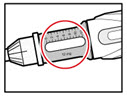
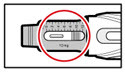
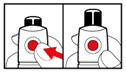
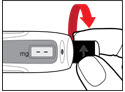
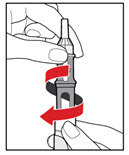
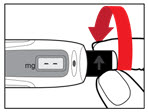
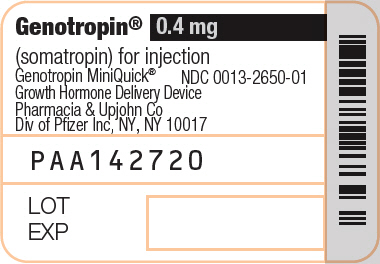
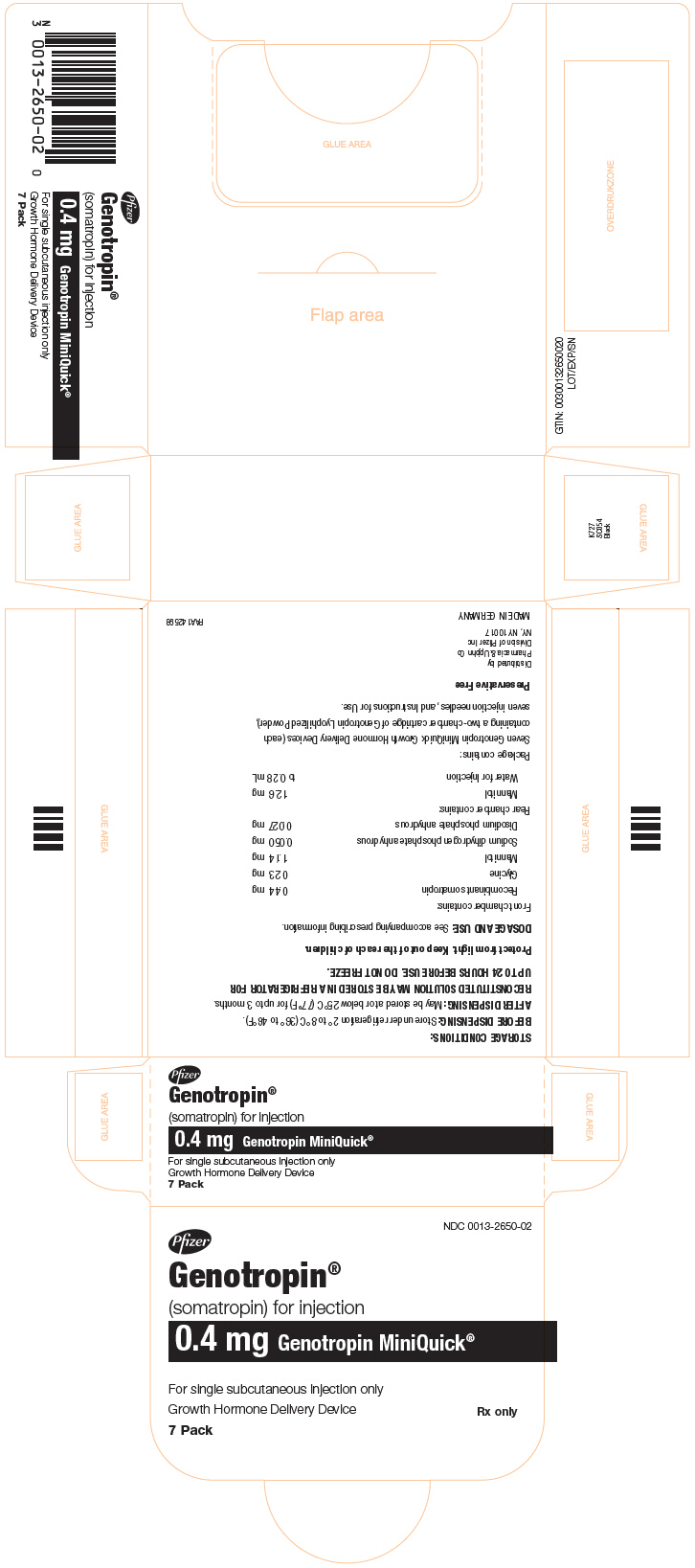
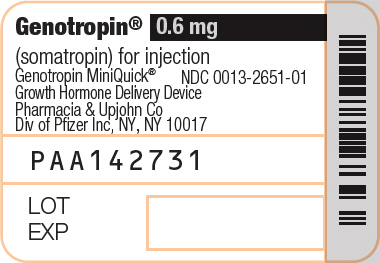
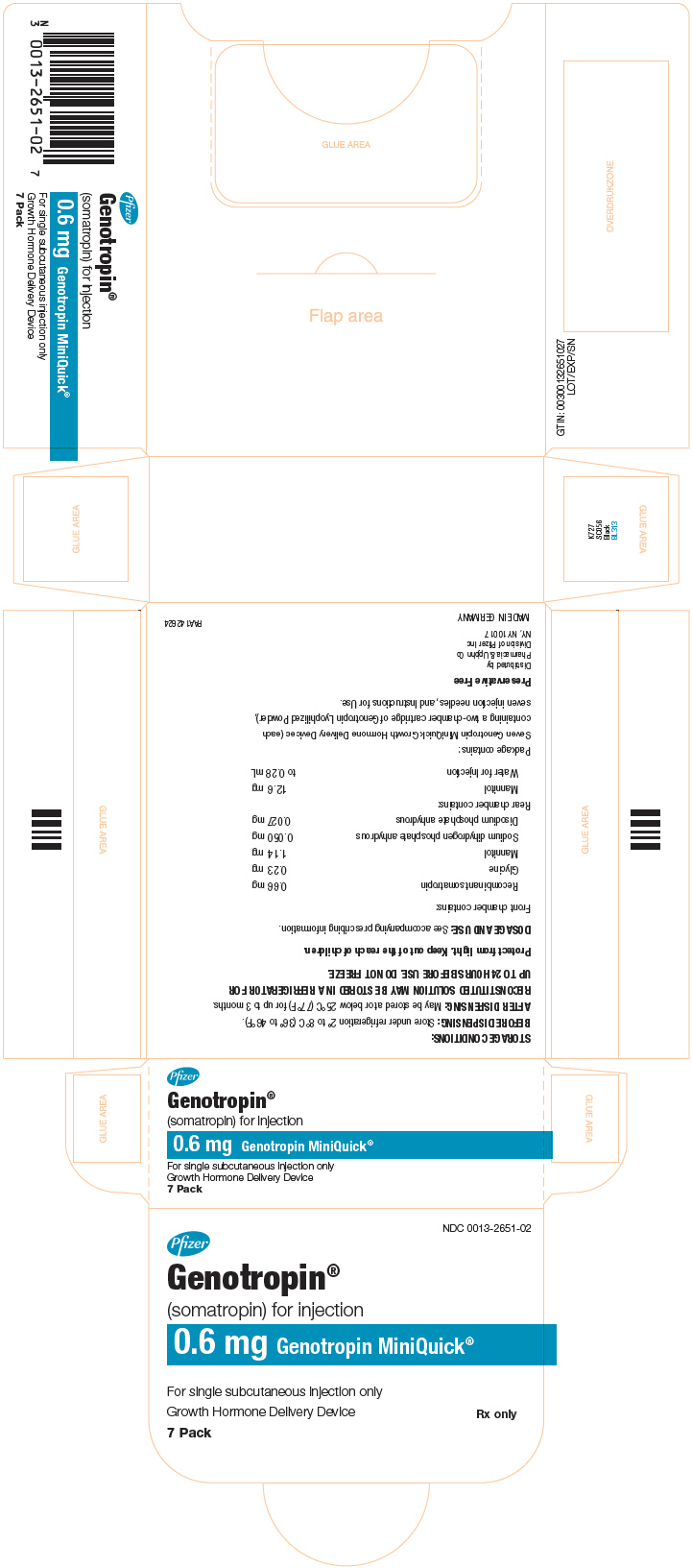
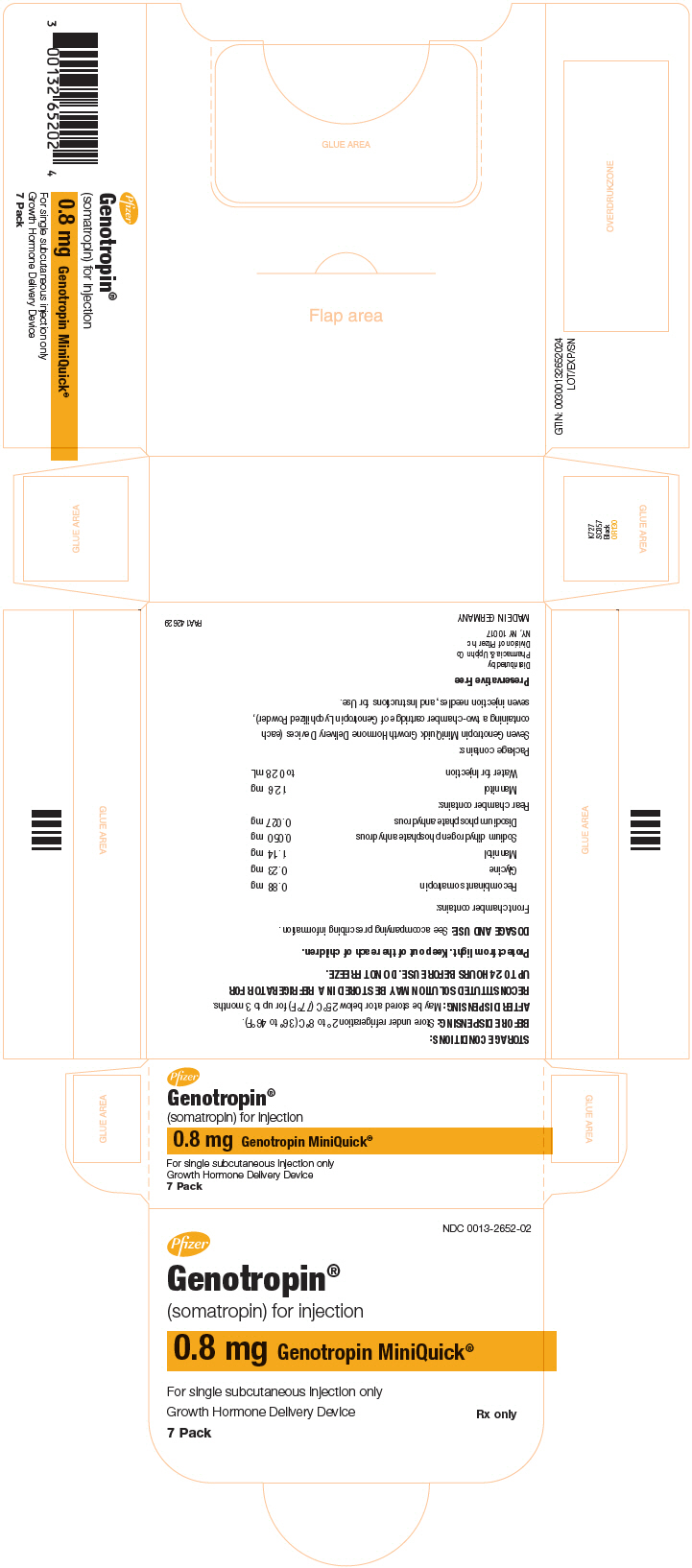
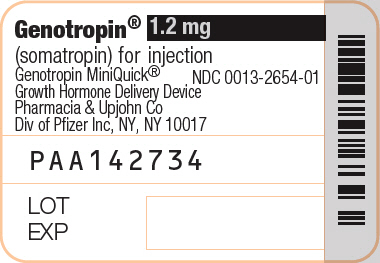
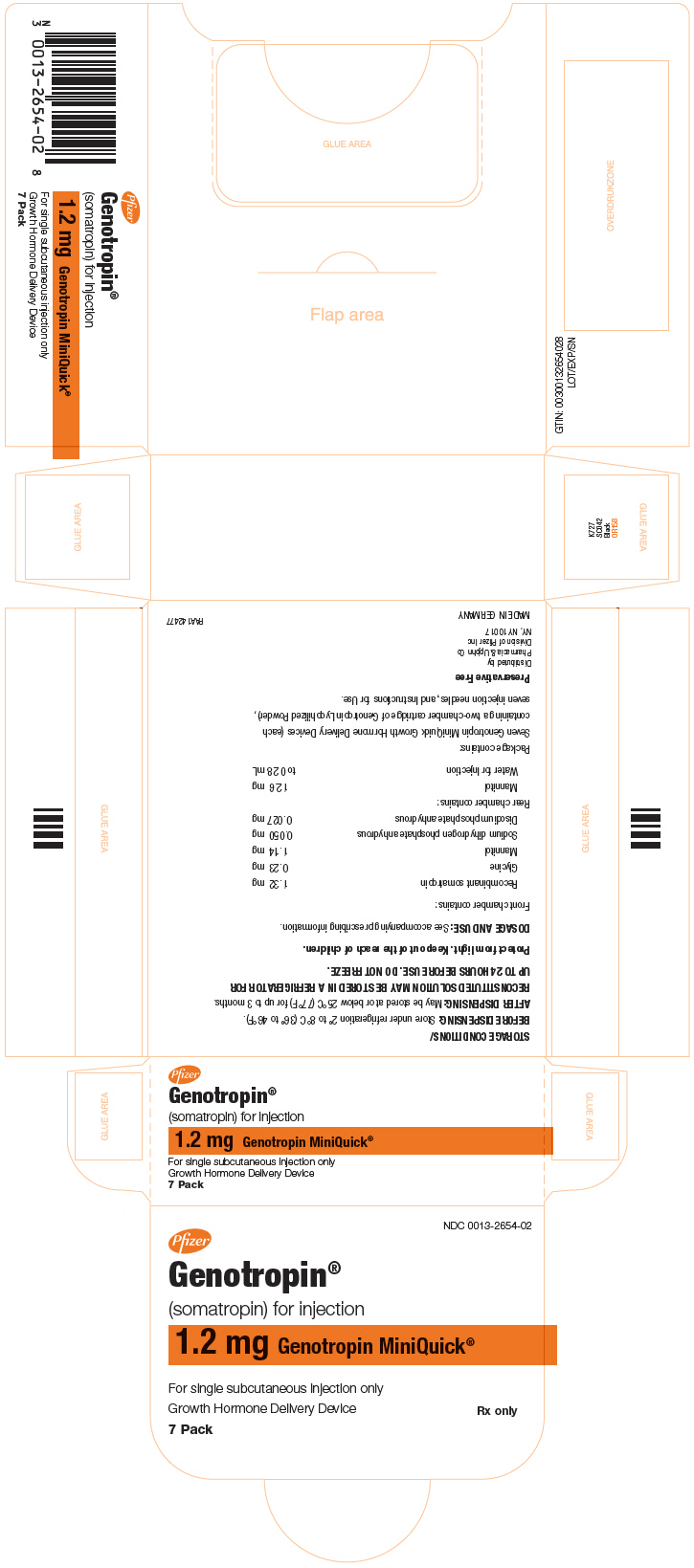
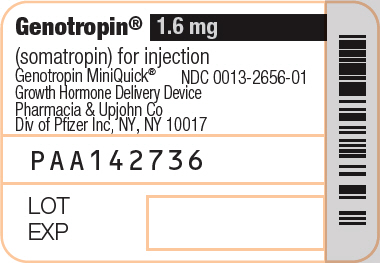
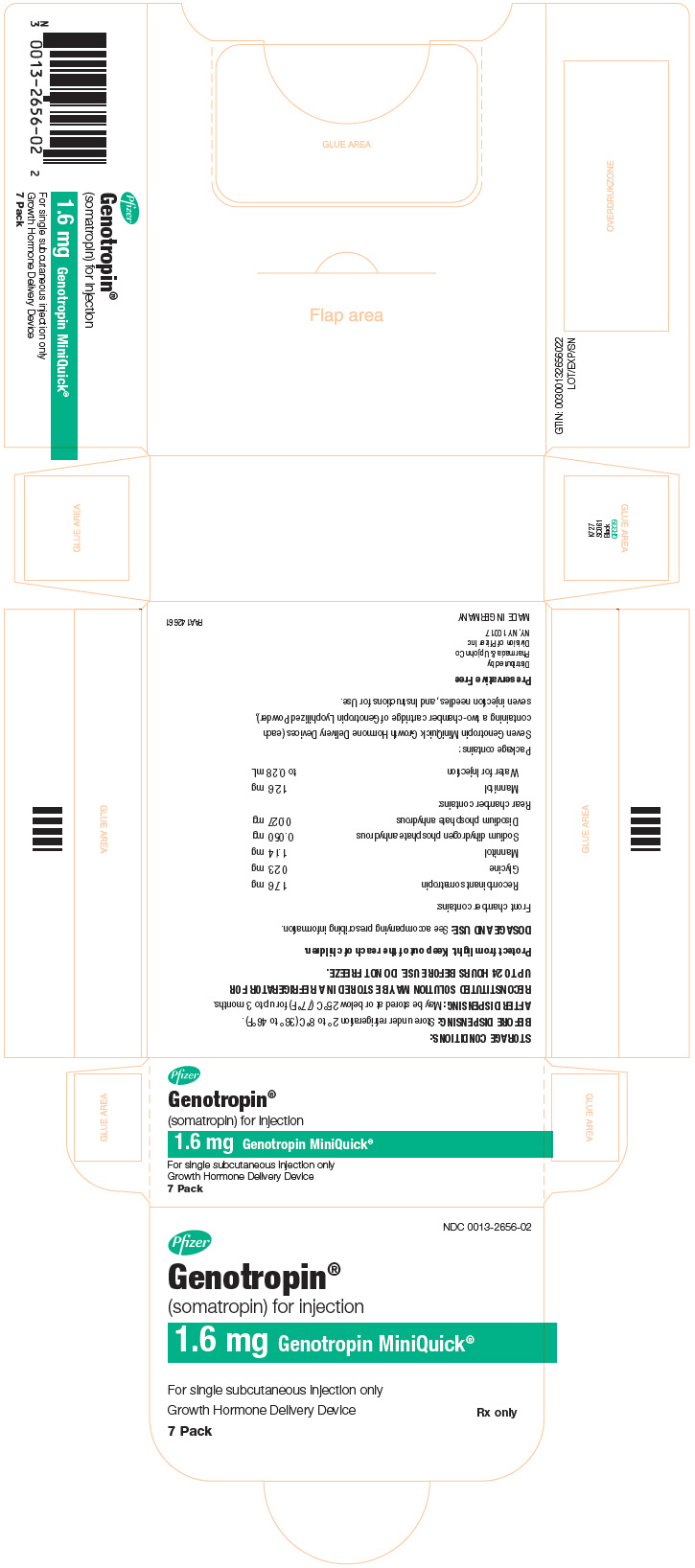
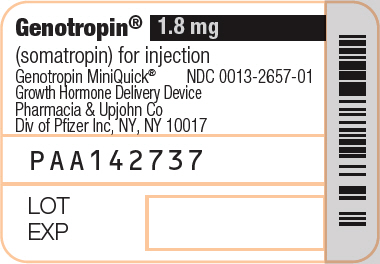
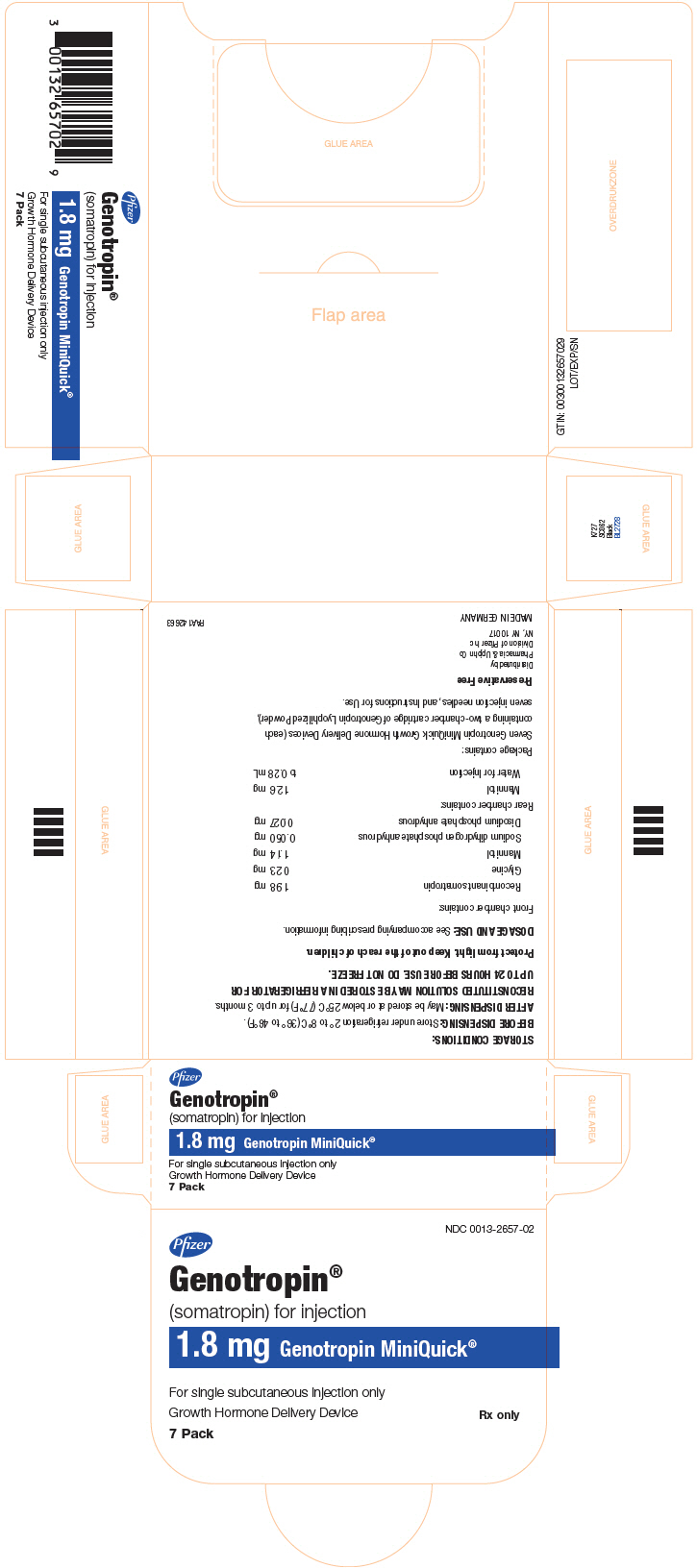
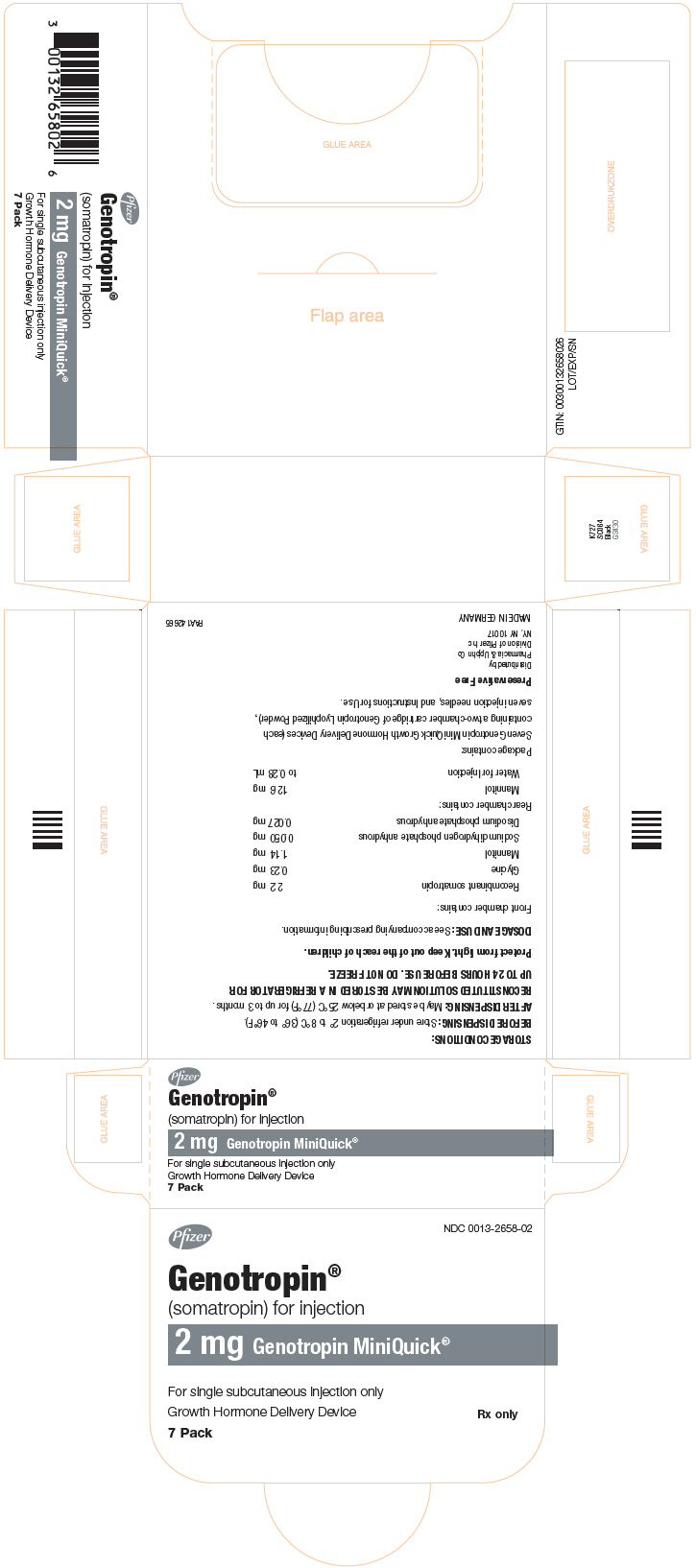
- 0.2 mg, 0.4 mg, 0.6 mg, 0.8 mg, 1.0 mg, 1.2 mg, 1.4 mg, 1.6 mg, 1.8 mg, and 2.0 mg
• Acute Critical Illness
Treatment with pharmacologic amounts of somatropin is contraindicated in patients with acute critical illness due to complications following open heart surgery, abdominal surgery or multiple accidental trauma, or those with acute respiratory failure [see Warnings and Precautions (5.1)].
• Prader-Willi Syndrome in Children
Somatropin is contraindicated in patients with Prader-Willi syndrome who are severely obese, have a history of upper airway obstruction or sleep apnea, or have severe respiratory impairment. There have been reports of sudden death when somatropin was used in such patients [see Warnings and Precautions (5.2)].
• Active Malignancy
In general, somatropin is contraindicated in the presence of active malignancy. Any preexisting malignancy should be inactive and its treatment complete prior to instituting therapy with somatropin. Somatropin should be discontinued if there is evidence of recurrent activity. Since growth hormone deficiency may be an early sign of the presence of a pituitary tumor (or, rarely, other brain tumors), the presence of such tumors should be ruled out prior to initiation of treatment. Somatropin should not be used in patients with any evidence of progression or recurrence of an underlying intracranial tumor.
• Hypersensitivity
GENOTROPIN is contraindicated in patients with a known hypersensitivity to somatropin or any of its excipients. The 5 mg and 12 mg presentations of GENOTROPIN lyophilized powder contain m-cresol as a preservative. Systemic hypersensitivity reactions have been reported with post-marketing use of somatropin products [see Warnings and Precautions (5.6)].
• Diabetic Retinopathy
Somatropin is contraindicated in patients with active proliferative or severe non-proliferative diabetic retinopathy.
• Closed Epiphyses
Somatropin should not be used for growth promotion in pediatric patients with closed epiphyses.
Clinical Trials in children with GHD
In clinical studies with GENOTROPIN in pediatric GHD patients, the following events were reported infrequently: injection site reactions, including pain or burning associated with the injection, fibrosis, nodules, rash, inflammation, pigmentation, or bleeding; lipoatrophy; headache; hematuria; hypothyroidism; and mild hyperglycemia.
Clinical Trials in PWS
In two clinical studies with GENOTROPIN in pediatric patients with Prader-Willi syndrome, the following drug-related events were reported: edema, aggressiveness, arthralgia, benign intracranial hypertension, hair loss, headache, and myalgia.
Clinical Trials in children with SGA
In clinical studies of 273 pediatric patients born small for gestational age treated with GENOTROPIN, the following clinically significant events were reported: mild transient hyperglycemia, one patient with benign intracranial hypertension, two patients with central precocious puberty, two patients with jaw prominence, and several patients with aggravation of preexisting scoliosis, injection site reactions, and self-limited progression of pigmented nevi. Anti-hGH antibodies were not detected in any of the patients treated with GENOTROPIN.
Clinical Trials in children with Turner Syndrome
In two clinical studies with GENOTROPIN in pediatric patients with Turner syndrome, the most frequently reported adverse events were respiratory illnesses (influenza, tonsillitis, otitis, sinusitis), joint pain, and urinary tract infection. The only treatment-related adverse event that occurred in more than 1 patient was joint pain.
Clinical Trials in children with Idiopathic Short Stature
In two open-label clinical studies with GENOTROPIN in pediatric patients with ISS, the most commonly encountered adverse events include upper respiratory tract infections, influenza, tonsillitis, nasopharyngitis, gastroenteritis, headaches, increased appetite, pyrexia, fracture, altered mood, and arthralgia. In one of the two studies, during GENOTROPIN treatment, the mean IGF-1 standard deviation (SD) scores were maintained in the normal range. IGF-1 SD scores above +2 SD were observed as follows: 1 subject (3%), 10 subjects (30%) and 16 subjects (38%) in the untreated control, 0. 23 and the 0.47 mg/kg/week groups, respectively, had at least one measurement; while 0 subjects (0%), 2 subjects (7%) and 6 subjects (14%) had two or more consecutive IGF-1 measurements above +2 SD.
Clinical Trials in adults with GHD
In clinical trials with GENOTROPIN in 1,145 GHD adults, the majority of the adverse events consisted of mild to moderate symptoms of fluid retention, including peripheral swelling, arthralgia, pain and stiffness of the extremities, peripheral edema, myalgia, paresthesia, and hypoesthesia. These events were reported early during therapy, and tended to be transient and/or responsive to dosage reduction.
Table 1 displays the adverse events reported by 5% or more of adult GHD patients in clinical trials after various durations of treatment with GENOTROPIN. Also presented are the corresponding incidence rates of these adverse events in placebo patients during the 6-month double-blind portion of the clinical trials.
Table 1 Adverse Events Reported by ≥ 5% of 1,145 Adult GHD Patients During Clinical Trials of GENOTROPIN and Placebo, Grouped by Duration of Treatment
| Double Blind Phase | Open Label Phase
GENOTROPIN |
|---|
| Adverse Event | Placebo
0–6 mo.
n = 572
% Patients | GENOTROPIN
0–6 mo.
n = 573
% Patients | 6–12 mo.
n = 504
% Patients | 12–18 mo.
n = 63
% Patients | 18–24 mo.
n = 60
% Patients |
|---|
n = number of patients receiving treatment during the indicated period.
% = percentage of patients who reported the event during the indicated period. |
| Swelling, peripheral | 5.1 | 17.5 Increased significantly when compared to placebo, P≤.025: Fisher´s Exact Test (one-sided) | 5.6 | 0 | 1.7 |
| Arthralgia | 4.2 | 17.3 | 6.9 | 6.3 | 3.3 |
| Upper respiratory infection | 14.5 | 15.5 | 13.1 | 15.9 | 13.3 |
| Pain, extremities | 5.9 | 14.7 | 6.7 | 1.6 | 3.3 |
| Edema, peripheral | 2.6 | 10.8 | 3.0 | 0 | 0 |
| Paresthesia | 1.9 | 9.6 | 2.2 | 3.2 | 0 |
| Headache | 7.7 | 9.9 | 6.2 | 0 | 0 |
| Stiffness of extremities | 1.6 | 7.9 | 2.4 | 1.6 | 0 |
| Fatigue | 3.8 | 5.8 | 4.6 | 6.3 | 1.7 |
| Myalgia | 1.6 | 4.9 | 2.0 | 4.8 | 6.7 |
| Back pain | 4.4 | 2.8 | 3.4 | 4.8 | 5.0 |
Post-Trial Extension Studies in Adults
In expanded post-trial extension studies, diabetes mellitus developed in 12 of 3,031 patients (0.4%) during treatment with GENOTROPIN. All 12 patients had predisposing factors, e.g., elevated glycated hemoglobin levels and/or marked obesity, prior to receiving GENOTROPIN. Of the 3,031 patients receiving GENOTROPIN, 61 (2%) developed symptoms of carpal tunnel syndrome, which lessened after dosage reduction or treatment interruption (52) or surgery (9). Other adverse events that have been reported include generalized edema and hypoesthesia.
Anti-hGH Antibodies
As with all therapeutic proteins, there is potential for immunogenicity. The detection of antibody formation is highly dependent on the sensitivity and specificity of the assay. Additionally, the observed incidence of antibody (including neutralizing antibody) positivity in an assay may be influenced by several factors including assay methodology, sample handling, timing of sample collection, concomitant medications, and underlying disease. For these reasons, comparison of the incidence of antibodies to GENOTROPIN with the incidence of antibodies to other products may be misleading. In the case of growth hormone, antibodies with binding capacities lower than 2 mg/mL have not been associated with growth attenuation. In a very small number of patients treated with somatropin, when binding capacity was greater than 2 mg/mL, interference with the growth response was observed.
In 419 pediatric patients evaluated in clinical studies with GENOTROPIN lyophilized powder, 244 had been treated previously with GENOTROPIN or other growth hormone preparations and 175 had received no previous growth hormone therapy. Antibodies to growth hormone (anti-hGH antibodies) were present in six previously treated patients at baseline. Three of the six became negative for anti-hGH antibodies during 6 to 12 months of treatment with GENOTROPIN. Of the remaining 413 patients, eight (1.9%) developed detectable anti-hGH antibodies during treatment with GENOTROPIN; none had an antibody binding capacity > 2 mg/L. There was no evidence that the growth response to GENOTROPIN was affected in these antibody-positive patients.
Periplasmic Escherichia coli Peptides
Preparations of GENOTROPIN contain a small amount of periplasmic Escherichia coli peptides (PECP). Anti-PECP antibodies are found in a small number of patients treated with GENOTROPIN, but these appear to be of no clinical significance.
Short-Term
Short-term overdosage could lead initially to hypoglycemia and subsequently to hyperglycemia. Furthermore, overdose with somatropin is likely to cause fluid retention.
Long-Term
Long-term overdosage could result in signs and symptoms of gigantism and/or acromegaly consistent with the known effects of excess growth hormone [see Dosage and Administration (2)].
Tissue Growth
- A.Skeletal Growth: GENOTROPIN stimulates skeletal growth in pediatric patients with GHD, PWS, SGA, TS, or ISS. The measurable increase in body length after administration of GENOTROPIN results from an effect on the epiphyseal plates of long bones. Concentrations of IGF-I, which may play a role in skeletal growth, are generally low in the serum of pediatric patients with GHD, PWS, or SGA, but tend to increase during treatment with GENOTROPIN. Elevations in mean serum alkaline phosphatase concentration are also seen.
- B.Cell Growth: It has been shown that there are fewer skeletal muscle cells in short-statured pediatric patients who lack endogenous growth hormone as compared with the normal pediatric population. Treatment with somatropin results in an increase in both the number and size of muscle cells.
Protein Metabolism
Linear growth is facilitated in part by increased cellular protein synthesis. Nitrogen retention, as demonstrated by decreased urinary nitrogen excretion and serum urea nitrogen, follows the initiation of therapy with GENOTROPIN.
Carbohydrate Metabolism
Pediatric patients with hypopituitarism sometimes experience fasting hypoglycemia that is improved by treatment with GENOTROPIN. Large doses of growth hormone may impair glucose tolerance.
Lipid Metabolism
In GHD patients, administration of somatropin has resulted in lipid mobilization, reduction in body fat stores, and increased plasma fatty acids.
Mineral Metabolism
Somatropin induces retention of sodium, potassium, and phosphorus. Serum concentrations of inorganic phosphate are increased in patients with GHD after therapy with GENOTROPIN. Serum calcium is not significantly altered by GENOTROPIN. Growth hormone could increase calciuria.
Body Composition
Adult GHD patients treated with GENOTROPIN at the recommended adult dose [see DOSAGE AND ADMINISTRATION (2)] demonstrate a decrease in fat mass and an increase in lean body mass. When these alterations are coupled with the increase in total body water, the overall effect of GENOTROPIN is to modify body composition, an effect that is maintained with continued treatment.
Absorption
Following a 0.03 mg/kg subcutaneous (SC) injection in the thigh of 1.3 mg/mL GENOTROPIN to adult GHD patients, approximately 80% of the dose was systemically available as compared with that available following intravenous dosing. Results were comparable in both male and female patients. Similar bioavailability has been observed in healthy adult male subjects.
In healthy adult males, following an SC injection in the thigh of 0.03 mg/kg, the extent of absorption (AUC) of a concentration of 5.3 mg/mL GENOTROPIN was 35% greater than that for 1.3 mg/mL GENOTROPIN. The mean (± standard deviation) peak (Cmax) serum levels were 23.0 (± 9.4) ng/mL and 17.4 (± 9.2) ng/mL, respectively.
In a similar study involving pediatric GHD patients, 5.3 mg/mL GENOTROPIN yielded a mean AUC that was 17% greater than that for 1.3 mg/mL GENOTROPIN. The mean Cmax levels were 21.0 ng/mL and 16.3 ng/mL, respectively.
Adult GHD patients received two single SC doses of 0.03 mg/kg of GENOTROPIN at a concentration of 1.3 mg/mL, with a one- to four-week washout period between injections. Mean Cmax levels were 12.4 ng/mL (first injection) and 12.2 ng/mL (second injection), achieved at approximately six hours after dosing.
There are no data on the bioequivalence between the 12 mg/mL formulation and either the 1.3 mg/mL or the 5.3 mg/mL formulations.
Distribution
The mean volume of distribution of GENOTROPIN following administration to GHD adults was estimated to be 1.3 (± 0.8) L/kg.
Metabolism
The metabolic fate of GENOTROPIN involves classical protein catabolism in both the liver and kidneys. In renal cells, at least a portion of the breakdown products are returned to the systemic circulation. The mean terminal half-life of intravenous GENOTROPIN in normal adults is 0.4 hours, whereas subcutaneously administered GENOTROPIN has a half-life of 3.0 hours in GHD adults. The observed difference is due to slow absorption from the subcutaneous injection site.
Excretion
The mean clearance of subcutaneously administered GENOTROPIN in 16 GHD adult patients was 0.3 (± 0.11) L/hrs/kg.
Special Populations
Pediatric: The pharmacokinetics of GENOTROPIN are similar in GHD pediatric and adult patients.
Gender: No gender studies have been performed in pediatric patients; however, in GHD adults, the absolute bioavailability of GENOTROPIN was similar in males and females.
Race: No studies have been conducted with GENOTROPIN to assess pharmacokinetic differences among races.
Renal or hepatic insufficiency: No studies have been conducted with GENOTROPIN in these patient populations.
Table 2 Mean SC Pharmacokinetic Parameters in Adult GHD Patients | Bioavailability
(%)
(N=15) | Tmax
(hours)
(N=16) | CL/F
(L/hr × kg)
(N=16) | Vss/F
(L/kg)
(N=16) | T1/2
(hours)
(N=16) |
|---|
Tmax = time of maximum plasma concentration
CL/F = plasma clearance
Vss/F = volume of distribution |
T 1/2 = terminal half-life
SD = standard deviation
CI = confidence interval |
| Mean | 80.5 | 5.9 | 0.3 | 1.3 | 3.0 |
| (± SD) | The absolute bioavailability was estimated under the assumption that the log-transformed data follow a normal distribution. The mean and standard deviation of the log-transformed data were mean = 0.22 (± 0.241). | (± 1.65) | (± 0.11) | (± 0.80) | (± 1.44) |
| 95% CI | 70.5 – 92.1 | 5.0 – 6.7 | 0.2 – 0.4 | 0.9 – 1.8 | 2.2 – 3.7 |
Pediatric Patients Born Small for Gestational Age (SGA) Who Fail to Manifest Catch-up Growth by Age 2
The safety and efficacy of GENOTROPIN in the treatment of children born small for gestational age (SGA) were evaluated in 4 randomized, open-label, controlled clinical trials. Patients (age range of 2 to 8 years) were observed for 12 months before being randomized to receive either GENOTROPIN (two doses per study, most often 0.24 and 0.48 mg/kg/week) as a daily SC injection or no treatment for the first 24 months of the studies. After 24 months in the studies, all patients received GENOTROPIN.
Patients who received any dose of GENOTROPIN showed significant increases in growth during the first 24 months of study, compared with patients who received no treatment (see Table 5). Children receiving 0.48 mg/kg/week demonstrated a significant improvement in height standard deviation score (SDS) compared with children treated with 0.24 mg/kg/week. Both of these doses resulted in a slower but constant increase in growth between months 24 to 72 (data not shown).
Table 5 Efficacy of GENOTROPIN in Children Born Small for Gestational Age (Mean ± SD) | GENOTROPIN | GENOTROPIN | Untreated Control
n=40 |
|---|
(0.24 mg/kg/week)
n=76 | (0.48 mg/kg/week)
n=93 |
|---|
| Height Standard Deviation Score (SDS) | | | |
| Baseline SDS | -3.2 ± 0.8 | -3.4 ± 1.0 | -3.1 ± 0.9 |
| SDS at 24 months | -2.0 ± 0.8 | -1.7 ± 1.0 | -2.9 ± 0.9 |
| Change in SDS from baseline to month 24 | 1.2 p = 0.0001 vs Untreated Control group ± 0.5 | 1.7 p = 0.0001 vs group treated with GENOTROPIN 0.24 mg/kg/week ± 0.6 | 0.1 ± 0.3 |
Manufactured by:
Vetter Pharma-Fertigung GmbH & Co. KG
Ravensburg, Germany
Or
Vetter Pharma-Fertigung GmbH & Co. KG
Langenargen, Germany
Or
Pfizer Manufacturing Belgium N.V.
Puurs, Belgium
Rx only
LAB-0222-24.0