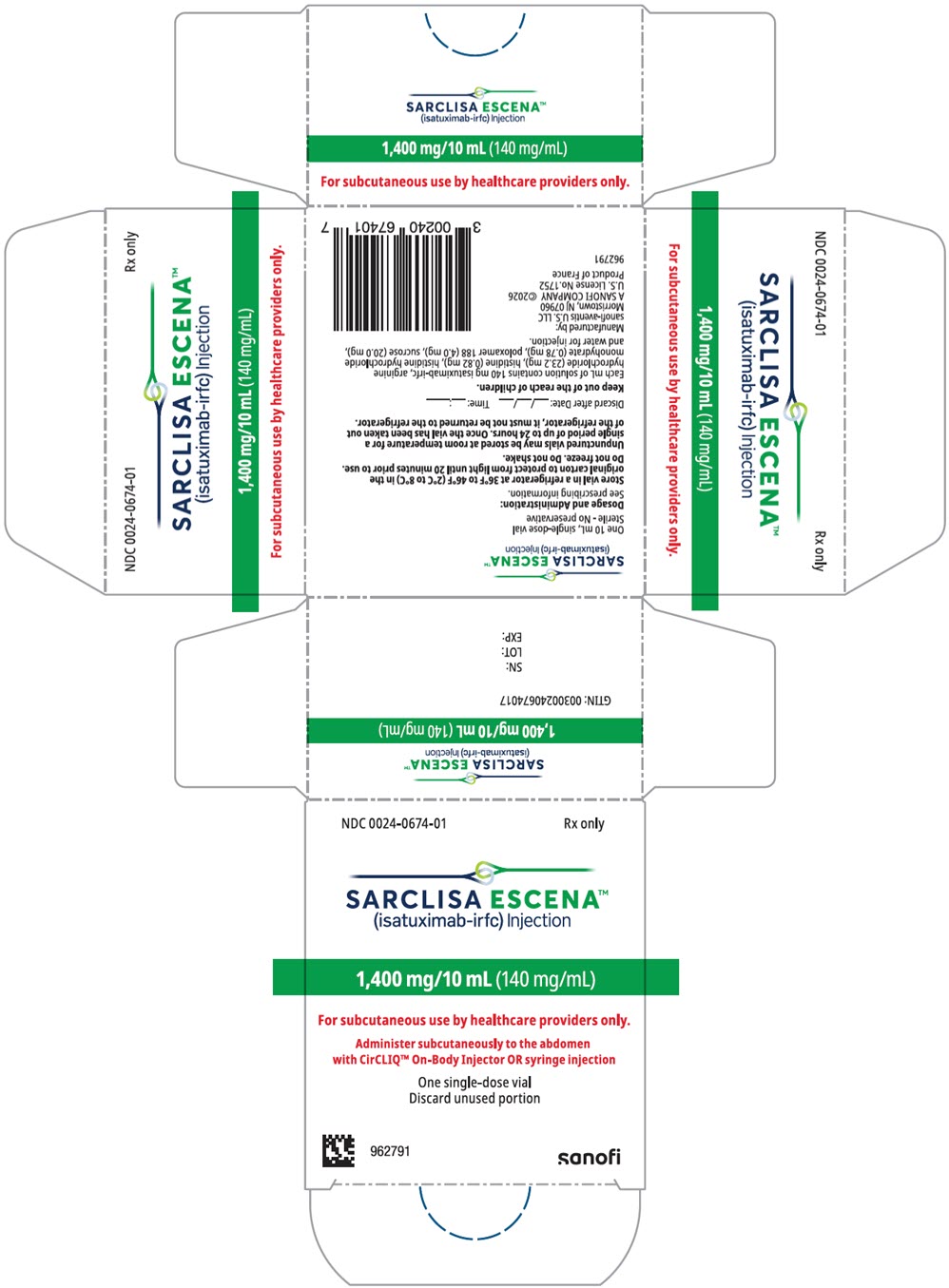
Sarclisa Escena Injection, Solution
FDA Label NDC 0024-0674

Full FDA labeling including Indications, Dosage, Usage, and Precautions

Structured Product Label

The following Structured Product Label (SPL) was submitted to the FDA by Sanofi-aventis U.s. Llc for the product Sarclisa Escena (NDC 0024-0674). This document serves as the official prescribing information, containing essential scientific data and clinical materials required for healthcare providers and patients.

This specific version of the label includes detailed information regarding 1 indications and usage, 2.1 important dosage information, 2.2 recommended dosage, 2.3 recommended premedications and antimicrobial prophylaxis, 2.4 dosage modifications for adverse reactions, 2.5 preparation, 2.6 administration, 3 dosage forms and strengths, and other regulatory disclosures. Use the navigation below to review specific sections of the FDA submission.

1 Indications And Usage

SARCLISA ESCENA is indicated:

  • in combination with pomalidomide and dexamethasone, for the treatment of adult patients with multiple myeloma who have received at least 1 prior line of therapy including lenalidomide and a proteasome inhibitor.
  • in combination with carfilzomib and dexamethasone, for the treatment of adult patients with relapsed or refractory multiple myeloma who have received 1 to 3 prior lines of therapy.
  • in combination with bortezomib, lenalidomide, and dexamethasone, for the treatment of adult patients with newly diagnosed multiple myeloma who are not eligible for autologous stem cell transplant (ASCT).

2.1 Important Dosage Information

  • SARCLISA ESCENA and intravenous isatuximab-irfc have different dosage and administration instructions [see Dosage and Administration (2.2)] .
    • SARCLISA ESCENA is for subcutaneous use only.
    • Check the product label to ensure that the correct formulation (SARCLISA ESCENA or intravenous isatuximab-irfc) is being prescribed and administered.
  • Administer premedications before SARCLISA ESCENA administration [see Dosage and Administration (2.3)] .
  • SARCLISA ESCENA should be administered by a health care professional [see Warnings and Precautions (5.1)] .
  • Patients currently receiving intravenous isatuximab-irfc may transition to SARCLISA ESCENA solution for injection after the completion of the first cycle.
  • The recommended dose of SARCLISA ESCENA is 1,400 mg administered as a subcutaneous injection with the CirCLIQ On-Body Delivery System (OBDS) or with a syringe and infusion set for manual administration, in combination with pomalidomide and dexamethasone or in combination with carfilzomib and dexamethasone, or in combination with bortezomib, lenalidomide, and dexamethasone.

    SARCLISA ESCENA dosing schedules are provided in Tables 1 and 2 [see Clinical Studies (14)] .

    Table 1: SARCLISA ESCENA Dosing Schedule in Combination with Pomalidomide and Dexamethasone or in Combination with Carfilzomib and Dexamethasone
    CyclesDosing schedules
    Cycle 1 (28-day cycle)Days 1, 8, 15, and 22 (weekly)
    Cycle 2 and beyond (28-day cycles)Days 1 and 15 (every 2 weeks)
    Table 2: SARCLISA ESCENA Dosing Schedule in Combination with Bortezomib, Lenalidomide, and Dexamethasone
    CyclesDosing schedule
    Cycle 1 (28-day cycle)Days 1, 8, 15, 22 (weekly)
    Cycles 2 to 12 (28-day cycles)Days 1 and 15 (every 2 weeks)
    Cycles 13 and beyond (28-day cycles)Day 1 (every 4 weeks)

    Treatment is repeated until disease progression or unacceptable toxicity.

    SARCLISA ESCENA is used in combination with pomalidomide and dexamethasone or in combination with carfilzomib and dexamethasone or in combination with bortezomib, lenalidomide, and dexamethasone. For dosing instructions of combination agents administered with SARCLISA ESCENA, see Clinical Studies (14)and manufacturer's prescribing information.

    Missed SARCLISA ESCENA Doses

    If a planned dose of SARCLISA ESCENA is missed, administer the dose as soon as possible and adjust the treatment schedule accordingly, maintaining the treatment interval.

Recommended Premedications

Administer the following premedications 15 to 60 minutes prior to SARCLISA ESCENA administration to reduce the risk and severity of systemic administration reactions [see Warnings and Precautions (5.1)] :

  • When administered in combination with SARCLISA ESCENA and pomalidomide:
    Dexamethasone 40 mg orally or intravenously (or 20 mg orally or intravenously for patients 75 years of age or older).
    When administered in combination with SARCLISA ESCENA and carfilzomib:
    Dexamethasone 20 mg orally or intravenously.
    When administered in combination with SARCLISA ESCENA, bortezomib, and lenalidomide:
    Dexamethasone 20 mg orally.
  • Leukotriene receptor antagonist, at cycle 1 only (Days 1, 8, 15, and 22).
  • Acetaminophen 650 mg to 1,000 mg orally.
  • Diphenhydramine 25 mg to 50 mg orally or intravenously (or equivalent). The intravenous route of diphenhydramine is preferred for at least the first 4 administrations of SARCLISA ESCENA.
  • The above recommended dose of dexamethasone (orally or intravenously) corresponds to the total dose to be administered before SARCLISA ESCENA administration as part of the premedication and part of the backbone treatment [see Clinical Studies (14)]. If no systemic administration reaction occurs during Cycle 1, assess patient specific factors and consider omitting subsequent premedication during future treatment cycles.

    Recommended Antimicrobial Prophylaxis

    Initiate antibacterial and antiviral prophylaxis (such as herpes zoster prophylaxis) if needed based on standard guidelines [see Warnings and Precautions (5.2, 5.3)] .

2.4 Dosage Modifications For Adverse Reactions

No dose reduction of SARCLISA ESCENA is recommended. Dose delay or omission may be required [see Warnings and Precautions (5.1, 5.2)] .

2.5 Preparation

SARCLISA ESCENA is only for abdominal subcutaneous administration using:

  • CirCLIQ On-Body Delivery System (OBDS)
  • OR

    • 20 mL syringe and infusion set (manual administration using commercially available syringe and infusion set).
    • SARCLISA ESCENA should be administered by a healthcare provider.

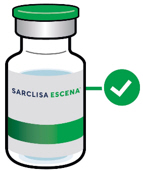
      To prevent medication errors, check SARCLISA ESCENA vial label to ensure it is the correct medication for subcutaneous use (vial with green cap).

      Do not administer SARCLISA ESCENA intravenously.

      SARCLISA ESCENA is ready to use and should not be diluted.

      Prepare and administer SARCLISA ESCENA subcutaneously using clean technique.

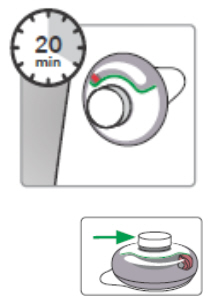
      • Prior to use‚ allow SARCLISA ESCENA to reach ambient temperature between 18°C to 28°C (64°F to 82°F) for approximately 20 minutes. Keep the unpunctured vial in the original carton prior to use to protect from light. Do not heat. Do not shake.
      • Once the vial has been taken out of the refrigerator, it must not be returned to the refrigerator. Unpunctured vials may be stored at ambient temperature between 18°C to 28°C (64°F to 82°F) for a single period of up to 24 hours.
      • Parenteral drug products should be inspected visually for particulate matter and discoloration prior to administration whenever solution and container permit. The solution may contain a few translucent to white particles. SARCLISA ESCENA should not be used if the solution is cloudy or discolored, or if particles other than those described above are present [see Dosage Forms and Strengths (3)] .
      • Preparation with CirCLIQ On-Body Delivery System

        • Refer to the Instructions for Use for CirCLIQ OBDS provided with the device for full preparation and administration information.
        • Once the vial is punctured, the injection with the CirCLIQ On-Body Injector should be performed as soon as possible. If the injection is not completed within 4 hours, discard the vial and the On-Body Delivery System.
        • Preparation with syringe and infusion set for manual administration

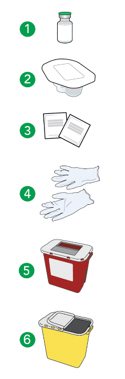
          • Before you begin, collect your supplies:
            • The syringe must be a 20 mL polypropylene syringe with Luer-fitting connector.
            • The transfer needle with filter must be made of 18G stainless steel with 5-micron filter and Luer-fitting connector.
            • The subcutaneous infusion set must have a 23G stainless steel needle for administration and tubing up to 12 inches (30 cm) length made of polyethylene, or polyvinyl chloride (PVC), with a Luer-fitting connector.
            • Check the expiration date.
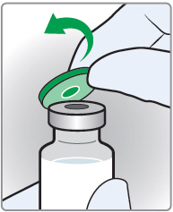
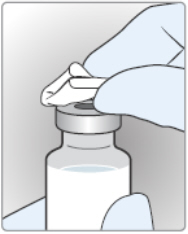
            • Remove green vial cap and wipe vial rubber stopper with an alcohol wipe and allow to air dry.
            • Attach the transfer needle with 5-micron filter to the syringe and fill the syringe.
              • Withdraw the full content of the SARCLISA ESCENA vial into a 20 mL compatible syringe.
              • Note: if the syringe containing SARCLISA ESCENA is not used immediately:
                • Remove the transfer needle with filter. Attach a syringe closing cap to the syringe.
                • Label the syringe with the SARCLISA ESCENA peel-off label provided in the vial carton and as per institutional standards.
                • Store it for up to 4 hours at room temperature between 15°C to 25°C (59°F to 77°F) and ambient light, including the administration time. Discard after 4 hours, if not used.
                • Attach the subcutaneous infusion set to the syringe.
                  • Prime the syringe and subcutaneous infusion set with SARCLISA ESCENA.
                  • Note: To avoid needle clogging, attach the subcutaneous infusion set to the syringe immediately prior to injection.

2.6 Administration

  • On the days when both SARCLISA ESCENA and carfilzomib are administered, administer dexamethasone first, followed by SARCLISA ESCENA administration, then followed by carfilzomib infusion.
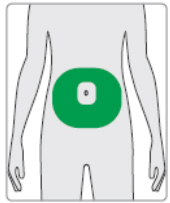
  • SARCLISA ESCENA is only for abdominal subcutaneous administration. Data are only available with an injection performed into the abdomen.
  • Change (rotate) the site of each subcutaneous administration – at least 1 inch (2.5 cm) from previous injection site - with every injection to avoid accumulation of fatty tissue.
  • Do not inject other medications in the area where SARCLISA ESCENA is injected.
  • Do not inject into areas where the skin is injured, tender, red, hot, has scars, or is excessively hairy.
  • Administration with CirCLIQ On-Body Delivery System

    Refer to the Instructions for Use for CirCLIQ OBDS provided with the device for full preparation and administration information. Do not inject other medications in the area where SARCLISA ESCENA is injected.

    Administration with syringe and infusion set for manual administration

    • Prepare injection site and insert needle.
      • Wipe injection site with an alcohol swab and allow it to dry.
      • Avoid injecting within 2 inches (5 cm) around the belly button.
      • Remove protective needle cover.
      • Pinch skin at the injection site on the abdomen. It is important to pinch enough skin to inject under the skin and not into the muscle.
      • Insert needle at a 45-degree angle with a quick, dart-like motion.
        Note: Try to limit needle and syringe movement during the injection. If needed, secure the subcutaneous infusion set in place with a bandage.
      • Inject 10 mL of SARCLISA ESCENA subcutaneously into the abdomen, over approximately 6 minutes.
        • Pause or slow down delivery rate if the patient experiences pain. In the event pain is not alleviated by pausing or slowing down delivery rate, a second injection site may be chosen on the opposite side of the abdomen to deliver the remainder of the dose.

3 Dosage Forms And Strengths

SARCLISA ESCENA is a clear to slightly opalescent, colorless to slightly yellow solution, that may contain a few translucent to white particles, available as:

  • Injection: 1,400 mg/10 mL (140 mg/mL) solution in a single-dose vial.

4 Contraindications

SARCLISA ESCENA is contraindicated in patients with severe hypersensitivity to isatuximab-irfc or to any of its excipients [see Warnings and Precautions (5.1)] .

5.1 Hypersensitivity And Other Administration Reactions

SARCLISA ESCENA can cause both systemic administration-related reactions (SARs), including severe or life-threatening reactions, and local injection-site reactions.

Systemic Administration Reactions

In a pooled safety population of 411 patients with multiple myeloma who received SARCLISA ESCENA in combination with pomalidomide and dexamethasone (Pd), with carfilzomib and dexamethasone (Kd), and with bortezomib, lenalidomide, and dexamethasone (VRd) (IRAKLIA, IZALCO, and IsaSoCut, respectively, N=411), SARs occurred in 3.2% (Grade 1: 2.2%, Grade 2: 0.7%, Grade 3: 0.2%) of patients. SARs occurred at the first administration in 1.9% of patients and at subsequent administrations in 1.5% of patients. The median time to onset was 4 hours (range: 12 minutes to 3 days). The most frequently reported symptoms of SARs (all below 1%) were pyrexia and dyspnea, and Grade ≥3 symptoms was dyspnea (not collected in IsaSoCut study) [see Dosage and Administration (2.3)and Adverse Reactions (6.1)] . In multiple myeloma clinical trials with intravenous isatuximab-irfc, anaphylactic reactions occurred in <1% of patients.

To decrease the risk and severity of SARs, premedicate patients prior to SARCLISA ESCENA administration with leukotriene receptor antagonists (at cycle 1 only), acetaminophen, diphenhydramine, or equivalent, and dexamethasone [see Dosage and Administration (2.2)] .

In case of grade 2 SAR during SARCLISA ESCENA administration, stop current administration and do not complete it. Administer additional premedication, as needed, for subsequent SARCLISA ESCENA administration. In case of grade 3 SAR during SARCLISA ESCENA administration, stop current administration and do not complete it. SARCLISA ESCENA administration may be resumed at the next planned administration. In case of a third occurrence of a grade 3 SAR, permanently discontinue SARCLISA ESCENA treatment. In case of grade 4 SAR, permanently discontinue SARCLISA ESCENA treatment.

Injection Site Reactions

In clinical trials of SARCLISA ESCENA in combination with Pd, Kd, or VRd (IRAKLIA, IZALCO, and IsaSoCut, respectively, N=411), injection site reactions (ISRs) with SARCLISA ESCENA administration were reported in 9% (8% Grade 1 and 1.5% Grade 2) of patients and in 0.86% of injections. Among the SARCLISA ESCENA injections with ISRs, 82% occurred the day of the administration and 4.2% were delayed by at least 3 days. With SARCLISA ESCENA-Pd and SARCLISA ESCENA-Kd, 5% of patients experienced symptoms of ISR (not collected in IsaSoCut study). The most frequent (≥1%) symptoms of ISR were injection site erythema (3.3%), injection site swelling (2.1%), and injection site pain (1.5%).

In case of grade 2 ISR during administration of SARCLISA ESCENA, interrupt it and resume it only after recovery to grade ≤1 with pauses during the administration (if using OBDS) or a slower administration (if manual injection). If the Grade 2 ISR occurs after the administration, continue SARCLISA ESCENA treatment after recovery to grade ≤1. In case of grade 3 or 4 ISR, permanently discontinue SARCLISA ESCENA treatment.

In case SARCLISA ESCENA administration using CirCLIQ OBDS needs to be paused, please refer to the OBDS Instruction For Use (IFU).

5.2 Neutropenia

Neutropenia was reported in patients receiving SARCLISA ESCENA subcutaneously in combination with Pd, Kd, or VRd. In clinical trials of SARCLISA ESCENA (IRAKLIA, IZALCO, and IsaSoCut, N=411), neutropenia occurred in 86% of patients based on laboratory value. Grade 3–4 neutropenia occurred in 66% of patients based on laboratory value. Febrile neutropenia was reported in 3.4% and neutropenic infections occurred in 13% of patients [see Adverse Reactions (6.1)] .

Monitor complete blood cell counts periodically during treatment. Monitor patients with neutropenia for signs of infection. In case of grade 4 neutropenia, delay or omit SARCLISA ESCENA dose until neutrophil count recovery to at least 1 × 10 9/L, and provide supportive care with growth factors, according to institutional guidelines [see Dosage and Administration (2.3)] .

5.3 Infections

SARCLISA ESCENA can cause severe, life-threatening, or fatal infections. In patients who received SARCLISA ESCENA subcutaneously in combination with Pd, Kd, or VRd (IRAKLIA, IZALCO, and IsaSoCut, respectively, N=411), fatal infections occurred in 2.9% of patients, serious infections occurred in 29% of patients, and Grade ≥3 infections in 29% of patients. The most commonly reported infections (≥10%) were pneumonia (21%), upper respiratory tract infection (19%), and Covid-19 (12%). The most frequent serious infection (≥5%) was pneumonia (17%) [see Adverse Reactions (6.1)].

Patients receiving SARCLISA ESCENA should be closely monitored for signs of infection and appropriate standard therapy instituted.

Antibacterial and antiviral prophylaxis (such as herpes zoster prophylaxis) should be considered during treatment [see Dosage and Administration (2.3)] .

5.4 Second Primary Malignancies

Second primary malignancies were reported in 3.9% of patients in clinical trials with SARCLISA ESCENA in combination with Pd, Kd, and VRd (IRAKLIA, IZALCO, and IsaSoCut, respectively, N=411).

Monitor patients for the development of second primary malignancies and initiate treatment as indicated.

5.5 Laboratory Test Interference

Interference with Serological Testing (Indirect Antiglobulin Test)

Isatuximab-irfc binds to CD38 on red blood cells (RBCs) and may result in a false positive indirect antiglobulin test (indirect Coombs test). This interference with the indirect Coombs test may persist for at least 6 months after the last administration of intravenous isatuximab-irfc. The indirect antiglobulin test was positive during intravenous isatuximab-irfc-Pd treatment in 68% of the tested patients, and during intravenous isatuximab-irfc-Kd treatment in 63% of patients. In patients with a positive indirect antiglobulin test, blood transfusions were administered without evidence of hemolysis. ABO/RhD typing was not affected by intravenous isatuximab-irfc treatment.

Before the first isatuximab-irfc administration, conduct blood type and screen tests on isatuximab-treated patients. Consider phenotyping prior to starting isatuximab-irfc treatment. If treatment with isatuximab-irfc has already started, inform the blood bank that the patient is receiving isatuximab-irfc and isatuximab-irfc interference with blood compatibility testing can be resolved using dithiothreitol-treated RBCs. If an emergency transfusion is required, non–cross-matched ABO/RhD-compatible RBCs can be given as per local blood bank practices [see Drug Interactions (7.1)] .

Interference with Serum Protein Electrophoresis and Immunofixation Tests

Isatuximab-irfc is an IgG kappa monoclonal antibody that can be incidentally detected on both serum protein electrophoresis and immunofixation assays (IFE) used for the clinical monitoring of endogenous M-protein. In patients with persistent very good partial response, where interference is suspected, consider using a validated isatuximab-specific IFE assay (Sebia Hydrashift) to remove isatuximab-irfc interference and specifically visualize any remaining serum M-protein, to facilitate determination of complete response. [see Drug Interactions (7.1)] .

5.6 Embryo-Fetal Toxicity

Based on its mechanism of action, isatuximab-irfc can cause fetal harm when administered to a pregnant woman. Isatuximab-irfc may cause fetal immune cell depletion and decreased bone density. Advise pregnant women of the potential risk to a fetus. Advise females of reproductive potential to use effective contraception during treatment with isatuximab-irfc and for 7 months after the last dose [see Use in Specific Populations (8.1, 8.3)] . The combination of isatuximab-irfc with pomalidomide or lenalidomide is contraindicated in pregnant women because pomalidomide or lenalidomide may cause birth defects and death of the unborn child. Refer to the pomalidomide or lenalidomide prescribing information on use during pregnancy.

6.1 Clinical Trials Experience

Because clinical trials are conducted under widely varying conditions, adverse reaction rates observed in the clinical trials of a drug cannot be directly compared to rates in the clinical trials of another drug and may not reflect the rates observed in practice.

Relapsed and/or Refractory Multiple Myeloma

Combination treatment with pomalidomide and dexamethasone (SARCLISA ESCENA-Pd versus intravenous isatuximab-irfc-Pd)

IRAKLIA

The safety of SARCLISA ESCENA was evaluated in IRAKLIA, a randomized, open-label phase 3 clinical trial in patients with previously treated multiple myeloma. Patients received SARCLISA ESCENA 1,400 mg administered subcutaneously, weekly in the first cycle and every two weeks thereafter, in combination with pomalidomide and dexamethasone (SARCLISA ESCENA-Pd, n=263) or isatuximab-irfc administered intravenously in combination with pomalidomide and dexamethasone (intravenous isatuximab-irfc-Pd, n=264) [see Clinical Studies (14)] . Among patients receiving SARCLISA ESCENA-Pd, 66% were exposed to SARCLISA ESCENA for 6 months or longer and 25% were exposed for greater than 12 months or longer. The median duration of the injection with OBDS was 13 minutes.

Serious adverse reactions occurred in 53% of patients receiving SARCLISA ESCENA-Pd. Serious adverse reactions in ≥5% of patients who received SARCLISA ESCENA-Pd included pneumonia (20.5%). Fatal adverse reactions occurred in 4.9% of patients who received SARCLISA ESCENA-Pd, including pneumonia (1.5%), sepsis/septic shock (1.5%), death (0.8%), COVID-19, lower respiratory tract infection, hemorrhagic stroke, and sudden death (0.4% each). Permanent treatment discontinuation due to an adverse reaction occurred in 8% of patients who received SARCLISA ESCENA-Pd. Adverse reactions which resulted in permanent discontinuation of SARCLISA ESCENA-Pd in more than 1 patient included pneumonia, death, COVID-19, sepsis, anemia, and neutrophil count decreased.

The most common adverse reactions (≥20%) were upper respiratory tract infection, fatigue, pneumonia, musculoskeletal pain, and diarrhea. The most common hematology laboratory abnormalities (≥40%) were decreased leukocytes, decreased neutrophils, decreased lymphocytes, decreased platelets, and decreased hemoglobin.

Table 3 summarizes the adverse reactions in IRAKLIA.

Table 3: Adverse Reactions (≥10%) in Patients Who Received SARCLISA ESCENA-Pd or Intravenous Isatuximab-irfc-Pd in IRAKLIA
Adverse ReactionSARCLISA ESCENA-Pd
(N=263)
Intravenous isatuximab-irfc-Pd
(N=264)
All Grades (%)Grade 3 or 4 (%)All Grades (%)Grade 3 or 4 (%)
Infections and infestations
Upper respiratory tract infection

Upper respiratory tract infection is a grouping of viral, bacterial, fungal, and pathogen unspecified infections.

394.2373.4
Pneumonia

Pneumonia is a grouping of pneumonia from viral, fungal, and bacterial origins.

27

Includes 5 patients (1.9%) with fatal pneumonia.

1928

Includes 4 patients (1.5%) with fatal pneumonia.

20
COVID-19

COVID-19 is a grouping of Coronavirus infections.

14

Includes 1 patient (0.4%) with fatal COVID-19.

4.6184.2
Musculoskeletal and connective tissue disorders
Musculoskeletal pain

Musculoskeletal pain includes: Arthralgia, arthritis, back pain, bone pain, musculoskeletal chest pain, musculoskeletal discomfort, musculoskeletal pain, myalgia, neck pain, non-cardiac chest pain, pain in extremity, and spinal pain.

232.3243
Gastrointestinal disorders
Diarrhea204.6200.8
Constipation140130
General disorders and administration site conditions
Fatigue

Fatigue includes: fatigue, asthenia, malaise

294.9221.5
Edema peripheral80121.1
Systemic administration reaction1.50.4251.1
Psychiatric disorders
Insomnia152.7154.5

Table 4 summarizes the laboratory abnormalities in IRAKLIA.

Table 4: Laboratory Abnormalities That Worsened (≥30%) From Baseline in Patients Who Received SARCLISA ESCENA-Pd versus Intravenous Isatuximab-irfc-Pd in IRAKLIA
Laboratory AbnormalitySARCLISA ESCENA-Pd
(N=263)
Intravenous isatuximab-irfc-Pd
(N=264)
All Grades
(%)
Grade 3 or 4
(%)
All Grades
(%)
Grade 3 or 4
(%)
The denominator used for the percentage calculation is the number of patients with at least 1 evaluation of the laboratory test during the considered observation period.
Hematology
Leukocytes decreased98629056
Neutrophils decreased97859374
Lymphocytes decreased92498541
Platelets decreased77267323
Hemoglobin decreased56134713
Chemistry
Calcium decreased480.8490.4
Magnesium decreased430.4470
Albumin decreased401.9391.9
Alanine aminotransferase increased341.9350.8
Sodium decreased336314.2
Creatinine increased325232.7
Alkaline phosphatase increased300.8260

Combination treatment with carfilzomib and dexamethasone (SARCLISA ESCENA-Kd)

IZALCO

The safety of SARCLISA ESCENA was evaluated in IZALCO, a randomized, open-label phase 2 clinical trial in patients with previously treated multiple myeloma. In IZALCO, patients received SARCLISA ESCENA 1,400 mg subcutaneously weekly in the first cycle, and every two weeks thereafter, in combination with carfilzomib and dexamethasone (SARCLISA ESCENA-Kd) (n=74). SARCLISA ESCENA was administered either by CirCLIQ OBDS or by manual administration [see Clinical Studies (14)] . In IZALCO, 77% of patients were exposed to SARCLISA ESCENA for 6 months or longer and 7% were exposed for greater than 12 months.

Serious adverse reactions occurred in 41% of patients receiving SARCLISA ESCENA-Kd. Serious adverse reactions in ≥5% of patients included pneumonia (11%). Fatal adverse reaction occurred in 5.4% of patients who received SARCLISA ESCENA-Kd, including meningitis (1.4%), acute pulmonary edema (1.4%), acute respiratory distress syndrome (1.4%), and death from unknown cause (1.4%).

Permanent treatment discontinuation due to an adverse reaction occurred in 8% of patients who received SARCLISA ESCENA-Kd. Adverse reactions which resulted in permanent discontinuation of SARCLISA ESCENA-Kd in 1 patient each included lower respiratory tract infection, meningitis, acute pulmonary edema, acute respiratory distress syndrome, erythema multiforme, and death. The most common adverse reactions (≥20%) were upper respiratory tract infection and musculoskeletal pain.

The most common hematology laboratory abnormalities (≥40%) were decreased platelets, decreased lymphocytes, decreased leukocytes, decreased hemoglobin, and decreased neutrophils.

Table 5 summarizes the adverse reactions in IZALCO.

Table 5: Adverse Reactions (≥10%) in Patients Who Received SARCLISA ESCENA-Kd in IZALCO
SARCLISA ESCENA-Kd
(N=74)
Adverse ReactionAll Grades (%)Grade 3 or 4 (%)
Infections and infestations
Upper respiratory tract infection

Upper respiratory tract infection is a grouping of bacterial, viral, and pathogen unspecified infections.

541.4
Pneumonia

Pneumonia is a grouping of pneumonia from fungal, viral, and pathogen unspecified origins.

1810
COVID-19120
Musculoskeletal and connective tissue disorders
Musculoskeletal pain

Musculoskeletal pain includes: Arthralgia, arthritis, back pain, bone pain, musculoskeletal chest pain, musculoskeletal discomfort, musculoskeletal pain, myalgia, neck pain, non-cardiac chest pain, pain in extremity, and spinal pain.

201.4
Vascular disorders
Hypertension144.1
Psychiatric disorders
Insomnia122.7
Gastrointestinal disorders
Diarrhea110
General disorders and administration site conditions
Pyrexia111.4

Clinically relevant adverse reactions in <10% of patients who received SARCLISA ESCENA in combination with carfilzomib and dexamethasone included cardiac failure.

Table 6 summarizes the laboratory abnormalities in IZALCO.

Table 6: Laboratory Abnormalities That Worsened (≥30%) From Baseline in Patients Who Received SARCLISA ESCENA-Kd in IZALCO
Laboratory AbnormalitySARCLISA ESCENA-Kd
(N=74)
All Grades (%)Grade 3 or 4 (%)
The denominator used for the percentage calculation is the number of patients with at least 1 evaluation of the laboratory test during the considered observation period.
Hematology
Lymphocytes decreased8556
Platelets decreased8519
Leukocytes decreased5915
Hemoglobin decreased5614
Neutrophils decreased4715
Chemistry
Calcium decreased551.4
Sodium decreased445
Magnesium decreased330
Alkaline phosphatase increased330
Albumin decreased321.4

Newly Diagnosed Multiple Myeloma not Eligible for Autologous Stem Cell Transplant

Combination treatment with bortezomib, lenalidomide, and dexamethasone (SARCLISA ESCENA-VRd)

IsaSoCut

The safety of SARCLISA ESCENA was evaluated in IsaSoCut, a multicenter, open-label single-arm, phase 2 clinical trial in patients with newly diagnosed multiple myeloma who are not eligible for stem cell transplantation. Patients received SARCLISA ESCENA 1,400 mg administered subcutaneously with CirCLIQ OBDS in combination with bortezomib, lenalidomide, and dexamethasone (SARCLISA ESCENA-VRd) [see Clinical Studies (14)] . Among patients receiving SARCLISA ESCENA-VRd, 97% were exposed to SARCLISA ESCENA for 6 months or longer and 50% were exposed for 12 months or longer.

Serious adverse reactions occurred in 45% of patients who received SARCLISA ESCENA-VRd. Serious adverse reactions >5% of patients included pneumonia (8%). Fatal adverse reactions occurred in 2.7% of patients who received SARCLISA ESCENA-VRd, including cardio-respiratory arrest (1.4%) and myocardial infarction (1.4%).

Permanent treatment discontinuation due to an adverse reaction occurred in 4.1% of patients who received SARCLISA ESCENA-VRd. Adverse reactions which resulted in permanent discontinuation of SARCLISA ESCENA-VRd in 1 patient each included pyelonephritis, cardio-respiratory arrest, and myocardial infarction.

The most common adverse reactions (≥20%) were peripheral neuropathy, constipation, diarrhea, fatigue, musculoskeletal pain, upper respiratory tract infections, injection site reaction, insomnia, edema, rash, and erythema.

The most common hematology laboratory abnormalities (≥40%) were decreased lymphocytes, decreased leukocytes, decreased platelets, decreased neutrophils, and decreased hemoglobin.

Table 7 summarizes the adverse reactions in IsaSoCut.

Table 7: Adverse Reactions (≥10%) in Patients Who Received SARCLISA ESCENA-VRd in IsaSoCut
SARCLISA ESCENA-VRd
(N=74)
Adverse ReactionAll Grades (%)Grade 3 or 4 (%)
Nervous system disorders
Peripheral neuropathy

Peripheral neuropathy included the grouping of paresthesias, dysesthesias, hypoesthesias, and peripheral neuropathies (sensory and motor).

595
Gastrointestinal disorders
Constipation432.7
Diarrhea410
Nausea150
Vomiting110
Abdominal pain

Abdominal pain refers to the grouping of gastrointestinal and abdominal pains (excluding oral and throat).

110
General disorders and administration site conditions
Fatigue

Fatigue is a grouping of asthenic conditions.

372.7
Injection site reaction270
Edema

Edema is a grouping of the following terms: eyelid edema, face edema, generalized edema, localized edema, edema, and edema peripheral.

201.4
Pyrexia110
Infections and infestations
Upper respiratory tract infections

Upper respiratory tract infections is a grouping of viral and pathogen unspecified infections.

300
COVID-19

COVID-19 is a grouping of Coronavirus infections.

185
Pneumonia

Pneumonia is a grouping of pneumonia from bacterial and viral origins.

158
Bronchitis140
Influenza120
Urinary tract infection

Urinary tract infection is a grouping of genitourinary tract infections (bacterial origin or pathogen unspecified).

120
Psychiatric disorders
Insomnia260
Skin and subcutaneous tissue disorders
Rash

Rash is a grouping of the following terms: drug eruption, eczema, rash, rash erythematous, rash macular, rash maculo-papular, rash papular, rash pruritic, and rash pustular.

202.7
Erythema200
Musculoskeletal and connective tissue disorders
Musculoskeletal pain

Musculoskeletal pain is a grouping of the following terms: arthralgia, arthritis, back pain, bone pain, musculoskeletal chest pain, musculoskeletal discomfort, musculoskeletal pain, myalgia, neck pain, non-cardiac chest pain, pain in extremity, and spinal pain.

322.7
Back pain160
Muscle spasms140
Vascular disorders
Hypotension

Hypotension is a grouping of the following terms: hypotension and orthostatic hypotension.

162.7
Investigations
Weight decreased140

Clinically relevant adverse reactions in <10% of patients who received SARCLISA ESCENA in combination with bortezomib, lenalidomide, and dexamethasone included systemic administration reactions.

Table 8 summarizes the laboratory abnormalities in IsaSoCut.

Table 8: Laboratory Abnormalities That Worsened (≥30%) From Baseline in Patients Who Received SARCLISA ESCENA-VRd in IsaSoCut
Laboratory AbnormalitySARCLISA ESCENA-VRd
(N=74)
All Grades (%)Grade 3 or 4 (%)
The denominator used for the percentage calculation is the number of patients with at least 1 evaluation of the laboratory test during the considered observation period.
Hematology
Lymphocytes decreased9264
Leukocytes decreased9230
Platelets decreased8226
Neutrophils decreased7649
Hemoglobin decreased418
Chemistry
Alkaline phosphatase increased420

7.1 Laboratory Test Interference

Interference with Serological Testing

Isatuximab-irfc, an anti-CD38 antibody, may interfere with blood bank serologic tests with false positive reactions in indirect antiglobulin tests (indirect Coombs tests), antibody detection (screening) tests, antibody identification panels, and antihuman globulin crossmatches in patients treated with isatuximab-irfc [see Warnings and Precautions (5.5)] .

Interference with Serum Protein Electrophoresis and Immunofixation Tests

Isatuximab-irfc may be incidentally detected by serum protein electrophoresis and immunofixation assays used for the monitoring of M-protein and may interfere with accurate response classification based on International Myeloma Working Group (IMWG) criteria [see Warnings and Precautions (5.5)] . Because of this interference, Hydrashift assay was routinely used in IRAKLIA and IZALCO clinical studies for efficacy assessment to determine the complete response in patients with IgG kappa myeloma protein. In patients with persistent very good partial response, where interference is suspected, consider using an FDA-cleared isatuximab-irfc-specific IFE assay to distinguish isatuximab-irfc from any remaining endogenous M-protein in the patient's serum to facilitate determination of a complete response.

8.1 Pregnancy

Risk Summary

Based on its mechanism of action [see Clinical Pharmacology (12.1)] , SARCLISA ESCENA can cause fetal harm when administered to a pregnant woman. There are no available data on SARCLISA ESCENA use in pregnant women to evaluate for a drug-associated risk.

The assessment of isatuximab-irfc-associated risks is based on its mechanism of action and data from target antigen CD38 knockout animal models (see Data). No animal reproduction studies were conducted with isatuximab-irfc. Advise pregnant women of the potential risk to a fetus.

In the U.S. general population, the estimated background risk of major birth defects and miscarriage in clinically recognized pregnancies is 2% to 4% and 15% to 20%, respectively.

The combination of SARCLISA ESCENA and pomalidomide or lenalidomide is contraindicated in pregnant women because pomalidomide and lenalidomide may cause birth defects and death of the unborn child. Refer to the pomalidomide or lenalidomide prescribing information on use during pregnancy. Pomalidomide and lenalidomide are only available through a REMS program.

Clinical Considerations

Fetal/neonatal adverse reactions

Immunoglobulin G1 monoclonal antibodies are known to cross the placenta. Based on its mechanism of action, SARCLISA ESCENA may cause depletion of fetal CD38-positive immune cells and decreased bone density. Defer administration of live vaccines to neonates and infants exposed to SARCLISA ESCENA in utero until a hematology evaluation is completed.

Data

Animal data

Mice that were genetically modified to eliminate all CD38 expression (CD38 knockout mice) had reduced bone density which recovered 5 months after birth. Data from studies using CD38 knockout animal models also suggest the involvement of CD38 in regulating humoral immune responses (mice), feto-maternal immune tolerance (mice), and early embryonic development (frogs).

8.2 Lactation

Risk Summary

There are no data on the presence of isatuximab-irfc in human milk or the effects on the breastfed child or milk production. Maternal immunoglobulin G is known to be present in human milk. The effects of local gastrointestinal exposure and limited systemic exposure in the breastfed child to SARCLISA ESCENA are unknown. Because of the potential for serious adverse reactions in a breastfed child, advise patients not to breastfeed during treatment with SARCLISA ESCENA and for 7 months after the last dose.

8.3 Females And Males Of Reproductive Potential

SARCLISA ESCENA can cause fetal harm when administered to a pregnant woman [see Use in Specific Populations (8.1)] .

Pregnancy Testing

Verify the pregnancy status of females of reproductive potential prior to initiating SARCLISA ESCENA.

With the combination of SARCLISA ESCENA with pomalidomide or lenalidomide, refer to the pomalidomide or lenalidomide labeling for pregnancy testing requirements prior to initiating treatment in females of reproductive potential.

Contraception

Females

Advise females of reproductive potential to use effective contraception during treatment with SARCLISA ESCENA and for 7 months after the last dose. Additionally, refer to the pomalidomide or lenalidomide labeling for contraception requirements prior to initiating treatment in females of reproductive potential.

Males

Refer to the pomalidomide or lenalidomide prescribing information.

8.4 Pediatric Use

The safety and effectiveness of SARCLISA ESCENA in pediatric patients have not been established.

8.5 Geriatric Use

Of the total number of patients in IRAKLIA, IZALCO, and IsaSoCut clinical studies of SARCLISA ESCENA (N=411), 38% (156 patients) were less than 65, 40% (166 patients) were 65–74, and 22% (89 patients) were 75 and over. Differences in safety were observed between older versus younger age groups. Grade ≥3 TEAEs were reported in 74% of patients less than 65, in 81% of patients 65–74, and in 81% of patients 75 and above. Fatal adverse reactions were reported in 3.2% of patients less than 65, in 7% of patients 65–74, and in 9% of patients 75 and above; serious adverse reactions were reported in 44% of patients less than 65, in 50% of patients 65–74, and in 56% of patients 75 and above. In IRAKLIA, IZALCO, and IsaSoCut clinical studies of SARCLISA ESCENA (N=411) no overall differences in effectiveness of SARCLISA ESCENA have been observed between patients 65 years of age and older and younger adult patients.

In the IMROZ trial, which evaluated intravenous isatuximab-irfc-VRd in the transplant ineligible newly diagnosed patient population, the hazard ratio for overall survival (OS) in patients 75 years of age and older was 1.25 [95% CI: 0.68 to 2.3].

11 Description

Isatuximab-irfc, a CD38-directed cytolytic antibody, is a chimeric immunoglobulin G1 (IgG1) monoclonal antibody (mAb). Isatuximab-irfc is produced from a mammalian cell line (Chinese hamster ovary, CHO) using a fed-batch production process. Isatuximab-irfc is composed of two identical immunoglobulin kappa light chains and two identical immunoglobulin gamma heavy chains and has an overall molecular weight of approximately 148 kDa.

SARCLISA ESCENA (isatuximab-irfc) injection is a sterile, preservative-free, clear to slightly opalescent, colorless to slightly yellow solution, in a single-dose vial for subcutaneous use. Each vial contains 1,400 mg/10 mL at a concentration of 140 mg/mL with a pH of 6.2. Each mL of solution contains 140 mg isatuximab-irfc, arginine hydrochloride (23.2 mg), histidine (0.82 mg), histidine hydrochloride monohydrate (0.78 mg), poloxamer 188 (4.0 mg), sucrose (20.0 mg), and Water for Injection, USP.

12.1 Mechanism Of Action

Isatuximab-irfc is an IgG1-derived monoclonal antibody that binds to CD38 expressed on the surface of hematopoietic and tumor cells, including multiple myeloma cells. Isatuximab-irfc induces apoptosis of tumor cells and activation of immune effector mechanisms including antibody-dependent cell-mediated cytotoxicity (ADCC), antibody-dependent cellular phagocytosis (ADCP), and complement dependent cytotoxicity (CDC). Isatuximab-irfc inhibits the ADP-ribosyl cyclase activity of CD38. Isatuximab-irfc can activate natural killer (NK) cells in the absence of CD38-positive target tumor cells and suppresses CD38-positive T-regulatory cells. The combination of isatuximab-irfc and pomalidomide enhanced ADCC activity and direct tumor cell killing compared to that of isatuximab-irfc alone in vitro, and enhanced antitumor activity compared to the activity of isatuximab-irfc or pomalidomide alone in a human multiple myeloma xenograft model.

12.2 Pharmacodynamics

In multiple myeloma patients treated with SARCLISA ESCENA in combination with Pd, a decrease in CD38-positive NK cells was assessed and observed in bone marrow.

Exposure-Response Relationship

The exposure-response relationship and the time course of pharmacodynamics of subcutaneously administered isatuximab-irfc have not been fully characterized.

Cardiac Electrophysiology

Isatuximab-irfc as a large protein has a low likelihood of direct ion channel interactions. There is no evidence from non-clinical or clinical data to suggest that SARCLISA ESCENA subcutaneous dosage has the potential to delay ventricular repolarization.

12.3 Pharmacokinetics

Isatuximab-irfc pharmacokinetics were characterized in patients with relapsed and/or refractory multiple myeloma in IRAKLIA study and are presented as mean (CV%) unless otherwise specified.

Following the recommended dosage of SARCLISA ESCENA, the median time to reach steady state was 22 weeks (Cycle 6) with 4.9-fold accumulation for trough concentration (C trough).

The predicted maximum plasma concentration (C max), C troughand area under the plasma concentration time curve (AUC 2weeks) at steady state (Cycle 6) were 594 µg/mL (45.7%), 493 µg/mL (51.1%), and 188,000 µg.h/mL (47.3%), respectively.

When comparing isatuximab-irfc exposures following the recommended SARCLISA ESCENA subcutaneous dosage to the recommended intravenous isatuximab-irfc dosage in Study IRAKLIA [see Clinical Studies (14)] , the geometric mean ratios (GMRs) (90% CI) for observed steady state C trough(pre-dose at Cycle 6 day 1) was 1.53 (90% CI: 1.32–1.78).

Absorption

Following subcutaneous administration, isatuximab-irfc absolute bioavailability is 76% with a median time to reach maximum concentration (T max) of approximately 4 days.

Distribution

The total volume of distribution of isatuximab-irfc is 5.53 (21.1%) L.

Metabolism

Isatuximab-irfc is expected to be metabolized into small peptides by catabolic pathways.

Elimination

Isatuximab-irfc is eliminated by two parallel pathways, a nonlinear target-mediated pathway predominating at low concentrations, and a nonspecific linear pathway predominating at higher concentrations. In the therapeutic plasma concentrations range, the linear pathway is largely predominant. Isatuximab-irfc linear clearance decreases over time by approximately 60% to a steady state value of 0.00479 (34.0%) L/h. The associated terminal half-life at steady state is 40.3 (30.8%) days.

Specific Populations

The following factors have no clinically meaningful effect on the exposure of isatuximab-irfc: age (31 to 86 years, 18% patients were ≥75 years old), sex, race (White 66%, Asian 15%), renal impairment including patients with End-Stage Renal Disease (ESRD) or on dialysis (eGFR <90 mL/min/1.73 m 2), and mild hepatic impairment (total bilirubin ≤ upper limit of normal [ULN] and aspartate aminotransferase [AST] >ULN, or total bilirubin >1 to 1.5 × ULN and any AST). The effect of moderate to severe hepatic impairment (total bilirubin >1.5 × ULN and any AST) on isatuximab-irfc pharmacokinetics is unknown. The effect of Black or African American (2.6%) race on the exposure of isatuximab-irfc is unknown.

Body weight

In patients who received the recommended SARCLISA ESCENA subcutaneous dosage, the steady state C troughand AUC 2weekswere 44% and 41% lower in the higher body weight (BW) group (>100 kg), and 24% and 26% higher in the lower BW group (≤50 kg), compared to the patients with BW of 51 kg–100 kg, respectively. The pharmacokinetics differences were not clinically meaningful across body weight categories.

12.6 Immunogenicity

The observed incidence of anti-drug antibodies is highly dependent on the sensitivity and specificity of the assay. Differences in assay methods preclude meaningful comparisons of the incidence of anti-drug antibodies in the studies described below with the incidence of anti-drug antibodies in other studies, including those of isatuximab-irfc or of other isatuximab products.

During treatment in 3 clinical studies (IRAKLIA, TCD15484, IZALCO) in relapsed and/or refractory multiple myeloma with SARCLISA ESCENA in combination therapies (up to 35 months), the incidence of treatment-emergent anti-drug antibodies (ADAs) was 4.9% (18/371) in patients evaluable for anti-drug antibodies. The incidence of treatment-emergent neutralizing antibodies in RRMM was 0.5% (2/371).

During treatment in IsaSoCut clinical study in newly diagnosed multiple myeloma with SARCLISA ESCENA in combination with VRd (up to 11 months), the incidence of treatment-emergent ADAs was 15% (10/65) in patients evaluable for anti-drug antibodies. The incidence of treatment-emergent neutralizing antibodies in NDMM was 3.1% (2/65).

There was no identified clinically significant effect of anti-isatuximab-irfc antibodies on pharmacokinetics of SARCLISA ESCENA. The effect of these antibodies on the safety, or effectiveness of SARCLISA ESCENA is unknown.

13.1 Carcinogenesis, Mutagenesis, Impairment Of Fertility

Carcinogenicity and genotoxicity studies have not been conducted with isatuximab-irfc. Fertility studies have not been conducted with isatuximab-irfc.

14 Clinical Studies

Relapsed and/or Refractory Multiple Myeloma

IRAKLIA (SARCLISA ESCENA-Pd vs intravenous isatuximab-irfc-Pd)

The efficacy and safety of SARCLISA ESCENA administered subcutaneously in combination with pomalidomide and dexamethasone (SARCLISA ESCENA-Pd) were evaluated in IRAKLIA (NCT05405166), a multicenter, multinational, randomized, open-label, 2-arm, phase 3 study in patients with relapsed and/or refractory multiple myeloma. Patients had received at least one prior therapy including lenalidomide and a proteasome inhibitor. Patients were eligible for inclusion if they had an Eastern Cooperative Oncology Group (ECOG) status of 0–2, platelets ≥50,000 cells/mm 3, absolute neutrophil count ≥1 × 10 9/L, creatinine clearance ≥30 mL/min/1.73 m 2(MDRD formula), AST ≤3 × ULN, and ALT ≤3 × ULN.

Treatment was administered in both arms in 28-day cycles until disease progression or unacceptable toxicity. In both treatment arms, isatuximab-irfc was administered weekly in the first cycle and every two weeks thereafter. Pomalidomide 4 mg was taken orally once daily from day 1 to day 21 of each 28-day cycle. Dexamethasone orally 40 mg (20 mg for patients ≥75 years of age) was given on days 1, 8, 15, and 22 of each 28-day cycle.

A total of 531 patients were randomized in a 1:1 ratio to receive either SARCLISA ESCENA 1,400 mg fixed dose as subcutaneous administration with OBDS device (SARCLISA ESCENA-Pd arm, 263 patients) or intravenous isatuximab-irfc as a 10 mg/kg intravenous infusion (intravenous isatuximab-irfc-Pd arm, 268 patients), in combination with pomalidomide and dexamethasone.

The median patient age was 66 years (range 31–86), 18% of patients were ≥75 years; 69% of patients were White, 21% Asian, and 4.1% Black or African American. The International Staging System (ISS) stage at study entry was I in 59%, II in 27% and III in 12% of patients. Overall, 21% of patients had high-risk chromosomal abnormalities at study entry; del(17p), t(4;14), t(14;16), and chromosomal 1q21 abnormality. The median weight was 72 kg (range: 36 to 161), with 32% of patients with a weight ≤65 kg, 44% with a weight >65 kg to ≤85 kg, and 24% with a weight >85 kg.

The median number of prior lines of therapy was 2 (range 1–8) and 30% of patients had received 1 prior line of therapy. All patients except 1 received a prior proteasome inhibitor and prior lenalidomide, and 56% of patients received prior stem cell transplantation. Patients were previously exposed to daratumumab, in 14% of patients in SARCLISA ESCENA-Pd arm vs 11% in intravenous isatuximab-irfc-Pd arm. The majority of patients (84%) were refractory to lenalidomide, 50% to a proteasome inhibitor, and 44% to both an immunomodulator and a proteasome inhibitor.

The major efficacy measures were ORR as assessed by an Independent Review Committee, based on central laboratory data for M-protein and central radiologic imaging review using the International Myeloma Working Group (IMWG) criteria and the pharmacokinetic endpoint of C troughat steady state (corresponding to predose at Cycle 6 Day 1) [see Clinical Pharmacology (12.3)]. The results show that SARCLISA ESCENA 1,400 mg administered subcutaneously in combination with Pd is non-inferior to intravenous isatuximab-irfc 10 mg/kg administered intravenously in combination with Pd in terms of ORR and C troughat steady state [see Clinical Pharmacology (12.3)]. Efficacy results are presented in Table 9.

Table 9

Cutoff date: 06 Nov 2024. Median follow-up time: 12 months.

: Efficacy of SARCLISA ESCENA-Pd versus Intravenous Isatuximab-irfc-Pd in the Treatment of Multiple Myeloma (IRAKLIA)
SARCLISA ESCENA-Pd
(N=263)
Intravenous isatuximab-irfc-Pd
(N=268)
Randomization was stratified on body weight (<65 kg, >65–<85 kg, >85 kg), myeloma isotype (IgG versus non-IgG), and the number of prior lines of therapy (1–2 versus ≥3), by IRT.
ORR (sCR, CR, VGPR or PR)
n (%)

Evaluated by the Independent Review Committee (IRC) using the IMWG response criteria.

187 (71.1%)189 (70.5%)
  [95% CI]

Estimated using Clopper-Pearson method.

[65.2% to 76.5%][64.7% to 75.9%]
Relative risk [95% CI]

Estimated using Farrington-Manning method.

1.008 [0.903 to 1.126]
Stringent complete response (sCR) + Complete response (CR)
n (%)
47 (17.9%)55 (20.5%)
Very good partial response (VGPR)
n (%)
75 (28.5%)68 (25.4%)
Partial response (PR)
n (%)
65 (24.7%)66 (24.6%)

IZALCO (SARCLISA ESCENA-Kd)

The efficacy and safety of SARCLISA ESCENA in combination with carfilzomib and dexamethasone were evaluated in IZALCO (NCT05704049), a multicenter, multinational, sequential, open-label, 2-arm, phase 2 clinical study in patients with relapsed and/or refractory multiple myeloma. The study was conducted in 2 parts. Of the 74 patients enrolled, 66 patients were randomized in the part 2 of the study to receive SARCLISA ESCENA 1,400 mg fixed dose subcutaneously either with manual administration over 6 minutes (42 patients) from cycles 1 to 3 followed by administration with CirCLIQ OBDS from cycles 4 to 6 or with CirCLIQ OBDS (24 patients) from cycles 1 to 3 followed by manual administration over 6 minutes from cycles 4 to 6.

Patients had received one to three prior lines of therapy. Patients were eligible for inclusion if they had an ECOG status of 0–2, platelets ≥50,000 cells/mm 3, absolute neutrophil count ≥1 × 10 9/L, creatinine clearance ≥15 mL/min/1.73 m 2(MDRD formula), AST ≤3 × ULN, and ALT ≤3 × ULN.

SARCLISA ESCENA 1,400 mg fixed dose was administered subcutaneously with manual administration or with CirCLIQ device, weekly in the first cycle and every two weeks thereafter, for each 28-day cycle. Carfilzomib was administered as an IV infusion at the dose of 20 mg/m 2on days 1 and 2; 56 mg/m 2on days 8, 9, 15 and 16 of cycle 1; and at the dose of 56 mg/m 2on days 1, 2, 8, 9, 15 and 16 for subsequent cycles for each 28-day cycle. Dexamethasone (IV on the days of SARCLISA ESCENA and/or carfilzomib infusions, and PO on the other days) 20 mg was given on days 1, 2, 8, 9, 15, 16, 22 and 23 for each 28-day cycle. A weekly schedule of carfilzomib at the maximum dose of 56 mg/m 2and dexamethasone on Day 1, 8, and 15 could also be considered.

A total of 74 patients received SARCLISA ESCENA in combination with carfilzomib and dexamethasone (SARCLISA ESCENA-Kd). Treatment was administered until disease progression or unacceptable toxicity.

The median patient age was 65 years (range 44–85), 14% of patients were ≥75 years, 73% were White, 11% Black or African American. The proportion of patients with renal impairment (eGFR <60 mL/min/1.73 m 2) was 20%. The International Staging System (ISS) stage at study entry was I in 57%, II in 32%, and III in 11% of patients. Overall, 16% of patients had high-risk chromosomal abnormalities at study entry. The median weight was 76 kg (range: 40 kg, 129 kg).

The median number of prior lines of therapy was 1 (range 1–5) with 55% of patients who received 1 prior line of therapy, 28% who received 2 prior lines of therapy, and 14% who received 3 prior lines of therapy. Overall, 96% of patients received prior proteasome inhibitors, 74% received prior immunomodulators (including 39% who received prior lenalidomide), and 55% received prior stem cell transplantation. Overall, 42% of patients were refractory to prior proteasome inhibitors, 46% were refractory to prior immunomodulators (including 30% refractory to lenalidomide), and 19% were refractory to both a proteasome inhibitor and an immunomodulator. Overall response rate (ORR) was the major efficacy outcome of IZALCO. The ORR by IRC was 79.7%. Efficacy results are presented in Table 10.

Table 10

Cut-off date of 08Nov2024. Median follow-up time=10 months.

: Efficacy of SARCLISA ESCENA-Kd in the Treatment of Multiple Myeloma (intent-to-treat analysis) (IZALCO)
EndpointSARCLISA ESCENA-Kd
N=74
Overall Response Rate by IRC
Responders (sCR+CR+VGPR+PR) n (%)
[95% CI]

Estimated using Clopper-Pearson method.

59 (79.7%)
[68.8% – 88.2%]
  Stringent Complete Response (sCR) n (%)4 (5.4%)
  Complete Response (CR) n (%)12 (16.2%)
  Very Good Partial Response (VGPR) n (%)30 (40.5%)
  Partial Response (PR) n (%)13 (17.6%)

Newly Diagnosed Multiple Myeloma

ISASOCUT (SARCLISA ESCENA-VRd)

The efficacy and safety of SARCLISA ESCENA administered subcutaneously in combination with bortezomib, lenalidomide, and dexamethasone were evaluated in IsaSoCut (NCT05889221), a multicenter, open-label, single-arm, investigator-sponsored phase 2 clinical study in patients with newly diagnosed multiple myeloma who are not eligible for stem cell transplantation. Patients were eligible for inclusion if they had an Eastern Cooperative Oncology Group (ECOG) status of 0 or 1, platelets ≥75,000 cells/mm 3, absolute neutrophil count ≥1 × 10 9/L, creatinine clearance ≥30 mL/min/1.73 m 2(MDRD formula), AST ≤3 × ULN, and ALT ≤3 × ULN. Patients below the age of 65 years were excluded. A total of 74 patients received SARCLISA ESCENA subcutaneously in combination with bortezomib, lenalidomide, and dexamethasone (SARCLISA ESCENA-VRd) administered during 12 cycles of 28-days for the induction period. Patients entered the continuous treatment period starting from cycle 13 and received SARCLISA ESCENA in combination with lenalidomide in 28-day cycles administered up to disease progression or unacceptable toxicity.

During the induction period (cycle 1 to 12, 28-day cycles), SARCLISA ESCENA 1,400 mg fixed dose was administered subcutaneously with CirCLIQ device on days 1, 8, 15, 22 in the first cycle and on days 1, 15, from cycle 2 to 12. Bortezomib was administered subcutaneously at the dose of 1.3 mg/m 2on days 1, 4, 8, 11 in the first cycle and on days 1, 8, 15 from cycle 2 to 12. Lenalidomide was administered PO at the dose of 25 mg/day from day 1 to 21 of each cycle. Dexamethasone 20 mg/day PO or IV was given on days 1, 8, 15, 22 in the first cycle and on days 1, 8, 15, from cycle 2 to 12 of each cycle. During the continuous treatment period (from cycle 13, 28-day cycles), SARCLISA ESCENA was administered subcutaneously on day 1. Lenalidomide was administered PO at the dose of 25 mg/day from day 1 to 21 of each cycle.

The median patient age was 73 years (range 66–83), 34% of patients were ≥75 years. The proportion of patients with renal impairment (eGFR<60 mL/min/1.73m 2) was 23%. The International Staging System (ISS) stage at study entry was I in 34%, II in 47%, and III in 19% of patients. At study entry, 22% of patients had high-risk chromosomal abnormalities; del(17p), t(4;14), t(14;16) and chromosomal 1q21 abnormalities. The median weight at baseline was 70 kg (range 44 to 115).

Efficacy results are presented in Table 11.

Table 11

Cut-off date of 13 Jan 2025. Median follow-up time=12 months.

: Efficacy of SARCLISA ESCENA-VRd in the Treatment of Multiple Myeloma (IsaSoCut)
Endpoints

Assessment as per investigator, as per protocol.

SARCLISA ESCENA-VRd
N=74
Overall Response Rate
Responders (sCR, CR, VGPR or PR) n (%)
[95% CI]

Estimated using Clopper-Pearson method.

72 (97.3%)
[90.6% – 99.7%]
  Stringent Complete Response (sCR) n (%)5 (6.8%)
  Complete Response (CR) n (%)13 (17.6%)
  Very Good Partial Response (VGPR) n (%)47 (63.5%)
  Partial Response (PR) n (%)7 (9.5%)

16 How Supplied/Storage And Handling

How Supplied

SARCLISA ESCENA (isatuximab-irfc) injection is a clear to slightly opalescent, colorless to slightly yellow solution, supplied as follows:

  • One 1,400 mg/10 mL (140 mg/mL) single-dose vial in a carton: NDC 0024-0674-01
  • The vial stopper is not made with natural rubber latex.

    CirCLIQ OBDS (Filling Base and Wearable On-Body Injector for single use) for SARCLISA ESCENA is packaged separately from SARCLISA ESCENA vial.

Storage And Handling

Storage

Store SARCLISA ESCENA vial in a refrigerator at 2°C to 8°C (36°F to 46°F) in the original carton to protect from light until 20 minutes prior to use. Do not freeze. Do not shake.

Unpunctured vials may be stored at ambient temperature between 18°C to 28°C (64°F to 82°F) for a single period of up to 24 hours. Once the vial has been taken out of the refrigerator, it must not be returned to the refrigerator.

Store CirCLIQ OBDS in its unopened plastic packaging inside of the original carton, in a clean, dry area away from heat and sunlight at a temperature between 2°C to 30°C (36°F to 86°F). Refer to the CirCLIQ IFU for full instructions on CirCLIQ.

Handling and Disposal

Discard unused portion of solution. All materials that have been utilized for preparation and administration should be disposed of according to standard procedures.

17 Patient Counseling Information

Advise the patient to read the FDA-approved patient labeling (Patient Information).

Systemic Administration Reactions

Advise patients to seek immediate medical attention for any of the following signs and symptoms of systemic administration reaction: shortness of breath, wheezing or trouble breathing; swelling of the face, mouth, throat, or tongue; throat tightness; palpitations; dizziness, lightheadedness, or fainting; headache; cough; rash or itching; nausea; runny or stuffy nose; or chills [see Warnings and Precautions (5.1)] .

Neutropenia

Inform patients about the risk of neutropenia and infection during SARCLISA ESCENA treatment and the importance of reporting immediately any fever or symptoms of infection to their healthcare provider [see Warnings and Precautions (5.2)] .

Infections

Inform patients about the risk of developing infections during SARCLISA ESCENA treatment, and to report immediately any fever or symptoms of infection to their healthcare provider [see Warnings and Precautions (5.3)] .

Second Primary Malignancies

Inform patients of the risk of developing second primary malignancies during treatment with SARCLISA ESCENA when given with pomalidomide and dexamethasone or with carfilzomib and dexamethasone, or with bortezomib, lenalidomide, and dexamethasone [see Warnings and Precautions (5.4)] .

Cardiac Toxicities

Inform patients about the risk of cardiac failure during treatment with SARCLISA ESCENA when given with carfilzomib and dexamethasone, and the importance of reporting immediately any difficulty breathing, cough, or leg swelling to their healthcare provider [see Adverse Reactions (6.1)] .

Interference with Laboratory Tests

Advise patients to inform healthcare providers and transfusion center personnel that they are treated with SARCLISA ESCENA in case a red blood cell transfusion is planned. Advise patients that SARCLISA ESCENA may affect the results of blood tests to match their blood type for at least 6 months after their last administration of SARCLISA ESCENA [see Warnings and Precautions (5.5)and Drug Interactions (7.1)] .

Embryo-Fetal Toxicity

Advise pregnant women and females of reproductive potential of the potential risk to a fetus. Advise females of reproductive potential to inform their healthcare provider of a known or suspected pregnancy [see Warnings and Precautions (5.6)and Use in Specific Populations (8.1)] .

Advise females of reproductive potential to use effective contraception during treatment with SARCLISA ESCENA and for 7 months after the last dose [see Use in Specific Populations (8.3)] .

Advise patients that pomalidomide or lenalidomide have the potential to cause fetal harm and have specific requirements regarding contraception, pregnancy testing, blood and sperm donation, and transmission in sperm. Advise patients to report suspected or known pregnancies. Pomalidomide and lenalidomide are only available through a REMS program [see Use in Specific Populations (8.1, 8.3)] .

Lactation

Advise women not to breastfeed during treatment with SARCLISA ESCENA and for 7 months after the last dose [see Use in Specific Populations (8.2)] .

Other

Manufactured by:
sanofi-aventis U.S. LLC
Morristown, NJ 07960
A SANOFI COMPANY
U.S. License No. 1752

SARCLISA ESCENA and CirCLIQ are trademarks of Sanofi.
For patent information: https://www.sanofi.us/en/products-and-resources/patents

©2026 sanofi-aventis U.S. LLC

Spl Patient Package Insert

PATIENT INFORMATION
SARCLISA ESCENA™ (sar-cli-sa es-SEEN-ah)
(isatuximab-irfc)
injection, for subcutaneous use
This Patient Information has been approved by the U.S. Food and Drug Administration.Issued: 7/2026
SARCLISA ESCENA is used with two or three other medicines called pomalidomide, dexamethasone, carfilzomib, bortezomib, or lenalidomide. You should also read the Medication Guide that comes with pomalidomide and lenalidomide. You can ask your healthcare provider or pharmacist for information about carfilzomib, bortezomib and dexamethasone.
What is SARCLISA ESCENA?
SARCLISA ESCENA is a prescription medicine used in combination with:
  • the medicines pomalidomide and dexamethasone, to treat adults who have received at least 1 prior line of therapy including lenalidomide and a proteasome inhibitor to treat multiple myeloma.
  • the medicines carfilzomib and dexamethasone, to treat adults with multiple myeloma who have already received 1 to 3 lines of treatment, and they did not work or are no longer working.
  • the medicines bortezomib, lenalidomide, and dexamethasone, to treat adults with newly diagnosed multiple myeloma who cannot receive a type of stem cell transplant that uses their own stem cells (autologous stem cell transplant).
  • It is not known if SARCLISA ESCENA is safe and effective in children.
Do not receiveSARCLISA ESCENA if you have a severe allergic reaction to isatuximab-irfc or any of the ingredients in SARCLISA ESCENA. See the end of this leaflet for complete list of ingredients in SARCLISA ESCENA.
Before you receive SARCLISA ESCENA, tell your healthcare provider about all of your medical conditions, including if you:
  • have an infection.
  • have heart problems, if your healthcare provider prescribes SARCLISA ESCENA in combination with carfilzomib and dexamethasone for you.
  • have had shingles (herpes zoster).
  • are pregnant or plan to become pregnant. SARCLISA ESCENA can harm your unborn baby.
    Females who are able to become pregnant:
    • Your healthcare provider will check for pregnancy before you start treatment with SARCLISA ESCENA.
    • Use an effective birth control (contraception) during treatment and for 7 months after your last dose of SARCLISA ESCENA. Talk to your healthcare provider about birth control methods that you can use during this time.
    • Tell your healthcare provider right away if you think you are pregnant or become pregnant during treatment with SARCLISA ESCENA.
    • Females and Males:Before receiving SARCLISA ESCENA in combination with either pomalidomide or lenalidomide, females and males must agree to the instructions in the pomalidomide or lenalidomide REMS programs. The pomalidomide and lenalidomide REMS programs have specific requirements about birth control, pregnancy testing, blood donation, and sperm donation that you need to know. Talk to your healthcare provider to learn more about pomalidomide or lenalidomide.
    • are breastfeeding or plan to breastfeed. It is not known if SARCLISA ESCENA passes into your breast milk. Do not breastfeed during treatment with SARCLISA ESCENA and for 7 months after your last dose.
    • Tell your healthcare provider about all the medicines you take, including prescription and over-the-counter medicines, vitamins, and herbal supplements.
How will I receive SARCLISA ESCENA?
  • SARCLISA ESCENA will be given to you by your healthcare provider as an injection under the skin (subcutaneous injection), in the stomach area (abdomen). Your healthcare provider will either use the CirCLIQ™ On-Body Injector or a syringe to inject SARCLISA ESCENA. The injection time is usually 20 minutes with CirCLIQ and over about 6 minutes with a syringe. Your healthcare provider will rotate the injection site for each injection, including for other medicines.
  • SARCLISA ESCENA in combination with pomalidomide and dexamethasone, or SARCLISA ESCENA in combination with carfilzomib and dexamethasoneis given in treatment cycles of 28 days (4 weeks).
    • Cycle 1 (28-day cycle), SARCLISA ESCENA is given weekly.
    • Cycle 2 and beyond (28-day cycles), SARCLISA ESCENA is given every 2 weeks.
    • SARCLISA ESCENA in combination with bortezomib, lenalidomide, and dexamethasoneis given in treatment cycles of 28 days (4 weeks).
      • Cycle 1 (28-day cycle), SARCLISA ESCENA is given weekly.
      • Cycle 2 to 12 (28-day cycles), SARCLISA ESCENA is given every 2 weeks.
      • Cycle 13 and beyond, SARCLISA ESCENA is given every 4 weeks.
      • Your healthcare provider will decide how many treatments you will receive.
      • Your healthcare provider will give you medicines before each injection of SARCLISA ESCENA, to help reduce the risk and severity of allergic reactions, for at least Cycle 1 of treatment.
      • If you miss any appointments, call your healthcare provider as soon as possible to reschedule your appointment.
What are the possible side effects of SARCLISA ESCENA?
SARCLISA ESCENA can cause serious side effects including:
  • Allergic reactions. SARCLISA ESCENA can cause severe or life-threatening allergic reactions throughout the body (systemic administration reactions). Your healthcare provider may stop your injection and not complete it or completely stop treatment with SARCLISA ESCENA if you have an allergic reaction. Tell your healthcare provider or get medical help right away if you develop any of the following signs and symptoms of an allergic reaction including:
  • shortness of breath, wheezing or trouble breathing
  • swelling of the face, mouth, throat or tongue
  • throat tightness
  • heart beating faster than usual
  • dizziness
  • lightheadedness or fainting
  • headache
  • cough
  • skin rash or itching
  • nausea
  • runny or stuffy nose
  • chills
  • Injection site reactionscan happen at or near the SARCLISA ESCENA injection site. Symptoms of these local skin reactions include redness, swelling, and pain. Tell your healthcare provider if you develop injection site reactions during treatment with SARCLISA ESCENA.
  • Decreased white blood cell counts.Decreased white blood cell counts are common and can be severe during treatment with SARCLISA ESCENA. If fever occurs, this may be a sign that you have an infection. Your healthcare provider will check your blood cell counts during treatment with SARCLISA ESCENA and may prescribe medicine to help increase your white blood cell counts. Tell your healthcare provider right away if you develop any fever or symptoms of infection during treatment with SARCLISA ESCENA.
  • Infections.SARCLISA ESCENA can cause infections that are severe, life-threatening, or that can lead to death. Your healthcare provider will monitor you for signs and symptoms of infection before and during treatment with SARCLISA ESCENA. Your healthcare provider may prescribe medicines for you to help prevent infections and treat you as needed if you develop an infection during treatment with SARCLISA ESCENA. Tell your healthcare provider right away if you develop a fever or any signs or symptoms of infection during treatment with SARCLISA ESCENA.
  • Risk of new cancers.New cancers have happened in people during treatment with SARCLISA ESCENA. Your healthcare provider will monitor you for new cancers during treatment with SARCLISA ESCENA.
  • Changes in blood tests.SARCLISA ESCENA may affect the results of blood tests to match your blood type for at least 6 months after your last injection of SARCLISA ESCENA. Your healthcare provider will do blood tests to match your blood type before you start treatment with SARCLISA ESCENA. Tell all of your healthcare providers that you are being treated with SARCLISA ESCENA before receiving blood transfusions.
The most common side effects of SARCLISA ESCENA in combination with pomalidomide and dexamethasone include:
  • upper respiratory tract infection
  • lung infection (pneumonia)
  • tiredness
  • muscle and joint pain
  • diarrhea
  • trouble sleeping
  • COVID-19
  • constipation
  • swelling of the hands, legs, ankles, and feet
The most common side effects of SARCLISA ESCENA in combination with carfilzomib and dexamethasone include:
  • upper respiratory tract infection
  • muscle and joint pain
  • lung infection (pneumonia)
  • high blood pressure
  • COVID-19
  • trouble sleeping
  • diarrhea
  • fever
The most common side effects of SARCLISA ESCENA in combination with bortezomib, lenalidomide and dexamethasone include:
  • tingling or numbness of the arms or legs
  • constipation
  • diarrhea
  • tiredness
  • muscle and joint pain
  • upper respiratory tract infection
  • reaction at the injection site
  • trouble sleeping
  • nausea and vomiting
  • skin rash
  • skin redness
  • swelling throughout the body (edema)
  • COVID-19
  • back pain
  • low blood pressure
  • lung infection (pneumonia)
  • bronchitis
  • muscle spasm
  • weight decreased
  • flu
  • urinary tract infection
  • fever
  • stomach (abdomen) pain
The most common abnormal blood tests results during treatment with SARCLISA ESCENA combination therapies include:
  • decreased white blood cell counts
  • decreased red blood cell counts
  • decreased platelet counts
Heart failurecan happen during treatment with SARCLISA ESCENA in combination with carfilzomib and dexamethasone. Tell your healthcare provider right away if you develop any of the following symptoms:
  • trouble breathing
  • cough
  • swelling of your ankles, feet, and legs
These are not all of the possible side effects of SARCLISA ESCENA.
Call your doctor for medical advice about side effects. You may report side effects to FDA at 1-800-FDA-1088.
General information about the safe and effective use of SARCLISA ESCENA.
Medicines are sometimes prescribed for purposes other than those listed in a Patient Information leaflet. You can ask your pharmacist or healthcare provider for information about SARCLISA ESCENA that is written for health professionals.
What are the ingredients in SARCLISA ESCENA?
Active ingredient:isatuximab-irfc
Inactive ingredients:arginine hydrochloride, histidine, histidine hydrochloride monohydrate, poloxamer 188, sucrose, and water for injection.
Manufactured by: sanofi-aventis U.S. LLC, Morristown, NJ 07960, A SANOFI COMPANY. U.S. License No. 1752.
SARCLISA ESCENA and CirCLIQ are trademarks of Sanofi. ©2026 sanofi-aventis U.S. LLC.
For more information, go to www.sanofi-aventis.us or call 1-800-633-1610.

Instructions For Use

Healthcare Provider
INSTRUCTIONS FOR USE
CirCLIQ™ On-Body Delivery System
for use with SARCLISA ESCENA™
[sar-cli-sa es-SEEN-ah]
(isatuximab-irfc)
injection, for subcutaneous use
Single-use CirCLIQ™ On-Body Delivery System
Rx only

This Instructions for Use contains information on how to use the CirCLIQ On-Body Delivery System to inject SARCLISA ESCENA.

Image (07730e8c 1340 4d30 8d71 E20f850db8da 01)

Image (07730e8c 1340 4d30 8d71 E20f850db8da 01)

Read this Instructions for Use carefully before using the SARCLISA ESCENA vial and CirCLIQ On-Body Delivery System (OBDS).

Important Information You Need to Know Before Injecting SARCLISA ESCENA.

  • See United States Prescribing Information (USPI) for information on SARCLISA ESCENA.
  • The CirCLIQ OBDS contains one 10 mL single-use On-Body Injector and one Filling Base. Device must be filled prior to use.
  • The CirCLIQ OBDS is intended for abdominal subcutaneous injection of SARCLISA ESCENA single dose by a healthcare provider in adult patients.
  • SARCLISA ESCENA is indicated for the treatment of adult patients with multiple myeloma. The SARCLISA ESCENA vial is not included in the CirCLIQ OBDS packaging.
  • For abdominal subcutaneous injection only. Administer directly into fatty layer under skin.
  • Only use the CirCLIQ OBDS with SARCLISA ESCENA. The CirCLIQ OBDS should not be used with any other medicines.
  • Do notuse the CirCLIQ OBDS if the expiration date has passed or its packaging was previously opened.
  • Do notuse the CirCLIQ OBDS components if they have been dropped on a hard surface because they could be damaged. Start again with a new CirCLIQ OBDS.
  • Image (07730e8c 1340 4d30 8d71 E20f850db8da 02)

    Image (07730e8c 1340 4d30 8d71 E20f850db8da 02)

    Do notuse the CirCLIQ OBDS if the wearer has an acrylic allergy. The CirCLIQ On-Body Injector adhesive contains acrylic.

    Image (07730e8c 1340 4d30 8d71 E20f850db8da 03)

    Image (07730e8c 1340 4d30 8d71 E20f850db8da 03)

    Use the CirCLIQ On-Body Injector as soon as possible after filling it with SARCLISA ESCENA.

    The injection should be completed within 4 hours once the vial is punctured.

    Image (07730e8c 1340 4d30 8d71 E20f850db8da 04)

    Image (07730e8c 1340 4d30 8d71 E20f850db8da 04)

    Do notattempt to reapply CirCLIQ On-Body Injector once attached to the abdomen.

    Storing CirCLIQ OBDS

    Image (07730e8c 1340 4d30 8d71 E20f850db8da 05)

    Image (07730e8c 1340 4d30 8d71 E20f850db8da 05)

    Keep CirCLIQ OBDS away from children of 3 years and younger. Contains small parts.

    • Store and transport CirCLIQ OBDS in its unopened plastic packaging inside of the original carton.
    • Store CirCLIQ OBDS in a clean, dry area away from heat and sunlight at 36°F to 86°F (2°C to 30°C).
    • Use CirCLIQ OBDS where the temperature is 64°F to 82°F (18°C to 28°C).
    • Storing SARCLISA ESCENA vial

      • Store SARCLISA ESCENA vial in a refrigerator at 36°F to 46°F (2°C to 8°C) in the original carton to protect from light until 20 minutes prior to use. Do notfreeze. Do notshake.
      • Unpunctured vials may be stored at ambient temperature 64°F to 82°F (18°C to 28°C) for a single period of up to 24 hours. Once the vial has been taken out of the refrigerator, it must not be returned to the refrigerator.
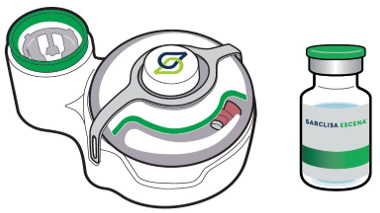
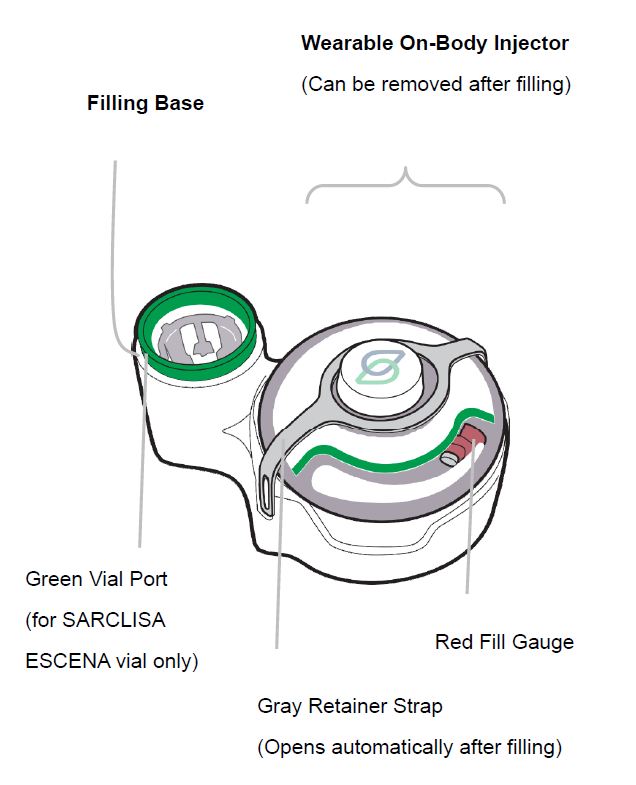
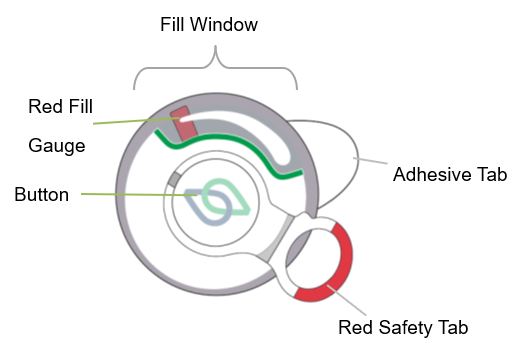
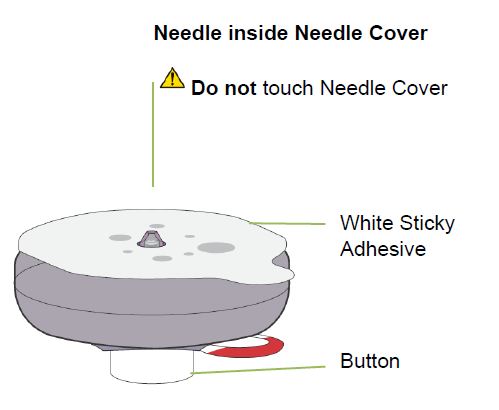
      • Parts of the CirCLIQ OBDS (Filling Base and Wearable On-Body Injector) and SARCLISA ESCENA vial:

        For single use only

        Image (07730e8c 1340 4d30 8d71 E20f850db8da 06)

        Image (07730e8c 1340 4d30 8d71 E20f850db8da 06)

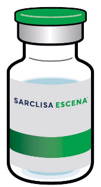
        Vial(not included in OBDS packaging)

        See SARCLISA ESCENA USPI for information on SARCLISA ESCENA.
        Image (07730e8c 1340 4d30 8d71 E20f850db8da 07)

        Image (07730e8c 1340 4d30 8d71 E20f850db8da 07)

        Part 1 – Getting ready to inject SARCLISA ESCENA (vial packaged separately from OBDS)

        1 Get and inspect vial and CirCLIQ OBDS

        a) Take SARCLISA ESCENA vial out of the refrigerator.

        • Do notshake SARCLISA ESCENA vial.
        • b) Allow the vial and OBDS to come to ambient temperature 64°F to 82°F (18°C to 28°C) for 20 minutes prior to use.

          c) Check SARCLISA ESCENA vial label to make sure it is the correct medication. The label should say : "SARCLISA ESCENA for subcutaneous use". Vial cap should be green.

          Image (07730e8c 1340 4d30 8d71 E20f850db8da 08)

          Image (07730e8c 1340 4d30 8d71 E20f850db8da 08)

          • Do notuse SARCLISA ESCENA vial if the expiration date has passed.
          • The medicine in SARCLISA ESCENA vial should be clear to slightly opalescent, colorless to slightly yellow. The solution may contain a few translucent to white particles.
          • d) Check CirCLIQ OBDS.

            • Do notuse CirCLIQ OBDS if the expiration date has passed or its packaging was previously opened.
            • 2 Gather supplies

              Image (07730e8c 1340 4d30 8d71 E20f850db8da 09)

              Image (07730e8c 1340 4d30 8d71 E20f850db8da 09)

              • Place the following on a flat clean surface:
              • Vial filled with 1,400 mg dose of SARCLISA ESCENA (packaged separately)
              • CirCLIQ OBDS in packaging
              • Two alcohol wipes (not included in carton)
              • Single-use gloves (not included in carton)
              • FDA-cleared sharps container (not included in carton)
              • Medical disposal container (not included in carton)

              Part 2 – Fill CirCLIQ On-Body Injector

              • Remove cap and clean SARCLISA ESCENA vial
                • Remove green cap from SARCLISA ESCENA vial.
                  Image (07730e8c 1340 4d30 8d71 E20f850db8da 10)

                  Image (07730e8c 1340 4d30 8d71 E20f850db8da 10)

                • Wipe rubber at the top of SARCLISA ESCENA vial with an alcohol wipe and allow to air dry.
                  Image (07730e8c 1340 4d30 8d71 E20f850db8da 11)

                  Image (07730e8c 1340 4d30 8d71 E20f850db8da 11)

                  • Unpack CirCLIQ OBDS
                    • Peel away white seal from package.
                      • Do notuse if sealed plastic packaging was already opened or damaged because CirCLIQ OBDS may be contaminated. Use a new one.
                        Image (07730e8c 1340 4d30 8d71 E20f850db8da 12)

                        Image (07730e8c 1340 4d30 8d71 E20f850db8da 12)

                        • Remove CirCLIQ OBDS from plastic packaging and place on a clean, flat surface.
                          • Do notremove the On-Body Injector from Filling Base.
                          • Do notremove the Gray Retainer Strap.
                            Image (07730e8c 1340 4d30 8d71 E20f850db8da 13)

                            Image (07730e8c 1340 4d30 8d71 E20f850db8da 13)

                            • Discard plastic packaging.
                              • Fill CirCLIQ On-Body Injector
                                • Confirm again the cap is removed from the SARCLISA ESCENA vial.
                                • Place SARCLISA ESCENA vial top-first into Green Vial Port on the Filling Base.
                                • Image (07730e8c 1340 4d30 8d71 E20f850db8da 14)

                                  Image (07730e8c 1340 4d30 8d71 E20f850db8da 14)

                                  The injection should be completed within 4 hours once the vial is punctured.

                                  Image (07730e8c 1340 4d30 8d71 E20f850db8da 15)

                                  Image (07730e8c 1340 4d30 8d71 E20f850db8da 15)

                                    • Firmly push SARCLISA ESCENA vial down until a burst of bubbles quickly forms. This means filling has started.
                                      • Leave on flat surface until filling is complete.
                                      • Do notlift or tilt device while it is filling.
                                      • Note: The Red Fill Gauge will move as the device fills. Filling may take up to 2 minutes.
                                      • Gray Retainer Strap will automatically open when SARCLISA ESCENA vial is empty.
                                        Image (07730e8c 1340 4d30 8d71 E20f850db8da 16)

                                        Image (07730e8c 1340 4d30 8d71 E20f850db8da 16)

                                      • Part 3 – Preparing the injection site

                                        • Clean the injection site on abdomen
                                          • a) Choose a flat injection site on bare skin around abdomen.
                                          • Image (07730e8c 1340 4d30 8d71 E20f850db8da 17)

                                            Image (07730e8c 1340 4d30 8d71 E20f850db8da 17)

                                            Avoid injecting within 2 inches (5 cm) around the belly button or in folded skin.

                                            • Note:The injection site should be changed (rotated) at least 1 inch (2.5 cm) from previous injection site - with every injection to avoid accumulation of fatty tissue.
                                              Image (07730e8c 1340 4d30 8d71 E20f850db8da 18)

                                              Image (07730e8c 1340 4d30 8d71 E20f850db8da 18)

                                              • Clean injection site with an alcohol wipe. Then allow the skin to completely air dry; this should take about 30 seconds.
                                              • Image (07730e8c 1340 4d30 8d71 E20f850db8da 19)

                                                Image (07730e8c 1340 4d30 8d71 E20f850db8da 19)

                                                Do notapply the On-Body Injector on areas where belts, waistbands, or tight clothing may rub against, disturb, or dislodge the On-Body Injector.

                                              • Image (07730e8c 1340 4d30 8d71 E20f850db8da 20)

                                                Image (07730e8c 1340 4d30 8d71 E20f850db8da 20)

                                                Do notinject into areas where the skin is injured, tender, red, hot, has scars, or is excessively hairy. If hair on injection site might prevent secure adhesive attachment, carefully trim hair to clear a patch of skin large enough for the On-Body Injector.

                                              • Continue to Part 4

                                                Flip over these instructions for use.

                                                If you have read and followed all of the instructions for use on this side, proceed to:

                                                Part 4 "Preparing to inject SARCLISA ESCENAon the back side of this page.

                                                Image (07730e8c 1340 4d30 8d71 E20f850db8da 21)

                                                Image (07730e8c 1340 4d30 8d71 E20f850db8da 21)

                                                Confirm Parts 1 to 3 are completed.
                                                Image (07730e8c 1340 4d30 8d71 E20f850db8da 22)

                                                Image (07730e8c 1340 4d30 8d71 E20f850db8da 22)

                                                Flip over for Parts 1 to 3.

                                                Get to know the CirCLIQ On-Body Injector

                                                Image (07730e8c 1340 4d30 8d71 E20f850db8da 23)

                                                Image (07730e8c 1340 4d30 8d71 E20f850db8da 23)

                                                Underside of CirCLIQ On-Body Injector

                                                Image (07730e8c 1340 4d30 8d71 E20f850db8da 24)

                                                Image (07730e8c 1340 4d30 8d71 E20f850db8da 24)

                                                Part 4 – Preparing to inject SARCLISA ESCENA

                                                • Remove the CirCLIQ On-Body Injector from Filling Base
                                                  • Confirm the Gray Retainer Strap has opened on its own and has risen away from Filling Base.
                                                  • Do notuse force to open the Gray Retainer Strap.
                                                    Image (07730e8c 1340 4d30 8d71 E20f850db8da 25)

                                                    Image (07730e8c 1340 4d30 8d71 E20f850db8da 25)

                                                  • Hold the sides of the On-Body Injector and pull it straight up from the Filling Base to expose the White Sticky Adhesive underneath.
                                                  • Image (07730e8c 1340 4d30 8d71 E20f850db8da 26)

                                                    Image (07730e8c 1340 4d30 8d71 E20f850db8da 26)

                                                    Do nottouch the White Sticky Adhesive. The Needle is inside the center.

                                                  • Image (07730e8c 1340 4d30 8d71 E20f850db8da 27)

                                                    Image (07730e8c 1340 4d30 8d71 E20f850db8da 27)

                                                    Do notremove Red Safety Tab until the On-Body Injector is attached to body and you are ready to inject. The Red Safety Tab prevents accidental Needle sticks.

                                                  • Note:The Clear Liner will remain attached to Filling Base.
                                                    Image (07730e8c 1340 4d30 8d71 E20f850db8da 28)

                                                    Image (07730e8c 1340 4d30 8d71 E20f850db8da 28)

                                                    • Apply the CirCLIQ On-Body Injector to abdomen (injection site)
                                                    • Position the On-Body Injector where you can see the Fill Window. This allows a clear view of the Red Fill Gauge as it moves.
                                                    • Image (07730e8c 1340 4d30 8d71 E20f850db8da 29)

                                                      Image (07730e8c 1340 4d30 8d71 E20f850db8da 29)

                                                      Do notmove the On-Body Injector once attached to the abdomen.

                                                    • Note:The On-Body Injector will continue to work properly no matter which way the Fill Window is facing.
                                                      Image (07730e8c 1340 4d30 8d71 E20f850db8da 30)

                                                      Image (07730e8c 1340 4d30 8d71 E20f850db8da 30)

                                                    • Once on the skin, press the On-Body Injector firmly onto injection site to attach adhesive to abdomen.
                                                    • Do notremove the Red Safety Tab until ready to inject. The Red Safety Tab prevents the start of the injection.
                                                      Image (07730e8c 1340 4d30 8d71 E20f850db8da 31)

                                                      Image (07730e8c 1340 4d30 8d71 E20f850db8da 31)

                                                    • Part 5 – Injecting SARCLISA ESCENA

                                                      • Remove Red Safety Tab and inject
                                                        • Hold the On-Body Injector with one hand. Use the other hand to pull the Red Safety Tab off to the side.
                                                          • Note:The injection cannot start until the Red Safety Tab is removed.
                                                          • Image (07730e8c 1340 4d30 8d71 E20f850db8da 32)

                                                            Image (07730e8c 1340 4d30 8d71 E20f850db8da 32)

                                                              • Push Button in firmly.
                                                                • The Button will stay in place when you let go.
                                                                • The Button pushes the Needle into the skin. This starts the injection.
                                                                • Image (07730e8c 1340 4d30 8d71 E20f850db8da 33)

                                                                  Image (07730e8c 1340 4d30 8d71 E20f850db8da 33)

                                                                  Do notbump or knock On-Body Injector or Button during the injection.

                                                                  Image (07730e8c 1340 4d30 8d71 E20f850db8da 34)

                                                                  Image (07730e8c 1340 4d30 8d71 E20f850db8da 34)

                                                                  Keep injection site dry during injection.

                                                                  Image (07730e8c 1340 4d30 8d71 E20f850db8da 35)

                                                                  Image (07730e8c 1340 4d30 8d71 E20f850db8da 35)

                                                                  The patient should notsleep or bathe during injection.

                                                                  Image (07730e8c 1340 4d30 8d71 E20f850db8da 36)

                                                                  Image (07730e8c 1340 4d30 8d71 E20f850db8da 36)

                                                                  • Wait for injection to finish
                                                                    • Leave the On-Body Injector on body until the Button pops out.

                                                                      Image (07730e8c 1340 4d30 8d71 E20f850db8da 37)

                                                                      Image (07730e8c 1340 4d30 8d71 E20f850db8da 37)

                                                                      • After a 1 to 2 minute delay, the Red Fill Gauge will begin to move toward the other end of the Fill Window.
                                                                      • Image (07730e8c 1340 4d30 8d71 E20f850db8da 38)

                                                                        Image (07730e8c 1340 4d30 8d71 E20f850db8da 38)

                                                                        Do notremove the On-Body Injector before the Button pops out. The Needle may be exposed. Sticking yourself with an exposed Needle may result in infection.

                                                                          • Check the Button to see if it has popped out. This means the injection is complete.
                                                                            • Note:The injection could take up to 20 minutes. If the Button has not popped out after 20 minutes, allow the injection to complete (wait for the Button to pop out up to 60 minutes, if not, refer to FAQ).
                                                                            • Image (07730e8c 1340 4d30 8d71 E20f850db8da 39)

                                                                              Image (07730e8c 1340 4d30 8d71 E20f850db8da 39)

                                                                              Part 6 – Removing and disposing of the CirCLIQ On-Body Injector and Filling Base

                                                                              • Remove the CirCLIQ On-Body Injector
                                                                                • a) Confirm again that the Button on the On-Body Injector has popped out. This means the Needle has retracted and is locked inside the On-Body Injector.
                                                                                  Image (07730e8c 1340 4d30 8d71 E20f850db8da 40)

                                                                                  Image (07730e8c 1340 4d30 8d71 E20f850db8da 40)

                                                                                • b) Slowly peel off the On-Body Injector with the Adhesive Tab.
                                                                                  • Lift the Adhesive Tab.
                                                                                  • Hold the Adhesive Tab against the On-Body Injector and slowly peel away from skin.
                                                                                    Image (07730e8c 1340 4d30 8d71 E20f850db8da 41)

                                                                                    Image (07730e8c 1340 4d30 8d71 E20f850db8da 41)

                                                                                  • Dispose of the CirCLIQ On-Body Injector and Filling Base
                                                                                    • a) Put the On-Body Injector in an FDA-cleared sharps disposal container. The On-Body Injector is a single-use device.
                                                                                    • b) Dispose the Filling Base with attached SARCLISA ESCENA vial in an approved medical disposal container in accordance with local guidelines.
                                                                                    • If you do not have an FDA-cleared sharps disposal container, you may use a household container that is:

                                                                                      • made of a heavy-duty plastic,
                                                                                      • can be closed with a tight-fitting, puncture-resistant lid, without sharps being able to come out,
                                                                                      • upright and stable during use,
                                                                                      • leak-resistant, and
                                                                                      • properly labeled to warn of hazardous waste inside the container.
                                                                                      • When your sharps disposal container is almost full, you will need to follow your community guidelines for the right way to dispose of your sharps disposal container.

                                                                                        For more information about safe sharps disposal and for specific information about sharps disposal in the state that you live in, go to the FDA's website at: http://www.fda.gov/safesharpsdisposal.

                                                                                        FAQ

                                                                                        How long should delivery take after the Button is pressed?

                                                                                        The injection typically takes up to 20 minutes but may be slower based on local absorption of medication. If the Button has not popped out after 60 minutes, slowly remove the On-Body Injector from skin. Do not touch the Needle or any medicine that may be on the Injector. Call Sanofi at 1-800-633-1610 for help or assistance.

                                                                                        Can the injection be paused if necessary?

                                                                                        Yes, holding down the Button will stop the flow of medicine. Delivery will resume when the Button is released.

                                                                                        What activities can the patient perform during injection?

                                                                                        The patient may move around and perform light or non-strenuous routine activities during injection. Refer also to Part 5 – Injecting SARCLISA ESCENA.

                                                                                        What if the On-Body Injector falls off?

                                                                                        If the On-Body Injector falls off the body, pick it up carefully. Do nottouch the Needle or any medicine that may be on the On-Body Injector. Put the On-Body Injector in an FDA-cleared sharps disposal container. Call Sanofi at 1-800-633-1610 for help or assistance.

                                                                                        Image (07730e8c 1340 4d30 8d71 E20f850db8da 42)

                                                                                        Image (07730e8c 1340 4d30 8d71 E20f850db8da 42)

                                                                                        Have Questions?

                                                                                        If you have questions, concerns, or are in need of assistance, please call Sanofi: 1-800-633-1610.

                                                                                        The CirCLIQ OBDS is not made with natural rubber latex.

                                                                                        Manufactured for:
                                                                                        sanofi-aventis U.S. LLC
                                                                                        Morristown, NJ 07960 USA
                                                                                        A SANOFI COMPANY
                                                                                        ©2026 sanofi-aventis U.S. LLC

                                                                                        Manufactured by:
                                                                                        Enable Injections
                                                                                        2863 E. Sharon Road
                                                                                        Cincinnati, OH 45241 USA
                                                                                        Manufactured in the USA

                                                                                        Issued: 07 2026

                                                                                        Patent:

                                                                                        Enableinjections.com/patent

                                                                                        Image (07730e8c 1340 4d30 8d71 E20f850db8da 43)

                                                                                        Image (07730e8c 1340 4d30 8d71 E20f850db8da 43)

Principal Display Panel - 140 Mg/Ml Vial Carton

NDC 0024-0674-01

Rx only

SARCLISA ESCENA™
(isatuximab-irfc) Injection

1,400 mg/10 mL (140 mg/mL)

For subcutaneous use by healthcare providers only.

Administer subcutaneously to the abdomen
with CirCLIQ™ On-Body Injector OR syringe injection

One single-dose vial
Discard unused portion

962791

sanofi

Principal Display Panel (140 mg/mL Vial Carton)

Principal Display Panel (140 mg/mL Vial Carton)

* Please review the disclaimer below.