Desvenlafaxine Tablet, Film Coated, Extended Release
Product Images NDC 0054-0603

9 FDA label images from Hikma Pharmaceuticals Usa Inc. · Packaging, Regulatory Labels, and Product Appearance

Product Visual Gallery

This gallery contains 9 technical images submitted to the FDA as part of the official labeling for Desvenlafaxine (NDC 0054-0603). Unlike standard consumer photos, these assets often include clinical data figures, molecular chemical structures, and official manufacturer packaging layouts.

As provided by Hikma Pharmaceuticals Usa Inc., these visuals offer a comprehensive scientific overview of the product's physical and chemical identity, aiding pharmacists and researchers in product verification and study.

FDA Label Image

Figure1

Figure1
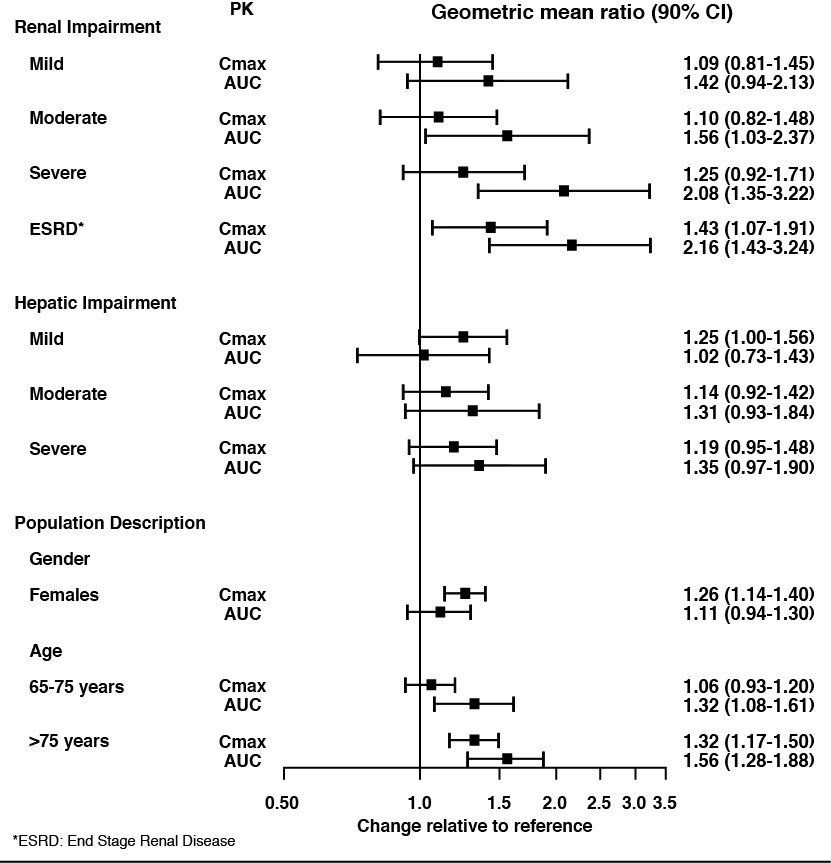
A pharmacokinetic figure showing the geometric mean ratio (90% CI) of Cmax and AUC for desvenlafaxine across varying degrees of renal and hepatic impairment and population subgroups by gender and age. The X-axis represents change relative to reference values, with data points for mild, moderate, severe renal and hepatic impairment, ESRD, and demographic groups.*
FDA Label Image

Figure2

Figure2
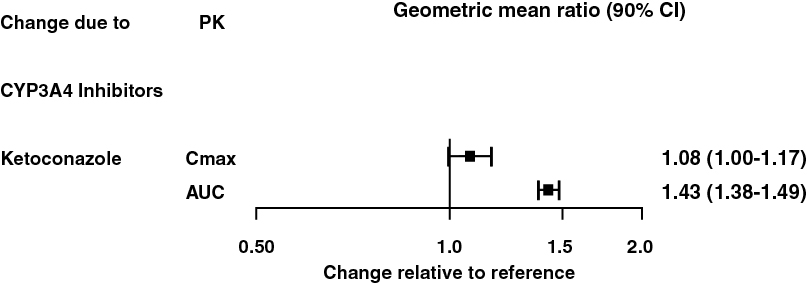
A horizontal forest plot chart illustrating the pharmacokinetic changes in Desvenlafaxine when co-administered with the CYP3A4 inhibitor Ketoconazole. The chart shows geometric mean ratios with 90% confidence intervals for Cmax and AUC values, plotted against a reference line at 1.0 indicating no change.*
FDA Label Image

Figure3

Figure3
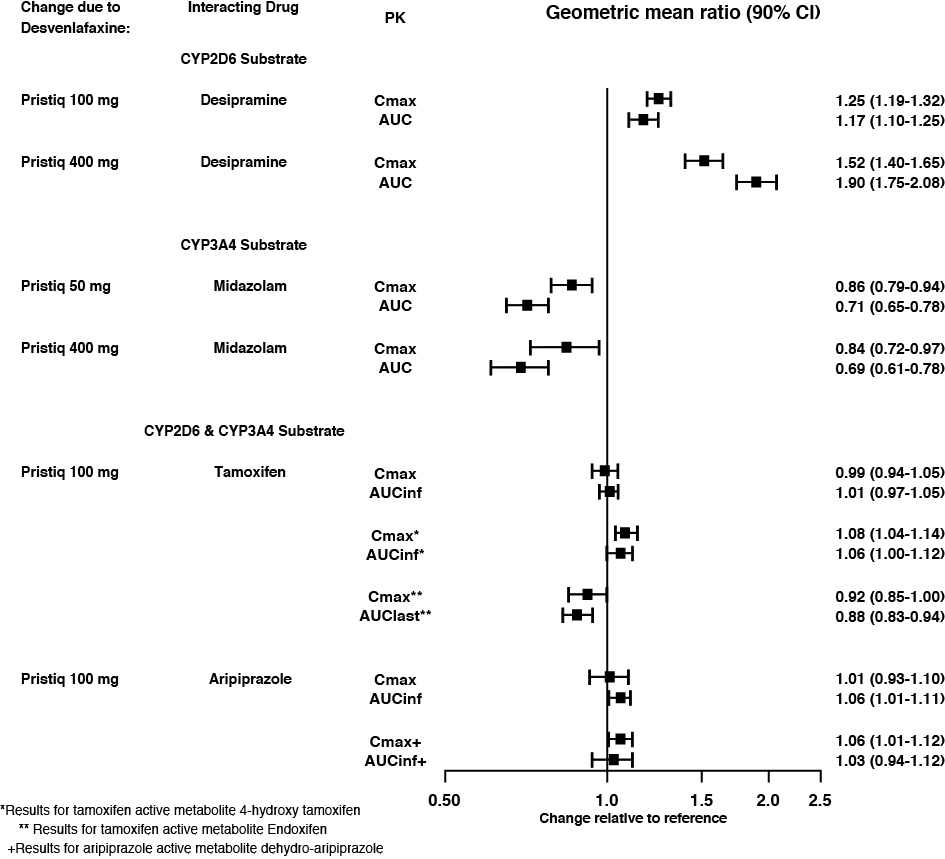
A pharmacokinetic comparison chart showing the geometric mean ratio and 90% confidence intervals of drug interactions between Desvenlafaxine (Pristiq) at various doses (50 mg, 100 mg, and 400 mg) and several interacting drugs (desipramine, midazolam, tamoxifen, and aripiprazole). The chart presents changes in Cmax, AUC, AUC infinity, and AUC last parameters relative to reference values, illustrating the extent of interaction for each combination.*
FDA Label Image

Figure4

Figure4
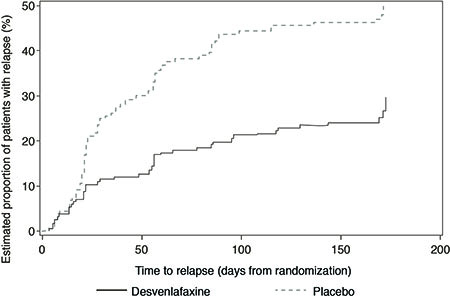
A line graph showing the estimated proportion of patients with relapse over time (days from randomization) comparing Desvenlafaxine 50 mg to placebo. The graph includes two lines: one solid for Desvenlafaxine 50 mg and one dashed for placebo, with relapse proportion increasing over approximately 180 days.*
FDA Label Image

Figure5

Figure5
A line graph displaying the estimated proportion of patients with relapse over time (days from randomization) comparing Desvenlafaxine and Placebo groups. The x-axis represents time in days up to approximately 180 days, while the y-axis shows the percentage of patients relapsed up to 50%. The Desvenlafaxine group shows a lower relapse proportion over time compared to the Placebo group.*
FDA Label Image

Label-50mg-30tabs.jpg (Image 01)

Label-50mg-30tabs.jpg (Image 01)
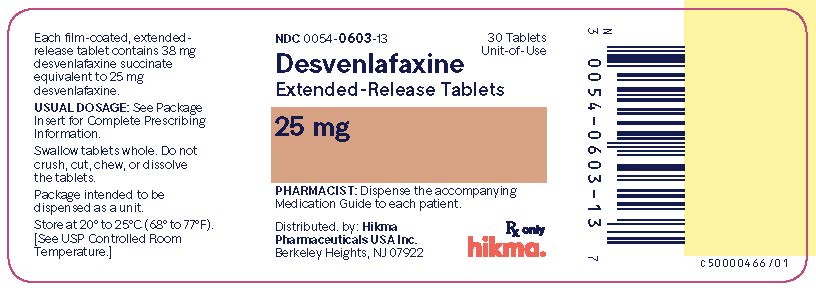
Label for Desvenlafaxine extended-release tablets, 25 mg strength, oral film-coated tablet. The label indicates 30 tablets per unit-of-use package, distributed by Hikma Pharmaceuticals USA Inc. It includes dosage information, storage instructions, and a barcode.*
FDA Label Image

Image 02

Image 02
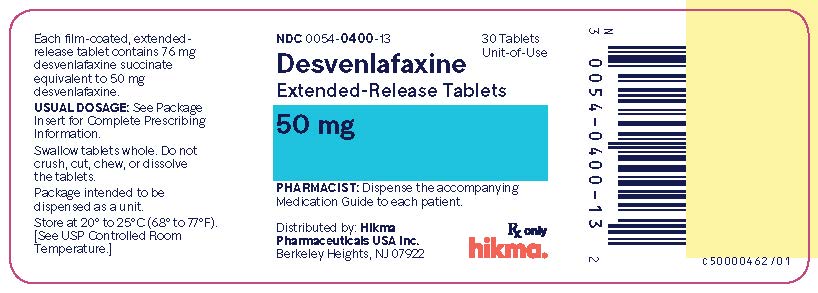
Label for Desvenlafaxine extended-release tablets 50 mg, showing NDC 0054-0400-13. The label indicates a unit-of-use package containing 30 tablets, distributed by Hikma Pharmaceuticals USA Inc., Berkeley Heights, NJ. It includes dosing instructions, storage conditions, and a barcode.*
FDA Label Image

Image 03

Image 03
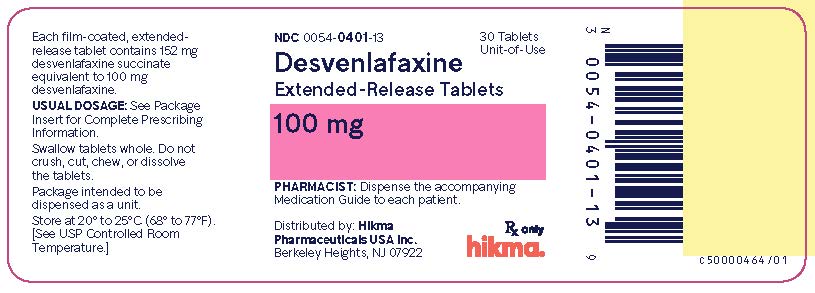
Desvenlafaxine 100 mg extended-release tablets packaging label showing the product name and strength prominently. The label indicates 30 tablets in a unit-of-use package and is distributed by Hikma Pharmaceuticals USA Inc. Instructions mention swallowing tablets whole and storage conditions. A barcode and lot number are also visible.*
FDA Label Image

Image 04

Image 04
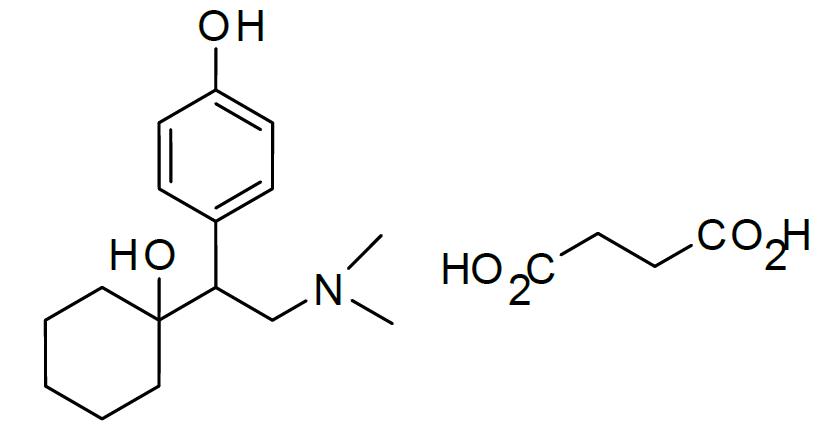
Chemical structure diagram of Desvenlafaxine, showing the arrangement of atoms and bonds including hydroxyl groups and carboxylic acid groups as part of its molecular structure.*

* About these descriptions: Image descriptions on this page are generated by automated AI analysis of the product label images from the manufacturer's FDA label submission (SPL). They are provided for reference only and may contain errors or omissions. Always rely on the printed label itself and the official FDA labeling, and consult a pharmacist or healthcare professional with any questions about this product.