Estimated mean marstacimab‑hncq Cmin,ss, Cmax,ss, and Cavg,ss for adults and adolescents weighing at least 35 kg following marstacimab‑hncq 150 mg subcutaneous once-weekly administration are shown in Table 2. Marstacimab‑hncq area under the plasma concentration-time curve (AUC) and maximum plasma concentration (Cmax) increase in a greater than dose-proportional manner over the dose range of 100 mg to 450 mg (0.67 to 3 times the approved recommended dosage).
Mean steady-state accumulation ratio for marstacimab‑hncq is approximately 4 to 5. Marstacimab‑hncq steady‑state concentrations are achieved by approximately 60 days (8th or 9th subcutaneous dose) when administered once weekly.
Table 2. Steady-State Marstacimab‑hncq Plasma Concentrations Following Once-Weekly Subcutaneous Administration of 150 mg (with a Loading Dose of 300 mg Subcutaneous)| • Data are presented as arithmetic mean (%CV). |
| • Cmin,ss = minimum plasma concentration at steady state; Cmax,ss = maximum plasma concentration at steady state; Cavg,ss = average plasma concentration at steady state. |
Parameter | Adults | Adolescents |
Cmin,ss (mcg/mL) | 13.7 (90.4%) | 27.3 (53.2%) |
Cmax,ss (mcg/mL) | 17.9 (77.5%) | 34.7 (48.5%) |
Cavg,ss (mcg/mL) | 16.5 (81.2%) | 32.1 (49.5%) |
Absorption
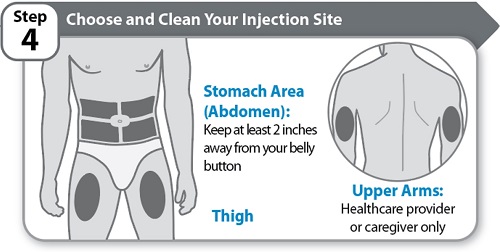
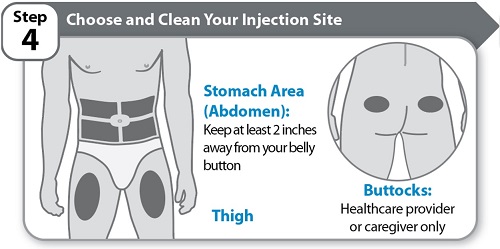
Bioavailability of marstacimab‑hncq following subcutaneous administration is approximately 71%. Median Tmax ranges from 23 to 59 hours following multiple subcutaneous administrations of marstacimab‑hncq to patients with hemophilia. No clinically significant differences were seen in marstacimab‑hncq bioavailability when administered subcutaneously in the arm, thigh or abdomen.
Distribution
Marstacimab‑hncq steady-state apparent volume of distribution is 8.6 L in patients with hemophilia.
Elimination
Marstacimab-hncq is cleared via linear and non-linear mechanisms. Marstacimab‑hncq exhibited non‑linear pharmacokinetics due to target-mediated drug disposition (TMDD) which occurs when it forms marstacimab‑hncq/TFPI complex. Once the target becomes saturated, linear pathway (i.e., catabolism) dominates.
Based on population pharmacokinetic analysis, 90% of marstacimab is expected to be eliminated by the end of approximately 1 month after the last dose (median time for 50% of drug to be eliminated is approximately 7 to 10 days).
Metabolism
Marstacimab‑hncq is expected to be metabolized into small peptides and amino acids by catabolic pathways in the same manner as endogenous IgG.
Specific Populations
No clinically significant differences in pharmacokinetics of marstacimab‑hncq were observed based on race, hemophilia type (A and B), mild renal impairment (eGFR of 60 to 89 mL/min/1.73 m2), and mild hepatic impairment (total bilirubin >1× to ≤1.5× ULN). The effects of geriatric age (>65 years), moderate to severe renal (eGFR <59 mL/min/1.73 m2) and moderate to severe hepatic (Child Pugh class B and C) impairment on marstacimab‑hncq pharmacokinetics are unknown.
Body Weight
Body weight was a significant covariate impacting the pharmacokinetics of marstacimab‑hncq. Marstacimab‑hncq exposures over the body weight range of 35 to 120 kg show a trend for increase in exposure with decrease in body weight. However, dose adjustment based on body weight is not required.
Pediatric Patients
Marstacimab‑hncq clearance (CL) was 29% lower in adolescents (12 to <18 years of age) compared to adults (18 years and older). No clinically significant difference in adolescent marstacimab‑hncq CL (L/hr/kg) compared to adults was observed after adjusting for body weight.