Revatio Tablet, Film Coated
Product Images NDC 0069-4190

19 FDA label images from Pfizer Laboratories Div Pfizer Inc · Packaging, Regulatory Labels, and Product Appearance

Product Visual Gallery

This gallery contains 19 technical images submitted to the FDA as part of the official labeling for Revatio (NDC 0069-4190). Unlike standard consumer photos, these assets often include clinical data figures, molecular chemical structures, and official manufacturer packaging layouts.

As provided by Pfizer Laboratories Div Pfizer Inc, these visuals offer a comprehensive scientific overview of the product's physical and chemical identity, aiding pharmacists and researchers in product verification and study.

FDA Label Image

Sildenafil Citrate Structural Formula (Image 10)
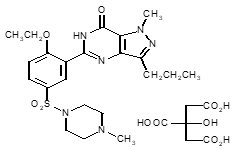
Sildenafil Citrate Structural Formula (Image 10)
Chemical structure of the active ingredient in Revatio 20 mg/1, showing the molecular framework with various functional groups and rings (likely sildenafil citrate). No text other than structural symbols is visible.*
FDA Label Image

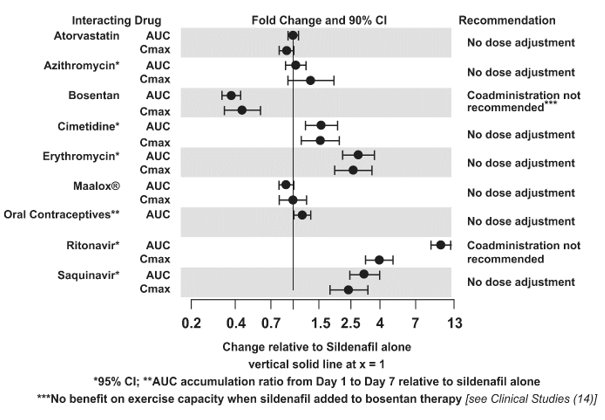
Figure 1. Effects Of Other Drugs On Sildenafil Pharmacokinetics (Image 11)

Figure 1. Effects Of Other Drugs On Sildenafil Pharmacokinetics (Image 11)
A horizontal bar graph showing the fold change and 90% confidence intervals for area under the curve (AUC) and maximum concentration (Cmax) of various interacting drugs relative to sildenafil alone. The graph includes drugs such as Atorvastatin, Azithromycin, Bosentan, Cimetidine, Erythromycin, Maalox, Oral Contraceptives, Ritonavir, and Saquinavir, with recommendations on dose adjustments or coadministration based on interaction. The vertical line at 1 indicates no change relative to sildenafil alone.*
FDA Label Image

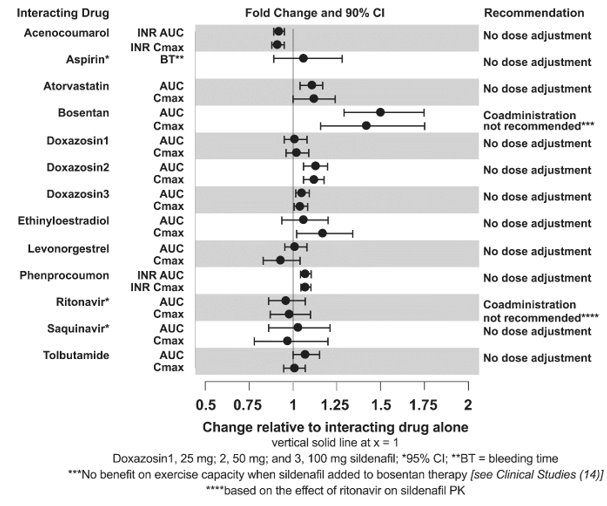
Figure 2. Effects Of Sildenafil On Other Drugs (Image 12)

Figure 2. Effects Of Sildenafil On Other Drugs (Image 12)
A horizontal forest plot showing fold change and 90% confidence intervals of Revatio (sildenafil) pharmacokinetic parameters when coadministered with various interacting drugs. The y-axis lists drugs like Acenocoumarol, Aspirin, Atorvastatin, Bosentan, Doxazosin, Ethinylestradiol, Levonorgestrel, Phenprocoumon, Ritonavir, Saquinavir, and Tolbutamide with measured parameters such as INR, AUC, Cmax, and bleeding time. The x-axis indicates the change relative to the interacting drug alone, with a vertical line at 1 representing no change. Recommendations on dose adjustments accompany some drug interactions, including notes that coadministration with Bosentan and Ritonavir is not recommended.*
FDA Label Image

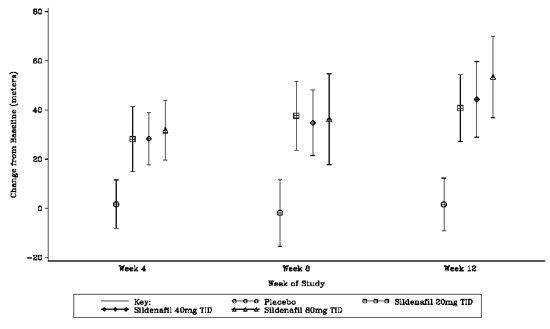
Figure 3. Change From Baseline In 6-minute Walk Distance (meters) At Weeks 4, 8, And 12 In Super-1: Mean (95% Confidence Interval) (Image 13)

Figure 3. Change From Baseline In 6-minute Walk Distance (meters) At Weeks 4, 8, And 12 In Super-1: Mean (95% Confidence Interval) (Image 13)
A line graph depicting the change from baseline in meters over Weeks 4, 8, and 12 of a study. The graph compares four groups: Placebo, Sildenafil 20 mg TID, Sildenafil 40 mg TID, and Sildenafil 80 mg TID. The vertical axis measures the change from baseline (meters), while the horizontal axis shows the week of study. Error bars indicate variability at each time point for all groups.*
FDA Label Image

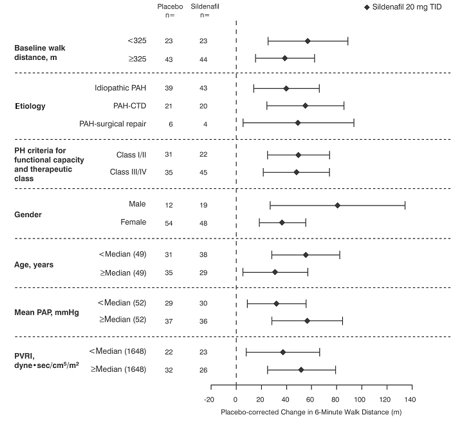
Figure 4. Placebo-corrected Change From Baseline In 6-minute Walk Distance (meters) At Week 12 By Study Subpopulation In Super-1: Mean (95% Confidence Interval) (Image 14)

Figure 4. Placebo-corrected Change From Baseline In 6-minute Walk Distance (meters) At Week 12 By Study Subpopulation In Super-1: Mean (95% Confidence Interval) (Image 14)
A forest plot showing placebo-corrected changes in 6-minute walk distance by various patient subgroups for Sildenafil 20 mg taken three times daily. The subgroups include baseline walk distance, etiology of pulmonary arterial hypertension (PAH), PH criteria for functional and therapeutic class, gender, age, mean pulmonary artery pressure (PAP), and pulmonary vascular resistance index (PVRI), with respective sample sizes and confidence intervals for each subgroup.*
FDA Label Image

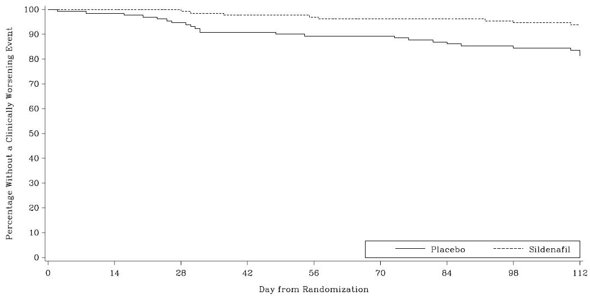
Figure 5. Kaplan-meier Plot Of Time (in Days) To Clinical Worsening Of Pah In Paces-1 (Image 15)

Figure 5. Kaplan-meier Plot Of Time (in Days) To Clinical Worsening Of Pah In Paces-1 (Image 15)
A survival curve graph showing the percentage of patients without a clinically worsening event over time in days from randomization. Two lines represent groups receiving placebo and sildenafil, respectively, illustrating their comparative clinical outcomes.*
FDA Label Image

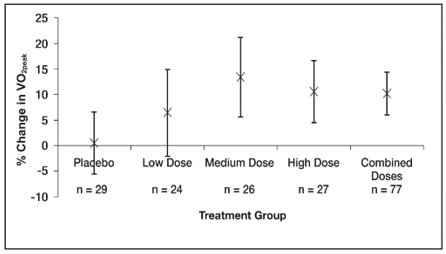
Figure 6. Percentage Change From Baseline In Vo2peak: Mean (95% Confidence Intervals) (Image 16)

Figure 6. Percentage Change From Baseline In Vo2peak: Mean (95% Confidence Intervals) (Image 16)
A bar chart illustrating the percentage change in VO2 peak across different treatment groups including placebo, low dose, medium dose, high dose, and combined doses. The x-axis represents the treatment groups, while the y-axis shows the percentage change with error bars indicating variability for each group.*
FDA Label Image

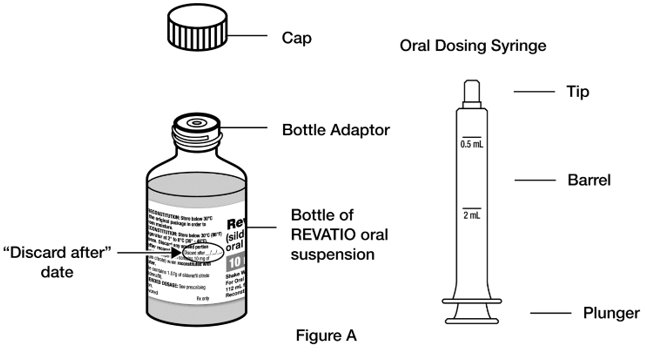
Instructions For Use Figure A (Image 01)

Instructions For Use Figure A (Image 01)
An instructional diagram showing components of Revatio oral suspension packaging and dosing syringe. The bottle of Revatio oral suspension is labeled and includes a bottle adaptor and a removable cap. The oral dosing syringe is labeled with measurements and parts including the tip, barrel, and plunger, demonstrating how to measure and administer the medication.*
FDA Label Image

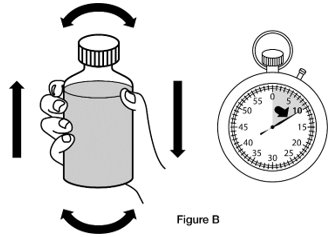
Instructions For Use Figure B (Image 02)

Instructions For Use Figure B (Image 02)
An instructional illustration showing a hand holding a bottle and demonstrating the steps to shake it by rotating the bottle cap. Adjacent is a stopwatch image indicating timing, likely to guide the shaking duration or waiting period after shaking.*
FDA Label Image

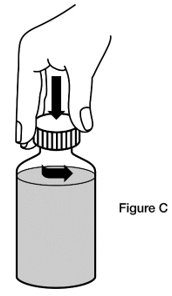
Instructions For Use Figure C (Image 03)

Instructions For Use Figure C (Image 03)
An instructional illustration labeled Figure C showing a hand holding and pressing down on a child-resistant cap with an arrow pointing downward and another arrow around the bottle cap, indicating the twisting or pushing action needed to open or close the bottle.*
FDA Label Image

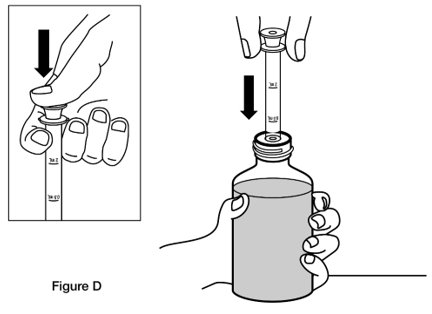
Instructions For Use Figure D (Image 04)

Instructions For Use Figure D (Image 04)
An instructional illustration showing the process of using a syringe to draw liquid from a bottle. The images depict pressing down on the syringe plunger and inserting the syringe into the bottle to extract the liquid. No text besides figure labeling is shown.*
FDA Label Image

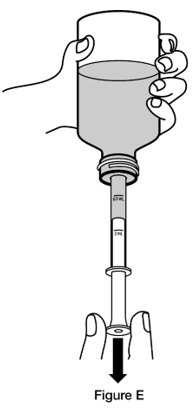
Instructions For Use Figure E (Image 05)

Instructions For Use Figure E (Image 05)
An illustration showing a hand holding an upside-down bottle labeled Revatio 20 mg/1, with a syringe attached to the bottle's neck. The syringe plunger is being pulled down, indicating medication withdrawal from the bottle, labeled as Figure E.*
FDA Label Image

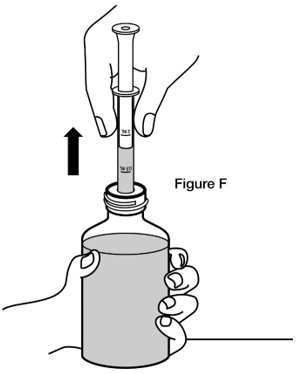
Instructions For Use Figure F (Image 06)

Instructions For Use Figure F (Image 06)
An instructional illustration labeled Figure F, showing hands using a syringe to withdraw liquid from a bottle. One hand holds the bottle steady while the other pulls the syringe plunger upward to draw the liquid out of the bottle.*
FDA Label Image

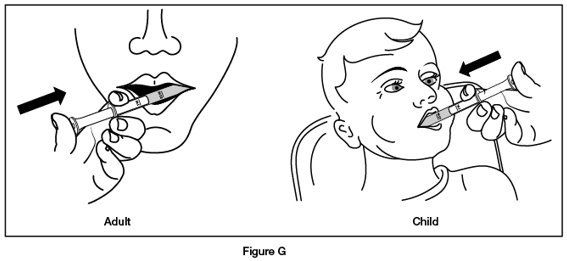
Instructions For Use Figure G (Image 07)

Instructions For Use Figure G (Image 07)
Illustration showing the administration technique for an oral medication using a syringe. One image depicts an adult receiving the medication, with the syringe positioned near the mouth. The other image shows a child in a reclined position, also receiving the medication with the syringe guided into the mouth.*
FDA Label Image

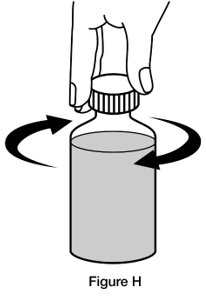
Instructions For Use Figure H (Image 08)

Instructions For Use Figure H (Image 08)
An instructional illustration showing a hand grasping a bottle cap and turning it in a circular direction to open or close the bottle, labeled as Figure H.*
FDA Label Image

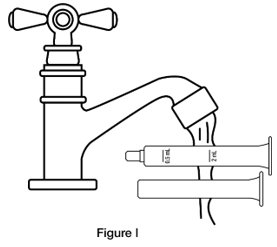
Instructions For Use Figure I (Image 09)

Instructions For Use Figure I (Image 09)
An instructional diagram labeled Figure I showing a faucet dispensing water over two syringes placed horizontally beneath the flow. This image appears to demonstrate rinsing or cleaning syringes with running water.*
FDA Label Image

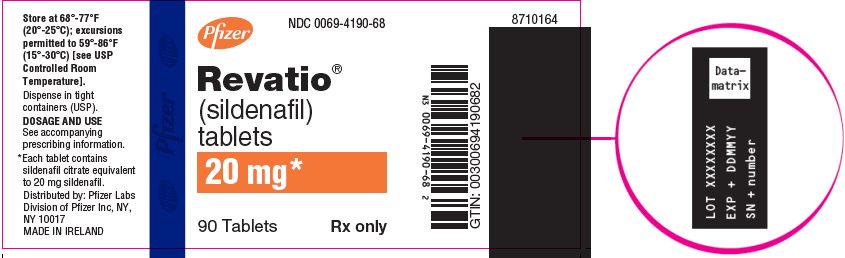
Revatio (sildenafil) Tablets 20 mg Bottle Label (Image 17)

Revatio (sildenafil) Tablets 20 mg Bottle Label (Image 17)
Revatio 20 mg sildenafil tablets packaging label with 90 tablets in the bottle. The label shows the Pfizer logo and includes storage instructions, dosage notes, and distributor information. It also features a barcode and a data matrix section with lot number, expiration date, and serial number details.*
FDA Label Image

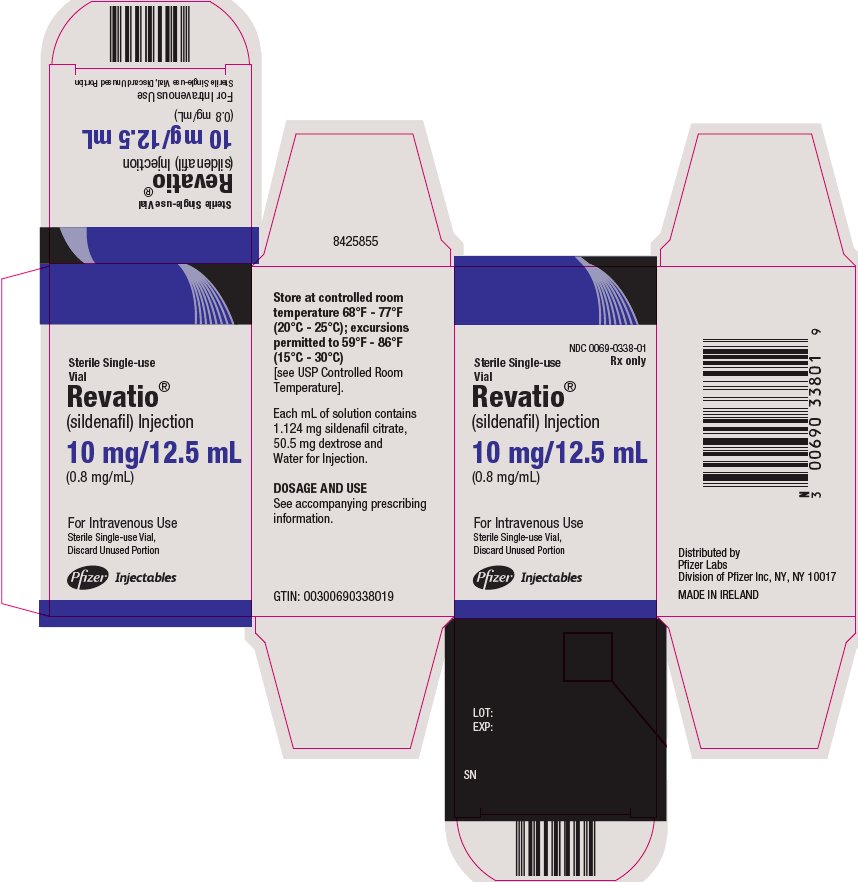
Revatio (sildenafil) Injection 10 mg/12.5 mL (0.8 mg/ml) Carton Label (Image 18)

Revatio (sildenafil) Injection 10 mg/12.5 mL (0.8 mg/ml) Carton Label (Image 18)
Packaging label for Revatio (sildenafil) Injection, 10 mg/12.5 mL (0.8 mg/mL) sterile single-use vial. The label indicates the product is for intravenous use, distributed by Pfizer Labs, Division of Pfizer Inc. Storage instructions specify controlled room temperature. The label includes barcodes and lot, expiration, and serial number fields.*
FDA Label Image

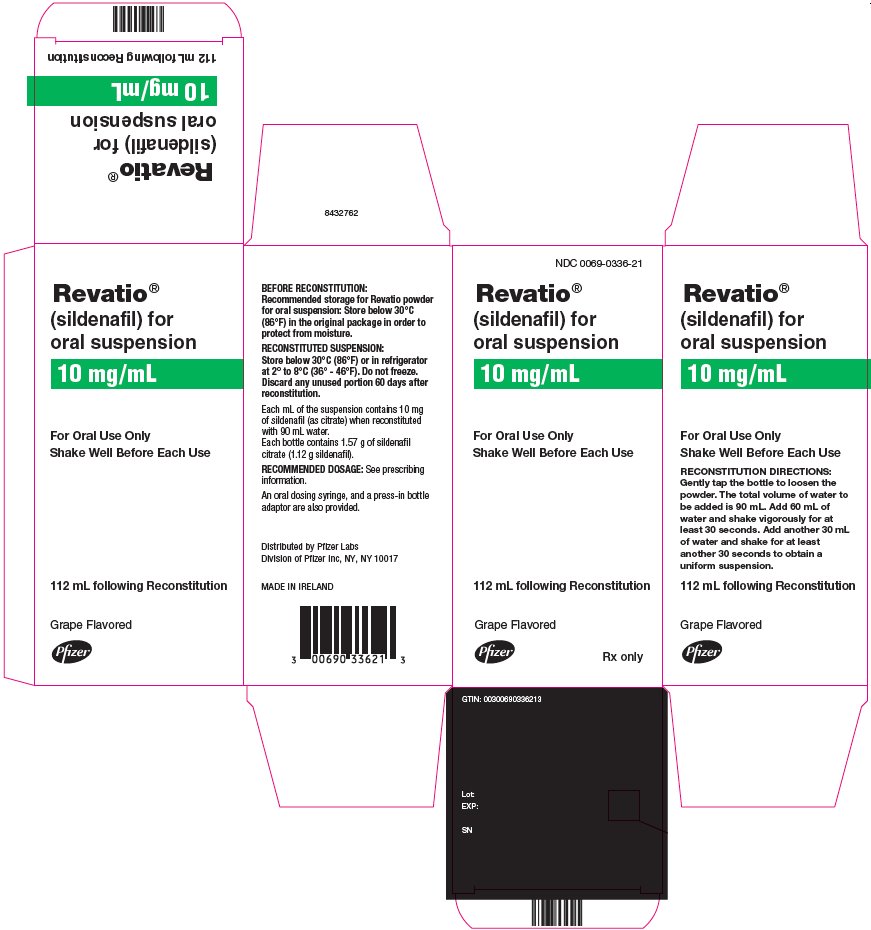
Revatio (sildenafil) For Oral Suspension 10 mg/ml Carton Label (Image 19)

Revatio (sildenafil) For Oral Suspension 10 mg/ml Carton Label (Image 19)
Revatio 10 mg/mL (sildenafil) for oral suspension packaging label. The label includes instructions for storage, reconstitution directions to mix the powder with water to a total of 90 mL, and dosage information. It is grape flavored, for oral use only, and distributed by Pfizer Labs. The net volume after reconstitution is 112 mL. The label also features the Pfizer logo and a barcode.*

* About these descriptions: Image descriptions on this page are generated by automated AI analysis of the product label images from the manufacturer's FDA label submission (SPL). They are provided for reference only and may contain errors or omissions. Always rely on the printed label itself and the official FDA labeling, and consult a pharmacist or healthcare professional with any questions about this product.