Limitations of Use
PAXLOVID is not approved for use as pre-exposure or post-exposure prophylaxis for prevention of COVID-19 [see Clinical Studies (14.3)].
Risk Summary
Available data on the use of nirmatrelvir during pregnancy are insufficient to evaluate for a drug-associated risk of major birth defects, miscarriage, or adverse maternal or fetal outcomes. Published observational studies on ritonavir use in pregnant women have not identified an increase in the risk of major birth defects. Published studies with ritonavir are insufficient to identify a drug associated risk of miscarriage (see Data). There are maternal and fetal risks associated with untreated COVID-19 in pregnancy (see Clinical Considerations).
In an embryo-fetal development study with nirmatrelvir, reduced fetal body weights following oral administration of nirmatrelvir to pregnant rabbits were observed at systemic exposures (AUC) approximately 11 times higher than clinical exposure at the approved human dose of PAXLOVID. No other adverse developmental outcomes were observed in animal reproduction studies with nirmatrelvir at systemic exposures (AUC) greater than or equal to 3 times higher than clinical exposure at the approved human dose of PAXLOVID (see Data).
In embryo-fetal developmental studies with ritonavir, no evidence of adverse developmental outcomes was observed following oral administration of ritonavir to pregnant rats and rabbits at systemic exposures (AUC) 5 (rat) or 8 (rabbits) times higher than clinical exposure at the approved human dose of PAXLOVID (see Data).
The estimated background risk of major birth defects and miscarriage for the indicated population is unknown. All pregnancies have a risk of birth defect, loss, or other adverse outcomes. In the U.S. general population, the estimated background risk of major birth defects and miscarriage in clinically recognized pregnancies is 2% to 4% and 15% to 20%, respectively.
Clinical Considerations
Disease-associated Maternal and/or Embryo-fetal Risk
COVID-19 in pregnancy is associated with adverse maternal and fetal outcomes, including preeclampsia, eclampsia, preterm birth, premature rupture of membranes, venous thromboembolic disease, and fetal death.
Data
Human Data
Ritonavir
Based on prospective reports to the antiretroviral pregnancy registry of live births following exposure to ritonavir-containing regimens (including over 3,500 live births exposed in the first-trimester and over 3,500 live births exposed in the second and third trimesters), there was no difference in the rate of overall birth defects for ritonavir compared with the background birth defect rate of 2.7% in the U.S. reference population of the Metropolitan Atlanta Congenital Defects Program (MACDP). The prevalence of birth defects in live births was 2.4% [95% confidence interval (CI): 1.9%, 2.9%] following first-trimester exposure to ritonavir-containing regimens and 2.9% (95% CI: 2.4%, 3.5%) following second and third trimester exposure to ritonavir-containing regimens. While placental transfer of ritonavir and fetal ritonavir concentrations are generally low, detectable levels have been observed in cord blood samples and neonate hair.
Animal Data
Nirmatrelvir
Embryo-fetal developmental (EFD) toxicity studies were conducted in pregnant rats and rabbits administered oral nirmatrelvir doses of up to 1,000 mg/kg/day during organogenesis [on Gestation Days (GD) 6 through 17 in rats and GD 7 through 19 in rabbits]. No biologically significant developmental effects were observed in the rat EFD study. At the highest dose of 1,000 mg/kg/day, the systemic nirmatrelvir exposure (AUC24) in rats was approximately 9 times higher than clinical exposures at the approved human dose of PAXLOVID. In the rabbit EFD study, lower fetal body weights (9% decrease) were observed at 1,000 mg/kg/day in the absence of significant maternal toxicity findings. At 1,000 mg/kg/day, the systemic exposure (AUC24) in rabbits was approximately 11 times higher than clinical exposures at the approved human dose of PAXLOVID. No other significant developmental toxicities (malformations and embryo-fetal lethality) were observed up to the highest dose tested, 1,000 mg/kg/day. No developmental effects were observed in rabbits at 300 mg/kg/day resulting in systemic exposure (AUC24) approximately 3 times higher than clinical exposures at the approved human dose of PAXLOVID. A pre- and postnatal developmental (PPND) study in pregnant rats administered oral nirmatrelvir doses of up to 1,000 mg/kg/day from GD 6 through Lactation Day (LD) 20 showed no adverse findings. Although no difference in body weight was noted at birth when comparing offspring born to nirmatrelvir-treated versus control animals, a decrease in the body weight of offspring was observed on Postnatal Day (PND) 17 (8% decrease) and PND 21 (up to 7% decrease) in the absence of maternal toxicity. No significant differences in offspring body weight were observed from PND 28 to PND 56. The maternal systemic exposure (AUC24) at 1,000 mg/kg/day was approximately 9 times higher than clinical exposures at the approved human dose of PAXLOVID. No body weight changes in the offspring were noted at 300 mg/kg/day, where maternal systemic exposure (AUC24) was approximately 6 times higher than clinical exposures at the approved human dose of PAXLOVID.
Ritonavir
Ritonavir was administered orally to pregnant rats (at 0, 15, 35, and 75 mg/kg/day) and rabbits (at 0, 25, 50, and 110 mg/kg/day) during organogenesis (on GD 6 through 17 in rats and GD 6 through 19 in rabbits). No evidence of teratogenicity due to ritonavir was observed in rats and rabbits at systemic exposures (AUC) 5 (rats) or 8 (rabbits) times higher than exposure at the approved human dose of PAXLOVID. Increased incidences of early resorptions, ossification delays, and developmental variations, as well as decreased fetal body weights were observed in rats in the presence of maternal toxicity, at systemic exposures (AUC) approximately 10 times higher than exposure at the approved human dose of PAXLOVID. In rabbits, resorptions, decreased litter size, and decreased fetal weights were observed at maternally toxic doses, at systemic exposures greater than 8 times higher than exposure at the approved human dose of PAXLOVID. In a PPND study in rats, administration of 0, 15, 35, and 60 mg/kg/day ritonavir from GD 6 through PND 20 resulted in no developmental toxicity, at ritonavir systemic exposures greater than 10 times the exposure at the approved human dose of PAXLOVID.
Risk Summary
There are no available data on the presence of nirmatrelvir in human or animal milk, the effects on the breastfed infant, or the effects on milk production. A transient decrease in body weight was observed in the nursing offspring of rats administered nirmatrelvir (see Data). Limited published data reports that ritonavir is present in human milk. There is no information on the effects of ritonavir on the breastfed infant or the effects of the drug on milk production. The developmental and health benefits of breastfeeding should be considered along with the mother's clinical need for PAXLOVID and any potential adverse effects on the breastfed infant from PAXLOVID or from the underlying maternal condition. Breastfeeding individuals with COVID-19 should follow practices according to clinical guidelines to avoid exposing the infant to COVID-19.
Data
In the PPND study, transiently lower body weight (up to 8%) was observed in the offspring of pregnant rats administered nirmatrelvir at maternal systemic exposure (AUC24) approximately 9 times higher than clinical exposures at the approved human dose of PAXLOVID. No body weight changes in the offspring were noted at maternal systemic exposure (AUC24) approximately 6 times higher than clinical exposures at the approved human dose of PAXLOVID.
Contraception
Use of ritonavir may reduce the efficacy of combined hormonal contraceptives. Advise patients using combined hormonal contraceptives to use an effective alternative contraceptive method or an additional barrier method of contraception [see Drug Interactions (7.3)].
Nirmatrelvir
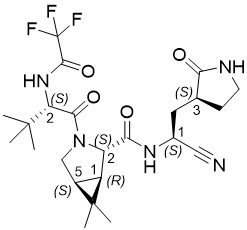
The chemical name of active ingredient of nirmatrelvir is (1R,2S,5S)-N-((1S)-1-Cyano-2-((3S)-2-oxopyrrolidin-3-yl)ethyl)-3-((2S)-3,3-dimethyl-2-(2,2,2-trifluoroacetamido)butanoyl)-6,6-dimethyl-3-azabicyclo[3.1.0]hexane-2-carboxamide]. It has a molecular formula of C23H32F3N5O4 and a molecular weight of 499.54. Nirmatrelvir has the following structural formula:

Chemical Structure (Paxlovid 01)
Nirmatrelvir is available as immediate-release, film-coated tablets. Each tablet contains 150 mg nirmatrelvir with the following inactive ingredients: colloidal silicon dioxide, croscarmellose sodium, lactose monohydrate, microcrystalline cellulose, and sodium stearyl fumarate. The following are the ingredients in the film coating: hydroxy propyl methylcellulose, iron oxide red, polyethylene glycol, and titanium dioxide.
Ritonavir
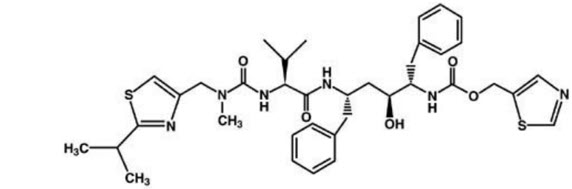
Ritonavir is chemically designated as 10-Hydroxy-2-methyl-5-(1-methylethyl)-1- [2-(1 methylethyl)-4-thiazolyl]-3,6-dioxo-8,11-bis(phenylmethyl)-2,4,7,12- tetraazatridecan-13-oic acid, 5-thiazolylmethyl ester, [5S-(5R*,8R*,10R*,11R*)]. Its molecular formula is C37H48N6O5S2, and its molecular weight is 720.95. Ritonavir has the following structural formula:

Chemical Structure (Paxlovid 02)
Ritonavir is available as film-coated tablets. Each tablet contains 100 mg ritonavir with the following inactive ingredients: anhydrous dibasic calcium phosphate, colloidal silicon dioxide, copovidone, sodium stearyl fumarate, and sorbitan monolaurate. The film coating may include the following ingredients: colloidal anhydrous silica, colloidal silicon dioxide, hydroxypropyl cellulose, hypromellose, polyethylene glycol, polysorbate 80, talc, and titanium dioxide.
Effect of Food
No clinically significant differences in the pharmacokinetics of nirmatrelvir were observed following administration of a high fat meal (800-1000 calories; 50% fat) to healthy subjects.
Specific Populations
There were no clinically significant differences in the pharmacokinetics of nirmatrelvir based on age (18 to 86 years), sex, or race/ethnicity.
Pediatric Patients
The pharmacokinetics of nirmatrelvir/ritonavir in patients less than 18 years of age have not been established.
Patients with Renal Impairment
The pharmacokinetics of nirmatrelvir in patients with renal impairment following administration of a single oral dose of nirmatrelvir 100 mg (0.33 times the approved recommended dose) co-administered with ritonavir 100 mg are presented in Table 4. Compared to healthy controls with no renal impairment, the Cmax and AUC of nirmatrelvir in patients with mild renal impairment was 30% and 24% higher, in patients with moderate renal impairment was 38% and 87% higher, and in patients with severe renal impairment was 48% and 204% higher, respectively.
Table 4: Impact of Renal Impairment on Nirmatrelvir/Ritonavir Pharmacokinetics | Normal Renal Function
(n=8) | Mild Renal Impairment
(n=8) | Moderate Renal Impairment
(n=8) | Severe Renal Impairment
(n=8) |
|---|
Abbreviations: AUCinf=area under the plasma concentration-time profile from time zero extrapolated to infinite time; Cmax=the observed maximum concentration; CV=coefficient of variation; SD=standard deviation; T½=terminal elimination half-life; Tmax=the time to reach Cmax.
Values are presented as geometric mean (geometric % CV) except median (range) for Tmax and arithmetic mean ± SD for T½. |
Cmax (µg/mL) | 1.60 (31) | 2.08 (29) | 2.21 (17) | 2.37 (38) |
AUCinf (µg*hr/mL) | 14.46 (20) | 17.91 (30) | 27.11 (27) | 44.04 (33) |
Tmax (hr) | 2.0 (1.0 – 4.0) | 2.0 (1.0 – 3.0) | 2.50 (1.0 – 6.0) | 3.0 (1.0 – 6.1) |
T½ (hr) | 7.73 ± 1.82 | 6.60 ± 1.53 | 9.95 ± 3.42 | 13.37 ± 3.32 |
Patients with Hepatic Impairment
The pharmacokinetics of nirmatrelvir were similar in patients with moderate (Child-Pugh Class B) hepatic impairment compared to healthy subjects following administration of a single oral dose of nirmatrelvir 100 mg (0.33 times the approved recommended dose) co-administered with ritonavir 100 mg. The impact of severe hepatic impairment (Child-Pugh Class C) on the pharmacokinetics of nirmatrelvir or ritonavir has not been studied.
Clinical Drug Interaction Studies
Table 5 describes the effect of other drugs on the Cmax and AUC of nirmatrelvir.
Table 5: The Effect of Other Drugs on the Pharmacokinetic Parameters of Nirmatrelvir| Co-administered Drug | Dose (Schedule) | N | Percent Ratio (in combination with co-administered drug/alone) of Nirmatrelvir Pharmacokinetic Parameters (90% CI);
No Effect=100 |
|---|
| Co-administered Drug | Nirmatrelvir/ Ritonavir | Cmax | AUC For carbamazepine, AUC=AUCinf; for itraconazole, AUC=AUCtau. |
|---|
| Abbreviations: AUC=area under the plasma concentration-time curve; AUCinf=area under the plasma concentration-time profile from time zero extrapolated to infinite time; AUCtau=area under the plasma concentration-time profile from time zero to time tau (τ), the dosing interval. CI=confidence interval; Cmax=observed maximum plasma concentrations. |
Carbamazepine Carbamazepine titrated up to 300 mg twice daily on Day 8 through Day 15 (e.g., 100 mg twice daily on Day 1 through Day 3 and 200 mg twice daily on Day 4 through Day 7). | 300 mg twice daily
(16 doses) | 300 mg/100 mg once daily
(2 doses) | 10 | 56.82
(47.04, 68.62) | 44.50
(33.77, 58.65) |
Itraconazole | 200 mg once daily
(8 doses) | 300 mg/100 mg twice daily
(5 doses) | 11 | 118.57
(112.50, 124.97) | 138.82
(129.25, 149.11) |
Table 6 describes the effect of nirmatrelvir/ritonavir on the Cmax and AUC of other drugs.
Table 6: Effect of Nirmatrelvir/Ritonavir on Pharmacokinetics of Other Drugs| Co-administered Drug | Dose (Schedule) | N | Percent Ratio of Test/Reference of Geometric Means (90% CI);
No Effect=100 |
|---|
| Co-administered Drug | Nirmatrelvir/ Ritonavir | Cmax | AUC AUC=AUCinf for both midazolam and dabigatran. |
|---|
| Abbreviations: AUC=area under the plasma concentration-time curve; CI=confidence interval; Cmax=observed maximum plasma concentrations; P-gp=p-glycoprotein. |
Midazolam For midazolam, Test=nirmatrelvir/ritonavir plus midazolam, Reference=Midazolam. Midazolam is an index substrate for CYP3A. For dabigatran, Test=nirmatrelvir/ritonavir plus dabigatran, Reference=Dabigatran. Dabigatran is an index substrate for P-gp. | 2 mg
(1 dose) | 300 mg/100 mg twice daily
(9 doses) | 10 | 368.33
(318.91, 425.41) | 1430.02
(1204.54, 1697.71) |
Dabigatran | 75 mg
(1 dose) | 300 mg/100 mg twice daily
(4 doses) | 24 | 233.06
(172.14, 315.54) | 194.47
(155.29, 243.55) |
In Vitro Studies
Cytochrome P450 (CYP) Enzymes:
- Nirmatrelvir is a reversible and time-dependent inhibitor of CYP3A, but not an inhibitor CYP1A2, CYP2B6, CYP2C8, CYP2C9, CYP2C19, or CYP2D6. Nirmatrelvir is an inducer of CYP2B6, 2C8, 2C9, and 3A4, but there is minimal risk for pharmacokinetic interactions arising from induction of these CYP enzymes at the proposed therapeutic dose.
- Ritonavir is a substrate of CYP2D6 and CYP3A. Ritonavir is an inducer of CYP1A2, CYP2C9, CYP2C19, CYP2B6, and CYP3A.
Transporter Systems: Nirmatrelvir is an inhibitor of P-gp and OATP1B1. Nirmatrelvir is a substrate for P-gp, but not BCRP, MATE1, MATE2K, NTCP, OAT1, OAT2, OAT3, OCT1, OCT2, PEPT1, OATP1B1, OATP1B3, OATP2B1, or OATP4C1.
Antiviral Activity
Cell Culture Antiviral Activity
Nirmatrelvir exhibited antiviral activity against SARS-CoV-2 (USA-WA1/2020 isolate) infection of differentiated normal human bronchial epithelial (dNHBE) cells with EC50 and EC90 values of 62 nM (31 ng/mL) and 181 nM (90 ng/mL), respectively, after 3 days of drug exposure.
The antiviral activity of nirmatrelvir against the Omicron sub-variants BA.2, BA.2.12.1, BA.4, BA.4.6, BA.5, BF.7, BQ.1, BQ.1.11, and XBB.1.5 was assessed in Vero E6-TMPRSS2 cells in the presence of a P-gp inhibitor. Nirmatrelvir had a median EC50 value of 83 nM (range: 39-146 nM) against the Omicron sub-variants, reflecting EC50 value fold-changes ≤1.5 relative to the USA-WA1/2020 isolate.
In addition, the antiviral activity of nirmatrelvir against the SARS-CoV-2 Alpha, Beta, Gamma, Delta, Lambda, Mu, and Omicron BA.1 variants was assessed in Vero E6 P-gp knockout cells. Nirmatrelvir had a median EC50 value of 25 nM (range: 16-141 nM). The Beta variant was the least susceptible variant tested, with an EC50 value fold-change of 3.7 relative to USA-WA1/2020. The other variants had EC50 value fold-changes ≤1.1 relative to USA-WA1/2020.
Clinical Antiviral Activity
In clinical trial EPIC-HR, which enrolled subjects who were primarily infected with the SARS-CoV-2 Delta variant, PAXLOVID treatment was associated with a 0.83 log10 copies/mL greater median decline in viral RNA shedding levels in nasopharyngeal samples through Day 5 (mITT1 analysis set, all treated subjects with onset of symptoms ≤5 days who at baseline did not receive nor were expected to receive COVID-19 therapeutic mAb treatment); similar results were observed in the mITT2 analysis set (all treated subjects with onset of symptoms ≤5 days). In the EPIC-SR trial, which included subjects who were infected with SARS-CoV-2 Delta (79%) or Omicron (19%) variants, PAXLOVID treatment was associated with a 1.05 log10 copies/mL greater median decline in viral RNA shedding levels in nasopharyngeal samples through Day 5, with similar declines observed in subjects infected with Delta or Omicron variants. The degree of reduction in viral RNA levels relative to placebo following 5 days of PAXLOVID treatment was similar between unvaccinated high-risk subjects in EPIC-HR and vaccinated high-risk subjects in EPIC-SR.
Antiviral Resistance
In Cell Culture and Biochemical Assays
SARS-CoV-2 Mpro residues potentially associated with nirmatrelvir resistance have been identified using a variety of methods, including SARS-CoV-2 resistance selection, testing of recombinant SARS-CoV-2 viruses with Mpro substitutions, and biochemical assays with recombinant SARS-CoV-2 Mpro containing amino acid substitutions. Table 7 indicates Mpro substitutions and combinations of Mpro substitutions that have been observed in nirmatrelvir-selected SARS-CoV-2 in cell culture. Individual Mpro substitutions are listed regardless of whether they occurred alone or in combination with other Mpro substitutions. Note that the Mpro S301P and T304I substitutions overlap the P6 and P3 positions of the nsp5/nsp6 cleavage site located at the C-terminus of Mpro. Substitutions at other Mpro cleavage sites have not been associated with nirmatrelvir resistance in cell culture. The clinical significance of these substitutions is unknown.
Table 7: SARS-CoV-2 Mpro Amino Acid Substitutions Selected by Nirmatrelvir in Cell Culture
| Abbreviation: ND=no data. |
Single Substitutions (EC50 value fold change) | T21I (1.1-4.6), L50F (1.5-4.2), P108S (ND), T135I (ND), F140L (4.1), S144A (2.2-5.3), C160F (ND), E166A (3.3), E166V (25‑288), L167F (ND), T169I (ND), H172Y (ND), A173V (0.9-1.7), V186A (ND), R188G (ND), A191V (ND), A193P (ND), P252L (5.9), S301P (ND), and T304I (1.4-5.5). |
≥2 Substitutions (EC50 value fold change) | T21I+S144A (9.4), T21I+E166V (83), T21I+A173V (3.1), T21I+T304I (3.0-7.9), L50F+E166V (34-175), L50F+T304I (5.9), T135I+T304I (3.8), F140L+A173V (10.1), H172Y+P252L (ND), A173V+T304I (20.2), T21I+L50F+A193P+S301P (28.8), T21I+S144A+T304I (27.8), T21I+C160F+A173V+V186A+T304I (28.5), T21I+A173V+T304I (15), and L50F+F140L+L167F+T304I (54.7). |
In a biochemical assay using recombinant SARS-CoV-2 Mpro containing amino acid substitutions, the following SARS-CoV-2 Mpro substitutions led to ≥3-fold reduced nirmatrelvir activity (fold-change based on Ki values): Y54A (25), F140A (21), F140L (7.6), F140S (260), G143S (3.6), S144A (46), S144E (480), S144T (170), H164N (6.7), E166A (35), E166G (6.2), E166V (7,700), H172Y (250), A173S (4.1), A173V (16), R188G (38), Q192L (29), Q192P (7.8), and V297A (3.0). In addition, the following combinations of Mpro substitutions led to ≥3-fold reduced nirmatrelvir activity: T21I+S144A (20), T21I+E166V (11,000), T21I+A173V (15), L50F+E166V (4,500), T135I+T304I (5.1), F140L+A173V (95), H172Y+P252L (180), A173V+T304I (28), T21I+S144A+T304I (51), T21I+A173V+T304I (55), L50F+E166A+L167F (210), T21I+L50F+A193P+S301P (7.3), L50F+F140L+L167F+T304I (190), and T21I+C160F+A173V+V186A+T304I (28). The following substitutions and substitution combinations emerged in cell culture but conferred <3-fold reduced nirmatrelvir activity in biochemical assays: T21I (1.6), L50F (0.2), P108S (2.9), T135I (2.2), C160F (0.6), L167F (0.9), T169I (1.4), V186A (0.8), A191V (0.8), A193P (0.9), P252L (0.9), S301P (0.2), T304I (1.0), T21I+T304I (1.8), and L50F+T304I (1.3). The clinical significance of these substitutions is unknown.
In Clinical Trials
Treatment-emergent substitutions were evaluated among subjects in clinical trials EPIC-HR/SR with sequence data available at both baseline and a post-baseline visit (n=907 PAXLOVID-treated subjects, n=946 placebo-treated subjects). SARS-CoV-2 Mpro amino acid changes were classified as PAXLOVID treatment-emergent substitutions if they occurred at the same amino acid position in 3 or more PAXLOVID-treated subjects and were ≥2.5-fold more common in PAXLOVID-treated subjects than placebo-treated subjects. The following PAXLOVID treatment-emergent Mpro substitutions were observed: T98I/R/del(n=4), E166V (n=3), and W207L/R/del (n=4). Within the Mpro cleavage sites, the following PAXLOVID treatment-emergent substitutions were observed: A5328S/V(n=7) and S6799A/P/Y (n=4). These cleavage site substitutions were not associated with the co-occurrence of any specific Mpro substitutions.
None of the treatment-emergent substitutions listed above in Mpro or Mpro cleavage sites occurred in PAXLOVID-treated subjects who experienced hospitalization. Thus, the clinical significance of these substitutions is unknown.
Viral RNA Rebound (With and Without COVID-19 Symptoms) and Treatment-Emergent Substitutions
EPIC-HR and EPIC-SR were not designed to evaluate COVID-19 rebound; exploratory analyses were conducted to assess the relationship between PAXLOVID use and rebound in viral RNA shedding levels or self-reported COVID-19 symptoms.
Post-treatment increases in SARS-CoV-2 RNA shedding levels in nasopharyngeal samples were observed on Day 10 and/or Day 14 in a subset of PAXLOVID and placebo recipients in EPIC-HR and EPIC-SR, irrespective of COVID-19 symptoms. The frequency of detection of post-treatment viral RNA rebound varied according to analysis parameters, but was generally similar among PAXLOVID and placebo recipients. A similar or smaller percentage of placebo recipients compared to PAXLOVID recipients had nasopharyngeal viral RNA results < lower limit of quantitation (LLOQ) at all study timepoints in both the treatment and post-treatment periods.
In EPIC-HR, of 59 PAXLOVID-treated subjects identified with post-treatment viral RNA rebound and with available viral sequence data, treatment-emergent substitutions in Mpro potentially reducing nirmatrelvir activity were detected in 2 (3%) subjects, including E166V in 1 subject and T304I in 1 subject. Both subjects had viral RNA shedding levels <LLOQ by Day 14.
Post-treatment viral RNA rebound was not associated with the primary clinical outcome of COVID-19 related hospitalization or death from any cause through Day 28 following the single 5-day course of PAXLOVID treatment. The clinical relevance of post-treatment increases in viral RNA following PAXLOVID or placebo treatment is unknown.
The frequency of symptom rebound through Day 28, irrespective of viral RNA results, was similar among PAXLOVID and placebo recipients. The frequency of combined viral RNA rebound plus symptom rebound could not be fully assessed as most episodes of symptom rebound occurred after Day 14 (the last day SARS-CoV-2 RNA levels were routinely assessed).
Cross-Resistance
Cross-resistance is not expected between nirmatrelvir and remdesivir or any other anti-SARS-CoV-2 agents with different mechanisms of action (i.e., agents that are not Mpro inhibitors).
Nirmatrelvir
Carcinogenicity studies have not been conducted with nirmatrelvir.
Nirmatrelvir was negative for mutagenic or clastogenic activity in a battery of in vitro and in vivo assays including the Ames bacterial reverse mutation assay using S. typhimurium and E. coli, the in vitro micronucleus assay using human lymphoblastoid TK6 cells, and the in vivo rat micronucleus assays.
In a fertility and early embryonic development study, nirmatrelvir was administered orally to male and female rats at doses of 60, 200, or 1,000 mg/kg/day once daily beginning 14 days prior to mating, throughout the mating phase, and continued through GD 6 for females and for a total of 32 doses for males. There were no effects on fertility, reproductive performance, or early embryonic development at doses up to 1,000 mg/kg/day, resulting in systemic exposure (AUC24) approximately 5 times higher than exposure at the approved human dose of PAXLOVID.
Ritonavir
Carcinogenicity studies in mice and rats have been conducted on ritonavir. In male mice, at levels of 50, 100, or 200 mg/kg/day, there was a dose dependent increase in the incidence of both adenomas and combined adenomas and carcinomas in the liver. Based on AUC measurements, the exposure at the high dose was approximately 25 times higher than the exposure in humans at the approved human dose of PAXLOVID. No carcinogenic effects were observed in females at up to the highest dose tested, resulting in systemic exposure (AUC24) approximately 25 times higher than the exposure in humans at the approved human dose of PAXLOVID. In rats dosed at levels of 7, 15, or 30 mg/kg/day, there were no carcinogenic effects. In this study, the exposure at the high dose was approximately 5 times higher than the exposure in humans at the approved human dose of PAXLOVID.
Ritonavir was found to be negative for mutagenic or clastogenic activity in a battery of in vitro and in vivo assays including the Ames bacterial reverse mutation assay using S. typhimurium and E. coli, the mouse lymphoma assay, the mouse micronucleus test and chromosomal aberration assays in human lymphocytes.
Ritonavir produced no effects on fertility in rats at drug exposures approximately 18 (male) and 27 (female) times higher than the exposure in humans at the approved human dose of PAXLOVID.
How Supplied
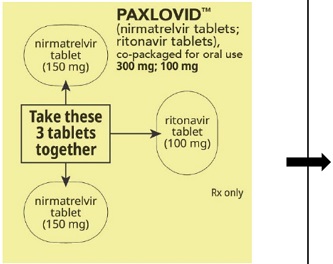
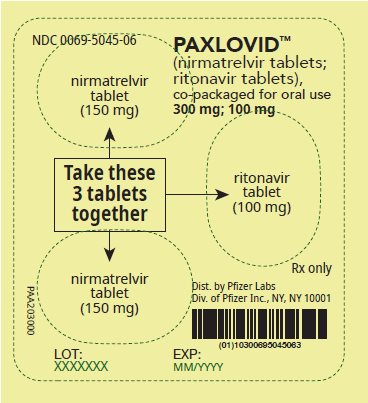
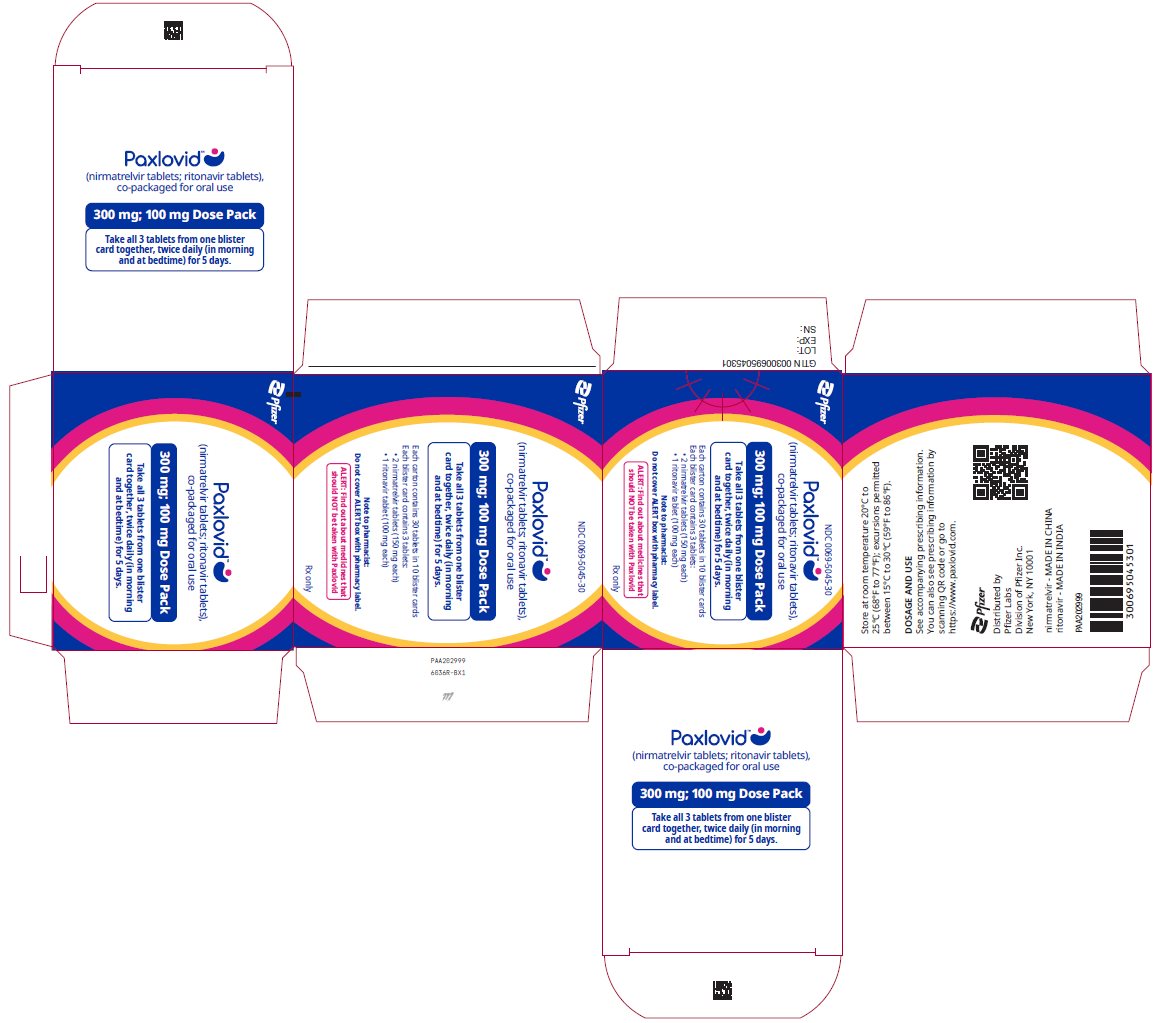
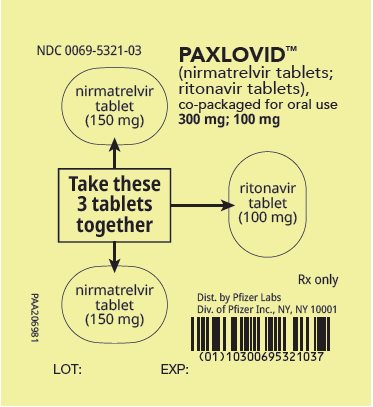
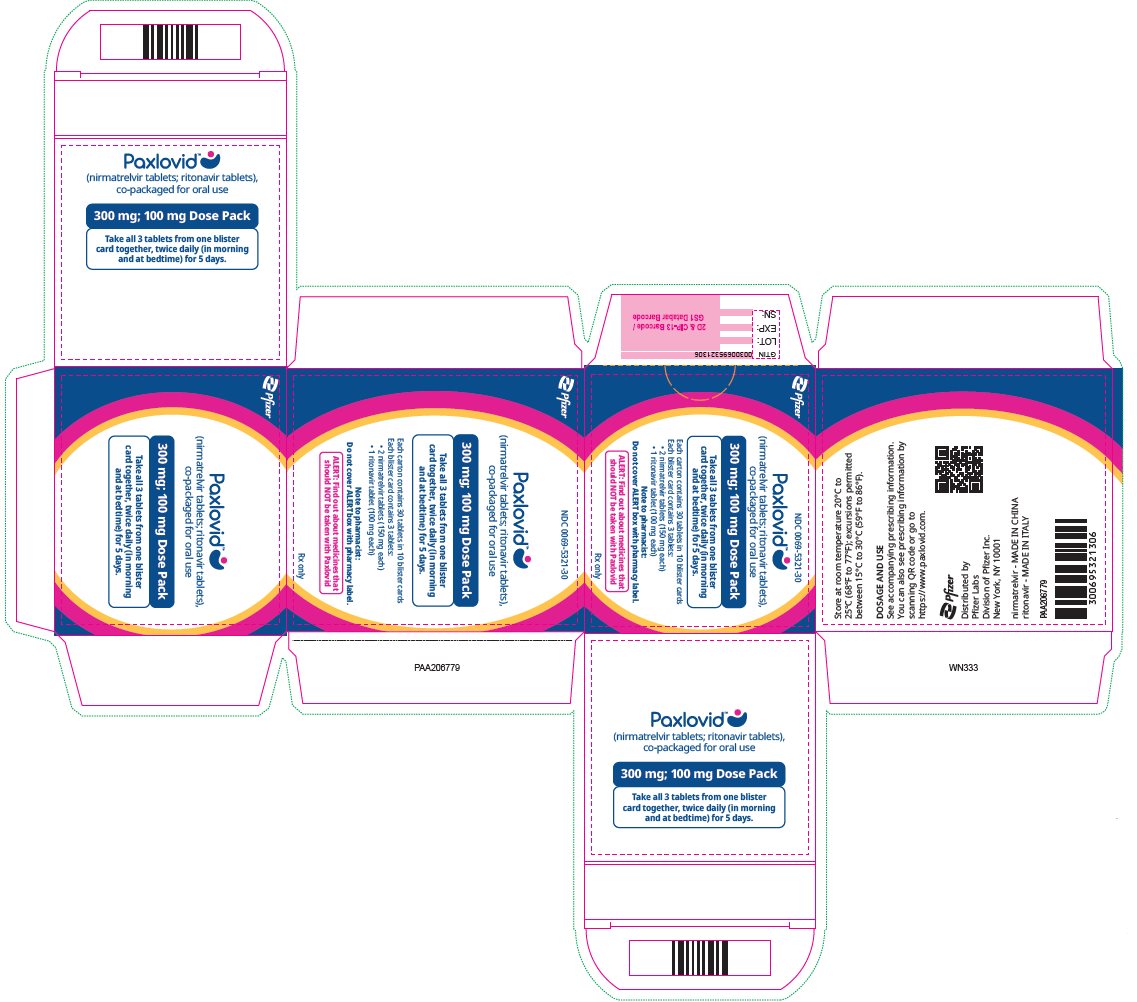
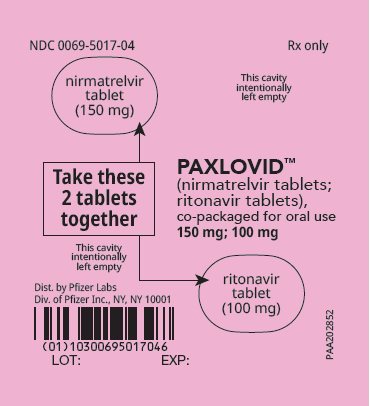
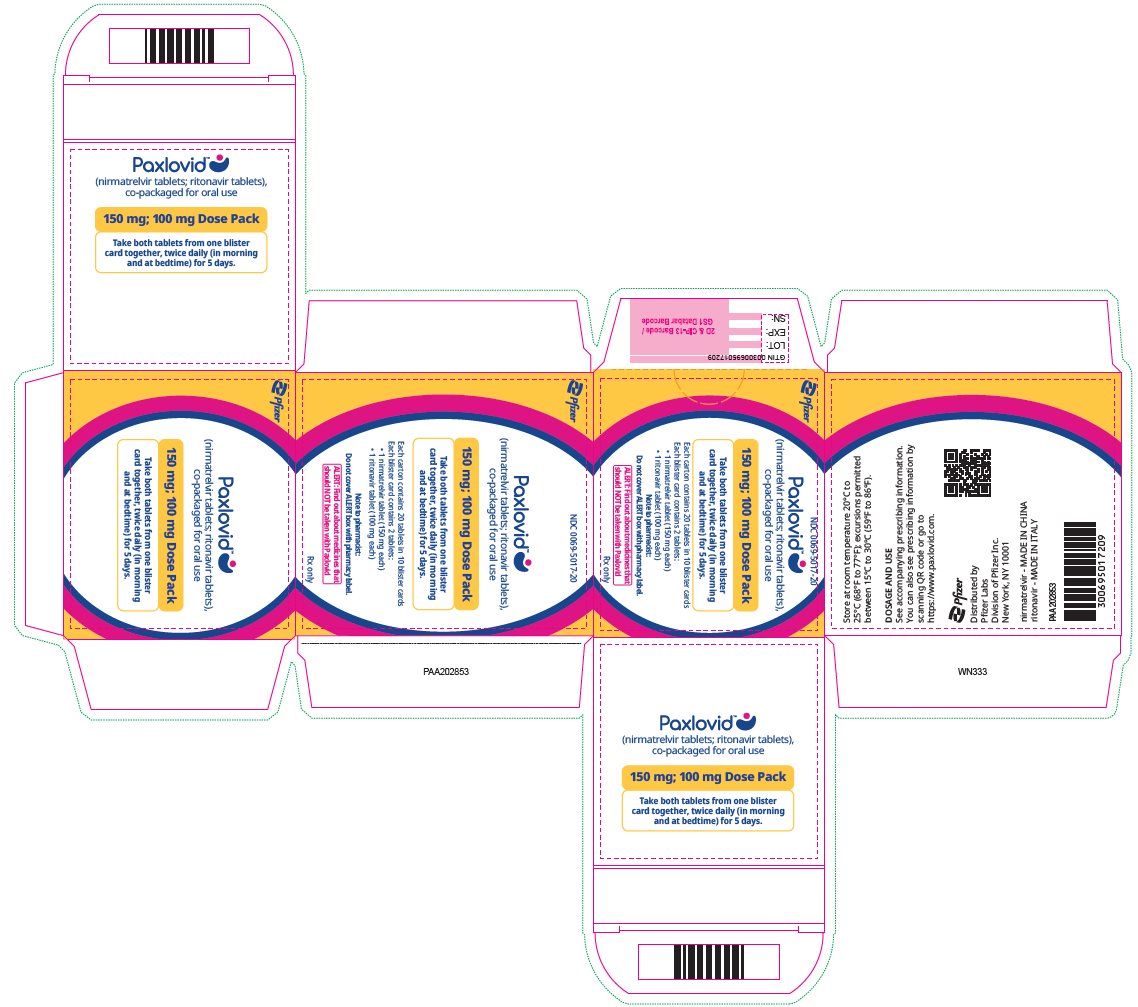
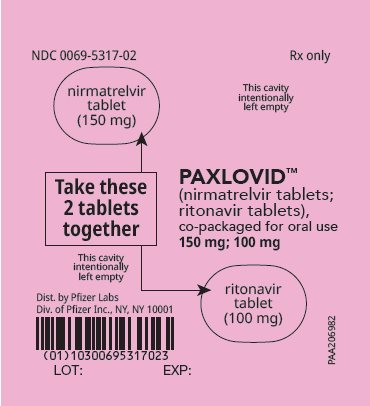
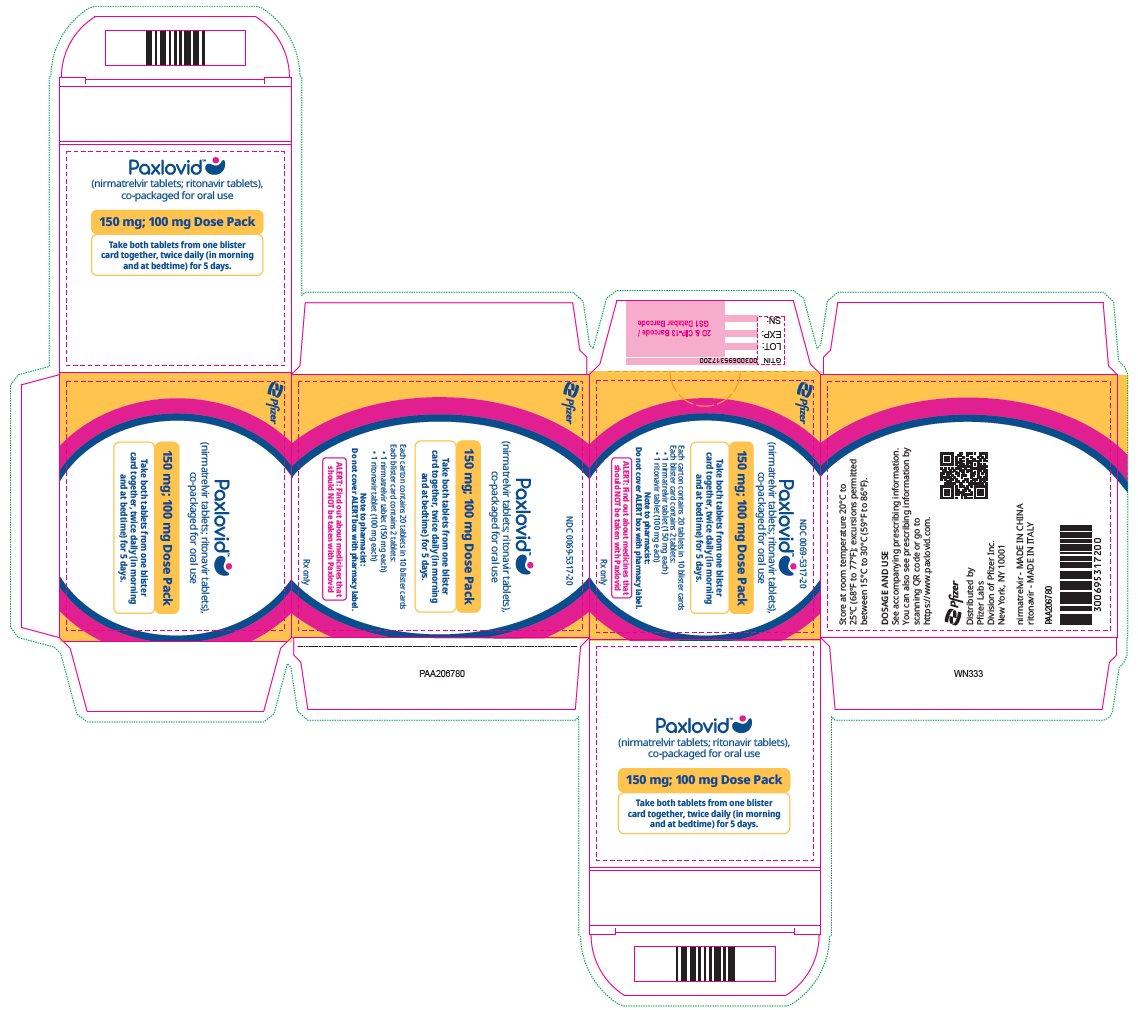
PAXLOVID is nirmatrelvir tablets co-packaged with ritonavir tablets. It is supplied in two different Dose Packs.
Nirmatrelvir tablets and ritonavir tablets are supplied in separate blister cavities within the same child-resistant blister card.
Dose Pack | Content | NDC | Description |
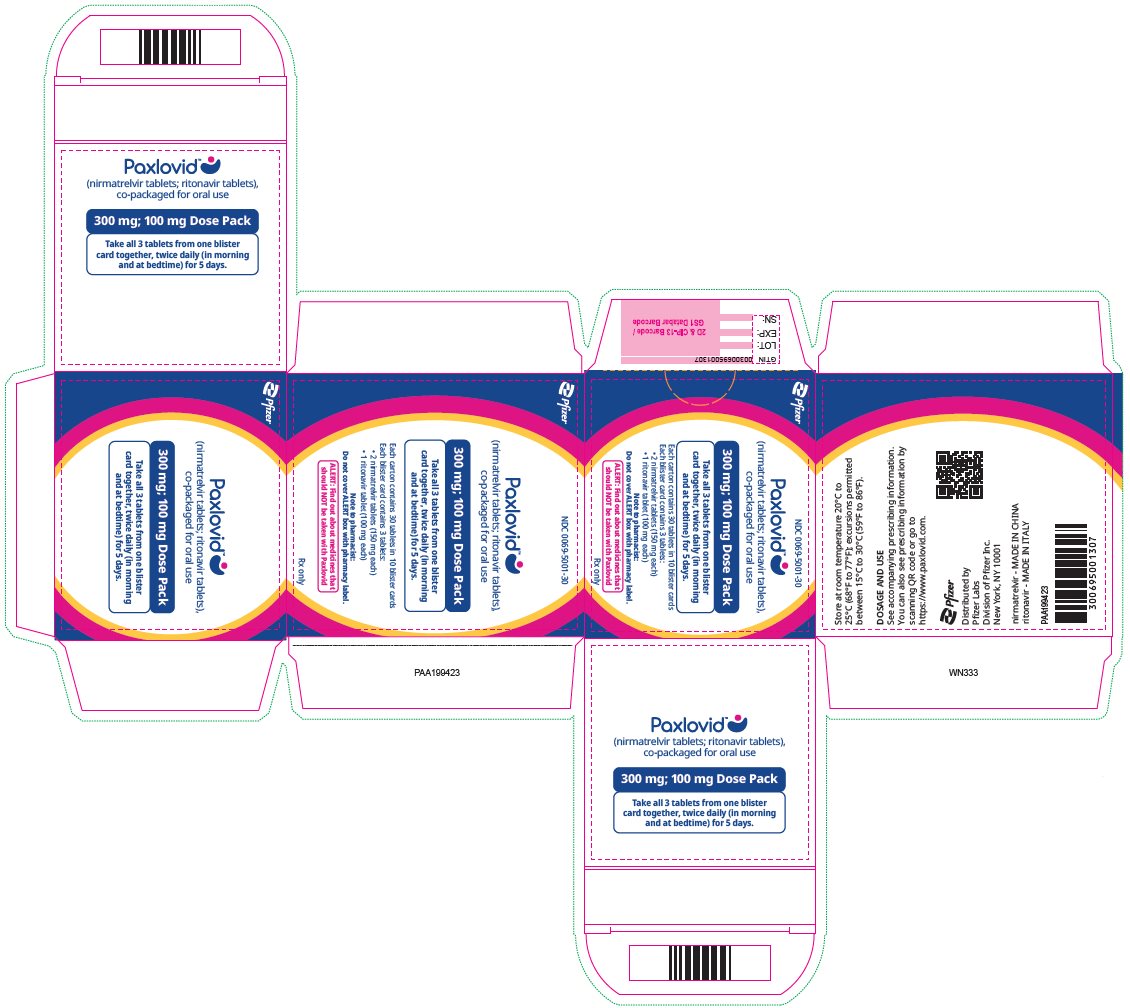
300 mg nirmatrelvir; 100 mg ritonavir | Each Carton Contains:
30 tablets divided in
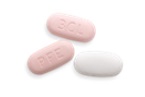
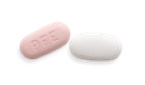
10 blister cards | 0069-5001-30 | Nirmatrelvir tablets: Oval, pink immediate-release, film-coated tablets debossed with "PFE" on one side and "3CL" on the other side.
Ritonavir tablets: White film-coated ovaloid tablets debossed with the "a" logo and the code NK. |
Or
|
0069-5045-30 | Nirmatrelvir tablets: Oval, pink immediate-release, film-coated tablets debossed with "PFE" on one side and "3CL" on the other side.
Ritonavir tablets: White to off-white, capsule-shaped, film-coated tablets debossed with "H" on one side and "R9" on the other side. |
Or
|
0069-5321-30 | Nirmatrelvir tablets: Oval, pink immediate-release, film-coated tablets debossed with "PFE" on one side and "3CL" on the other side.
Ritonavir tablets: White film-coated ovaloid tablets debossed with “NK” on one side. |
Each Blister Card Contains:
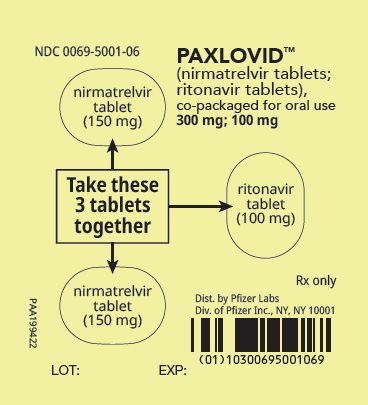
2 nirmatrelvir tablets
(150 mg each) and
1 ritonavir tablet
(100 mg) | 0069-5001-06 | Nirmatrelvir tablets: Oval, pink immediate-release, film-coated tablets debossed with "PFE" on one side and "3CL" on the other side.
Ritonavir tablets: White film-coated ovaloid tablets debossed with the "a" logo and the code NK. |
Or
|
0069-5045-06 | Nirmatrelvir tablets: Oval, pink immediate-release, film-coated tablets debossed with "PFE" on one side and "3CL" on the other side.
Ritonavir tablets: White to off-white, capsule-shaped, film-coated tablets debossed with "H" on one side and "R9" on the other side. |
Or
|
0069-5321-03 | Nirmatrelvir tablets: Oval, pink immediate-release, film-coated tablets debossed with "PFE" on one side and "3CL" on the other side.
Ritonavir tablets: White film-coated ovaloid tablets debossed with “NK” on one side. |
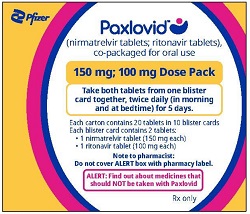
150 mg nirmatrelvir; 100 mg ritonavir | Each Carton Contains:
20 tablets divided in
10 blister cards | 0069-5017-20 | Nirmatrelvir tablets: Oval, pink immediate-release, film-coated tablets debossed with "PFE" on one side and "3CL" on the other side.
Ritonavir tablets: White film-coated ovaloid tablets debossed with the "a" logo and the code NK. |
Or
|
0069-5317-20 | Nirmatrelvir tablets: Oval, pink immediate-release, film-coated tablets debossed with "PFE" on one side and "3CL" on the other side.
Ritonavir tablets: White film-coated ovaloid tablets debossed with “NK” on one side. |
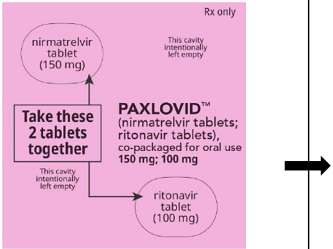
Each Blister Card Contains:
1 nirmatrelvir tablet
(150 mg) and
1 ritonavir tablet
(100 mg) | 0069-5017-04 | Nirmatrelvir tablets: Oval, pink immediate-release, film-coated tablets debossed with "PFE" on one side and "3CL" on the other side.
Ritonavir tablets: White film-coated ovaloid tablets debossed with the "a" logo and the code NK. |
Or
|
0069-5317-02 | Nirmatrelvir tablets: Oval, pink immediate-release, film-coated tablets debossed with "PFE" on one side and "3CL" on the other side.
Ritonavir tablets: White film-coated ovaloid tablets debossed with “NK” on one side. |
Drug Interactions
Inform patients that PAXLOVID may interact with certain drugs and is contraindicated for use with certain drugs; therefore, advise patients to report to their healthcare provider the use of any prescription, non-prescription medication, or herbal products [see Boxed Warning, Contraindications (4), Warnings and Precautions (5.1), and Drug Interactions (7)].
Hypersensitivity Reactions
Inform patients that anaphylaxis, serious skin reactions, and other hypersensitivity reactions have been reported, even following a single dose of PAXLOVID. Advise them to immediately discontinue the drug and to inform their healthcare provider at the first sign of a skin rash, hives or other skin reactions, difficulty in swallowing or breathing, any swelling suggesting angioedema (for example, swelling of the lips, tongue, face, tightness of the throat, hoarseness), or other symptoms of an allergic reaction [see Warnings and Precautions (5.2)].
Dosage Modification in Patients with Moderate Renal Impairment
To ensure appropriate dosing in patients with moderate renal impairment, instruct such patients that they will be taking one 150 mg nirmatrelvir tablet with one 100 mg ritonavir tablet together twice daily for 5 days [see Dosage and Administration (2.3)].
Administration Instructions
Inform patients to take PAXLOVID with or without food as instructed. Advise patients to swallow all tablets for PAXLOVID whole and not to chew, break, or crush the tablets. Alert the patient of the importance of completing the full 5-day treatment course and to continuing isolation in accordance with public health recommendations to maximize viral clearance and minimize transmission of SARS-CoV-2. If the patient misses a dose of PAXLOVID within 8 hours of the time it is usually taken, the patient should take it as soon as possible and resume the normal dosing schedule. If the patient misses a dose by more than 8 hours, the patient should not take the missed dose and instead take the next dose at the regularly scheduled time. The patient should not double the dose to make up for a missed dose [see Dosage and Administration (2)].
This product’s labeling may have been updated. For the most recent prescribing information, please visit www.pfizer.com. For Medical Information about PAXLOVID, please visit www.pfizermedinfo.com or call 1-800-438-1985.
LAB-1523-1.0