Kisqali Tablet, Film Coated
Product Images NDC 0078-0860

9 FDA label images from Novartis Pharmaceuticals Corporation · Packaging, Regulatory Labels, and Product Appearance

Product Visual Gallery

This gallery contains 9 technical images submitted to the FDA as part of the official labeling for Kisqali (NDC 0078-0860). Unlike standard consumer photos, these assets often include clinical data figures, molecular chemical structures, and official manufacturer packaging layouts.

As provided by Novartis Pharmaceuticals Corporation, these visuals offer a comprehensive scientific overview of the product's physical and chemical identity, aiding pharmacists and researchers in product verification and study.

FDA Label Image

The Following Chemical Structure Of Kisqali Film-coated Tablets Are Supplied For Oral Administration And Contain 200 mg Of Ribociclib Free Base (equivalent To 254.40 mg Ribociclib Succinate). The Tablets Also Contain Colloidal Silicon Dioxide, Crospovidone, Hydroxypropylcellulose, Magnesium Stearate And Microcrystalline Cellulose. The Film-coating Contains Iron Oxide Black, Iron Oxide Red, Lecithin (soya), Polyvinyl Alcohol (partially Hydrolysed), Talc, Titanium Dioxide, And Xanthan Gum As Inactive Ingredients. (Kisqali 01)

The Following Chemical Structure Of Kisqali Film-coated Tablets Are Supplied For Oral Administration And Contain 200 mg Of Ribociclib Free Base (equivalent To 254.40 mg Ribociclib Succinate). The Tablets Also Contain Colloidal Silicon Dioxide, Crospovidone, Hydroxypropylcellulose, Magnesium Stearate And Microcrystalline Cellulose. The Film-coating Contains Iron Oxide Black, Iron Oxide Red, Lecithin (soya), Polyvinyl Alcohol (partially Hydrolysed), Talc, Titanium Dioxide, And Xanthan Gum As Inactive Ingredients. (Kisqali 01)
Chemical structure diagram of ribociclib, the active ingredient in KISQALI 200 mg film-coated tablets. The structure displays molecular bonds and functional groups of ribociclib as shown in the labeling information provided by Novartis Pharmaceuticals Corporation.*
FDA Label Image

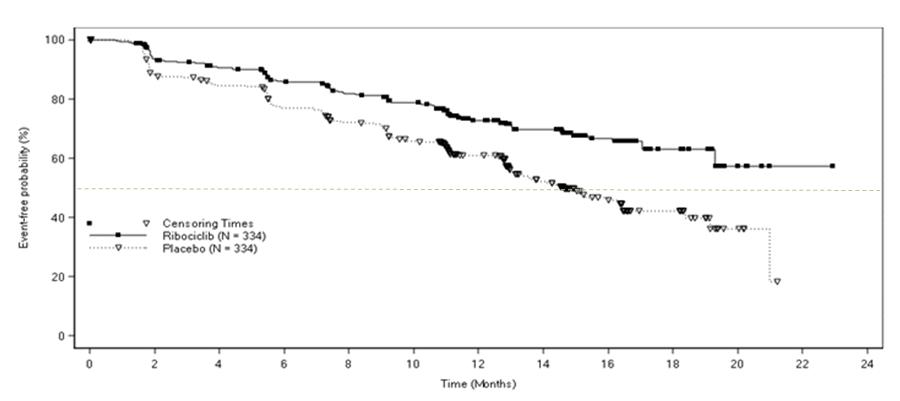
Figure 1 Kaplan-meier Progression Free Survival Curves – Monaleesa-2 (intent-to-treat Population) (Kisqali 02)

Figure 1	Kaplan-meier Progression Free Survival Curves – Monaleesa-2 (intent-to-treat Population) (Kisqali 02)
A Kaplan-Meier survival curve showing event-free probability (%) over time in months for two groups: ribociclib (N=334) and placebo (N=334). The graph includes markers for censoring times and plots survival differences between ribociclib and placebo over a period of up to 22 months.*
FDA Label Image

Principal Display Panel – Package Label – 200 mg Daily Dose (Kisqali 03)

Principal Display Panel – Package Label – 200 mg Daily Dose (Kisqali 03)
Kisqali 200 mg tablets film-coated oral prescription medication by Novartis Pharmaceuticals Corporation. The carton includes 21 tablets, a 1-month blister pack with a 200 mg daily dose per tablet. Label shows dosage instructions and storage conditions, along with manufacturer and distributor information.*
FDA Label Image

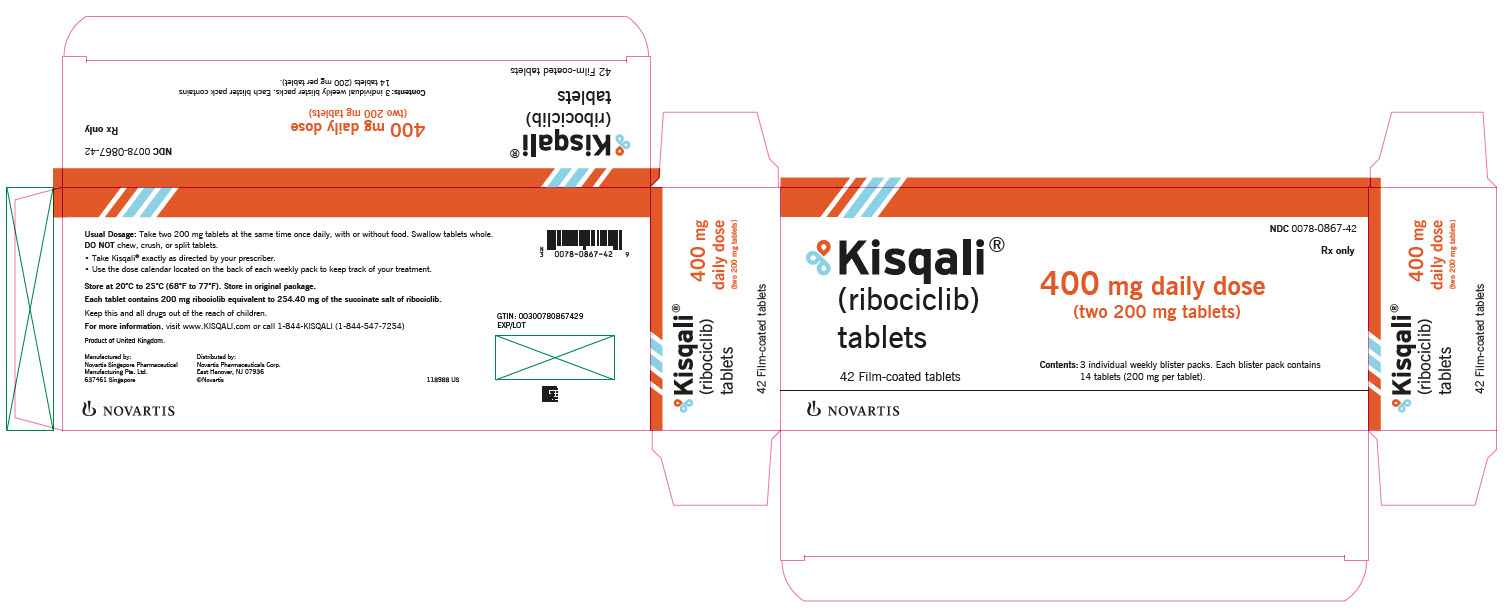
Principal Display Panel – Package Label – 400 mg Daily Dose (Kisqali 04)

Principal Display Panel – Package Label – 400 mg Daily Dose (Kisqali 04)
Packaging label for KISQALI (ribociclib) 400 mg daily dose tablets, supplied as two 200 mg tablets. The package contains 42 film-coated tablets divided into 3 individual weekly blister packs. Manufactured by Novartis Pharmaceuticals Corporation, the label includes dosage and storage instructions, along with trademark and registration information.*
FDA Label Image

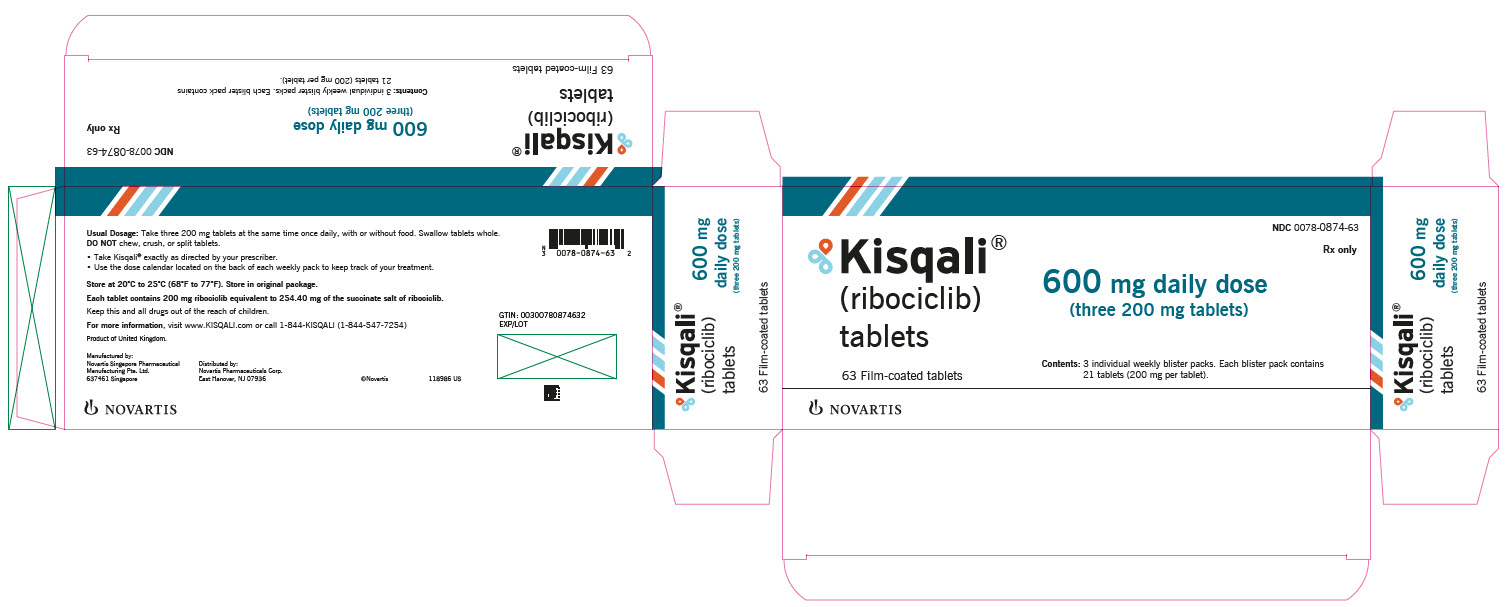
Principal Display Panel – Package Label – 600 mg Daily Dose (Kisqali 05)

Principal Display Panel – Package Label – 600 mg Daily Dose (Kisqali 05)
Kisqali 600 mg daily dose (three 200 mg tablets) film-coated tablets carton label. The package contains 63 film-coated tablets, presented as 3 individual weekly blister packs with 21 tablets each. Manufactured by Novartis Pharmaceuticals Corporation. The label includes usual dosage instructions, storage information, and a barcode.*
FDA Label Image

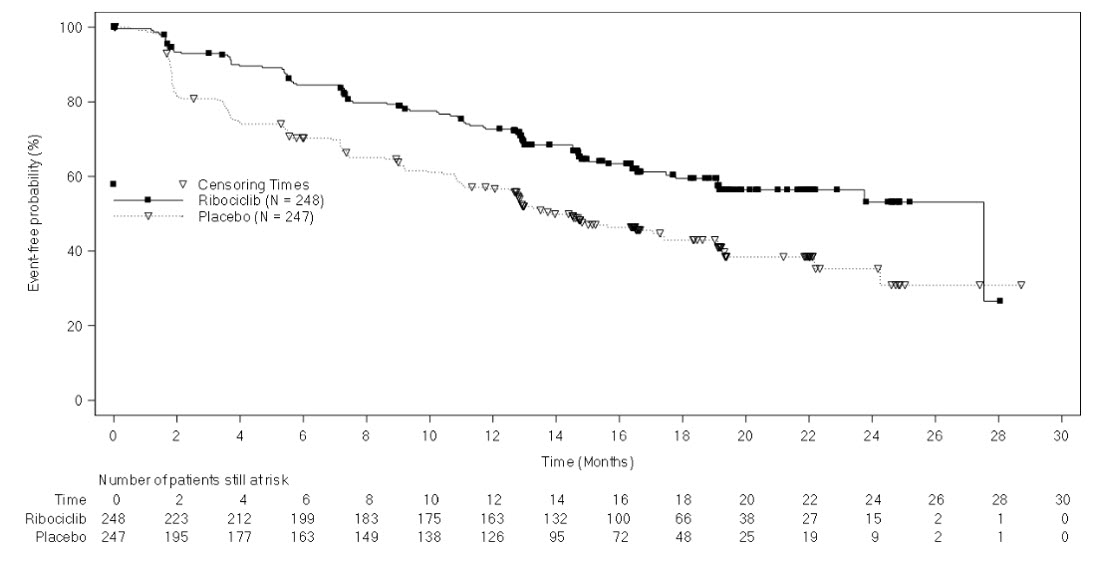
Figure 2 Kaplan-meier Progression Free Survival Curves – Monaleesa-7 (nsai, Investigator Assessment) (Kisqali 06)

Figure 2	Kaplan-meier Progression Free Survival Curves – Monaleesa-7 (nsai, Investigator Assessment) (Kisqali 06)
A Kaplan-Meier survival curve chart showing event-free probability over time in months for two groups: one treated with ribociclib (N=248) and a placebo group (N=247). The graph includes censoring times and a table listing the number of patients still at risk at different time points up to 30 months.*
FDA Label Image

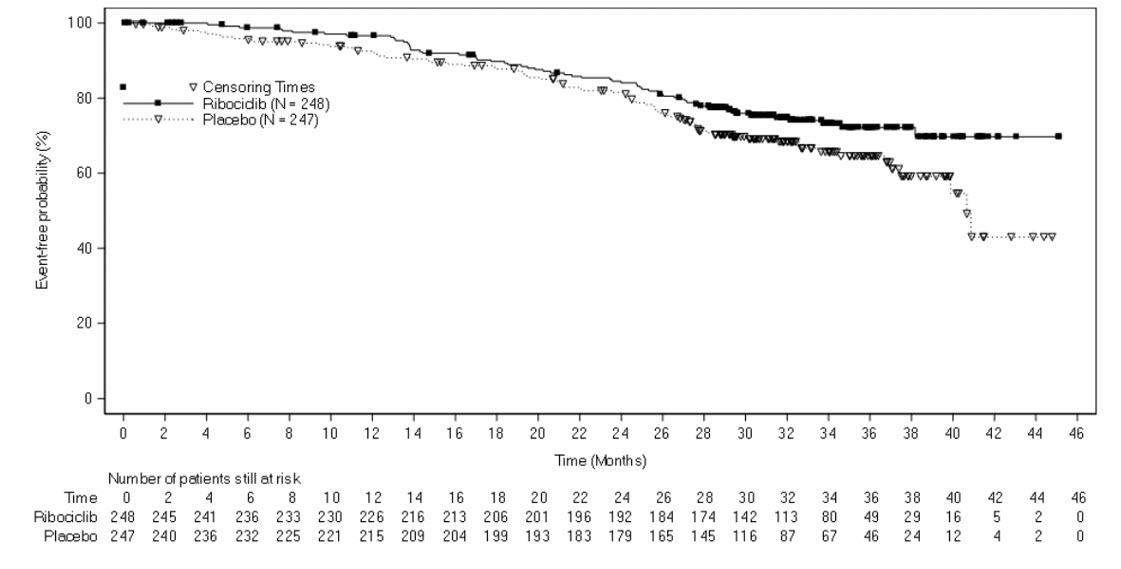
Figure 3 Kaplan-meier Overall Survival Curves- Monaleesa-7 (nsai) (Kisqali 07)

Figure 3	Kaplan-meier Overall Survival Curves- Monaleesa-7 (nsai) (Kisqali 07)
A Kaplan-Meier survival curve chart depicting event-free probability (%) over time in months. It compares two groups: patients treated with ribociclib (N=248) and placebo (N=247). The chart includes censored data points and a table showing the number of patients still at risk at various time intervals up to 46 months.*
FDA Label Image

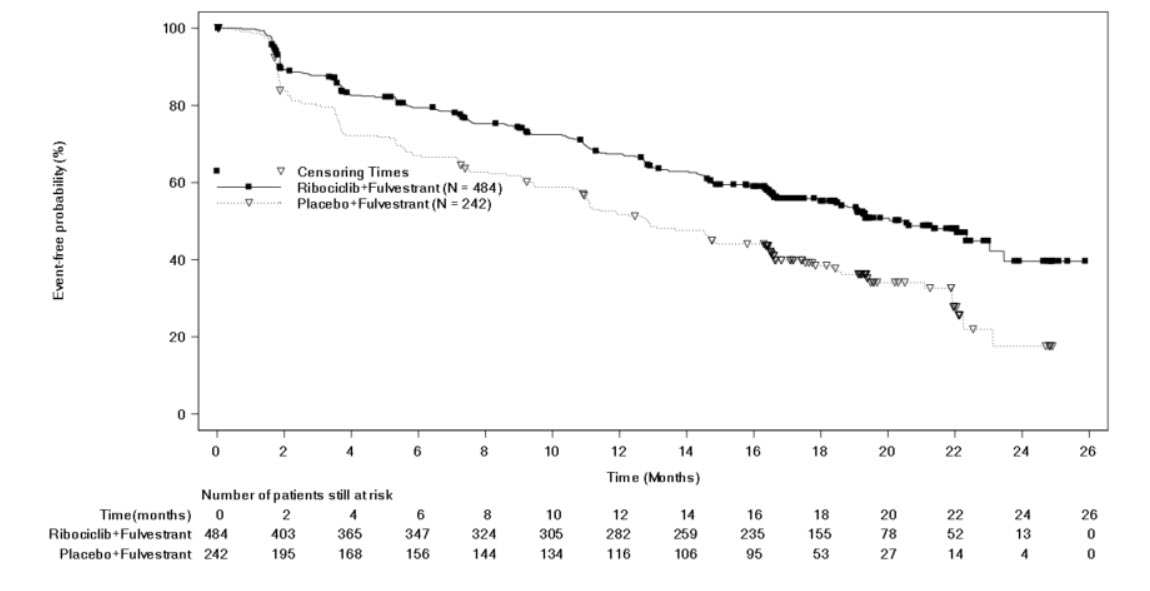
Figure 4 Kaplan-meier Progression Free Survival Curves – Monaleesa-3 (investigator Assessment) (Kisqali 08)

Figure 4	Kaplan-meier Progression Free Survival Curves – Monaleesa-3 (investigator Assessment) (Kisqali 08)
A Kaplan-Meier survival curve graph showing event-free probability (%) over time in months for patients treated with ribociclib plus fulvestrant (N=484) versus placebo plus fulvestrant (N=242). The graph includes censoring times and a table indicating the number of patients still at risk at various time points up to 26 months.*
FDA Label Image

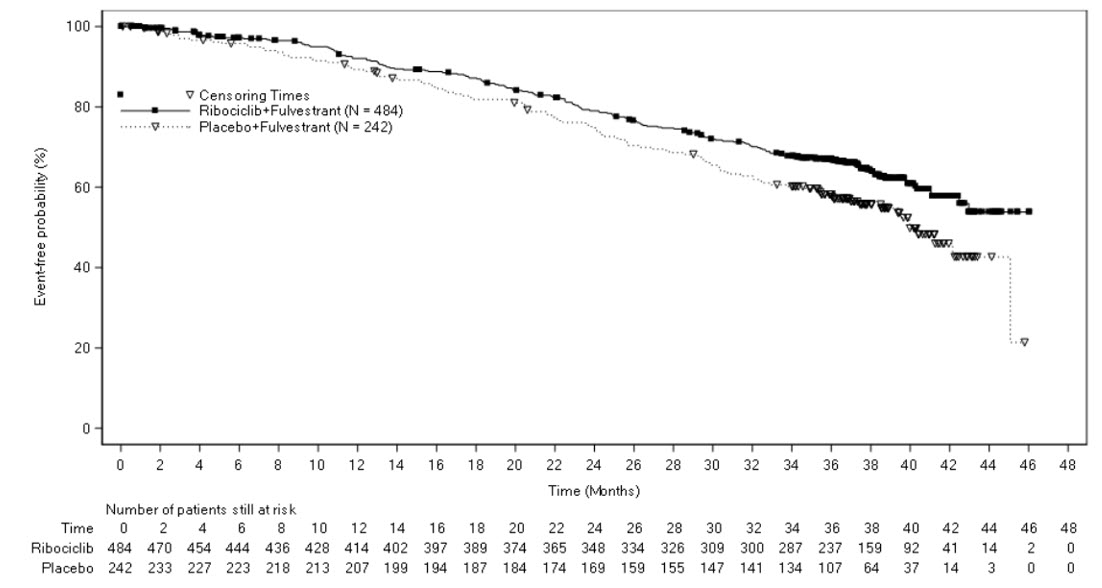
Figure 5 Kaplan-meier Plot Of Overall Survival- Monaleesa-3 (intent-to-treat Population) (Kisqali 09)

Figure 5	Kaplan-meier Plot Of Overall Survival- Monaleesa-3 (intent-to-treat Population) (Kisqali 09)
A Kaplan-Meier survival curve chart depicting event-free probability (%) over time (months) comparing Ribociclib plus Fulvestrant (N=484) with Placebo plus Fulvestrant (N=242). The chart includes censoring times and a table below showing the number of patients still at risk at various monthly intervals up to 48 months.*

* About these descriptions: Image descriptions on this page are generated by automated AI analysis of the product label images from the manufacturer's FDA label submission (SPL). They are provided for reference only and may contain errors or omissions. Always rely on the printed label itself and the official FDA labeling, and consult a pharmacist or healthcare professional with any questions about this product.