Clonazepam Tablet, Orally Disintegrating
Product Images NDC 0093-9293

View Photos of Packaging, Regulatory Labels, and Product Appearance

Product Visual Gallery

This gallery contains 6 technical images submitted to the FDA as part of the official labeling for Clonazepam (NDC 0093-9293). Unlike standard consumer photos, these assets often include clinical data figures, molecular chemical structures, and official manufacturer packaging layouts.

As provided by Teva Pharmaceuticals Usa, Inc., these visuals offer a comprehensive scientific overview of the product's physical and chemical identity, aiding pharmacists and researchers in product verification and study.

FDA Label Image

Molecular Structure (Image 1)
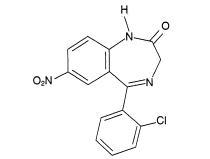
FDA Label Image

New (Image 2)

New (Image 2)
This is a description of Clonazepam Orally Disintegrating Tablets, USP, manufactured by Teva Pharmaceuticals. Each tablet contains 0.125 mg Clonazepam, USP, and is intended to be used immediately upon opening the individual blister. The tablets should be placed on the tongue and will disintegrate within a few seconds. Phenylketonurics should note that it contains phenylalanine. The usual dosage instructions can be found in the package insert for full prescribing information, and it should be stored at 20 to 25°C. The text also includes product information including packaging and label information.*
FDA Label Image

Image 3

Image 3
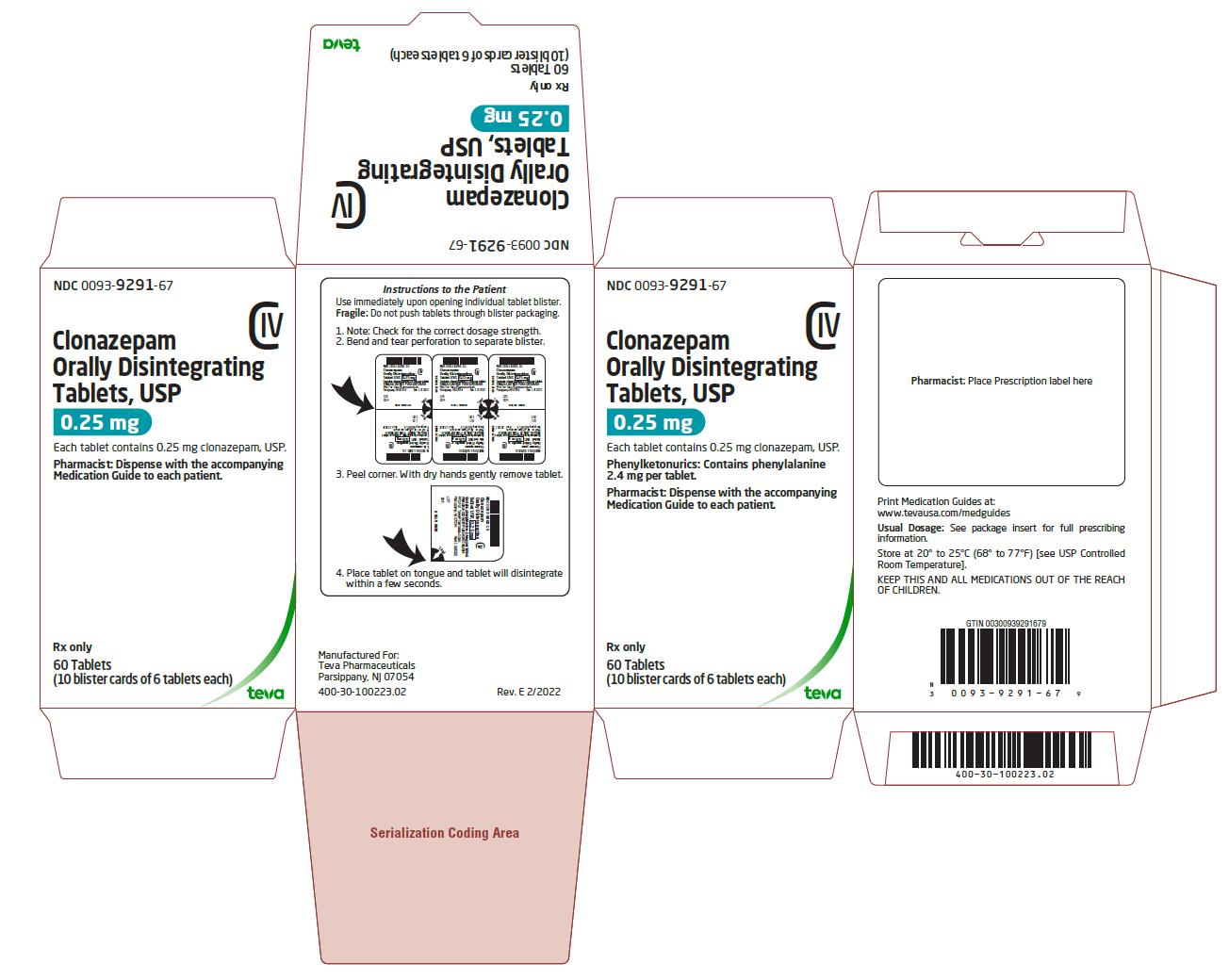
Clonazepam pills come in the form of orally disintegrating tablets that each contain 0.25 mg of clonazepam, USP. This medication treats conditions such as Panic Disorder, seizures, and anxiety. The manufacturer is Tera Pharmaceuticals. The medication guide needs to be dispensed by the pharmacist to each patient along with the prescription label. These tablets should not pass through the bottle packaging, and patients should use individual tablets immediately after opening them. Users need to check for the correct dosage strength and split the filter by bending and tearing the perforation. After placing the tablet on the tongue, the oral clonazepam tablet will disintegrate in a few seconds. Additionally, this medication must be kept out of the reach of children in a controlled room temperature of 20° to 25°C (66" to 77°F).*
FDA Label Image

Image 4

Image 4
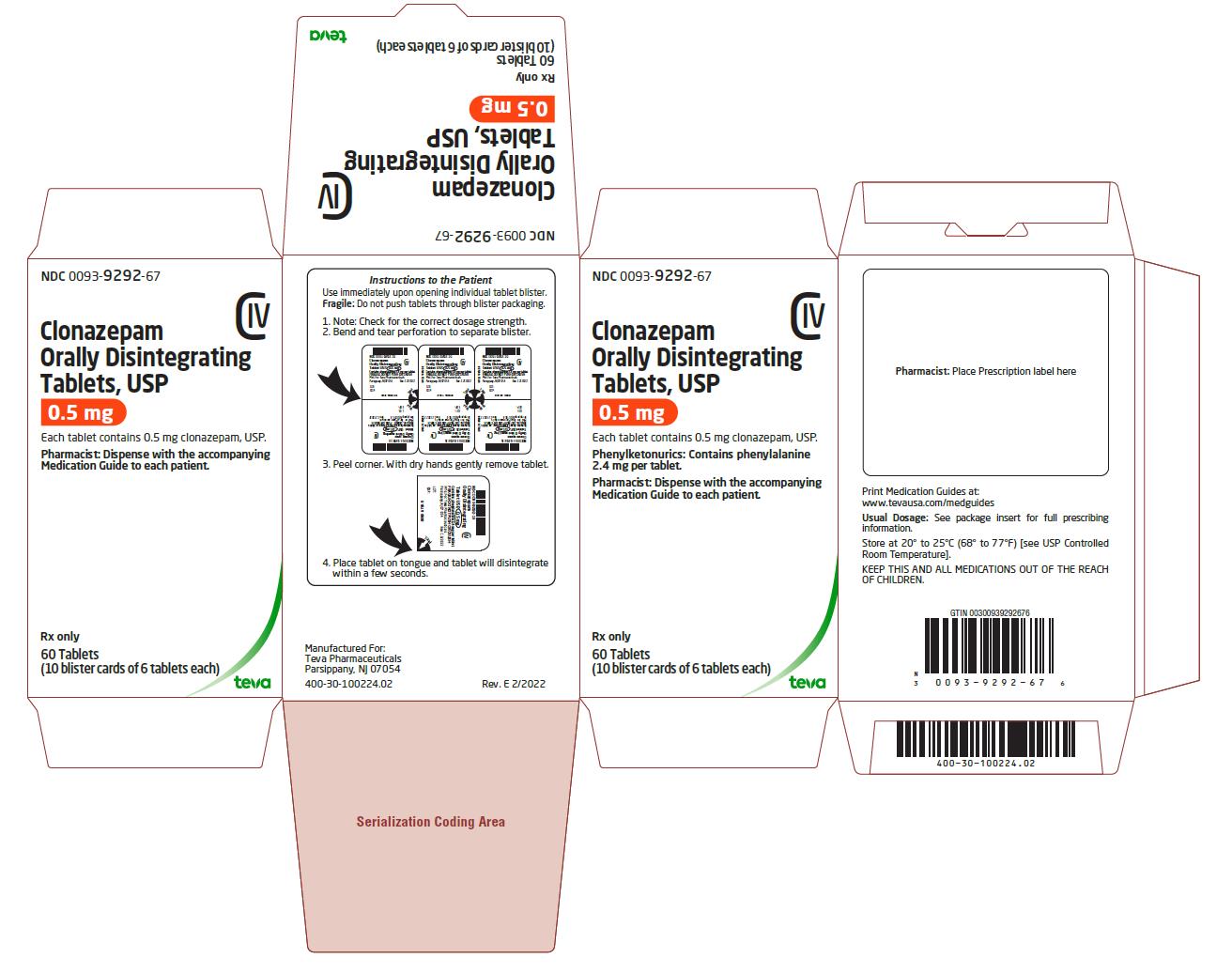
This appears to be a medication label for orally disintegrating tablets containing 0.5 mg of clonazepam, used for treating seizures and panic disorders. The label provides instructions for patients along with a warning not to push the tablets through the fragile packaging. The package also includes a medication guide for patients. The label should be given to patients along with the tablets. The label also indicates that the tablets contain phenylalanine and the manufacturer's information.*
FDA Label Image

Image 5

Image 5
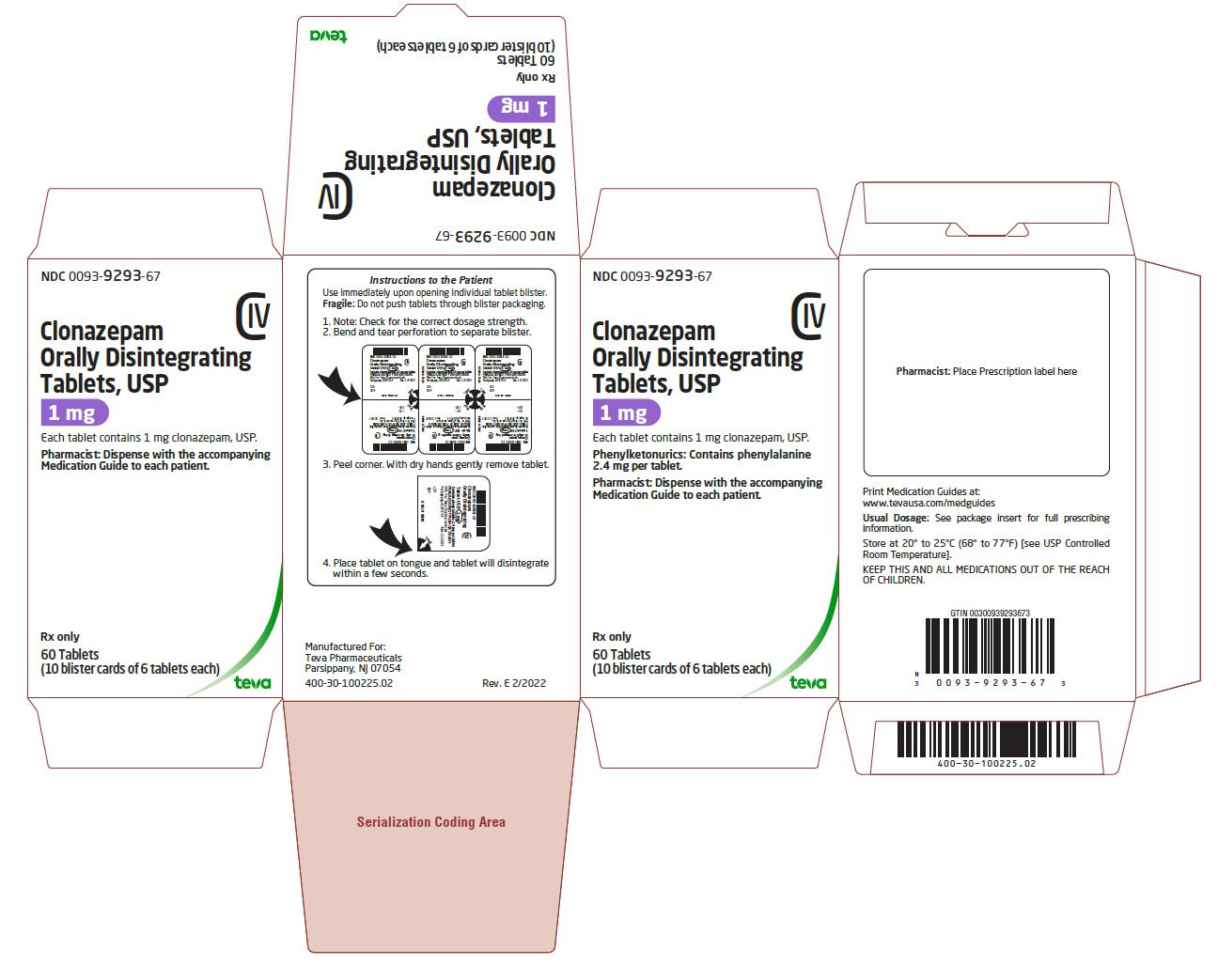
This is a description of a medication called "Clonazepam". Each orally disintegrating tablet contains 1mg of Clonazepam USP. It comes in a prescription box containing 60 tablets, spread over 10 blister cards with 6 tablets each. The medicine should be used immediately after opening an individual tablet, and should not be pushed through the blister packaging. The pharmacist must dispense it with an accompanying medication guide to each patient. It must be kept out of the reach of children and should be stored between 20 to 25°C (68 to 77°F). Contains phenylalanine 2.4 mg per tablet. The instruction manual can be printed from the manufacturer's website.*
FDA Label Image

Image 6

Image 6
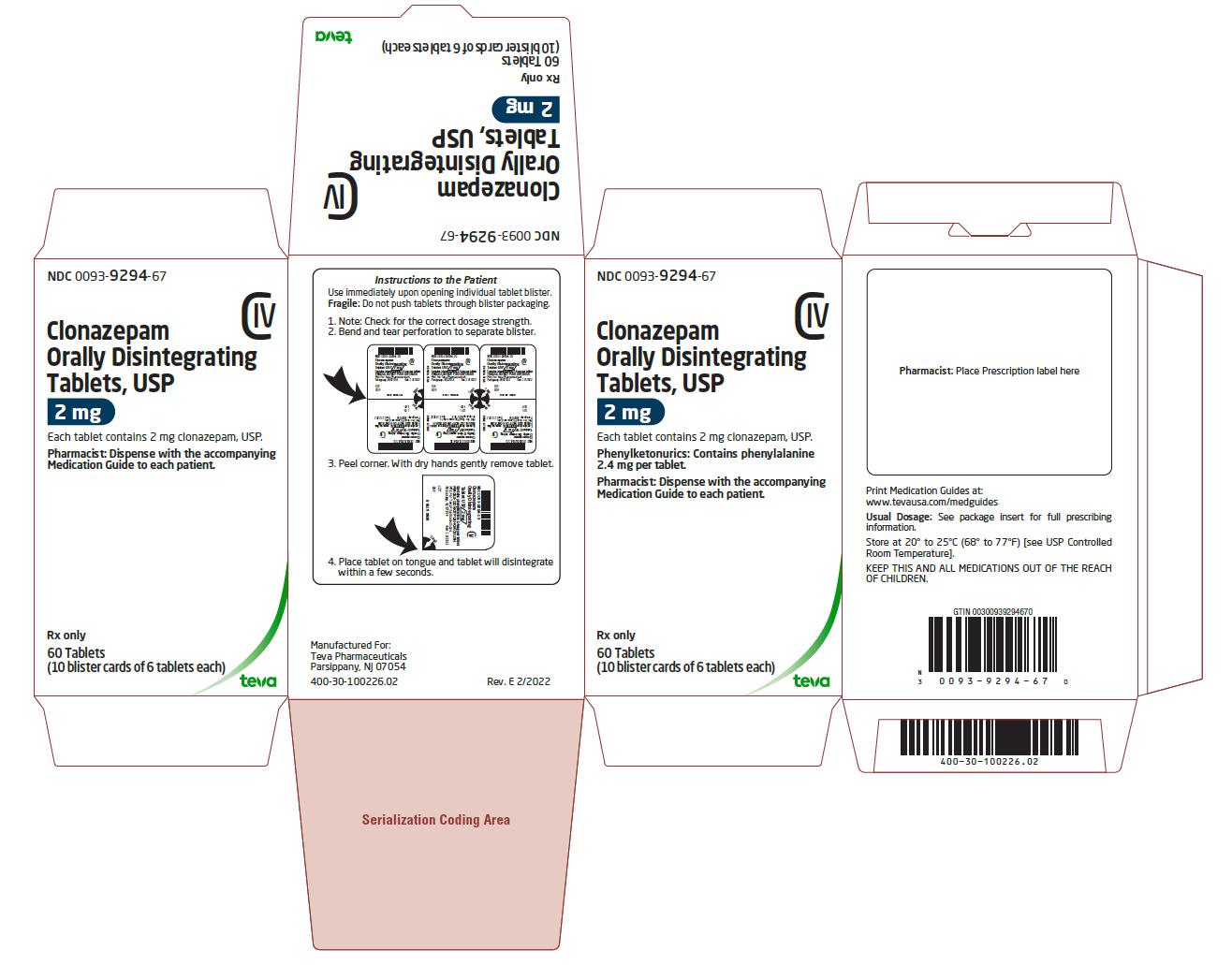
This is a medication guide for Clonazepam Orally Disintegrating tablets. Each tablet contains 2mg of Clonazepam and is used to treat anxiety and seizures. The tablets must not be pushed through blister packaging and the correct dosage strength should be checked. The medication guide should be provided to each patient and the usual dosage should be followed as indicated in the package insert. The tablets should be stored at 20° to 25°C. The product is manufactured by Teva Pharmaceuticals and should be kept out of reach of children. Serialization coding area is present.*

* These product label images have been analyzed using experimental machine learning. Please verify findings with the primary label text.