Lidocaine Hydrochloride Solution
Product Images NDC 0116-4027

View Photos of Packaging, Regulatory Labels, and Product Appearance

Product Visual Gallery

This gallery contains 23 technical images submitted to the FDA as part of the official labeling for Lidocaine Hydrochloride (NDC 0116-4027). Unlike standard consumer photos, these assets often include clinical data figures, molecular chemical structures, and official manufacturer packaging layouts.

As provided by Xttrium Laboratories, Inc., these visuals offer a comprehensive scientific overview of the product's physical and chemical identity, aiding pharmacists and researchers in product verification and study.

FDA Label Image

Bottle Label (Bottle 1)
Bottle Label (Bottle 1)
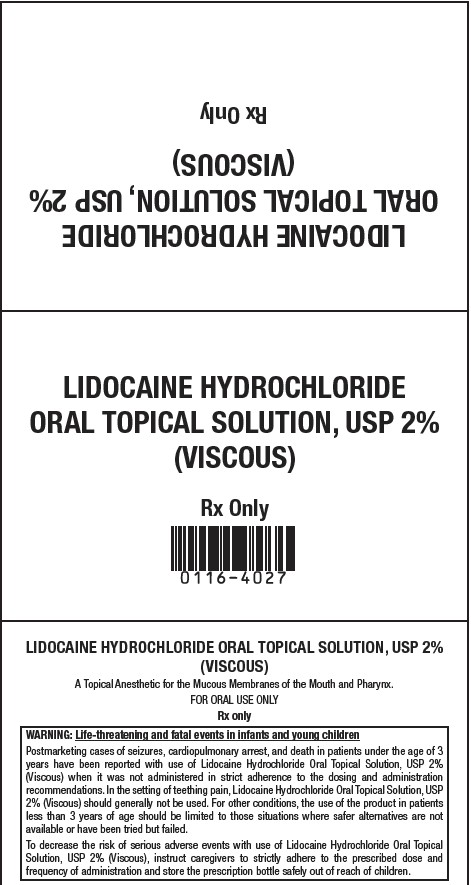
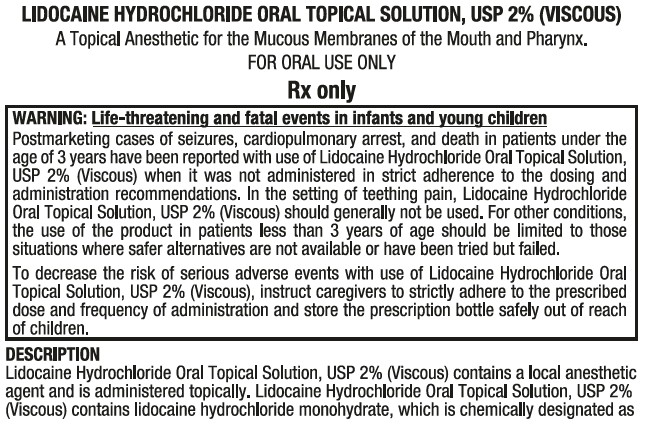
This is a description of Lidocaine Hydrochloride Oral Topical Solution, USP 2% (Viscous). It is a topical anesthetic designed for the mucous membranes of the mouth and pharynx and is intended for oral use only. There are specific warnings discussed regarding the use of this product in infants and young children due to potential life-threatening events when not used according to dosing and administration recommendations. It is noted that this solution should generally not be used for teething pain in young children. Caregivers are advised to strictly follow prescribed dosing instructions to minimize risks, and to store the solution out of reach of children. The solution contains lidocaine hydrochloride monohydrate as the active ingredient, functioning as a local anesthetic agent when applied topically.*
FDA Label Image

Bottle Label (Bottle 10)

Bottle Label (Bottle 10)
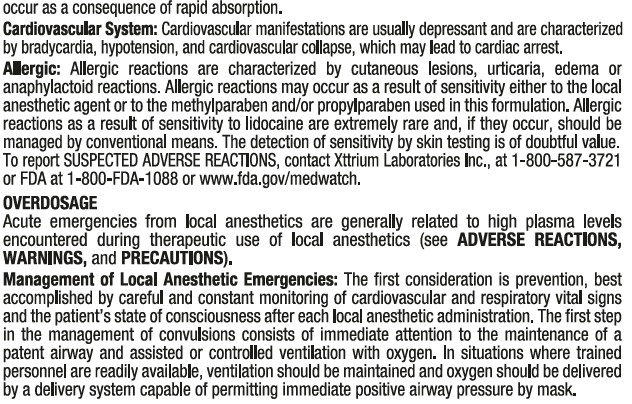
This text describes the possible adverse reactions and overdosage symptoms related to local anesthetic agents. Adverse reactions can include cardiovascular manifestations such as bradycardia and hypotension, allergic reactions with cutaneous lesions, and anaphylactoid reactions. Overdosage emergencies are generally related to high plasma levels of local anesthetics and management includes monitoring vital signs, maintaining a patent airway, and assisted ventilation with oxygen. It is important to report suspected adverse reactions and handle allergic reactions with caution.*
FDA Label Image

Bottle Label (Bottle 11)

Bottle Label (Bottle 11)
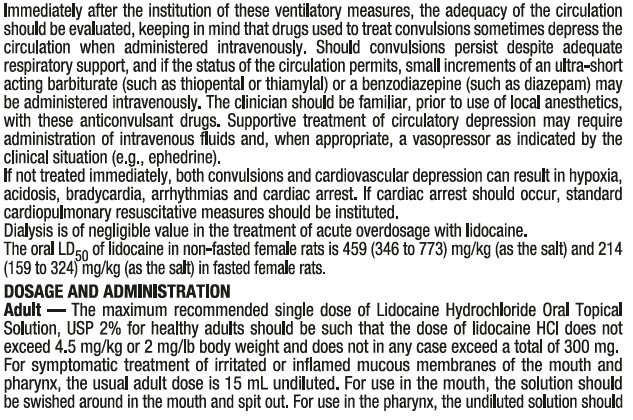
This text provides detailed information on the management of convulsions and cardiovascular depression, particularly focusing on the use of ventilatory measures, anticonvulsant drugs, and supportive treatments like intravenous fluids and vasopressors. It also mentions the importance of timely intervention to prevent complications such as hypoxia, acidosis, and cardiac arrest. Additionally, it outlines dosage and administration guidelines for Lidocaine Hydrochloride Oral Topical Solution, emphasizing the maximum recommended doses for healthy adults and the symptomatic treatment of irritated or inflamed mucous membranes of the mouth and pharynx.*
FDA Label Image

Bottle Label (Bottle 12)

Bottle Label (Bottle 12)
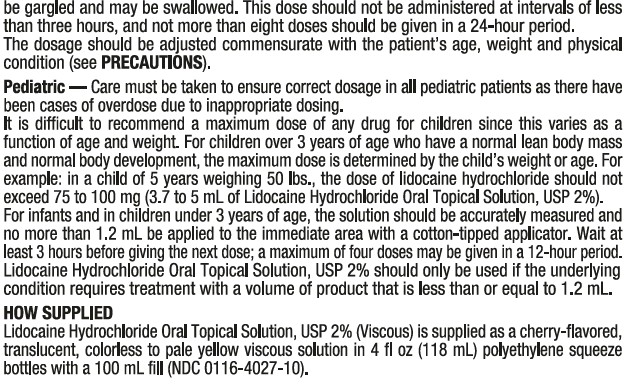
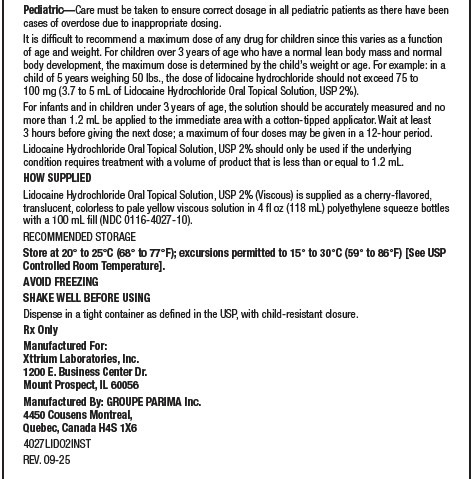
This text provides guidelines for the proper dosage and administration of Lidocaine Hydrochloride Oral Topical Solution, USP 2% in pediatric patients. It emphasizes the importance of adjusting the dosage based on the patient's age, weight, and physical condition to prevent overdose. The text advises on the maximum dose for children over 3 years old with normal body development and lean body mass, while also cautioning on the maximum dose for infants and children under 3 years of age. Additionally, it describes how Lidocaine Hydrochloride Oral Topical Solution, USP 2% is supplied in 4 fl oz polyethylene squeeze bottles.*
FDA Label Image

Bottle Label (Bottle 13)

Bottle Label (Bottle 13)
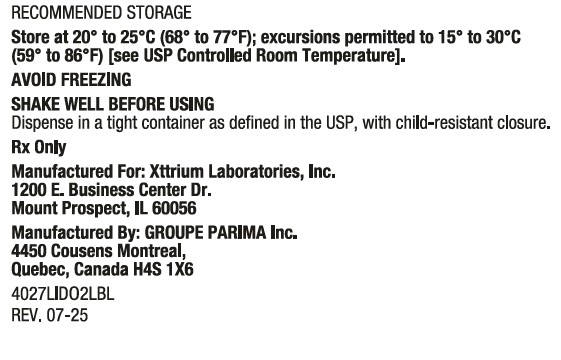
This text contains information about the recommended storage conditions for a product, advising to store it at a specific temperature range and avoid freezing. It also mentions the need to shake well before using and dispense it in a tight container with a child-resistant closure. The product is manufactured for Xttrium Laboratories, Inc. in Mount Prospect, IL and manufactured by GROUPE PARIMA Inc. in Quebec, Canada. The reference number is 4027LID02LBL with the revision date of 07-25.*
FDA Label Image

Bottle Label (Bottle 14)

FDA Label Image

Bottle Label (Bottle 2)

Bottle Label (Bottle 2)
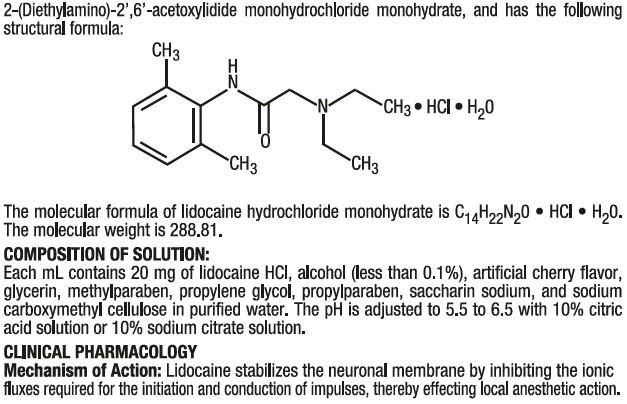
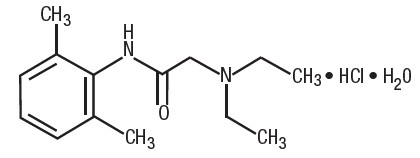
This text contains information about Lidocaine hydrochloride monohydrate, including its molecular formula, molecular weight, composition of solution, and clinical pharmacology. Lidocaine works by stabilizing the neuronal membrane, inhibiting ionic fluxes for local anesthesia. The solution also includes components like alcohol, flavoring, preservatives, and pH adjusters.*
FDA Label Image

Bottle Label (Bottle 3)

Bottle Label (Bottle 3)
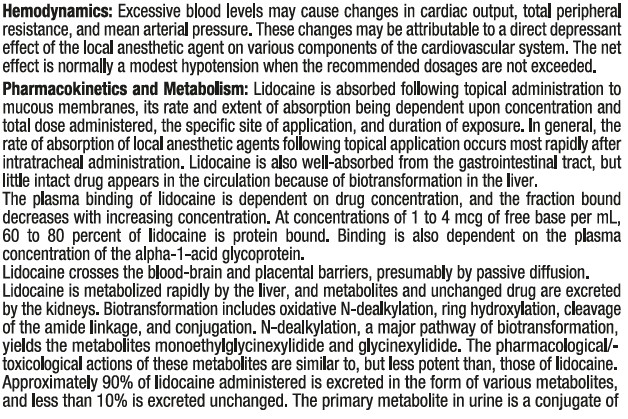
This is a detailed description of the hemodynamics, pharmacokinetics, and metabolism of lidocaine. It explains how lidocaine affects cardiac output, blood pressure, and total peripheral resistance due to its direct depressant effect on the cardiovascular system. The text also discusses the absorption of lidocaine from mucous membranes, the gastrointestinal tract, and intratracheal administration. It further explains the plasma binding of lidocaine, its metabolism in the liver, and the excretion of metabolites by the kidneys. This information is valuable for understanding the pharmacological properties and effects of lidocaine in the body.*
FDA Label Image

Bottle Label (Bottle 4)

Bottle Label (Bottle 4)
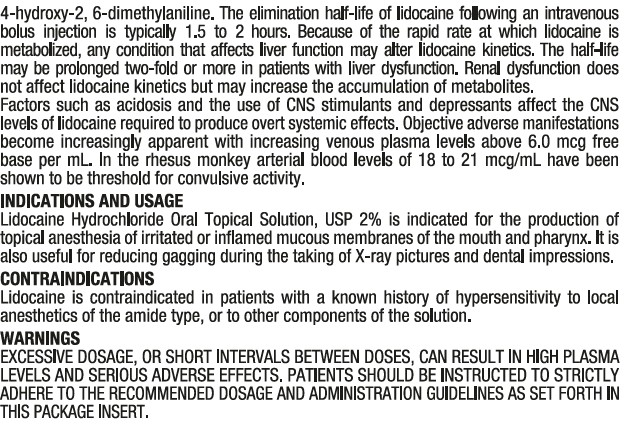
Lidocaine Hydrochloride Oral Topical Solution, USP 2% is used to provide topical anesthesia for irritated or inflamed mucous membranes in the mouth and throat. It can also help reduce gag reflex during X-rays or dental procedures. Liver dysfunction can prolong the half-life of lidocaine, while renal dysfunction may increase metabolite accumulation. It is important to avoid excessive dosage or short intervals between doses to prevent high plasma levels and serious adverse effects, as strict adherence to recommended dosage and administration guidelines is essential.*
FDA Label Image

Bottle Label (Bottle 5)

Bottle Label (Bottle 5)
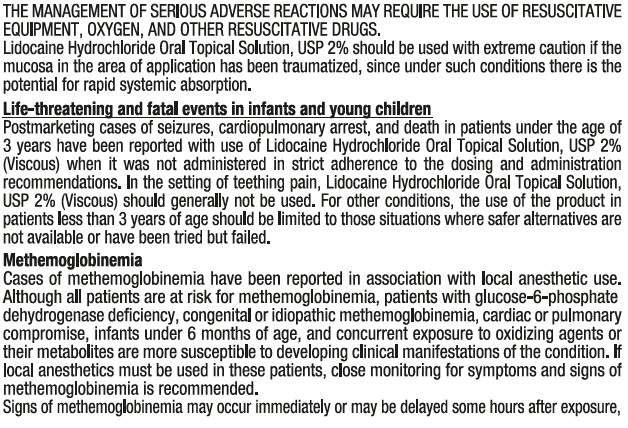
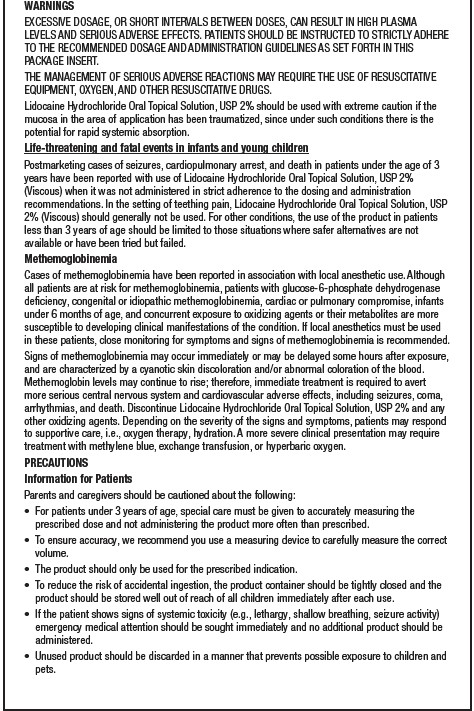
This text is a warning about the serious adverse reactions associated with the use of Lidocaine Hydrochloride Oral Topical Solution, USP 2%. It mentions the need for resuscitative equipment, oxygen, and other drugs in case of severe reactions. The text emphasizes the caution to be taken when using the solution on traumatized mucosa due to the potential for rapid systemic absorption. It also highlights the risks in infants and young children, including seizures, cardiopulmonary arrest, and methemoglobinemia. Close monitoring and adherence to dosing recommendations are crucial when using this product, especially in vulnerable populations.*
FDA Label Image

Bottle Label (Bottle 6)

Bottle Label (Bottle 6)
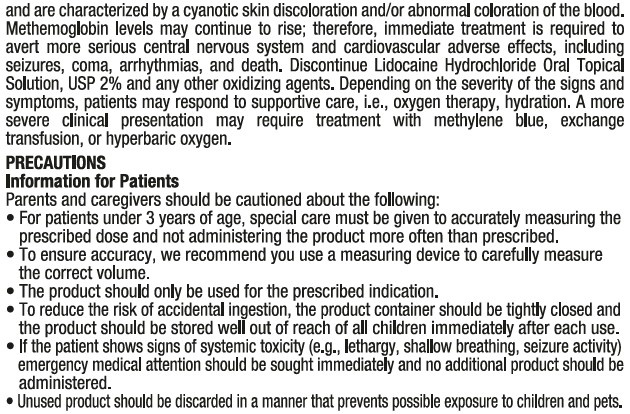
This text discusses the characteristics of cyanotic skin discoloration and abnormal coloration of the blood, which are indicative of high methemoglobin levels. Immediate treatment, such as discontinuing certain agents and providing supportive care like oxygen therapy or hydration, is crucial to prevent severe adverse effects on the central nervous system and cardiovascular system. Precautions for patients and caregivers are also outlined, emphasizing the importance of accurate dosing, proper storage of the product, and seeking medical attention if signs of systemic toxicity occur.*
FDA Label Image

Bottle Label (Bottle 7)

Bottle Label (Bottle 7)
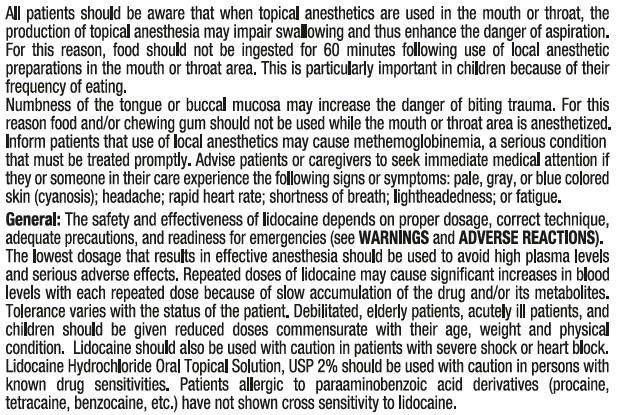
This text provides important information for patients using topical anesthetics in the mouth or throat. It emphasizes the need to avoid food for 60 minutes after anesthesia to prevent aspiration. It also warns about the risk of numbness which may increase the danger of biting trauma. Additionally, it advises patients to be aware of signs of methemoglobinemia and to seek immediate medical attention if experiencing certain symptoms. The document also highlights the importance of using lidocaine safely and effectively by following proper dosage, technique, and precautions, especially in vulnerable populations like children and elderly patients. It cautions against repeated doses due to the risk of high blood levels and adverse effects, and suggests adjusting doses based on patient characteristics. Additionally, it mentions that lidocaine should be used cautiously in patients with severe shock or heart block, and for those with known drug sensitivities.*
FDA Label Image

Bottle Label (Bottle 8)

Bottle Label (Bottle 8)
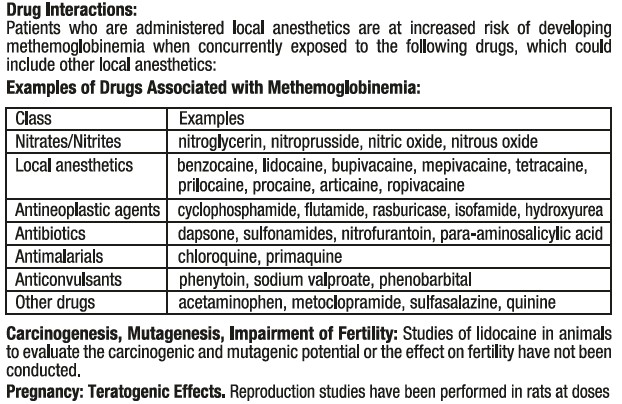
This text provides information on drug interactions related to methemoglobinemia, including examples of drugs associated with this condition such as nitrates/nitrites, local anesthetics, antineoplastic agents, antibiotics, antimalarials, anticonvulsants, and other drugs. It also mentions the lack of studies on the carcinogenic, mutagenic, and fertility effects of lidocaine in animals, as well as teratogenic effects observed in rat reproduction studies.*
FDA Label Image

Bottle Label (Bottle 9)

Bottle Label (Bottle 9)
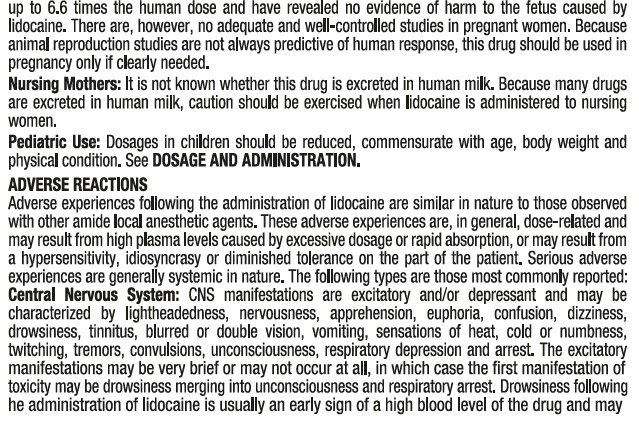
This text provides important information regarding the use of lidocaine in pregnant women, nursing mothers, and children. It mentions that studies on animals did not show harm to the fetus from lidocaine, but there is a lack of well-controlled studies on pregnant women. For nursing mothers, caution is advised as it is unknown if the drug is excreted in human milk. Dosages for children should be adjusted based on age, weight, and physical condition. Adverse reactions related to lidocaine use are discussed, including central nervous system manifestations such as excitatory and depressant symptoms, nervousness, drowsiness, and respiratory depression. Administering lidocaine should be carefully monitored to prevent adverse effects.*
FDA Label Image

Insert (Insert 2)

Insert (Insert 2)
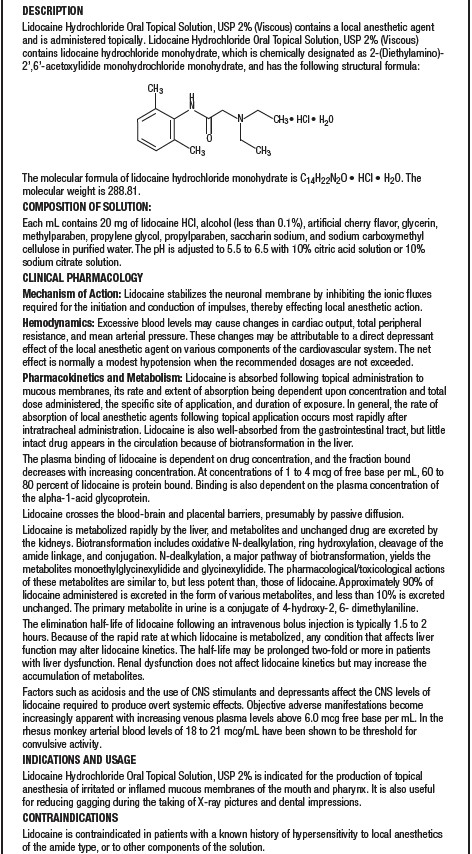
This is a detailed description of Lidocaine Hydrochloride Oral Topical Solution, USP 2% Viscous. It includes information on the composition of the solution, clinical pharmacology, mechanisms of action, pharmacokinetics, metabolism, plasma binding, distribution, metabolism, and elimination of Lidocaine. It also covers indications and usage of the solution for oral anesthesia and contraindications for patients with hypersensitivity to local anesthetics. The text provides a comprehensive overview of the medication's properties, actions, and effects.*
FDA Label Image

Insert (Insert 4)

Insert (Insert 4)
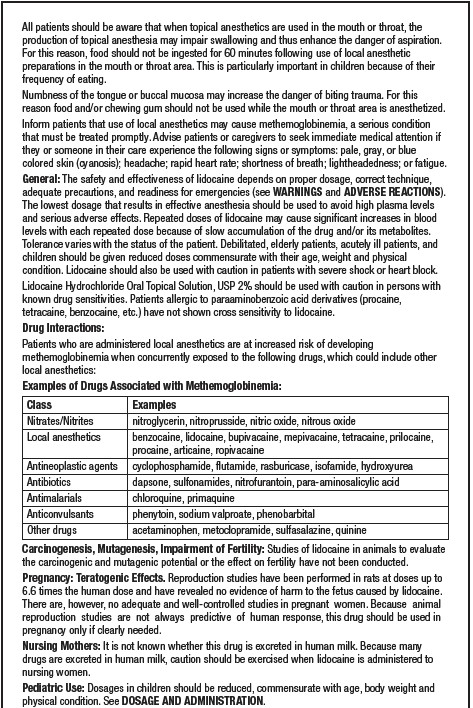
This text provides important information about the use of topical anesthetics in the mouth and throat, highlighting precautions to prevent swallowing impairment and the risk of methemoglobinemia. It includes dosage instructions, potential adverse effects, and interactions with other drugs that can increase the risk of methemoglobinemia. The text also mentions specific precautions for pediatric use, elderly patients, and individuals with drug sensitivities. Additionally, it discusses the lack of studies on the carcinogenic and mutagenic potential of lidocaine in animals, as well as teratogenic effects in pregnancy and potential excretion in breast milk for nursing mothers. Overall, it emphasizes the importance of proper dosage, technique, precautions, and readiness for emergencies when using lidocaine.*
FDA Label Image

Ud Cup Lid (Lidocaine Lid)

Ud Cup Lid (Lidocaine Lid)
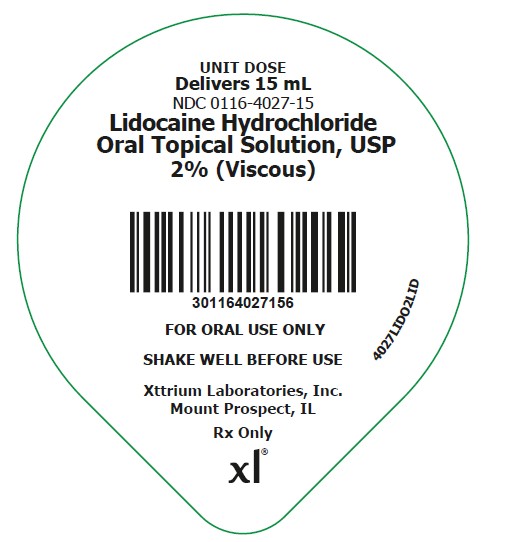
This is a unit dose of Lidocaine Hydrochloride Oral Topical Solution, USP with a strength of 2% (Viscous), which delivers 15 mL per dose. The National Drug Code (NDC) for this product is 0116-4027-15. The solution is intended for oral use only, and it is recommended to shake well before use. Manufactured by Xttrium Laboratories, Inc. in Mount Prospect, IL. This product is available by prescription only.*
FDA Label Image

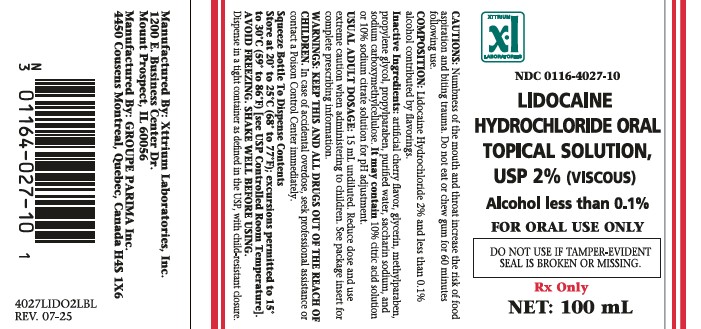
Bottle Label (Lidocaine Bottle)

Bottle Label (Lidocaine Bottle)
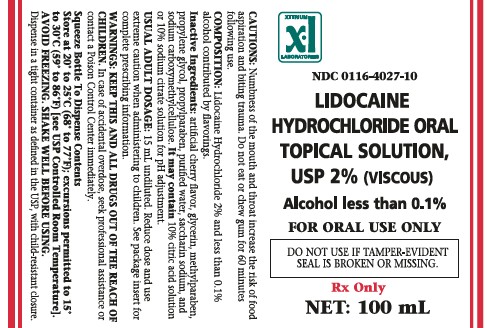
This text appears to be a label or description of a product, possibly a medication. It contains information about the composition, cautions for use, and manufacturing details. The product seems to contain Lidocaine Hydrochloride 2% and less than 0.1% alcohol contributed by flavorings. The inactive ingredients may include artificial cherry flavor. The instructions mention not to exceed the recommended dose, avoid aspiration, and not to chew for more than 60 minutes. The product is dispensed in a tight container as defined in the US, with child-resistant features. It is manufactured by Xttrium Laboratories, Inc. and GROUPE PARIMA Inc. The reference number provided is 4027LIDO2LBL REV. 07-25.*
FDA Label Image

Insert (Insert 1)

Insert (Insert 1)
This is a description of Lidocaine Hydrochloride Oral Topical Solution, USP 2% (Viscous), which is a topical anesthetic for the mucous membranes of the mouth and pharynx. It is intended for oral use only. The text warns about life-threatening events in infants and young children, including seizures, cardiopulmonary arrest, and death, due to improper administration. Caregivers are advised to strictly adhere to the prescribed dose and administration frequency, and keep the prescription safely out of reach of children to decrease the risk of adverse effects. It also highlights that this product should generally not be used for teething pain in children under 3 years of age unless there are no safer alternatives available.*
FDA Label Image

Insert (Insert 3)

Insert (Insert 3)
This text discusses warnings, precautions, and management of serious adverse reactions related to Lidocaine Hydrochloride Oral Topical Solution, USP 2%. It emphasizes the importance of following the recommended dosage and administration guidelines to avoid high plasma levels and adverse effects. The text also highlights potential risks in infants and young children, such as seizures and fatal events, associated with the improper use of the solution. Furthermore, it addresses the risk of methemoglobinemia in certain patient populations and provides guidance on monitoring and managing symptoms, including the immediate treatment required to prevent serious central nervous system and cardiovascular effects. Additionally, it includes precautions for caregivers and parents, stressing the importance of accurately measuring and administering the prescribed dose, storing the product safely, and seeking immediate medical attention in case of systemic toxicity symptoms in patients.*
FDA Label Image

Insert (Insert 5)

Insert (Insert 5)
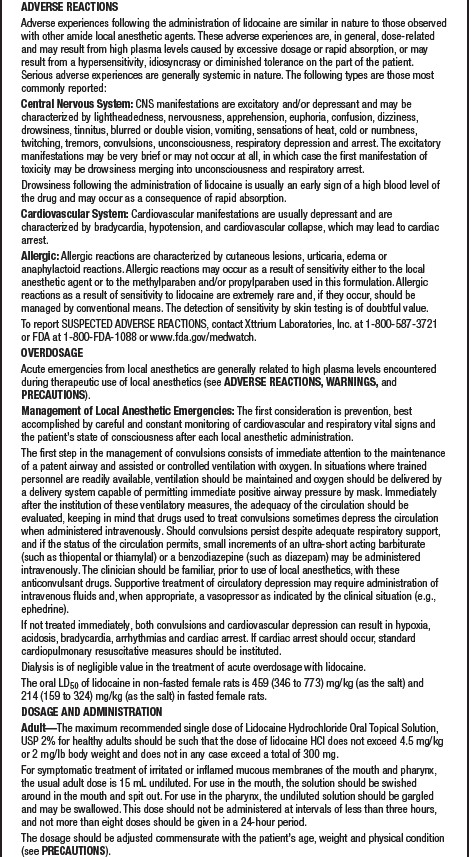
This text contains information about the adverse reactions, overdosage, and dosage and administration of Lidocaine, a local anesthetic. It provides details on the potential adverse effects of Lidocaine, such as symptoms related to the central nervous system and cardiovascular system. It also outlines management strategies for Lidocaine emergencies, including steps to address convulsions and cardiovascular depression. Additionally, it specifies the recommended dosage and administration instructions for Lidocaine in adults, particularly for treating inflamed mucous membranes in the mouth and pharynx. Overall, this text serves as a comprehensive guide for healthcare professionals on the use of Lidocaine.*
FDA Label Image

Insert (Insert 6)

Insert (Insert 6)
This text provides important information about dosage recommendations for Lidocaine Hydrochloride Oral Topical Solution, USP 2% for pediatric patients. It highlights the importance of accurate dosing, storage conditions, and proper usage instructions. The maximum doses for children over 3 years old, infants, and toddlers are specified. The text also includes details on how the solution is supplied and recommended storage conditions. Please note that the text may vary or include additional details that are not mentioned in this summary.*
FDA Label Image

Lidocaine 2% (Structural Formula)

* These product label images have been analyzed using experimental machine learning. Please verify findings with the primary label text.