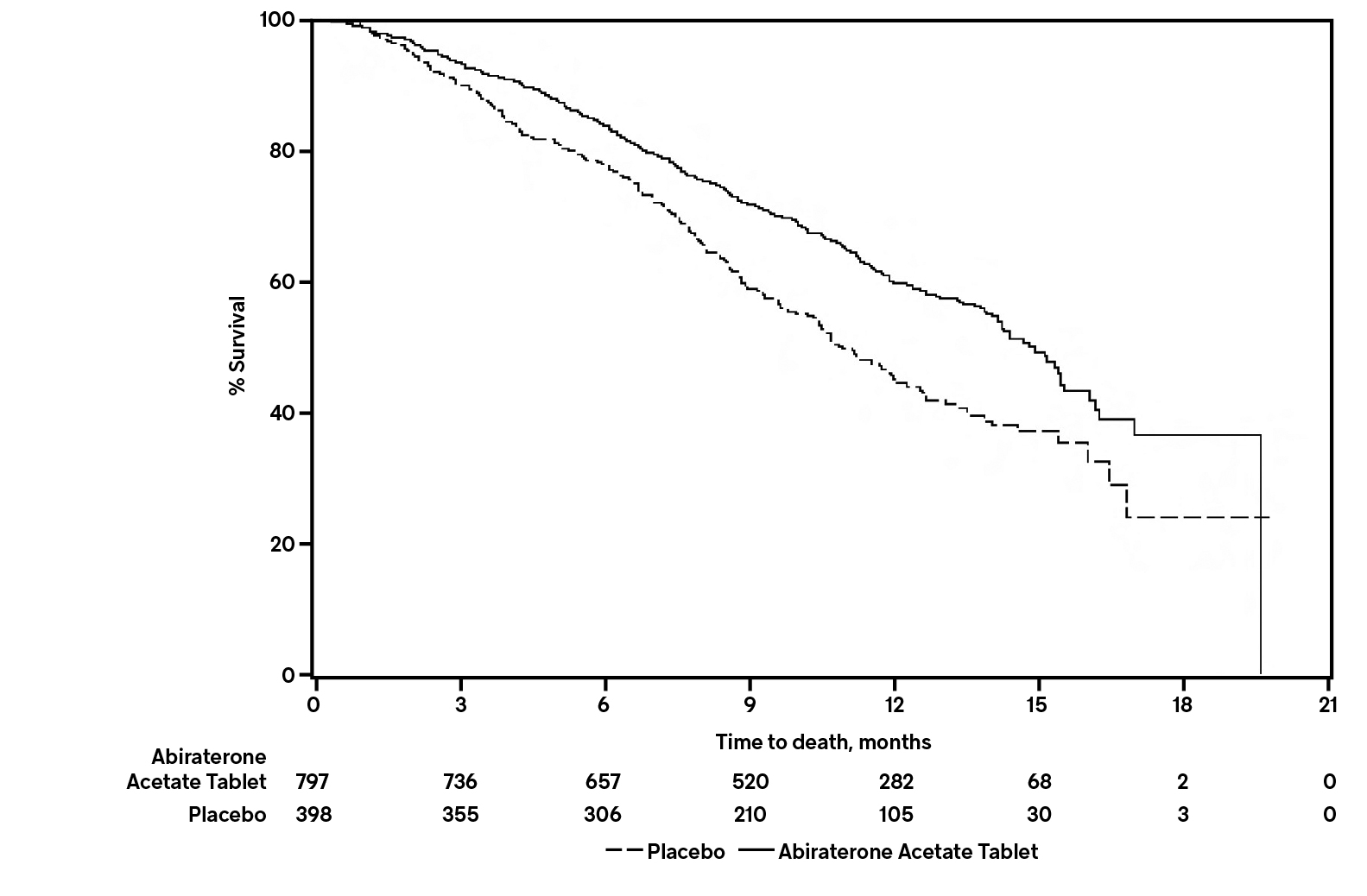
Table 7: Overall Survival of Patients Treated with Either Abiraterone Acetate or Placebo in Combination with Prednisone in COU-AA-301 (Intent-to-Treat Analysis)
| | |
| Prednisone | | Prednisone |
| (N=797) | | (N=398) |
Primary Survival Analysis | | | |
Deaths (%) | 333 (42%) | | 219 (55%) |
Median survival (months) | 14.8 (14.1, 15.4) | | 10.9 (10.2, 12.0) |
(95% CI) | | | |
p-value1 | | <0.0001 | |
Hazard ratio (95% CI)2 | | 0.646 (0.543, 0.768) | |
Updated Survival Analysis | | | |
Deaths (%) | 501 (63%) | | 274 (69%) |
Median survival (months) | 15.8 (14.8, 17.0) | | 11.2 (10.4, 13.1) |
(95% CI) | | | |
Hazard ratio (95% CI)2 | | 0.740 (0.638, 0.859) | |
1 p-value is derived from a log-rank test stratified by ECOG performance status score (0-1 vs. 2), pain score (absent vs. present), number of prior chemotherapy regimens (1 vs. 2), and type of disease progression (PSA only vs. radiographic).
2 Hazard Ratio is derived from a stratified proportional hazards model. Hazard ratio <1 favors abiraterone acetate with prednisone
Figure 1: Kaplan-Meier Overall Survival Curves in COU-AA-301 (Intent-to-Treat Analysis)
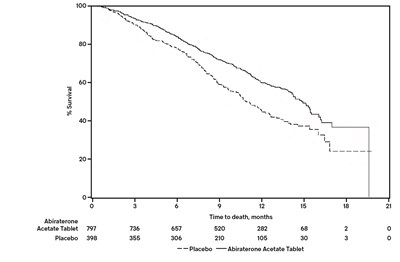
Figure-1-02-05-2025.jpg (Figure 1 02 05 2025)
COU-AA-302: Patients with metastatic CRPC who had not received prior cytotoxic chemotherapy
In COU-AA-302, (NCT00887198), 1088 patients were randomized 1:1 to receive either abiraterone acetate orally at a dose of 1,000 mg once daily (N=546) or Placebo orally once daily (N=542). Both arms were given concomitant prednisone 5 mg twice daily. Patients continued treatment until radiographic or clinical (cytotoxic chemotherapy, radiation or surgical treatment for cancer, pain requiring chronic opioids, or ECOG performance status decline to 3 or more) disease progression, unacceptable toxicity or withdrawal. Patients with moderate or severe pain, opiate use for cancer pain, or visceral organ metastases were excluded.
Patient demographics were balanced between the treatment arms. The median age was 70 years. The racial distribution of patients treated with abiraterone acetate was 95% Caucasian, 2.8% Black, 0.7% Asian and 1.1% Other. The ECOG performance status was 0 for 76% of patients, and 1 for 24% of patients. Co-primary efficacy endpoints were overall survival and radiographic progression-free survival (rPFS). Baseline pain assessment was 0–1 (asymptomatic) in 66% of patients and 2–3 (mildly symptomatic) in 26% of patients as defined by the Brief Pain Inventory-Short Form (worst pain over the last 24 hours).
Radiographic progression-free survival was assessed with the use of sequential imaging studies and was defined by bone scan identification of 2 or more new bone lesions with confirmation (Prostate Cancer Working Group 2 criteria) and/or modified Response Evaluation Criteria In Solid Tumors (RECIST) criteria for progression of soft tissue lesions. Analysis of rPFS utilized centrally-reviewed radiographic assessment of progression.
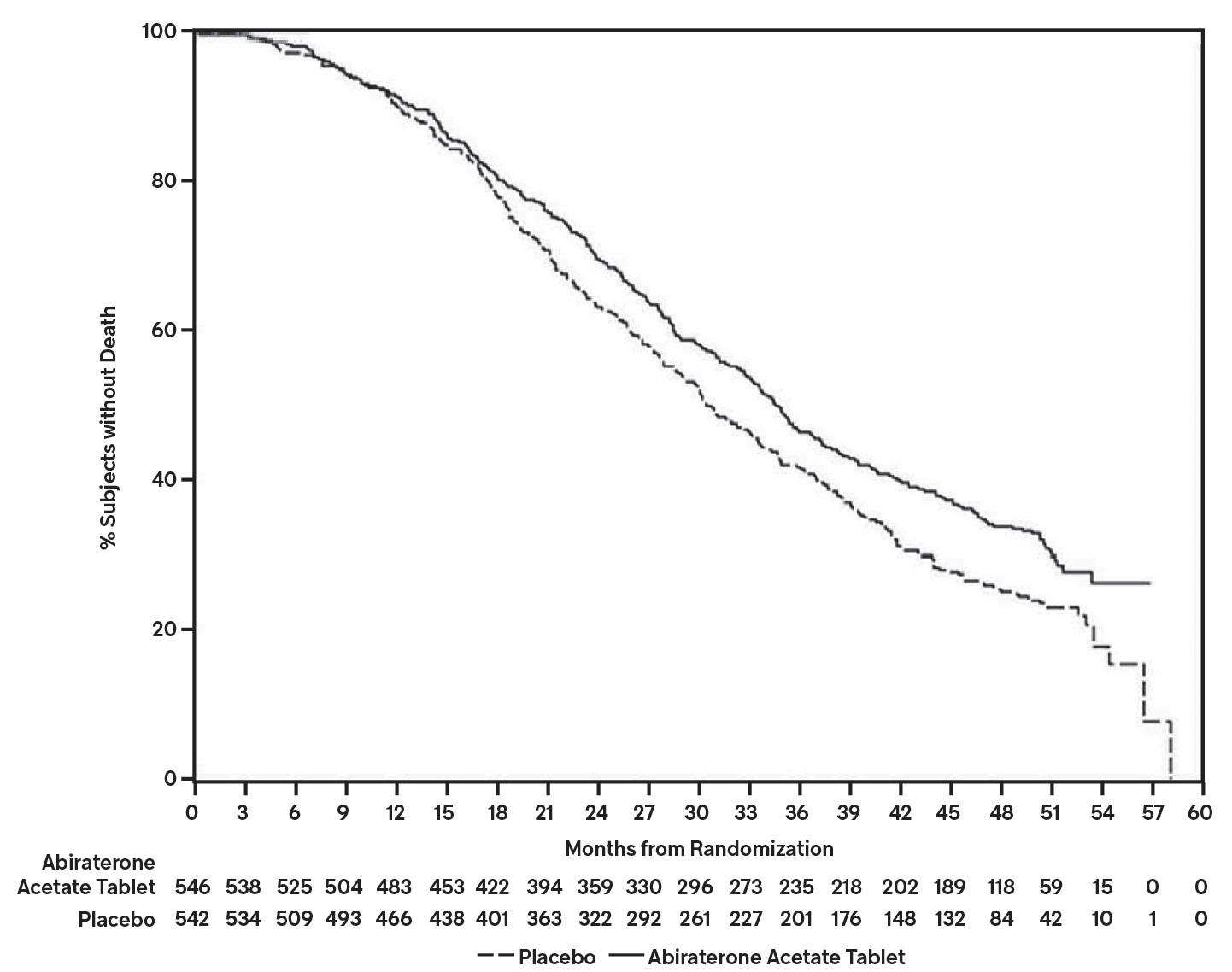
The planned final analysis for OS, conducted after 741 deaths (median follow up of 49 months) demonstrated a statistically significant OS improvement in patients treated with abiraterone acetate with prednisone compared to those treated with placebo with prednisone (Table 8 and Figure 2). Sixty-five percent of patients on the abiraterone acetate arm and 78% of patients on the placebo arm used subsequent therapies that may prolong OS in metastatic CRPC. Abiraterone acetate was used as a subsequent therapy in 13% of patients on the abiraterone acetate arm and 44% of patients on the placebo arm.
Table 8: Overall Survival of Patients Treated with Either Abiraterone Acetate or Placebo in Combination with Prednisone in COU-AA-302 (Intent-to-Treat Analysis)
| Overall Survival | Abiraterone Acetate with Prednisone
(N=546)
| Placebo with Prednisone
(N=542) |
|---|
Deaths | 354 (65%) | 387 (71%) |
Median survival (months)
(95% CI) | 34.7 (32.7, 36.8) | 30.3 (28.7, 33.3) |
p-value1 | 0.0033 |
Hazard ratio2 (95% CI) | 0.81 (0.70, 0.93) |
1 p-value is derived from a log-rank test stratified by ECOG performance status score (0 vs. 1).
2 Hazard Ratio is derived from a stratified proportional hazards model. Hazard ratio <1 favors abiraterone acetate with prednisone. |
Figure 2: Kaplan Meier Overall Survival Curves in COU-AA-302
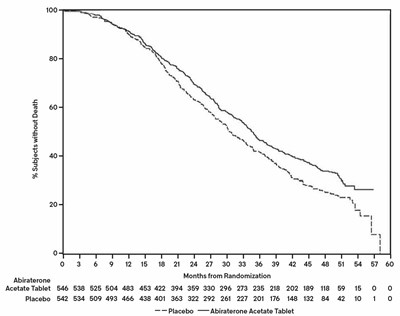
Figure-2-02-08-2025.jpg (Figure 2 02 08 2025)
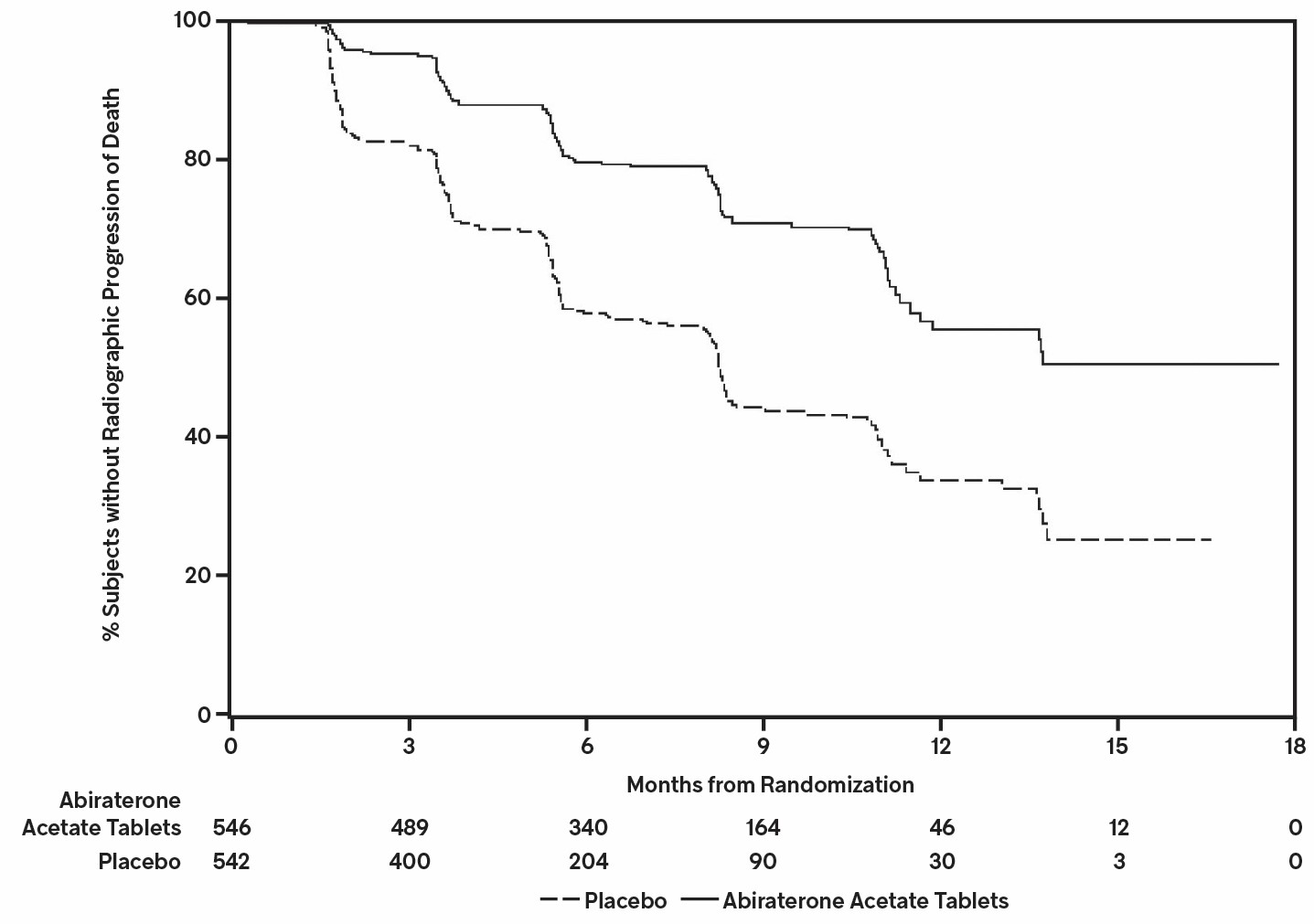
At the pre-specified rPFS analysis, 150 (28%) patients treated with abiraterone acetate with prednisone and 251 (46%) patients treated with placebo with prednisone had radiographic progression. A significant difference in rPFS between treatment groups was observed (Table 9 and Figure 3).
Table 9: Radiographic Progression-free Survival of Patients Treated with Either Abiraterone Acetate or Placebo in Combination with Prednisone in COU-AA-302 (Intent-to-Treat Analysis)
| Radiographic Progression-free Survival | Abiraterone Acetate with
Prednisone (N=546) | Placebo with
Prednisone (N=542) |
|---|
Progression or death | 150 (28%) | 251 (46%) |
Median rPFS (months)
(95% CI) | NR
(11.66, NR) | 8.28
(8.12, 8.54) |
p-value1 | <0.0001 |
Hazard ratio2 (95% CI) | 0.425 (0.347, 0.522) |
NR=Not reached.
1 p-value is derived from a log-rank test stratified by ECOG performance status score (0 vs. 1).
2 Hazard Ratio is derived from a stratified proportional hazards model. Hazard ratio <1 favors abiraterone acetate with prednisone. |
Figure 3: Kaplan Meier Curves of Radiographic Progression-free Survival in COU-AA-302
(Intent-to-Treat Analysis)
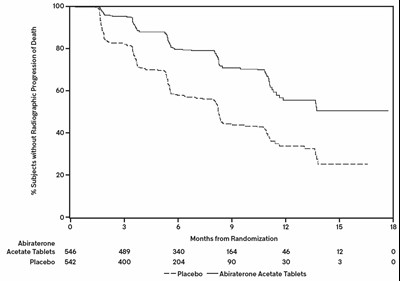
Figure-3-02-05-2025.jpg (Figure 3 02 05 2025)
The primary efficacy analyses are supported by the following prospectively defined endpoints. The median time to initiation of cytotoxic chemotherapy was 25.2 months for patients in the abiraterone acetate arm and 16.8 months for patients in the placebo arm (HR=0.580; 95% CI: [0.487, 0.691], p < 0.0001).
The median time to opiate use for prostate cancer pain was not reached for patients receiving abiraterone acetate and was 23.7 months for patients receiving placebo (HR=0.686; 95% CI: [0.566, 0.833], p=0.0001). The time to opiate use result was supported by a delay in patient reported pain progression favoring the abiraterone acetate arm.
LATITUDE: Patients with metastatic high-risk CSPC
In LATITUDE (NCT01715285), 1199 patients with metastatic high-risk CSPC were randomized 1:1 to receive either abiraterone acetate orally at a dose of 1,000 mg once daily with prednisone 5 mg once daily (N=597) or placebos orally once daily (N=602). High-risk disease was defined as having at least two of three risk factors at baseline: a total Gleason score of ≥8, presence of ≥3 lesions on bone scan, and evidence of measurable visceral metastases. Patients with significant cardiac, adrenal, or hepatic dysfunction were excluded. Patients continued treatment until radiographic or clinical disease progression, unacceptable toxicity, withdrawal or death. Clinical progression was defined as the need for cytotoxic chemotherapy, radiation or surgical treatment for cancer, pain requiring chronic opioids, or ECOG performance status decline to ≥3.
Patient demographics were balanced between the treatment arms. The median age was 67 years among all randomized subjects. The racial distribution of patients treated with abiraterone acetate was 69% Caucasian, 2.5% Black, 21% Asian, and 8.1% Other. The ECOG performance status was 0 for 55%, 1 for 42%, and 2 for 3.5% of patients. Baseline pain assessment was 0-1 (asymptomatic) in 50% of patients, 2-3 (mildly symptomatic) in 23% of patients, and ≥4 in 28% of patients as defined by the Brief Pain Inventory-Short Form (worst pain over the last 24 hours).
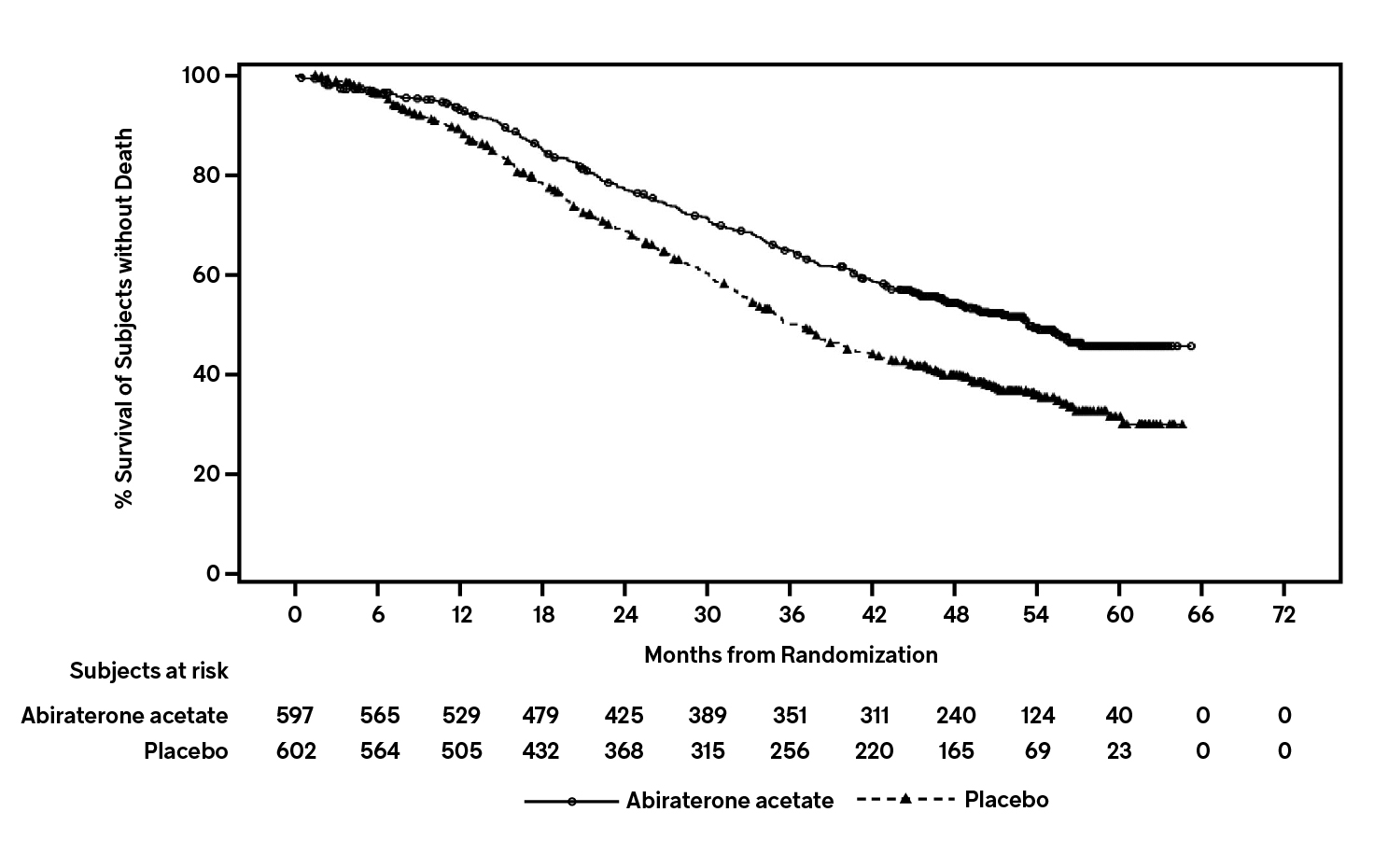
A major efficacy outcome was overall survival. The pre-specified interim analysis after 406 deaths showed a statistically significant improvement in OS in patients on abiraterone acetate with prednisone compared to those on placebos. Twenty-one percent of patients on the abiraterone acetate arm and 41% of patients on the placebos arm received subsequent therapies that may prolong OS in metastatic CRPC. An updated survival analysis was conducted when 618 deaths were observed. The median follow-up time was 52 months. Results from this analysis were consistent with those from the pre-specified interim analysis (Table 10 and Figure 4). At the updated analysis, 29% of patients on the abiraterone acetate arm and 45% of patients on the placebos arm received subsequent therapies that may prolong OS in metastatic CRPC.
Table 10: Overall Survival of Patients Treated with Either Abiraterone Acetate or Placebos in LATITUDE
(Intent-to-Treat Analysis)
| Abiraterone Acetate with Prednisone (N=597) | Placebos (N=602) |
Overall Survival1 |
Deaths (%) | 169 (28%) | 237 (39%) |
Median survival (months) | NE (NE, NE) | 34.7 (33.1, NE) |
(95% CI)
p-value2 | <0.0001 |
Hazard ratio (95% CI)3 | 0.62 (0.51, 0.76) |
Updated Overall Survival |
Deaths (%) | 275 (46%) | 343 (57%) |
Median survival (months)
(95% CI) | 53.3
(48.2, NE) | 36.5
(33.5, 40.0) |
Hazard ratio (95% CI)3 | 0.66 (0.56, 0.78) |
NE=Not estimable
1This is based on the pre-specified interim analysis
2p value is from log-rank test stratified by ECOG PS score (0/1 or 2) and visceral (absent or present).
3Hazard Ratio is derived from a stratified proportional hazards model. Hazard ratio <1 favors abiraterone acetate with prednisone.
Figure 4: Kaplan-Meier Plot of Overall Survival; Intent-to-treat Population in LATITUDE Updated Analysis
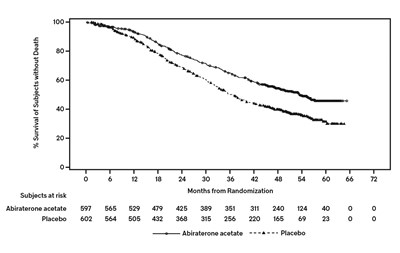
Figure-4-02-05-2025.jpg (Figure 4 02 05 2025)
The major efficacy outcome was supported by a statistically significant delay in time to initiation of chemotherapy for patients in the abiraterone acetate arm compared to those in the placebos arm. The median time to initiation of chemotherapy was not reached for patients on abiraterone acetate with prednisone and was 38.9 months for patients on placebos (HR = 0.44; 95% CI: [0.35, 0.56], p < 0.0001).