Lidocaine And Prilocaine Cream
Product Images NDC 0168-0357

10 FDA label images from E. Fougera & Co. A Division Of Fougera Pharmaceuticals, Llc · Packaging, Regulatory Labels, and Product Appearance

Product Visual Gallery

This gallery contains 10 technical images submitted to the FDA as part of the official labeling for Lidocaine And Prilocaine (NDC 0168-0357). Unlike standard consumer photos, these assets often include clinical data figures, molecular chemical structures, and official manufacturer packaging layouts.

As provided by E. Fougera & Co. A Division Of Fougera Pharmaceuticals, Llc, these visuals offer a comprehensive scientific overview of the product's physical and chemical identity, aiding pharmacists and researchers in product verification and study.

FDA Label Image

Carton30gram

Carton30gram
Packaging label for Lidocaine and Prilocaine Cream 2.5%/2.5%, a topical cream by E. Fougera & Co., a division of Fougera Pharmaceuticals. The label includes dosage strength, usage warnings such as 'Not for Ophthalmic Use' and 'For External Use Only,' net weight of 30 grams, directions for opening the child-resistant tube cap, and a partial ingredient list. The NDC code 0168-0357-30 is displayed along with barcodes and pharmacist notes.*
FDA Label Image

Tube30g

Tube30g
Lidocaine and Prilocaine Cream, 2.5%/2.5%, 30 grams tube label from E. Fougera & Co., a division of Fougera Pharmaceuticals. The topical cream is for external use only, not for ophthalmic use, and comes in a child-resistant package. The label includes active ingredient strengths, storage instructions, and directions for opening and closing the tube.*
FDA Label Image

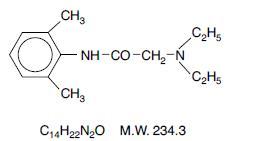
Structural Formula (Image 01)

Structural Formula (Image 01)
Chemical structure of lidocaine, showing its molecular formula (C14H22N2O) and molecular weight (234.3). The diagram depicts the arrangement of atoms including aromatic rings, methyl groups, and amide linkage typical of lidocaine molecules.*
FDA Label Image

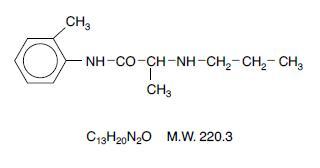
Structural Formula (Image 02)

Structural Formula (Image 02)
Chemical structure diagram showing the molecular formula C13H20N2O and molecular weight 220.3 for the active ingredient lidocaine in the topical cream product Lidocaine and Prilocaine.*
FDA Label Image

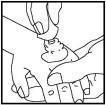
Figure (Image 03)

Figure (Image 03)
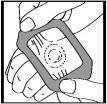
An instructional illustration showing the application of Lidocaine and Prilocaine cream. The image depicts a hand using a small amount of cream being applied to the skin, demonstrating the topical administration method.*
FDA Label Image

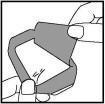
Figure (Image 04)

Figure (Image 04)
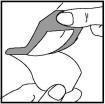
An instructional illustration showing hands peeling back the foil lid of a small ointment or cream tube, demonstrating how to open the packaging. The image is related to the topical cream Lidocaine and Prilocaine by E. Fougera & Co.*
FDA Label Image

Figure (Image 05)

Figure (Image 05)
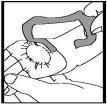
An instructional illustration showing a hand peeling back the protective foil from the top of a small cream packet. The image likely demonstrates how to open the individual packet of Lidocaine and Prilocaine topical cream for use.*
FDA Label Image

Figure (Image 06)

Figure (Image 06)
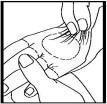
An instructional illustration showing a hand holding a foil packet, with the foil being peeled open. The image likely demonstrates how to open or apply the medication, corresponding to the Lidocaine and Prilocaine cream packaging.*
FDA Label Image

Figure (Image 07)

Figure (Image 07)
An illustration showing the application of a topical cream inside the nostril. The diagram depicts a partial nose with a finger applying cream onto the nasal mucosa, demonstrating the intended site of topical drug administration for Lidocaine and Prilocaine cream.*
FDA Label Image

Figure (Image 08)

Figure (Image 08)
An instructional illustration showing a hand applying cream to the skin of a foot, specifically spreading the cream over the area near the ankle using the fingers. This likely demonstrates topical application technique for a cream product.*

* About these descriptions: Image descriptions on this page are generated by automated AI analysis of the product label images from the manufacturer's FDA label submission (SPL). They are provided for reference only and may contain errors or omissions. Always rely on the printed label itself and the official FDA labeling, and consult a pharmacist or healthcare professional with any questions about this product.