Hibsago Injection, Solution
FDA Label NDC 0173-0941

46 label sections · Submitted to the FDA by Glaxosmithkline Llc · Indications, Dosage, Usage, and Precautions

Structured Product Label

The following Structured Product Label (SPL) was submitted to the FDA by Glaxosmithkline Llc for the product Hibsago (NDC 0173-0941). This document serves as the official prescribing information, containing essential scientific data and clinical materials required for healthcare providers and patients.

This specific version of the label includes detailed information regarding warning: on-treatment hepatic flares and thrombocytopenia, 1 indications and usage, 2.1 dosage and administration overview, 2.2 testing prior to initiation for patient selection, 2.3 recommended dosage, 2.4 laboratory monitoring and dosage modifications for adverse reactions, 2.5 preparation and administration of hibsago, 2.6 missed doses, and other regulatory disclosures. Use the navigation below to review specific sections of the FDA submission.

Label Section Quick Index

Warning: On-Treatment Hepatic Flares And Thrombocytopenia

On-Treatment Hepatic Flares

HIBSAGO may cause on-treatment hepatic flares with increases in ALT of >20-40x ULN associated with decline in HBsAg. Some cases were associated with hyperbilirubinemia. Most occurred in the first 12 weeks of treatment and resolved when treatment was interrupted or permanently discontinued [see Warnings and Precautions (5.1), Adverse Reactions (6.1)].

ALT and total bilirubin must be measured prior to initiation of HIBSAGO and frequently monitored during treatment [see Dosage and Administration (2.4), Warnings and Precautions (5.1)]. Do not initiate HIBSAGO in patients with evidence of acute hepatic impairment or cirrhosis [see Contraindications (4)].Interruption of treatment, followed by reducing the dose or discontinuation of HIBSAGO, may be necessary based on the results of liver laboratory tests [see Dosage and Administration (2.4)].

Thrombocytopenia

HIBSAGO may cause reductions in platelet counts that may result in sudden and unpredictable thrombocytopenia, which can be life-threatening.

Prior to starting HIBSAGO, obtain a platelet count to ensure the patient is eligible for treatment [see Contraindications (4)]. HIBSAGO is contraindicated in patients with a platelet count below 100 x 109/L prior to initiation of treatment. During treatment, monitor platelet counts weekly if values are 75 x 109/L or greater, and more frequently if values are less than 75 x 109/L [see Dosage and Administration (2.4), Warnings and Precautions (5.2)].

If a patient develops signs or symptoms of thrombocytopenia, obtain a platelet count as soon as possible. The patient should not receive additional doses of HIBSAGO unless platelet counts return to 100 x 109/L or greater. If platelet count falls below 50 x 109/L, treatment with HIBSAGO should be permanently discontinued [see Dosage and Administration (2.4), Warnings and Precautions (5.2)].

1 Indications And Usage

HIBSAGO is indicated in combination with nucleos(t)ide analog reverse transcriptase inhibitor (NrtI) therapy for treatment of chronic hepatitis B virus (HBV) infection in adult patients without cirrhosis:

  • who have been on NrtI therapy for at least 6 months and have suppressed HBV deoxyribonucleic acid (DNA), and
  • who have HBV surface antigen (HBsAg) levels less than or equal to 3,000 IU/mL as determined by an FDA-authorized test [see Dosage and Administration (2.2)].

2.1 Dosage And Administration Overview

  • HIBSAGO therapy should be prescribed only when appropriate laboratory monitoring can be performed to manage the treatment regimen. Close laboratory monitoring is required to assess for toxicities that may necessitate dose modification, treatment interruption, or permanent discontinuation of HIBSAGO [see Dosage and Administration (2.4), Warnings and Precautions (5.1, 5.2, 5.3)].
  • HIBSAGO must be administered under the guidance and supervision of a healthcare provider for the initial dose to ensure proper injection technique.
  • Patients or caregivers may administer HIBSAGO after their healthcare provider determines that it is appropriate and with medical follow-up, including laboratory testing. Healthcare providers must provide proper training in subcutaneous injection technique before the patient or caregivers can administer HIBSAGO [see Dosage and Administration (2.5)].
  • The maximum recommended duration of HIBSAGO treatment is 24 weeks [see Dosage and Administration (2.5, 2.7)].

2.2 Testing Prior To Initiation For Patient Selection

Prior to initiation of HIBSAGO for treatment of chronic HBV infection, test all patients to quantify HBsAg levels in serum or plasma to identify patients with baseline HBsAg levels less than or equal to 3,000 IU/mL [see Indications and Usage (1)]. In addition, test patients for HBV DNA, ALT, AST, bilirubin, platelet count, urine albumin-creatinine ratio (uACR), and estimated glomerular filtration rate (eGFR) prior to initiation of treatment and as directed while on treatment and following treatment completion [see Indications and Usage (1), Dosage and Administration (2.4), Contraindications (4), Warnings and Precautions (5.1, 5.2, 5.3)].

Information on FDA-authorized tests for the quantification of HBsAg levels is available at: http://www.fda.gov/CompanionDiagnostics.

HIBSAGO is for subcutaneous use only [see Dosage and Administration (2.5)]. The maximum recommended duration of HIBSAGO treatment is 24 weeks [see Dosage and Administration (2.7)].

HIBSAGO must be used in combination with NrtI therapy. Refer to the NrtI prescribing information for additional information.

Weeks 1 and 2

The recommended dosage of HIBSAGO is 300 mg (administered as two 150 mg subcutaneous injections) twice a week allowing 3 or 4 days between each dose.

Weeks 3 to 24

The recommended dosage of HIBSAGO is 300 mg (administered as two 150 mg subcutaneous injections) once a week on the same day each week.

Early cessation of HIBSAGO may be considered in patients who have not achieved HBsAg <1 IU/mL by Treatment Week 12 [see Clinical Studies (14)].

2.4 Laboratory Monitoring And Dosage Modifications For Adverse Reactions

During treatment with HIBSAGO, laboratory test monitoring is required to detect and manage adverse reactions. Based on laboratory test values, adjustments to HIBSAGO dosage, treatment interruption, and increased frequency of laboratory test monitoring may be required as described in Tables 1, 2, and 3.

Dosage Modifications Based on ALT and Total Bilirubin Values

Table 1 displays the recommended ALT and total bilirubin monitoring and HIBSAGO dosage modifications due to ALT and total bilirubin value changes.

Table 1. Laboratory Monitoring and Dosage Modifications of HIBSAGO Based on ALT and Total Bilirubin Values
ALT = Alanine Aminotransferase, ULN = Upper Limit of Normal
a If ALT or total bilirubin has increased markedly from the previous assessment, repeat laboratory testing and review the results before giving the next dose of HIBSAGO, even if the values have not yet reached the thresholds that require treatment interruption or discontinuation.
b In all patients with abnormal values at the time of HIBSAGO discontinuation, obtain ALT and total bilirubin values at 4, 12, and 24 weeks post-treatment to assess recovery of ALT values to within the normal range, as appropriate.
c The minimum recommended on-treatment monitoring of ALT and total bilirubin in all patients.

ALT and/or Total Bilirubina

Dosage

ALT and Total Bilirubin Monitoring Frequencyb

ALT <3x ULN

No dosage adjustments required

Weekly through Week 12 and every other week from Weeks 12 through 24c

ALT Increases with Total Bilirubin <1.5x ULN

ALT <10x ULN

No dosage adjustments required

Weekly through Week 12 and every other week from Weeks 12 through 24

ALT ≥10x to <12x ULN

No dosage adjustments required

Increase monitoring to twice weekly until ALT is on a downward trajectory

ALT ≥12x ULN

Pause treatment


When ALT<10x ULN, resume treatment at 150 mg once a week. If ALT continues to decline, increase dosage to 300 mg once a week.

ALT ≥10x ULN for ≥4 weeks

Permanently discontinue treatment

Twice weekly until ALT is on a downward trajectory and then as clinically indicated

ALT Increases with Total Bilirubin ≥1.5 to <2x ULN

ALT ≥3x ULN

Pause treatment


When ALT <10x ULN and total bilirubin <1.5x ULN, resume treatment at 150 mg once a week. If ALT is on a downward trajectory, increase dosage to 300 mg once a week.

Increase monitoring to twice weekly until ALT is on a downward trajectory

ALT Increases with Total Bilirubin ≥2x ULN

ALT ≥3x ULN

Permanently discontinue treatment

Twice weekly until ALT is on a downward trajectory and then as clinically indicated

Dosage Modifications Based on Platelet Count

Table 2 displays the recommended platelet count monitoring while on HIBSAGO treatment and HIBSAGO dosage modifications due to platelet count changes.

Table 2. Laboratory Monitoring and Dosage Modifications of HIBSAGO Based on Platelet Count
a If platelet count decreases by ≥30% between consecutive readings, repeat and review platelet count before administering further doses of HIBSAGO, even if platelet count is ≥100 x 109/L.
b In all patients with abnormal values at the time of HIBSAGO discontinuation, obtain repeat platelet counts 4 and 12 weeks post-treatment to assess for platelet count recovery, as appropriate.
c The minimum recommended on-treatment monitoring of platelet counts in all patients.

Platelet Count (x 109/L)a

Dosage

Platelet Monitoring Frequencyb

≥100

No dosage adjustment required

Weeklyc

75 to <100

Pause treatment


When platelet count ≥100 x 109/L, resume treatment at 300 mg once a week

Weekly

50 to <75

Every 2-3 days until 3 consecutive platelet counts ≥75 x 109/L

25 to <50


Permanently discontinue treatment

Every 2-3 days until 3 consecutive platelet counts ≥75 x 109/L

<25

Daily until 2 consecutive platelet counts ≥25 x 109/L

Dosage Modifications Due to Renal Impairment

Table 3 displays the recommended renal test monitoring while on HIBSAGO treatment and HIBSAGO dosage modifications due to renal impairment.

Table 3. Laboratory Monitoring and Dosage Modification of HIBSAGO Based on eGFR
eGFR = estimated glomerular filtration rate
a In all patients with abnormal values at the time of HIBSAGO discontinuation, obtain eGFR at 4 weeks and 12 weeks post-treatment to monitor for renal function recovery, as appropriate.
b The minimum recommended on-treatment monitoring of eGFR in all patients.

eGFR

Dosage

eGFR Monitoring Frequencya

No significant change from baseline

No dosage adjustment required

Monitor eGFR every other week through Week 24b

Reduced by ≥30% from pretreatment levels for ≥2 consecutive readings

Pause treatment


When eGFR increases to within 15% of pretreatment levels, resume treatment at 300 mg once a week.

Monitor weekly until eGFR stabilizes or returns to pretreatment levels

2.5 Preparation And Administration Of Hibsago

Refer to the Instructions for Use for additional detailed instruction on preparation and administration of the prefilled syringe. HIBSAGO therapy should be prescribed only when appropriate laboratory monitoring can be performed to manage the treatment regimen.

HIBSAGO must be administered under the guidance and supervision of a healthcare provider for the initial dose.

Patients or caregivers may administer HIBSAGO after their healthcare provider determines that it is appropriate and with medical follow-up, including laboratory testing. Healthcare providers must provide proper training in subcutaneous injection technique before the patient or caregivers can administer HIBSAGO [see Warnings and Precautions (5.5)].

  • Ensure HIBSAGO has been at room temperature (below 86°F [30°C]) for a minimum of 30 minutes prior to injection [see How Supplied/Storage and Handling (16)].
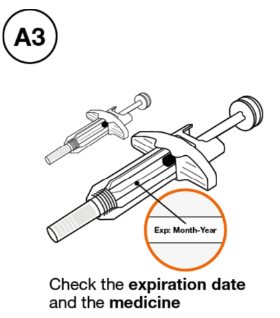
  • Prior to administration, visually inspect the window of the prefilled syringes for particulate matter or discoloration. HIBSAGO injection should be clear and colorless to yellow and free of visible particulate matter. Do not use HIBSAGO injection if the product exhibits discoloration, cloudiness, or particulate matter. Do not shake the HIBSAGO syringe. Do not use the syringes if they have been dropped or damaged.
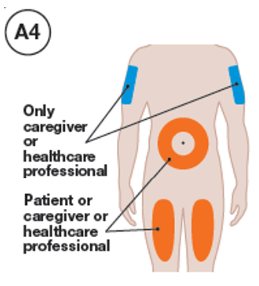
  • Inject into the thigh or abdomen, avoiding the 2 inches (5 cm) around the navel. The outer area of the upper arm can also be used if a caregiver administers the subcutaneous injections.
    • For a 300 mg dose, administer 2 x 150 mg pre-filled syringes, inject one right after the other. Choose a different injection site for each injection, at least 2 inches (5 cm) from the other injection sites [see Warnings and Precautions (5.5)].
    • For a 150 mg dose administer 1 x 150 mg pre-filled syringe injection.
    • Never give injections into areas where the skin is tender, bruised, red, or hard. Rotate injection sites to reduce the risk of injection site reactions [see Warnings and Precautions (5.5)].

2.6 Missed Doses

If a dose of HIBSAGO is missed at any time during treatment (Weeks 1-24), the missed dose must be administered as soon as possible, unless the next scheduled dose is due in less than three days, in which case the missed dose must be skipped and the next dose administered as scheduled.

2.7 On Completion Of Hibsago Treatment

HIBSAGO must be stopped upon completion of 24 weeks of treatment, and patients must remain on their NrtI therapy for at least an additional 24 weeks. Following the 24 weeks of further NrtI treatment, stopping NrtI therapy can be considered in those patients who:

  • are hepatitis B e-antigen (HBeAg) negative,
  • have HBV DNA <LLOQ (lower limit of quantification, defined as <20 IU/mL), HBsAg not detectable (LOD = 0.05 IU/mL), and alanine aminotransferase (ALT) values ≤2x upper limit of normal (ULN), and
  • do not need the nucleos(t)ide analog reverse transcriptase inhibitor therapy to treat Human Immunodeficiency Virus (HIV) co-infection [see Warnings and Precautions (5.7)].
  • If NrtI therapy is stopped, frequent monitoring of HBsAg, HBV DNA, and hepatic function is recommended for at least one year following NrtI therapy cessation, with routine monitoring as clinically indicated afterwards [see Warnings and Precautions (5.6), Clinical Studies (14)].

3 Dosage Forms And Strengths

Injection: 150 mg/mL of bepirovirsen as a clear, colorless to yellow sterile solution with no visible particulates in a single-dose prefilled glass syringe within a safety syringe device.

4 Contraindications

HIBSAGO is contraindicated in patients:

  • with acute hepatic impairment, or cirrhosis who have mild, moderate, or severe hepatic impairment (Child-Pugh Class A, B, or C) [see Warnings and Precautions (5.1)].
  • with a platelet count below 100 x 109/L prior to initiation of treatment [see Warnings and Precautions (5.2)].

5.1 On-Treatment Hepatic Flares

During treatment with HIBSAGO, increases in ALT ≥3 x ULN to 69 x ULN were observed in clinical trials [see Adverse Reactions (6.1)]. Most ALT increases occurred in the first 12 weeks of treatment (typically between Weeks 5 to 10), started to resolve within 2 weeks, and were not associated with any clinical signs or symptoms of liver dysfunction. The ALT increases were temporally associated with a preceding or concurrent decline in HBsAg suggesting host immune response. Two percent of participants receiving HIBSAGO had ALT increases ≥20 x ULN that resolved when treatment was interrupted or permanently discontinued. There have been isolated cases of ALT increases associated with an increase in total bilirubin up to 4 x ULN that resolved when treatment was permanently discontinued.

ALT and total bilirubin must be measured prior to initiation of treatment. Do not initiate HIBSAGO in patients with evidence of acute hepatic impairment or cirrhosis [see Contraindications (4)].

During and after HIBSAGO treatment, follow the recommended monitoring for ALT and total bilirubin and the treatment recommendations as specified in Table 1 [see Dosage and Administration (2.4)]. In all patients, the minimum recommended on-treatment monitoring of ALT and total bilirubin is weekly through Week 12 and every other week from Weeks 12 through 24, but more frequent monitoring may be necessary. In addition, HIBSAGO dose reduction or temporary or permanent discontinuation of HIBSAGO may be necessary based on the results of liver laboratory testing. In all patients with abnormal values at the time of HIBSAGO discontinuation, obtain ALT and total bilirubin values at 4, 12, and 24 weeks post-treatment to assess recovery of ALT values to within the normal range, as appropriate [see Dosage and Administration (2.4)].

5.2 Thrombocytopenia

HIBSAGO may cause reductions in platelet count at any time during treatment that may result in sudden and unpredictable thrombocytopenia that can be life-threatening. In the HIBSAGO clinical trials, two participants reported serious adverse reactions of thrombocytopenia <50 × 10⁹/L, including one participant with immune thrombocytopenia [see Adverse Reactions (6.1)]. In addition, a gradual, dose-dependent decline in platelet count was observed in most patients that continued to worsen while on HIBSAGO.

Platelet Monitoring and Dosing

Platelet count must be measured prior to initiation of treatment. Do not initiate HIBSAGO in patients with a platelet count below 100 x 109/L [see Contraindications (4)]. In patients with platelet count below the normal range but ≥100 x 109/L, rule out cirrhosis before initiating HIBSAGO [see Contraindications (4)].

During and after HIBSAGO treatment, follow recommended monitoring and treatment recommendations for platelet count as specified in Table 2 [see Dosage and Administration (2.4)]. In all patients, the minimum recommended on-treatment monitoring of platelet counts is weekly through Week 24, but more frequent monitoring may be necessary. In addition, HIBSAGO treatment interruption or permanent discontinuation may be necessary based on the results of platelet testing. If platelet count falls below 50 x 109/L, permanently discontinue treatment with HIBSAGO and consider corticosteroid treatment in consultation with an expert. In all patients with abnormal values at the time of HIBSAGO discontinuation, obtain repeat platelet counts 4 and 12 weeks post-treatment to assess for platelet count recovery, as appropriate.

Symptoms of Thrombocytopenia

Symptoms of thrombocytopenia can include unusual or prolonged bleeding (e.g., petechiae, easy bruising, hematoma, subconjunctival bleeding, gingival bleeding, epistaxis, hemoptysis, irregular or heavier than normal menstrual bleeding, hematemesis, hematuria, hematochezia, melena), neck stiffness, or atypical severe headache. Instruct patients to report to their healthcare provider immediately if they experience any symptoms of thrombocytopenia. If a patient develops signs or symptoms of thrombocytopenia, treatment with HIBSAGO must be paused and a platelet count obtained as soon as possible [see Dosage and Administration (2.4)].

Additional Considerations

Consider the risks and benefits of treatment with HIBSAGO when treating patients who may be particularly susceptible to platelet count decreases, e.g., elderly patients, or patients with bleeding diathesis/coagulopathy, history of major bleeding events or patients taking antiplatelets, anticoagulants, or drugs that lower platelet count [see Drug Interactions (7.1)].

5.3 Worsening Renal Function

In the HIBSAGO clinical trials, mean eGFR declined within 4 weeks of initiation of HIBSAGO and continued to decline during treatment. These changes were generally reversible after treatment discontinuation. The mechanism of the decrease in eGFR is not clear [see Adverse Reactions (6.1)].

Obtain eGFR and uACR in all patients prior to initiation of treatment. The clinical trials excluded participants with moderate or severe renal impairment (eGFR ≤60 mL/min/1.73m2) or uACR >0.3 mg/mg; insufficient data are available on the safety of HIBSAGO in these populations [see Use in Specific Populations (8.6)]. Consider the risks and benefits of HIBSAGO when treating patients who may be more susceptible to renal injury [see Drug Interactions (7.2)].

During and after HIBSAGO treatment, follow the recommended monitoring for eGFR and the treatment recommendations as specified in Table 3 [see Dosage and Administration (2.4)]. In all patients, the minimum recommended on-treatment monitoring of eGFR is every other week through Week 24, but more frequent monitoring may be necessary. In addition, HIBSAGO treatment interruption or permanent discontinuation may be necessary based on the results of renal laboratory testing. In all patients with abnormal values at the time of HIBSAGO discontinuation, obtain repeat eGFR 4 and 12 weeks post-treatment to assess for renal function recovery, as appropriate.

Although no cases of glomerulonephritis were observed with HIBSAGO administration in the clinical trials, glomerulonephritis has been observed after administration of other antisense oligonucleotides. Consider assessing for proteinuria periodically during treatment, as appropriate. If a diagnosis of glomerulonephritis is suspected or confirmed, permanently discontinue HIBSAGO and consider early initiation of immunosuppressive therapy in consultation with an expert.

5.4 Inflammatory And Immune Effects

In trials with HIBSAGO, influenza-like symptoms, laboratory test changes (e.g., decreases in complement factors C3 and C4), purpuric leg rashes, cutaneous leukocytoclastic vasculitis, dermatitis, pruritus/erythematous plaque, and polyarthralgia were observed. In addition, serious inflammatory and immune adverse reactions were reported, including immune thrombocytopenia, autoimmune hemolytic anemia, systemic inflammatory response syndrome, and a cryoglobulinemic flare [see Adverse Reactions (6.1)].

Consider the risks and benefits of HIBSAGO when treating patients that may be more susceptible to inflammatory and/or immune effects, e.g., solid organ transplant recipients, patients with autoimmune hepatitis, or patients with a history of vasculitis or conditions associated with vasculitis (including systemic lupus erythematosus, cryoglobulinemia, or rheumatoid arthritis). The risks and benefits of HIBSAGO must also be considered in patients with a history of, or suspected, extrahepatic disorders related to HBV immune‑mediated effects (including but not limited to nephrotic syndrome or any type of glomerulonephritis).

If signs and symptoms suggestive of vasculitis/immune-associated events occur, and no alternative cause is identified, permanently discontinue treatment with HIBSAGO.

5.5 Serious Adverse Reaction With Improper Administration

Improper HIBSAGO administration, including not rotating injection sites, has been associated with the serious adverse reaction of omental infarction in one participant. Ensure that injection sites are rotated from one week to the next and that the two injections administered weekly to constitute the recommended dose of HIBSAGO are separated by at least 2 inches (5 cm). Never give injections into areas where the skin is tender, bruised, red, or hard [see Dosage and Administration (2.5), Adverse Reactions (6.1)].

5.6 Post-Treatment Exacerbations Of Hbv Infection After Nrti Discontinuation

Severe acute exacerbations of HBV infection may occur after discontinuation of anti-HBV therapy. If NrtI therapy is discontinued after completing HIBSAGO treatment, frequent monitoring is recommended. Patients should be closely monitored with both laboratory (HBsAg, HBV DNA, and hepatic function) and clinical follow-up for at least one year following NrtI therapy cessation, with routine monitoring as clinically indicated afterwards, to detect acute exacerbations of HBV infection and the possible need for resumption of HBV treatment.

5.7 Risk Of Hiv-1 Virologic Failure In Patients With Hbv/Hiv-1 Coinfection Who Discontinue Nucleos(T)Ide Analog Reverse Transcriptase Inhibitor Therapy

Patients who are taking nucleos(t)ide analog reverse transcriptase inhibitors as part of antiretroviral therapy for HIV-1 and HBV coinfection must not stop taking their nucleos(t)ide analog reverse transcriptase inhibitor therapy unless an HIV healthcare provider has directed them to do so.

5.8 Risk Of Hepatitis Flare In Patients With Hbv/Hepatitis D Virus Coinfection

There are no data on the safety and efficacy of HIBSAGO in patients with HBV and hepatitis D virus (HDV) coinfection. HIBSAGO is not recommended in patients with HDV coinfection due to the potential for an exacerbated risk of clinically significant ALT increases.

5.9 Unknown Effect On Preventing Transmission Of Hbv

There are no data on the effect of HIBSAGO in preventing transmission of HBV. Patients must be advised to use appropriate precautions to prevent transmission of HBV.

6 Adverse Reactions

The following adverse reactions are described in more detail in the Warnings and Precautions section of the labeling:

  • On-Treatment Hepatic Flares [see Warnings and Precautions (5.1)].
  • Thrombocytopenia [see Warnings and Precautions (5.2)].
  • Worsening Renal Function [see Warnings and Precautions (5.3)].
  • Inflammatory and Immune Effects [see Warnings and Precautions (5.4)].
  • Serious Adverse Reaction with Improper Administration [see Warnings and Precautions (5.5)].

6.1 Clinical Trials Experience

Because clinical trials are conducted under widely varying conditions, adverse reaction rates observed in the clinical trials of a drug cannot be directly compared to rates in the clinical trials of another drug and may not reflect the rates observed in practice.

The safety of HIBSAGO in the treatment of chronic HBV infection has been evaluated in two pooled, Phase 3, placebo-controlled randomized trials (B‑Well 1 and B‑Well 2) in which 1,223 participants received at least one dose of HIBSAGO (300 mg subcutaneously, twice weekly during Weeks 1 and 2, and once weekly during Weeks 3 to 24) and 611 participants received matching placebo.

The most common adverse reactions (≥10%), excluding laboratory abnormalities, reported with HIBSAGO included injection site reactions, pyrexia, fatigue, and headache. In the pooled B-Well 1 and B-Well 2 trials, 3% of participants receiving HIBSAGO and <1% of participants receiving placebo discontinued due to adverse events.

The incidence of adverse reactions in the pooled safety data set (Weeks 1‑36) with HIBSAGO is shown in Table 4.

Table 4. Adverse Reactionsa (All Grades) Reported in ≥3% of HIBSAGO Recipients and at a Frequency ≥2% Greater than Placebo, B-Well 1 and B-Well 2 Trials (Weeks 1-36)
a Frequencies of adverse reactions are based on all adverse events, regardless of investigator assessment of causality, excluding laboratory abnormalities reported as adverse events (see Table 6 for laboratory abnormalities).
b See Table 5 for a summary of the different types of injection site reactions.
c Fatigue includes the preferred terms asthenia, fatigue, malaise, lethargy and sluggishness.

Adverse Reaction

HIBSAGO
N = 1,223

Placebo
N = 611

Injection Site Reactions (all types)b

57%

15%

Pyrexia

20%

4%

Fatiguec

16%

8%

Headache

14%

12%

Myalgia

8%

4%

Nausea or Vomiting

5%

3%

Erythema

5%

<1%

Pruritus

5%

2%

Influenza-like illness

4%

2%

Rash

3%

1%

Contusion

3%

1%

Cutaneous Vasculitis

Adverse reactions of biopsy-confirmed vasculitis occurred in two participants treated with HIBSAGO. One participant developed arthralgia, lower limb edema, and purpuric lesions at Treatment Week 2. The second participant developed a pruritic circular lesion on the left lower limb at Treatment Week 14 which progressed to bilateral lower limb pruritic scaly lesions on Treatment Week 17. For both cases, skin biopsy confirmed leukocytoclastic vasculitis, and the events resolved with corticosteroid treatment after permanent discontinuation of HIBSAGO [see Warnings and Precautions (5.4)].

Injection Site Reactions (ISRs)

ISRs were the most common adverse reactions reported with HIBSAGO. The most commonly reported ISRs (all grades) in the pooled safety data set (Weeks 1‑36) are presented in Table 5. The frequency and severity of injection site reactions decreased over time, and 99% of injection site reactions reported in HIBSAGO recipients were mild to moderate in severity.

Table 5: Injection Site Reactionsa (All Grades) Reported in ≥3% of HIBSAGO Recipients and at a Frequency ≥2% Greater than Placebo, B-Well 1 and B-Well 2 Trials (Weeks 1-36)
Pooled Injection Site Reaction CategoriesbHIBSAGO
N = 1,223
Placebo
N = 611
a Frequencies of injection site reactions are based on all adverse events, regardless of investigator assessment of causality.
b To provide accurate frequencies, pooled injection site reaction categories were constructed to combine adverse event preferred terms describing the same type of injection site reaction.
c Individual participants may have reported more than one type of injection site reaction.

Any injection site reactionc

57%

15%

   Injection site erythema

32%

2%

   Injection site pain

24%

6%

   Injection site pruritus

19%

1%

   Injection site bruising

19%

6%

   Injection site induration/swelling

13%

1%

   Injection site discoloration

8%

<1%

   Injection site rash

6%

<1%

   Injection site hematoma

4%

1%

A serious adverse reaction of omental infarction requiring surgical intervention occurred at Treatment Week 11 in a participant who had four weeks of persistent erythema at the HIBSAGO injection site and in whom injection sites had not been rotated. The infarcted omentum was adherent to the peritoneum directly underlying the area of injection site at which reactive changes, including a granuloma, were seen on CT scan [see Warnings and Precautions (5.5)].

Less Common Adverse Reactions Reported in Clinical Trials:

The following adverse reactions occurred in <3% of participants receiving HIBSAGO and are included because of a potential causal relationship:

Immune system disorders: Hypersensitivity

Skin and soft tissue disorders: Angioedema

Laboratory Abnormalities

Table 6: Selected Laboratory Abnormalitiesa (Worsened from Baseline) Reported in Participants in B-Well 1 and B-Well 2 Trials (Weeks 1-36)
ALT = alanine aminotransferase; AST = aspartate aminotransferase; ANC = absolute neutrophil count; eGFR = estimated glomerular filtration rate; uACR = urine albumin-creatinine ratio, ULN = upper limit of normal.
Note: Each participant is only counted once per parameter with the laboratory value that represents their largest change from baseline in Weeks 1-36.
Note: Japanese Society of Nephrology-Chronic Kidney Disease Initiatives (JSN-CKDI) equation was used to calculate eGFR for Japanese participants.
a Information based on laboratory values reported from the central laboratory for B-Well 1 and B-Well 2 (local laboratory results were not included).

Laboratory Categories

HIBSAGO
N = 1,223

Placebo

N = 611

ALT

≥3xULN to <5xULN

10%

<1%

≥5xULN to <10xULN

8%

0

≥10xULN to <20xULN

4%

0

≥20xULN

2%

<1%

AST

≥3xULN to <5xULN

6%

<1%

≥5xULN to <10xULN

4%

<1%

≥10xULN to <20xULN

1%

<1%

≥20xULN

<1%

0

Total bilirubin

≥ULN to <1.5xULN

8%

11%

≥1.5xULN to <2xULN

2%

2%

≥2xULN

<1%

<1%

Platelets (x109/L)

≥100 to <140

37%

7%

≥75 to <100

8%

<1%

≥50 to <75

2%

<1%

≥25 to <50

<1%

0

<25

<1%

0

ANC cells/mm3

≥500 to <1,000

8%

3%

≥100 to <500

1%

<1%

<100

0

0

eGFR

≥15 to <30% decline from baseline

51%

30%

≥30 to <50% decline from baseline

17%

6%

≥50% decline from baseline

1%

<1%

uACR

≥0.3 mg/mg

2%

1%

ALT Increased

During the first 24 weeks, <1% (n = 1) of HIBSAGO recipients had ALT ≥3x ULN with bilirubin ≥2x ULN (>35% direct bilirubin) and permanently discontinued treatment [see Warnings and Precautions (5.1)]. Three other participants also permanently discontinued treatment because of ALT ≥10 x ULN for 4 or more weeks, and 53 (4%) paused treatment due to ALT increases.

Decreased Platelet Counts

During the first 24 weeks, two participants treated with HIBSAGO had serious adverse reactions of thrombocytopenia, with platelet counts <50 × 10⁹/L. One participant experienced platelet decline from 283 × 10⁹/L at baseline to 161× 10⁹/L at Week 5, 83 × 10⁹/L at Treatment Week 6 and a nadir of 42 × 10⁹/L at Treatment Week 7. The other participant experienced platelet decline from 261 × 10⁹/L at baseline, to 177 × 10⁹/L at Week 6, to 108 × 10⁹/L at Treatment Week 7, with a nadir of 8 × 10⁹/L at Treatment Week 8. This participant was assessed as having immune thrombocytopenia. Both participants recovered with corticosteroid treatment and permanent discontinuation of HIBSAGO [see Warnings and Precautions (5.2)]. In total, 8 (<1%) participants met permanent discontinuation criteria, and 114 (9%) participants paused treatment due to platelet declines.

In the pivotal clinical trials, the maximum change from baseline in platelet count in the HIBSAGO group occurred at Week 24, with a mean (SD) change from baseline of -68 x 109/L (40.7) or -28.1% (13.79), from a baseline of 233 x 109/L. The mean platelet count in the HIBSAGO group recovered to within 5% of baseline values by Week 60 (36 weeks after last dose of HIBSAGO).

Decrease in Neutrophil Counts

During the first 24 weeks, 27 (2%) of participants had neutrophil counts <1,000 cells/mm3 at 2 or more consecutive visits. No participant had a value <500 cells/mm3 at 2 or more consecutive visits. The decline in neutrophil count was not associated with adverse events that indicated increased risk of infection.

In the pivotal clinical trials, the maximum change from baseline in absolute neutrophil count in the HIBSAGO group occurred at Week 24, with a mean (SD) change from baseline of -0.795 x 10⁹/L (1.0969) or -20.36% (29.40), from a baseline of 3.33 x 10⁹/L. The mean absolute neutrophil count in the HIBSAGO group recovered to within 5% of baseline values by Week 60 (36 weeks after last dose of HIBSAGO).

eGFR Decreased

During the first 24 weeks, in participants treated with HIBSAGO, 4% had an eGFR decrease >30% of pretreatment levels for 2 or more consecutive readings and <1% (one participant) experienced such declines more than 24 weeks after completion of HIBSAGO treatment [see Warnings and Precautions (5.3)]. No participant met criteria for permanent discontinuation of HIBSAGO treatment based on decreased renal function, but 28 (2%) participants paused treatment because of decreased renal function.

In the pivotal clinical trials, the maximum change from baseline in eGFR in the HIBSAGO group occurred at Week 25, with a mean (SD) change from baseline of -10 mL/min/1.73 m2 (9.96) or -10% (10.28), from a baseline of 100.8 mL/min/1.73m2. The mean eGFR in the HIBSAGO group recovered to within 5% of baseline values by Week 36 (12 weeks after last dose of HIBSAGO).

7.1 Anticoagulants, Antiplatelets, And Drugs That Decrease Platelet Count

Monitor patients for signs of bleeding and thrombocytopenia if HIBSAGO is taken concomitantly with anticoagulants, antiplatelets, or drugs that decrease platelet count [see Warnings and Precautions (5.2), Adverse Reactions (6.1)].

7.2 Drugs That Impair Renal Function

Monitor patients for signs of worsening renal function during concomitant administration of HIBSAGO with drugs that may impair renal function. Refer to individual drug information before prescribing [see Warnings and Precautions (5.3), Adverse Reactions (6.1)].

7.3 Peginterferon Alfa-2A

Concomitant administration of HIBSAGO and peginterferon alfa‑2a is not recommended due to the potential for an exacerbated risk of increased ALT, decreased platelet count, and immune-mediated effects.

8.1 Pregnancy

Risk Summary

There are insufficient data on the use of HIBSAGO in pregnant women to evaluate for a drug-associated risk of major birth defects, miscarriage or other adverse maternal or fetal outcomes. In animal reproduction studies, no adverse developmental or reproductive effects were observed when bepirovirsen was administered subcutaneously to mice and rabbits at less than 1 (mouse) and approximately 3 (rabbits) times the maximum recommended human dose (MRHD), based on body surface area (BSA) comparisons (see Data).

The estimated background risk of major birth defects and miscarriage for the indicated population is unknown. In the U.S. general population, the estimated background risk of major birth defects and miscarriage in clinically recognized pregnancies is 2% to 4% and 15% to 20%, respectively.

Data

Animal Data: No adverse effects on embryofetal development, parturition, or on the postnatal development of the offspring were observed following subcutaneous administration of bepirovirsen to pregnant mice during organogenesis and throughout pregnancy and lactation [Gestation day (GD) 0 to 15 and from GD 6 to lactation day (LD) 21], at 0.7 times the MRHD based on BSA comparison. Bepirovirsen was also administered subcutaneously to pregnant rabbits at doses up to 25 mg/kg every other day during organogenesis (GD 6 to 18). Reduced fetal weights associated with maternal toxicity were observed at approximately 3 times the MRHD based on BSA comparison.

8.2 Lactation

Risk Summary

There are insufficient data on the presence of bepirovirsen or its metabolites in human milk, the effects on the breastfed infant, or the effects on milk production. Bepirovirsen was detectable in the milk of lactating mice without an effect on offspring (see Data). When a drug is present in animal milk, it is likely that the drug will be present in human milk.

The developmental and health benefits of breastfeeding should be considered along with the mother's clinical need for HIBSAGO and any potential adverse effects on the breastfed child from HIBSAGO or from the underlying maternal condition.

Data

Animal Data: No adverse effects on lactation or on the offspring were observed following subcutaneous administration of bepirovirsen to pregnant and lactating mice (GD 6 through LD 21) at 0.7 times the MRHD based on BSA comparison. Although bepirovirsen was detected in the milk of lactating mice (on LD 10), systemic exposure of bepirovirsen in the offspring via milk was negligible.

8.4 Pediatric Use

The safety and effectiveness of HIBSAGO have not been established in patients less than 18 years of age.

8.5 Geriatric Use

Of the total number of patients who received treatment with HIBSAGO in the B‑Well 1 and B‑Well 2 trials, 128 (10%) were 65 years of age and older. The efficacy response was generally higher for age <65 versus that for age ≥65 years [see Clinical Studies (14)]. No overall differences in safety of HIBSAGO were observed between patients 65 years of age and older and younger adult patients, but greater sensitivity of some older individuals cannot be ruled out.

In the B-Well 1 and B-Well 2 trials, 21 (1%) participants were 75 years of age and older. Differences in efficacy in this age group versus younger adult patients cannot be determined due to the small number of participants.

8.6 Renal Impairment

No dosage adjustment is recommended in patients with mild renal impairment (eGFR 60 to 89 mL/min/1.73m2) [see Clinical Pharmacology (12.3)]. Insufficient data are available on the safety of HIBSAGO in patients with moderate or severe renal impairment or end stage renal disease (eGFR less than or equal to 59 mL/min/1.73m2). HIBSAGO can cause worsening renal function [see Warnings and Precautions (5.3)].

8.7 Hepatic Impairment

The safety and efficacy of HIBSAGO in patients with cirrhosis have not been established. The use of HIBSAGO is contraindicated in chronic hepatitis B patients with acute hepatic impairment, or cirrhosis who have mild, moderate, or severe hepatic impairment (Child-Pugh Class A, B, or C) [see Contraindications (4), Clinical Pharmacology (12.3)].

8.8 Hepatitis C Virus Coinfection

The safety and efficacy of HIBSAGO have not been established in patients with hepatitis C virus (HCV) coinfection.

10 Overdosage

Single doses of HIBSAGO 600 mg (2 times the recommended dose) were administered subcutaneously in a clinical trial to 5 healthy adults. Two participants developed tolerability issues at this dose, with symptoms including headache, nausea, vomiting, myalgia, and dizziness which lasted 24 to 48 hours despite symptomatic treatment.

There is no specific treatment for an overdose with HIBSAGO. If overdose occurs, the patient should be treated supportively with appropriate monitoring. Consider contacting the Poison Help line (1-800-222-1222) or a medical toxicologist for additional overdose management recommendations.

11 Description

HIBSAGO (bepirovirsen) injection is a hepatitis B virus (HBV) messenger RNA-directed antisense oligonucleotide.

The chemical name of bepirovirsen sodium is:

all-P-ambo-2'-O-(2-methoxyethyl)-P-thioguanylyl-(3'→5')-2'-O-(2-methoxyethyl)-5-methyl-P-thiocytidylyl-(3'→5')-2'-O-(2-methoxyethyl)-P-thioadenylyl-(3'→5')-2'-O-(2-methoxyethyl)-P-thioguanylyl-(3'→5')-2'-O-(2-methoxyethyl)-P-thioadenylyl-(3'→5')-2'-deoxy-P-thioguanylyl-(3'→5')-2'-deoxy-P-thioguanylyl-(3'→5')-P-thiothymidylyl-(3'→5')-2'-deoxy-P-thioguanylyl-(3'→5')-2'-deoxy-P-thioadenylyl-(3'→5')-2'-deoxy-P-thioadenylyl-(3'→5')-2'-deoxy-P-thioguanylyl-(3'→5')-2'-deoxy-5-methyl-P-thiocytidylyl-(3'→5')-2'-deoxy-P-thioguanylyl-(3'→5')-2'-deoxy-P-thioadenylyl-(3'→5')-2'-O-(2-methoxyethyl)-P-thioadenylyl-(3'→5')-2'-O-(2-methoxyethyl)-P-thioguanylyl-(3'→5')-2'-O-(2-methoxyethyl)-5-methyl-P-thiouridylyl-(3'→5')-2'-O-(2-methoxyethyl)-P-thioguanylyl-(3'→5')-2'-O-(2-methoxyethyl)-5-methylcytidine, nonadeca sodium salt.

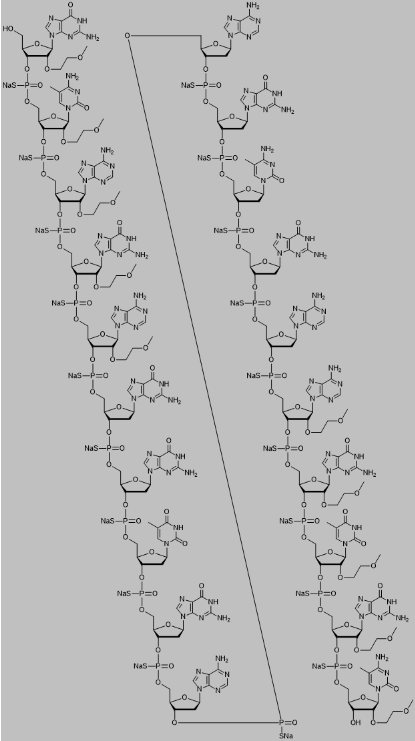
The molecular formula of bepirovirsen sodium is C230H290N88Na19O115P19S19 and its molecular weight is 7761.9. The structural formula is shown below.

Bepirovirsen Sodium Chemical Structure (Hibsago Spl Graphic 01)

Bepirovirsen Sodium Chemical Structure (Hibsago Spl Graphic 01)

HIBSAGO injection for subcutaneous use is a sterile, preservative-free, clear, colorless to yellow solution with no visible particulates.

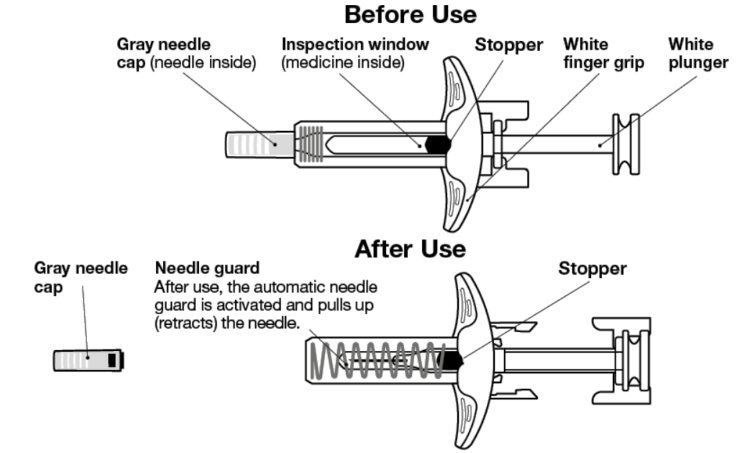
HIBSAGO injection is supplied as two, 1-mL, single-dose, prefilled syringes with a 0.5 inch (12.7 mm), 27-gauge, stainless steel needle assembled with a needle guard. Each 1 mL delivers 150 mg bepirovirsen, equivalent to 159 mg of bepirovirsen sodium, in 1 mL water for injection and may contain hydrochloric acid or sodium hydroxide to adjust to pH 8.

12.1 Mechanism Of Action

HIBSAGO is an antiviral drug against HBV [see Microbiology (12.4)].

12.2 Pharmacodynamics

Exposure Response

Within the range of bepirovirsen exposures achieved at the dosing regimen in B-Well 1 and B-Well 2 trials, variability in bepirovirsen plasma exposure was not identified as a determinant of treatment response at Week 72.

Immunostimulant Activity

In nonclinical studies, bepirovirsen exhibited innate immune activity in a sequence-specific, human toll-like receptor 8 (hTLR8)-dependent manner, with no activity observed at other pattern recognition receptors tested. This was demonstrated in an hTLR8-overexpressing cell line and confirmed in transgenic hTLR8 knock-in mice. Compared to wild-type mice, hTLR8 knock-in mice showed increased proinflammatory cytokine expression upon bepirovirsen treatment. This immunostimulatory activity was predominantly localized to hepatic macrophages and Kupffer cells, with induction of cytokines including TNF-α, IL-12p40, and CXCL10.

In clinical studies, administration of HIBSAGO was associated with increases in innate immune markers of activation and trafficking, which included cytokines and chemokines (e.g., interleukin12, tumor necrosis factor, interferon gamma and CXC motif chemokine ligand 9 and 10). Treatment with HIBSAGO also increased total IgM. In addition, treatment with HIBSAGO led to immunophenotypic changes in peripheral B and T cells (including increases in Ki67 positive B and T cells and increases in granzyme B positive cluster of differentiation 8, T cell frequencies). The contribution of immunostimulatory activity to antiviral activity at therapeutic concentrations in humans has not been fully determined.

Cardiac Electrophysiology

At supratherapeutic doses of 450 or 600 mg (1.5 and 2 times the recommended dosage) of HIBSAGO, clinically significant QTc interval prolongation was not observed.

12.3 Pharmacokinetics

The pharmacokinetic parameters of bepirovirsen 300 mg are summarized in Table 7.

Table 7. Pharmacokinetic Properties of Bepirovirsen
Cmax = maximum plasma concentration; AUC0-tau = area under the time concentration curve from 0 to dosing interval; Tmax = time to peak concentration; Vss = Volume of Distribution at steady‑state.
a Pharmacokinetic parameters are presented as arithmetic mean (SD), derived from population PK model simulations at steady state following subcutaneous administration of HIBSAGO 300 mg weekly in participants with chronic HBV infection (CHB).
b observed median (min-max)
c Pharmacokinetic parameters are presented as geometric mean (CV%) from post-hoc individual estimates from Phase 3 population PK model.

General Information

Exposure

Cmax (mcg/mL)a

9.14 (2.19)

AUC0-tau (mcg*hour/mL)a

102 (34.3)

Ctrough (mcg/mL)a

0.022 (0.045)

Dose proportionality

Exposure increased in proportion to dose over the range of 150 to 300 mg weekly dosing

Time to steady state

Steady state concentration is reached by Day 8 following 300 mg weekly dosing with loading doses during Weeks 1 and 2

Accumulation

No accumulation was observed with 300 mg weekly dosing for 24 weeks

Absorption

Tmax, (hours)b

3 (2-5)

Distribution

Vss/F (L)c

73 (46.3)

Plasma Protein Binding

99% at 5 mcg/mL
95% at 150 mcg/mL

Elimination

Major route of elimination

Metabolism

Terminal Half-life (days)b

29 (8-192)

Clearance/F (L/hour)c

3.05 (25.7)

Metabolism

Primary Pathway

Metabolized in tissues by endonucleases to form shorter oligonucleotides that are then substrates for additional metabolism by exonucleases

Excretion

Urine

Oligonucleotide fragments are expected to be excreted by the kidney

Specific Populations

Based on population pharmacokinetic analyses, following subcutaneous administration, there were no clinically meaningful changes in the pharmacokinetics of bepirovirsen by race (Asian, Black, White, Other), ethnicity, age (18-87 years old), sex, body weight (39 kg to 148 kg), injection site location (thigh, upper arm, abdomen) and anti-drug antibodies (ADA) status.

Renal Impairment: Bepirovirsen pharmacokinetics were similar between patients with CHB with an eGFR 60 to 89 mL/min/1.73m2 compared to patients with an eGFR ≥90 mL/min/1.73 m2. Insufficient data are available in patients with moderate or severe renal impairment.

Hepatic Impairment: The pharmacokinetics of bepirovirsen have not been evaluated in CHB patients with hepatic impairment (Child-Pugh Class A, B, or C) [see Contraindications (4)].

There is a 33% reduction in Cmax and a 31% reduction in AUC0-∞ in participants with moderate hepatic impairment (Child‑Pugh Class B) but without HBV infection when compared to participants with normal hepatic function.

Drug Interaction Studies

No formal clinical drug interaction studies have been conducted with HIBSAGO. In clinical trials, concomitant administration of HIBSAGO with a NrtI did not result in changes in bepirovirsen exposure. In addition, HIBSAGO did not impact NrtI exposure.

Based on in vitro study results, HIBSAGO is not a substrate, inducer or inhibitor of major cytochrome P450 (CYP) enzymes, or drug transporters; therefore, clinically relevant pharmacokinetic interactions are not expected.

12.4 Microbiology

Mechanism of Action

Bepirovirsen is a synthetic, single-stranded, chimeric antisense oligonucleotide (ASO) with a gapmer architecture consisting of five 2′-O-(2-methoxyethyl) (2′-MOE)-modified ribonucleotide wings flanking a central 10-deoxynucleotide gap with phosphorothioate linkages throughout. Bepirovirsen is designed to bind a conserved 20-nucleotide site (nucleotides 1581 5’-GCACTTCGCTTCACCTCTGC-3' 1600) present in HBV mRNAs (including the pregenomic RNA [pgRNA], precore, preS1, preS2/S, and X mRNAs), forming a DNA:RNA heteroduplex that recruits endogenous ribonuclease H1 (RNase H1) to catalyze irreversible hydrolysis of the viral RNA strand at the 3’-O-P bonds, resulting in degradation of HBV mRNA and reduction in HBV DNA and viral proteins, including HBsAg. The 20-nucleotide binding site is present within transcripts derived from both cccDNA and integrated HBV DNA.

Bepirovirsen reduced the level of HBV RNA transcripts in a dose-dependent manner in HepG2.2.15 cells (HBV genotype D) using transfection-based delivery resulting in EC50 values of 70 nM (16 hours) and 122 nM (48 hours) as measured by two RT-qPCR primer/probe sets targeting pgRNA, preS1, and preS2/S mRNAs.

Antiviral Activity

In HepG2.2.15 cells (HBV genotype D, transfection-based delivery), bepirovirsen reduced intracellular HBV DNA with EC50 values of approximately 171 nM and 53 nM by qPCR at 48 and 96 hours, respectively, and inhibited extracellular HBsAg and HBeAg secretion with EC50 values of approximately 138 nM and 296 nM by ELISA at 48 hours, respectively.

In primary human hepatocytes (HBV genotype D, free uptake), 4 doses of bepirovirsen every ~72 to 96 hours inhibited extracellular HBsAg and HBeAg secretion with EC50 values of 47.1±0.7 nM and 29.8±2.9 nM, respectively, as assessed by ELISA ~96 hours after the last dose.

An HBV RNA launch system was used to assess the activity of bepirovirsen against other HBV genotypes in the U.S. Capped, full-length pgRNA was co-transfected in Huh-7.5-NTCP cells with bepirovirsen to initiate replication independently of viral entry and cccDNA formation. Bepirovirsen inhibited extracellular HBsAg with an EC50 value of approximately 0.20–0.30 nM by chemiluminescent immunoassay (HBV genotype A; at ~96 hours) and reduced intracellular HBV DNA by approximately 3.5 to 5 log10 across genotypes A, B, C, and D by qPCR (at ~48 hours) at a fixed molar ratio.

Conservation of the bepirovirsen target site across HBV genotypes indicates broad antiviral activity. Bioinformatic analysis of 9,139 HBV genomes in the HBV database showed that the target sequence is conserved across genotypes A-H and recombinant forms, with full identity to 97.6% of sequences, and to 99.7% of sequences when allowing for one nucleotide mismatch.

Combining bepirovirsen with entecavir or tenofovir disoproxil fumarate in HepG2.2.15 cells (HBV genotype D, transfection-based delivery) resulted in no antagonism and greater reductions of intracellular HBV DNA by qPCR compared to the individual drugs.

Clinical Trials

In pooled data from the B-Well 1 and B-Well 2 clinical trials, rates of sustained off-treatment suppression of HBV DNA below the lower limit of quantification (20 IU/mL) and HBsAg not detected (LOD = 0.05 IU/mL) at 24 weeks off all HBV treatment among participants who received HIBSAGO varied by HBV genotype and baseline HBsAg level. Overall response rates were 28% for genotype A, 21% for genotype B, 20% for genotype D, and 15% for genotype C. Response rates declined with increasing baseline HBsAg levels and fell below 10% for genotypes B and C at baseline HBsAg levels exceeding 1,000 IU/mL.

Resistance

Among participants in the B-Well 1 and B-Well 2 trials who received HIBSAGO and had next generation sequencing data available, the proportion of participants with nucleotide polymorphisms in the bepirovirsen binding site ranged from 3% to 12% at baseline and for participants with treatment-emergent mutations the proportion ranged from 0% to 6% (Table 8).

Table 8. Participants with Nucleotide Polymorphisms (Allelic Frequency >5%) in the Bepirovirsen Binding Site
a Number of participants with HBV sequence
b Number of participants with paired baseline and post-baseline HBV sequences

Baseline

Treatment Emergent

Nucleotide polymorphisms

% (n/Na)

Nucleotide mutations

% (n/Nb)

Participants with baseline HBsAg ≤3,000 IU/mL

B-Well 1

6 (7/123)

5 (2/42)

B-Well 2

7 (7/104)

6 (2/31)

Participants with baseline HBsAg ≤1,000 IU/mL

B-Well 1

3 (2/69)

5 (1/22)

B-Well 2

12 (6/50)

0 (0/10)

Cell culture based phenotypic testing of baseline and treatment emergent variants identified in HIBSAGO clinical trials indicated 1.2- to 4.1-fold reductions in susceptibility relative to wild-type based on HBsAg inhibition in primary human hepatocytes. Approximate EC50 fold-changes for individual variants relative to wild-type were: G1588A (2.8-fold), C1589A (4.1-fold), T1590A (1.8-fold), T1590G (3.0-fold), C1595T (2.3-fold), and C1600T (1.2-fold). The clinical impact of reduced susceptibility to HIBSAGO in these variants is unknown.

Deep mutational scanning identified resistance-conferring mutations predominantly within the central DNA gap region of the bepirovirsen target sequence; mutations in the 2’-MOE-modified wing regions had minimal effect on susceptibility.

Cross-Resistance

Cross-resistance between bepirovirsen and NrtIs including entecavir and tenofovir is not expected. The bepirovirsen target site (encoding polymerase amino acid residues 832–839) is located in a region distinct from the reverse transcriptase domain associated with NrtI resistance substitutions (polymerase amino acid residues 385–605). The bepirovirsen target site does not overlap with HBV vaccine epitope coding sequences.

12.6 Immunogenicity

The observed incidence of anti-drug antibodies (ADAs) is highly dependent on the sensitivity and specificity of the assay. Differences in assay methods preclude meaningful comparisons of the incidence of ADAs in the trials described below with the incidence of ADAs in other trials, including those of HIBSAGO.

In the Phase 3 B-Well trials, 43% (517/1,203) of participants treated with HIBSAGO tested positive for ADAs. The presence of ADAs resulted in a 26.6% lower systemic clearance of bepirovirsen. The development of these antibodies did not appear to be associated with a reduced treatment response or differences in the safety profile.

13.1 Carcinogenesis, Mutagenesis, Impairment Of Fertility

Carcinogenesis

In a 2-year carcinogenicity study in mice, bepirovirsen sodium was administered by subcutaneous injection weekly at doses of 3, 10, and 30 mg/kg (approximately 0.05, 0.2, and 0.5 times the RHD, respectively, based on BSA comparison). In male mice, statistically significant increases in tumor incidences were observed compared to controls in liver (hepatocellular carcinomas at ≥10 mg/kg; hepatocellular adenomas, combined hepatocellular adenomas/carcinomas, hemangiosarcomas, and combined hemangiosarcomas/hemangiomas at 30 mg/kg), in stomach (adenomas and combined adenomas/adenocarcinomas at 30 mg/kg), and at the injection sites (fibrosarcomas at 30 mg/kg). In female mice, hepatocellular adenoma and combined hepatocellular adenoma/carcinoma were increased at 30 mg/kg. Increased tumor findings have been observed in 2-year carcinogenicity studies in mice dosed subcutaneously with phosphorothioate ASO class drugs; the clinical relevance is unknown.

Mutagenesis

Bepirovirsen did not exhibit a genotoxic potential in a battery of studies, including an in vitro bacterial reverse mutation (Ames) test, mammalian cell chromosomal aberration test and an in vivo micronucleus test in mice.

Impairment of Fertility

No adverse effects on male or female mating or fertility were observed following subcutaneous administration of bepirovirsen to mice up to 0.7 times the MRHD (based on BSA comparison).

14 Clinical Studies

The efficacy of HIBSAGO in the treatment of chronic HBV infection was evaluated in two multi-center, Phase 3, randomized, double-blind, placebo-controlled trials with identical designs (B-Well 1 [NCT05630807] and B-Well 2 [NCT05630820]). All participants were aged ≥18 years, had documented chronic HBV infection for ≥6 months, were receiving stable NrtI therapy (defined as no changes due to loss of virologic control for ≥6 months before the start of the trial and no plans for changes over the duration of the trial), and had serum HBsAg >100 to ≤3,000 IU/mL at screening, HBV DNA <90 IU/mL, and ALT ≤2X the upper limit of normal. Participants could be either HBeAg-positive or HBeAg-negative at baseline. Participants were excluded from the trial if they had a history, suspicion, or evidence of cirrhosis; co-infection with HCV, HIV, or HDV; history or evidence of potential vasculitis; eGFR ≤60 mL/min/1.73m2; or platelet count <140 x 109/L.

Participants were randomized 2:1 to receive HIBSAGO for 24 weeks (300 mg, twice weekly during Weeks 1 and 2, and once weekly during Weeks 3 to 24), or placebo, together with their background NrtI therapy. The randomization was stratified by HBsAg levels at baseline (HBsAg ≤ 1,000 IU/mL or >1,000 IU/mL to ≤3,000 IU/mL). Each dose of HIBSAGO was administered as two 150 mg subcutaneous injections into the abdomen, thigh, and/or outer area of upper arms. From Week 25 to 48, participants continued to receive their NrtI therapy without HIBSAGO or placebo.

At Week 48, participants who met the prespecified NrtI cessation eligibility criteria discontinued NrtI therapy. To be eligible for NrtI cessation, participants had to have no evidence of cirrhosis at Week 36, have HBV DNA <LLOQ and HBsAg not detected (as assessed by the qualitative HBsAg assay) from Week 24 to 46 (allowing for single blips to any level) in the absence of rescue medication (defined as any medication with proven anti-HBV activity newly initiated for the purpose of HBV control), be HBeAg negative with ALT values ≤2x ULN at Week 46, and have remained on stable NrtI therapy for the preceding 48 weeks. Blips were defined as transiently quantifiable HBV DNA (≥LLOQ) or detected HBsAg at a single visit.

In Trial B-Well 1, a total of 981 participants were randomized (2:1) to receive either HIBSAGO or placebo. In the full analysis set (FAS) of 978 participants who received at least one dose of HIBSAGO or placebo, 70% were male; the mean age was 50 years (range: 21 to 87 years); 68% were Asian, 25% were White, 5% were Black or African American, and 2% were Other; 11% were Hispanic or Latino; 58% were in Asia, 25% were in Europe, 10% were in Latin America, and 7% were in US and Canada; 65% had HBsAg at baseline ≤1,000 IU/mL; 31% were genotype C, 26% were genotype D, 25% were genotype B, 10% were genotype A, 8% were other genotypes; 91% had ALT ≤ULN at baseline; 92% were HBeAg negative at baseline; 41% had been diagnosed with CHB for 20 years or longer, 33% for 10 to 20 years, 15% for 5 to 10 years, and 11% were diagnosed less than 5 years ago.

In Trial B-Well 2, a total of 857 participants were randomized (2:1) to receive either HIBSAGO or placebo. In the FAS of 856 participants who received at least one dose of HIBSAGO or placebo, 72% were male; the mean age was 49 years (range: 22 to 79 years); 68% were Asian, 27% were White, 4% were Black or African American, and 1% were Other; 5% were Hispanic or Latino; 59% were in Asia, 27% were in Europe, 6% were in US and Canada, 4% were in Latin America, and 4% were in Oceania; 61% had HBsAg at baseline ≤1,000 IU/mL; 32% were genotype C, 25% were genotype B, 25% were genotype D, 11% were genotype A, 5% were other genotypes, 2% had unknown genotype; 93% had ALT ≤ULN at baseline; 92% were HBeAg negative at baseline; 42% had been diagnosed with CHB for 20 years or longer, 32% for 10 to 20 years, 16% for 5 to 10 years, and 11% were diagnosed less than 5 years ago. In each trial, demographic characteristics were generally balanced between HIBSAGO and placebo participants.

At Week 72, twenty-four weeks after possible cessation of NrtI treatment in eligible participants and 48 weeks after the last HIBSAGO dose, the primary and three key secondary efficacy endpoints were assessed. The primary efficacy endpoint was sustained suppression of HBV DNA (<LLOQ) and HBsAg not detected (LOD = 0.05 IU/mL), with or without hepatitis B surface antibodies, at 24 weeks after discontinuation of all chronic HBV treatment in the absence of rescue medication in participants with baseline HBsAg ≤3,000 IU/mL. The first key secondary endpoint was assessed by applying the same criteria to participants with baseline HBsAg ≤1,000 IU/mL. The second key secondary efficacy endpoint was sustained suppression of HBV DNA (<LLOQ), at 24 weeks after discontinuation of all chronic HBV treatment in the absence of rescue medication in participants with baseline HBsAg ≤3,000 IU/mL. The third key secondary endpoint was assessed by applying the same criteria of sustained suppression of HBV DNA (<LLOQ) to participants with baseline HBsAg ≤1,000 IU/mL. Blips in the Week 72 analysis window were permitted for the primary and key secondary endpoint analyses.

Within both trials, the primary and key secondary endpoints were met. Table 9 presents efficacy results for sustained suppression of HBV DNA and HBsAg not detected and Table 10 presents results for sustained suppression of HBV DNA.

Table 9. Sustained Suppression of HBV DNA and HBsAga Not Detected at 24 Weeks after Cessation of NrtI Treatment (FAS Population)
CI: Confidence Interval
a Sustained suppression of HBV DNA (<LLOQ) and HBsAg not detected, with or without hepatitis B surface antibodies, at 24 weeks after discontinuation of all chronic HBV treatment in the absence of rescue medication.
b Primary endpoint.
c Common rate difference, calculated as a weighted average of the stratum-specific rate differences, with the associated 95% confidence interval (CI) from stratified Miettinen-Nurminen method.
d Based on two-sided p-value (exact Cochran-Mantel Haenszel).
e Key secondary endpoint.
f 95% Miettinen-Nurminen confidence interval (CI).
g Based on two-sided p-value (Boschloo's test).

B-Well 1

B-Well 2

HIBSAGO

Placebo

HIBSAGO

Placebo

Participants with baseline HBsAg ≤3,000 IU/mLb

n/N

(%)

127/650

(20)

0/328

(0)

106/570

(19)

0/286

(0)

Common rate differencec % (95% CI)

17 (14.6, 20.3)

13 (10.4, 16.1)

p-valued

<0.0001

<0.0001

Participants with baseline HBsAg ≤1,000 IU/mLe

n/N

(%)

105/426

(25)

0/214

(0)

95/342

(28)

0/179

(0)

Rate
difference % (95% CI)f

25 (20.8, 29.0)

28 (23.3, 32.8)

p-valueg

<0.0001

<0.0001

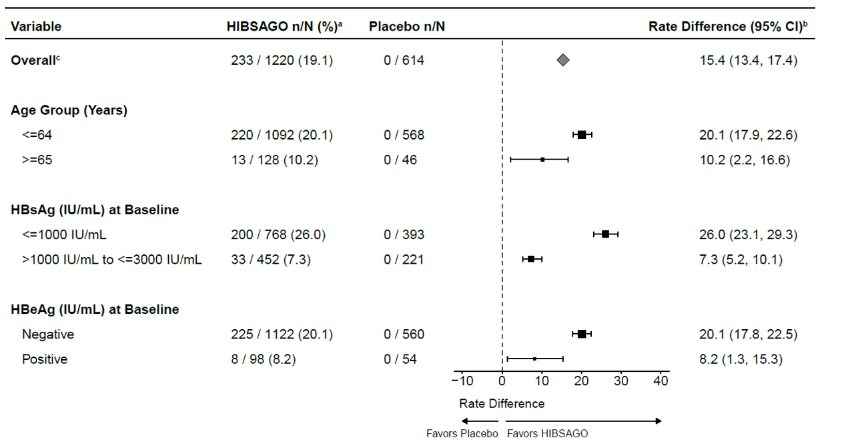
The primary endpoint response rate was lower in participants with any of the following characteristics: higher HBsAg values at baseline, HBeAg positive at baseline, and age 65 years or older (see Figure 1).

Figure 1. Subgroup Analyses of Sustained Suppression of HBV DNA and HBsAg Not Detected at 24 Weeks after Cessation of NrtI Treatment, by Selected Baseline Factors (Pooled Population from B-Well 1 and B-Well 2).
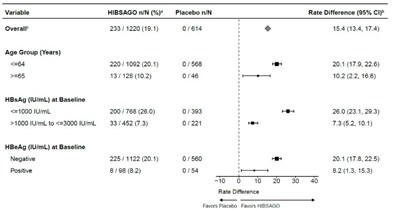
Figure 1 (Hibsago Spl Graphic 02)

Figure 1 (Hibsago Spl Graphic 02)

a number of responders; N: number of participants; %: response rate
b 95% Miettinen-Nurminen CI
c Overall: results are based on pooled data; Rate Difference: common rate difference (Miettinen-Nurminen method)

Table 10. Sustained Suppression of HBV DNA at 24 Weeks after Cessation of NrtI Treatment (FAS Population)
CI: Confidence Interval
a Key secondary endpoint
b Common rate difference, calculated as a weighted average of the stratum-specific rate differences, with associated 95% confidence interval (CI) from the stratified Miettinen-Nurminen method.
c Based on two-sided p-value (exact Cochran-Mantel Haenszel)
d 95% Miettinen-Nurminen confidence interval (CI).
e Based on two-sided p-value (Boschloo's test)

B-Well 1

B-Well 2

HIBSAGO

Placebo

HIBSAGO

Placebo

Participants with HBsAg ≤3,000 IU/mLa

n/N (%)

151/650 (23)

0/328 (0)

132/570 (23)

0/286 (0)

Common rate differenceb % (95% CI)

21 (17.9, 24.0)

18 (15.1, 21.3)

p-valuec

<0.0001

<0.0001

Participants with HBsAg ≤1,000 IU/mLa

n/N (%)

124/426 (29)

0/214 (0)

113/342 (33)

0/179 (0)

Rate
difference % (95% CI)d

29 (25.0, 33.6)

33 (28.3, 38.2)

p-valuee

<0.0001

<0.0001

A post-hoc exploratory analysis was conducted using the pooled data from B-Well 1 and B-Well 2 trials to determine predictors associated with nonresponse to treatment. An early on-treatment response defined as HBsAg <1 IU/mL at Treatment Week 12 was identified as a predictor of achieving the primary efficacy endpoint with HIBSAGO treatment [see Dosage and Administration (2.3)]. Among participants with baseline HBsAg ≤3,000 IU/mL who met this criterion, 34% (203/601) had sustained suppression of HBV DNA and HBsAg not detected at 24 weeks after cessation of all chronic HBV treatment. Participants who did not meet this criterion (who had HBsAg ≥1 IU/mL at Week 12) had a 2% (9/498) probability of having sustained suppression of HBV DNA and HBsAg not detected at 24 weeks after cessation of all chronic HBV treatment. Among participants with baseline HBsAg ≤1,000 IU/mL who met this criterion, 42% (179/426) achieved this endpoint, and those who did not meet this criterion had a 2.5% (7/280) probability of achieving this endpoint.

Durability of Response

HIBSAGO recipients who met the criteria to discontinue NrtI therapy and discontinued NrtI therapy at Week 48 (295/1,220 across both trials) were monitored for an additional 48 weeks with assessments at Week 72 to assess the primary endpoint and Week 96 to evaluate the long-term durability of response (sustained HBV DNA <LLOQ and HBsAg not detected [LOD = 0.05 IU/mL] off all HBV treatment).

At Week 72, 24 weeks after stopping NrtI therapy, 79% (233/295) of these participants met the primary endpoint. Of the 233 participants who met the primary endpoint at Week 72, 91% (211/233) maintained response off all HBV treatment at Week 96.

Through Week 96, among the 84 HIBSAGO recipients who discontinued NrtI therapy but did not achieve the primary endpoint at Week 72 (62 participants) or who achieved the primary endpoint but did not maintain a sustained response at Week 96 (22 participants), one participant met criteria to restart NrtI therapy. Protocol-defined criteria to restart NrtI therapy included HBV DNA >20,000 IU/mL at a single visit, HBV DNA >2,000 IU/mL at two sequential visits, confirmed HBeAg reversion, or clinical/hepatic decompensation. Out of the 84 participants, three additional participants restarted NrtI therapy within one month of NrtI cessation without having met the protocol-defined NrtI restart criteria.
16 How Supplied/Storage And Handling

HIBSAGO (bepirovirsen) injection is a sterile, preservative-free, clear, colorless to yellow solution for subcutaneous use. The syringes are not made with natural rubber latex. Each single‑dose prefilled syringe delivers 150 mg of bepirovirsen in 1 mL of solution.

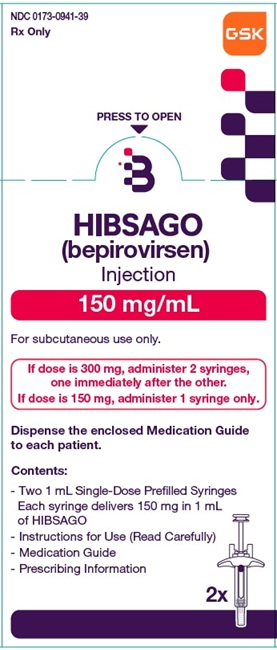
HIBSAGO injection is supplied as 150 mg/mL, single-dose, prefilled glass syringe with attached 27-gauge, 0.5 inch (12.7 mm) needle with a needle guard in cartons of 2 (NDC 0173-0941-39).

Storage and Handling

Prior to Dispensing: Store in a refrigerator at 36°F to 46°F (2°C to 8°C). Do not freeze. Store in the original carton to protect from light. Do not shake.

Following Dispensing: Store HIBSAGO at room temperature up to 86°F (30°C) for 12 weeks. Do not freeze. Store in the original carton to protect from light. Do not shake. Discard if the expiry date has passed, or it has been 12 weeks since carton was received, whichever comes first.

HIBSAGO injection must be administered within 6 hours once removed from the carton. Discard if not administered within 6 hours.

17 Patient Counseling Information

Advise the patient to read the FDA-approved patient labeling (Medication Guide and Instructions for Use).

Give patients the Medication Guide for HIBSAGO.

On-Treatment Hepatic Flares

Inform patients that HIBSAGO may cause elevations in ALT. Advise patients to contact their healthcare provider immediately if they experience abdominal discomfort, dark urine, or jaundice and the importance of complying with laboratory monitoring during and after treatment with HIBSAGO [see Warnings and Precautions (5.1)].

Thrombocytopenia

Inform patients that HIBSAGO may cause reductions in platelet count that may result in thrombocytopenia. Instruct patients to immediately report any signs of unusual or prolonged bleeding to their physician. Advise patients of the importance of complying with laboratory monitoring during and after treatment with HIBSAGO [see Warnings and Precautions (5.2)].

Worsening Renal Function

Inform patients that HIBSAGO may cause worsening of renal function. Advise patients of the importance of complying with laboratory monitoring during and after treatment with HIBSAGO [see Warnings and Precautions (5.3)].

Inflammatory and Immune-Mediated Adverse Reactions

Inform patients that HIBSAGO may cause inflammatory and immune effects. Advise patients to contact their healthcare provider if they experience influenza‑like symptoms with events such as purpuric leg rashes, cutaneous leukocytoclastic vasculitis, dermatitis, pruritus/erythematous plaque, and polyarthralgia [see Warnings and Precautions (5.4)].

Administration Instruction

Train patients and caregivers on the importance of proper subcutaneous administration technique, the necessity of rotating injection sites and how to use the prefilled syringe. Instruct patients and/or caregivers to read and follow the Instructions for Use each time they use HIBSAGO [see Warnings and Precautions (5.5)].

HBV Exacerbation after Discontinuation of HBV Therapy

Inform patients that severe acute exacerbations of HBV may occur after stopping all anti-HBV therapy. If NrtI therapy is discontinued after completing HIBSAGO treatment, advise patients of the importance of frequent monitoring to assess the possible need for resumption of HBV treatment [see Warnings and Precautions (5.6)].

Risks in Patients with HBV/HIV Coinfection

Advise patients living with HIV who are taking NrtI therapy for both HIV and HBV to not discontinue NrtI therapy except under the direct supervision of an HIV healthcare provider [see Warnings and Precautions (5.7)].

Transmission of HBV

Inform patients that it is not known if therapy with HIBSAGO will prevent transmission of HBV, and that appropriate precautions to prevent transmission of the hepatitis B virus should be taken [see Warnings and Precautions (5.9)].

Trademarks are owned by or licensed to the GSK group of companies.

Manufactured for

GlaxoSmithKline

Durham, NC 27701

©2026 GSK group of companies or its licensor.

HBS:1PI

Spl Medguide

upper right stomach pain
  • dark or “tea-colored” urine
  • yellowing of your skin or the white part of your eyesnausea or vomiting
  • loss of appetiteunusual bruising or a rash of tiny reddish-purple spots
  • bleeding from skin cuts that does not stop or oozes
  • bleeding from your gums or nose
  • blood in your urine or stoolsabnormal or heavy periods (menstrual bleeding)
  • sudden severe headaches or neck stiffness
  • bleeding into the whites of your eyesYour healthcare provider will show you or your caregiver how to inject HIBSAGO.
  • Your healthcare provider will tell you how much HIBSAGO to inject and when to inject it. Do not inject more than your prescribed dose.
  • Your prescribed dose will generally require two injections. Your healthcare provider will do blood tests during your treatment with HIBSAGO and may decrease your dose to one injection, temporarily stop, or permanently stop your HIBSAGO treatment depending on the results.
  • If your dose is 300 mg, you will need to inject two HIBSAGO prefilled syringes.
  • If your dose is 150 mg, you will need to inject one HIBSAGO prefilled syringe. For a 150 mg dose, keep the second syringe in the carton and away from light.
  • The recommended dosing schedule is shown in the table below. Your healthcare provider may tell you to reduce or temporarily stop doses based on your blood tests or how you are feeling. Follow your healthcare provider’s instructions on how to use HIBSAGO.
  • inject the missed dose as soon as you remember. Then continue your treatment as before.
  • If you miss a dose, and your next dose is in less than 3 days:
  • skip the missed dose and inject the dose at your usual time. Then continue your treatment as before.
  • If you take too much HIBSAGO, call your healthcare provider or the Poison Help line at 1-800-222-1222 or go to the nearest hospital emergency room right away.
  • After you finish your treatment with HIBSAGO, do not stop taking your NrtI treatment unless your healthcare provider tells you to. If you stop taking NrtI treatment, your HBV may return. It is important that you make sure you still get blood tests done. If you also have human immunodeficiency virus (HIV) and are taking an NrtI as part of your HIV treatment, do not stop the NrtI unless your HIV healthcare provider has told you to stop.

    Taking HIBSAGO does not stop you from passing HBV to others. You should continue to practice safety habits to stop from passing HBV to other people.

    flu-like symptoms
  • purple rashes or spots on the legs
  • scaley, raised or red patchesswelling and itchiness
  • joint pain that does not go away by itselfMake sure the injection sites are changed (rotated) from one week to the next and that the two injections given weekly are separated by at least 2 inches (5 cm).
  • Do not give injections into areas where the skin is tender, bruised, red, or hard.

    The most common side effects of HIBSAGO include:

    MEDICATION GUIDE

    HIBSAGO (hib sah' goe)

    (bepirovirsen)

    injection, for subcutaneous use

    What is the most important information I should know about HIBSAGO?

    HIBSAGO may cause serious side effects, including:

    • flare-ups in liver enzyme levels during treatment. HIBSAGO may cause increases in liver function blood tests. Tell your healthcare provider right away if you get any of these symptoms:
    ooo
    oo
    • low platelet counts (thrombocytopenia). HIBSAGO may cause your blood platelet levels to drop at any time during your treatment. When your platelet count is too low, your body cannot form blood clots properly. Low platelet counts can happen suddenly and without warning and can be life-threatening. Stop using HIBSAGO and tell your healthcare provider right away if you get any of these symptoms:
    oooo
    ooo

    Your healthcare provider will do blood tests to check your liver and platelet count, before you start HIBSAGO, during treatment, and if you have abnormal blood tests for up to 24 weeks after you stop HIBSAGO.

    It is important that you make sure you get these blood tests done.

    What is HIBSAGO?

    HIBSAGO is a prescription medicine used with other medicines called nucleos(t)ide analog reverse transcriptase inhibitors (NrtIs), to treat adults with chronic (long-term) hepatitis B virus (HBV) infection without advanced liver disease (cirrhosis):

    • who have been on NrtI treatment for at least 6 months and have undetectable HBV deoxyribonucleic acid (DNA), and
    • who have low levels of HBV surface antigen (HBsAg less than or equal to 3,000 IU/mL)
    • Your healthcare provider will perform tests to make sure HIBSAGO is right for you.

      It is not known if HIBSAGO is safe and effective in children less than 18 years of age.

      It is not known if HIBSAGO is safe and effective in people who also have hepatitis C virus (HCV) or hepatitis D virus (HDV) infection. HIBSAGO is not recommended in people with HDV infection as it may increase the chance of flare-ups in liver enzymes.

    Who should not use HIBSAGO?

    Do not use HIBSAGO if you have:

    • a condition where your liver is currently not working as well as it should
    • have advanced liver disease (cirrhosis)
    • low platelet blood counts.
    • Talk to your healthcare provider if you are not sure if you have any of these conditions.

    Before using HIBSAGO, tell your healthcare provider about all of your medical conditions, including if you:

    • have bleeding problems or a history of bleeding problems
    • have kidney problems
    • have received an organ transplant
    • have problems with your immune system (autoimmune disease), or have a history of blood vessel inflammation (vasculitis)
    • have hepatitis D
    • are pregnant or plan to become pregnant. It is not known if HIBSAGO will harm your unborn baby.
    • are breastfeeding or plan to breastfeed. HIBSAGO may pass into your breast milk. Talk to your healthcare provider about the best way to feed your baby during treatment with HIBSAGO.
    • Tell your healthcare provider about all the medicines you take, including prescription and over-the-counter medicines, vitamins, and herbal supplements. Using HIBSAGO with certain other medicines may increase the risk of side effects. Especially tell your healthcare provider if you take:

      • medicines that prevent your blood from clotting or that lower your blood platelet count.
      • medicines that may lower your kidney function.
      • peginterferon alfa-2a.
      • Know the medicines you take. Keep a list of them to show your healthcare provider and pharmacist when you get a new medicine.

    How should I use HIBSAGO?

    Read the detailed Instructions for Use that comes with your HIBSAGO for information on how to inject a dose of HIBSAGO.

    • Use HIBSAGO exactly as your healthcare provider tells you to.
    • Treatment with HIBSAGO usually lasts 24 weeks. Do not take HIBSAGO for longer than 24 weeks.
    • HIBSAGO must be used in combination with NrtI treatment. You must remain on NrtI treatment for at least 24 weeks after stopping treatment with HIBSAGO. Your healthcare provider will decide if you can stop your Nrtl treatment.
    • You will receive your first dose of HIBSAGO under the guidance and supervision of your healthcare provider. HIBSAGO is given as an injection under the skin (subcutaneous).
    • Your healthcare provider will decide if you or your caregiver may inject HIBSAGO.
    oooo

    Recommended dose

    When

    How much

    How often

    Weeks 1 and 2

    300 mg
    (inject 2 syringes)

    Two times a week
    Allow 3 or 4 days between each dose

    Weeks 3 to 24

    300 mg
    (inject 2 syringes)

    One time a week
    Inject on the same day each week

    • Where possible, give each dose on the same day(s) each week.
    • If you miss a dose, and your next dose is in 3 days or more:
    oo

    What are the possible side effects of HIBSAGO?

    HIBSAGO may cause serious side effects, including:

    • Increased liver laboratory tests: See “What is the most important information I should know about HIBSAGO?”
    • Bleeding because of low platelet counts: See “What is the most important information I should know about HIBSAGO?”
    • Worsening kidney function. Your healthcare provider will do blood tests to check your kidneys before and during treatment, and for up to 12 weeks after you stop HIBSAGO if you have abnormal kidney function blood tests.
      It is important that you make sure you get these blood tests done.
    • Inflammatory or immune system problems. Tell your healthcare provider if you get any of these symptoms:
    ooo
    oo
    • Serious side effects when HIBSAGO is not injected correctly.
    oo
    • injection site reactions
    • fever
    • tiredness
    • headache

    Tell your healthcare provider if you have any side effect that bothers you or that does not go away.

    These are not all the possible side effects of HIBSAGO.

    Call your doctor for medical advice about side effects. You may report side effects to FDA at 1-800-FDA-1088.

    How should I store HIBSAGO?

    • Store HIBSAGO at room temperature up to 86°F (30°C) for up to 12 weeks.
    • Do not freeze HIBSAGO.
    • Store HIBSAGO in the original carton to protect from light.
    • Throw away (discard) HIBSAGO in an FDA-cleared sharps disposal container after if the expiration date has passed, or it has been 12 weeks since you received your carton, whichever comes first.
    • HIBSAGO must be injected within 6 hours after you remove it from the carton. If the HIBSAGO syringes are not used within 6 hours, throw them away.
    • Keep HIBSAGO and all medicines out of the reach of children.

    General information about the safe and effective use of HIBSAGO.

    Medicines are sometimes prescribed for purposes other than those listed in a Medication Guide. Do not use HIBSAGO for a condition for which it was not prescribed. Do not give HIBSAGO to other people, even if they have the same symptoms that you have. It may harm them.

    Throw away (discard) any unused syringes when your healthcare provider tells you that your HIBSAGO treatment is complete.

    You can ask your pharmacist or healthcare provider for information about HIBSAGO that is written for health professionals.

    What are the ingredients in HIBSAGO?

    Active ingredient: bepirovirsen sodium

    Inactive ingredients: water for injection, hydrochloric acid or sodium hydroxide to adjust to pH 8.

    Trademarks are owned by or licensed to the GSK group of companies.

    Manufactured for

    GlaxoSmithKline

    Durham, NC 27701

    ©2026 GSK group of companies or its licensor.

    HBS:1MG

    For more information about HIBSAGO, call 1-888-825-5249 or visit our website at www.hibsago.com.

    This Medication Guide has been approved by the U.S. Food and Drug Administration                      Issued: 10/2026

    Instructions For Use

    INSTRUCTIONS FOR USE

    HIBSAGO   (hib sah' goe)

    (bepirovirsen)

    injection, for subcutaneous use

    150 mg/mL

    Prefilled Syringe

    This Instructions for Use contains information on how to inject HIBSAGO.

    Read This Section First

    Read this Instructions for Use before you start using HIBSAGO and each time you refill your prescription. There may be new information. Before using your HIBSAGO syringe, it is important that your healthcare professional explains your HIBSAGO dosing instructions and shows you (or your caregiver) how to use the syringe the right way. If you do not follow these instructions, you may not get all your medicine. HIBSAGO is for use under the skin only (subcutaneous).

    Important Information:

    • If your prescribed dose is 300 mg, use 2 HIBSAGO syringes and inject both syringes one after the other.
    • If your prescribed dose is 150 mg, use 1 HIBSAGO syringe to inject your dose.

    Do not use the HIBSAGO syringe if:

    • it has been frozen
    • it has been stored above 86°F (30°C)
    • it has been dropped or damaged
    • the security seal on the carton has been broken
    • the expiration date (EXP) has passed or it has been 12 weeks since you received your HIBSAGO carton, whichever comes first

    Do not:

    • shake the HIBSAGO syringes
    • share or reuse your syringes
    • expose your syringe to heat or direct sunlight

    If any of these happen, throw away the HIBSAGO syringe in an FDA-cleared sharps disposal container and use a new HIBSAGO syringe.

    Throw away any unused syringes when your healthcare provider tells you that your HIBSAGO treatment is complete.

    Get to Know Your HIBSAGO Syringes

    Hibsago Syringes (Hibsago Spl Graphic 03)

    Hibsago Syringes (Hibsago Spl Graphic 03)

    Storage

    Syringes Stored in Carton

    • Store HIBSAGO at room temperature up to 86°F (30°C) for up to 12 weeks.
    • Do not store above 86°F (30°C).
    • Do not freeze.
    • Store HIBSAGO in the original carton to protect from light.
    • Throw away (discard) HIBSAGO in an FDA-cleared sharps disposal container if the expiration date has passed, or it has been 12 weeks since you received your carton, whichever comes first.
    • Syringes Removed from Carton

      • HIBSAGO syringes must be injected within 6 hours after you take them out of the carton. If they are not used within 6 hours, throw them away.
      • Keep HIBSAGO and all medicines out of the reach of children. Contains small parts.

    A. Prepare

    A1 (Hibsago Spl Graphic 04)

    A1 (Hibsago Spl Graphic 04)

    Gather Supplies

    Supplied

    • 2 HIBSAGO syringes if your dose is 300 mg
    • 1 HIBSAGO syringe if your dose is 150 mg (keep unused syringe in carton and away from light)

    Not Supplied

    • Alcohol swabs
    • Cotton balls or gauze pads
    • Adhesive bandages
    • FDA-cleared sharps disposal container. (see Section C for disposal instructions)
    A2 (Hibsago Spl Graphic 05)

    A2 (Hibsago Spl Graphic 05)

    Take Out Your Syringe(s)

    • Peel off the plastic cover from the corner of the tray.
    • Hold the middle of the syringe(s) (near the inspection window) and carefully take the syringe(s) out of the trays.
    • Do not handle the syringe(s) by the white plunger when removing from the tray, or at any point when handling the syringe(s).
    • Do not remove the gray needle cap(s) at this step.
    • Do not use the syringe(s) if they have been dropped or damaged.
    A3 (Hibsago Spl Graphic 06)

    A3 (Hibsago Spl Graphic 06)

    Check Your Syringe(s)

    • Check the expiration date. Do not use if the expiration date has passed or it has been 12 weeks since you received your HIBSAGO carton, whichever comes first.
    • Make sure HIBSAGO has been at room temperature up to 86°F (30°C) for at least 30 minutes before using it. Cold medicine is more painful to inject.
    • Look at the medicine in the HIBSAGO syringe(s) through the inspection window(s). The medicine should be clear and colorless to yellow with no visible particulates.
    • It is normal to see air bubbles. You do not need to do anything about it.
    • Do not use if HIBSAGO is cloudy, discolored, or has particulates.
    • Do not shake the syringe(s).
    A4 (Hibsago Spl Graphic 07)

    A4 (Hibsago Spl Graphic 07)

    Choose Your Injection Site(s)

    • For a 300 mg dose, you will need 2 injections to complete your dose. For a 150 mg dose, you will need 1 injection to complete your dose.
    • If you are giving yourself the injection, you can inject into your thighs or stomach (abdomen).
    • A caregiver can inject into the upper arm, thigh, or abdomen.
    • If you need 2 injections to complete your dose, leave at least 2 inches (5 cm) between each injection site. You should use 2 different injection sites for your 2 syringes to complete your dose.
    • Do not inject yourself in the upper arm.
    • Do not inject where the skin is tender, bruised, red, or hard.
    • Do not inject within 2 inches (5 cm) of your belly button.
    A5 (Hibsago Spl Graphic 08)

    A5 (Hibsago Spl Graphic 08)

    Clean the Injection Site(s)

    • Wash your hands with soap and water.
    • Clean the injection site(s) with an alcohol swab. Allow the skin to air dry. Do not fan or blow on the cleaned injection site(s).
    • Do not touch the cleaned injection site(s) again until you have finished your injection(s).

    B. Inject

    B1 (Hibsago Spl Graphic 09)

    B1 (Hibsago Spl Graphic 09)

    Pull Off the Gray Needle Cap

    • Remove the gray needle cap from 1 syringe by pulling it straight off, away from the needle (as shown). It may take some force to remove the gray needle cap.
    • Inject within 5 minutes after you remove the gray needle cap.
    • Do not remove both needle caps from both syringes at the same time. Only remove the gray needle cap from the second syringe when you are ready to use it and if your dose is 300 mg.
    • Do not handle the syringe by the white plunger while removing the gray needle cap.
    • Do not touch the needle or let the needle touch any surface.
    • Do not try to remove any air bubbles from the syringe.
    • Do not put the gray needle cap back onto the syringe.
    B2 (Hibsago Spl Graphic 10)

    B2 (Hibsago Spl Graphic 10)

    Position the Syringe at the Injection Site

    • Use your free hand to gently pinch the skin around the cleaned injection site.
    • Keep pinching the skin throughout the injection.
    • Hold the middle of the syringe and insert the entire needle into the pinched skin at a 45-degree angle using a dart like motion, as shown.
    • Do not handle the syringe by the white plunger while inserting the needle into the pinched skin.
    B3 (Hibsago Spl Graphic 11)

    B3 (Hibsago Spl Graphic 11)

    Start the Injection

    • Move your thumb to the white plunger and use your other fingers to hold onto the white finger grip, as shown.
    • Slowly push down on the white plunger using your thumb to inject the full syringe.
    B4 (Hibsago Spl Graphic 12)

    B4 (Hibsago Spl Graphic 12)

    Fully Press the White Plunger

    • Make sure the white plunger is pushed all the way down until the stopper reaches the bottom of the syringe and all of the medicine is injected.
    B5 (Hibsago Spl Graphic 13)

    B5 (Hibsago Spl Graphic 13)

    Slowly Lift Thumb After Injection Completes

    • Slowly lift your thumb up. This will allow the white plunger to come up and the needle to automatically pull up (retract) into the needle guard.
    • After removing the syringe from the injection site, release the pinched skin.
    • There may be a small drop of blood at the injection site. This is normal. Press a cotton ball or gauze pad on the area and apply an adhesive bandage if you need it.
    • Do not rub the injection site.
    • Do not put the gray needle cap back onto the HIBSAGO syringe.
    B6 (Hibsago Spl Graphic 14)

    B6 (Hibsago Spl Graphic 14)

    Repeat for Second Injection for 300 mg dose. For a 300 mg dose, give your second injection immediately, to complete your dose, by repeating all Inject steps (Steps B1 through B5).

    • Do not inject the second injection within 2 inches (5 cm) of the first injection site.

    C. Throw Away

    Sharps Disposal Container (Hibsago Spl Graphic 15)

    Sharps Disposal Container (Hibsago Spl Graphic 15)

    Put your used HIBSAGO syringe(s) and gray needle cap(s) in an FDA-cleared sharps disposal container right away.

    Do not throw away the HIBSAGO syringes in your household trash.

    If you do not have an FDA-cleared sharps disposal container, you may use a household container that is:

    • made of a heavy-duty plastic,
    • can be closed with a tight-fitting, puncture-resistant lid, without sharps being able to come out,
    • upright and stable during use,
    • leak-resistant, and
    • properly labeled to warn of hazardous waste inside the container.
    • When your FDA-cleared sharps disposal container is almost full, you will need to follow your community guidelines for the right way to dispose of your FDA-cleared sharps disposal container. There may be state or local laws about how you must throw away used injection devices.

      For more information about safe sharps disposal, and for specific information about sharps disposal in the area that you live in, go to the FDA’s website at:
      http://www.fda.gov/safesharpsdisposal

      • Do not dispose of your used sharps disposal container in your household trash unless your community guidelines permit this.
      • Do not recycle your used sharps disposal container.
      • Keep your FDA-cleared sharps disposal container out of the reach of children.

    Need Help?

    For more information about HIBSAGO, go to www.hibsago.com or call: 1-888-825-5249.

    Trademarks are owned by or licensed to the GSK group of companies.

    Manufactured by GlaxoSmithKline LLC

    Philadelphia, PA 19104, U.S License No. 1727, and
    Distributed by GlaxoSmithKline
    Durham, NC 27701

    ©2026 GSK group of companies or its licensor.

    HBS:1IFU
    Issued: 10/2026

    Package Label.Principal Display Panel

    PRINCIPAL DISPLAY PANEL

    NDC 0173-0941-39

    HIBSAGO

    (bepirovirsen)

    Injection

    150 mg/mL

    Rx Only

    GSK

    For subcutaneous use only.

    If dose is 300 mg, administer 2 syringes, one immediately after the other.

    If dose is 150 mg, administer 1 syringe only.

    Dispense the enclosed Medication Guide to each patient

    Contents:

    -Two 1 mL Single-Dose Prefilled Syringes

    Each syringe delivers 150 mg in 1 mL of HIBSAGO

    -Instruction for Use (Read carefully)

    -Medication Guide

    Prescribing Information

    ©2026 GSK group of companies or its licensor.

    Rev. 09/26

    62000000105105

    Hibsago 150 mg Per mL Syringe 2 Count Carton. (Hibsago Spl Graphic 16)

    Hibsago 150 mg Per mL Syringe 2 Count Carton. (Hibsago Spl Graphic 16)

    * Please review the disclaimer below.