Utebzi Tablet, Film Coated
FDA Label NDC 0173-0956

36 label sections · Submitted to the FDA by Glaxosmithkline Llc · Indications, Dosage, Usage, and Precautions

Structured Product Label

The following Structured Product Label (SPL) was submitted to the FDA by Glaxosmithkline Llc for the product Utebzi (NDC 0173-0956). This document serves as the official prescribing information, containing essential scientific data and clinical materials required for healthcare providers and patients.

This specific version of the label includes detailed information regarding 1.1 complicated urinary tract infection (cuti), including pyelonephritis, 1.2 usage to reduce development of drug-resistant bacteria, 2.1 recommended dosage, 2.2 recommended dosage for patients with renal impairment, 2.3 recommendations regarding administration and missed dose, 3 dosage forms and strengths, 4 contraindications, 5.1 hypersensitivity reactions, and other regulatory disclosures. Use the navigation below to review specific sections of the FDA submission.

1.1 Complicated Urinary Tract Infection (Cuti), Including Pyelonephritis

UTEBZI is indicated for the treatment of complicated urinary tract infections (cUTI), including pyelonephritis, caused by the following susceptible microorganisms: Escherichia coli, Klebsiella pneumoniae, Enterobacter cloacae species complex, Klebsiella oxytoca, and Enterococcus faecalis in adult patients who have limited or no alternative oral treatment options.

1.2 Usage To Reduce Development Of Drug-Resistant Bacteria

To reduce the development of drug‑resistant bacteria and maintain the effectiveness of UTEBZI and other antibacterial drugs, UTEBZI should be used only to treat or prevent infections that are proven or strongly suspected to be caused by susceptible bacteria. When culture and susceptibility information are available, they should be considered in selecting or modifying antibacterial therapy. In the absence of such data, local epidemiology and susceptibility patterns may contribute to the empiric selection of therapy.

2.1 Recommended Dosage

The recommended dosage of UTEBZI is 600 mg (two 300 mg tablets) administered orally every 6 hours for 7 to 10 days in adult patients with an estimated glomerular filtration rate (eGFR) between 60 and 150 mL/min. Do not use UTEBZI beyond the recommended treatment duration [see Warnings and Precautions (5.4)].

UTEBZI can be taken with or without food [see Clinical Pharmacology (12.3)].

Use of UTEBZI is not recommended in patients with eGFR >150 mL/min because it is predicted to decrease tebipenem exposure which may reduce UTEBZI efficacy [see Use in Specific Populations (8.6), Clinical Pharmacology (12.3)].

2.2 Recommended Dosage For Patients With Renal Impairment

The recommended dosage of UTEBZI for patients with renal impairment is presented in Table 1. There are insufficient data available to determine dosing in hemodialysis patients [see Warnings and Precautions (5.4), Use in Specific Populations (8.6), Clinical Pharmacology (12.3)].

Table 1. Recommended UTEBZI Dosage for Patients with Renal Impairment

Estimated Glomerular Filtration Rate (GFR)

Dose

Frequency

60 mL/min to less than 90 mL/min

600 mg

Every 6 hours

30 mL/min to 59 mL/min

300 mg

Every 6 hours

15 mL/min to 29 mL/min

300 mg

Every 12 hours

2.3 Recommendations Regarding Administration And Missed Dose

Swallow UTEBZI whole and administer with or without food [see Clinical Pharmacology (12.3)].

If a dose is missed, instruct patients to take the missed dose as soon as possible. Do not double the dose to make up for a missed dose.

3 Dosage Forms And Strengths

Tablets: 300 mg of tebipenem pivoxil, are green, round, biconvex, film‑coated, and debossed with “TBP” on one side and “300” on the other side.

4 Contraindications

UTEBZI is contraindicated in patients with hypersensitivity to UTEBZI or other beta‑lactam antibacterial drugs [see Warnings and Precautions (5.1)].

UTEBZI is contraindicated in patients with primary or secondary carnitine deficiency or inborn errors of metabolism that may result in clinically significant carnitine deficiency [see Warnings and Precautions (5.4)].

5.1 Hypersensitivity Reactions

Serious and occasionally fatal hypersensitivity (anaphylactic) reactions have been reported in patients receiving therapy with beta‑lactam and carbapenem antibacterials. These reactions are more likely to occur in individuals with a history of sensitivity to multiple allergens. Assess patients for previous hypersensitivity reactions to carbapenems, penicillins, cephalosporins, or other beta-lactams before initiating treatment with UTEBZI. If an allergic reaction to UTEBZI occurs, discontinue UTEBZI and institute appropriate supportive measures.

5.2 Seizures And Other Central Nervous System (Cns) Adverse Reactions

Seizures and other central nervous system (CNS) adverse reactions have been reported in patients receiving therapy with beta-lactam and carbapenem antibacterials, including UTEBZI. These adverse reactions occurred most commonly in patients with CNS disorders (e.g., brain lesions or history of seizures) and/or compromised renal function. Closely monitor patients with known factors that predispose to convulsive activity.

Anticonvulsant therapy should be continued in patients with known seizure disorders [see Drug Interactions (7.2)]. If CNS adverse reactions including seizures occur, evaluate patients neurologically to determine whether UTEBZI should be discontinued.

5.3 Interaction With Valproic Acid

Concomitant use of carbapenems, including UTEBZI, with valproic acid or divalproex sodium may reduce the plasma concentrations of valproic acid, potentially increasing the risk of breakthrough seizures. Avoid concomitant use of UTEBZI with valproic acid and divalproex sodium [see Drug Interactions (7.2)].

5.4 Carnitine Depletion

Clinical manifestations of carnitine deficiency may occur with pivalate-containing compounds, including UTEBZI. Symptoms of carnitine depletion include hypoglycemia, fatigue, muscle aches and weakness, fainting, seizures, and confusion. UTEBZI is contraindicated in patients with primary or secondary carnitine deficiency or inborn errors of metabolism that may result in clinically significant carnitine deficiency [see Contraindications (4)].

Reversible decreases in serum carnitine levels during treatment with UTEBZI were observed among patients treated with UTEBZI for up to 10 days. Do not use UTEBZI beyond the recommended treatment duration. The effects on carnitine concentrations of repeated short-term courses of UTEBZI are not known. In patients at risk for reductions in serum carnitine (e.g., patients with significant renal impairment or decreased muscle mass) consider alternative antibacterial therapies. Concomitant use of UTEBZI with valproic acid, valproate, or other pivalate-generating drugs is generally not recommended due to the increased risk of carnitine depletion [see Drug Interactions (7.2)].

5.5 Clostridioides Difficile Infection

Clostridioides difficile (C. difficile) infection (CDI) has been reported with the use of nearly all antibacterial agents, including UTEBZI, and may range in severity from mild diarrhea to fatal colitis. Treatment with antibacterial agents alters the normal microbiota of the colon leading to overgrowth of C. difficile.

C. difficile produces toxins A and B which contribute to the development of CDI. CDI is associated with increased morbidity and mortality, as these infections can be refractory to antimicrobial therapy and may require colectomy. CDI must be considered in all patients who present with diarrhea following antibacterial use. Careful medical history is necessary since CDI has been reported to occur over 2 months after the administration of antibacterial agents.

Consider discontinuation of ongoing antibacterial use not directed against C. difficile if CDI is suspected or confirmed. Institute appropriate fluid and electrolyte management, protein supplementation, antibacterial treatment of C. difficile, and surgical evaluation as clinically indicated.

5.6 Interference With Newborn Screening Test

Treatment of a pregnant individual with UTEBZI prior to delivery may cause a false positive test for isovaleric acidemia in the newborn as part of newborn screening. Prompt follow-up of a positive newborn screening result for isovaleric acidemia is recommended [see Drug Interactions (7.3)].

5.7 Development Of Drug-Resistant Bacteria

Prescribing UTEBZI in the absence of a proven or strongly suspected bacterial infection or a prophylactic indication is unlikely to provide benefit to the patient and increases the risk of the development of drug‑resistant bacteria [see Indications and Usage (1.2)].

6 Adverse Reactions

The following clinically significant adverse reactions are described elsewhere in the labeling:

  • Hypersensitivity Reactions [see Warnings and Precautions (5.1)].
  • Seizures and Other CNS Adverse Reactions [see Warnings and Precautions (5.2)].
  • Carnitine Depletion [see Warnings and Precautions (5.4)].
  • Clostridioides difficile Infection (CDI) [see Warnings and Precautions (5.5)].

6.1 Clinical Trials Experience

Because clinical trials are conducted under widely varying conditions, adverse reaction rates observed in the clinical trials of a drug cannot be directly compared to rates in the clinical trials of another drug and may not reflect the rates observed in practice.

The safety of UTEBZI was evaluated in a Phase 3, double‑blind, comparator‑controlled clinical trial (Trial 1) in patients with cUTI, including pyelonephritis, in which 843 patients were treated with oral UTEBZI (600 mg every 6 hours or a renally adjusted dose) and 844 patients were treated with intravenously (IV) administered imipenem‑cilastatin (500 mg every 6 hours or a renally adjusted dose). Patients received UTEBZI for a median duration of 7.5 days and imipenem‑cilastatin for a median duration of 7.6 days.

Adverse Reactions Leading to Discontinuation

Adverse reactions leading to treatment discontinuation occurred in 0.6% (5/843) of patients receiving UTEBZI and 0.8% (7/844) of patients receiving imipenem‑cilastatin.

Common Adverse Reactions

Table 2 lists the adverse reactions occurring in ≥1% of patients receiving UTEBZI in Trial 1.

Table 2. Adverse Reactions Occurring in ≥1% of Patients with Complicated Urinary Tract Infections Treated with UTEBZIa
Adverse ReactionUTEBZIb
N = 843
n (%)
Imipenem and Cilastatinc
N = 844
n (%)
a The trial was not designed to evaluate meaningful comparisons of the incidence of adverse reactions in the UTEBZI and imipenem-cilastatin treatment groups.
b 600 mg orally every 6 hours, or reduced dose for renal impairment.
c 500 mg IV over 30 minutes every 6 hours, or reduced dose for renal impairment.
d Includes abdominal pain, abdominal pain upper, abdominal pain lower, and abdominal discomfort.
e Includes ALT increased, AST increased, hepatic enzyme increased, transaminase increased, and hypertransaminasemia.
f Includes Clostridioides difficile colitis and Clostridioides difficile infection.

Diarrhea

68 (8)

23 (3)

Headache

25 (3)

29 (3)

Nausea

11 (1)

6 (1)

Abdominal paind

11 (1)

7 (1)

Hepatic enzyme increasede

10 (1)

7 (1)

Clostridioides difficile infectionf

9 (1)

13 (2)

Adverse Reactions Occurring in Less than 1% of Patients Receiving UTEBZI in Trial 1

Gastrointestinal Disorders: Vomiting, dyspepsia

Infections and Infestations: Candida infections (includes vulvovaginal candidiasis, urinary tract candidiasis, oral candidiasis), urinary tract infection fungal

Skin and Subcutaneous Tissue Disorders: Rash (includes rash, dermatitis, rash pruritic), pruritus, urticaria

6.2 Postmarketing Experience

The following adverse reactions have been identified during post approval use of tebipenem pivoxil outside of the U.S. Because these reactions are reported voluntarily from a population of uncertain size, it is not always possible to reliably estimate their frequency or establish a causal relationship to drug exposure.

Adverse reactions not observed in clinical studies of UTEBZI that have been observed in Japan with a tebipenem pivoxil fine granules formulation in pediatric patients include:

  • Metabolism and Nutrition Disorders: Hypoglycemia with hypocarnitinemia [see Warnings and Precautions (5.4)].
  • Neurologic: Seizures

7.1 Effects Of Other Drugs On Utebzi

OAT1 and OAT3 Transporter Inhibitors

Concomitant use of UTEBZI and organic anion transporter 1 (OAT1) and 3 (OAT3) inhibitors is generally not recommended. If concomitant use with UTEBZI is necessary, monitor more frequently for adverse reactions associated with UTEBZI (e.g., diarrhea and headache) [see Adverse Reactions (6.1)]. Tebipenem is an OAT1 and OAT3 substrate and concomitant use of OAT1 and OAT3 transporter inhibitor drugs (e.g., probenecid) with UTEBZI results in increased tebipenem plasma concentrations [see Clinical Pharmacology (12.3)].

7.2 Effects Of Utebzi On Other Drugs

Valproic Acid

Avoid concomitant use of UTEBZI and valproic acid or divalproex sodium. If concomitant use of UTEBZI is necessary, monitoring of valproic acid serum concentrations is recommended, and supplemental anticonvulsant therapy should be considered. Concomitant use of carbapenems, including UTEBZI, with valproic acid or divalproex sodium may reduce valproic acid plasma concentrations below the therapeutic range, increasing the risk of breakthrough seizures. The mechanism of this interaction has not been established [see Warnings and Precautions (5.3)].

Other Pivalate-Generating Drugs

Concomitant use of UTEBZI and other pivalate‑generating drugs is generally not recommended. If concomitant use with UTEBZI is necessary, counsel patients to monitor adverse reactions associated with carnitine depletion (e.g., hypoglycemia, muscle aches, fatigue, and confusion) [see Warnings and Precautions (5.4)]. UTEBZI is a pivalate‑generating prodrug [see Clinical Pharmacology (12.3)] and pivalate can be activated to a coenzyme‑A thioester in cells which is further converted to pivaloylcarnitine and excreted in urine. Pivalate elimination associated with concomitant use of UTEBZI with other pivalate-generating drugs (e.g., valproic acid, divalproex sodium, adefovir dipivoxil, pivmecillinam, cefditoren pivoxil) decreases carnitine concentrations in plasma which may increase the risk of carnitine depletion‑associated adverse reactions.

7.3 Drug Interference With Newborn Screening Test

Treatment of a pregnant individual with UTEBZI prior to delivery may cause a false positive test for isovaleric acidemia in the newborn as part of newborn screening. Prompt follow-up of a positive newborn screening result for isovaleric acidemia is recommended.

8.1 Pregnancy

Risk Summary

Available data with UTEBZI use in pregnant women are insufficient to inform a drug‑associated risk of major birth defects, miscarriage, or adverse maternal or fetal outcomes.

No adverse developmental effects were observed when pregnant mice, rats or monkeys were administered tebipenem pivoxil orally during the period of organogenesis at tebipenem exposures up to approximately 3 times (mice), 4 times (rats), and similar to (monkeys) the exposure in humans at the maximum recommended human dose (MRHD) (see Data).

The background risk of major birth defects and miscarriage for the indicated population is unknown. All pregnancies have a background risk of birth defects, loss, or other adverse outcomes. In the U.S. general population, the estimated background risk of major birth defects and miscarriage in clinically recognized pregnancies is 2% to 4% and 15% to 20%, respectively.

There is a pregnancy safety study for UTEBZI. If UTEBZI is administered during pregnancy, healthcare providers or patients may report UTEBZI exposure by contacting GlaxoSmithKline at 1-888-825-5249.

Clinical Considerations

Interference with Newborn Screening Test:

Treatment of a pregnant individual with UTEBZI prior to delivery may cause a false positive test for isovaleric acidemia in the newborn as part of newborn screening [see Warnings and Precautions (5.6), Drug Interactions (7.3)].

Data

Animal Data: In an embryo‑fetal development study in pregnant mice, no adverse effects were observed following oral administration of tebipenem pivoxil at 100 mg/kg/day during organogenesis [Gestational Days (GD) 6‑15], at approximately 3 times the tebipenem exposure (based on AUC) in humans at the MRHD. A decrease in skeletal ossification was observed in mice at doses greater than or equal to 300 mg/kg/day, at tebipenem exposure (based on AUC) ≥7 times the exposure in humans at the MRHD. In an embryo‑fetal development study in pregnant rats, no adverse effects were observed following oral administration of tebipenem pivoxil up to 1,000 mg/kg/day during organogenesis (GD 6-17), at approximately 4 times the tebipenem exposure (based on AUC) in humans at the MRHD. Similarly, in pregnant monkeys, no adverse developmental effects were observed after oral administration of tebipenem pivoxil at doses up to 300 mg/kg/day during organogenesis (GD 20-50) at tebipenem exposure (based on AUC) similar to that in humans at the MRHD.

In a pre- and post-natal development study in rats, oral administration of tebipenem pivoxil up to 1,000 mg/kg/day from GD 6 through Lactation Day 21, resulted in stillborn litters and reduced postnatal survival as well as a decrease in offspring body weights at birth through postnatal Day 4 in the presence of maternal toxicity, at approximately 4 times the tebipenem exposure (based on AUC) in humans at the MRHD. No effects on the growth and development of surviving offspring (including behavior and reproductive function) were observed at doses up to 1,000 mg/kg/day of tebipenem pivoxil. No developmental toxicity was observed at 300 mg/kg/day, which is approximately 2 times the tebipenem exposure (based on AUC) in humans at the MRHD.

8.2 Lactation

Risk Summary

There are no data on the presence of tebipenem in human milk, the effects on the breastfed infant, or the effects on milk production. Tebipenem and/or its metabolites were detected in the milk of lactating rats (see Data). When a drug is present in animal milk, it is likely that the drug will be present in human milk.

The developmental and health benefits of breastfeeding should be considered along with the mother’s clinical need for UTEBZI and any potential adverse effects on the breastfed child from UTEBZI or from the underlying maternal conditions.

Data

In rats, after oral administration of tebipenem pivoxil, the maximum concentration (Cmax) of tebipenem in milk was approximately 13% of that in plasma. The concentration of tebipenem in animal milk does not necessarily predict the concentration of drug in human milk.

8.4 Pediatric Use

The safety and effectiveness of UTEBZI in pediatric patients younger than 18 years of age have not been established.

Clinically significant hypocarnitinemia has been reported in pediatric patients treated with other formulations of tebipenem pivoxil outside the U.S., particularly in patients less than 1 year of age including those without risk factors for carnitine deficiency. In cases of pediatric hypocarnitinemia, hypoglycemia, altered mental status, seizures, encephalopathy, and sudden death have occurred. UTEBZI is contraindicated in patients with primary or secondary carnitine deficiency [see Contraindications (4), Warnings and Precautions (5.4)].

8.5 Geriatric Use

Of the 843 patients treated with UTEBZI in Trial 1, 293 (35%) were 65 to less than 75 years of age and 192 (23%) patients were 75 years of age and older. No overall differences in safety or effectiveness were observed between elderly (65 years of age and older) adults and younger adult patients, but greater sensitivity of some older individuals cannot be ruled out. No clinically significant changes in the pharmacokinetics of UTEBZI were observed in patients 65 years of age and older compared to younger adult patients [see Clinical Pharmacology (12.3)]. Dosage adjustment for elderly patients should be based on renal function [see Dosage and Administration (2.2), Clinical Pharmacology (12.3)].

8.6 Renal Impairment

Pharmacokinetic studies conducted with UTEBZI in adults with renal impairment have shown that tebipenem plasma concentrations increased with decreasing renal function [see Clinical Pharmacology (12.3)]. Dosage adjustment for UTEBZI is recommended in patients with renal impairment (eGFR 15 mL/min to less than 60 mL/min) [see Dosage and Administration (2.2)]. Tebipenem is removed by hemodialysis.

There are insufficient data available to determine dosing in hemodialysis patients [see Warnings and Precautions (5.4), Clinical Pharmacology (12.3)].

Use in adult patients with eGFR >150 mL/min is not recommended because it is predicted to decrease tebipenem exposure [see Clinical Pharmacology (12.3)], which may reduce UTEBZI efficacy. If use of UTEBZI is necessary, monitor clinical response closely and counsel patients to promptly report lack of improvement or worsening of their condition.

10 Overdosage

In the event of an overdose, discontinue UTEBZI, treat symptomatically, and institute general supportive treatment. Removal of tebipenem from the systemic circulation is enhanced by hemodialysis [see Clinical Pharmacology (12.3)]. Consider contacting the Poison Help line (1-800-222-1222) or a medical toxicologist for additional overdose management recommendations.

11 Description

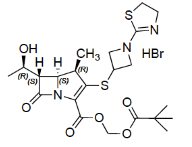
UTEBZI (tebipenem pivoxil) tablets, for oral use, contain tebipenem pivoxil hydrobromide, the hydrobromide salt of tebipenem pivoxil, a prodrug of tebipenem, a carbapenem antibacterial. The chemical name is (pivaloyloxy)methyl (4R,5S,6S)-3-((1-(4,5-dihydrothiazol-2-yl)azetidin-3-yl)thio)-6-((R)-1-hydroxyethyl)-4-methyl-7-oxo-1-azabicylo[3.2.0]hept-2-ene-2-carboxylate hydrobromide. The empirical formula is C22H32BrN3O6S2 and the molecular weight is 578.54 g/mol. The structural formula of tebipenem pivoxil hydrobromide is shown below:

Tebipenem Pivoxil Hydrobromide Chemical Structure (Utebzi Spl Graphic 01)

Tebipenem Pivoxil Hydrobromide Chemical Structure (Utebzi Spl Graphic 01)

Tebipenem pivoxil hydrobromide is a white to off-white powder and is sparingly soluble in water.

Each film‑coated UTEBZI tablet contains 300 mg tebipenem pivoxil, present as 348.8 mg tebipenem pivoxil hydrobromide and the following inactive ingredients: crospovidone, magnesium stearate, microcrystalline cellulose, and silicon dioxide. The tablet film‑coating consists of FD&C blue 1, polyethylene glycol, polyvinyl alcohol, talc, titanium dioxide, and yellow iron oxide.

12.1 Mechanism Of Action

Tebipenem pivoxil is a prodrug of tebipenem, an antibacterial drug [see Microbiology (12.4)].

12.2 Pharmacodynamics

The ratio of 24‑hour free tebipenem area under the plasma concentration‑time curve to the minimum inhibitory concentration (fAUC24:MIC) has been shown to be the pharmacokinetic‑pharmacodynamic (PK‑PD) index predictive of tebipenem antibacterial efficacy in vitro and in vivo animal infection models against Enterobacterales.

Cardiac Electrophysiology

At 2 times the maximum recommended UTEBZI dose in healthy adults, tebipenem does not prolong the QTc interval to a clinically relevant extent.

12.3 Pharmacokinetics

Pharmacokinetic Parameters

Tebipenem pivoxil is the prodrug that is converted to the active moiety, tebipenem upon oral administration. Only the pharmacokinetics of tebipenem are described further because tebipenem pivoxil is not detected in plasma following oral administration. Following single and repeated dosing of 300 mg to 600 mg (0.5 to 1 times the highest approved recommended UTEBZI dose), the increase in cumulative plasma exposure (AUC) and Cmax was approximately dose proportional. No accumulation of tebipenem was observed following repeat dosing of UTEBZI at 600 mg every 6 hours. The pharmacokinetic properties of tebipenem are summarized in Table 3.

Table 3. Pharmacokinetic Parameters of Tebipenem
Cmax = maximum plasma concentration; AUC0-24 = area under the time concentration curve from 0 to 24 hours; Tmax = time to peak concentration; Vz = Volume of Distribution in terminal phase.
a Pharmacokinetic parameters are presented as arithmetic mean (SD) at steady state in patients with cUTI and eGFR greater than or equal to 90 mL/min after oral administration of UTEBZI 600 mg every 6 hours.
b No clinically relevant PK differences between healthy adults and patients with cUTI/pyelonephritis.
c Observed range.
d Studies evaluating the effect on food were performed with a high fat meal (1,000 calories, 50% fat) 30 minutes prior to a single 600 mg dose of UTEBZI.
e Pharmacokinetic parameters were calculated with data after oral administration of a single 600 mg dose of UTEBZI in healthy volunteers.

General Information

Exposure

Cmax (mcg/mL)a,b

5.0 (1.3)

AUC0-24 (mcg*hour/mL)a,b

64.5 (20.4)

Absorption

Tmax, (hours)b,c

0.6 - 1.5

Effect of food (high fat meal)d

Not clinically significant

No effect of food on AUC0-inf, Cmax decreased by 13%,

Tmax delayed by 0.25‑0.5 h

Distribution

Apparent Vz (L)e

66.4 (19.1)

Plasma Protein Binding

~42%

Blood:Plasma

0.66

Elimination

Terminal Half-life (hours)a

1.6 (0.16)

Apparent Clearance (L/hour)e

34.2 (8.1)

Metabolism

Primary Pathway

Tebipenem pivoxil is converted to the pharmacologically active moiety, tebipenem, by hydrolysis in gastric/intestinal fluid and/or enterocytes by intestinal esterases and is further hydrolyzed to the inactive beta-lactam ring-opened metabolite

Excretion

Urine

Primarily cleared in urine; both unchanged drug (62%) and as the ring‑opened metabolite (22%)

Specific Populations

No clinically significant differences in the pharmacokinetics of tebipenem were observed based on age (range: 18-95 years), sex (49% male and 51% female), race (95.3% White, 3.6% Black, and 0.9% Asian), or total body weight (42 to 159 kg).

Patients with Renal Impairment: In a single-dose trial evaluating the effect of renal impairment in adults with varying degrees of renal insufficiency or end-stage renal disease (ESRD) on the pharmacokinetics of tebipenem, systemic exposures of tebipenem were higher at all levels of renal impairment compared with healthy participants with eGFR greater than or equal to 90 mL/min. Dose normalized total tebipenem plasma exposures by eGFR bands are displayed in Table 4. Approximately 40% of a 600 mg UTEBZI dose was removed by a 4‑hour hemodialysis session.

Table 4: Dose Normalized Fold AUC0-infinity Increase in Adults with Renal Insufficiency Compared with Adults with eGFR ≥ 90 mL/min
AUC0-infinity = area under the plasma concentration time curve from 0 to infinity; eGFR = estimated GFR by Modification of Diet in Renal Disease (MDRD) equation; HD = hemodialysis.

Estimated Glomerular Filtration Rate

(eGFR)

Tebipenem Fold Increase

60 mL/min to less than 90 mL/min

1.4

30 mL/min to 59 mL/min

2.2

15 mL/min to 29 mL/min

4.5

less than 15 mL/min or HD

7.2

Patients with eGFR greater than 150 mL/min:

A clinically significant reduction in systemic tebipenem exposure is predicted in adult patients with eGFR >150 mL/min [see Dosage and Administration (2.1), Use in Specific Populations (8.6)].

Hepatic Impairment: Tebipenem does not undergo hepatic metabolism (<10%). The effect of hepatic impairment on the pharmacokinetics of tebipenem has not been evaluated.

Drug Interaction Studies

Clinical Studies:

Effect of Other Drugs on the Pharmacokinetics of Tebipenem: Following a single oral dose of 250 mg of tebipenem pivoxil co‑administered with probenecid (inhibitor of the renal transporters OAT1 and OAT3), tebipenem Cmax increased by approximately 1.5‑fold and plasma AUC by approximately 2.9‑fold [see Drug Interactions (7.1)].

Co‑administration of a single 600 mg dose of UTEBZI with an antacid (aluminum hydroxide, magnesium hydroxide, and simethicone suspension) or a proton pump inhibitor (omeprazole) resulted in no clinically meaningful change in tebipenem plasma AUC.

In Vitro Studies:

Tebipenem is not an in vitro substrate for the CYP enzymes 1A2, 2B6, 2C8, 2C9, 2C19, 2D6 and 3A4/5 or UGT enzymes 1A1, 1A3, 1A4, 1A6, 1A9, 2B7 or 2B15. Neither tebipenem or tebipenem pivoxil inhibited (reversible nor time dependent) CYP1A/CYP1A2, CYP2A6, CYP2B6, CYP2C8, CYP2C9, CYP2C19, CYP2D6, CYP2E1, CYP3A4/5 enzymes in human liver microsomes. Tebipenem is an inducer of CYP1A2 and CYP3A4 in human hepatocytes.

Tebipenem pivoxil is a substrate of OATP1A2, OATP2B1, and tebipenem is a substrate of OCT2, OAT1, OAT3, MATE1, MATE2-K, OATP1B1, and OATP1B3, but not of MDR1 or BCRP. Tebipenem is not an inhibitor of OAT1, MATE1, MATE2-K, OATP1B1, OATP1B3, MDR1 and BCRP. Tebipenem showed partial in vitro inhibition of OAT3 and OCT2. Tebipenem pivoxil is an in vitro inhibitor of MDR1 and BCRP.
12.4 Microbiology

Mechanism of Action

Tebipenem, the active moiety of UTEBZI, is a carbapenem antibacterial drug with in vitro activity against certain gram‑negative and gram‑positive bacteria. The bactericidal action of tebipenem is mediated through binding to essential penicillin‑binding proteins (PBPs). In Escherichia coli and Klebsiella pneumoniae, tebipenem has affinity for PBPs 1a, 1b, 2, 3, 4 and 5/6 with preferential binding to PBP 2. Inhibition of PBPs leads to disruption of cell wall biosynthesis.

Resistance

Potential mechanisms of resistance to tebipenem are alterations of PBPs, production of carbapenemases, overexpression of efflux pumps, and alterations of outer membrane transport proteins. Tebipenem demonstrates cross‑resistance with other carbapenems and is stable in the presence of some beta‑lactamases, including extended‑spectrum beta‑lactamases (ESBLs). Across Enterobacterales, the frequency with which spontaneous resistant mutants to tebipenem developed was <1.4 ×10⁻⁹ to 5.54 ×10⁻⁵ at 4 times MIC.

Tebipenem demonstrated in vitro activity against a subgroup of Enterobacterales isolates genotypically characterized for certain beta‑lactamases, including ESBLs such as TEM, SHV, CTX-M, oxacillinase [OXA], and AmpC. Tebipenem is not active against bacteria that produce serine carbapenemases (such as KPC, OXA‑48), and metallo‑carbapenemases (such as NDM and VIM).

Tebipenem is active against certain ESBL-producing Enterobacterales, including isolates that are also resistant to fluoroquinolones and/or trimethoprim-sulfamethoxazole. Tebipenem has shown in vitro activity against Escherichia coli sequence type (ST) 131-clade.

Interactions with Other Antimicrobials

In vitro studies have demonstrated no antagonism against Escherichia coli, Klebsiella pneumoniae, or Staphylococcus aureus between tebipenem and the following antibacterial classes: penicillins, monobactams, beta‑lactam/beta‑lactamase inhibitor combinations, cephalosporins, carbapenems, aminoglycosides, dihydrofolate reductase inhibitors, macrolides, fosfomycins, fluoroquinolones, fusidanes, glycopeptides, glycylcyclines, lincosamides, lipopeptides, nitrofurans and oxazolidinones. The clinical significance of these in vitro findings is unknown.

Antimicrobial Activity

Tebipenem has been shown to be active against most isolates of the following bacteria, both in vitro and in clinical infections [see Indications and Usage (1)].

Aerobic Bacteria

   Gram‑negative bacteria

  • Escherichia coli
  • Enterobacter cloacae species complex
  • Klebsiella oxytoca
  • Klebsiella pneumoniae
  •    Gram‑positive bacteria

    • Enterococcus faecalis
    • The following in vitro data are available, but their clinical significance is unknown. At least 90 percent of the following bacteria exhibit in vitro minimum inhibitory concentration (MIC) less than or equal to the susceptible breakpoint for tebipenem against isolates of similar genus or organism group. However, the efficacy of UTEBZI in treating clinical infections caused by these bacteria has not been established in adequate and well‑controlled clinical trials.

      Aerobic Bacteria

         Gram‑negative bacteria

      • Citrobacter freundii complex
      • Citrobacter koseri
      • Klebsiella aerogenes
      • Morganella morganii
      • Proteus mirabilis
      • Providencia rettgeri
      • Klebsiella variicola
      • Serratia marcescens
      •    Gram‑positive bacteria

        • Staphylococcus aureus
        • Staphylococcus saprophyticus
        • Streptococcus agalactiae
        • Susceptibility Testing

          For specific information regarding susceptibility test interpretive criteria, and associated test methods and quality control standards recognized by the FDA for this drug, please see https://www.fda.gov/STIC.

13.1 Carcinogenesis, Mutagenesis, Impairment Of Fertility

Carcinogenesis

Carcinogenicity studies in animals have not been conducted with tebipenem pivoxil hydrobromide, tebipenem pivoxil, or tebipenem.

Mutagenesis

Results of bacterial reverse mutation assays (Ames tests) conducted with tebipenem pivoxil and tebipenem were inconclusive due to cytotoxicity.

Tebipenem pivoxil was mutagenic in a gene mutation assay in cultured mammalian cells and induced chromosomal aberration in Chinese hamster ovary cells. However, tebipenem pivoxil was not clastogenic in an in vivo bone marrow micronucleus study in mice and did not induce unscheduled DNA synthesis in hepatocytes cultured from rats following single oral administration of tebipenem pivoxil up to 2000 mg/kg. Tebipenem pivoxil did not cause DNA single strand breaks in the GI tract of rats following a single oral administration of up to 500 mg/kg. Tebipenem pivoxil hydrobromide was not clastogenic in an in vivo bone marrow micronucleus assay in rats.

Tebipenem was not mutagenic in a gene mutation assay in cultured mammalian cells and did not induce chromosomal aberrations in Chinese hamster ovary cells.

Given the totality of available data and the rapid conversion to tebipenem (non-mutagenic active moiety), tebipenem pivoxil is not considered to pose a significant mutagenic risk following oral administration.

Impairment of Fertility

Following oral administration of tebipenem pivoxil at up to 1,000 mg/kg/day to male rats for 28 days prior to and during mating, and to female rats for 14 days prior to mating through gestation Day 14, no effects on fertility, mating, or reproductive performance were noted at tebipenem exposures (based on AUC) that were approximately 4 times the human exposure at the MRHD.

14 Clinical Studies

The efficacy of UTEBZI was evaluated in adult patients with complicated urinary tract infections (cUTI), including pyelonephritis, in a global, randomized, double‑blind, double‑dummy, non‑inferiority (NI) trial, (Trial 1; NCT06059846). This trial compared UTEBZI 600 mg orally every 6 hours to imipenem‑cilastatin 500 mg given intravenously every 6 hours for 7 to 10 days and enrolled 1690 patients hospitalized with cUTI or pyelonephritis. Dose adjustments were made for patients with reduced renal function.

Efficacy was assessed as a composite of clinical cure and microbiological response at the Test-of-Cure visit (TOC, Day 17 ± 2 days) in the microbiological ITT (micro-ITT) population, which included all patients with Enterobacterales pathogens isolated from urine (≥105 CFU/mL, or concurrently in blood culture at baseline). Patients with >2 microorganisms identified in urine culture and with any baseline pathogens not susceptible to imipenem were excluded; patients could be co‑infected with Enterococcus faecalis, Staphylococcus aureus, or Staphylococcus saprophyticus.

The micro-ITT population consisted of 929 patients, of whom 22% had cUTI with pyelonephritis, 43% had cUTI without pyelonephritis, and 34% had pyelonephritis. The median age of patients was 68 years (range 18 to 95 years) with 23% being ≥75 years of age and 58% female. Patients were predominantly White (97%), followed by Black or African American (2%) and Asian (<1%). Overall, 6% identified as Hispanic/Latino. The majority of patients (90%) were enrolled from Central and Eastern Europe. Most patients (85%) had CrCl >50 mL/min. Concomitant bacteremia was identified in 7% of patients at baseline. Patient demographic and baseline characteristics were generally balanced between treatment groups.

Table 5 summarizes the composite response, clinical cure and microbiological response at the TOC visit in the micro-ITT population. The trial demonstrated non‑inferiority of UTEBZI to imipenem‑cilastatin based on the composite response rates. Clinical cure was defined as complete resolution or significant improvement of signs and symptoms of cUTI or pyelonephritis that were present at baseline and no new symptoms, such that no further antimicrobial therapy was warranted. Microbiological response was defined as reduction of all baseline urine pathogen(s) to <103 colony forming units (CFU)/mL on urine culture and negative (or presumed negative) repeat blood culture if blood culture was positive at baseline.

Table 5. Composite Response, Clinical Cure and Microbiological Response Rates at the Test-of-Cure Visit (micro-ITT Population)
micro-ITT = microbiological Intent‑to‑Treat; CI = confidence interval; n = number of patients; N = number of patients in micro-ITT Population.
a UTEBZI was non‑inferior to imipenem‑cilastatin.
b Treatment difference (UTEBZI–imipenem‑cilastatin) and 95% CI calculated using Miettinen and Nurminen (score) method stratified by age at informed consent (≥18 to <65 years vs. ≥65 years), baseline diagnosis (pyelonephritis vs. cUTI), and presence or absence of urinary tract instrumentation at baseline.

Study Endpoint

UTEBZI
N = 446

n (%)

Imipenem-Cilastatin
N = 483

n (%)

Treatment Difference

(95% CI)b

Composite Responsea

261 (58.5)

291 (60.2)

-1.3 (-7.5, 4.8)

Clinical Cure

417 (93.5)

460 (95.2)

-1.6 (-4.7, 1.4)

Microbiological Response

269 (60.3)

296 (61.3)

-0.8 (-6.9, 5.3)

Subgroup analyses examining treatment effects in patient subpopulations defined by age, sex, renal function category, baseline diagnosis (cUTI [with and without pyelonephritis] or pyelonephritis only), and presence of urinary tract instrumentation were consistent with the overall population. Composite Response at the TOC visit in patients with concomitant bacteremia at baseline was achieved in 40.6% (13/32) of patients in the UTEBZI group and 61.8% (21/34) of patients in the imipenem‑cilastatin group.

Table 6 summarizes the composite response rates at the TOC Visit for the most common baseline pathogens in the micro-ITT population.

Table 6. Composite Response Rates at the Test-of-Cure Visit by Baseline Pathogen (micro-ITT Population)
micro-ITT = microbiological Intent to Treat.
a Patients may have been infected with more than one pathogen at baseline. gram‑positive pathogens included only with Enterobacterales as a co‑pathogen.

Pathogena

UTEBZI
n/N (%)

Imipenem-Cilastatin
n/N (%)

Enterobacterales

261/446 (58.5)

291/483 (60.2)

  Escherichia coli

193/333 (58.0)

213/348 (61.2)

  Klebsiella pneumoniae

44/81 (54.3)

60/106 (56.6)

  Enterobacter cloacae species complex

9/11 (81.8)

7/11 (63.6)

  Klebsiella oxytoca

6/10 (60.0)

3/5 (60.0)

  Proteus mirabilis

3/6 (50.0)

4/6 (66.7)

Gram-positive pathogens

10/23 (43.5)

12/23 (52.2)

  Enterococcus faecalis

10/23 (43.5)

11/22 (50.0)

In the UTEBZI treatment group, 35.1% (161/459) of Enterobacterales isolates were ESBL producers compared with 38.9% (192/494) in the imipenem‑cilastatin group. Among patients infected with these ESBL+ pathogens, composite response rates at TOC were consistent with the overall population (52.2% UTEBZI; 56.8% imipenem‑cilastatin). Composite response rates at TOC were also consistent with the overall population among participants infected with fluoroquinolone‑not susceptible Enterobacterales (49.5% UTEBZI; 56.7% imipenem‑cilastatin) and trimethoprim‑sulfamethoxazole‑resistant Enterobacterales (56.0% UTEBZI; 56.2% imipenem‑cilastatin).

16 How Supplied/Storage And Handling

UTEBZI (tebipenem pivoxil) tablets are green, round, biconvex, film‑coated, debossed with “TBP” on one side and “300” on the other side and contain 300 mg of tebipenem pivoxil.

Blister pack of 80 tablets: 8 tablets per blister strip, 10 strips per pack (NDC 0173-0956-76).

Store at 20°C to 25°C (68°F to 77°F); excursions permitted between 15°C to 30°C (59°F to 86°). [See USP controlled room temperature].

17 Patient Counseling Information

Advise the patient to read the FDA-approved patient labeling (Patient Information).

Hypersensitivity Reactions

Advise patients that hypersensitivity, including serious hypersensitivity reactions, could occur, and that serious hypersensitivity reactions require immediate treatment. Advise patients to inform their healthcare provider about any previous hypersensitivity reactions to carbapenems, penicillins, cephalosporins, other beta‑lactam antibacterials and other allergens [see Contraindications (4), Warnings and Precautions (5.1)].

Seizures and Central Nervous System Reactions

Advise patients that central nervous system (CNS) reactions have been reported during treatment with beta‑lactam antibacterials. If CNS adverse reactions, including seizures, occur, advise patients to inform their healthcare provider to determine whether UTEBZI should be discontinued [see Warnings and Precautions (5.2)].

Drug Interaction with Valproic Acid

Advise patients to avoid concomitant use with valproic acid or valproate [see Warnings and Precautions (5.3)].

Secondary Carnitine Deficiency

Counsel patients about the risk of developing clinical manifestations of carnitine deficiency and that they should not use UTEBZI if they have a carnitine deficiency or inborn errors of metabolism that may result in clinically significant carnitine deficiency [see Contraindications (4), Warnings and Precautions (5.4)].

Potentially Serious Diarrhea

Advise patients that diarrhea is a common problem caused by antibacterial drugs, including UTEBZI, and usually resolves when the drug is discontinued. Sometimes, frequent watery or bloody diarrhea may occur and may be a sign of a more serious intestinal infection that may require treatment. If severe watery or bloody diarrhea develops, tell the patient to contact his or her healthcare provider [see Warnings and Precautions (5.5)].

Interference with Newborn Screening Test

Advise patients that treatment of a pregnant individual with UTEBZI prior to delivery may cause a false positive test for isovaleric acidemia in the newborn as part of newborn screening and prompt follow‑up of a positive result is recommended [see Warnings and Precautions (5.6)].

Antibacterial Resistance

Patients should be counseled that antibacterial drugs, including UTEBZI, should only be used to treat bacterial infections. They do not treat viral infections (e.g., the common cold). When UTEBZI is prescribed to treat a bacterial infection, patients should be told that although it is common to feel better early in the course of therapy, the medication should be taken exactly as directed. Skipping doses or not completing the full course of therapy may (1) decrease the effectiveness of the immediate treatment and (2) increase the likelihood that bacteria will develop resistance and will not be treatable by UTEBZI or other antibacterial drugs in the future [see Warnings and Precautions (5.7)].

Pregnancy

Advise patients that there is a pregnancy safety study that monitors pregnancy outcomes in women exposed to UTEBZI during pregnancy. Pregnant women may report UTEBZI exposure by contacting GlaxoSmithKline at 1-888-825-5249.

Manufactured for

GlaxoSmithKline

Durham, NC 27701

Trademarks are owned by or licensed to the GSK group of companies.

Updated information about this product may be available by scanning the QR code on the outer carton with a camera‑enabled mobile phone/tablet, or by visiting https://epi-pla.org.

©2026 GSK group of companies or its licensor.

UTB:1PI

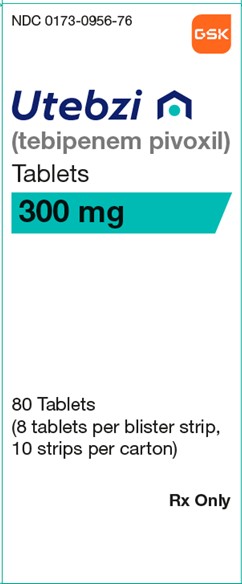
Package Label.Principal Display Panel

NDC 0173-0956-76

Utebzi

(tebipenem pivoxil)

Tablets

300mg

GSK

80 Tablets

(8 tablets per blister strip, 10 strips per carton)

Rx Only

Made in China

2026 GSK group of companies or its licensor.

Rev. 05/26

F50000404876 (ACSA195A00)

Utebzi 300 mg 80 Count Carton (Utebzi Spl Graphic 02)

Utebzi 300 mg 80 Count Carton (Utebzi Spl Graphic 02)

* Please review the disclaimer below.