Aconitum Napellus Pellet
Product Images NDC 0220-0028

View Photos of Packaging, Regulatory Labels, and Product Appearance

Product Visual Gallery

This gallery contains 2 technical images submitted to the FDA as part of the official labeling for Aconitum Napellus (NDC 0220-0028). Unlike standard consumer photos, these assets often include clinical data figures, molecular chemical structures, and official manufacturer packaging layouts.

As provided by Boiron, these visuals offer a comprehensive scientific overview of the product's physical and chemical identity, aiding pharmacists and researchers in product verification and study.

FDA Label Image

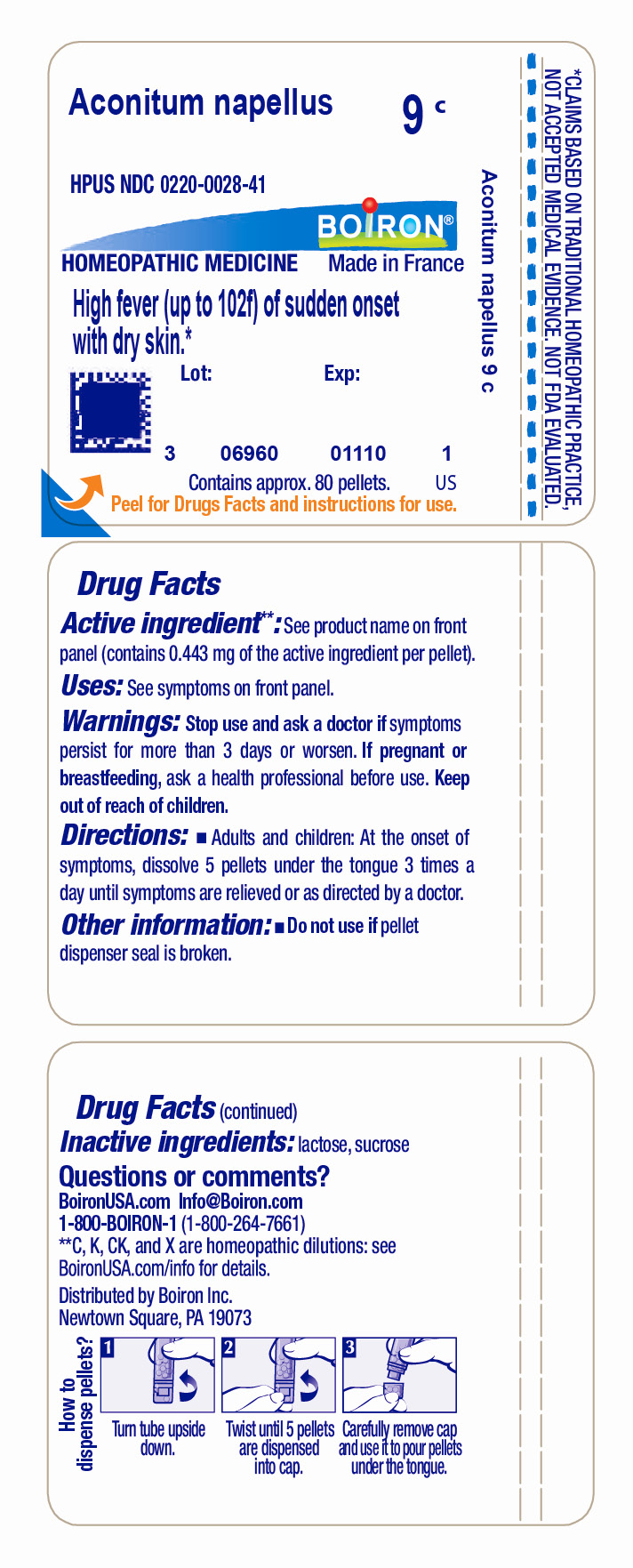
Label (Aconap9c)

Label (Aconap9c)
This product is a homeopathic medicine used for high fever caused by sudden onset with dry skin. It contains approximately 80 pellets and is made in France. The active ingredient is Aconitum napellus 9c with 0.443 mg per pellet. Adults and children are recommended to dissolve 5 pellets under the tongue 3 times a day at the onset of symptoms or as directed by a doctor. It is important to seek medical attention if symptoms persist for more than 3 days or worsen. Contains lactose and sucrose. For more information or questions, contact BoironUSA.com or call 1-800-BOIRON-1.*
FDA Label Image

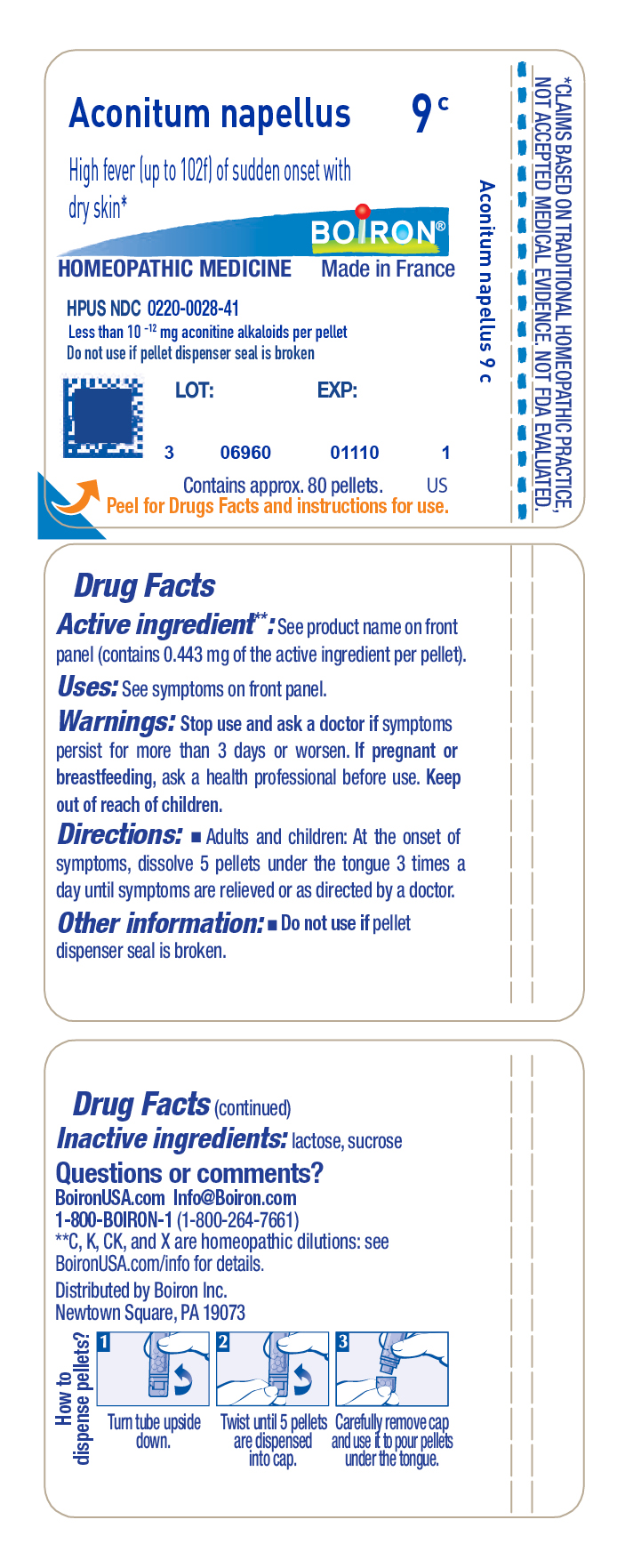
Aconitum Napellus 9c Label

Aconitum Napellus 9c Label
This is a description of a homeopathic medicine made in France containing Aconitum Napellus 9 used for treating high fever of sudden onset with dry skin. The product comes with a pellet dispenser that contains 80 pellets. The active ingredient is 0.443 mg per pellet. The medicine is taken by dissolving 5 pellets under the tongue three times a day until symptoms are relieved or as directed by a physician. The product is not recommended for pregnant women or children under three years of age. The inactive ingredients are lactose and sucrose. The manufacturer's contact information is also provided. Instructions on how to dispense the pellets are given.*

* These product label images have been analyzed using experimental machine learning. Please verify findings with the primary label text.