Xeomin Injection, Powder, Lyophilized, For Solution
Product Images NDC 0259-1620

View Photos of Packaging, Regulatory Labels, and Product Appearance

Product Visual Gallery

This gallery contains 17 technical images submitted to the FDA as part of the official labeling for Xeomin (NDC 0259-1620). Unlike standard consumer photos, these assets often include clinical data figures, molecular chemical structures, and official manufacturer packaging layouts.

As provided by Merz Pharmaceuticals, Llc, these visuals offer a comprehensive scientific overview of the product's physical and chemical identity, aiding pharmacists and researchers in product verification and study.

FDA Label Image

Figure 1 (Xeomin 01)
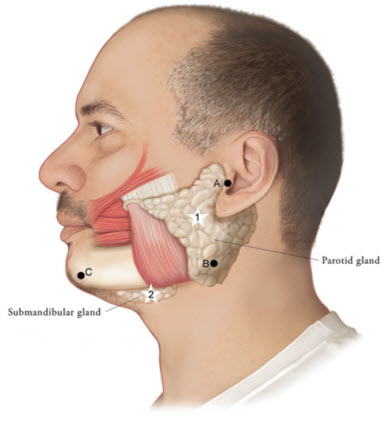
Figure 1 (Xeomin 01)
An anatomical illustration showing the lateral side of a man's head and neck, highlighting the parotid gland and submandibular gland locations. Muscles around the jaw and neck area are also visible, with labeled points A, B, and C indicating specific anatomical landmarks near the glands.*
FDA Label Image

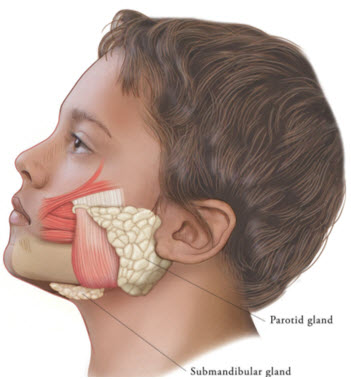
Xeomin 01a

Xeomin 01a
An anatomical illustration showing a side profile of a young person’s head, highlighting the parotid gland and submandibular gland in the lower face area near the jaw and ear. The diagram labels and visually points to these salivary glands beneath the skin and muscles.*
FDA Label Image

Figure 2 (Xeomin 02)

Figure 2 (Xeomin 02)
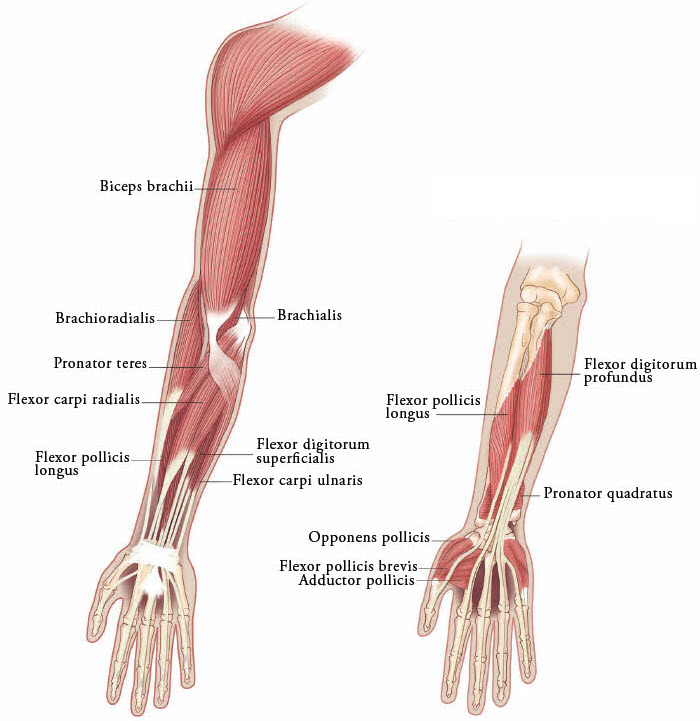
An anatomical illustration labeling the muscles of the human forearm and hand. The left forearm is shown anteriorly, highlighting muscles including biceps brachii, brachioradialis, pronator teres, and flexor carpi ulnaris. The right forearm is shown posteriorly with muscles such as flexor pollicis longus, flexor digitorum profundus, and pronator quadratus labeled, alongside detailed hand muscles including opponens pollicis and adductor pollicis.*
FDA Label Image

Figure 3 (Xeomin 03)

Figure 3 (Xeomin 03)
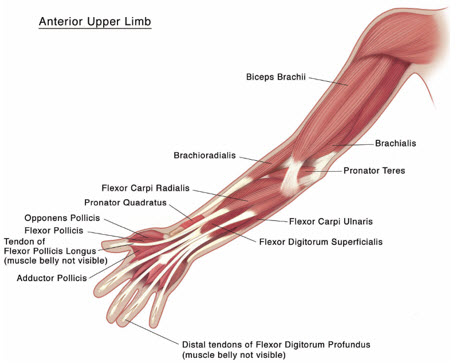
An anatomical illustration of the anterior upper limb highlighting muscles and tendons, including the biceps brachii, brachialis, brachioradialis, pronator teres, flexor carpi radialis, flexor carpi ulnaris, flexor digitorum superficialis, and others. Specific tendons and muscle bellies are labeled.*
FDA Label Image

Xeomin 03a

Xeomin 03a
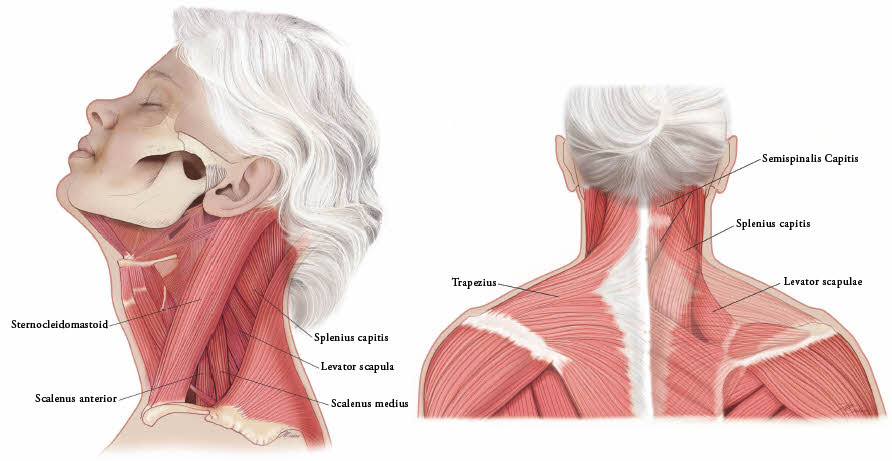
An anatomical illustration showing the muscles of the neck and upper back from lateral and posterior views. Muscle groups labeled include the sternocleidomastoid, splenius capitis, levator scapulae, scalenus anterior, scalenus medius, semispinalis capitis, and trapezius.*
FDA Label Image

Figure 4 (Xeomin 04)

Figure 4 (Xeomin 04)
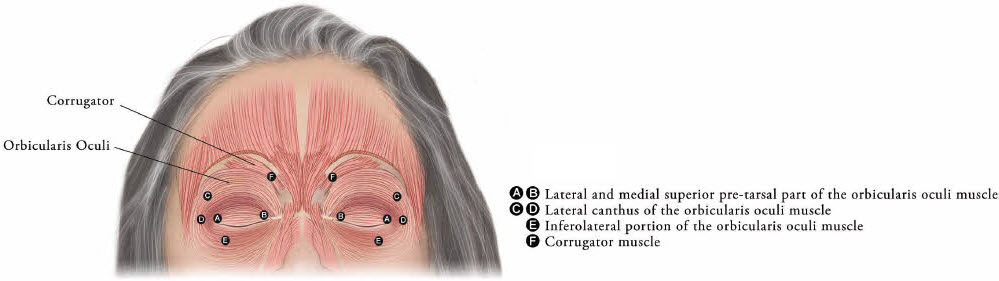
An anatomical illustration showing the muscles around the human eyes and forehead, specifically highlighting the corrugator and orbicularis oculi muscles. Labels identify the lateral and medial superior pre-tarsal part, lateral canthus, inferolateral portion of the orbicularis oculi muscle, and the corrugator muscle, providing detailed muscle anatomy of the upper face.*
FDA Label Image

Figure 5 (Xeomin 05)

Figure 5 (Xeomin 05)
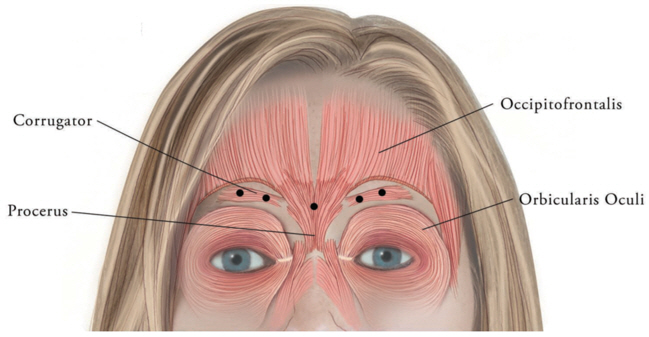
An anatomical illustration of the upper face showing labeled muscles relevant to intramuscular injection sites, including the corrugator, procerus, occipitofrontalis, and orbicularis oculi muscles. Several black dots mark specific muscle locations on the forehead around the eyes and eyebrows.*
FDA Label Image

Figure 6 (Xeomin 06)

Figure 6 (Xeomin 06)
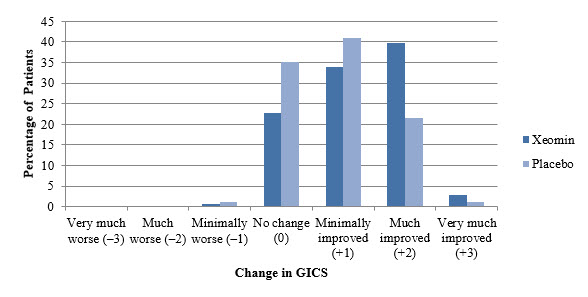
A bar graph comparing the percentage of patients for Xeomin and placebo across different levels of change in GICS. The x-axis shows change categories from very much worse to very much improved, while the y-axis indicates the percentage of patients. Xeomin has higher percentages in the 'much improved' and 'minimally improved' categories compared to placebo.*
FDA Label Image

Principal Display Panel (50 Units/Vial Label)

Principal Display Panel (50 Units/Vial Label)
A cumulative percentage line graph showing changes from baseline on the TWSTRS score for three treatment groups: Placebo, Xeomin 120 U, and Xeomin 240 U. The x-axis represents change from baseline ranging from -60 to 20, and the y-axis shows the cumulative percentage of patients from 0 to 100%. The graph includes vertical lines and a table summarizing percentage improvements at specific TWSTRS changes (-28.5, -7, 0) for each group.*
FDA Label Image

Principal Display Panel (50 Units/Vial Carton)

Principal Display Panel (50 Units/Vial Carton)
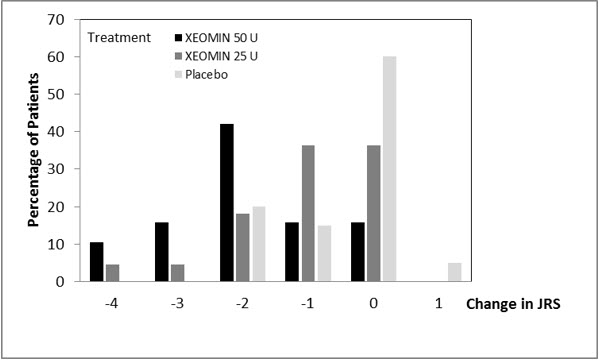
A bar chart comparing the percentage of patients by treatment group (XEOMIN 50 U, XEOMIN 25 U, Placebo) across different levels of change in JRS (Jankovic Rating Scale) from -4 to 1. The chart shows variations in patient distribution for each treatment and placebo across negative, zero, and positive changes in JRS.*
FDA Label Image

Principal Display Panel (100 Units/Vial Label)

Principal Display Panel (100 Units/Vial Label)
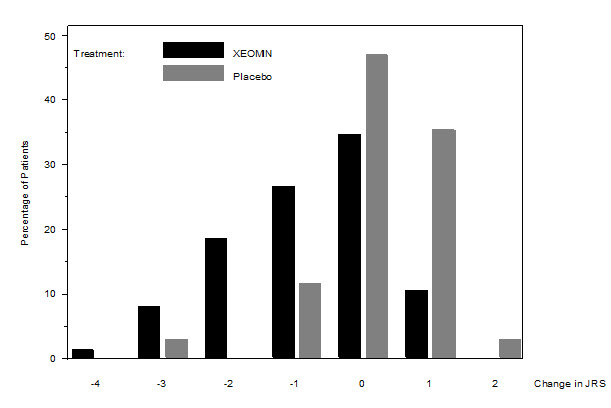
A bar chart comparing the percentage of patients by treatment group (Xeomin and Placebo) across different changes in JRS (Jankovic Rating Scale) scores. The x-axis shows changes in JRS ranging from -4 to 2, and the y-axis shows the percentage of patients. Black bars represent Xeomin treatment, and gray bars represent placebo.*
FDA Label Image

Principal Display Panel (100 Units/Vial Carton)

Principal Display Panel (100 Units/Vial Carton)
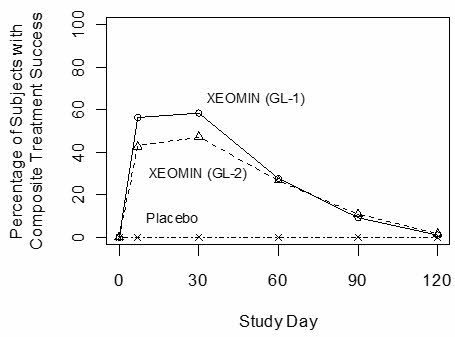
Line graph depicting the percentage of subjects with composite treatment success over study days for Xeomin (GL-1 filament and GL-2 filament) compared to placebo. The vertical axis shows the percentage of success, and the horizontal axis shows study days up to 120 days.*
FDA Label Image

Principal Display Panel (50 Units/Vial Label)

Principal Display Panel (50 Units/Vial Label)
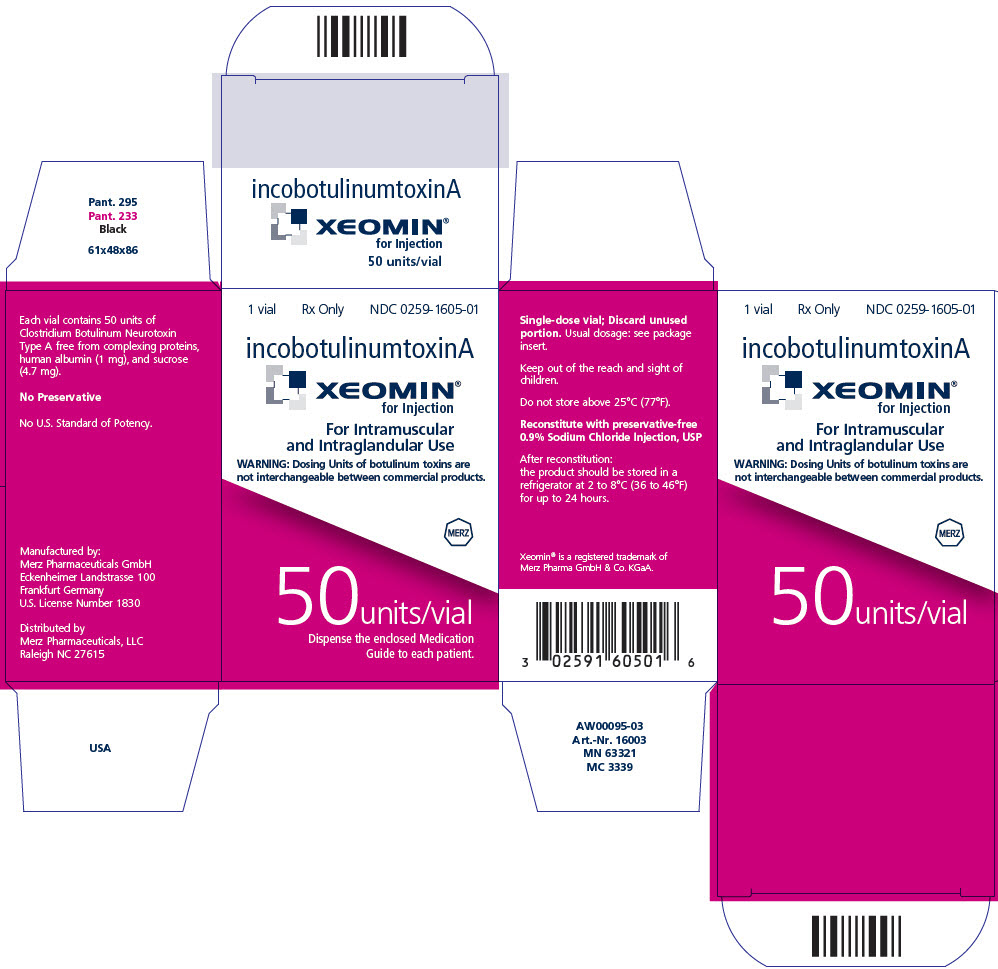
The image shows the unfolded carton packaging for Xeomin 50 units/vial, containing incobotulinumtoxinA injection powder for solution. The label indicates intramuscular and intradermal use, with warnings about dosing and storage. The packaging is primarily white and magenta with the XEOMIN logo, manufacturer Merz Pharmaceuticals, and barcodes displayed.*
FDA Label Image

Principal Display Panel (50 Units/Vial Carton)

Principal Display Panel (50 Units/Vial Carton)
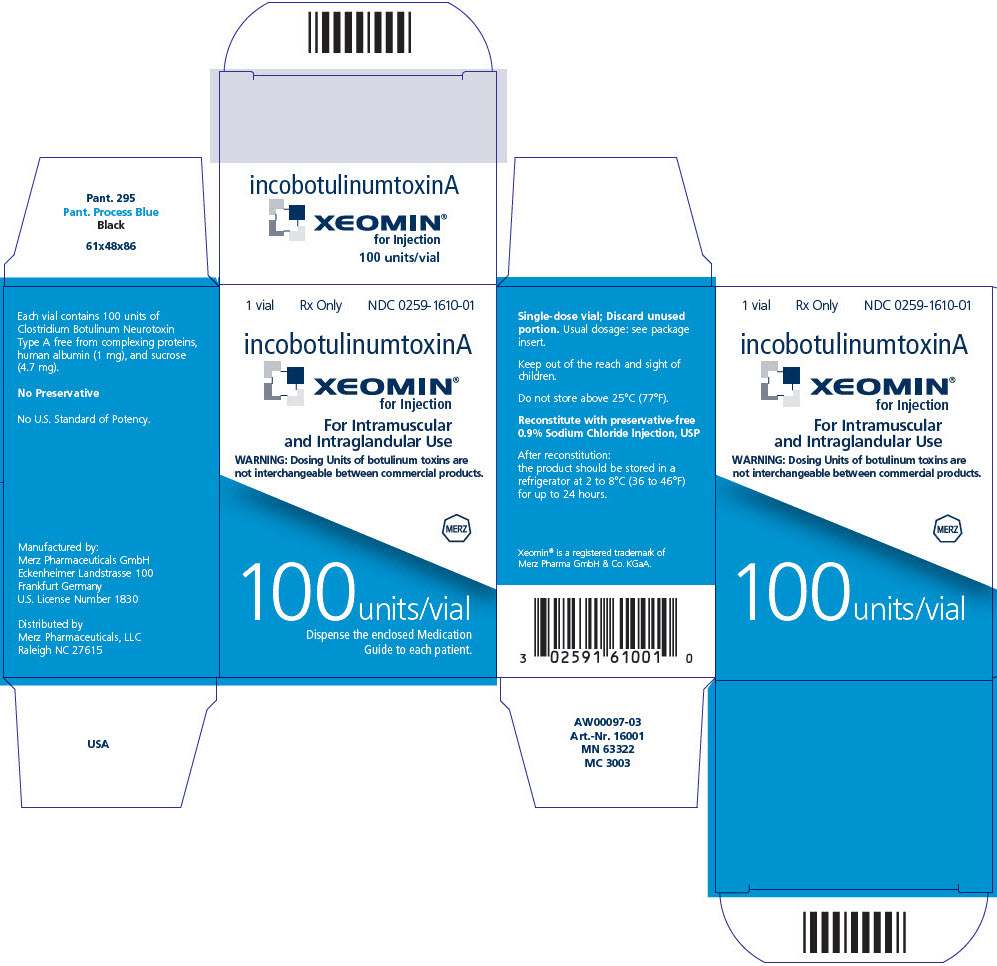
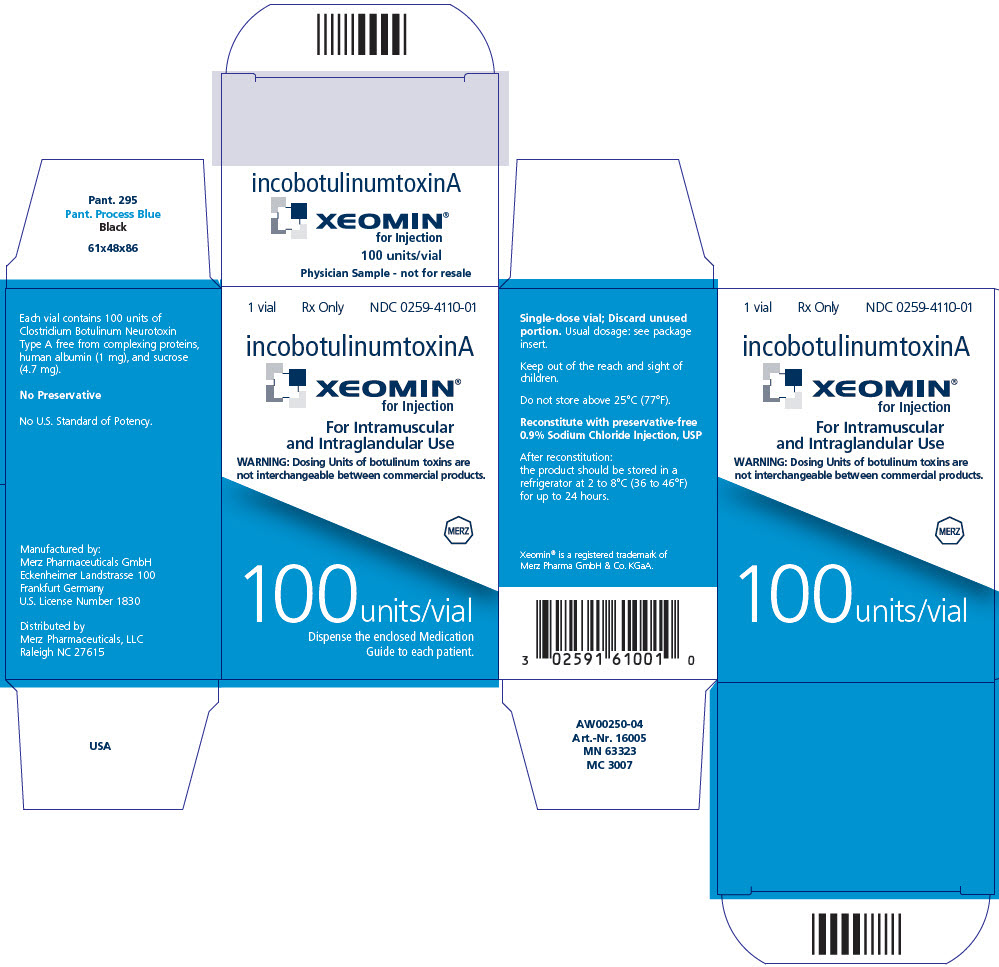
Packaging label for Xeomin injection, powder, lyophilized, for solution, containing 100 units per vial of incobotulinumtoxinA. The label indicates the product is for intramuscular and intraglandular use. It includes warnings about dosing units not being interchangeable between commercial products. The labeler is Merz Pharmaceuticals, LLC, with manufacturing by Merz Pharmaceuticals GmbH in Germany. The package is predominantly blue and white with branding and barcode details.*
FDA Label Image

Principal Display Panel (100 Units/Vial Label)

Principal Display Panel (100 Units/Vial Label)
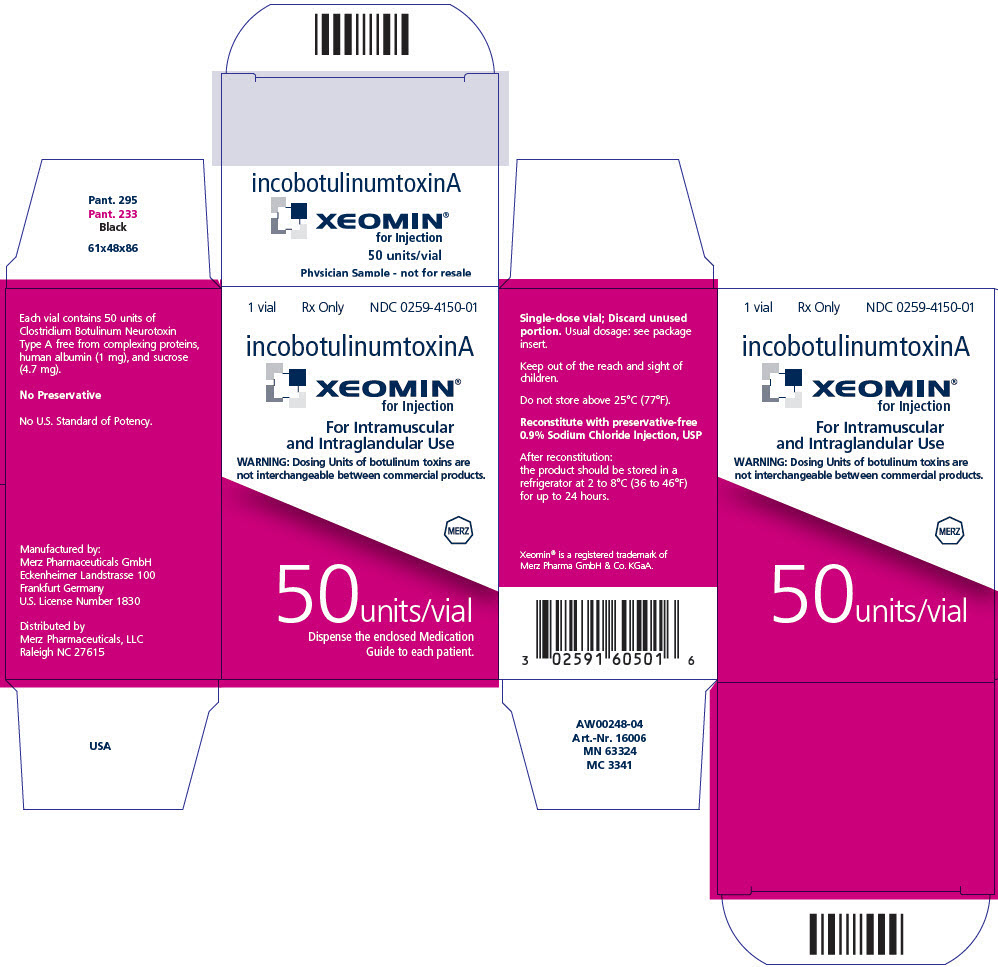
Packaging label for Xeomin 50 units/vial, an injection powder lyophilized for solution containing incobotulinumtoxinA. Manufactured by Merz Pharmaceuticals GmbH and distributed by Merz Pharmaceuticals, LLC. The label includes dosage form and strength, NDC code 0259-4150-01, usage warnings, storage instructions, and a bar code.*
FDA Label Image

Principal Display Panel (100 Units/Vial Carton)

Principal Display Panel (100 Units/Vial Carton)
Packaging label for Xeomin 100 units/vial injection, lyophilized powder for intramuscular and intragluteal use by Merz Pharmaceuticals, LLC. The label includes product name, active ingredient incobotulinumtoxinA, dosage strength, usage warnings, storage instructions, and manufacturer information. The label shows that this is a physician sample and not for resale.*
FDA Label Image

Principal Display Panel (200 Units/Vial Label)

Principal Display Panel (200 Units/Vial Label)
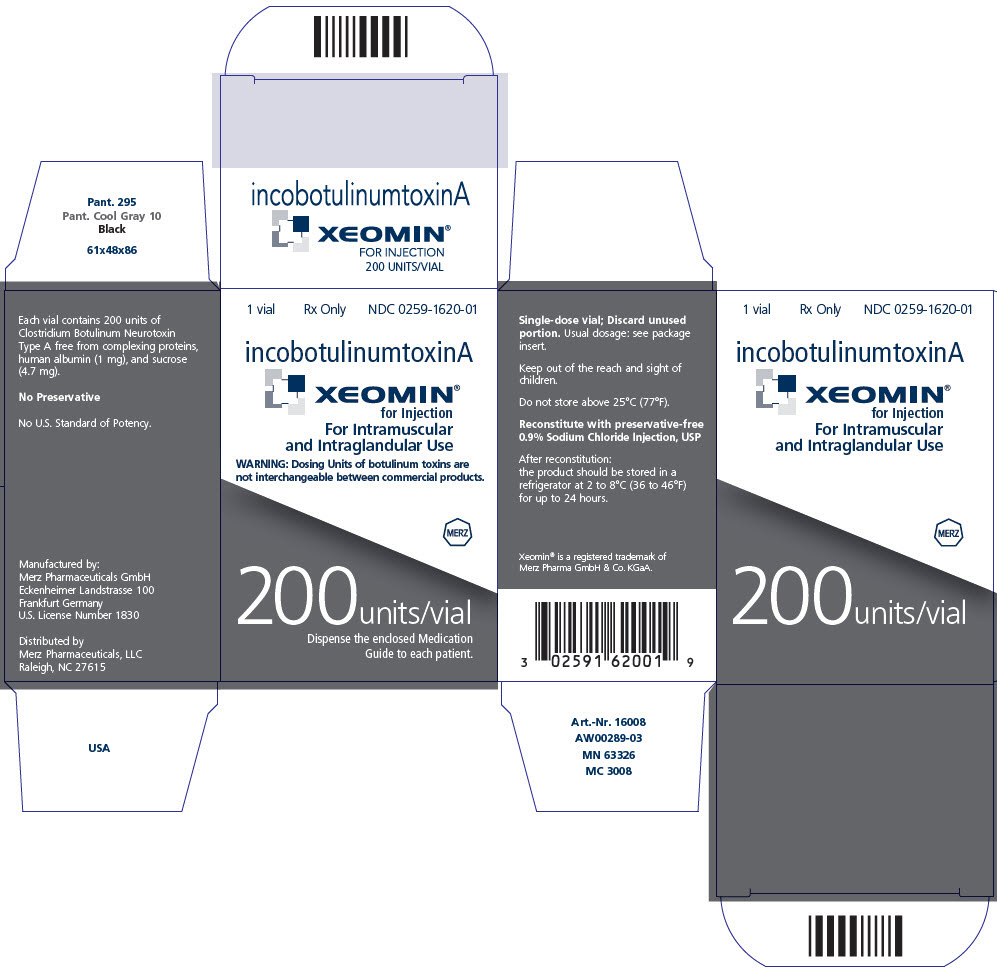
Packaging label for Xeomin 200 units/vial injection powder, lyophilized for solution, containing incobotulinumtoxinA. The label indicates it is for intramuscular and intraglandular use. Manufactured by Merz Pharmaceuticals GmbH in Germany and distributed by Merz Pharmaceuticals, LLC. The vial is single-dose with instructions to reconstitute with preservative-free 0.9% Sodium Chloride Injection, USP.*

* About these descriptions: Image descriptions on this page are generated by automated AI analysis of the product label images from the manufacturer's FDA label submission (SPL). They are provided for reference only and may contain errors or omissions. Always rely on the printed label itself and the official FDA labeling, and consult a pharmacist or healthcare professional with any questions about this product.