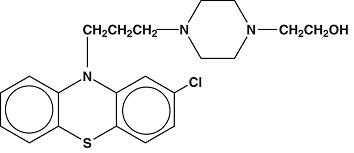
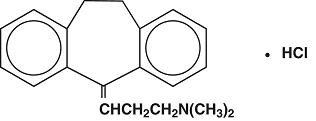
Amitriptyline hydrochloride is an antidepressant with sedative effects. Its mechanism of action in man is not known. It is not a monoamine oxidase inhibitor and it does not act primarily by stimulation of the central nervous system.
Depressed patients, particularly those with known manic depressive illness, may experience a shift to mania or hypomania. Patients with paranoid symptomatology may have an exaggeration of such symptoms. The tranquilizing effect of this product seems to reduce the likelihood of these effects.
Both elevation and lowering of blood sugar levels have been reported.
Amitriptyline hydrochloride should be used with caution in patients with impaired liver functions.
When amitriptyline hydrochloride is given with anticholinergic agents or sympathomimetic drugs, including epinephrine combined with local anesthetics, close supervision and careful adjustment of dosages are required.
Hyperpyrexia has been reported when amitriptyline is administered with anticholinergic agents or with neuroleptic drugs, particularly during hot weather.
Paralytic ileus may occur in patients taking tricyclic antidepressants in combination with anticholinergic type drugs.
This drug may enhance the response to alcohol and the effects of barbiturates and other CNS depressants.
Concurrent administration of amitriptyline hydrochloride and electroshock therapy may increase the hazards associated with such therapy. Such treatment should be limited to patients for whom it is essential.
Discontinue the drug several days before elective surgery, if possible.
Concurrent administration of cimetidine and tricyclic antidepressants can produce clinically significant increases in the plasma concentrations of the tricyclic antidepressant. Serious anticholinergic symptoms (severe dry mouth, urinary retention, blurred vision) have been associated with elevations in the serum levels of the tricyclic antidepressant when cimetidine is added to the drug regimen. Additionally, higher than expected steady-state serum concentrations of the tricyclic antidepressant have been observed when therapy is initiated in patients taking cimetidine.
Alternatively, decreases in the steady-state serum concentration of the tricyclic antidepressant have been reported in well controlled patients on concurrent therapy upon discontinuance of cimetidine. The therapeutic efficacy of the tricyclic antidepressant may be compromised in these patients as the cimetidine is discontinued.
Caution is advised if patients receive large doses of ethchlorvynol concurrently. Transient delirium has been reported in patients who were treated with 1 g of ethchlorvynol and 75 mg to 150 mg of amitriptyline hydrochloride.
Within each category the following adverse reactions are listed in order of decreasing severity. Included in the listing which follows are a few adverse reactions which have not been reported with this specific drug. However, pharmacological similarities among the tricyclic antidepressant drugs require that each of the reactions be considered when amitriptyline is administered.
Cardiovascular: Myocardial infarction, stroke, heart block, arrhythmias, hypotension, particularly orthostatic hypotension, hypertension, tachycardia, palpitation.
CNS and Neuromuscular: Coma, seizures, hallucinations, delusions, confusional states, disorientation, incoordination, ataxia, tremors, peripheral neuropathy, numbness, tingling and paresthesias of the extremities, extrapyramidal symptoms, dysarthria, disturbed concentration, excitement, anxiety, insomnia, restlessness, nightmares, drowsiness, dizziness, weakness, fatigue, headache, syndrome of inappropriate ADH (antidiuretic hormone) secretion, tinnitus, alteration in EEG patterns.
Anticholinergic: Paralytic ileus, hyperpyrexia, urinary retention, dilatation of urinary tract, constipation, blurred vision, disturbance of accommodation, increased intraocular pressure, mydriasis, dry mouth.
Allergic: Skin rash, urticaria, photosensitization, edema of face and tongue.
Hematologic: Bone marrow depression including agranulocytosis, leukopenia, thrombocytopenia, purpura, eosinophilia.
Gastrointestinal: Rarely hepatitis (including altered liver function and jaundice), nausea, epigastric distress, vomiting, anorexia, stomatitis, peculiar taste, diarrhea, parotid swelling, black tongue.
Endocrine: Testicular swelling and gynecomastia in the male, breast enlargement and galactorrhea in the female, increased or decreased libido, elevation and lowering of blood sugar levels.
Other: Alopecia, edema, weight gain or loss, urinary frequency, increased perspiration.