Levalbuterol Solution
Product Images NDC 0378-9690

View Photos of Packaging, Regulatory Labels, and Product Appearance

Product Visual Gallery

This gallery contains 15 technical images submitted to the FDA as part of the official labeling for Levalbuterol (NDC 0378-9690). Unlike standard consumer photos, these assets often include clinical data figures, molecular chemical structures, and official manufacturer packaging layouts.

As provided by Mylan Pharmaceuticals Inc., these visuals offer a comprehensive scientific overview of the product's physical and chemical identity, aiding pharmacists and researchers in product verification and study.

FDA Label Image

Levalbuterol Inhalation Solution 0.31 mg Carton Label (Image 01)
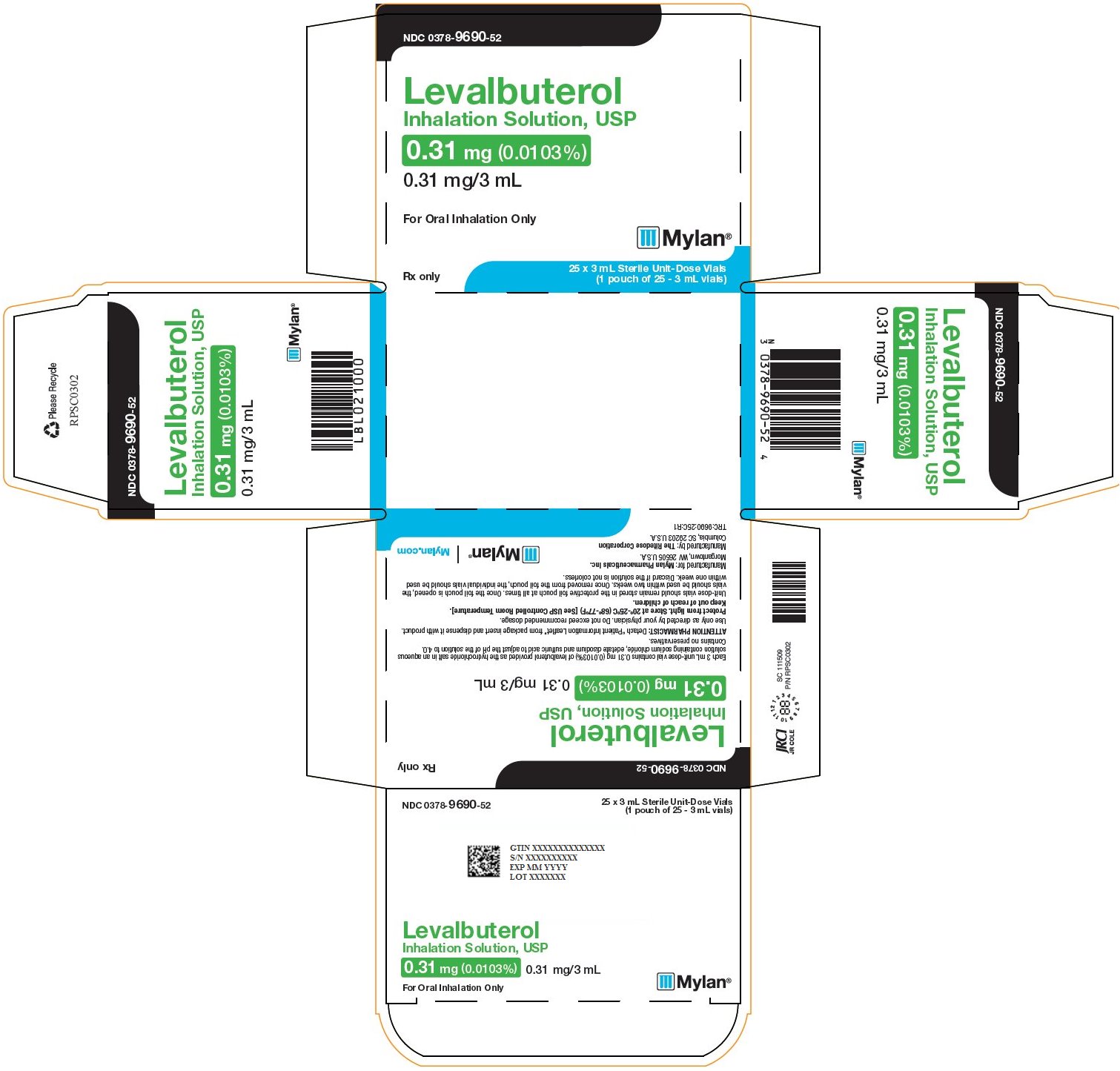
Levalbuterol Inhalation Solution 0.31 mg Carton Label (Image 01)
This is a description of Levalbuterol, an Inhalation Solution, USP, with a strength of 0.31mg/3mL. It is for oral inhalation only and is provided in 25 sterile unit-dose vials, each containing 3mL. The National Drug Code (NDC) for this medication is 0378-9690-52. The remaining text appears to be a mix of random characters and does not convey any useful information.*
FDA Label Image

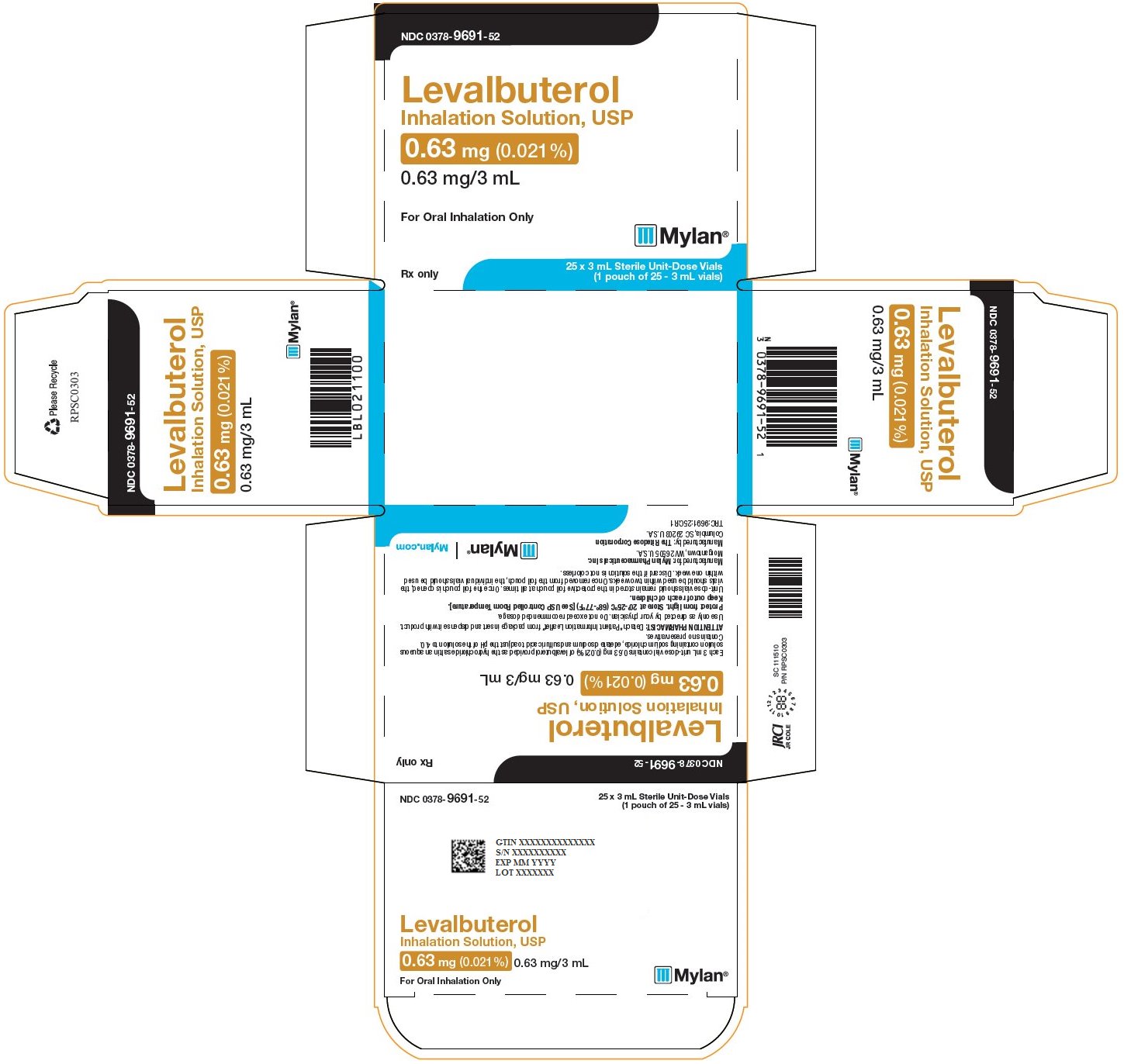
Levalbuterol Inhalation Solution 0.63 mg Carton Label (Image 02)

Levalbuterol Inhalation Solution 0.63 mg Carton Label (Image 02)
Levalbuterol Inhalation Solution is available in 3mL Sterile Unit-Dose Vials, with 0.63 mg of levalbuterol in each vial for oral inhalation. The product comes in a pouch of 25 vials. The NDC code is 0378-9691-52. Manufacturing and expiration dates are noted but the output is illegible. The product is made by Mylan.*
FDA Label Image

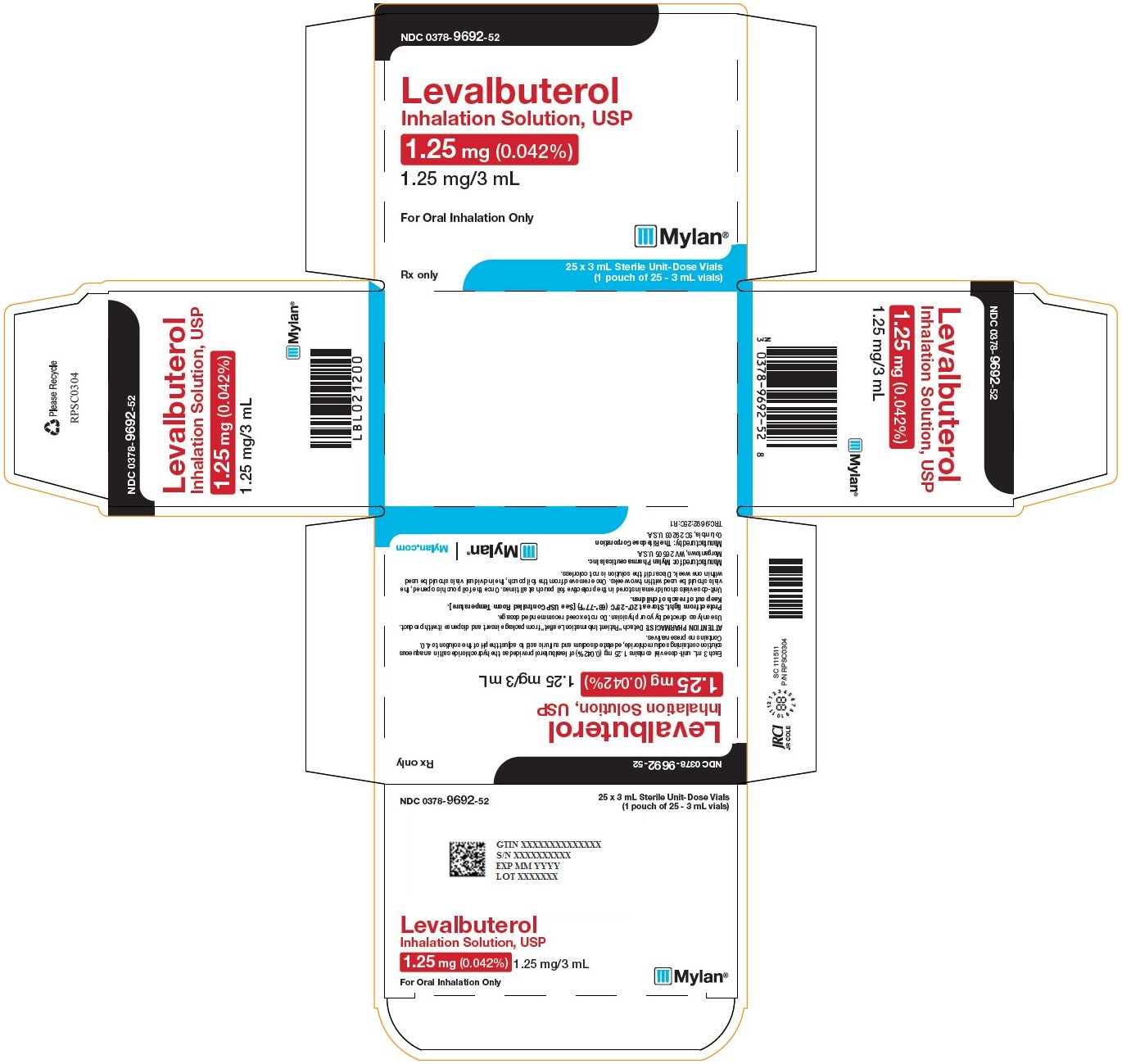
Levalbuterol Inhalation Solution 1.25 mg Carton Label (Image 03)

Levalbuterol Inhalation Solution 1.25 mg Carton Label (Image 03)
This is a description of a Levalbuterol Inhalation Solution, USP. The solution is contained in 25x3 mL sterile unit-dose vials, with 1.25 mg (0.042%) of the medication in each vial. The medication is intended for oral inhalation only. The NDC code for the medication is 0378-9692-52. Unfortunately, there is some garbled and unreadable text mixed in with the information.*
FDA Label Image

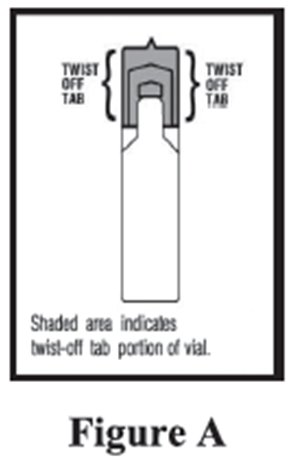
Figure A (Image 04)

FDA Label Image

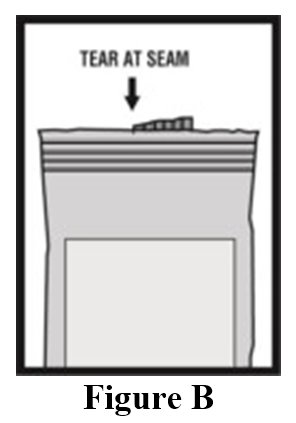
Figure B (Image 05)

FDA Label Image

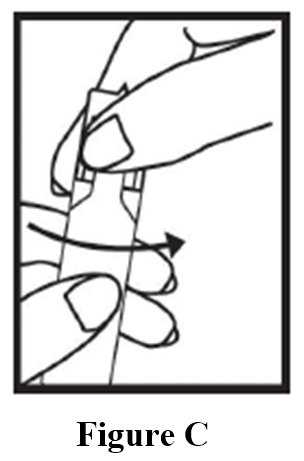
Figure C (Image 06)

FDA Label Image

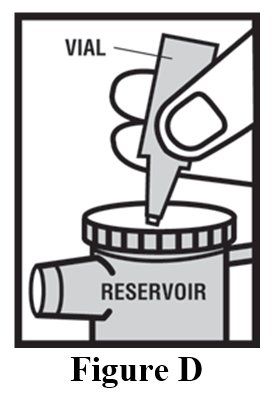
Figure D (Image 07)

FDA Label Image

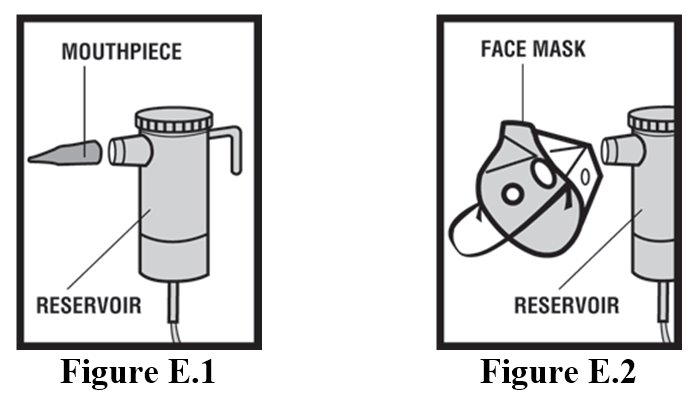
Figures E.1 And E.2 (Image 08)

Figures E.1 And E.2 (Image 08)
The text describes a "MOUTHPIECE FACE MASK" but no further information is available. Two figures, labeled "Figure E.1" and "Figure E.2" may be related to the mouthpiece face mask, but their contents are not mentioned in the text.*
FDA Label Image

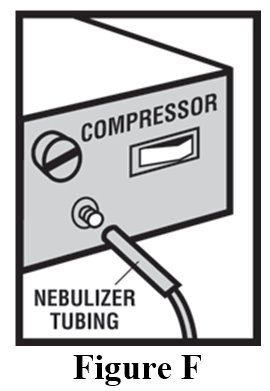
Figure F (Image 09)

FDA Label Image

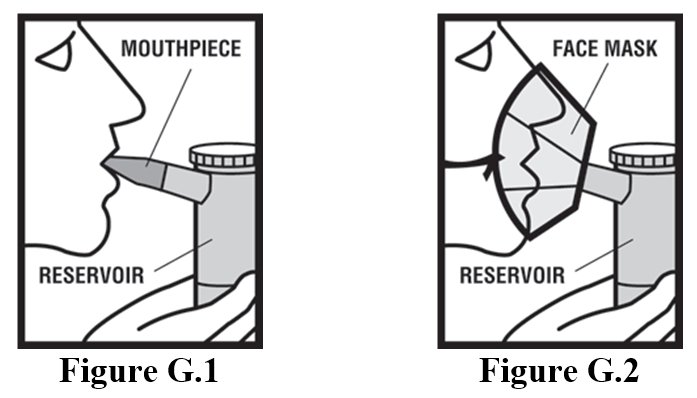
Figures G.1 And G.2 (Image 10)

FDA Label Image

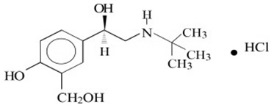
Chemical Structure (Levalbuterol 01)

FDA Label Image

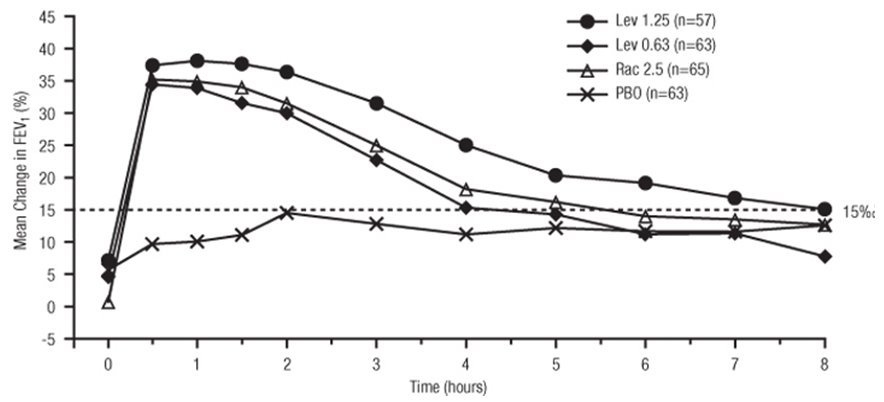
Figure 1 (Levalbuterol 02)

FDA Label Image

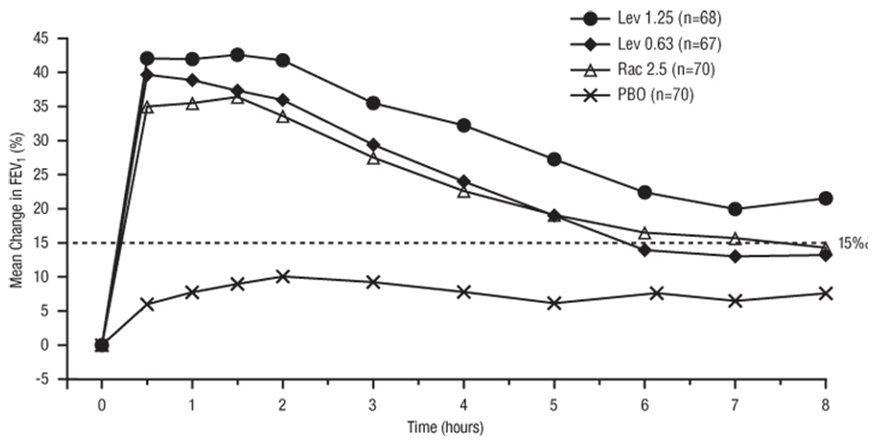
Figure 2 (Levalbuterol 03)

Figure 2 (Levalbuterol 03)
This appears to be a plot showing the mean change in FEV (forced expiratory volume) in percentages over time in a study that tested four different medications: Lev1.25, Lev0.63, Rac 2.5, and a placebo (PBO). The study involved a total of 248 participants, with different sample sizes for each medication. However, without more information or context, it is difficult to fully interpret the results or draw conclusions.*
FDA Label Image

Figure 3 (Levalbuterol 04)

Figure 3 (Levalbuterol 04)
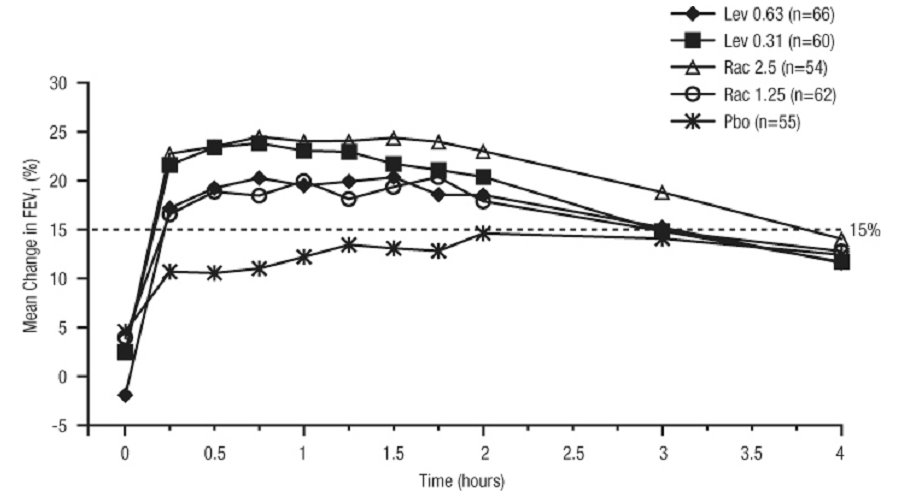
This data is likely graphical data and shows the mean change in FEV over time in hours for different groups of subjects. The groups include Lev 0.63, Lev 0.31, Rac 25, Rac 1.25, and Pbo, with corresponding sample sizes of n=__, n=__, n=60, n=64, and n=59. Without the values for the mean change in FEV, it is not possible to further interpret this data.*
FDA Label Image

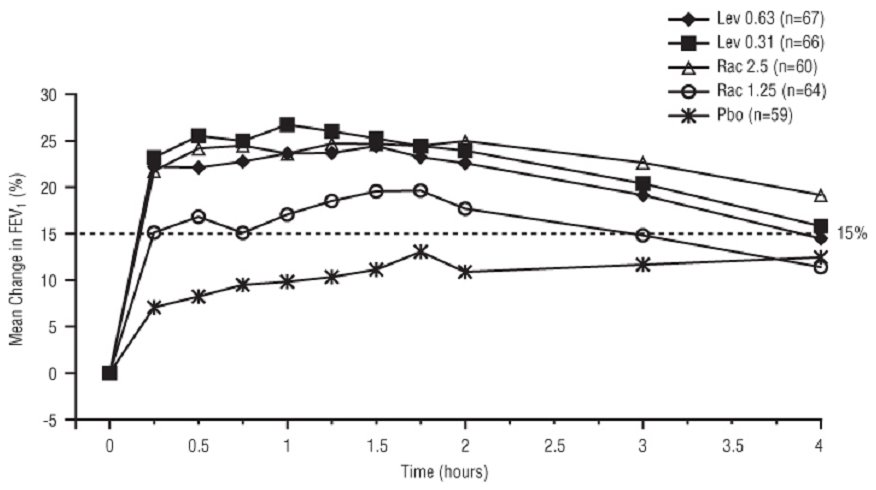
Figure 4 (Levalbuterol 05)

Figure 4 (Levalbuterol 05)
This text represents a chart or a graph that shows the mean change in FEV (%), over time (hours), for five different treatments: Lev 0.63, Lev 031, Rac 2.5, Rac 1.25, and Pbo. The values represent the mean changes in FEV, expressed as a percentage, for each treatment, at different time points (0, 0.5, 1, 1.5, 2, 2.5, 3, 3.5, and 4 hours).*

* These product label images have been analyzed using experimental machine learning. Please verify findings with the primary label text.