Midazolam Injection
Product Images NDC 0404-9780
View Photos of Packaging, Regulatory Labels, and Product Appearance
Product Visual Gallery
This gallery contains 8 technical images submitted to the FDA as part of the official labeling for Midazolam (NDC 0404-9780). Unlike standard consumer photos, these assets often include clinical data figures, molecular chemical structures, and official manufacturer packaging layouts.
As provided by Henry Schein, Inc., these visuals offer a comprehensive scientific overview of the product's physical and chemical identity, aiding pharmacists and researchers in product verification and study.
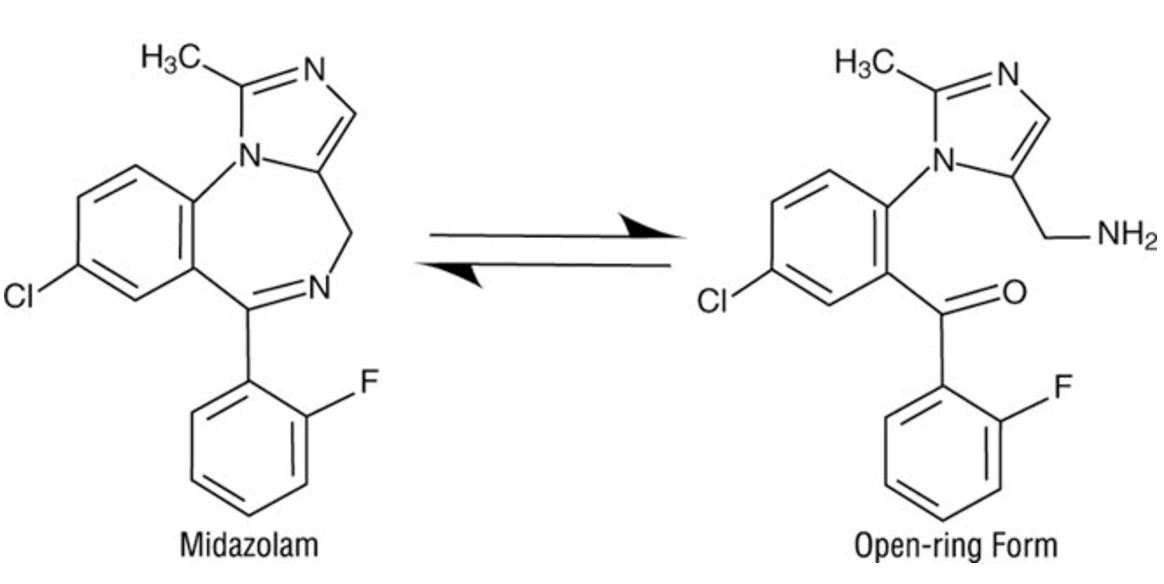
Formula2.jpg (Formula2)
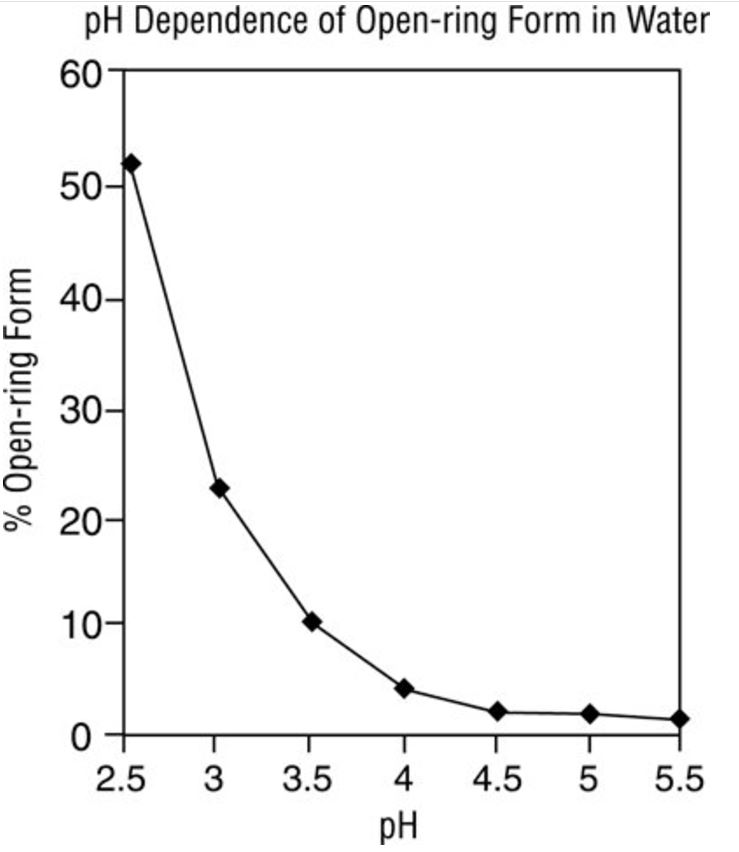
Formula3.jpg (Formula3)
Image1.jpg (Image1)
This is a list of common side effects and their respective frequencies associated with an intramuscular injection. These effects include headache (1.3%), pain (3.7%), induration (0.5%), redness (0.5%), and muscle stiffness (0.3%). These details can be helpful in understanding the potential reactions to such injections.*
Image2.jpg (Image2)
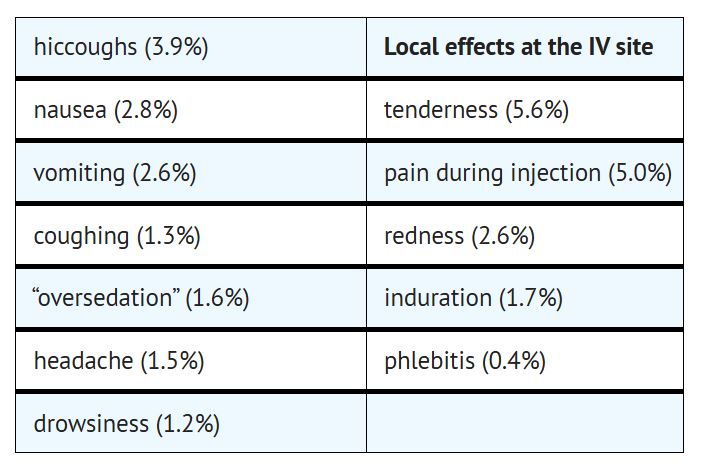
This information provides the occurrence percentages of various side effects related to a medical treatment or intervention. It includes common side effects such as hiccoughs, nausea, vomiting, coughing, headache, and drowsiness, along with local effects at the intravenous (IV) site, such as tenderness, pain during injection, redness, induration, and phlebitis. This data can be used to assess the likelihood of experiencing these side effects and inform medical decisions and patient care.*
Image3.jpg (Image3)
This is an evaluation of alertness/sedation levels using the Observer's Assessment of Alertness/Sedation (OAA/S) scale. It categorizes levels of responsiveness based on criteria such as response to name being called, speech, facial expression, and eye movements. The assessment ranges from 5 (alert) for quick and appropriate responses to 1 for no response to mild prodding or shaking indicating deep sleep.*
Image4.jpg (Image4)
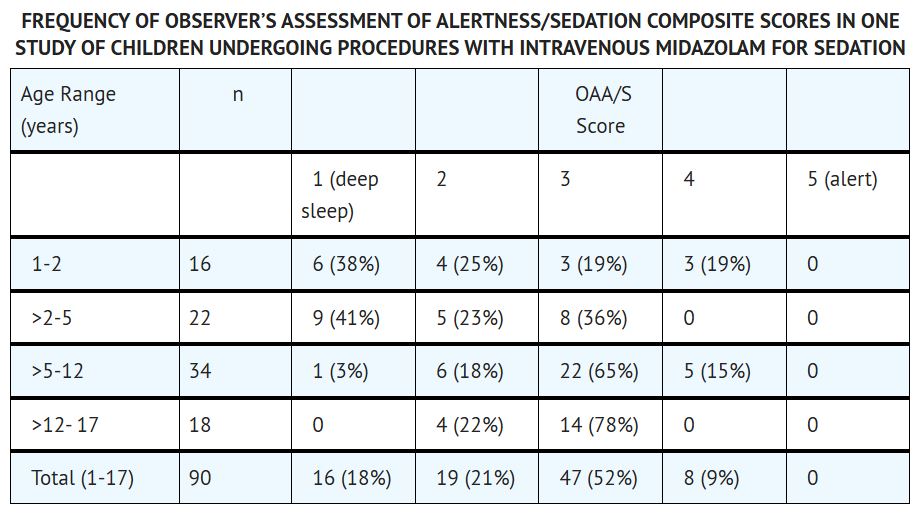
This data provides insight into the frequency of observer's assessment of alertness/sedation composite scores in a study involving children undergoing procedures with intravenous midazolam for sedation. The age range of participants varied from 1 to 17 years, with a total of 90 children assessed. The composite scores ranged from deep sleep to alertness, with varying distributions among different age groups. This information can be useful for understanding and monitoring the sedation levels of pediatric patients during medical procedures.*
Label1.jpg (Label1)
* These product label images have been analyzed using experimental machine learning. Please verify findings with the primary label text.