Lidocaine Hydrochloride And Epinephrine Injection, Solution
Product Images NDC 0404-9792
View Photos of Packaging, Regulatory Labels, and Product Appearance
Product Visual Gallery
This gallery contains 7 technical images submitted to the FDA as part of the official labeling for Lidocaine Hydrochloride And Epinephrine (NDC 0404-9792). Unlike standard consumer photos, these assets often include clinical data figures, molecular chemical structures, and official manufacturer packaging layouts.
As provided by Henry Schein, Inc., these visuals offer a comprehensive scientific overview of the product's physical and chemical identity, aiding pharmacists and researchers in product verification and study.
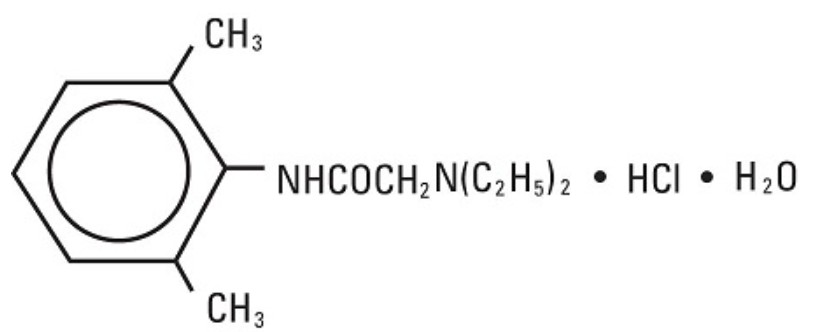
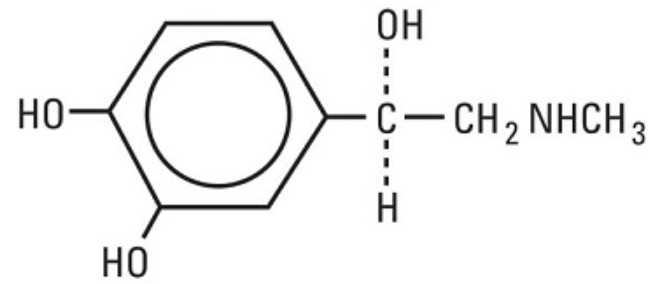
Formula2.jpg (Formula2)
Image1.jpg (Image1)
This chart provides the concentrations of different solutions of Epinephrine and Lidocaine HCL with varying proportions and strengths. The table lists the concentrations in terms of mg/mL for Lidocaine HCL, mcg/mL for Epinephrine, and mg/mL for Epinephrine Sodium Chloride. It includes different percentages (0.5%, 1%, 1.5%, 2%) and ratios (1:200,000, 1:100,000) for the Epinephrine solutions, displaying the corresponding concentrations for each type. The information in this chart is useful for healthcare professionals who need to prepare medications with specific concentrations of Epinephrine and Lidocaine HCL.*
Image2.jpg (Image2)
This is a list of various drug classes and specific drugs within each class. The classes include Nitrates/Nitrites, Local anesthetics, Antineoplastic agents, Antibiotics, Antimalarials, Anticonvulsants, and Other drugs. Specific drugs mentioned are nitric oxide, nitroglycerin, nitroprusside, nitrous oxide, articaine, benzocaine, bupivacaine, lidocaine, mepivacaine, prilocaine, procaine, ropivacaine, tetracaine, cyclophosphamide, flutamide, hydroxyurea, ifosfamide, rasburicase, dapsone, nitrofurantoin, para-aminosalicylic acid, sulfonamides, chloroquine, primaquine, phenobarbital, phenytoin, sodium valproate, acetaminophen, metoclopramide, quinine, and sulfasalazine.*
Image3.jpg (Image3)
This is a table showing recommended dosages for Lidocaine Hydrochloride injection, USP (without Epinephrine) for various procedures such as infiltration, intravenous regional blocks, peripheral nerve blocks, dental procedures, sympathetic nerve blocks, central neural blocks, analgesia, anesthesia, and obstetrical analgesia. The doses are specified in terms of concentration, volume in ml, and total dose in mg for each type of procedure, with a note at the end indicating that the dose is determined by the number of dermatomes to be anesthetized (2 to 3 mL/dermatome).*
Image4.jpg (Image4)
This text contains information about various Lidocaine HCl formulations available in single-dose vials and ampuls with different concentrations and amounts, some including Epinephrine. The products are intended for epidural administration, with details such as NDC codes, quantities, and concentrations provided. Different packaging sizes and strengths are mentioned, catering to various medical needs and purposes.*
Label1.jpg (Label1)
This is the description:
Lidocaine HCl 1% 200 mg/20 mL (10mg/mL) with Epinephrine 1:100,000 injection for infiltration and nerve block. It comes in a 20 mL multiple-dose fliptop vial, sterile and nonpyrogenic. Do not use if the color is off or if there's a precipitate. Store at 20-25°C, protect from light, and keep out of children's reach. Manufactured by Hospira, Inc. Packaged by Henry Schein, Inc. Not for epidural or caudal use. Auto-claving is not recommended.*
* These product label images have been analyzed using experimental machine learning. Please verify findings with the primary label text.