Midazolam Injection
Product Images NDC 0404-9801

View Photos of Packaging, Regulatory Labels, and Product Appearance

Product Visual Gallery

This gallery contains 8 technical images submitted to the FDA as part of the official labeling for Midazolam (NDC 0404-9801). Unlike standard consumer photos, these assets often include clinical data figures, molecular chemical structures, and official manufacturer packaging layouts.

As provided by Henry Schein, Inc., these visuals offer a comprehensive scientific overview of the product's physical and chemical identity, aiding pharmacists and researchers in product verification and study.

FDA Label Image

Formula1.jpg (Formula1)

Formula1.jpg (Formula1)
Chemical structure of Midazolam hydrochloride, showing its distinctive fused ring system with nitrogen atoms, a chlorine-substituted benzene ring, and fluorophenyl group.*
FDA Label Image

Formula2.jpg (Formula2)

Formula2.jpg (Formula2)
Chemical structure diagram showing Midazolam and its open-ring form, depicting the molecular configurations and the reversible conversion between the two forms with labeled atoms and bonds.*
FDA Label Image

Formula3.jpg (Formula3)

Formula3.jpg (Formula3)
Line graph showing the pH dependence of the open-ring form of Midazolam in water. The x-axis represents pH values from 2.5 to 5.5, and the y-axis shows the percentage of open-ring form ranging from 0 to 60%. The graph illustrates a steep decline in the percentage of open-ring form as pH increases.*
FDA Label Image

Image1.jpg (Image1)

Image1.jpg (Image1)
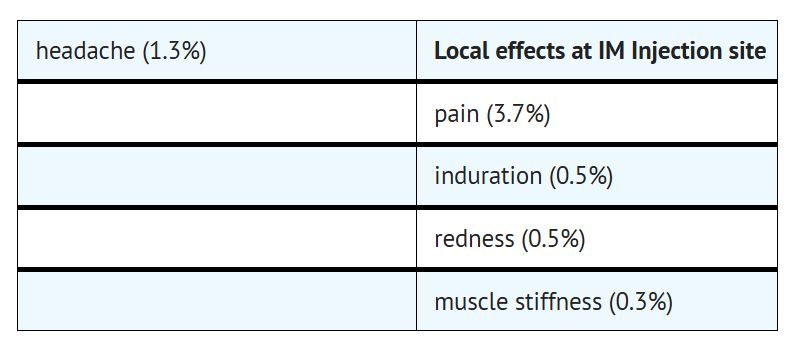
A table presenting adverse effects associated with Midazolam injection, including headache (1.3%) and local effects at the intramuscular (IM) injection site such as pain (3.7%), induration (0.5%), redness (0.5%), and muscle stiffness (0.3%).*
FDA Label Image

Image2.jpg (Image2)

Image2.jpg (Image2)
A data table listing systemic and local adverse effects with their respective percentages. Systemic effects include hiccoughs (3.9%), nausea (2.8%), vomiting (2.6%), coughing (1.3%), oversedation (1.6%), headache (1.5%), and drowsiness (1.2%). Local IV site effects include tenderness (5.6%), pain during injection (5.0%), redness (2.6%), induration (1.7%), and phlebitis (0.4%).*
FDA Label Image

Image3.jpg (Image3)

Image3.jpg (Image3)
Table titled 'Observer's Assessment of Alertness/Sedation (OAA/S)' presenting assessment categories including Responsiveness, Speech, Facial Expression, Eyes, and Composite Score. It describes levels of alertness and sedation from fully alert to deep sleep, with corresponding observable behaviors and scores from 5 to 1.*
FDA Label Image

Image4.jpg (Image4)

Image4.jpg (Image4)
A frequency table showing observer assessment of alertness/sedation composite (OAA/S) scores in children aged 1 to 17 years undergoing procedures with intravenous midazolam for sedation. The table reports number and percentage of children by age range across OAA/S scores from 1 (deep sleep) to 5 (alert). Total sample size is 90 children.*
FDA Label Image

Label1.jpg (Label1)

Label1.jpg (Label1)
Label for Midazolam Injection USP, 5 mg/mL strength, in a 10 mL vial with a total of 50 mg per vial. The label states the medication is midazolam hydrochloride for intramuscular or intravenous use only, contains benzyl alcohol, and includes storage instructions (20 to 26°C). Labeler is Henry Schein, Inc., with address in Bastian, VA, and NDC number 0404-9801-10 visible on the label.*

* About these descriptions: Image descriptions on this page are generated by automated AI analysis of the product label images from the manufacturer's FDA label submission (SPL). They are provided for reference only and may contain errors or omissions. Always rely on the printed label itself and the official FDA labeling, and consult a pharmacist or healthcare professional with any questions about this product.