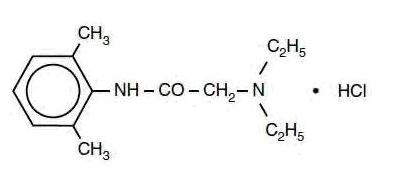
Lidocaine Hydrochloride Injection, Solution
Product Images NDC 0404-9897
View Photos of Packaging, Regulatory Labels, and Product Appearance
Product Visual Gallery
This gallery contains 5 technical images submitted to the FDA as part of the official labeling for Lidocaine Hydrochloride (NDC 0404-9897). Unlike standard consumer photos, these assets often include clinical data figures, molecular chemical structures, and official manufacturer packaging layouts.
As provided by Henry Schein, Inc., these visuals offer a comprehensive scientific overview of the product's physical and chemical identity, aiding pharmacists and researchers in product verification and study.
Product Images & Figures Index
Image1.jpg (Image1)
This text provides examples of drugs associated with methemoglobinemia. It lists the drugs by class and includes nitric oxide, nitroglycerin, nitroprusside, nitrous oxide, articaine, benzocaine, bupivacaine, lidocaine, mepivacaine, prilocaine, procaine, ropivacaine, tetracaine, cyclophosphamide, flutamide, hydroxyurea, ifosfamide, rasburicase, dapsone, nitrofurantoin, para-aminosalicylic acid, sulfonamides, chloroquine, primaquine, Phenobarbital, phenytoin, sodium valproate, acetaminophen, metoclopramide, quinine, and sulfasalazine.*
Image2
The text provides recommended dosages for Lidocaine Hydrochloride Injection in different types of nerve blocks, including infiltration, peripheral nerve blocks, sympathetic nerve blocks and central neural blocks. The recommended total dose varies depending on the type and location of the block. The dose for epidural anesthesia, for instance, ranges from 150 to 300 mg depending on the location, while the dose for an intravenous regional block ranges from 50 to 300 mg. In some cases, the dose is determined by the number of dermatomes to be anesthetized.*
Image3
Label1.jpg (Label1)
* These product label images have been analyzed using experimental machine learning. Please verify findings with the primary label text.