- Close flow control clamp of administration set.
- Remove cover from port at bottom of container.
- Insert piercing pin of administration set into port with a twisting motion until the pin is firmly seated. NOTE: See full directions on administration set carton.
- Suspend container from hanger.
- Squeeze and release drip chamber to establish proper fluid level in chamber during infusion of Levofloxacin Injection Premix in Flexible Containers.
- Open flow control clamp to expel air from set. Close clamp.
- Regulate rate of administration with flow control clamp.
Psychiatric Adverse Reactions
Fluoroquinolones, including levofloxacin, have been associated with an increased risk of psychiatric adverse reactions, including: toxic psychoses, hallucinations, or paranoia; depression, or suicidal thoughts; anxiety, agitation, restlessness, or nervousness; confusion, delirium, disorientation, or disturbances in attention; insomnia or nightmares; memory impairment. Attempted or completed suicide have been reported, especially in patients with a medical history of depression, or an underlying risk factor for depression. These reactions may occur following the first dose. If these reactions occur in patients receiving levofloxacin, discontinue levofloxacin and institute appropriate measures.
Central Nervous System Adverse Reactions of Seizures, Increased Intracranial Pressure, and Tremors
Fluoroquinolones, including levofloxacin, have been associated with an increased risk of seizures (convulsions), increased intracranial pressure (including pseudotumor cerebri), tremors, and lightheadedness. As with other fluoroquinolones, levofloxacin should be used with caution in patients with a known or suspected central nervous system (CNS) disorder that may predispose them to seizures or lower the seizure threshold (e.g., severe cerebral arteriosclerosis, epilepsy) or in the presence of other risk factors that may predispose them to seizures or lower the seizure threshold (e.g., certain drug therapy, renal dysfunction). If these reactions occur in patients receiving levofloxacin, discontinue levofloxacin and institute appropriate measures [see Adverse Reactions (6); Drug Interactions (7.4, 7.5); Patient Counseling Information (17)].
Levofloxacin Injection
There are no data concerning an interaction of intravenous fluoroquinolones with oral antacids, sucralfate, multivitamins, didanosine, or metal cations. However, no fluoroquinolone should be co-administered with any solution containing multivalent cations, e.g., magnesium, through the same intravenous line [see Dosage and Administration (2.5)].
Pharmacokinetics following intravenous administration
The pharmacokinetics of levofloxacin following a single intravenous dose were investigated in pediatric patients ranging in age from six months to 16 years. Pediatric patients cleared levofloxacin faster than adult patients resulting in lower plasma exposures than adults for a given mg/kg dose [see Clinical Pharmacology (12.3) and Clinical Studies (14.9)].
Inhalational Anthrax (Post-Exposure)
Levofloxacin is indicated in pediatric patients 6 months of age and older, for inhalational anthrax (post-exposure). The risk-benefit assessment indicates that administration of levofloxacin to pediatric patients is appropriate. The safety of levofloxacin in pediatric patients treated for more than 14 days has not been studied [see Indications and Usage (1.7), Dosage and Administration (2.2) and Clinical Studies (14.9)].
Plague
Levofloxacin is indicated in pediatric patients, 6 months of age and older, for treatment of plague, including pneumonic and septicemic plague due to Yersinia pestis (Y. pestis) and prophylaxis for plague. Efficacy studies of levofloxacin could not be conducted in humans with pneumonic plague for ethical and feasibility reasons. Therefore, approval of this indication was based on an efficacy study conducted in animals. The risk-benefit assessment indicates that administration of levofloxacin to pediatric patients is appropriate [see Indications and Usage (1.8), Dosage and Administration (2.2) and Clinical Studies (14.10)].
Safety and effectiveness in pediatric patients below the age of six months have not been established.
Adverse Events
In clinical trials, 1534 children (6 months to 16 years of age) were treated with oral and intravenous levofloxacin. Children 6 months to 5 years of age received levofloxacin 10 mg/kg twice a day and children greater than 5 years of age received 10 mg/kg once a day (maximum 500 mg per day) for approximately 10 days.
A subset of children in the clinical trials (1340 levofloxacin-treated and 893 nonfluoroquinolone-treated) enrolled in a prospective, long-term surveillance study to assess the incidence of protocol-defined musculoskeletal disorders (arthralgia, arthritis, tendinopathy, gait abnormality) during 60 days and 1 year following the first dose of the study drug. Children treated with levofloxacin had a significantly higher incidence of musculoskeletal disorders when compared to the non-fluoroquinolone-treated children as illustrated in Table 7.
Table 7: Incidence of Musculoskeletal Disorders in Pediatric Clinical Trial
|
|
|
| Follow-up Period | Levofloxacin
N = 1340 | Non-Fluoroquinolonea
N = 893 | p-valueb |
| 60 days | 28 (2.1%)
| 8 (0.9%)
| p = 0.038
|
| 1 yearc | 46 (3.4%)
| 16 (1.8%)
| p = 0.025
|
Arthralgia was the most frequently occurring musculoskeletal disorder in both treatment groups. Most of the musculoskeletal disorders in both groups involved multiple weightbearing joints. Disorders were moderate in 8/46 (17%) children and mild in 35/46 (76%) levofloxacin-treated children and most were treated with analgesics. The median time to resolution was 7 days for levofloxacin-treated children and 9 for non-fluoroquinolone-treated children (approximately 80% resolved within 2 months in both groups). No child had a severe or serious disorder and all musculoskeletal disorders resolved without sequelae.
Vomiting and diarrhea were the most frequently reported adverse events, occurring in similar frequency in the levofloxacin-treated and non-fluoroquinolone-treated children.
In addition to the events reported in pediatric patients in clinical trials, events reported in adults during clinical trials or post-marketing experience [see Adverse Reactions (6)] may also be expected to occur in pediatric patients.
Excipients and Description of Dosage Forms
Levofloxacin Injection
The appearance of Levofloxacin Injection may range from a clear yellow to a clear greenish-yellow solution. This does not adversely affect product potency.
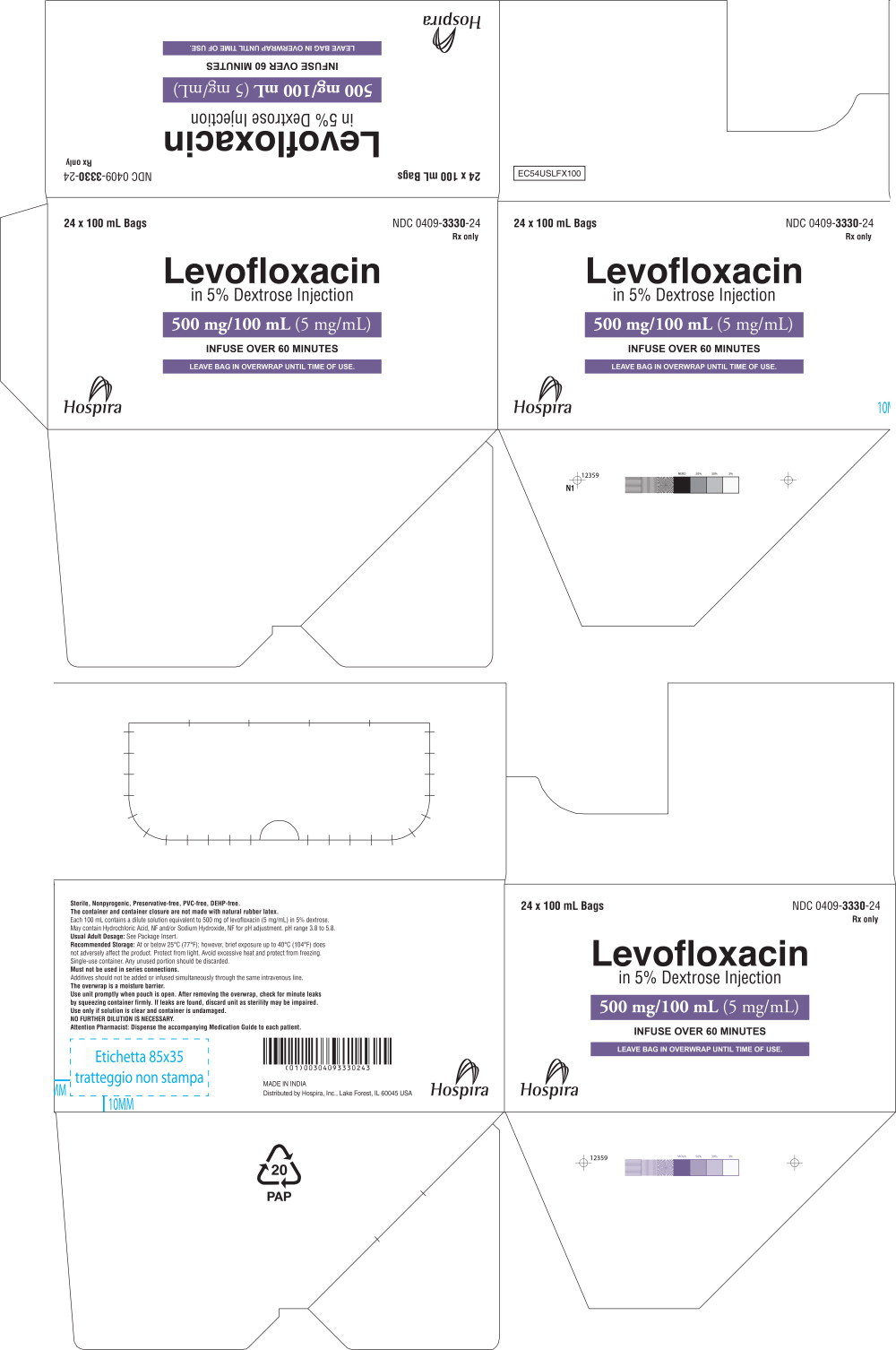
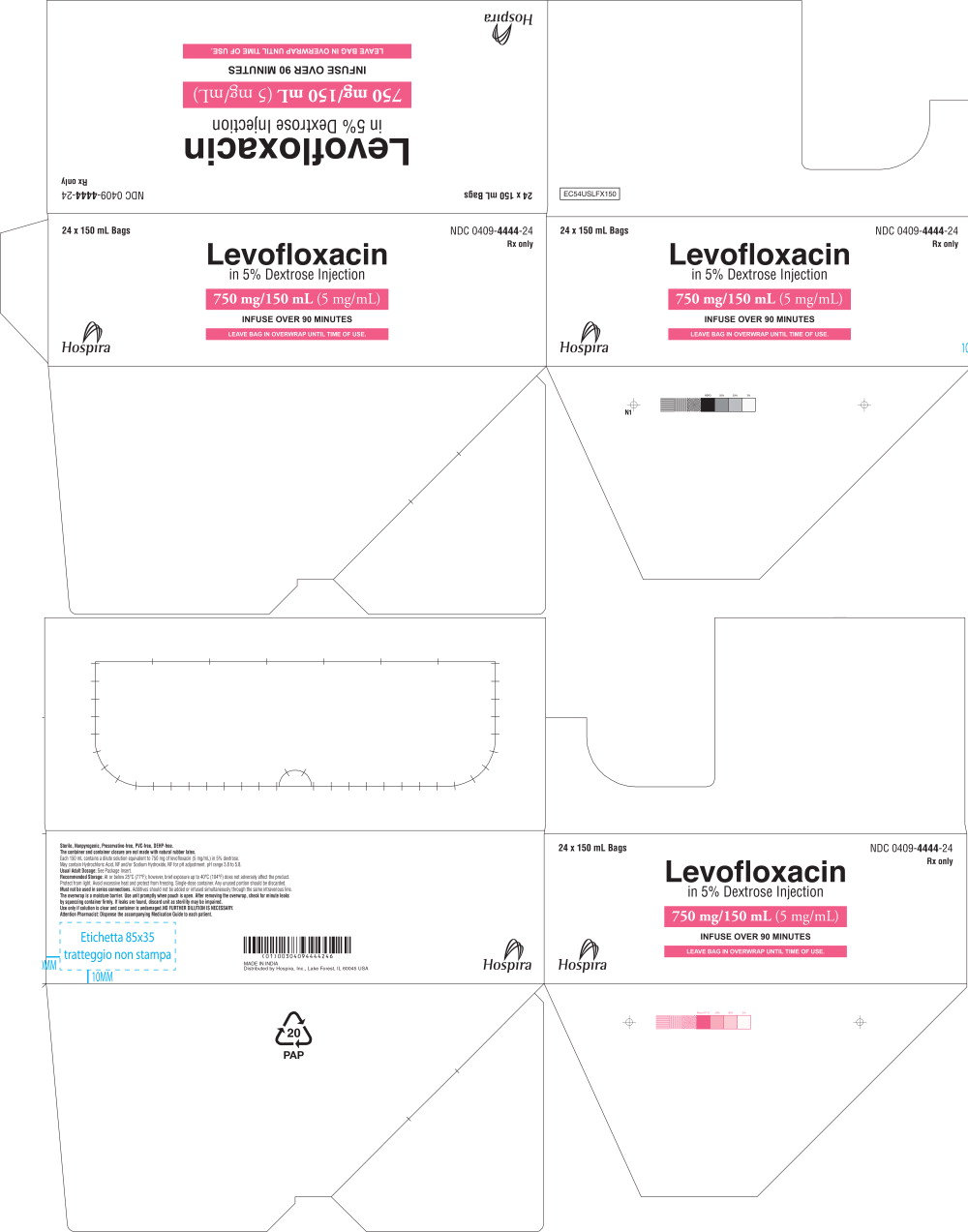
Levofloxacin Injection Premix in Single-dose Flexible Container is a sterile, preservative-free aqueous solution of levofloxacin with pH ranging from 3.8 to 5.8. This is a dilute, nonpyrogenic, nearly isotonic premixed solution that contains levofloxacin in 5% Dextrose (D5W). Solutions of hydrochloric acid and sodium hydroxide may have been added to adjust the pH.
The flexible container is fabricated from a specially formulated non-plasticized, thermoplastic copolyolephine. The amount of water that can permeate from the container into the overwrap is insufficient to affect the solution significantly. Solutions in contact with the flexible container can leach out certain of the container's chemical components in very small amounts within the expiration period. The suitability of the container material has been confirmed by tests in animals according to USP biological tests for plastic containers.
Absorption
Levofloxacin is rapidly and essentially completely absorbed after oral administration. Peak plasma concentrations are usually attained one to two hours after oral dosing. The absolute bioavailability of levofloxacin from a 500 mg tablet and a 750 mg tablet of levofloxacin are both approximately 99%, demonstrating complete oral absorption of levofloxacin. Following a single intravenous dose of levofloxacin to healthy volunteers, the mean ± SD peak plasma concentration attained was 6.2 ± 1.0 mcg/mL after a 500 mg dose infused over 60 minutes and 11.5 ± 4.0 mcg/mL after a 750 mg dose infused over 90 minutes. Levofloxacin Oral Solution and Tablet formulations are bioequivalent.
Levofloxacin pharmacokinetics are linear and predictable after single and multiple oral or IV dosing regimens. Steady-state conditions are reached within 48 hours following a 500 mg or 750 mg once-daily dosage regimen. The mean ± SD peak and trough plasma concentrations attained following multiple once-daily oral dosage regimens were approximately 5.7 ± 1.4 and 0.5 ± 0.2 mcg/mL after the 500 mg doses, and 8.6 ± 1.9 and 1.1 ± 0.4 mcg/mL after the 750 mg doses, respectively. The mean ± SD peak and trough plasma concentrations attained following multiple once-daily IV regimens were approximately 6.4 ± 0.8 and 0.6 ± 0.2 mcg/mL after the 500 mg doses, and 12.1 ± 4.1 and 1.3 ± 0.71 mcg/mL after the 750 mg doses, respectively. Oral administration of a 500 mg dose of levofloxacin with food prolongs the time to peak concentration by approximately 1 hour and decreases the peak concentration by approximately 14% following tablet and approximately 25% following oral solution administration. Therefore, Levofloxacin Tablets can be administered without regard to food. It is recommended that Levofloxacin Oral Solution be taken 1 hour before or 2 hours after eating.
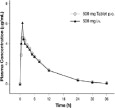
The plasma concentration profile of levofloxacin after IV administration is similar and comparable in extent of exposure (AUC) to that observed for levofloxacin Tablets when equal doses (mg/mg) are administered. Therefore, the oral and IV routes of administration can be considered interchangeable (see Figure 2 and Figure 3).
Figure 2: Mean Levofloxacin Plasma Concentration vs. Time Profile: 750 mg
Figure 3: Mean Levofloxacin Plasma Concentration vs. Time Profile: 500 mg
Distribution
The mean volume of distribution of levofloxacin generally ranges from 74 to 112 L after single and multiple 500 mg or 750 mg doses, indicating widespread distribution into body tissues. Levofloxacin reaches its peak levels in skin tissues and in blister fluid of healthy subjects at approximately 3 hours after dosing. The skin tissue biopsy to plasma AUC ratio is approximately 2 and the blister fluid to plasma AUC ratio is approximately 1 following multiple once-daily oral administration of 750 mg and 500 mg doses of levofloxacin, respectively, to healthy subjects. Levofloxacin also penetrates well into lung tissues. Lung tissue concentrations were generally 2- to 5-fold higher than plasma concentrations and ranged from approximately 2.4 to 11.3 mcg/g over a 24-hour period after a single 500 mg oral dose.
In vitro, over a clinically relevant range (1 to 10 mcg/mL) of serum/plasma levofloxacin concentrations, levofloxacin is approximately 24 to 38% bound to serum proteins across all species studied, as determined by the equilibrium dialysis method. Levofloxacin is mainly bound to serum albumin in humans. Levofloxacin binding to serum proteins is independent of the drug concentration.
Metabolism
Levofloxacin is stereochemically stable in plasma and urine and does not invert metabolically to its enantiomer, D-ofloxacin. Levofloxacin undergoes limited metabolism in humans and is primarily excreted as unchanged drug in the urine. Following oral administration, approximately 87% of an administered dose was recovered as unchanged drug in urine within 48 hours, whereas less than 4% of the dose was recovered in feces in 72 hours. Less than 5% of an administered dose was recovered in the urine as the desmethyl and N-oxide metabolites, the only metabolites identified in humans. These metabolites have little relevant pharmacological activity.
Excretion
Levofloxacin is excreted largely as unchanged drug in the urine. The mean terminal plasma elimination half-life of levofloxacin ranges from approximately 6 to 8 hours following single or multiple doses of levofloxacin given orally or intravenously. The mean apparent total body clearance and renal clearance range from approximately 144 to 226 mL/min and 96 to 142 mL/min, respectively. Renal clearance in excess of the glomerular filtration rate suggests that tubular secretion of levofloxacin occurs in addition to its glomerular filtration. Concomitant administration of either cimetidine or probenecid results in approximately 24% and 35% reduction in the levofloxacin renal clearance, respectively, indicating that secretion of levofloxacin occurs in the renal proximal tubule. No levofloxacin crystals were found in any of the urine samples freshly collected from subjects receiving levofloxacin.
Geriatric
There are no significant differences in levofloxacin pharmacokinetics between young and elderly subjects when the subjects' differences in creatinine clearance are taken into consideration. Following a 500 mg oral dose of levofloxacin to healthy elderly subjects (66 to 80 years of age), the mean terminal plasma elimination half-life of levofloxacin was about 7.6 hours, as compared to approximately 6 hours in younger adults. The difference was attributable to the variation in renal function status of the subjects and was not believed to be clinically significant. Drug absorption appears to be unaffected by age. Levofloxacin dose adjustment based on age alone is not necessary [see Use in Specific Populations (8.5)].
Pediatrics
The pharmacokinetics of levofloxacin following a single 7 mg/kg intravenous dose were investigated in pediatric patients ranging in age from 6 months to 16 years. Pediatric patients cleared levofloxacin faster than adult patients, resulting in lower plasma exposures than adults for a given mg/kg dose. Subsequent pharmacokinetic analyses predicted that a dosage regimen of 8 mg/kg every 12 hours (not to exceed 250 mg per dose) for pediatric patients 6 months to 17 years of age would achieve comparable steady state plasma exposures (AUC0-24 and Cmax) to those observed in adult patients administered 500 mg of levofloxacin once every 24 hours.
Gender
There are no significant differences in levofloxacin pharmacokinetics between male and female subjects when subjects' differences in creatinine clearance are taken into consideration. Following a 500 mg oral dose of levofloxacin to healthy male subjects, the mean terminal plasma elimination half-life of levofloxacin was about 7.5 hours, as compared to approximately 6.1 hours in female subjects. This difference was attributable to the variation in renal function status of the male and female subjects and was not believed to be clinically significant. Drug absorption appears to be unaffected by the gender of the subjects. Dose adjustment based on gender alone is not necessary.
Race
The effect of race on levofloxacin pharmacokinetics was examined through a covariate analysis performed on data from 72 subjects: 48 white and 24 non-white. The apparent total body clearance and apparent volume of distribution were not affected by the race of the subjects.
Renal Impairment
Clearance of levofloxacin is substantially reduced and plasma elimination half-life is substantially prolonged in adult patients with impaired renal function (creatinine clearance < 50 mL/min), requiring dosage adjustment in such patients to avoid accumulation. Neither hemodialysis nor continuous ambulatory peritoneal dialysis (CAPD) is effective in removal of levofloxacin from the body, indicating that supplemental doses of levofloxacin are not required following hemodialysis or CAPD [see Dosage and Administration (2.3), Use in Specific Populations (8.6)].
Hepatic Impairment
Pharmacokinetic studies in hepatically impaired patients have not been conducted. Due to the limited extent of levofloxacin metabolism, the pharmacokinetics of levofloxacin are not expected to be affected by hepatic impairment [see Use in Specific Populations (8.7)].
Bacterial Infection
The pharmacokinetics of levofloxacin in patients with serious community-acquired bacterial infections are comparable to those observed in healthy subjects.
Drug-Drug Interactions
The potential for pharmacokinetic drug interactions between levofloxacin and antacids, warfarin, theophylline, cyclosporine, digoxin, probenecid, and cimetidine has been evaluated [see Drug Interactions (7)].
Mechanism of Action
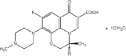
Levofloxacin is the L-isomer of the racemate, ofloxacin, a quinolone antimicrobial agent. The antibacterial activity of ofloxacin resides primarily in the L-isomer. The mechanism of action of levofloxacin and other fluoroquinolone antimicrobials involves inhibition of bacterial topoisomerase IV and DNA gyrase (both of which are type II topoisomerases), enzymes required for DNA replication, transcription, repair and recombination.
Mechanism of Resistance
Fluoroquinolone resistance can arise through mutations in defined regions of DNA gyrase or topoisomerase IV, termed the Quinolone-Resistance Determining Regions (QRDRs), or through altered efflux.
Fluoroquinolones, including levofloxacin, differ in chemical structure and mode of action from aminoglycosides, macrolides and β-lactam antibiotics, including penicillins. Fluoroquinolones may, therefore, be active against bacteria resistant to these antimicrobials.
Resistance to levofloxacin due to spontaneous mutation in vitro is a rare occurrence (range: 10-9 to 10-10). Cross-resistance has been observed between levofloxacin and some other fluoroquinolones, some microorganisms resistant to other fluoroquinolones may be susceptible to levofloxacin.
Activity
in vitro
and
in vivo
Levofloxacin has in vitro activity against Gram-negative and Gram-positive bacteria.
Levofloxacin has been shown to be active against most isolates of the following bacteria both in vitro and in clinical infections as described in Indications and Usage (1):
-
Gram-Positive Bacteria
-
Enterococcus faecalis
-
Staphylococcus aureus (methicillin-susceptible isolates)
-
Staphylococcus epidermidis (methicillin-susceptible isolates)
-
Staphylococcus saprophyticus
-
Streptococcus pneumoniae (including multi-drug resistant isolates [MDRSP] 1)
-
Streptococcus pyogenes
1 MDRSP (Multi-drug resistant Streptococcus pneumoniae) isolates are isolates resistant to two or more of the following antibiotics: penicillin (MIC ≥ 2 mcg/mL), 2nd generation cephalosporins, e.g., cefuroxime; macrolides, tetracyclines and trimethoprim/sulfamethoxazole.
-
Gram-Negative Bacteria
-
Enterobacter cloacae
-
Escherichia coli
-
Haemophilus influenzae
-
Haemophilus parainfluenzae
-
Klebsiella pneumoniae
-
Legionella pneumophila
-
Moraxella catarrhalis
-
Proteus mirabilis
-
Pseudomonas aeruginosa
-
Serratia marcescens
-
Other Bacteria
-
Chlamydophila pneumoniae
-
Mycoplasma pneumoniae
The following in vitro data are available, but their clinical significance is unknown: Levofloxacin exhibits in vitro minimum inhibitory concentrations (MIC values) of 2 mcg/mL or less against most (≥90%) isolates of the following microorganisms; however, the safety and effectiveness of levofloxacin in treating clinical infections due to these bacteria have not been established in adequate and well-controlled clinical trials.
-
Gram-Positive Bacteria
-
Staphylococcus haemolyticus
-
β-hemolytic Streptococcus (Group C/F)
-
β-hemolytic Streptococcus (Group G)
-
Streptococcus agalactiae
-
Streptococcus milleri
-
Viridans group streptococci
-
Bacillus anthracis
-
Gram-Negative Bacteria
-
Acinetobacter baumannii
-
Acinetobacter lwoffii
-
Bordetella pertussis
-
Citrobacter koseri
-
Citrobacter freundii
-
Enterobacter aerogenes
-
Enterobacter sakazakii
-
Klebsiella oxytoca
-
Morganella morganii
-
Pantoea agglomerans
-
Proteus vulgaris
-
Providencia rettgeri
-
Providencia stuartii
-
Pseudomonas fluorescens
-
Yersinia pestis
-
Anaerobic Gram-Positive Bacteria
-
Clostridium perfringens
Susceptibility Testing
For specific information regarding susceptibility test interpretive criteria and associated test methods and quality control standards recognized by FDA for this drug, please see: https://www.fda.gov/STIC.
Community-Acquired Pneumonia Due to Multi-Drug Resistant
Streptococcus pneumoniae
Levofloxacin was effective for the treatment of community-acquired pneumonia caused by multi-drug resistant Streptococcus pneumoniae (MDRSP). MDRSP isolates are isolates resistant to two or more of the following antibacterials: penicillin (MIC ≥ 2 mcg/mL), 2nd generation cephalosporins (e.g., cefuroxime, macrolides, tetracyclines and trimethoprim/ sulfamethoxazole). Of 40 microbiologically evaluable patients with MDRSP isolates, 38 patients (95.0%) achieved clinical and bacteriologic success at post-therapy. The clinical and bacterial success rates are shown in Table 13.
Table 13: Clinical and Bacterial Success Rates for Levofloxacin-Treated MDRSP in Community Acquired Pneumonia Patients (Population Valid for Efficacy)
|
|
|
| Screening Susceptibility | Clinical Success | Bacteriological Successa |
| n/Nb | % | n/Nc | % |
| Penicillin-resistant | 16/17
| 94.1
| 16/17
| 94.1
|
| 2nd
generation Cephalosporin resistant | 31/32
| 96.9
| 31/32
| 96.9
|
| Macrolide-resistant | 28/29
| 96.6
| 28/29
| 96.6
|
| Trimethoprim/ Sulfamethoxazole resistant | 17/19
| 89.5
| 17/19
| 89.5
|
| Tetracycline-resistant | 12/12
| 100
| 12/12
| 100
|
Not all isolates were resistant to all antimicrobial classes tested. Success and eradication rates are summarized in Table 14.
Table 14: Clinical Success and Bacteriologic Eradication Rates for Resistant Streptococcus pneumoniae (Community Acquired Pneumonia)
| Type of Resistance | Clinical Success | Bacteriologic Eradication |
| Resistant to 2 antibacterials
| 17/18 (94.4%)
| 17/18 (94.4%)
|
| Resistant to 3 antibacterials
| 14/15 (93.3%)
| 14/15 (93.3%)
|
| Resistant to 4 antibacterials
| 7/7 (100%)
| 7/7 (100%)
|
| Resistant to 5 antibacterials
| 0
| 0
|
| Bacteremia with MDRSP
| 8/9 (89%)
| 8/9 (89%)
|
Storage Conditions
Store at or below 25°C (77°F); however, brief exposure up to 40°C (104°F) does not adversely affect the product.
Avoid excessive heat. Protect from freezing.
Protect from light.
Keep out of reach of children.
Sterile, Nonpyrogenic, Preservative-free, PVC-free, DEHP-free.
The container and container closure are not made with natural rubber latex.
Serious Adverse Reactions
Advise patients to stop taking levofloxacin if they experience an adverse reaction and to call their healthcare provider for advice on completing the full course of treatment with another antibacterial drug.
Inform patients of the following serious adverse reactions that have been associated with levofloxacin or other fluoroquinolone use:
- Disabling and Potentially Irreversible Serious Adverse Reactions That May Occur Together: Inform patients that disabling and potentially irreversible serious adverse reactions, including tendinitis and tendon rupture, peripheral neuropathies, and central nervous system effects, have been associated with use of levofloxacin and may occur together in the same patient. Inform patients to stop taking levofloxacin immediately if they experience an adverse reaction and to call their healthcare provider.
- Tendinitis and Tendon Rupture: Instruct patients to contact their healthcare provider if they experience pain, swelling, or inflammation of a tendon, or weakness or inability to use one of their joints; rest and refrain from exercise; and discontinue levofloxacin treatment. Symptoms may be irreversible. The risk of severe tendon disorder with fluoroquinolones is higher in older patients usually over 60 years of age, in patients taking corticosteroid drugs, and in patients with kidney, heart or lung transplants.
- Peripheral Neuropathies: Inform patients that peripheral neuropathies have been associated with levofloxacin use, symptoms may occur soon after initiation of therapy and may be irreversible. If symptoms of peripheral neuropathy including pain, burning, tingling, numbness and/or weakness develop, immediately discontinue levofloxacin and tell them to contact their physician.
- Central Nervous System Effects (for example, convulsions, dizziness, lightheadedness, increased intracranial pressure): Inform patients that convulsions have been reported in patients receiving fluoroquinolones, including levofloxacin. Instruct patients to notify their physician before taking this drug if they have a history of convulsions. Inform patients that they should know how they react to levofloxacin before they operate an automobile or machinery or engage in other activities requiring mental alertness and coordination. Instruct patients to notify their physician if persistent headache with or without blurred vision occurs.
- Exacerbation of Myasthenia Gravis: Instruct patients to inform their physician of any history of myasthenia gravis. Instruct patients to notify their physician if they experience any symptoms of muscle weakness, including respiratory difficulties.
- Hypersensitivity Reactions: Inform patients that levofloxacin can cause hypersensitivity reactions, even following a single dose, and to discontinue the drug at the first sign of a skin rash, hives or other skin reactions, a rapid heartbeat, difficulty in swallowing or breathing, any swelling suggesting angioedema (for example, swelling of the lips, tongue, face, tightness of the throat, hoarseness), or other symptoms of an allergic reaction.
- Hepatotoxicity: Inform patients that severe hepatotoxicity (including acute hepatitis and fatal events) has been reported in patients taking levofloxacin. Instruct patients to inform their physician if they experience any signs or symptoms of liver injury including: loss of appetite, nausea, vomiting, fever, weakness, tiredness, right upper quadrant tenderness, itching, yellowing of the skin and eyes, light colored bowel movements or dark colored urine.
- Aortic Aneurysm and Dissection: Inform patients to seek emergency medical care if they experience sudden chest, stomach, or back pain.
- Diarrhea: Diarrhea is a common problem caused by antibiotics which usually ends when the antibiotic is discontinued. Sometimes after starting treatment with antibiotics, patients can develop watery and bloody stools (with or without stomach cramps and fever) even as late as two or more months after having taken the last dose of the antibiotic. If this occurs, instruct patients to contact their physician as soon as possible.
- Prolongation of the QT Interval: Instruct patients to inform their physician of any personal or family history of QT prolongation or proarrhythmic conditions such as hypokalemia, bradycardia, or recent myocardial ischemia; if they are taking any Class IA (quinidine, procainamide), or Class III (amiodarone, sotalol) antiarrhythmic agents. Instruct patients to notify their physician if they have any symptoms of prolongation of the QT interval, including prolonged heart palpitations or a loss of consciousness.
- Musculoskeletal Disorders in Pediatric Patients: Instruct parents to inform their child's physician if the child has a history of joint-related problems before taking this drug. Inform parents of pediatric patients to notify their child's physician of any joint-related problems that occur during or following levofloxacin therapy [see Warnings and Precautions (5.12) and Use in Specific Populations (8.4)].
- Photosensitivity/Phototoxicity: Inform patients that photosensitivity/phototoxicity has been reported in patients receiving fluoroquinolones. Inform patients to minimize or avoid exposure to natural or artificial sunlight (tanning beds or UVA/B treatment) while taking fluoroquinolones. If patients need to be outdoors while using fluoroquinolones, instruct them to wear loose-fitting clothes that protect skin from sun exposure and discuss other sun protection measures with their physician. If a sunburn-like reaction or skin eruption occurs, instruct patients to contact their physician.
Antibacterial Resistance
Antibacterial drugs including levofloxacin should only be used to treat bacterial infections. They do not treat viral infections (e.g., the common cold). When levofloxacin is prescribed to treat a bacterial infection, patients should be told that although it is common to feel better early in the course of therapy, the medication should be taken exactly as directed. Skipping doses or not completing the full course of therapy may (1) decrease the effectiveness of the immediate treatment and (2) increase the likelihood that bacteria will develop resistance and will not be treatable by levofloxacin or other antibacterial drugs in the future.
Administration with Food, Fluids, and Concomitant Medications
Patients should drink fluids liberally while taking levofloxacin to avoid formation of a highly concentrated urine and crystal formation in the urine.
Drug Interactions with Insulin, Oral Hypoglycemic Agents, and Warfarin
Patients should be informed that if they are diabetic and are being treated with insulin or an oral hypoglycemic agent and a hypoglycemic reaction occurs, they should discontinue levofloxacin and consult a physician.
Patients should be informed that concurrent administration of warfarin and levofloxacin has been associated with increases of the International Normalized Ratio (INR) or prothrombin time and clinical episodes of bleeding. Patients should notify their physician if they are taking warfarin, be monitored for evidence of bleeding, and also have their anticoagulation tests closely monitored while taking warfarin concomitantly.
Plague and Anthrax Studies
Patients given levofloxacinfor these conditions should be informed that efficacy studies could not be conducted in humans for ethical and feasibility reasons. Therefore, approval for these conditions was based on efficacy studies conducted in animals.
Brands listed are the trademarks of their respective owners.
Hospira
Distributed by Hospira, Inc.,
Lake Forest, IL 60045 USA
Revised: 4/2023