Lisdexamfetamine Dimesylate Capsule
Product Images NDC 0480-3565
View Photos of Packaging, Regulatory Labels, and Product Appearance
Product Visual Gallery
This gallery contains 16 technical images submitted to the FDA as part of the official labeling for Lisdexamfetamine Dimesylate (NDC 0480-3565). Unlike standard consumer photos, these assets often include clinical data figures, molecular chemical structures, and official manufacturer packaging layouts.
As provided by Teva Pharmaceuticals, Inc., these visuals offer a comprehensive scientific overview of the product's physical and chemical identity, aiding pharmacists and researchers in product verification and study.
1 (Image 10)
This text is a medication label for Lisdexamfetamine Dimesylate Capsules with NDC 04203565 01. It provides information on the dosage, storage instructions, manufacturer details, and cautions. Each capsule contains Lisdexamfetamine Dimesylate 10 g (equivalent to 5.8 g of dextroamphetamine). The usual dosage information is not available in the text. The medication should be kept in a tight, light-resistant container at temperatures between 15-30°C (59-86°F). The manufacturer is Ten Pharmaceuticals. This text prompts the pharmacist to dispense the accompanying Medication Guide to each patient.*
1 (Image 11)
This text contains information about a medication: NDC 0460-3566.01, which is examfetamine Dimesylate capsules (20mg). It provides instructions for pharmacists to dispense the accompanying Medication Guide to each patient. The medication is from Teva Pharmaceuticals and each capsule contains 20mg of dexmethylphenidate. It also includes cautionary information about storage and dosage. The last part shows codes related to serialization.*
1 (Image 12)
This is a prescription for Lisdexamfetamine Dimesylate capsules, with a prescription for 100 capsules. It is essential for the pharmacist to dispense the medication guide to each patient. Each capsule contains Lisdexamfetamine dimesylate 30mg, equivalent to 10.17 mg of dextroamphetamine. It should be stored at room temperature and kept out of reach of children. The manufacturer is Teva Pharmaceuticals.*
1 (Image 13)
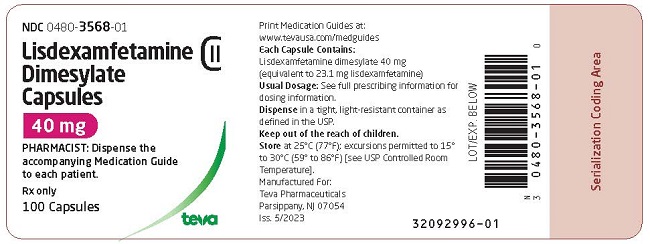
This is a medication label for Lisdexamfetamine Dimesylate capsules with a lot number of 0460-3568-01. The pharmacist should dispense the accompanying Medication Guide to each patient. Each capsule contains a specific dosage of the active ingredient. The storage instructions recommend keeping the capsules at controlled room temperature. The label provides contact information for the manufacturer.*
1 (Image 14)
1 (Image 15)
This is a prescription label for Lisdexamfetamine, also known as Vyvanse. The medication is in capsule form and contains 60 mg. The prescription is advised to be kept out of the reach of children. The pharmacist is instructed to dispense 100 capsules to the patient along with the accompanying Medication Guide.*
1 (Image 16)
1 (Image 2)
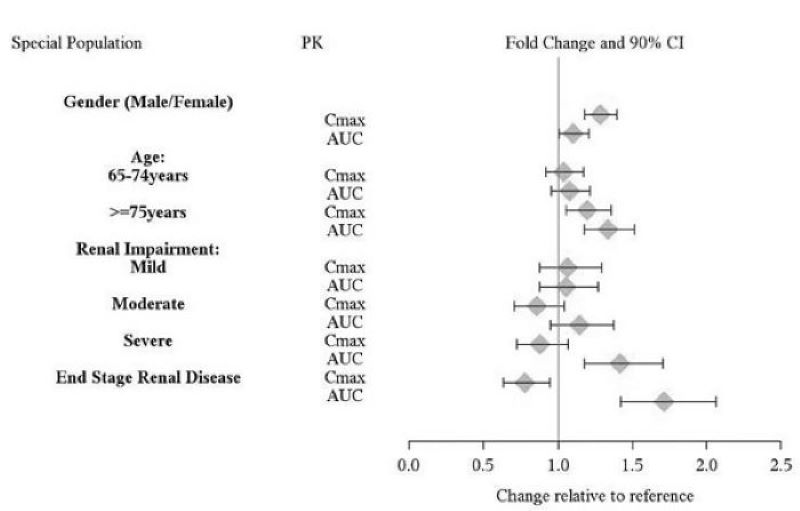
This text provides information related to a special population with a focus on Gender (Male/Female), Age (65-74 years), and End Stage Renal Disease. Additionally, it mentions a percentage of 7% and includes data related to fold change and 90% CI (Confidence Interval). The text seems to be part of a research analysis or report.*
1 (Image 3)
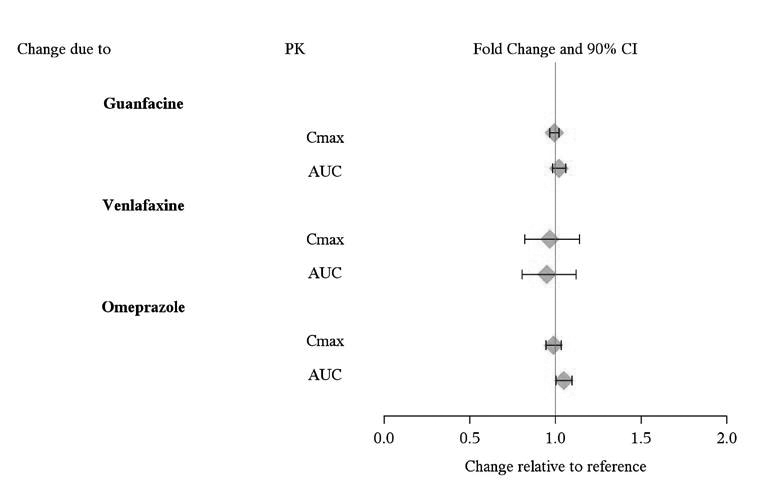
This text appears to outline changes in PK (pharmacokinetics) parameters such as Cmax and AUC for the drugs Guanfacine, Venlafaxine, and Omeprazole. It also mentions fold change and 90% confidence interval. The document seems to provide information on these parameters relative to a reference drug or condition.*
1 (Image 4)
This information provides a list of interacting drugs and their respective substrates related to specific cytochrome P450 enzymes (CYP). Additionally, it includes PK information such as fold change and 90% confidence threshold and a change relative to the reference. The text also mentions specific drugs like Guanfacine, Venlafaxine, Caffeine, Dextromethorphan, Omeprazole, and Midazolam.*
1 (Image 5)
1 (Image 6)
1 (Image 7)
1 (Image 8)
1 (Image 9)
* These product label images have been analyzed using experimental machine learning. Please verify findings with the primary label text.