Vestura Kit
Product Images NDC 0480-4000

View Photos of Packaging, Regulatory Labels, and Product Appearance

Product Visual Gallery

This gallery contains 8 technical images submitted to the FDA as part of the official labeling for Vestura (NDC 0480-4000). Unlike standard consumer photos, these assets often include clinical data figures, molecular chemical structures, and official manufacturer packaging layouts.

As provided by Teva Pharmaceuticals, Inc., these visuals offer a comprehensive scientific overview of the product's physical and chemical identity, aiding pharmacists and researchers in product verification and study.

FDA Label Image

1 (Image 1)

FDA Label Image

2 (Image 2)

2 (Image 2)
This description pertains to the incidence of blood clots in non-pregnant women who are not users of combined oral contraceptives (COC), as well as those who are COC users. It also covers the occurrence of blood clots during pregnancy and within the postpartum period (up to 12 weeks postpartum). The provided data includes the number of women with blood clots out of 10,000 Women Years (WY) for various ranges. The final data point indicates that 70 women out of 10,000 WY experienced blood clots.*
FDA Label Image

3 (Image 3)

3 (Image 3)
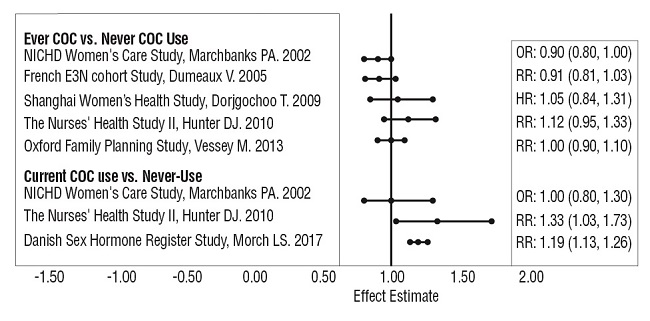
This text provides information on various studies comparing the use of combined oral contraceptives (COC) versus non-use. It includes data such as odds ratios (OR), relative risks (RR), and hazard ratios (HR) from studies conducted in different countries and years. The text also mentions the comparison between current COC use and never-use. The studies mentioned cover a range of time periods and highlight the effects of COC use on various health outcomes.*
FDA Label Image

New (Image 4)

FDA Label Image

New (Image 5)

New (Image 5)
This text provides information on different methods of birth control and their effectiveness rates, ranging from few pregnancies per 100 women to 85 or more pregnancies per 100 women in one year. The methods mentioned include implants, injections, intrauterine devices, sterilization, birth control pills, skin patch, vaginal ring with hormones, condoms, diaphragm, no sex during fertile days, spermicide, withdrawal, and no birth control.*
FDA Label Image

4 (Image 6)

4 (Image 6)
This text appears to include a placement code followed by a chart or table format. It mentions days of the week and potentially some data represented as characters in the table. It also refers to "Vestura®" suggesting a product or service. Additionally, there is a mention of "Rxonly" which could point towards specific instructions or guidelines.*
FDA Label Image

2 (Image 7)

2 (Image 7)
This document provides information on the risk of blood clots in non-pregnant and non-combined oral contraceptive (COC) users, COC users, pregnant women, and postpartum women up to 12 weeks. It includes data on the number of women with blood clots out of 10,000 women years. The risk ranges from 1 to 5 for non-pregnant non-COC users, 3 to 9 for COC users, 5 to 10 for pregnant women, and 40 to 65 for postpartum women. Additionally, the document shows the number of blood clots per 10,000 women years as 70.*
FDA Label Image

New (Image 8)

New (Image 8)
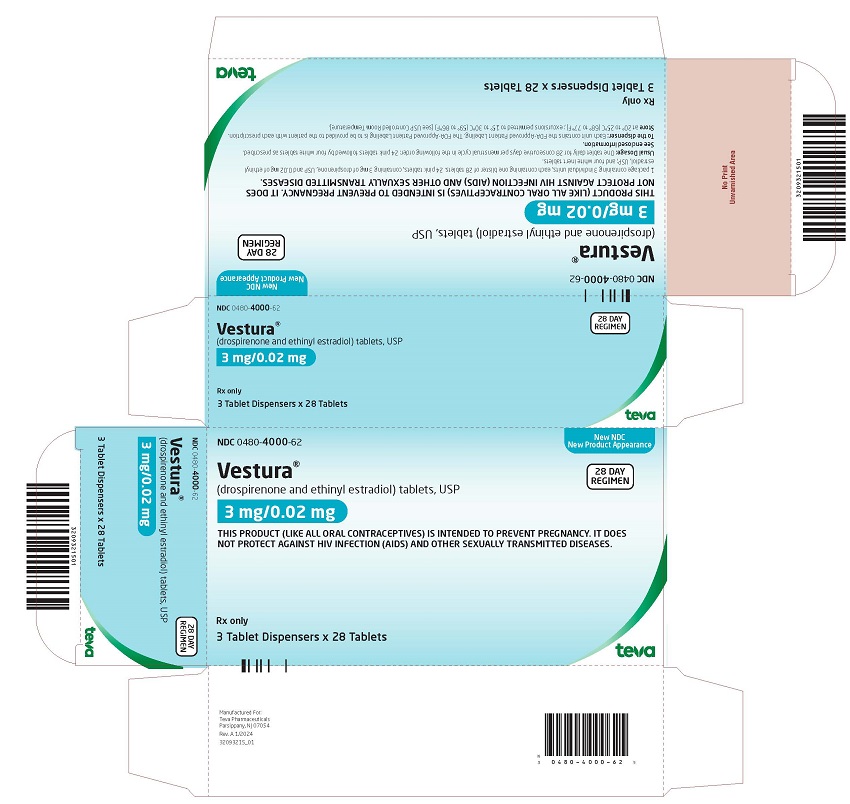
This is a description of a contraceptive product called Vestura, which comes in the form of tablets containing drospirenone and ethinyl estradiol. It is intended to prevent pregnancy but does not protect against HIV or other sexually transmitted diseases. The product is available in packages containing 3 tablet dispensers, each with 28 tablets. Please note that this product is prescription-only (Rxonly) and should be used as directed.*

* These product label images have been analyzed using experimental machine learning. Please verify findings with the primary label text.