A randomized, double-blind, 16 week placebo-controlled study was conducted in 405 patients with pulmonary arterial hypertension, defined as a resting mean pulmonary artery pressure (mPAP) ≥25 mm Hg, pulmonary capillary wedge pressure (PCWP) ≤15 mm Hg, and pulmonary vascular resistance (PVR) ≥3 Wood units via right heart catheterization. Allowed background therapy included bosentan (maintenance dosing up to 125 mg twice daily) and chronic anticoagulation. The use of prostacyclin or analogue, L-arginine, phosphodiesterase inhibitor, or other chronic PAH medications were not permitted.
Subjects were randomly assigned to 1 of 5 treatment groups (tadalafil 2.5, 10, 20, 40 mg, or placebo) in a 1:1:1:1:1 ratio. Subjects had to be at least 12 years of age and had a diagnosis of PAH that was idiopathic, heritable, related to connective tissue disease, anorexigen use, human immunodeficiency virus (HIV) infection, associated with an atrial-septal defect, or associated with surgical repair of a congenital systemic-to-pulmonary shunt of least 1 year in duration (for example, ventricular septal defect, patent ductus arteriosus). Patients with a history of left-sided heart disease, severe renal insufficiency, or pulmonary hypertension related to conditions other than specified in the inclusion criteria were not eligible for enrollment.
The mean age of all subjects was 54 years (range 14 to 90 years) with the majority of subjects being Caucasian (81%) and female (78%). PAH etiologies were predominantly idiopathic or heritable PAH (61%) and related to connective tissue disease (23%). More than half (53%) of the subjects in the study were receiving concomitant bosentan therapy. The majority of subjects had a World Health Organization (WHO) Functional Class III (65%) or II (32%). The mean baseline 6-minute walk distance (6-MWD) was 343 meters. Of the 405 subjects, 341 completed the study.
The primary efficacy endpoint was the change from baseline at week 16 in 6-MWD (see
Figure 4). In the tadalafil 40 mg treatment group, the placebo-adjusted mean change increase in 6-MWD was 33 meters (95% C.I. 15-50 meters; p=0.0004). The improvement in 6-MWD was apparent at 8 weeks of treatment and then maintained at week 12 and week 16.

Figure 4 (Alyq Tadalafil Tablets A216932 5)
Figure 4: 6-Minute Walk Distance (meters) Mean Change from Baseline, with 95% Confidence Intervals
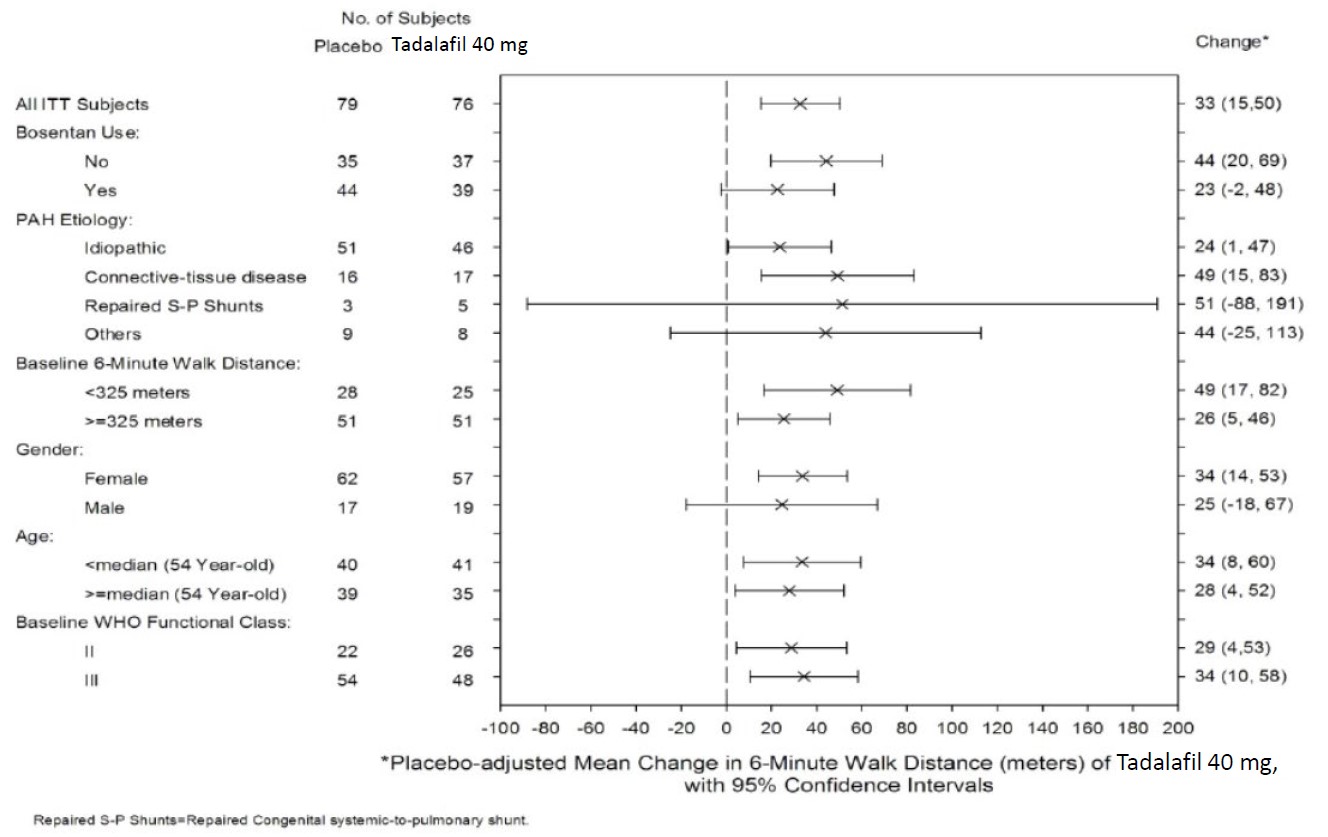
Placebo-adjusted changes in 6-MWD at 16 weeks were evaluated in subgroups (see
Figure 5). In patients taking only tadalafil 40 mg (i.e., without concomitant bosentan), the placebo-adjusted mean change in 6-MWD was 44 meters. In patients taking tadalafil 40 mg and concomitant bosentan therapy, the placebo adjusted mean change in 6-MWD was 23 meters.

Figure 5 (Alyq Tadalafil Tablets A216932 6)
Figure 5: Placebo-adjusted Mean Change in 6-Minute Walk Distance (meters) of Tadalafil 40 mg, with 95% Confidence Intervals
There was less clinical worsening (defined as death, lung transplantation, atrial septostomy, hospitalization because of worsening PAH, initiation of new PAH therapy [prostacyclin or analog, endothelin receptor antagonist, PDE5 inhibitor], or worsening WHO functional class) in the tadalafil 40 mg group compared to the placebo group and the groups that used lower doses of tadalafil.
Table 2: Number (percent) with Clinical Worseningaa Subjects may be counted in more than one category
|
| | Tadalafil |
| Placebo
N=82 | 2.5 mg
N=82 | 10 mg
N=80 | 20 mg
N=82 | 40 mg
N=79 |
| Total with clinical worsening | 13 (16)
| 10 (12)
| 7 (9)
| 8 (10)
| 4 (5)
|
| Death | 1
| 0
| 1
| 0
| 0
|
| Hospitalization for worsening PAH | 2
| 2
| 3
| 0
| 1
|
| New PAH therapy | 0
| 1
| 0
| 2
| 1
|
| Worsening WHO class | 11
| 10
| 6
| 6
| 3
|
The Kaplan-Meier plot of times to clinical worsening is shown below in Figure 6.
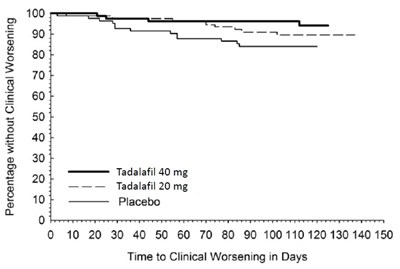
Figure 6 (Alyq Tadalafil Tablets A216932 7)
Figure 6: Kaplan-Meier Plot of Time to Clinical Worsening