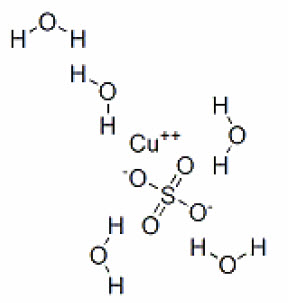
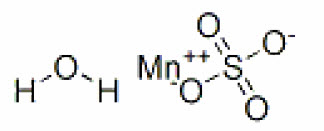
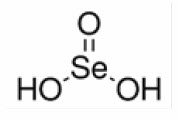
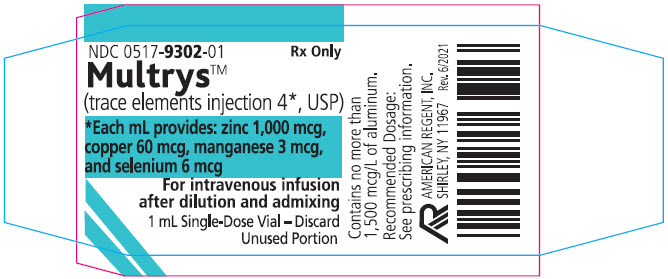
There is no information on overdose-related toxicity with a fixed-combination trace element product. However, there are reports on overdosage in the literature for the individual trace elements. Management of overdosage is supportive care based on presenting signs and symptoms. Obtain blood samples for laboratory testing of the individual trace elements and ceruloplasmin for copper.
Zinc
Acute zinc toxicity was reported in an infant who received an inadvertent 1,000-fold overdose of zinc in parenteral nutrition that led to cardiac failure and death. Zinc toxicity in adult patients receiving 17 to 400-fold the recommended dosage in parenteral nutrition for 2.5 to 60 days reported signs and symptoms including vomiting, diarrhea, hyperamylasemia, thrombocytopenia, and anemia. The zinc serum concentration was 2 to 30-fold the upper end of the reported range in healthy subjects in these cases.
Copper
Acute copper toxicity was reported in patients with oral, intravenous, or subcutaneous administration. Clinical manifestations included metallic taste, nausea, vomiting, abdominal pain, and multi-organ failure involving kidney, liver, blood, and cardiovascular systems. Chelating agents can be used for treatment of acute toxicity. Long-term administration of parenteral copper above recommended dosage may result in significant accumulation of copper in the liver, brain, and other tissues with possible organ damage [see Warnings and Precautions (5.4)].
Manganese
Acute manganese toxicity was reported in adult patients following infusion of manganese more than 10,000-fold the recommended dosage and after use of dialysis fluid contaminated with manganese. Signs and symptoms included skin flushing, acute pancreatitis, elevated whole blood manganese concentrations, and MRI evidence of brain accumulation of manganese. Chronic infusion and oral intake of manganese above recommended dosage have resulted in neuropsychiatric symptoms and MRI evidence of brain accumulation of manganese [see Warnings and Precautions (5.3)].
Selenium
Acute selenium toxicity was reported with oral overdosage of greater than 1 g/day. Symptoms included nausea, vomiting, diarrhea, abdominal pain, garlic breath odor, and altered mental status. Death from circulatory collapse was reported after oral ingestion of 5 to 10 g of selenium with blood concentrations ranging 10 to 50-fold the upper end of the reported range in healthy subjects.