Absorption
Testosterone gel 1% delivers physiologic amounts of testosterone, producing circulating testosterone concentrations that approximate normal concentrations (e.g., 300 – 1000 ng/dL) seen in healthy men.
The skin serves as a reservoir for the sustained release of testosterone into the systemic circulation. Approximately 10% of the testosterone applied on the skin surface is absorbed into the systemic circulation during a 24-hour period.
Single Dose
In single dose studies, when either testosterone gel 1% 50 mg or 100 mg was administered, absorption of testosterone into the blood continued for the entire 24 hour dosing period. Also, mean peak and average serum concentrations within the normal range were achieved within 24 hours.
Multiple Dose
With single daily applications of testosterone gel 1% 50 mg and 100 mg, follow-up measurements at 30 and 90 days after starting treatment have confirmed that serum testosterone and DHT concentrations are generally maintained within the normal range.
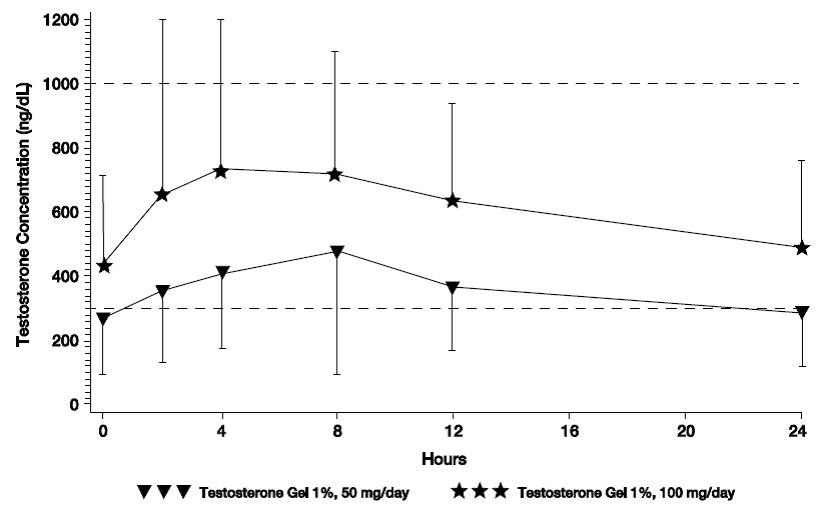
Figure 1 summarizes the 24-hour pharmacokinetic profile of testosterone for patients maintained on testosterone gel 1% 50 mg or testosterone gel 1% 100 mg for 30 days.
The average daily testosterone concentration produced by testosterone gel 1% 100 mg at Day 30 was 612 (± 286) ng/dL and by testosterone gel 1% 50 mg at Day 30 was 365 (± 187) ng/dL.
Distribution
Circulating testosterone is primarily bound in the serum to sex hormone-binding globulin (SHBG) and albumin. Approximately 40% of testosterone in plasma is bound to SHBG, 2% remains unbound (free) and the rest is loosely bound to albumin and other proteins.
Metabolism
Testosterone is metabolized to various 17-keto steroids through two different pathways. The major active metabolites of testosterone are estradiol and DHT. The average daily DHT concentration produced by testosterone gel 1% 100 mg at Day 30 was 555 (± 293) pg/mL and by testosterone gel 1% 50 mg at Day 30 was 346 (± 212) pg/mL.
Figure 2 summarizes the 24-hour pharmacokinetic profile of DHT for patients maintained on testosterone gel 1% 50 mg or testosterone gel 1% 100 mg for 30 days.
Excretion
There is considerable variation in the half-life of testosterone concentration as reported in the literature, ranging from 10 to 100 minutes. About 90% of a dose of testosterone given intramuscularly is excreted in the urine as glucuronic acid and sulfuric acid conjugates of testosterone and its metabolites. About 6% of a dose is excreted in the feces, mostly in the unconjugated form. Inactivation of testosterone occurs primarily in the liver.
Potential for Testosterone Transfer from Male Patients to Female Partners
The potential for dermal testosterone transfer following testosterone gel 1% use was evaluated in two clinical trials with males dosed with testosterone gel 1% and their untreated female partners.
In the first trial, 30 couples were evenly randomized to five groups. In the first four groups, 100 mg of testosterone gel 1% was applied to the male abdomen and the couples were then asked to rub abdomen-to-abdomen for 15 minutes at 1 hour, 4 hours, 8 hours or 12 hours after dose application, respectively. In these couples, serum testosterone concentrations in female partners increased from baseline by at least 6 times and potential for transfer was seen at all timepoints.
When 6 males used a shirt to cover the abdomen at 15 minutes post-application and partners again rubbed abdomens for 15 minutes at the 1 hour timepoint, serum testosterone concentrations in female partners increased from baseline by approximately 3 times.
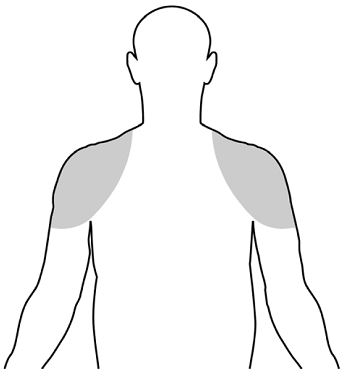
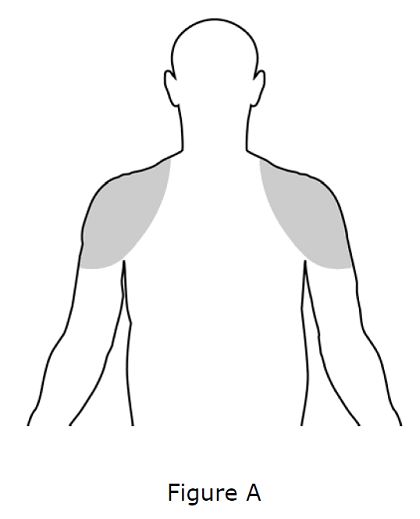
In the second trial, 24 couples were evenly randomized to four groups. Testosterone gel 1% 100 mg was applied to the male upper arms and shoulders. In one group, 15 minutes of direct skin-to-skin rubbing began at 4 hours after application. In these six women, all of whom showered immediately after the rubbing activity, mean maximum serum testosterone concentrations increased from baseline by approximately 4 times. When males wore a long-sleeved T-shirt and rubbing was started at 1 and at 4 hours after application, the transfer of testosterone from male to female partners was prevented.
Effect of showering
The effect of showering (with mild soap) at 1, 2 and 6 hours post application of testosterone gel 1% 100 mg was evaluated in a clinical trial in 12 men. The study demonstrated that the overall effect of washing was to decrease testosterone concentrations; however, when washing occurred two or more hours post drug application, serum testosterone concentrations remained within the normal range.