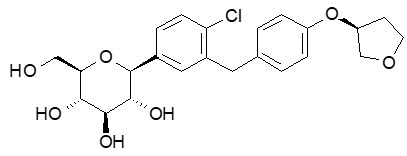
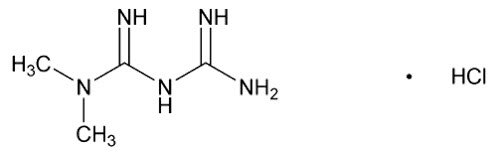
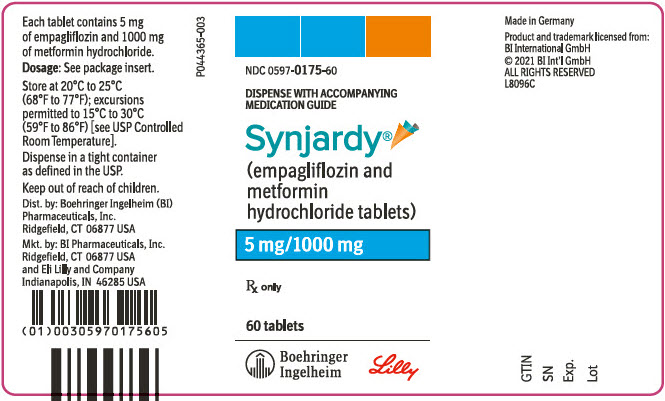
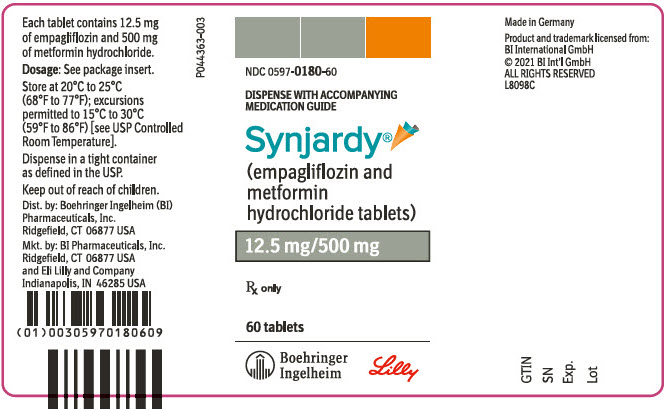
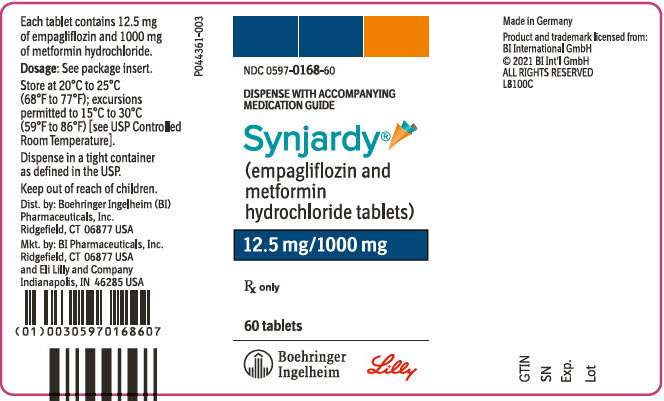
Each film-coated tablet of SYNJARDY contains the following inactive ingredients: colloidal silicon dioxide, copovidone, corn starch, and magnesium stearate. Film-coating: black ferrosoferric oxide and ferric oxide red (12.5 mg/500 mg, 12.5 mg/1,000 mg) or ferric oxide yellow (5 mg/500 mg, 5 mg/1,000 mg), hypromellose, polyethylene glycol 400, talc and titanium dioxide.
Each film-coated tablet of SYNJARDY XR consists of an extended-release metformin HCl core tablet that is coated with the immediate-release drug substance empagliflozin.
SYNJARDY XR tablets for oral administration are available in four dosage strengths containing:
- 5 mg empagliflozin and 1,000 mg metformin HCl (equivalent to 779.86 mg of metformin)
- 10 mg empagliflozin and 1,000 mg metformin HCl (equivalent to 779.86 mg of metformin)
- 12.5 mg empagliflozin and 1,000 mg metformin HCl (equivalent to 779.86 mg of metformin)
- 25 mg empagliflozin and 1,000 mg metformin HCl (equivalent to 779.86 mg of metformin)
Each film-coated tablet of SYNJARDY XR contains the following inactive ingredients: Tablet Core: hypromellose, magnesium stearate, and polyethylene oxide. Film-coatings and Printing Ink: carnauba wax, FD&C blue#2/indigo carmine aluminum lake (12.5 mg/1,000 mg, 25 mg/1,000 mg), ferric oxide red (10 mg/1,000 mg), ferric oxide yellow (5 mg/1,000 mg, 10 mg/1,000 mg, 25 mg/1,000 mg), ferrosoferric oxide, hypromellose, isopropyl alcohol, polydextrose, polyethylene glycol, propylene glycol, purified water, talc, and titanium dioxide.
SYNJARDY or SYNJARDY XR
SYNJARDY and SYNJARDY XR contain: empagliflozin, a SGLT2 inhibitor, and metformin HCl, a biguanide.
Empagliflozin
Empagliflozin is an inhibitor of SGLT2, the predominant transporter responsible for reabsorption of glucose from the glomerular filtrate back into the circulation. By inhibiting SGLT2, empagliflozin reduces renal reabsorption of filtered glucose and lowers the renal threshold for glucose, and thereby increases urinary glucose excretion.
Empagliflozin also reduces sodium reabsorption and increases the delivery of sodium to the distal tubule. This may influence several physiological functions including, but not restricted to, increasing tubuloglomerular feedback and reducing intraglomerular pressure, lowering both pre- and afterload of the heart and downregulating sympathetic activity.
Metformin HCl
Metformin HCl is an antihyperglycemic agent which improves glucose tolerance in patients with type 2 diabetes mellitus, lowering both basal and postprandial plasma glucose. It is not chemically or pharmacologically related to any other classes of oral antihyperglycemic agents. Metformin HCl decreases hepatic glucose production, decreases intestinal absorption of glucose, and improves insulin sensitivity by increasing peripheral glucose uptake and utilization. Unlike sulfonylureas, metformin HCl does not produce hypoglycemia in either patients with type 2 diabetes mellitus or normal subjects (except in special circumstances) [see Warnings and Precautions (5.5)] and does not cause hyperinsulinemia. With metformin HCl therapy, insulin secretion remains unchanged while fasting insulin levels and day-long plasma insulin response may decrease.
Empagliflozin
Urinary Glucose Excretion
In patients with type 2 diabetes mellitus, urinary glucose excretion increased immediately following a dose of empagliflozin and was maintained at the end of a 4-week treatment period averaging at approximately 64 grams per day with 10 mg empagliflozin and 78 grams per day with 25 mg empagliflozin once daily [see Clinical Studies (14)]. Data from single oral doses of empagliflozin in healthy subjects indicate that, on average, the elevation in urinary glucose excretion approaches baseline by about 3 days for the 10 mg and 25 mg doses.
Urinary Volume
In a 5-day study, mean 24-hour urine volume increase from baseline was 341 mL on Day 1 and 135 mL on Day 5 of empagliflozin 25 mg once daily treatment.
Cardiac Electrophysiology
In a randomized, placebo-controlled, active-comparator, crossover study, 30 healthy subjects were administered a single oral dose of empagliflozin 25 mg, empagliflozin 200 mg (8 times the maximum dose), moxifloxacin, and placebo. No increase in QTc was observed with either 25 mg or 200 mg empagliflozin.
SYNJARDY
Administration of 12.5 mg empagliflozin/1,000 mg metformin HCl under fed conditions resulted in a 9% decrease in AUC and a 28% decrease in Cmax for empagliflozin, when compared to fasted conditions. For metformin, AUC decreased by 12% and Cmax decreased by 26% compared to fasting conditions. The observed effect of food on empagliflozin and metformin is not considered to be clinically relevant.
SYNJARDY XR
Administration of SYNJARDY XR with food resulted in no change in overall exposure of empagliflozin. For metformin HCl extended-release high-fat meals increased systemic exposure to metformin (as measured by area-under-the-curve [AUC]) by approximately 70% relative to fasting, while Cmax is not affected. Meals prolonged Tmax by approximately 3 hours.
Empagliflozin
The pharmacokinetics of empagliflozin has been characterized in healthy volunteers and patients with type 2 diabetes mellitus and no clinically relevant differences were noted between the two populations. The steady-state mean plasma AUC and Cmax were 1,870 nmol∙h/L and 259 nmol/L, respectively, with 10 mg empagliflozin once daily treatment, and 4,740 nmol∙h/L and 687 nmol/L, respectively, with 25 mg empagliflozin once daily treatment. Systemic exposure of empagliflozin increased in a dose-proportional manner in the therapeutic dose range. Empagliflozin does not appear to have time-dependent pharmacokinetic characteristics. Following once-daily dosing, up to 22% accumulation, with respect to plasma AUC, was observed at steady-state.
Absorption
After oral administration, peak plasma concentrations of empagliflozin were reached at 1.5 hours post-dose. Administration of 25 mg empagliflozin after intake of a high-fat and high-calorie meal resulted in slightly lower exposure; AUC decreased by approximately 16% and Cmax decreased by approximately 37%, compared to fasted condition. The observed effect of food on empagliflozin pharmacokinetics was not considered clinically relevant and empagliflozin may be administered with or without food.
Distribution
The apparent steady-state volume of distribution was estimated to be 73.8 L based on a population pharmacokinetic analysis. Following administration of an oral [14C]-empagliflozin solution to healthy subjects, the red blood cell partitioning was approximately 36.8% and plasma protein binding was 86.2%.
Elimination
The apparent terminal elimination half-life of empagliflozin was estimated to be 12.4 h and apparent oral clearance was 10.6 L/h based on the population pharmacokinetic analysis.
Metabolism
No major metabolites of empagliflozin were detected in human plasma and the most abundant metabolites were three glucuronide conjugates (2-O-, 3-O-, and 6-O-glucuronide). Systemic exposure of each metabolite was less than 10% of total drug-related material. In vitro studies suggested that the primary route of metabolism of empagliflozin in humans is glucuronidation by the uridine 5'-diphospho-glucuronosyltransferases UGT2B7, UGT1A3, UGT1A8, and UGT1A9.
Excretion
Following administration of an oral [14C]-empagliflozin solution to healthy subjects, approximately 95.6% of the drug-related radioactivity was eliminated in feces (41.2%) or urine (54.4%). The majority of drug-related radioactivity recovered in feces was unchanged parent drug and approximately half of drug-related radioactivity excreted in urine was unchanged parent drug.
Metformin HCl
Absorption
The absolute bioavailability of a metformin HCl 500 mg tablet given under fasting conditions is approximately 50% to 60%. Studies using single oral doses of metformin HCl tablets 500 mg to 1,500 mg, and 850 mg to 2,550 mg, indicate that there is a lack of dose proportionality with increasing doses, which is due to decreased absorption rather than an alteration in elimination.
Food decreases the extent of and slightly delays the absorption of metformin, as shown by approximately a 40% lower Cmax, a 25% lower AUC, and a 35 minute prolongation of time to peak plasma concentration (Tmax) following administration of a single 850 mg tablet of metformin with food, compared to the same tablet strength administered fasting. The clinical relevance of these decreases is unknown.
Metformin HCl extended-release
Following a single oral dose of 1,000 mg (2 × 500 mg tablets) metformin HCl extended-release after a meal, the time to reach maximum plasma metformin concentration (Tmax) is achieved at approximately 7 to 8 hours. In both single- and multiple-dose studies in healthy subjects, once daily 1,000 mg (2 × 500 mg tablets) dosing provides equivalent systemic exposure, as measured by AUC, and up to 35% higher Cmax of metformin relative to the immediate-release given as 500 mg twice daily.
Single oral doses of metformin HCl extended-release from 500 mg to 2,500 mg resulted in less than proportional increase in both AUC and Cmax. Low-fat and high-fat meals increased the systemic exposure (as measured by AUC) from metformin extended-release tablets by about 38% and 73%, respectively, relative to fasting. Both meals prolonged metformin Tmax by approximately 3 hours but Cmax was not affected.
Distribution
The apparent volume of distribution (V/F) of metformin following single oral doses of immediate-release metformin HCl tablets 850 mg averaged 654±358 L. Metformin is negligibly bound to plasma proteins. Metformin partitions into erythrocytes, most likely as a function of time.
Elimination
Metformin has a plasma elimination half-life of approximately 6.2 hours. In blood, the elimination half-life is approximately 17.6 hours, suggesting that the erythrocyte mass may be a compartment of distribution.
Metabolism
Intravenous single-dose studies in normal subjects demonstrate that metformin does not undergo hepatic metabolism (no metabolites have been identified in humans) nor biliary excretion.
Excretion
Following oral administration, approximately 90% of the absorbed drug is excreted via the renal route within the first 24 hours. Renal clearance is approximately 3.5 times greater than creatinine clearance, which indicates that tubular secretion is the major route of metformin elimination.
Specific Populations
Geriatric Patients
SYNJARDY or SYNJARDY XR: Studies characterizing the pharmacokinetics of empagliflozin and metformin after administration of SYNJARDY or SYNJARDY XR in geriatric patients have not been performed [see Warnings and Precautions (5.1, 5.3) and Use in Specific Populations (8.5)].
Empagliflozin: Age did not have a clinically meaningful impact on the pharmacokinetics of empagliflozin based on a population pharmacokinetic analysis [see Use in Specific Populations (8.5)].
Metformin HCl: Limited data from controlled pharmacokinetic studies of metformin HCl in healthy elderly subjects suggest that total plasma clearance of metformin is decreased, the half-life is prolonged, and Cmax is increased, compared with healthy young subjects. From these data, it appears that the change in metformin pharmacokinetics with aging is primarily accounted for by a change in renal function.
Pediatric Patients
Empagliflozin: The pharmacokinetics and pharmacodynamics of empagliflozin were investigated in pediatric patients aged 10 to 17 years with type 2 diabetes mellitus. Oral administration of empagliflozin at 10 mg and 25 mg resulted in exposure within the range observed in adult patients.
Metformin: After administration of a single oral metformin HCl 500 mg immediate-release tablet with food, geometric mean metformin Cmax and AUC differed less than 5% between pediatric type 2 diabetic patients (12 to 16 years of age) and gender- and weight-matched healthy adults (20 to 45 years of age), all with normal renal function.
Effects of Age, Body Mass Index, Gender, and Race
Empagliflozin: Age, body mass index (BMI), gender and race (Asians versus primarily Whites) do not have a clinically meaningful effect on pharmacokinetics of empagliflozin.
Metformin HCl: No studies of metformin pharmacokinetic parameters according to race have been performed. In controlled clinical studies of metformin HCl in patients with type 2 diabetes mellitus, the antihyperglycemic effect was comparable in Whites (n=249), Blacks or African Americans (n=51), and Hispanics or Latinos (n=24).
Patients with Renal Impairment
SYNJARDY or SYNJARDY XR: Studies characterizing the pharmacokinetics of empagliflozin and metformin HCl after administration of SYNJARDY or SYNJARDY XR in renally impaired patients have not been performed.
Empagliflozin: In adult patients with type 2 diabetes mellitus with mild (eGFR: 60 to less than 90 mL/min/1.73 m2), moderate (eGFR: 30 to less than 60 mL/min/1.73 m2), and severe (eGFR: less than 30 mL/min/1.73 m2) renal impairment and patients on dialysis due to kidney failure, AUC of empagliflozin increased by approximately 18%, 20%, 66%, and 48%, respectively, compared to subjects with normal renal function. Peak plasma levels of empagliflozin were similar in patients with moderate renal impairment and patients on dialysis due to kidney failure, compared to subjects with normal renal function. Peak plasma levels of empagliflozin were roughly 20% higher in patients with mild and severe renal impairment as compared to patients with normal renal function. Population pharmacokinetic analysis showed that the apparent oral clearance of empagliflozin decreased with a decrease in eGFR leading to an increase in drug exposure. However, the fraction of empagliflozin that was excreted unchanged in urine, and urinary glucose excretion, declined with decrease in eGFR.
Metformin HCl: In patients with decreased renal function, the plasma and blood half-life of metformin is prolonged and the renal clearance is decreased [see Contraindications (4) and Warnings and Precautions (5.1)].
Patients with Hepatic Impairment
SYNJARDY or SYNJARDY XR: Studies characterizing the pharmacokinetics of empagliflozin and metformin after administration of SYNJARDY or SYNJARDY XR in hepatically impaired patients have not been performed [see Warnings and Precautions (5.1)].
Empagliflozin: In adult patients with mild, moderate, and severe hepatic impairment according to the Child-Pugh classification, AUC of empagliflozin increased by approximately 23%, 47%, and 75%, and Cmax increased by approximately 4%, 23%, and 48%, respectively, compared to subjects with normal hepatic function.
Metformin HCl: No pharmacokinetic studies of metformin have been conducted in patients with hepatic impairment.
Drug Interaction Studies
Pharmacokinetic drug interaction studies with SYNJARDY or SYNJARDY XR have not been performed; however, such studies have been conducted with the individual components empagliflozin and metformin HCl.
Empagliflozin
In vitro Assessment of Drug Interactions: Empagliflozin does not inhibit, inactivate, or induce CYP450 isoforms. In vitro data suggest that the primary route of metabolism of empagliflozin in humans is glucuronidation by the uridine 5'-diphospho-glucuronosyltransferases UGT1A3, UGT1A8, UGT1A9, and UGT2B7. Empagliflozin does not inhibit UGT1A1, UGT1A3, UGT1A8, UGT1A9, or UGT2B7. Therefore, no effect of empagliflozin is anticipated on concomitantly administered drugs that are substrates of the major CYP450 isoforms or UGT1A1, UGT1A3, UGT1A8, UGT1A9, or UGT2B7. The effect of UGT induction (e.g., induction by rifampicin or any other UGT enzyme inducer) on empagliflozin exposure has not been evaluated.
Empagliflozin is a substrate for P-glycoprotein (P-gp) and breast cancer resistance protein (BCRP), but it does not inhibit these efflux transporters at therapeutic doses. Based on in vitro studies, empagliflozin is considered unlikely to cause interactions with drugs that are P-gp substrates. Empagliflozin is a substrate of the human uptake transporters OAT3, OATP1B1, and OATP1B3, but not OAT1 and OCT2. Empagliflozin does not inhibit any of these human uptake transporters at clinically relevant plasma concentrations and, therefore, no effect of empagliflozin is anticipated on concomitantly administered drugs that are substrates of these uptake transporters.
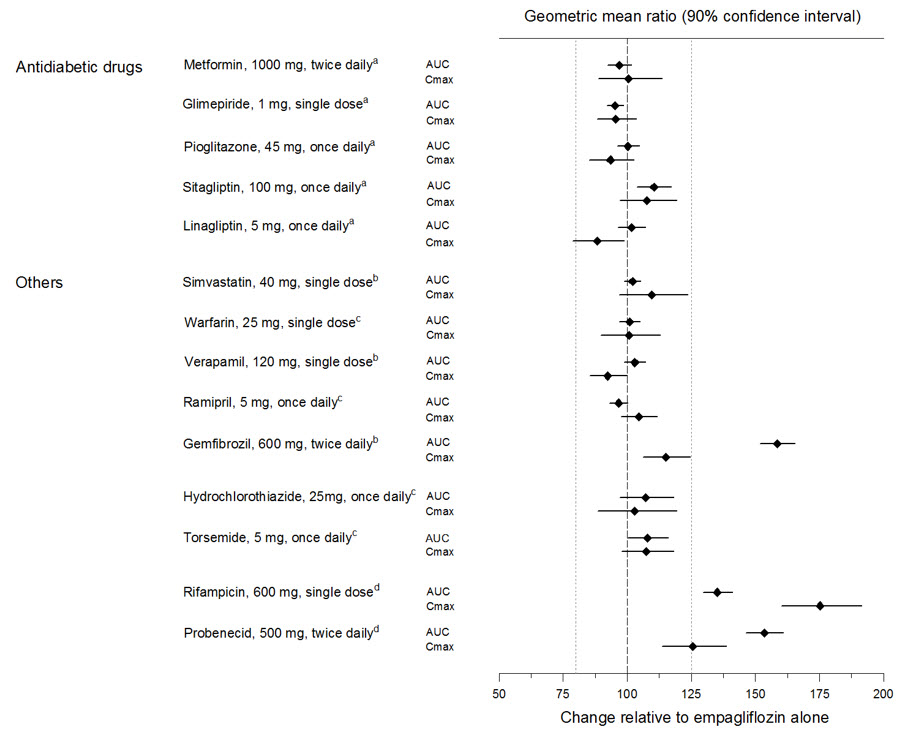
In vivo Assessment of Drug Interactions: Empagliflozin pharmacokinetics were similar with and without coadministration of metformin HCl, glimepiride, pioglitazone, sitagliptin, linagliptin, warfarin, verapamil, ramipril, and simvastatin in healthy volunteers and with or without coadministration of hydrochlorothiazide and torsemide in patients with type 2 diabetes mellitus (see Figure 1). In subjects with normal renal function, coadministration of empagliflozin with probenecid resulted in a 30% decrease in the fraction of empagliflozin excreted in urine without any effect on 24-hour urinary glucose excretion. The relevance of this observation to patients with renal impairment is unknown.
Figure 1 Effect of Various Medications on the Pharmacokinetics of Empagliflozin as Displayed as 90% Confidence Interval of Geometric Mean AUC and Cmax Ratios [reference lines indicate 100% (80% - 125%)]
aempagliflozin, 50 mg, once daily; bempagliflozin, 25 mg, single dose; cempagliflozin, 25 mg, once daily; dempagliflozin, 10 mg, single dose
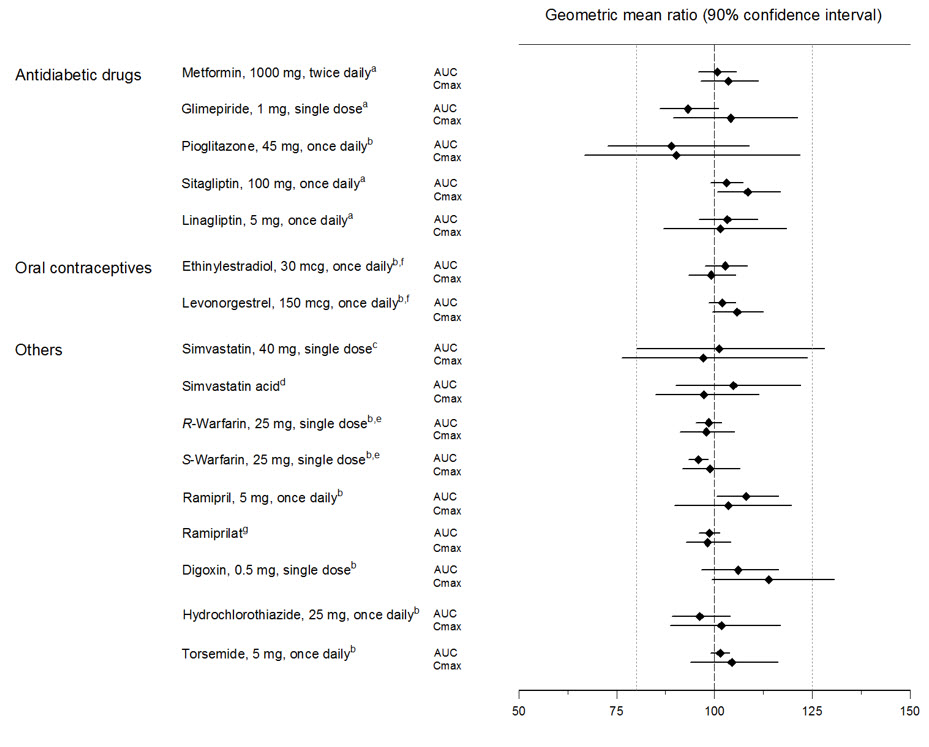
Empagliflozin had no clinically relevant effect on the pharmacokinetics of metformin, glimepiride, pioglitazone, sitagliptin, linagliptin, warfarin, digoxin, ramipril, simvastatin, hydrochlorothiazide, torsemide, and oral contraceptives when coadministered in healthy volunteers (see Figure 2).
Figure 2 Effect of Empagliflozin on the Pharmacokinetics of Various Medications as Displayed as 90% Confidence Interval of Geometric Mean AUC and Cmax Ratios [reference lines indicate 100% (80% - 125%)]
aempagliflozin, 50 mg, once daily; bempagliflozin, 25 mg, once daily; cempagliflozin, 25 mg, single dose; dadministered as simvastatin; eadministered as warfarin racemic mixture; fadministered as Microgynon®; gadministered as ramipril
Metformin HCl
Table 5 Effect of Coadministered Drug on Plasma Metformin Systemic Exposure| Coadministered Drug | Dose of Coadministered Drug* | Dose of Metformin HCl* | Geometric Mean Ratio
(ratio with/without coadministered drug)
No effect=1.0 |
|---|
| AUC† | Cmax |
|---|
| * All metformin and coadministered drugs were given as single doses |
| † AUC = AUC (INF) |
| ≠ Metformin HCl extended-release tablets 500 mg |
| ‡ Ratio of arithmetic means |
| **At steady-state with topiramate 100 mg every 12 hours and metformin 500 mg every 12 hours; AUC = AUC (0-12 hours) |
| Glyburide | 5 mg | 500 mg≠ | metformin | 0.98‡ | 0.99‡ |
| Furosemide | 40 mg | 850 mg | metformin | 1.09‡ | 1.22‡ |
| Nifedipine | 10 mg | 850 mg | metformin | 1.16 | 1.21 |
| Propranolol | 40 mg | 850 mg | metformin | 0.90 | 0.94 |
| Ibuprofen | 400 mg | 850 mg | metformin | 1.05‡ | 1.07‡ |
| Cationic drugs eliminated by renal tubular secretion may reduce metformin elimination [see Drug Interactions (7)]. |
| Cimetidine | 400 mg | 850 mg | metformin | 1.40 | 1.61 |
| Carbonic anhydrase inhibitors may cause metabolic acidosis [see Drug Interactions (7)]. |
| Topiramate** | 100 mg | 500 mg | metformin | 1.25 | 1.17 |
Table 6 Effect of Metformin on Coadministered Drug Systemic Exposure | Coadministered Drug | Dose of Coadministered Drug* | Dose of Metformin HCl* | Geometric Mean Ratio
(ratio with/without metformin)
No effect=1.0 |
|---|
| AUC† | Cmax |
|---|
| * All metformin and coadministered drugs were given as single doses |
| † AUC = AUC (INF) unless otherwise noted |
| ‡ Ratio of arithmetic means, p-value of difference <0.05 |
| § AUC (0-24 hours) reported |
| ¶ Ratio of arithmetic means |
| Glyburide | 5 mg | 500 mg§ | glyburide | 0.78‡ | 0.63‡ |
| Furosemide | 40 mg | 850 mg | furosemide | 0.87‡ | 0.69‡ |
| Nifedipine | 10 mg | 850 mg | nifedipine | 1.10§ | 1.08 |
| Propranolol | 40 mg | 850 mg | propranolol | 1.01§ | 0.94 |
| Ibuprofen | 400 mg | 850 mg | ibuprofen | 0.97¶ | 1.01¶ |
| Cimetidine | 400 mg | 850 mg | cimetidine | 0.95§ | 1.01 |
SYNJARDY or SYNJARDY XR
No carcinogenicity, mutagenicity, or impairment of fertility studies have been conducted with the combination of empagliflozin and metformin HCl. General toxicity studies in rats up to 13 weeks were performed with the combined components. These studies indicated that no additive toxicity is caused by the combination of empagliflozin and metformin HCl.
Empagliflozin
Carcinogenesis was evaluated in 2-year studies conducted in CD-1 mice and Wistar rats. Empagliflozin did not increase the incidence of tumors in female rats dosed at 100, 300, or 700 mg/kg/day (up to 72 times the exposure from the maximum clinical dose of 25 mg). In male rats, hemangiomas of the mesenteric lymph node were increased significantly at 700 mg/kg/day or approximately 42 times the exposure from a 25 mg clinical dose. Empagliflozin did not increase the incidence of tumors in female mice dosed at 100, 300, or 1,000 mg/kg/day (up to 62 times the exposure from a 25 mg clinical dose). Renal tubule adenomas and carcinomas were observed in male mice at 1,000 mg/kg/day, which is approximately 45 times the exposure of the maximum clinical dose of 25 mg. These tumors may be associated with a metabolic pathway predominantly present in the male mouse kidney.
Empagliflozin was not mutagenic or clastogenic with or without metabolic activation in the in vitro Ames bacterial mutagenicity assay, the in vitro L5178Y tk+/- mouse lymphoma cell assay, and an in vivo micronucleus assay in rats.
Empagliflozin had no effects on mating, fertility or early embryonic development in treated male or female rats up to the high dose of 700 mg/kg/day (approximately 155 times the 25 mg clinical dose in males and females, respectively).
Metformin HCl
Long-term carcinogenicity studies have been performed in rats (dosing duration of 104 weeks) and mice (dosing duration of 91 weeks) at doses up to and including 900 mg/kg/day and 1,500 mg/kg/day, respectively. These doses are both approximately 4 times the maximum recommended human daily dose of 2,000 mg/kg/day based on body surface area comparisons. No evidence of carcinogenicity with metformin was found in either male or female mice. Similarly, there was no tumorigenic potential observed with metformin in male rats. There was, however, an increased incidence of benign stromal uterine polyps in female rats treated with 900 mg/kg/day.
There was no evidence of a mutagenic potential of metformin in the following in vitro tests: Ames test (Salmonella typhimurium), gene mutation test (mouse lymphoma cells), or chromosomal aberrations test (human lymphocytes). Results in the in vivo mouse micronucleus test were also negative.
Fertility of male or female rats was unaffected by metformin when administered at doses as high as 600 mg/kg/day, which is approximately 2 times the MRHD based on body surface area comparisons.
Empagliflozin Add-On Combination Therapy with Metformin HCl in Adult Patients with Type 2 Diabetes Mellitus
A total of 637 patients with type 2 diabetes mellitus participated in a double-blind, placebo-controlled trial to evaluate the efficacy of empagliflozin in combination with metformin HCl.
Patients with type 2 diabetes mellitus inadequately controlled on at least 1,500 mg of metformin HCl per day entered an open-label 2-week placebo run-in. At the end of the run-in period, patients who remained inadequately controlled and had an HbA1c between 7% and 10% were randomized to placebo, empagliflozin 10 mg, or empagliflozin 25 mg.
At Week 24, treatment with empagliflozin 10 mg or 25 mg daily provided statistically significant reductions in HbA1c (p-value <0.0001), FPG, and body weight compared with placebo (see Table 7).
Table 7 Results at Week 24 From a Placebo-Controlled Trial for Empagliflozin used in Combination with Metformin HCl | Empagliflozin 10 mg
N=217 | Empagliflozin 25 mg
N=213 | Placebo
N=207 |
|---|
| aModified intent-to-treat population. Last observation on trial (LOCF) was used to impute missing data at Week 24. At Week 24, 9.7%, 14.1%, and 24.6% was imputed for patients randomized to empagliflozin 10 mg, empagliflozin 25 mg, and placebo, respectively. |
| bANCOVA p-value <0.0001 (HbA1c: ANCOVA model includes baseline HbA1c, treatment, renal function, and region. Body weight and FPG: same model used as for HbA1c but additionally including baseline body weight/baseline FPG, respectively.) |
| cFPG (mg/dL); for empagliflozin 10 mg, n=216, for empagliflozin 25 mg, n=213, and for placebo, n=207 |
| HbA1c (%)a |
| Baseline (mean) | 7.9 | 7.9 | 7.9 |
| Change from baseline (adjusted mean) | -0.7 | -0.8 | -0.1 |
| Difference from placebo + metformin HCl (adjusted mean) (95% CI) | -0.6b (-0.7, -0.4) | -0.6b (-0.8, -0.5) | -- |
| Patients [n (%)] achieving HbA1c <7% | 75 (38%) | 74 (39%) | 23 (13%) |
| FPG (mg/dL)c |
| Baseline (mean) | 155 | 149 | 156 |
| Change from baseline (adjusted mean) | -20 | -22 | 6 |
| Difference from placebo + metformin HCl (adjusted mean) | -26 | -29 | -- |
| Body Weight |
| Baseline mean in kg | 82 | 82 | 80 |
| % change from baseline (adjusted mean) | -2.5 | -2.9 | -0.5 |
| Difference from placebo (adjusted mean) (95% CI) | -2.0b (-2.6, -1.4) | -2.5b (-3.1, -1.9) | -- |
At Week 24, the systolic blood pressure was statistically significantly reduced compared to placebo by -4.1 mmHg (placebo-corrected, p-value <0.0001) for empagliflozin 10 mg and -4.8 mmHg (placebo-corrected, p-value <0.0001) for empagliflozin 25 mg.
Empagliflozin Initial Combination Therapy with Metformin HCl
A total of 1,364 patients with type 2 diabetes mellitus participated in a double-blind, randomized, active-controlled trial to evaluate the efficacy of empagliflozin in combination with metformin HCl as initial therapy compared to the corresponding individual components.
Treatment-naïve patients with inadequately controlled type 2 diabetes mellitus entered an open-label placebo run-in for 2 weeks. At the end of the run-in period, patients who remained inadequately controlled and had an HbA1c between 7% and 10.5% were randomized to one of 8 active-treatment arms: empagliflozin 10 mg or 25 mg; metformin HCl 1,000 mg, or 2,000 mg; empagliflozin 10 mg in combination with 1,000 mg or 2,000 mg metformin HCl; or empagliflozin 25 mg in combination with 1,000 mg or 2,000 mg metformin HCl.
At Week 24, initial therapy of empagliflozin in combination with metformin HCl provided statistically significant reductions in HbA1c (p-value <0.01) compared to the individual components (see Table 8).
Table 8 Glycemic Parameters at 24 Weeks in a Trial Comparing Empagliflozin and Metformin HCl to the Individual Components as Initial Therapy | Empagliflozin 10 mg + Metformin HCl 1,000 mga
N=161 | Empagliflozin 10 mg + Metformin HCl 2,000 mga
N=167 | Empagliflozin 25 mg + Metformin HCl 1,000 mga
N=165 | Empagliflozin 25 mg + Metformin HCl 2,000 mga
N=169 | Empagliflozin 10 mg
N=169 | Empagliflozin 25 mg
N=163 | Metformin HCl 1,000 mga
N=167 | Metformin HCl 2,000 mga
N=162 |
|---|
| aMetformin HCl total daily dose, administered in two equally divided doses per day. |
| bp-value ≤0.0062 (modified intent-to-treat population [observed case] MMRM model included treatment, renal function, region, visit, visit by treatment interaction, and baseline HbA1c). |
| cp-value ≤0.0056 (modified intent-to-treat population [observed case] MMRM model included treatment, renal function, region, visit, visit by treatment interaction, and baseline HbA1c). |
| HbA1c (%) | | | | | | | | |
| Baseline (mean) | 8.7 | 8.7 | 8.8 | 8.7 | 8.6 | 8.9 | 8.7 | 8.6 |
Change from baseline
(adjusted mean) | -2.0 | -2.1 | -1.9 | -2.1 | -1.4 | -1.4 | -1.2 | -1.8 |
Comparison vs empagliflozin
(adjusted mean)
(95% CI) | -0.6b
(-0.9, -0.4) | -0.7b
(-1.0, -0.5) | -0.6c
(-0.8, -0.3) | -0.7c
(-1.0, -0.5) | -- | -- | -- | -- |
Comparison vs metformin HCl
(adjusted mean)
(95% CI) | -0.8b
(-1.0, -0.6) | -0.3b
(-0.6, -0.1) | -0.8c
(-1.0, -0.5) | -0.3c
(-0.6, -0.1) | -- | -- | -- | -- |
| Patients [n (%)] achieving HbA1c <7% | 96 (63%) | 112 (70%) | 91 (57%) | 111 (68%) | 69 (43%) | 51 (32%) | 63 (38%) | 92 (58%) |
Empagliflozin Add-On Combination Therapy with Metformin HCl and Sulfonylurea
A total of 666 patients with type 2 diabetes mellitus participated in a double-blind, placebo-controlled trial to evaluate the efficacy of empagliflozin in combination with metformin HCl plus a sulfonylurea.
Patients with inadequately controlled type 2 diabetes mellitus on at least 1,500 mg per day of metformin HCl and on a sulfonylurea, entered a 2-week open-label placebo run-in. At the end of the run-in, patients who remained inadequately controlled and had an HbA1c between 7% and 10% were randomized to placebo, empagliflozin 10 mg, or empagliflozin 25 mg.
Treatment with empagliflozin 10 mg or 25 mg daily provided statistically significant reductions in HbA1c (p-value <0.0001), FPG, and body weight compared with placebo (see Table 9).
Table 9 Results at Week 24 from a Placebo-Controlled Trial for Empagliflozin in Combination with Metformin HCl and Sulfonylurea | Empagliflozin 10 mg
N=225 | Empagliflozin 25 mg N=216 | Placebo
N=225 |
|---|
| aModified intent-to-treat population. Last observation on trial (LOCF) was used to impute missing data at Week 24. At Week 24, 17.8%, 16.7%, and 25.3% was imputed for patients randomized to empagliflozin 10 mg, empagliflozin 25 mg, and placebo, respectively. |
| bANCOVA p-value <0.0001 (HbA1c: ANCOVA model includes baseline HbA1c, treatment, renal function, and region. Body weight and FPG: same model used as for HbA1c but additionally including baseline body weight/baseline FPG, respectively.) |
| cFPG (mg/dL); for empagliflozin 10 mg, n=225, for empagliflozin 25 mg, n=215, for placebo, n=224 |
| HbA1c (%)a | |
| Baseline (mean) | 8.1 | 8.1 | 8.2 |
| Change from baseline (adjusted mean) | -0.8 | -0.8 | -0.2 |
| Difference from placebo (adjusted mean) (95% CI) | -0.6b (-0.8, -0.5) | -0.6b (-0.7, -0.4) | -- |
| Patients [n (%)] achieving HbA1c <7% | 55 (26%) | 65 (32%) | 20 (9%) |
| FPG (mg/dL)c | |
| Baseline (mean) | 151 | 156 | 152 |
| Change from baseline (adjusted mean) | -23 | -23 | 6 |
| Difference from placebo (adjusted mean) | -29 | -29 | -- |
| Body Weight | |
| Baseline mean in kg | 77 | 78 | 76 |
| % change from baseline (adjusted mean) | -2.9 | -3.2 | -0.5 |
| Difference from placebo (adjusted mean) (95% CI) | -2.4b (-3.0, -1.8) | -2.7b (-3.3, -2.1) | -- |
Active-Controlled Trial vs Glimepiride in Combination with Metformin HCl
The efficacy of empagliflozin was evaluated in a double-blind, glimepiride-controlled, trial in 1,545 patients with type 2 diabetes mellitus with insufficient glycemic control despite metformin HCl therapy.
Patients with inadequate glycemic control and an HbA1c between 7% and 10% after a 2-week run-in period were randomized to glimepiride or empagliflozin 25 mg.
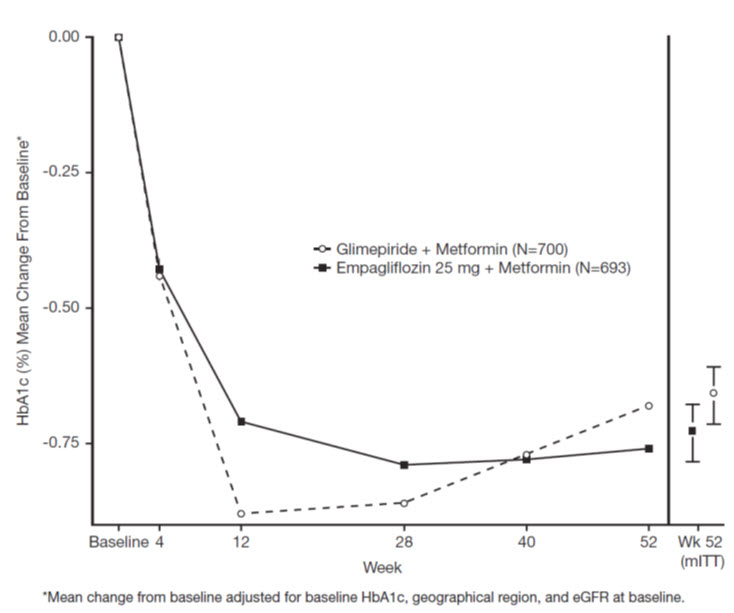
At Week 52, empagliflozin 25 mg and glimepiride lowered HbA1c and FPG (see Table 10, Figure 3). The difference in observed effect size between empagliflozin 25 mg and glimepiride excluded the pre-specified non-inferiority margin of 0.3%. The mean daily dosage of glimepiride was 2.7 mg and the maximal approved dosage in the United States is 8 mg per day.
Table 10 Results at Week 52 from an Active-Controlled Trial Comparing Empagliflozin to Glimepiride as Add-On Therapy in Patients Inadequately Controlled on Metformin HCl | Empagliflozin 25 mg
N=765 | Glimepiride
N=780 |
|---|
| aModified intent-to-treat population. Last observation on trial (LOCF) was used to impute data missing at Week 52. At Week 52, data was imputed for 15.3% and 21.9% of patients randomized to empagliflozin 25 mg and glimepiride, respectively. |
| bNon-inferior, ANCOVA model p-value <0.0001 (HbA1c: ANCOVA model includes baseline HbA1c, treatment, renal function, and region) |
| cANCOVA p-value <0.0001 (Body weight and FPG: same model used as for HbA1c but additionally including baseline body weight/baseline FPG, respectively.) |
| dFPG (mg/dL); for empagliflozin 25 mg, n=764, for glimepiride, n=779 |
| HbA1c (%)a |
| Baseline (mean) | 7.9 | 7.9 |
| Change from baseline (adjusted mean) | -0.7 | -0.7 |
| Difference from glimepiride (adjusted mean) (97.5% CI) | -0.07b (-0.15, 0.01) | -- |
| FPG (mg/dL)d |
| Baseline (mean) | 150 | 150 |
| Change from baseline (adjusted mean) | -19 | -9 |
| Difference from glimepiride (adjusted mean) | -11 | -- |
| Body Weight |
| Baseline mean in kg | 82.5 | 83 |
| % change from baseline (adjusted mean) | -3.9 | 2.0 |
| Difference from glimepiride (adjusted mean) (95% CI) | -5.9c (-6.3, -5.5) | -- |
Figure 3 Adjusted mean HbA1c Change at Each Time Point (Completers) and at Week 52 (mITT Population) – LOCF
At Week 52, the adjusted mean change from baseline in systolic blood pressure was -3.6 mmHg, compared to 2.2 mmHg for glimepiride. The differences between treatment groups for systolic blood pressure was statistically significant (p-value <0.0001).
At Week 104, the adjusted mean change from baseline in HbA1c was -0.75% for empagliflozin 25 mg and -0.66% for glimepiride. The adjusted mean treatment difference was -0.09% with a 97.5% confidence interval of (-0.32%, 0.15%), excluding the pre-specified non-inferiority margin of 0.3%. The mean daily dosage of glimepiride was 2.7 mg and the maximal approved dosage in the United States is 8 mg per day. The Week 104 analysis included data with and without concomitant glycemic rescue medication, as well as off-treatment data. Missing data for patients not providing any information at the visit were imputed based on the observed off-treatment data. In this multiple imputation analysis, 13.9% of the data were imputed for empagliflozin 25 mg and 12.9% for glimepiride.
At Week 104, empagliflozin 25 mg daily resulted in a statistically significant difference in change from baseline for body weight compared to glimepiride (-3.1 kg for empagliflozin 25 mg vs. +1.3 kg for glimepiride; ANCOVA-LOCF, p-value <0.0001).
Glycemic Control Trial of Empagliflozin in Pediatric Patients Aged 10 to 17 Years with Type 2 Diabetes Mellitus
DINAMO (NCT03429543) was a 26-week, double-blind, randomized, placebo-controlled, parallel group trial, with a double-blind active treatment safety extension period up to 52 weeks to assess the efficacy of empagliflozin. The trial enrolled pediatric patients aged 10 to 17 years with inadequately controlled type 2 diabetes mellitus (HbA1c 6.5 to 10.5%). Patients treated with metformin HCl (at least 1,000 mg daily or maximally tolerated dose), with or without insulin therapy, and those with a history of intolerance to metformin HCl therapy were enrolled. Patients were randomized to 3 treatment arms (empagliflozin 10 mg, a dipeptidyl peptidase-4 (DPP-4) inhibitor, or placebo) over 26 weeks. Patients in the empagliflozin 10 mg group who failed to achieve HbA1c <7.0% at Week 12 underwent a second randomization at Week 14 to remain on the 10 mg dose or increase to 25 mg. Patients on placebo were re-randomized at Week 26 to one of the empagliflozin doses (10 mg or 25 mg) or a DPP-4 inhibitor.
A total of 157 patients were treated with either empagliflozin (10 mg or 25 mg; N=52), a DPP-4 inhibitor (N=52), or placebo (N=53). Background therapies as adjunct to diet and exercise included metformin HCl (51%), a combination of metformin HCl and insulin (40.1%), insulin (3.2%), or none (5.7%). The mean HbA1c at baseline was 8.0% and the mean duration of type 2 diabetes mellitus was 2.1 years. The mean age was 14.5 years (range: 10-17 years) and 51.6% were aged 15 years and older. Approximately, 50% were White, 6% were Asian, 31% were Black or African American, and 38% were of Hispanic or Latino ethnicity. The mean BMI was 36.0 kg/m2 and mean BMI Z-score was 3.0. Patients with an eGFR less than 60 mL/min/1.73 m2 were not enrolled in the trial. Approximately 25% of the trial population had microalbuminuria or macroalbuminuria.
At Week 26, treatment with empagliflozin was superior in reducing HbA1c from baseline versus placebo (see Table 11).
Table 11 Results at Week 26 for a Placebo-Controlled Trial for Empagliflozin in Combination with Metformin HCl and/or Insulin or as Monotherapy in Pediatric Patients Aged 10 to 17 Years with Type 2 Diabetes Mellitusa | Empagliflozin
10 mg and 25 mg | Placebo |
|---|
| aModified intent-to-treat set (All randomized and treated patients with baseline measurement). |
| bMultiple imputations using placebo wash-out approach with 500 iterations for missing data. Imputed for HbA1c (empagliflozin N=5 (9.6%), placebo N=3 (5.7%)), for FPG (empagliflozin N=4 (8.3%), placebo N=2 (3.8%)). |
| cLeast-Square Mean from Analysis of Covariance (ANCOVA) adjusted for baseline value and baseline age stratum (< 15 years vs 15 to < 18 years). |
| dNot evaluated for statistical significance, not part of sequential testing procedure. |
| ep-value=0.0116 (two-sided) |
| HbA1c (%)b |
| Number of patients | n=52 | n=53 |
| Baseline (mean) | 8.0 | 8.1 |
| Change from baselinec | -0.2 | 0.7 |
| Difference from placeboc (95% CI) | -0.8e (-1.5, -0.2) | -- |
| FPG (mg/dL)b,d | | |
| Number of patients | n=48 | n=52 |
| Baseline (mean) | 154 | 159 |
| Change from baselinec | -19 | 17 |
| Difference from placeboc (95% CI) | -36 (-60.7, -10.7) | -- |
Glycemic Control Trial of Metformin HCl Immediate-Release in Pediatric Patients Aged 10 to 16 Years with Type 2 Diabetes Mellitus:
A double-blind, placebo-controlled trial was conducted in pediatric patients aged 10 to 16 years with type 2 diabetes mellitus (mean FPG 182.2 mg/dL), where patients were treated with metformin HCl immediate-release tablets (up to 2,000 mg/day) for up to 16 weeks (mean duration of treatment 11 weeks). The results are displayed in Table 12.
Table 12 Mean Change in Fasting Plasma Glucose at Week 16 Comparing Metformin HCl vs. Placebo in Pediatric Patientsa with Type 2 Diabetes Mellitus | Metformin HCl | Placebo | p-value |
|---|
| a Pediatric patients mean age 13.8 years (range 10-16 years) |
| FPG (mg/dL) | (n=37) | (n=36) | |
| Baseline | 162.4 | 192.3 | |
| Change at FINAL VISIT | -42.9 | 21.4 | <0.001 |
Mean baseline body weight was 205 lbs and 189 lbs in the metformin HCl immediate-release and placebo arms, respectively. Mean change in body weight from baseline to week 16 was -3.3 lbs and -2.0 lbs in the metformin HCl and placebo arms, respectively.
EMPEROR-Reduced Trial (Chronic Heart Failure with Left Ventricular Ejection Fraction ≤ 40%)
EMPEROR-Reduced (NCT03057977) was a double-blind trial conducted in adults with chronic heart failure [New York Heart Association (NYHA) functional class II-IV] with left ventricular ejection fraction (LVEF) ≤40% to evaluate the efficacy of empagliflozin as adjunct to standard of care heart failure therapy. Of 3,730 patients, 1,863 were randomized to empagliflozin 10 mg once daily and 1,867 to placebo once daily and were followed for a median of 16 months.
Baseline Disease Characteristics and Demographics
EMPEROR-Reduced included patients with type 2 diabetes mellitus (n=1,856) and patients without type 2 diabetes mellitus (n=1,874). The mean age of the trial population was 67 years (range: 25 to 94 years) and 76% were males, 24% were women, and 27% were 75 years of age or older. Approximately 71% of the trial population were White, 18% Asian and 7% Black or African American. At randomization, 75% of patients were NYHA class II, 24% were class III and 0.5% were class IV. The mean LVEF was 28%. At baseline, the mean eGFR was 62 mL/min/1.73 m2 and the median urinary albumin to creatinine ratio (UACR) was 22 mg/g. Approximately half of the patients (52%) had eGFR equal to or above 60 mL/min/1.73 m2, 24% had eGFR 45 to less than 60 mL/min/1.73 m2, and 19% had eGFR 30 to less than 45 mL/min/1.73 m2. At baseline, 88% of patients were treated with angiotensin-converting enzyme (ACE) inhibitors, angiotensin receptor blockers (ARB), or angiotensin receptor-neprilysin inhibitors (ARNI), 95% with beta-blockers, 71% with mineralocorticoid receptor antagonists (MRA), and 95% with diuretics.
In EMPEROR-Reduced, history of type 2 diabetes mellitus was present in 50% of the patients, and 46% of these patients were treated with metformin HCl (444 patients in the empagliflozin group and 418 in the placebo group) and 25% were treated with insulin. In the type 2 diabetes mellitus subpopulation, the mean age was 67 years; 77% were males; 69% White, 19% Asian and 7% Black or African American; 32% were Hispanic/Latino. In the type 2 diabetes mellitus subpopulation, at baseline, 71% of patients were classified as NYHA class II, 28% class III and 0.7% class IV; the mean LVEF was 27%; the mean baseline eGFR was 61 mL/min/1.73 m2. In this subpopulation, at baseline, 88% of patients were treated with ACE inhibitors, ARB, or ARNI, 95% with beta-blockers, 70% with MRA, and 96% with diuretics.
Results
In EMPEROR-Reduced, empagliflozin 10 mg, compared with placebo, reduced the risk of the primary composite endpoint of CV death or hospitalization for heart failure (HHF) mostly through a reduction in HHF (HR 0.75 [95% CI 0.65, 0.86]). Empagliflozin reduced the risk of first and recurrent HHF, a key secondary endpoint. Because of the metformin HCl component, SYNJARDY and SYNJARDY XR are not indicated for use in patients with heart failure without type 2 diabetes mellitus [see Indications and Usage (1)].
The effect of empagliflozin in reducing the risk of the primary composite endpoint was consistent in patients with type 2 diabetes mellitus (HR 0.73 [95% CI 0.60, 0.87]), and in patients with type 2 diabetes mellitus and metformin HCl as background therapy (HR 0.65 [95% CI 0.49, 0.86]).
EMPEROR-Preserved Trial (Chronic Heart Failure with Left Ventricular Ejection Fraction > 40%)
EMPEROR-Preserved (NCT03057951) was a double-blind trial conducted in patients with chronic heart failure NYHA Class II-IV with LVEF >40% to evaluate the efficacy of empagliflozin as adjunct to standard of care therapy. Of 5,988 patients, 2,997 patients were randomized to empagliflozin 10 mg once daily and 2,991 patients to placebo once daily and were followed for a median of 26 months.
Baseline Disease Characteristics and Demographics
EMPEROR-Preserved included patients with type 2 diabetes mellitus (n=2,928) and patients without type 2 diabetes mellitus (n=3,060). The mean age of the trial population was 72 years (range: 22 to 100 years) and 55% were males, 45% were women, and 43% were 75 years of age or older. Approximately 76% of the trial population were White, 14% Asian and 4% Black or African American. At randomization, 82% of patients were NYHA class II, 18% were class III and 0.3% were class IV. This trial included patients with a LVEF <50% (33.1%), with a LVEF 50 to <60% (34.4%) and a LVEF ≥60% (32.5%). At baseline, the mean eGFR was 61 mL/min/1.73 m2 and the median urinary albumin to creatinine ratio (UACR) was 21 mg/g. Approximately half of the patients (50%) had eGFR equal to or above 60 mL/min/1.73 m2, 26% had eGFR 45 to less than 60 mL/min/1.73 m2, and 19% had eGFR 30 to less than 45 mL/min/1.73 m2. At baseline, 81% of patients were treated with ACE inhibitors, ARBs, or ARNI, 86% with beta-blockers, 38% with MRAs, and 86% with diuretics.
In EMPEROR-Preserved, history of type 2 diabetes mellitus was present in 49% of the patients, and 54% of these patients were treated with metformin HCl (773 patients in the empagliflozin group and 803 in the placebo group) and 29% were treated with insulin. In the type 2 diabetes mellitus subpopulation, the mean age was 71 years, 57% were males, 75% White, 13% Asian and 5% Black or African American. In the type 2 diabetes mellitus subpopulation, at baseline, 79% of patients were classified as NYHA class II, 20% class III and 0.2% class IV; the trial also included type 2 diabetics with LVEF <50% (35%), with a LVEF 50 to <60% (34%) and a LVEF ≥60% (31%). For this subpopulation, the mean baseline eGFR was 60 mL/min/1.73 m2; and at baseline, 83% of patients were treated with ACE inhibitors, ARB, or ARNI, 88% with beta-blockers, 39% with MRA, and 89% with diuretics.
Results
In EMPEROR-Preserved, empagliflozin 10 mg, compared with placebo, reduced the risk of the primary composite endpoint (time to first event of either CV death or HHF) mostly through a reduction in hospitalization for heart failure (HR 0.79 [95% CI 0.69, 0.90]). Empagliflozin reduced the risk of first and recurrent HHF, a key secondary endpoint. Because of the metformin HCl component, SYNJARDY and SYNJARDY XR are not indicated for use in patients with heart failure without type 2 diabetes mellitus [see Indications and Usage (1)].
The effect of empagliflozin in reducing the risk of the primary composite endpoint was consistent in patients with type 2 diabetes mellitus (HR 0.80 [95% CI 0.67, 0.95]), and in patients with type 2 diabetes mellitus and metformin HCl as background therapy (HR 0.79 [95% CI 0.61, 1.02]).
Baseline Disease Characteristics and Demographics
EMPA-KIDNEY included patients with type 2 diabetes mellitus (n=2,936) and patients without type 2 diabetes mellitus (n=3,673). The mean age of the study population was 63 years (range: 18 to 94 years) and 67% were male. Approximately 58% of the study population were White, 36% Asian, and 4% Black or African American. At baseline, the mean eGFR was 37 mL/min/1.73 m2, 21% of patients had an eGFR equal to or above 45 mL/min/1.73 m2, and 44% had an eGFR 30 to less than 45 mL/min/1.73 m2. The median UACR was 329 mg/g, 20% of patients had a UACR <30 mg/g, 28% had a UACR 30 to ≤300 mg/g, and 52% had a UACR >300 mg/g. The most common etiologies of CKD were diabetic nephropathy/diabetic kidney disease (31%), glomerular disease (25%), hypertensive/renovascular disease (22%) and other/unknown (22%). At baseline, 85% of patients were treated with angiotensin-converting enzyme (ACE) inhibitor or angiotensin receptor blocker (ARB), 64% with statins, and 34% with antiplatelet agents.
In EMPA-KIDNEY, history of type 2 diabetes mellitus was present in 44% of the patients, and 23% of these patients were treated with metformin HCl (329 patients in the empagliflozin group and 334 in the placebo group). In the type 2 diabetes mellitus subpopulation, the mean age was 68 years, 67% were males, 59% White, 33% Asian and 6% Black or African American. In the type 2 diabetes mellitus subpopulation, at baseline, the mean eGFR was 36 mL/min/1.73 m2, 17% of patients had an eGFR equal to or above 45 mL/min/1.73 m2, and 45% had an eGFR 30 to less than 45 mL/min/1.73 m2; the median UACR was 256 mg/g, 22% of patients had a UACR <30 mg/g, 31% had a UACR 30 to ≤300 mg/g, and 47% had a UACR >300 mg/g. The most common etiologies of CKD at baseline in this subpopulation were diabetic nephropathy/diabetic kidney disease (67%), glomerular disease (6%), hypertensive/renovascular disease (14%) and other/unknown (13%). In this subpopulation, at baseline, 85% of patients were treated with ACE inhibitor or ARB, 79% with statins, and 48% with antiplatelet agents.
Results
In EMPA-KIDNEY, empagliflozin 10 mg, compared with placebo, reduced the risk of the primary composite endpoint of sustained ≥40% eGFR decline, sustained eGFR <10 mL/min/1.73 m2, progression to end-stage kidney disease, or CV or renal death. The treatment effect reflected a reduction in a sustained ≥40% eGFR decline, sustained eGFR <10 mL/min/1.73 m2, progression to end-stage kidney disease, and CV death. There were few renal deaths during the trial. Empagliflozin also reduced the risk of first and recurrent hospitalization; information collected on the reason for hospitalization was insufficient to further characterize the benefit. Because of the metformin HCl component, SYNJARDY and SYNJARDY XR are not indicated for use in patients with CKD without type 2 diabetes mellitus [see Indications and Usage (1)].
The effect of empagliflozin in reducing the risk of the primary composite endpoint was consistent in patients with type 2 diabetes mellitus [HR 0.65 (95% CI 0.54, 0.78)], and in patients with type 2 diabetes mellitus and metformin HCl as background therapy [HR 0.72 (95% CI 0.48, 1.09)].
Lactic Acidosis
Inform patients of the risks of lactic acidosis due to metformin, its symptoms, and conditions that predispose to its development. Advise patients to discontinue SYNJARDY or SYNJARDY XR immediately and to notify their healthcare provider promptly if unexplained hyperventilation, malaise, myalgia, unusual somnolence, or other nonspecific symptoms occur. Counsel patients against excessive alcohol intake and inform patients about the importance of regular testing of renal function while receiving SYNJARDY or SYNJARDY XR. Instruct patients to inform their healthcare provider that they are taking SYNJARDY or SYNJARDY XR prior to any surgical or radiological procedure, as temporary discontinuation may be required until renal function has been confirmed to be normal [see Warnings and Precautions (5.1)].
Diabetic Ketoacidosis in Patients with Type 1 Diabetes Mellitus and Other Ketoacidosis
Inform patients that SYNJARDY or SYNJARDY XR can cause potentially fatal ketoacidosis and that type 2 diabetes mellitus and pancreatic disorders (e.g., history of pancreatitis or pancreatic surgery) are risk factors.
Educate all patients on precipitating factors (such as insulin dose reduction or missed insulin doses, infection, reduced caloric intake, ketogenic diet, surgery, dehydration, and alcohol abuse) and symptoms of ketoacidosis (including nausea, vomiting, abdominal pain, tiredness, and labored breathing). Inform patients that blood glucose may be normal even in the presence of ketoacidosis.
Advise patients that they may be asked to monitor ketones. If symptoms of ketoacidosis occur, instruct patients to discontinue SYNJARDY or SYNJARDY XR and seek medical attention immediately [see Warnings and Precautions (5.2)].
Volume Depletion
Inform patients that symptomatic hypotension may occur with SYNJARDY or SYNJARDY XR and advise them to contact their healthcare provider if they experience such symptoms [see Warnings and Precautions (5.3)]. Inform patients that dehydration may increase the risk for hypotension, and to maintain adequate fluid intake.
Genitourinary Infections, including Urosepsis, Pyelonephritis, Necrotizing Fasciitis of the Perineum (Fournier's Gangrene), and Genital Mycotic Infections
Counsel patients that genitourinary infections may occur when taking empagliflozin, a component of SYNJARDY and SYNJARDY XR, and may become serious. Educate patients on the symptoms and advise them to seek medical advice if symptoms occur. Specifically, advise patients to promptly seek medical attention if they develop pain or tenderness, redness, or swelling of the genitals or the area from the genitals back to the rectum, along with a fever above 100.4°F or malaise [see Warnings and Precautions (5.4)].
Hypoglycemia
Inform patients that hypoglycemia has been reported when SYNJARDY or SYNJARDY XR is used with insulin secretagogues or insulin. Hypoglycemia may occur in pediatric patients regardless of concomitant antidiabetic treatment. Educate patients or caregivers on the signs and symptoms of hypoglycemia [see Warnings and Precautions (5.5)].
Lower Limb Amputation
Counsel patients about the importance of routine preventative foot care. Instruct patients to monitor for new pain or tenderness, sores or ulcers, or infections involving the leg or foot and to seek medical advice immediately if such signs or symptoms develop [see Warnings and Precautions (5.6)].
Hypersensitivity Reactions
Inform patients that serious hypersensitivity reactions, such as urticaria and angioedema, have been reported with empagliflozin, a component of SYNJARDY and SYNJARDY XR. Advise patients to report immediately any skin reaction or angioedema, and to discontinue the drug until they have consulted prescribing healthcare provider [see Warnings and Precautions (5.7)].
Vitamin B12 Deficiency
Inform patients about the importance of regular hematological parameters while receiving SYNJARDY or SYNJARDY XR [see Warnings and Precautions (5.8)].
Laboratory Tests
Inform patients that elevated glucose in urinalysis is expected when taking SYNJARDY or SYNJARDY XR [see Drug Interactions (7)].
Pregnancy
Advise pregnant patients, and patients of reproductive potential, of the potential risk to a fetus with treatment with SYNJARDY or SYNJARDY XR [see Use in Specific Populations (8.1)]. Instruct patients to report pregnancies to their healthcare provider as soon as possible.
Lactation
Advise patients that breastfeeding is not recommended during treatment with SYNJARDY or SYNJARDY XR [see Use in Specific Populations (8.2)].
Patients of Reproductive Potential
Inform patients that treatment with metformin HCl may result in ovulation in some premenopausal anovulatory patients, which may lead to unintended pregnancy [see Use in Specific Populations (8.3)].
Administration Instructions
Inform patients that SYNJARDY XR tablets must be swallowed whole and never split, crushed, dissolved, or chewed and that incompletely dissolved SYNJARDY XR tablets may be eliminated in the feces.
Missed Dose
Instruct patients to take SYNJARDY or SYNJARDY XR only as prescribed. If a dose is missed, it should be taken as soon as the patient remembers. Advise patients not to double their next dose [see Dosage and Administration (2.7)].
Distributed by:
Boehringer Ingelheim Pharmaceuticals, Inc.
Ridgefield, CT 06877 USA
Licensed from:
Boehringer Ingelheim International GmbH, Ingelheim, Germany
SYNJARDY is a registered trademark of and used under license from Boehringer Ingelheim International GmbH.
Boehringer Ingelheim Pharmaceuticals, Inc. either owns or uses the Jardiance®, EMPA-REG OUTCOME®, EMPEROR-Reduced®, EMPEROR-Preserved®, and EMPA-KIDNEY® trademarks under license.
The other brands listed are trademarks of their respective owners and are not trademarks of Boehringer Ingelheim Pharmaceuticals, Inc.
Copyright © 2026 Boehringer Ingelheim International GmbH
ALL RIGHTS RESERVED
COL12574HG102026
SPL8975P