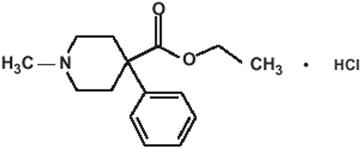
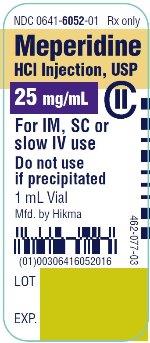
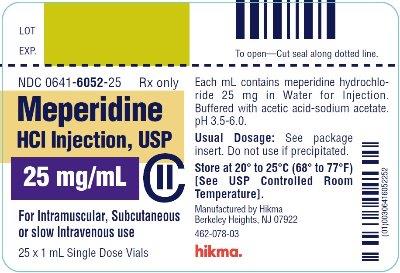
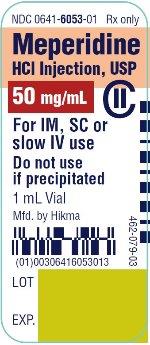
The major hazards
of meperidine, as with other narcotic analgesics, are respiratory
depression and, to a lesser degree, circulatory depression; respiratory
arrest, shock and cardiac arrest have occurred.
The most frequently
observed adverse reactions include lightheadedness, dizziness, sedation,
nausea, vomiting and sweating. These effects seem to be more prominent
in ambulatory patients and in those who are not experiencing severe
pain. In such individuals, lower doses are advisable. Some adverse
reactions in ambulatory patients may be alleviated if the patient lies
down. Other adverse reactions include:
Central Nervous System-Euphoria,
dysphoria, weakness, headache, agitation, tremor, uncoordinated muscle
movements, severe convulsions, transient hallucinations and
disorientation, visual disturbances. Inadvertent injection about a nerve
trunk may result in sensory-motor paralysis which is usually, though not
always, transitory.
Gastrointestinal-Dry mouth, constipation,
biliary tract spasm.
Cardiovascular-Flushing of the face,
tachycardia, bradycardia, palpitations, hypotension (see WARNINGS), syncope, phlebitis following intravenous
injection.
Genitourinary-Urinary retention.
Allergic-Pruritus, urticaria, other skin
rashes, wheal and flare over the vein with IV injection.
Other-Pain at injection site; local
tissue irritation and induration following subcutaneous injection,
particularly when repeated; antidiuretic effect.