Solubility
Because of the low solubility of sevoflurane in blood (blood/gas partition coefficient @ 37°C =0.63 to 0.69), a minimal amount of sevoflurane is required to be dissolved in the blood before the alveolar partial pressure is in equilibrium with the arterial partial pressure. Therefore there is a rapid rate of increase in the alveolar (end-tidal) concentration (F
A) toward the inspired concentration (F
I) during induction.
Induction of Anesthesia
In a study in which seven healthy male volunteers were administered 70% N
2O/30%O
2 for 30 minutes followed by 1.0% sevoflurane and 0.6% isoflurane for another 30 minutes the F
A/F
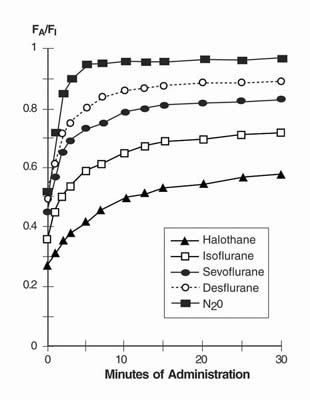
I ratio was greater for sevoflurane than isoflurane at all time points. The time for the concentration in the alveoli to reach 50% of the inspired concentration was 4-8 minutes for isoflurane and approximately 1 minute for sevoflurane.
F
A/F
I data from this study were compared with F
A/F
I data of other halogenated anesthetic agents from another study. When all data were normalized to isoflurane, the uptake and distribution of sevoflurane was shown to be faster than isoflurane and halothane, but slower than desflurane. The results are depicted in
Figure 3.
Recovery from Anesthesia
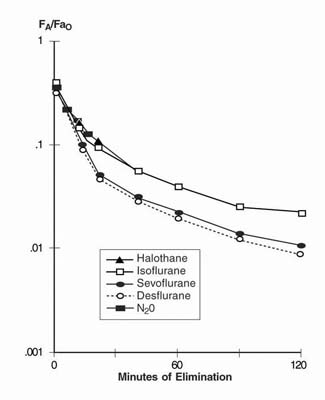
The low solubility of sevoflurane facilitates rapid elimination via the lungs. The rate of elimination is quantified as the rate of change of the alveolar (end-tidal) concentration following termination of anesthesia (F
A), relative to the last alveolar concentration (Fa
O) measured immediately before discontinuance of the anesthetic. In the healthy volunteer study described above, rate of elimination of sevoflurane was similar compared with desflurane, but faster compared with either halothane or isoflurane. These results are depicted in
Figure 4.
Figure 3. Ratio of Concentration of Anesthetic in Alveolar Gas to Inspired Gas

Figure 3 (Sevoflurane Usp Inhalation Anesthetic 5)
Figure 4. Concentration of Anesthetic in Alveolar Gas Following Termination of Anesthesia

Figure 4 (Sevoflurane Usp Inhalation Anesthetic 6)
Metabolism
Sevoflurane is metabolized by cytochrome P450 2E1, to hexafluoroisopropanol (HFIP) with release of inorganic fluoride and CO
2. Once formed HFIP is rapidly conjugated with glucuronic acid and eliminated as a urinary metabolite. No other metabolic pathways for sevoflurane have been identified.
In vivo metabolism studies suggest that approximately 5% of the sevoflurane dose may be metabolized.
Cytochrome P450 2E1 is the principal isoform identified for sevoflurane metabolism and this may be induced by chronic exposure to isoniazid and ethanol. This is similar to the metabolism of isoflurane and enflurane and is distinct from that of methoxyflurane which is metabolized via a variety of cytochrome P450 isoforms. The metabolism of sevoflurane is not inducible by barbiturates. As shown in
Figure 5, inorganic fluoride concentrations peak within 2 hours of the end of sevoflurane anesthesia and return to baseline concentrations within 48 hours post-anesthesia in the majority of cases (67%). The rapid and extensive pulmonary elimination of sevoflurane minimizes the amount of anesthetic available for metabolism.
Figure 5. Serum Inorganic Fluoride Concentrations for Sevoflurane and Other Volatile Anesthetics
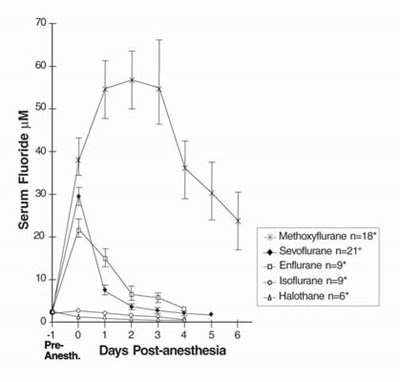
Figure 5 (Sevoflurane Usp Inhalation Anesthetic 7)
Legend:
Pre-Anesth. = Pre-anesthesia
Elimination
Up to 3.5% of the sevoflurane dose appears in the urine as inorganic fluoride. Studies on fluoride indicate that up to 50% of fluoride clearance is nonrenal (via fluoride being taken up into bone).
Fluoride Concentrations After Repeat Exposure and in Special Populations
Fluoride concentrations have been measured after single, extended, and repeat exposure to sevoflurane in normal surgical and special patient populations, and pharmacokinetic parameters were determined.
Compared with healthy individuals, the fluoride ion half-life was prolonged in patients with renal impairment, but not in the elderly. A study in 8 patients with hepatic impairment suggests a slight prolongation of the half-life. The mean half-life in patients with renal impairment averaged approximately 33 hours (range 21 to 61 hours) as compared to a mean of approximately 21 hours (range 10 to 48 hours) in normal healthy individuals. The mean half-life in the elderly (greater than 65 years) approximated 24 hours (range 18 to 72 hours). The mean half-life in individuals with hepatic impairment was 23 hours (range 16 to 47 hours). Mean maximal fluoride values (C
max) determined in individual studies of special populations are displayed below.
Table 1. Fluoride Ion Estimates in Special Populations Following Administration of Sevoflurane | n | Age (yr) | Duration (hr) | Dose (MAC·hr) | C
max (µM)
|
| PEDIATRIC PATIENTS | | | | | |
| Anesthetic | | | | | |
| Sevoflurane-O
2 | 76 | 0 to 11 | 0.8 | 1.1 | 12.6 |
| Sevoflurane-O
2 | 40 | 1 to 11 | 2.2 | 3.0 | 16.0 |
| Sevoflurane/N
2O
| 25 | 5 to 13 | 1.9 | 2.4 | 21.3 |
| Sevoflurane/N
2O
| 42 | 0 to 18 | 2.4 | 2.2 | 18.4 |
| Sevoflurane/N
2O
| 40 | 1 to 11 | 2.0 | 2.6 | 15.5 |
| ELDERLY | 33 | 65 to 93 | 2.6 | 1.4 | 25.6 |
| RENAL | 21 | 29 to 83 | 2.5 | 1.0 | 26.1 |
| HEPATIC | 8 | 42 to 79 | 3.6 | 2.2 | 30.6 |
| OBESE | 35 | 24 to 73 | 3.0 | 1.7 | 38.0 |
| n = number of patients studied.
|
Ambulatory Surgery
Sevoflurane was compared to isoflurane and propofol for maintenance of anesthesia supplemented with N
2O in two studies involving 786 adult (18 to 84 years of age) ASA Class I, II, or III patients. Shorter times to emergence and response to commands (statistically significant) were observed with sevoflurane compared to isoflurane and propofol.
Table 6. Recovery Parameters in Two Outpatient Surgery Studies: Least Squares Mean ± SEM | Sevoflurane/N
2O
| Isoflurane/N
2O
| Sevoflurane/N
2O
| Propofol/N
2O
|
| Mean Maintenance | 0.64 ± 0.03 | 0.66 ± 0.03 | 0.8 ± 0.5 | 7.3 ± 2.3 |
| Anesthesia | MAC·hr. | MAC·hr. | MAC·hr. | mg/kg/hr. |
| Exposure ± SD | (n = 245) | (n = 249) | (n = 166) | (n = 166) |
| Time to Emergence (min) | 8.2 ± 0.4
(n = 246)
| 9.3 ± 0.3
(n = 251)
| 8.3 ± 0.7
(n = 137)
| 10.4 ± 0.7
(n = 142)
|
| Time to Respond to Commands (min) | 8.5 ± 0.4
(n = 246)
| 9.8 ± 0.4
(n = 248)
| 9.1 ± 0.7
(n = 139)
| 11.5 ± 0.7
(n = 143)
|
| Time to First Analgesia (min) | 45.9 ± 4.7
(n = 160)
| 59.1 ± 6.0
(n = 252)
| 46.1 ± 5.4
(n = 83)
| 60.0 ± 4.7
(n = 88)
|
| Time to Eligibility for Discharge from Recovery Area (min) | 87.6 ± 5.3
(n = 244)
| 79.1 ± 5.2
(n = 252)
| 103.1 ± 3.8
(n = 139)
| 105.1 ± 3.7
(n = 143)
|
| n = number of patients with recording of recovery events.
|
Inpatient Surgery
Sevoflurane was compared to isoflurane and propofol for maintenance of anesthesia supplemented with N
2O in two multicenter studies involving 741 adult ASA Class I, II or III (18 to 92 years of age) patients. Shorter times to emergence, command response, and first post-anesthesia analgesia (statistically significant) were observed with sevoflurane compared to isoflurane and propofol.
Table 7. Recovery Parameters in Two Inpatient Surgery Studies: Least Squares Mean ± SEM | Sevoflurane/N
2O
| Isoflurane/N
2O
| Sevoflurane/N
2O
| Propofol/N
2O
|
| Mean Maintenance | 1.27 MAC·hr. | 1.58 MAC·hr. | 1.43 MAC·hr. | 7.0 mg/kg/hr |
| Anesthesia | ± 0.05 | ± 0.06 | ± 0.94 | ± 2.9 |
| Exposure ± SD | (n = 271) | (n = 282) | (n = 93) | (n = 92) |
| Time to Emergence (min) | 11.0 ± 0.6
(n = 270)
| 16.4 ± 0.6
(n = 281)
| 8.8 ± 1.2
(n = 92)
| 13.2 ± 1.2
(n = 92)
|
| Time to Respond to Commands (min) | 12.8 ± 0.7
(n = 270)
| 18.4 ± 0.7
(n = 281)
| 11.0 ± 1.20
(n = 92)
| 14.4 ± 1.21
(n = 91)
|
| Time to First Analgesia (min) | 46.1 ± 3.0
(n = 233)
| 55.4 ± 3.2
(n = 242)
| 37.8 ± 3.3
(n = 82)
| 49.2 ± 3.3
(n = 79)
|
| Time to Eligibility for Discharge from Recovery Area (min) | 139.2 ± 15.6
(n = 268)
| 165.9 ± 16.3
(n = 282)
| 148.4 ± 8.9
(n = 92)
| 141.4 ± 8.9
(n = 92)
|
| n = number of patients with recording of recovery events.
|
Pediatric Anesthesia
The concentration of sevoflurane required for maintenance of general anesthesia is age-dependent (see
DOSAGE AND ADMINISTRATION). Sevoflurane or halothane was used to anesthetize 1620 pediatric patients aged 1 day to 18 years, and ASA physical status I or II (948 sevoflurane, 672 halothane). In one study involving 90 infants and children, there were no clinically significant decreases in heart rate compared to awake values at 1 MAC. Systolic blood pressure decreased 15% to 20% in comparison to awake values following administration of 1 MAC sevoflurane; however, clinically significant hypotension requiring immediate intervention did not occur. Overall incidences of bradycardia [more than 20 beats/min lower than normal (80 beats/min)] in comparative studies was 3% for sevoflurane and 7% for halothane. Patients who received sevoflurane had slightly faster emergence times (12 vs. 19 minutes), and a higher incidence of post-anesthesia agitation (14% vs. 10%).
Sevoflurane (n = 91) was compared to halothane (n = 89) in a single-center study for elective repair or palliation of congenital heart disease. The patients ranged in age from 9 days to 11.8 years with an ASA physical status of II, III, and IV (18%, 68%, and 13% respectively). No significant differences were demonstrated between treatment groups with respect to the primary outcome measures: cardiovascular decompensation and severe arterial desaturation. Adverse event data was limited to the study outcome variables collected during surgery and before institution of cardiopulmonary bypass.
Ambulatory Surgery
Sevoflurane (n = 518) was compared to halothane (n = 382) for the maintenance of anesthesia in pediatric outpatients. All patients received N
2O and many received fentanyl, midazolam, bupivacaine, or lidocaine. The time to eligibility for discharge from post-anesthesia care units was similar between agents (see
CLINICAL PHARMACOLOGY and
ADVERSE REACTIONS).
Coronary Artery Bypass Graft (CABG) Surgery
Sevoflurane was compared to isoflurane as an adjunct with opioids in a multicenter study of 273 patients undergoing CABG surgery. Anesthesia was induced with midazolam (0.1 to 0.3 mg/kg); vecuronium (0.1 to 0.2 mg/kg), and fentanyl (5 to 15 mcg/kg). Both isoflurane and sevoflurane were administered at loss of consciousness in doses of 1.0 MAC and titrated until the beginning of cardiopulmonary bypass to a maximum of 2.0 MAC. The total dose of fentanyl did not exceed 25 mcg/kg. The average MAC dose was 0.49 for sevoflurane and 0.53 for isoflurane. There were no significant differences in hemodynamics, cardioactive drug use, or ischemia incidence between the two groups. Outcome was also equivalent. In this small multicenter study, sevoflurane appears to be as effective and as safe as isoflurane for supplementation of opioid anesthesia for coronary bypass grafting.
Non-Cardiac Surgery Patients at Risk for Myocardial Ischemia
Sevoflurane-N
2O was compared to isoflurane-N
2O for maintenance of anesthesia in a multicenter study in 214 patients, age 40 to 87 years who were at mild-to-moderate risk for myocardial ischemia and were undergoing elective non-cardiac surgery. Forty-six percent (46%) of the operations were cardiovascular, with the remainder evenly divided between gastrointestinal and musculoskeletal and small numbers of other surgical procedures. The average duration of surgery was less than 2 hours. Anesthesia induction usually was performed with thiopental (2 to 5 mg/kg) and fentanyl (1 to 5 mcg/kg). Vecuronium (0.1 to 0.2 mg/kg) was also administered to facilitate intubation, muscle relaxation or immobility during surgery. The average MAC dose was 0.49 for both anesthetics. There was no significant difference between the anesthetic regimens for intraoperative hemodynamics, cardioactive drug use, or ischemic incidents, although only 83 patients in the sevoflurane group and 85 patients in the isoflurane group were successfully monitored for ischemia. The outcome was also equivalent in terms of adverse events, death, and postoperative myocardial infarction. Within the limits of this small multicenter study in patients at mild-to-moderate risk for myocardial ischemia, sevoflurane was a satisfactory equivalent to isoflurane in providing supplemental inhalation anesthesia to intravenous drugs.
Neurosurgery
Three studies compared sevoflurane to isoflurane for maintenance of anesthesia during neurosurgical procedures. In a study of 20 patients, there was no difference between sevoflurane and isoflurane with regard to recovery from anesthesia. In 2 studies, a total of 22 patients with intracranial pressure (ICP) monitors received either sevoflurane or isoflurane. There was no difference between sevoflurane and isoflurane with regard to ICP response to inhalation of 0.5, 1.0, and 1.5 MAC inspired concentrations of volatile agent during N
2O-O
2-fentanyl anesthesia. During progressive hyperventilation from PaCO
2 =40 to PaCO
2 =30, ICP response to hypocarbia was preserved with sevoflurane at both 0.5 and 1.0 MAC concentrations. In patients at risk for elevations of ICP, sevoflurane should be administered cautiously in conjunction with ICP-reducing maneuvers such as hyperventilation.
Hepatic Impairment
A multicenter study (2 sites) compared the safety of sevoflurane and isoflurane in 16 patients with mild-to-moderate hepatic impairment utilizing the lidocaine MEGX assay for assessment of hepatocellular function. All patients received intravenous propofol (1 to 3 mg/kg) or thiopental (2 to 7 mg/kg) for induction and succinylcholine, vecuronium, or atracurium for intubation. Sevoflurane or isoflurane was administered in either 100% O
2 or up to 70% N
2O/O
2. Neither drug adversely affected hepatic function. No serum inorganic fluoride level exceeded 45 µM/L, but sevoflurane patients had prolonged terminal disposition of fluoride, as evidenced by longer inorganic fluoride half-life than patients with normal hepatic function (23 hours vs. 10 to 48 hours).
Renal Impairment
Sevoflurane was evaluated in renally impaired patients with baseline serum creatinine >1.5 mg/dL. Fourteen patients who received sevoflurane were compared with 12 patients who received isoflurane. In another study, 21 patients who received sevoflurane were compared with 20 patients who received enflurane. Creatinine levels increased in 7% of patients who received sevoflurane, 8% of patients who received isoflurane, and 10% of patients who received enflurane. Because of the small number of patients with renal insufficiency (baseline serum creatinine greater than 1.5 mg/dL) studied, the safety of sevoflurane administration in this group has not yet been fully established. Therefore, sevoflurane should be used with caution in patients with renal insufficiency (see
WARNINGS).
Nitrous Oxide
As with other halogenated volatile anesthetics, the anesthetic requirement for sevoflurane is decreased when administered in combination with nitrous oxide. Using 50% N
2O, the MAC equivalent dose requirement is reduced approximately 50% in adults, and approximately 25% in pediatric patients (see
DOSAGE AND ADMINISTRATION).
Neuromuscular Blocking Agents
As is the case with other volatile anesthetics, sevoflurane increases both the intensity and duration of neuromuscular blockade induced by nondepolarizing muscle relaxants. When used to supplement alfentanil-N
2O anesthesia, sevoflurane and isoflurane equally potentiate neuromuscular block induced with pancuronium, vecuronium or atracurium. Therefore, during sevoflurane anesthesia, the dosage adjustments for these muscle relaxants are similar to those required with isoflurane.
Potentiation of neuromuscular blocking agents requires equilibration of muscle with delivered partial pressure of sevoflurane. Reduced doses of neuromuscular blocking agents during induction of anesthesia may result in delayed onset of conditions suitable for endotracheal intubation or inadequate muscle relaxation.
Among available nondepolarizing agents, only vecuronium, pancuronium and atracurium interactions have been studied during sevoflurane anesthesia. In the absence of specific guidelines:
- For endotracheal intubation, do not reduce the dose of nondepolarizing muscle relaxants.
- During maintenance of anesthesia, the required dose of nondepolarizing muscle relaxants is likely to be reduced compared to that during N
2O/opioid anesthesia. Administration of supplemental doses of muscle relaxants should be guided by the response to nerve stimulation.
The effect of sevoflurane on the duration of depolarizing neuromuscular blockade induced by succinylcholine has not been studied.
Product of China
For product information contact Sandoz Inc. at 1-800-525-8747
Manufactured by:
Shanghai Hengrui Pharmaceutical Co., Ltd, Shanghai, 200245, China for Sandoz Inc., Princeton, NJ 08540
May 2017
SH01AUF04