Levetiracetam Tablet, Film Coated
Product Images NDC 0904-7123

View Photos of Packaging, Regulatory Labels, and Product Appearance

Product Visual Gallery

This gallery contains 10 technical images submitted to the FDA as part of the official labeling for Levetiracetam (NDC 0904-7123). Unlike standard consumer photos, these assets often include clinical data figures, molecular chemical structures, and official manufacturer packaging layouts.

As provided by Major Pharmaceuticals, these visuals offer a comprehensive scientific overview of the product's physical and chemical identity, aiding pharmacists and researchers in product verification and study.

FDA Label Image

Carton Label (C4b27429 50a3 467c A5ff 7e49a01a1088 00)
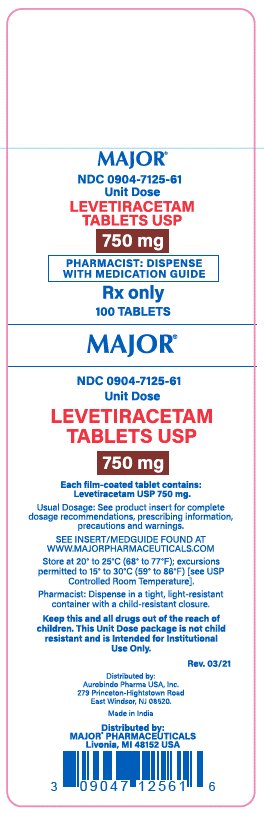
Carton Label (C4b27429 50a3 467c A5ff 7e49a01a1088 00)
Levetiracetam 750 mg film-coated tablets U.S.P. unit dose packaging label from Major Pharmaceuticals. The label indicates Rx only prescription medication with 100 tablets per container. It includes pharmacist dispensing instructions and storage conditions, as well as manufacturer and distributor information. The label shows the NDC number 0904-7125-61 and states the product is made in India.*
FDA Label Image

Carton Label (C4b27429 50a3 467c A5ff 7e49a01a1088 01)

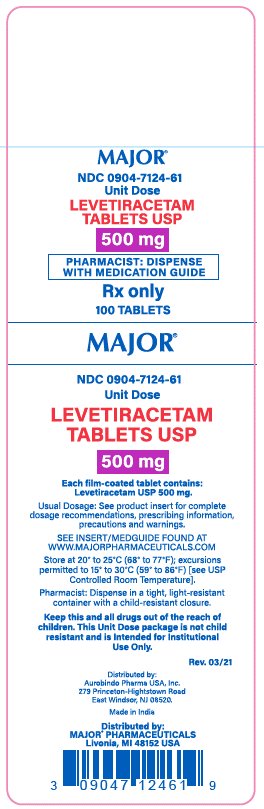
Carton Label (C4b27429 50a3 467c A5ff 7e49a01a1088 01)
Levetiracetam 500 mg film-coated tablets oral unit dose package by Major Pharmaceuticals. The label indicates 100 tablets, prescription only, with directions for pharmacist to dispense with medication guide. Includes storage instructions and distributor information for Major Pharmaceuticals, Livonia, MI.*
FDA Label Image

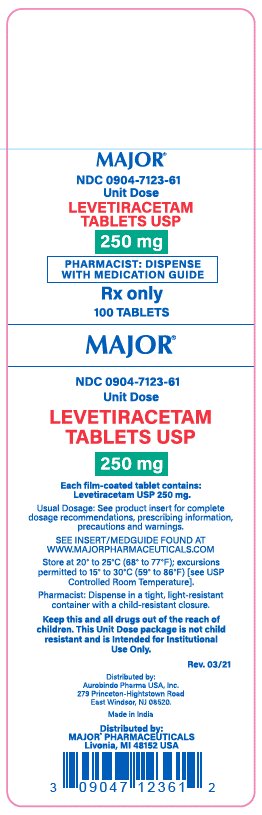
Carton Label (C4b27429 50a3 467c A5ff 7e49a01a1088 02)

Carton Label (C4b27429 50a3 467c A5ff 7e49a01a1088 02)
Label for Levetiracetam tablets USP 250 mg by Major Pharmaceuticals. This film-coated oral tablet comes in a unit dose package of 100 tablets. The label includes dispensing instructions for pharmacists and storage conditions, emphasizing it as a prescription-only medication intended for institutional use.*
FDA Label Image

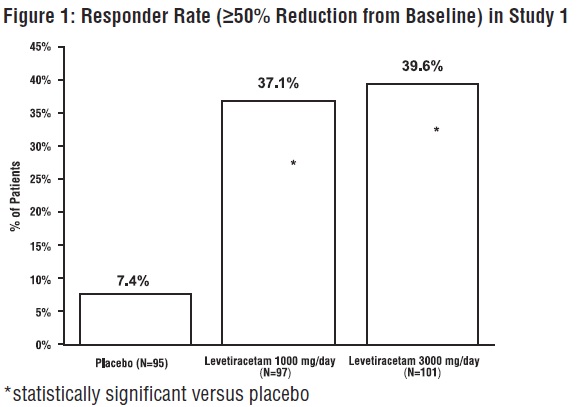
Figure 1: Responder Rate (≥50% Reduction From Baseline) In Study 1 (Levetiracetam Fig1)

Figure 1: Responder Rate (≥50% Reduction From Baseline) In Study 1 (Levetiracetam Fig1)
A bar chart titled 'Responder Rate (≥50% Reduction from Baseline) in Study 1' comparing the percentage of patients responding to treatment with placebo, Levetiracetam 1000 mg/day, and Levetiracetam 3000 mg/day. The chart shows about 7.4% response for placebo, 37.1% for Levetiracetam 1000 mg/day, and 39.6% for Levetiracetam 3000 mg/day, with an asterisk indicating statistical significance versus placebo.*
FDA Label Image

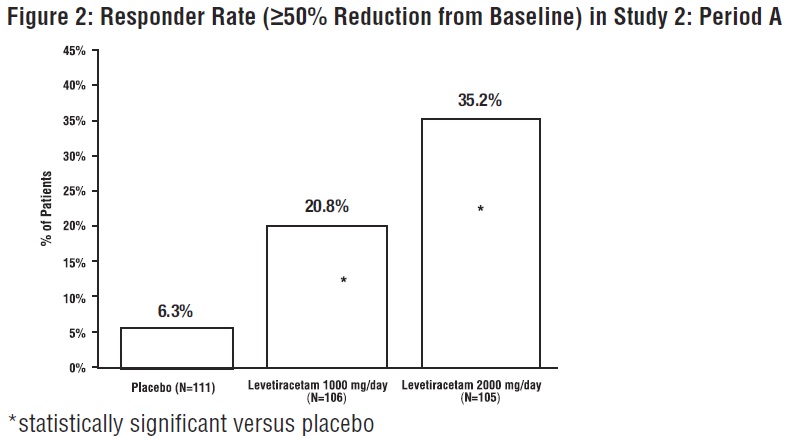
Figure 2: Responder Rate (≥50% Reduction From Baseline) In Study 2: Period A (Levetiracetam Fig2)

Figure 2: Responder Rate (≥50% Reduction From Baseline) In Study 2: Period A (Levetiracetam Fig2)
Bar graph showing responder rates (≥50% reduction from baseline) in Study 2 Period A for Levetiracetam tablets. The graph compares placebo (6.3%), Levetiracetam 1000 mg/day (20.8%), and Levetiracetam 2000 mg/day (35.2%). Statistically significant differences versus placebo are indicated for both Levetiracetam doses.*
FDA Label Image

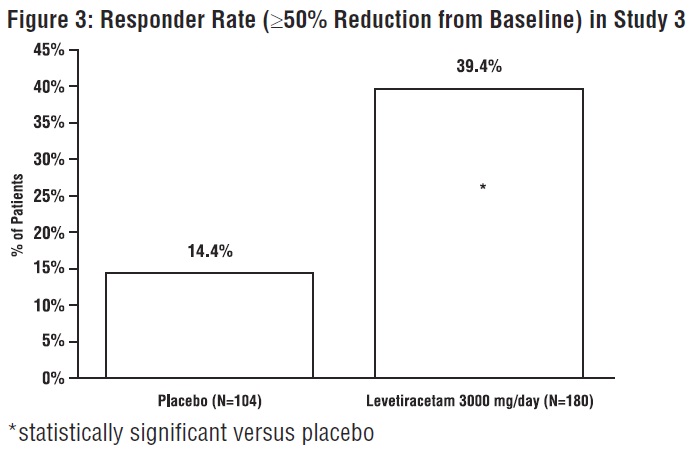
Figure 3: Responder Rate (≥50% Reduction From Baseline) In Study 3 (Levetiracetam Fig3)

Figure 3: Responder Rate (≥50% Reduction From Baseline) In Study 3 (Levetiracetam Fig3)
Bar chart titled 'Responder Rate (≥50% Reduction from Baseline) in Study 3' comparing the percentage of patients achieving a 50% or greater reduction. It shows 14.4% for placebo (N=104) and 39.4% for Levetiracetam 3000 mg/day (N=180), with a statistical significance indicator for Levetiracetam versus placebo.*
FDA Label Image

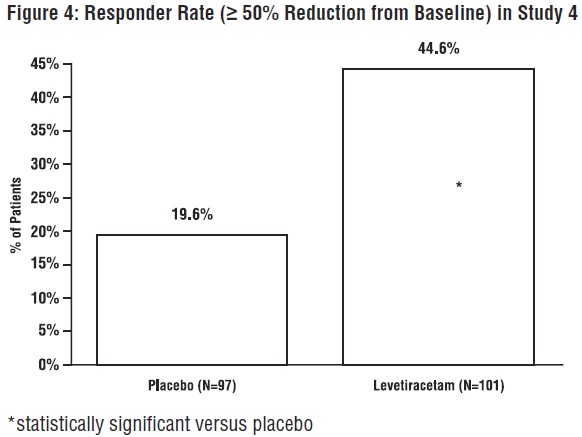
Figure 4: Responder Rate (≥ 50% Reduction From Baseline) In Study 4 (Levetiracetam Fig4)

Figure 4: Responder Rate (≥ 50% Reduction From Baseline) In Study 4 (Levetiracetam Fig4)
A bar graph titled 'Responder Rate (≥ 50% Reduction from Baseline) in Study 4' comparing the percentage of patients achieving response between placebo and levetiracetam groups. The placebo group (N=97) shows a 19.6% responder rate, and the levetiracetam group (N=101) shows a 44.6% responder rate, with a statistical significance indicator versus placebo.*
FDA Label Image

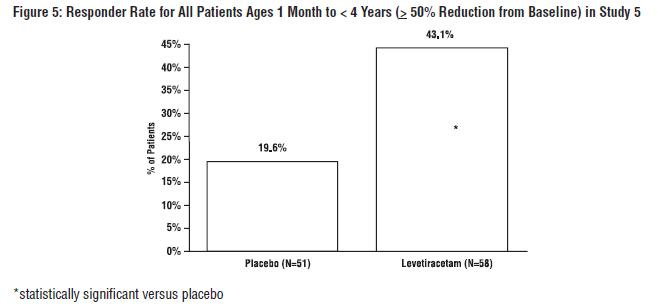
Figure 5: Responder Rate For All Patients Ages 1 Month To < 4 Years (≥ 50% Reduction From Baseline) In Study 5 (Levetiracetam Fig5)

Figure 5: Responder Rate For All Patients Ages 1 Month To < 4 Years (≥ 50% Reduction From Baseline) In Study 5 (Levetiracetam Fig5)
A bar chart comparing the responder rate for patients aged 1 month to less than 4 years with at least 50% reduction from baseline in Study 5. The chart shows two bars: one for Placebo with a responder rate of 19.6% (N=51), and one for Levetiracetam with a responder rate of 43.1% (N=58), indicating a statistically significant difference versus placebo.*
FDA Label Image

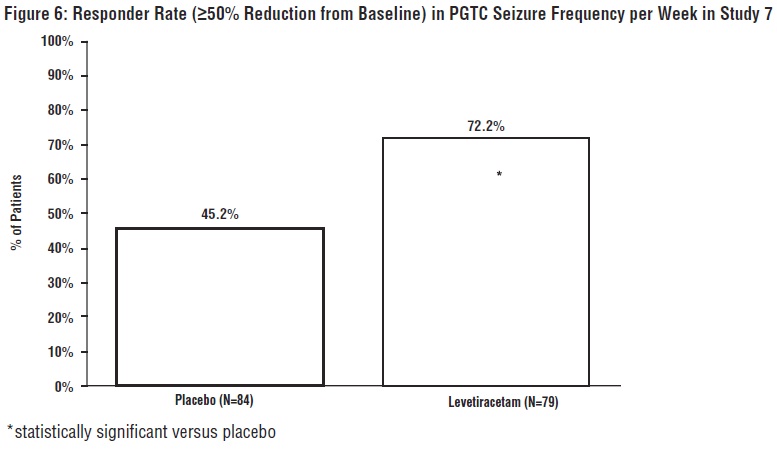
Figure 6: Responder Rate (≥50% Reduction From Baseline) In Pgtc Seizure Frequency Per Week In Study 7 (Levetiracetam Fig6)

Figure 6: Responder Rate (≥50% Reduction From Baseline) In Pgtc Seizure Frequency Per Week In Study 7 (Levetiracetam Fig6)
A bar chart titled 'Responder Rate (≥50% Reduction from Baseline) in PGTC Seizure Frequency per Week in Study 7' comparing the percentage of patients responding to placebo versus levetiracetam. The y-axis shows the percentage of patients, with placebo response at 45.2% and levetiracetam response at 72.2%, indicating a higher responder rate for levetiracetam. A note highlights statistical significance versus placebo.*
FDA Label Image

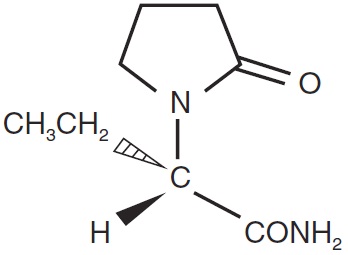
Chemical Structure (Levetiracetam Str)

Chemical Structure (Levetiracetam Str)
Chemical structure of levetiracetam, a molecule featuring a pyrrolidone ring attached to an ethyl group and an amide functional group.*

* About these descriptions: Image descriptions on this page are generated by automated AI analysis of the product label images from the manufacturer's FDA label submission (SPL). They are provided for reference only and may contain errors or omissions. Always rely on the printed label itself and the official FDA labeling, and consult a pharmacist or healthcare professional with any questions about this product.