Because clinical trials are conducted under widely varying conditions, adverse reaction rates observed in the clinical trials of a drug cannot be directly compared to rates in the clinical trials of another drug and may not reflect the rates observed in practice.
Most Common Adverse Reactions in All Clinical Studies
Adjunctive Therapy/Monotherapy in Adults Previously Treated With Other AEDs
The most common (≥ 10% more than placebo for adjunctive or low dose for monotherapy) adverse reactions with oxcarbazepine tablets: dizziness, somnolence, diplopia, fatigue, nausea, vomiting, ataxia, abnormal vision, headache, nystagmus tremor, and abnormal gait.
Approximately 23% of these 1537 adult patients discontinued treatment because of an adverse reaction. The adverse reactions most commonly associated with discontinuation were: dizziness (6.4%), diplopia (5.9%), ataxia (5.2%), vomiting (5.1%), nausea (4.9%), somnolence (3.8%), headache (2.9%), fatigue (2.1%), abnormal vision (2.1%), tremor (1.8%), abnormal gait (1.7%), rash (1.4%), and hyponatremia (1.0%).
Monotherapy in Adults Not Previously Treated With Other AEDs
The most common (≥ 5%) adverse reactions with oxcarbazepine tablets in these patients were similar to those in previously treated patients.
Approximately 9% of these 295 adult patients discontinued treatment because of an adverse reaction. The adverse reactions most commonly associated with discontinuation were: dizziness (1.7%), nausea (1.7%), rash (1.7%), and headache (1.4%).
Adjunctive Therapy/Monotherapy in Pediatric Patients 4 Years Old and Above Previously Treated With Other AEDs
The most common (≥ 5%) adverse reactions with oxcarbazepine tablets in these patients were similar to those seen in adults.
Approximately 11% of these 456 pediatric patients discontinued treatment because of an adverse reaction. The adverse reactions most commonly associated with discontinuation were: somnolence (2.4%), vomiting (2.0%), ataxia (1.8%), diplopia (1.3%), dizziness (1.3%), fatigue (1.1%), and nystagmus (1.1%).
Monotherapy in Pediatric Patients 4 Years Old and Above Not Previously Treated With Other AEDs
The most common (≥ 5%) adverse reactions with oxcarbazepine tablets in these patients were similar to those in adults.
Approximately 9.2% of 152 pediatric patients discontinued treatment because of an adverse reaction. The adverse reactions most commonly associated (≥ 1%) with discontinuation were rash (5.3%) and maculopapular rash (1.3%).
Adjunctive Therapy/Monotherapy in Pediatric Patients 1 Month to < 4 Years Old Previously Treated or Not Previously Treated with Other AEDs:
The most common (≥ 5%) adverse reactions with oxcarbazepine tablets in these patients were similar to those seen in older children and adults, except for infections and infestations which were more frequently seen in these younger children.
Approximately 11% of these 241 pediatric patients discontinued treatment because of an adverse reaction. The adverse reactions most commonly associated with discontinuation were: convulsions (3.7%), status epilepticus (1.2%), and ataxia (1.2%).
Controlled Clinical Studies of Adjunctive Therapy/Monotherapy in Adults Previously Treated With Other AEDs
Table 3 lists adverse reactions that occurred in at least 2% of adult patients with epilepsy, treated with oxcarbazepine tablets or placebo as adjunctive treatment and were numerically more common in the patients treated with any dose of oxcarbazepine tablets.
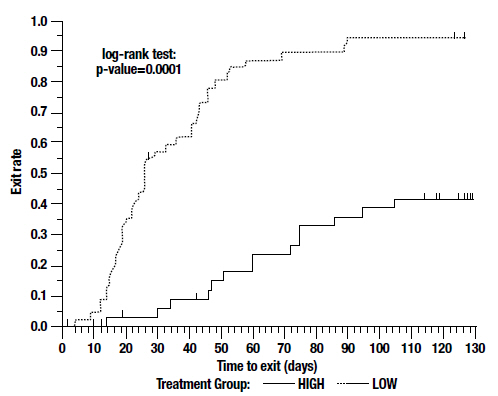
Table 4 lists adverse reactions in patients converted from other AEDs to either high-dose oxcarbazepine tablets (2400 mg/day) or low-dose (300 mg/day) oxcarbazepine tablets. Note that in some of these monotherapy studies patients who dropped out during a preliminary tolerability phase are not included in the tables.
Table 3: Adverse Reactions in a Controlled Clinical Study of Adjunctive Therapy With Oxcarbazepine Tablets in Adults | Oxcarbazepine Tablets Dosage (mg/day) |
|---|
Body system/
Adverse reaction | OXC 600
N = 163
% | OXC 1200
N = 171
% | OXC 2400
N = 126
% | Placebo
N = 166
% |
|---|
| Abbreviations: EEG, electroencephalogram; NOS, not otherwise specified. |
Body as a whole |
Fatigue | 15 | 12 | 15 | 7 |
Asthenia | 6 | 3 | 6 | 5 |
Leg edema | 2 | 1 | 2 | 1 |
Increased weight | 1 | 2 | 2 | 1 |
Feeling abnormal | 0 | 1 | 2 | 0 |
Cardiovascular system |
Hypotension | 0 | 1 | 2 | 0 |
Digestive system |
Nausea | 15 | 25 | 29 | 10 |
Vomiting | 13 | 25 | 36 | 5 |
Abdominal pain | 10 | 13 | 11 | 5 |
Diarrhea | 5 | 6 | 7 | 6 |
Dyspepsia | 5 | 5 | 6 | 2 |
Constipation | 2 | 2 | 6 | 4 |
Gastritis | 2 | 1 | 2 | 1 |
Metabolic and nutritional disorders |
Hyponatremia | 3 | 1 | 2 | 1 |
Musculoskeletal system |
Muscle weakness | 1 | 2 | 2 | 0 |
Sprains and strains | 0 | 2 | 2 | 1 |
Nervous system |
Headache | 32 | 28 | 26 | 23 |
Dizziness | 26 | 32 | 49 | 13 |
Somnolence | 20 | 28 | 36 | 12 |
Ataxia | 9 | 17 | 31 | 5 |
Nystagmus | 7 | 20 | 26 | 5 |
Abnormal gait | 5 | 10 | 17 | 1 |
Insomnia | 4 | 2 | 3 | 1 |
Tremor | 3 | 8 | 16 | 5 |
Nervousness | 2 | 4 | 2 | 1 |
Agitation | 1 | 1 | 2 | 1 |
Abnormal coordination | 1 | 3 | 2 | 1 |
Abnormal EEG | 0 | 0 | 2 | 0 |
Speech disorder | 1 | 1 | 3 | 0 |
Confusion | 1 | 1 | 2 | 1 |
Cranial injury NOS | 1 | 0 | 2 | 1 |
Dysmetria | 1 | 2 | 3 | 0 |
Abnormal thinking | 0 | 2 | 4 | 0 |
Respiratory system |
Rhinitis | 2 | 4 | 5 | 4 |
Skin and appendages |
Acne | 1 | 2 | 2 | 0 |
Special senses |
Diplopia | 14 | 30 | 40 | 5 |
Vertigo | 6 | 12 | 15 | 2 |
Abnormal vision | 6 | 14 | 13 | 4 |
Abnormal accommodation | 0 | 0 | 2 | 0 |
Table 4: Adverse Reactions in Controlled Clinical Studies of Monotherapy With Oxcarbazepine Tablets in Adults Previously Treated With Other Antiepileptic Drugs | Oxcarbazepine Tablets Dosage (mg/day) |
|---|
Body system/
Adverse reaction | Oxcarbazepine tablets
2400 mg/day
N = 86
% | Oxcarbazepine tablets
300 mg/day
N = 86
% |
|---|
| Abbreviation: NOS, not otherwise specified. |
Body as a whole | | |
Fatigue | 21 | 5 |
Fever | 3 | 0 |
Allergy | 2 | 0 |
Generalized edema | 2 | 1 |
Chest pain | 2 | 0 |
Digestive system | | |
Nausea | 22 | 7 |
Vomiting | 15 | 5 |
Diarrhea | 7 | 5 |
Dyspepsia | 6 | 1 |
Anorexia | 5 | 3 |
Abdominal pain | 5 | 3 |
Dry mouth | 3 | 0 |
Hemorrhage rectum | 2 | 0 |
Toothache | 2 | 1 |
Hemic and lymphatic system | | |
Lymphadenopathy | 2 | 0 |
Infections and infestations | | |
Viral infection | 7 | 5 |
Infection | 2 | 0 |
Metabolic and nutritional disorders | | |
Hyponatremia | 5 | 0 |
Thirst | 2 | 0 |
Nervous system | | |
Headache | 31 | 15 |
Dizziness | 28 | 8 |
Somnolence | 19 | 5 |
Anxiety | 7 | 5 |
Ataxia | 7 | 1 |
Confusion | 7 | 0 |
Nervousness | 7 | 0 |
Insomnia | 6 | 3 |
Tremor | 6 | 3 |
Amnesia | 5 | 1 |
Aggravated convulsions | 5 | 2 |
Emotional lability | 3 | 2 |
Hypoesthesia | 3 | 1 |
Abnormal coordination | 2 | 1 |
Nystagmus | 2 | 0 |
Speech disorder | 2 | 0 |
Respiratory system | | |
Upper respiratory tract infection | 10 | 5 |
Coughing | 5 | 0 |
Bronchitis | 3 | 0 |
Pharyngitis | 3 | 0 |
Skin and appendages | | |
Hot flushes | 2 | 1 |
Purpura | 2 | 0 |
Special senses | | |
Abnormal vision | 14 | 2 |
Diplopia | 12 | 1 |
Taste perversion | 5 | 0 |
Vertigo | 3 | 0 |
Earache | 2 | 1 |
Ear infection NOS | 2 | 0 |
Urogenital and reproductive system | | |
Urinary tract infection | 5 | 1 |
Micturition frequency | 2 | 1 |
Vaginitis | 2 | 0 |
Controlled Clinical Study of Monotherapy in Adults Not Previously Treated With Other AEDs
Table 5 lists adverse reactions in a controlled clinical study of monotherapy in adults not previously treated with other AEDs that occurred in at least 2% of adult patients with epilepsy treated with oxcarbazepine tablets or placebo and were numerically more common in the patients treated with oxcarbazepine tablets.
Table 5: Adverse Reactions in a Controlled Clinical Study of Monotherapy With Oxcarbazepine Tablets in Adults Not Previously Treated With Other Antiepileptic DrugsBody system/
Adverse reaction | Oxcarbazepine tablets
N = 55
% | Placebo
N = 49
% |
|---|
| Abbreviation: NOS, not otherwise specified. |
Body as a whole | | |
Falling down NOS | 4 | 0 |
Digestive system | | |
Nausea | 16 | 12 |
Diarrhea | 7 | 2 |
Vomiting | 7 | 6 |
Constipation | 5 | 0 |
Dyspepsia | 5 | 4 |
Musculoskeletal system | | |
Back pain | 4 | 2 |
Nervous system | | |
Dizziness | 22 | 6 |
Headache | 13 | 10 |
Ataxia | 5 | 0 |
Nervousness | 5 | 2 |
Amnesia | 4 | 2 |
Abnormal coordination | 4 | 2 |
Tremor | 4 | 0 |
Respiratory system | | |
Upper respiratory tract infection | 7 | 0 |
Epistaxis | 4 | 0 |
Infection chest | 4 | 0 |
Sinusitis | 4 | 2 |
Skin and appendages | | |
Rash | 4 | 2 |
Special senses | | |
Vision abnormal | 4 | 0 |
Controlled Clinical Studies of Adjunctive Therapy/Monotherapy in Pediatric Patients Previously Treated With Other AEDs
Table 6 lists adverse reactions that occurred in at least 2% of pediatric patients with epilepsy treated with oxcarbazepine tablets or placebo as adjunctive treatment and were numerically more common in the patients treated with oxcarbazepine tablets.
Table 6: Adverse Reactions in Controlled Clinical Studies of Adjunctive Therapy/Monotherapy With Oxcarbazepine Tablets in Pediatric Patients Previously Treated With Other Antiepileptic DrugsBody system/
Adverse reaction | Oxcarbazepine tablets
N =171
% | Placebo
N = 139
% |
|---|
Body as a whole | | |
Fatigue | 13 | 9 |
Allergy | 2 | 0 |
Asthenia | 2 | 1 |
Digestive system | | |
Vomiting | 33 | 14 |
Nausea | 19 | 5 |
Constipation | 4 | 1 |
Dyspepsia | 2 | 0 |
Nervous system | | |
Headache | 31 | 19 |
Somnolence | 31 | 13 |
Dizziness | 28 | 8 |
Ataxia | 13 | 4 |
Nystagmus | 9 | 1 |
Emotional lability | 8 | 4 |
Abnormal gait | 8 | 3 |
Tremor | 6 | 4 |
Speech disorder | 3 | 1 |
Impaired concentration | 2 | 1 |
Convulsions | 2 | 1 |
Involuntary muscle contractions | 2 | 1 |
Respiratory system | | |
Rhinitis | 10 | 9 |
Pneumonia | 2 | 1 |
Skin and appendages | | |
Bruising | 4 | 2 |
Increased sweating | 3 | 0 |
Special senses | | |
Diplopia | 17 | 1 |
Abnormal vision | 13 | 1 |
Vertigo | 2 | 0 |
Other Events Observed in Association With the Administration of Oxcarbazepine Tablets
In the paragraphs that follow, the adverse reactions, other than those in the preceding tables or text, that occurred in a total of 565 children and 1574 adults exposed to oxcarbazepine tablets and that are reasonably likely to be related to drug use are presented. Events common in the population, events reflecting chronic illness and events likely to reflect concomitant illness are omitted particularly if minor. They are listed in order of decreasing frequency. Because the reports cite events observed in open label and uncontrolled trials, the role of oxcarbazepine tablets in their causation cannot be reliably determined.
Body as a Whole: fever, malaise, pain chest precordial, rigors, weight decrease
Cardiovascular System: bradycardia, cardiac failure, cerebral hemorrhage, hypertension, hypotension postural, palpitation, syncope, tachycardia
Digestive System: appetite increased, blood in stool, cholelithiasis, colitis, duodenal ulcer, dysphagia, enteritis, eructation, esophagitis, flatulence, gastric ulcer, gingival bleeding, gum hyperplasia, hematemesis, hemorrhage rectum, hemorrhoids, hiccup, mouth dry, pain biliary, pain right hypochondrium, retching, sialoadenitis, stomatitis, stomatitis ulcerative
Hematologic and Lymphatic System: thrombocytopenia
Laboratory Abnormality: gamma-GT increased, hyperglycemia, hypocalcemia, hypoglycemia, hypokalemia, liver enzymes elevated, serum transaminase increased
Musculoskeletal System: hypertonia muscle
Nervous System: aggressive reaction, amnesia, anguish, anxiety, apathy, aphasia, aura, convulsions aggravated, delirium, delusion, depressed level of consciousness, dysphonia, dystonia, emotional lability, euphoria, extrapyramidal disorder, feeling drunk, hemiplegia, hyperkinesia, hyperreflexia, hypoesthesia, hypokinesia, hyporeflexia, hypotonia, hysteria, libido decreased, libido increased, manic reaction, migraine, muscle contractions involuntary, nervousness, neuralgia, oculogyric crisis, panic disorder, paralysis, paroniria, personality disorder, psychosis, ptosis, stupor, tetany
Respiratory System: asthma, dyspnea, epistaxis, laryngismus, pleurisy
Skin and Appendages: acne, alopecia, angioedema, bruising, dermatitis contact, eczema, facial rash, flushing, folliculitis, heat rash, hot flushes, photosensitivity reaction, pruritus genital, psoriasis, purpura, rash erythematous, rash maculopapular, vitiligo, urticaria
Special Senses: accommodation abnormal, cataract, conjunctival hemorrhage, edema eye, hemianopia, mydriasis, otitis externa, photophobia, scotoma, taste perversion, tinnitus, xerophthalmia
Surgical and Medical Procedures: procedure dental oral, procedure female reproductive, procedure musculoskeletal, procedure skin
Urogenital and Reproductive System: dysuria, hematuria, intermenstrual bleeding, leukorrhea, menorrhagia, micturition frequency, pain renal, pain urinary tract, polyuria, priapism, renal calculus
Other: Systemic lupus erythematosus
Laboratory Tests
Serum sodium levels below 125 mmol/L have been observed in patients treated with oxcarbazepine tablets [see Warnings and Precautions (5.1)]. Experience from clinical trials indicates that serum sodium levels return toward normal when the oxcarbazepine tablets dosage is reduced or discontinued, or when the patient was treated conservatively (e.g., fluid restriction). Laboratory data from clinical trials suggest that oxcarbazepine tablets use was associated with decreases in T4, without changes in T3 or TSH.