Clinical Studies:
In Vitro Biochemical and Functional Evaluations
InterSol platelet concentrates (n=70) prepared using the AMICUS separator and stored for 5 days showed a median and mean pH value on Day 5 of 7.2 and 7.2 ± 0.1 (range: 6.9-7.5), respectively, with a lower non-parametric 95%/95% tolerance limit of 6.9.
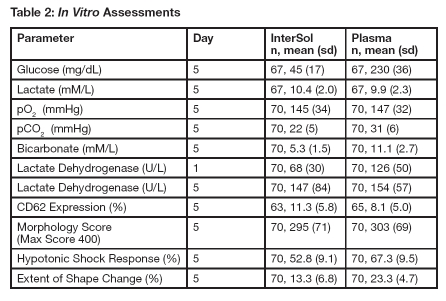
Supplemental in vitro assessments of InterSol platelets and AMICUS-derived leukoreduced platelets stored in 100% plasma are presented in Table 2.
InterSol platelets irradiated (n=18) at either 2500 or 2800 cGray (dependent on site procedures) were compared to non-irradiated InterSol platelets. At the end of storage on Day 5 the platelet yields of the irradiated products were concentrated between 2.5 x 10^11 to 3.5 x 10^11 and included one product with a yield less than2.5 x 10^11 and two products with yields greater than 3.5 x 10^11. In vitro testing is not predictive of in vivo performance, which was not evaluated. Summary statistics are presented in Table 3.
In Vivo Recovery and Survival in Healthy Subjects
In vivo evaluation of InterSol platelets at Day 5 (n=33) compared to a fresh platelet control resulted in a mean percent recovery of 46.4 ± 11.9 percent and 58.0 ± 10.7 percent and mean survival of 5.7 ± 1.4 days and 8.0 ± 1.4 days, respectively. The in vivo data collected were used to calculate the upper limit of a two-sided 95% confidence interval of the mean percent recovery of the algebraic expression (0.66 x Fresh – 5 Day), and of the mean percent survival (days) of the algebraic expression (0.58 x Fresh – 5 Day). The upper bound of the two-sided 95% confidence intervals for recovery and survival on Day 5 was –4.6 and –0.6 respectively and met the requirement of less than 0.
Post-Market Transfusion-Related Adverse Events (AE) Study
An open label, non-randomized, retrospective medical record review study was performed in 6 centers to demonstrate that the overall rate of transfusion-related AEs in patients receiving InterSol Platelet transfusions was not more than double the rate in patients receiving apheresis platelets stored in 100% plasma (Plasma Platelets). The study categorized adverse transfusion reactions according to the definitions outlined by the Biovigilance Component of the National Healthcare Safety Network (NHSN) System. All sites that participated were required to have systems in place to observe transfusion-related AEs and to record when no transfusion-related AE was observed. An independent Clinical Events Committee (CEC) blinded to platelet type and study site adjudicated the reported events.
Patients were prescribed platelet transfusions per each site’s standard practice. The type of platelet unit the patient received was based on the site’s inventory at the time the transfusion was ordered. Site personnel observed the platelet transfusion recipient following their standard procedures. Signs and symptoms of a potential transfusion-related reaction were noted using existing reporting systems. A total of 14,005 transfusions from 6 study sites were included in the final analysis. A total of 4,160 InterSol Platelet transfusions were given to a total of 1,444 patients, and 9,845 Plasma Platelet transfusions were given to 2,202 patients. There were 165 CEC-adjudicated adverse reactions reported. Of those, 23 events were associated with InterSol Platelets and 142 events were associated with Plasma Platelets.
Overall, 1.13% of all transfusions resulted in an AE. The percentage of InterSol Platelet transfusions which led to AEs was 0.55%, while 1.37% of Plasma Platelet transfusions resulted in AEs. The 97.5% upper confidence limit for the relative risk of transfusion-related AE associated with InterSol Platelets relative to Plasma Platelets was 0.66, indicating that the study objective of ruling out a doubling of transfusion-related AEs for InterSol vs. Plasma Platelets was met.
The majority of the 165 CEC-adjudicated reactions were Allergic (n=93) or Febrile Non-Hemolytic Transfusions Reactions (FNHTR, n=56), at 0.66% and 0.40% of total transfusions, respectively. There were allergic reactions associated with 0.29% of InterSol Platelet transfusions and 0.82% of Plasma Platelet transfusions. FNHTR events were associated with 0.17% of InterSol Platelet transfusions and 0.50% of Plasma Platelet transfusions.
No InterSol Platelet transfusion was associated with more than one reaction. Seven (7) Plasma Platelet transfusions (0.07% of total transfusions) were associated with two separate adverse reactions each. Two (2) InterSol Platelet and 5 Plasma Platelet adverse reactions were classified as severe. All other reactions were classified as non-severe. All adverse reactions were reported with an outcome of “Minor or No Sequelae”.
No adverse safety trends were identified after review of all the AEs by the independent Clinical Events Committee.
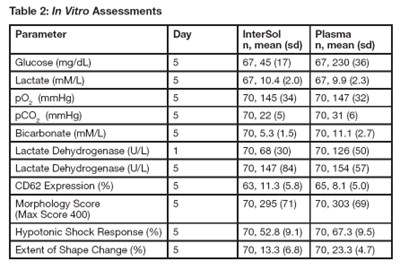
Table2 (2b22acc5 97e6 40bf 8165 4d1251d622e9 02)

Table3 (2b22acc5 97e6 40bf 8165 4d1251d622e9 03)