Oxcarbazepine Suspension
Product Images NDC 10135-798
View Photos of Packaging, Regulatory Labels, and Product Appearance
Product Visual Gallery
This gallery contains 26 technical images submitted to the FDA as part of the official labeling for Oxcarbazepine (NDC 10135-798). Unlike standard consumer photos, these assets often include clinical data figures, molecular chemical structures, and official manufacturer packaging layouts.
As provided by Marlex Pharmaceuticals, Inc, these visuals offer a comprehensive scientific overview of the product's physical and chemical identity, aiding pharmacists and researchers in product verification and study.
Product Images & Figures Index
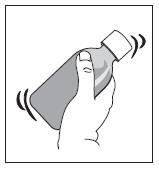
Oxcar-14 (Oxcar 14)
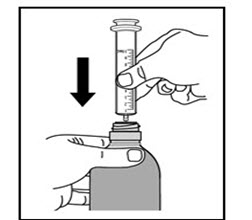
Oxcar-15 (Oxcar 15)
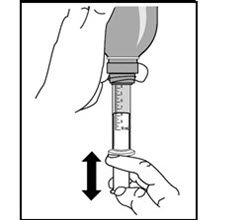
Oxcar-16 (Oxcar 16)
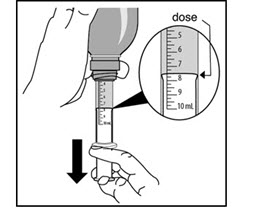
Oxcar-17 (Oxcar 17)
Oxcar-18 (Oxcar 18)
Oxcar-19 (Oxcar 19)
Oxcar-20 (Oxcar 20)
Oxcar-21 (Oxcar 21)
Oxcar-22 (Oxcar 22)
Oxcar-23 (Oxcar 23)
Oxcar-24 (Oxcar 24)
Oxcar-26 (Oxcar 26)
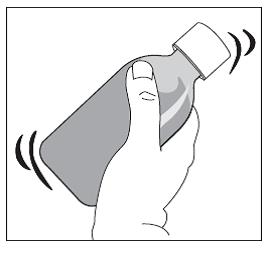
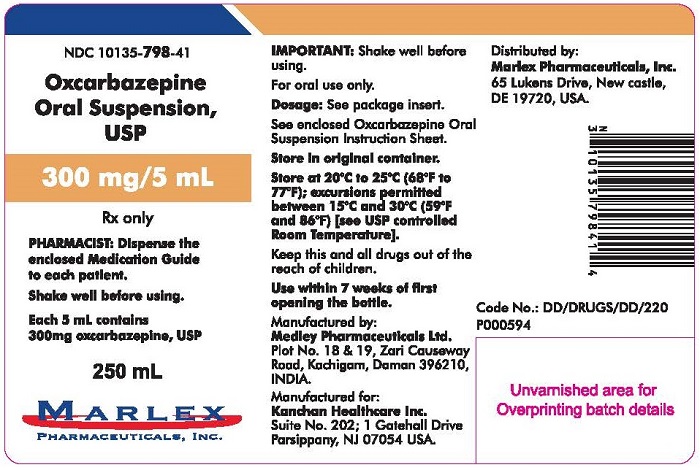
This is a description of Oxcarbazepine oral suspension, USP, with a concentration of 300mg per 5 mL. The medication is dispensed with a Medication Guide for each patient. It is important to shake well before use. The suspension should be stored at room temperature between 20°C and 25°C. The drug must be used within 7 weeks of opening the bottle. Manufactured by Medley Pharmaceuticals Ltd. in India and distributed by Marlex Pharmaceuticals Inc. in the USA. For more information, refer to the enclosed instruction sheet.*
Oxcar-4 (Oxcar 4)
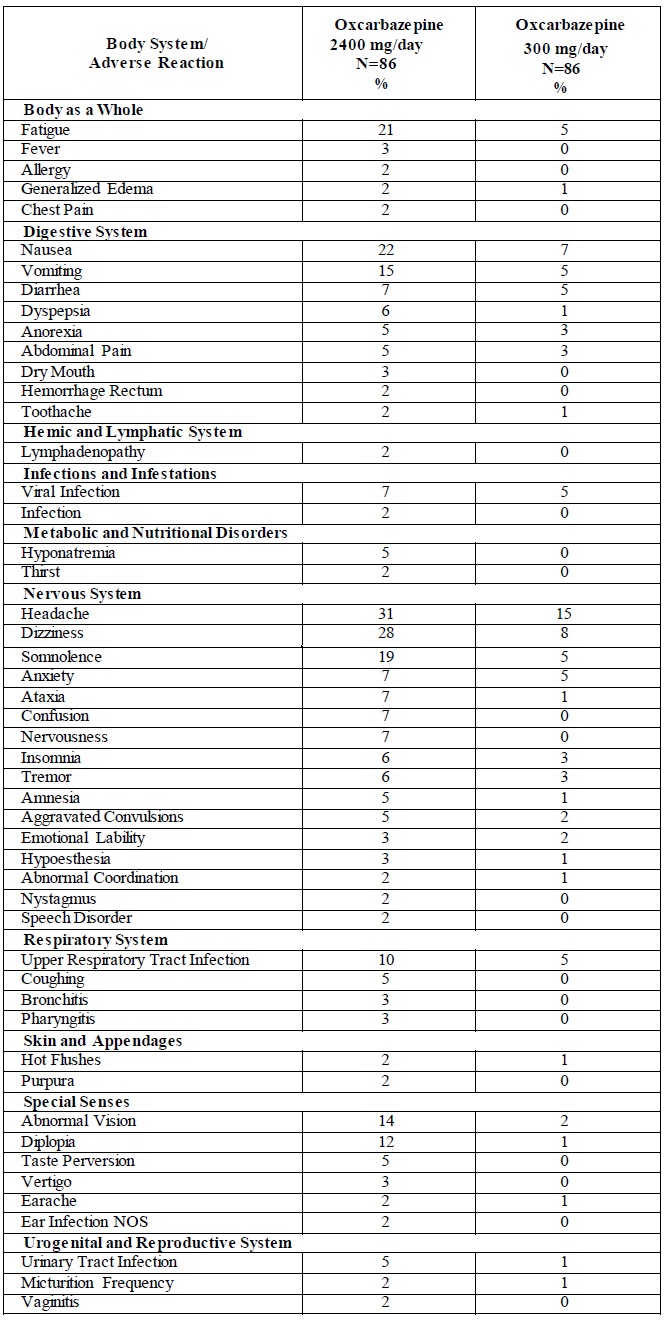
This text provides a list of adverse reactions associated with the medication Oxcarbazepine at different dosages, including effects on various body systems such as fatigue, nausea, vomiting, diarrhea, headache, dizziness, and more. The document details the percentage of patients experiencing each adverse reaction out of a total of 86 individuals.*
Oxcarb-10 (Oxcarb 10)
Oxcarb-11 (Oxcarb 11)
Oxcarb-13 (Oxcarb 13)
Oxcarb-8 (Oxcarb 8)
This text provides information on the influence of various antiepileptic drugs (AEDs) on Oxcarbazepine and its metabolite (MHD). It includes the doses of AEDs coadministered with Oxcarbazepine, as well as the resulting concentration changes. The percentage changes in concentration for different AEDs like Carbamazepine, Phenobarbital, Phenytoin, Valproic acid, and Lamotrigine are also indicated. This information can be valuable for understanding drug interactions and optimizing treatment regimens in patients with epilepsy.*
Oxcarbazepine-9 (Oxcarb 9)
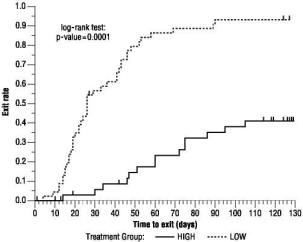
Oxcarbazepine-fig1 (Oxcarbazepine 1)
Oxcarbazepine-2 (Oxcarbazepine 2)
This appears to be a table showing the comparison between placebo patients and patients taking a drug in terms of relative risk, incidence of events, risk difference, and additional drug patients with events. The table includes data for different indications such as epilepsy, psychiatric, and other conditions. The relative risk, incidence of events, risk difference, and number of patients with events per 1,000 patients are provided for each indication.*
Oxcarbazepine-25 (Oxcarbazepine 25)
This is a description of a medication called Oxcarbazepine Oral Suspension, USP, which is available in a 250 mL bottle containing 300mg of oxcarbazepine per 5 mL. The medication is for oral use only and should be shaken well before each use. It is recommended to store the medication in its original container at temperatures between 20°C to 25°C (68°F to 77°F). The medication should be used within 7 weeks of opening the bottle. The manufacturing information indicates that it is produced by Medley Pharmaceuticals Ltd. in India and distributed by Marlex Pharmaceuticals, Inc. in the USA. It also includes guidelines on dispensing the medication guide to patients and dosage instructions.*
Oxcarbaepine-3 (Oxcarbazepine 3)
This is a list of potential adverse reactions and their frequencies observed with different dosages of Oxcarbazepine. The reactions are categorized based on the body system affected, including Body as a Whole, Cardiovascular System, Digestive System, Nervous System, Respiratory System, Skin and Appendages, and Special Senses. Adverse reactions range from common ones like headache and nausea to less frequent ones like abnormal EEG and gastritis. This information can be useful for healthcare professionals and patients to be aware of potential side effects associated with Oxcarbazepine use.*
Oxcarbazepine-5 (Oxcarbazepine 5)
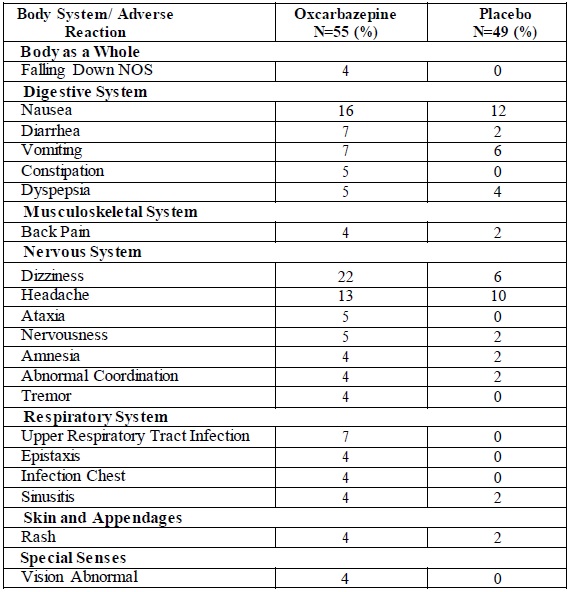
This is a list of possible adverse reactions associated with the drug Oxcarbazepine. Some reactions include falling down, nausea, diarrhea, vomiting, constipation, dizziness, headache, ataxia, amnesia, abnormal coordination, tremor, rash, and abnormal vision. It is essential to consult a healthcare professional for more information.*
Oxcarbazepine-6 (Oxcarbazepine 6)
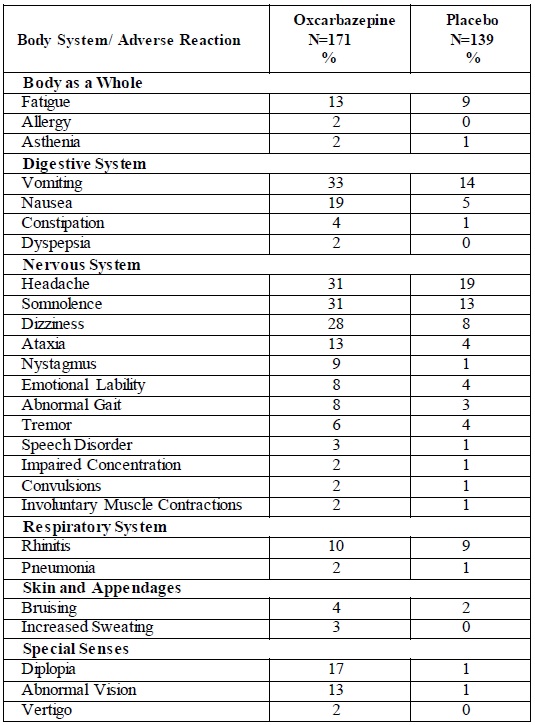
This text appears to be a list of adverse reactions related to the drug Oxc-hazepine. Adverse reactions are categorized under different body systems such as Body as a Whole, Digestive System, Nervous System, Respiratory System, Skin and Appendages, and Special Senses. Adverse reactions listed include fatigue, allergy, asthenia, vomiting, nausea, constipation, headache, somnolence, dizziness, nystagmus, abnormal gait, tremor, rhinitis, pneumonia, bruising, increased sweating, diplopia, abnormal vision, and vertigo. These adverse reactions indicate potential side effects of the drug Oxc-hazepine.*
Oxcarbazepine-7 (Oxcarbazepine 7)
* These product label images have been analyzed using experimental machine learning. Please verify findings with the primary label text.