Meloxicam Tablet
Product Images NDC 11788-047

View Photos of Packaging, Regulatory Labels, and Product Appearance

Product Visual Gallery

This gallery contains 15 technical images submitted to the FDA as part of the official labeling for Meloxicam (NDC 11788-047). Unlike standard consumer photos, these assets often include clinical data figures, molecular chemical structures, and official manufacturer packaging layouts.

As provided by Aiping Pharmaceutical, Inc, these visuals offer a comprehensive scientific overview of the product's physical and chemical identity, aiding pharmacists and researchers in product verification and study.

FDA Label Image

Container-label-15mg (Container 15mg 1000s)
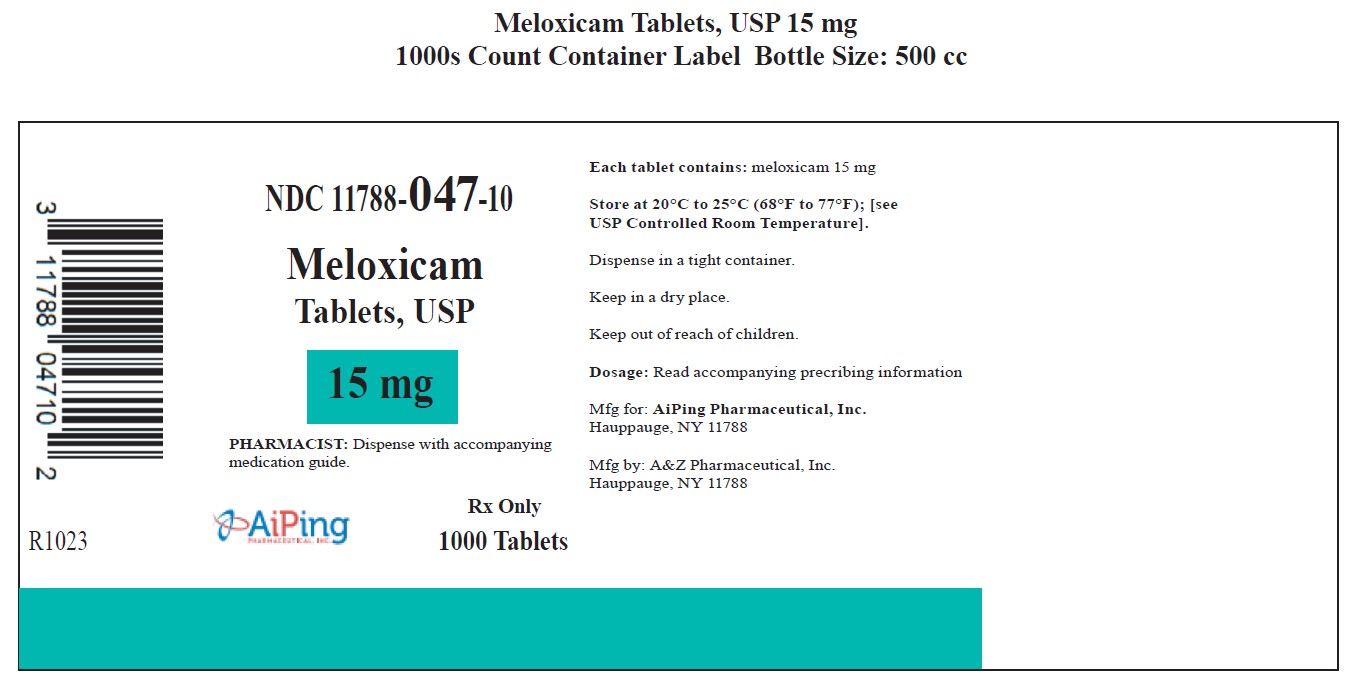
Container-label-15mg (Container 15mg 1000s)
Meloxicam Tablets, USP 15 mg, is a medication used for pain relief and inflammation in conditions like arthritis. Each tablet contains 15 mg of meloxicam. This bottle contains 1000 tablets and has a bottle size of 500 cc. The medication should be dispensed in a tight container and kept in a dry place. It should be stored at controlled room temperature. The dosage instructions should be followed as indicated in the accompanying prescribing information. The manufacturer, AiPing Pharmaceutical, Inc., is located in Hauppauge, NY. The pharmacist should dispense the medication along with the accompanying medication guide. It is important to keep this medication out of the reach of children.*
FDA Label Image

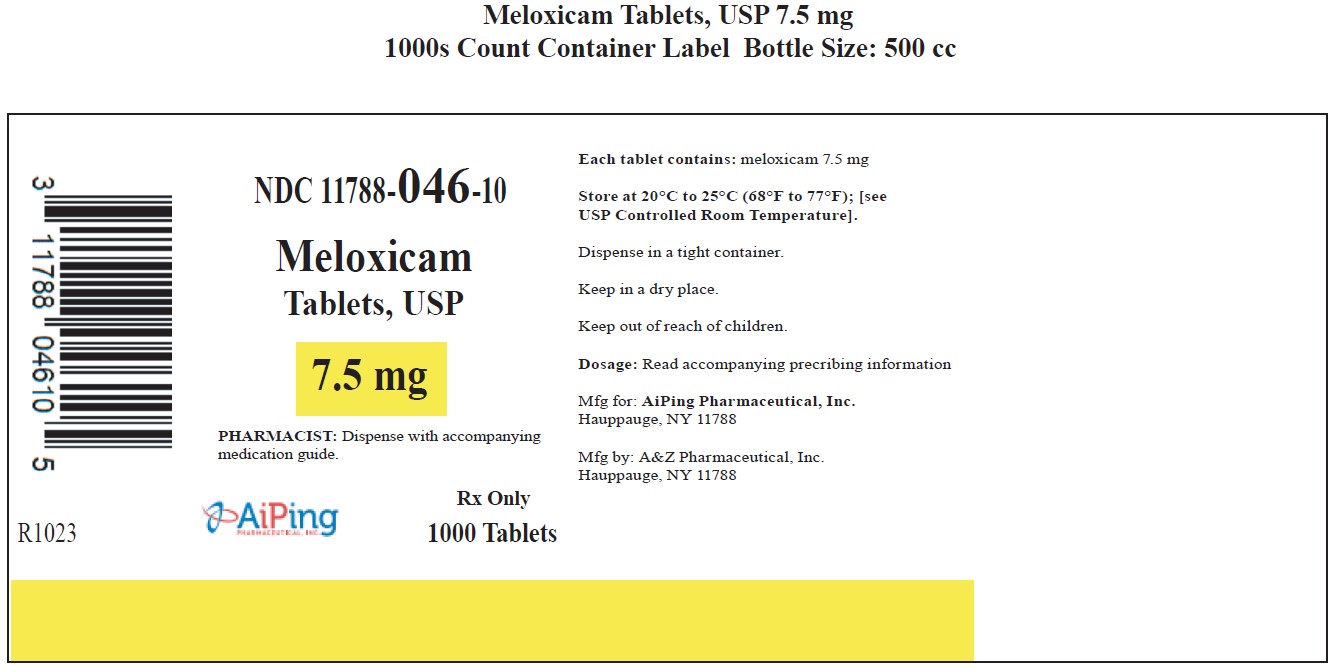
Container-label-7.5mg (Container 7.5mg 1000s)

Container-label-7.5mg (Container 7.5mg 1000s)
Meloxicam Tablets, USP 7.5 mg is a medication available in a bottle size of 500 cc. Each tablet contains 7.5 mg of meloxicam. It is recommended to store the medication at controlled room temperature and dispense it in a tight container. This medication is manufactured by AiPing Pharmaceutical, Inc. and is intended for prescription use only. It is important to keep this medication out of reach of children and to read the accompanying prescribing information. The medication should be dispensed along with the accompanying medication guide by a pharmacist.*
FDA Label Image

Mg1 (Mg1)

Mg1 (Mg1)
This text provides important cautionary information regarding the use of NSAIDs (non-steroidal anti-inflammatory drugs). It warns against taking increasing doses of NSAIDs and using them for longer durations. Additionally, it advises against taking NSAIDs before or after a heart surgery known as coronary artery bypass graft (CABG) and after a recent heart attack, as it may increase the risk of another heart attack.*
FDA Label Image

Mg2 (Mg2)

Mg2 (Mg2)
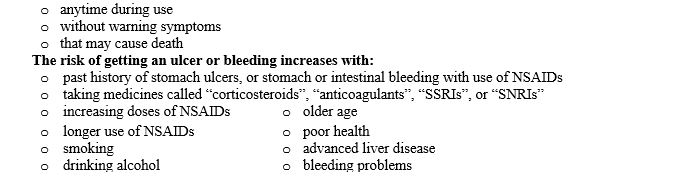
This text provides information about the potential risks associated with the use of NSAIDs (nonsteroidal anti-inflammatory drugs). It mentions that NSAIDs can potentially cause ulcers or bleeding, and the risk of these adverse effects increases in individuals with a history of stomach ulcers or intestinal bleeding, those taking certain medications like corticosteroids, anticoagulants, SSRIs or SNRIs, and those who smoke, drink alcohol, are older in age, have poor health, advanced liver disease, or bleeding problems.*
FDA Label Image

Mg3 (Mg3)

FDA Label Image

Mg4 (Mg4)

Mg4 (Mg4)
This text appears to be describing symptoms related to a medical condition. It mentions shortness of breath or trouble breathing, slurred speech, chest pain, swelling of the face or throat, and weakness in one part or side of the body. These symptoms could indicate a potentially serious health issue and should be evaluated by a healthcare professional.*
FDA Label Image

Mg5 (Mg5)

Mg5 (Mg5)
This text appears to describe various symptoms and signs that may indicate a medical condition. These include nausea, fatigue, diarrhea, itching, yellowing of the skin or eyes, indigestion or stomach pain, flu-like symptoms, vomiting blood, presence of blood in bowel movements, unusual weight gain, skin rash or blisters with fever, and swelling of the arms, legs, hands, and feet. These symptoms may be indicative of different health issues, and it is important to consult a healthcare professional for accurate diagnosis and appropriate treatment.*
FDA Label Image

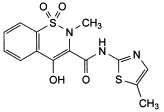
Structural (Structural Formula)

FDA Label Image

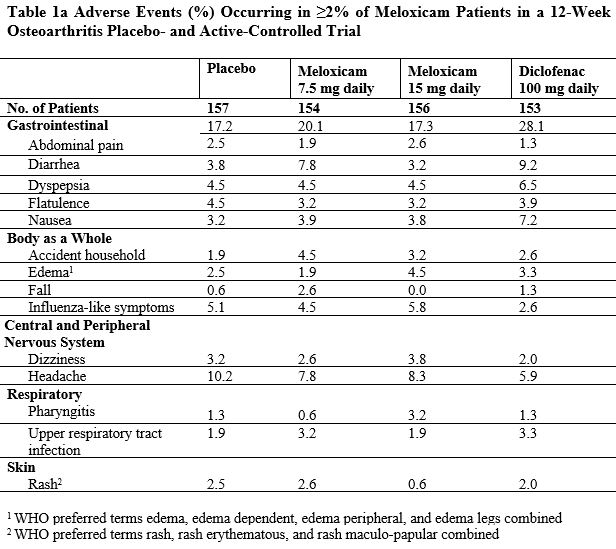
Table 1a (Table 1a)

Table 1a (Table 1a)
Table la Adverse Events (%) Occurring in 22% of Meloxicam Patients: This text appears to be a description of adverse events that occurred in a trial involving patients with osteoarthritis who were taking either placebo, meloxicam, or diclofenac. The table provides percentages of patients experiencing different adverse events, such as gastrointestinal issues, abdominal pain, diarrhea, accidents at home, edema, falls, influenza-like symptoms, dizziness, headaches, respiratory issues, and skin rash. The number of patients in each group is also mentioned.*
FDA Label Image

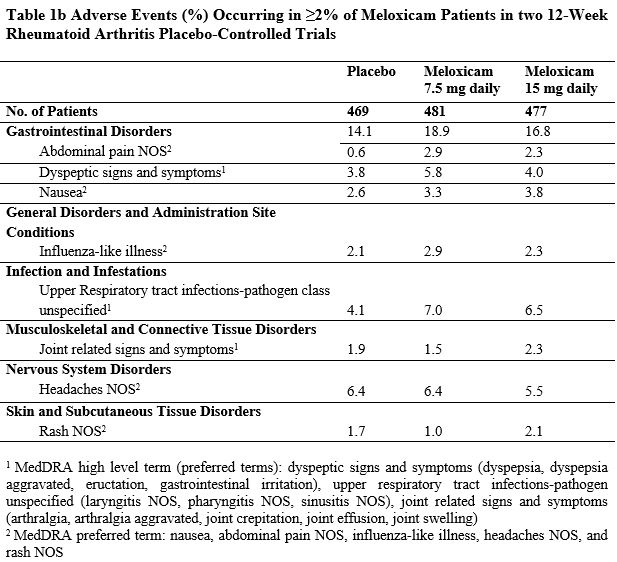
Table 1b (Table 1b)

Table 1b (Table 1b)
Table 1b shows the percentage of adverse events occurring in patients taking Meloxicam for rheumatoid arthritis in two 12-week placebo-controlled trials. The table presents the number of patients and the occurrence of various adverse events. The most common adverse events include gastrointestinal disorders (abdominal pain and dyspeptic signs and symptoms), influenza-like illness, upper respiratory tract infections, musculoskeletal and connective tissue disorders (joint-related signs and symptoms), nervous system disorders (headaches), and skin and subcutaneous disorders (rash). The table also provides additional information about the specific preferred terms used to categorize these adverse events.*
FDA Label Image

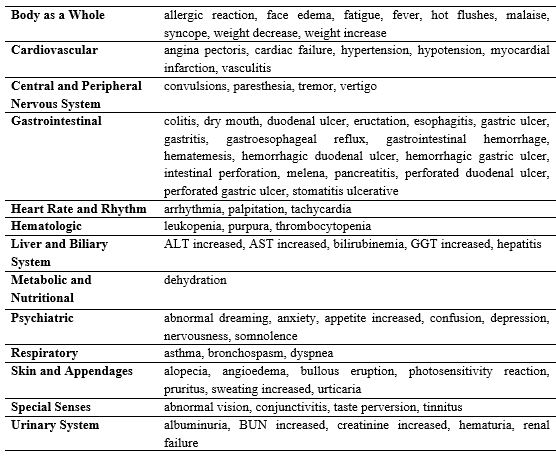
Table 2.1 (Table 2.1)

Table 2.1 (Table 2.1)
This text appears to be a list of potential side effects or symptoms related to different body systems. Some of the mentioned effects include allergic reactions, edema, fatigue, fever, weight changes, cardiovascular issues such as angina and hypertension, nervous system issues like convulsions and tremors, gastrointestinal problems such as ulcers and reflux, changes in heart rate and rhythm, hematologic issues like low platelet count, liver and biliary system issues, metabolic changes, psychiatric symptoms like anxiety and depression, respiratory problems, skin and appendage issues like hair loss and rash, abnormal vision and taste, and urinary system problems. It is possible that this text is from a medical or pharmaceutical document discussing the potential side effects of a particular medication or condition.*
FDA Label Image

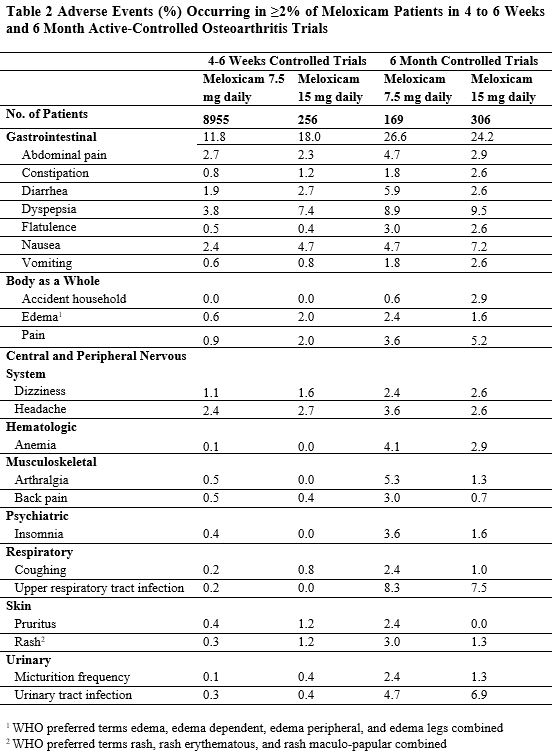
Table 2 (Table 2)

Table 2 (Table 2)
Table 2 provides information on the adverse events experienced by patients taking Meloxicam in 4 to 6-week and 6-month controlled trials for osteoarthritis. The table includes the percentage of patients experiencing each adverse event. The adverse events that occurred in more than 2% of Meloxicam patients in the 4 to 6-week trials and the 6-month trials are listed. The table shows different dosages of Meloxicam (7.5 mg daily, 15 mg daily, and placebo) and the corresponding percentages of patients experiencing each adverse event. The adverse events listed include gastrointestinal issues such as abdominal pain, constipation, diarrhea, dyspepsia, and nausea. Other adverse events include dizziness, headache, anemia, back pain, insomnia, coughing, respiratory tract infection, itching, and urinary tract infection. Additionally, the table mentions that the World Health Organization (WHO) preferred terms for edema and rash were combined to provide a comprehensive analysis of these adverse events. This information can be helpful for healthcare professionals and patients in understanding the potential side effects of taking Meloxicam for osteoarthritis.*
FDA Label Image

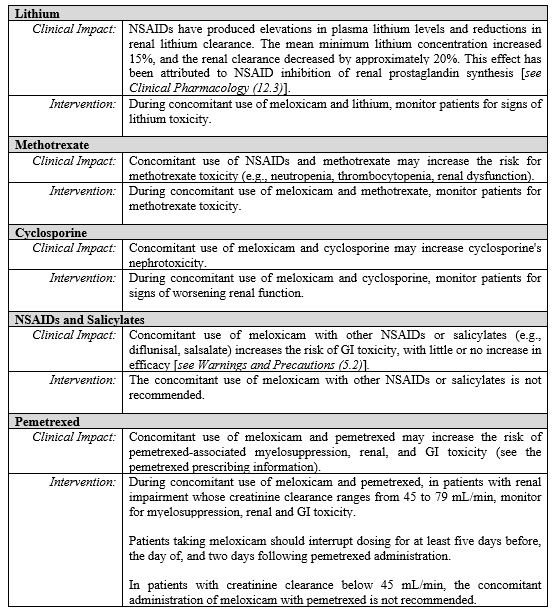
Table 3.1 (Table 3.1)

FDA Label Image

Table 3 (Table 3)

Table 3 (Table 3)
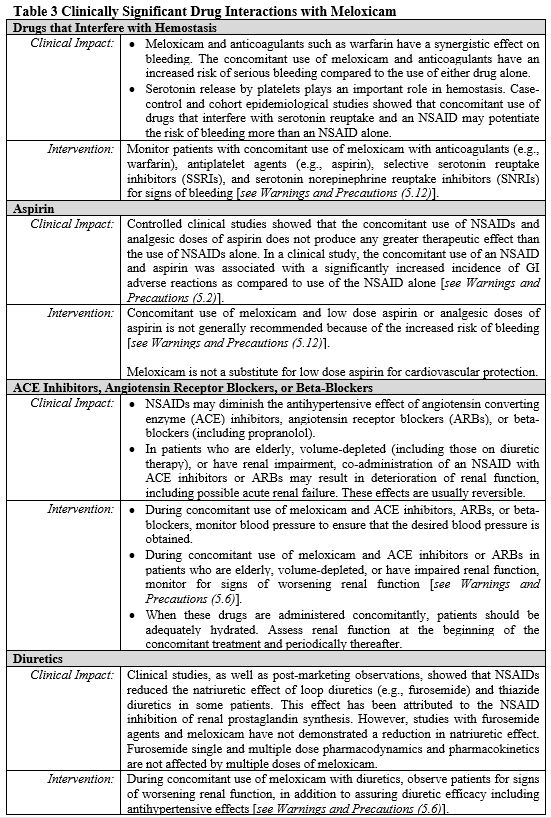
Table 3 Clinically Significant Drug Interactions with Meloxicam This text provides information about the clinically significant drug interactions with Meloxicam, a medication used for pain relief. It mentions several drugs that can interfere with the effectiveness of Meloxicam, including anticoagulants, serotonin reuptake inhibitors, and low dose aspirin. Concomitant use of these drugs with Meloxicam may increase the risk of bleeding. The text also warns about the potential interaction of Meloxicam with ACE inhibitors, angiotensin receptor blockers, beta-blockers, and diuretics. These interactions may affect blood pressure control and renal function. Monitoring and appropriate interventions are recommended to manage these drug interactions. Overall, this text provides important information for healthcare professionals and patients using or considering Meloxicam as a treatment option.*
FDA Label Image

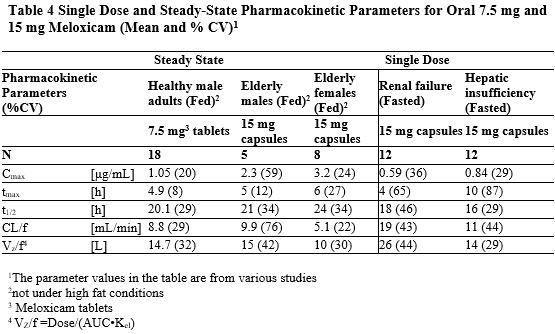
Image Description (Table 4)

* These product label images have been analyzed using experimental machine learning. Please verify findings with the primary label text.