The recommended bolus dose for activated DEFINITY RT is 10 microliters (microL)/kg of the activated product by intravenous bolus injection within 30 to 60 seconds, followed by a 10 mL 0.9% Sodium Chloride Injection, USP flush. If necessary, a second 10 microliters (microL)/kg dose followed by a second 10 mL 0.9% Sodium Chloride Injection, USP flush may be administered 30 minutes after the first injection to prolong contrast enhancement.
The recommended infusion dose for activated DEFINITY RT is via an intravenous infusion of 1.3 mL added to 50 mL of preservative-free 0.9% Sodium Chloride Injection, USP. The rate of infusion should be initiated at 4 mL/minute, but titrated as necessary to achieve optimal image enhancement, not to exceed 10 mL/minute.
Full instructions for use of VIALMIX RFID are provided on the VIALMIX RFID screen and User's Guide.
- The RFID tag allows for the exchange of product information such as activation time and activation rate.
- VIALMIX RFID will only activate DEFINITY and DEFINITY RT RFID-tagged vials. Function of the RFID technology is not dependent on vial orientation as it is placed in the VIALMIX RFID. If the RFID tag is damaged or otherwise non-functional, the VIALMIX RFID will notify the user and the vial with the nonfunctional RFID tag cannot be used to activate DEFINITY RT with VIALMIX RFID. Discard the nonfunctional RFID-tagged DEFINITY RT vial.
- Follow all manufacturers' guidelines and do not operate any part of the VIALMIX RFID and DEFINITY RT RFID-tagged vials within 6 inches (15 cm) of a pacemaker and/or defibrillator.
Serious Adverse Reactions
Among the 1716 study patients, 19 (1.1%) suffered serious cardiopulmonary adverse reactions.
For all adverse reactions, the overall incidence of adverse experiences was similar for the <65 year age group and the > 65 year age group, similar in males and in females, similar among all racial or ethnic groups, and similar for bolus and infusion dosing. Table 1 summarizes the most common adverse reactions.
Table 1 New-Onset Adverse Reactions Occurring in ≥0.5% of All DEFINITY-Treated Subjects| N=Sample size 1716 subjects who received activated DEFINITY |
| n=Number of subjects reporting at least one Adverse Reaction |
| DEFINITY
(N=1716) |
| Total Number of Adverse Reactions | 269 | |
| Total Number of Subjects with an Adverse Reaction | 144 | (8.4%) |
| Body system | | |
| Preferred term | n | (%) |
| Application Site Disorders | 11 | (0.6) |
| Injection Site Reactions | 11 | (0.6) |
| Body as a Whole | 41 | (2.4) |
| Back/renal pain | 20 | (1.2) |
| Chest pain | 13 | (0.8) |
| Central and peripheral nervous system disorder | 54 | (3.1) |
| Headache | 40 | (2.3) |
| Dizziness | 11 | (0.6) |
| Gastrointestinal system | 31 | (1.8) |
| Nausea | 17 | (1.0) |
| Vascular (extracardiac) disorders | 19 | (1.1) |
| Flushing | 19 | (1.1) |
Other adverse reactions that occurred in ≤0.5% of the activated DEFINITY-dosed subjects were:
Body as a Whole: Fatigue, fever, hot flushes, pain, rigors, and syncope
Cardiovascular: Abnormal ECGs, bradycardia, tachycardia, palpitation, hypertension and hypotension
Digestive: Dyspepsia, dry mouth, tongue disorder, toothache, abdominal pain, diarrhea and vomiting
Hematology: Granulocytosis, leukocytosis, leukopenia, and eosinophilia
Musculoskeletal: Arthralgia
Nervous System: Leg cramps, hypertonia, vertigo and paresthesia
Platelet, Bleeding, and Clotting: Hematoma
Respiratory: Coughing, hypoxia, pharyngitis, rhinitis and dyspnea
Special Senses: Decreased hearing, conjunctivitis, abnormal vision and taste perversion
Skin: Pruritus, rash, erythematous rash, urticaria, increased sweating, and dry skin
Urinary: Albuminuria
Cardiopulmonary
Fatal cardiac or respiratory arrest, shock, syncope, symptomatic arrhythmias (atrial fibrillation, tachycardia, bradycardia, supraventricular tachycardia, ventricular fibrillation, ventricular tachycardia), hypertension, hypotension, dyspnea, hypoxia, chest pain, respiratory distress, stridor, wheezing.
Hypersensitivity
Anaphylactic reaction, anaphylactic shock, bronchospasm, throat tightness, angioedema, edema (pharyngeal, palatal, mouth, peripheral, localized), swelling (face, eye, lip, tongue, upper airway), facial hypoesthesia, rash, urticaria, pruritus, flushing, erythema.
Neurologic
Coma, loss of consciousness, convulsion, seizure, transient ischemic attack, agitation, tremor, vision blurred, dizziness, headache, fatigue.
Risk Summary
Available data from case reports with DEFINITY use in pregnant women have not identified a drug-associated risk of major birth defects, miscarriage, or adverse maternal or fetal outcomes. DEFINITY RT has a very short half-life; therefore, administration of DEFINITY RT to a pregnant woman is not expected to result in clinically relevant fetal exposure. No adverse developmental outcomes were observed in animal reproduction studies with administration of activated DEFINITY in pregnant rats and rabbits during organogenesis at doses up to 8 and 16 times, respectively, the maximum human dose based on body surface area (see Data).
All pregnancies have a background risk of birth defects, loss, or other adverse outcomes. In the U.S. general population, the estimated background risk of major birth defects and miscarriage in clinically recognized pregnancies is 2-4% and 15-20%, respectively.
Data
Animal Data
DEFINITY was administered intravenously to rats at doses of 0.1, 0.3, and 1.0 mL/kg (approximately 0.8, 2.4, and 8 times the recommended maximum human dose based on body surface area); DEFINITY doses were administered daily from day 6 to day 17 of gestation. DEFINITY was administered intravenously to rabbits at doses of 0.1, 0.3, and 1.0 mL/kg (approximately, 1.6, 4.8, and 16 times the recommended maximum human dose based on body surface area); DEFINITY doses were administered daily from day 7 to day 19 of gestation. No significant findings on the fetus were observed.
Risk Summary
There are no data on the presence of DEFINITY in human milk, the effects on the breastfed infant, or the effects on milk production. The developmental and health benefits of breastfeeding should be considered along with the mother's clinical need for DEFINITY RT and any potential adverse effects on the breastfed infant from DEFINITY RT or from the underlying maternal condition.
Distribution
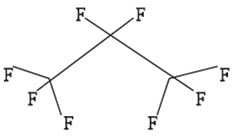
OFP gas binding to plasma proteins or partitioning into blood cells has not been studied. However, OFP protein binding is expected to be minimal due to its low partition coefficient into whole blood.
Metabolism
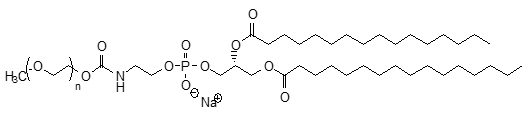
OFP is a stable gas that is not metabolized. The phospholipid components of the microspheres are thought to be metabolized to free fatty acids.
Elimination
OFP was not detectable after 10 minutes in most subjects either in the blood or in expired air. OFP concentrations in blood were shown to decline in a mono-exponential fashion with a mean half-life of 1.3 minutes in healthy subjects.
Special Populations
The pharmacokinetics of octafluoropropane gas (OFP) was evaluated in subjects (n=11) with chronic obstructive pulmonary disease (COPD). The mean half-life of OFP in blood was 1.9 minutes. The total lung clearance of OFP was similar to that in healthy subjects.
The pharmacokinetics of activated DEFINITY RT has not been studied in subjects with hepatic diseases or congestive heart failure.
Endocardial Border Length
As shown in Table 3, compared to baseline, a single bolus dose of 10 microL/kg of activated DEFINITY increased the length of endocardial border that could be measured at both end-systole and end-diastole. The mean change in border length from baseline at end-diastole was statistically significant for all readers in the apical 4-chamber view and for 3 out of 4 readers for the apical 2-chamber view. The mean change in border length from baseline at end-systole was statistically significant for 3 out of 4 readers for the apical 4-chamber view and for 2 out of 4 readers for the apical 2-chamber view.
Ventricular Chamber Enhancement
Left ventricular chamber enhancement after an activated DEFINITY dose of 10 microL/kg was significantly increased from baseline compared to placebo in both views at the mid-ventricular and apical levels at end-diastole. Similar results were noted at end-systole, with the exception of the 4-chamber view.
Wall Motion
In a retrospective analysis, in a subset of subjects (n=12 to 47, depending on reader) having at least 2 adjacent segments non-evaluable on non-contrast imaging, activated DEFINITY converted a baseline non-evaluable image to an evaluable image in 58 to 91% of the patients, depending on the reader. In the converted images, the accuracy of wall motion (i.e., normal versus abnormal) improved in 42 to 71% of the patients, depending on the reader, however, improvement in the specific diagnostic accuracy (e.g., hypokinetic, akinetic etc.) was not established. Also, in 13 to 37% of the patients, depending on the reader, activated DEFINITY was found to obscure the wall motion rendering the image non-evaluable.
Ejection Fraction
In the 2 baseline controlled studies, ejection fraction results were evaluated in comparison to MRI. The results were evaluated by 3 blinded, independent radiologists. In these studies, although there was a statistically significant increase in ventricular chamber enhancement, activated DEFINITY did not significantly improve the assessment of ejection fraction compared to the baseline images.
Table 3 MEAN (SD) ENDOCARDIAL BORDER LENGTH (CM) BY BOTH APICAL 2- AND 4-CHAMBER VIEWS AT END-SYSTOLE AND END-DIASTOLE BY STUDY, EVALUABLE SUBJECTS| Study/View | Endocardial Border Length – Blinded Read |
|---|
| Mean(SD) at End-Diastole | Mean(SD) at End-Systole |
|---|
| Reader 1 | Reader 2 | Reader 1 | Reader 2 |
|---|
| Activated DEFINITY Bolus Dose = 10 µL/kg |
| Study A: (N = 67) | | | | |
| Apical 2-chamber | | | | |
| Baseline | 8.0(3.4) | 4.7(2.8) | 7.1(3.3) | 4.3(2.6) |
| Post-DEFINITY | 12.8(5.2) Significant change from baseline (paired t-test, p<0.05) | 5.8(2.6) | 10.6(5.0) | 4.4(2.3) |
| Apical 4-chamber | | | | |
| Baseline | 8.1(3.3) | 4.5(2.6) | 7.6(3.2) | 4.5(2.7) |
| Post-DEFINITY | 13.5(5.2) | 6.8(3.3) | 11.5(4.4) | 5.3(3.1) |
| Study B: (N = 59) | | | | |
| Apical 2-chamber | | | | |
| Baseline | 4.3(2.6) | 7.8(5.3) | 4.1(2.4) | 6.5(5.1) |
| Post-DEFINITY | 5.7(4.7) | 8.2(6.5) | 5.5(4.4) | 6.9(6.3) |
| Apical 4-chamber | | | | |
| Baseline | 4.0(2.7) | 9.2(5.9) | 3.8(2.6) | 7.3(5.6) |
| Post-DEFINITY | 7.1(5.5) | 11.5(7.5) | 5.9(5.3) | 8.7(6.3) |
In an open administration, crossover trial, 64 patients were randomized to receive both bolus (10 microL/kg) and infusion (1.3 mL activated DEFINITY in 50 mL 0.9% Sodium Chloride Injection, USP at the rate of 4 mL/min) dosing of activated DEFINITY. Outcome measures for this study included clinically useful ventricular cavity enhancement and endocardial border length. Similar results were seen as described above.
Optimal activated DEFINITY doses and device settings for harmonic imaging have not been established.
Distributed By
Lantheus Medical Imaging
331 Treble Cove Road
N. Billerica, Massachusetts 01862 USA
For ordering, tel. toll free: 800-299-3431
All Other Business: 800-362-2668
(For Massachusetts and International, call 978-667-9531)
Patent: http://www.lantheus.com/patents/index.html
516085-0120