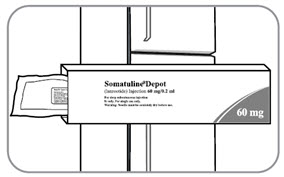
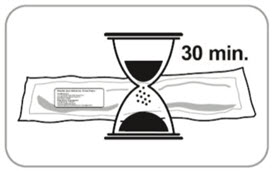
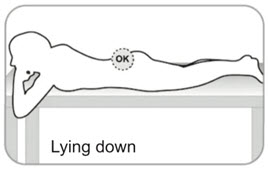
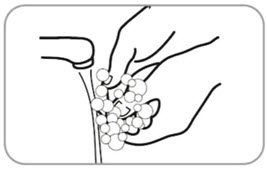
Thereafter, the dosage should be adjusted according to the response of the patient as judged by a reduction in serum GH and/or IGF-1 levels; and/or changes in symptoms of acromegaly.
Patients who are controlled on SOMATULINE DEPOT 60 or 90 mg may be considered for an extended dosing interval of SOMATULINE DEPOT 120 mg every 6 or 8 weeks. GH and IGF-1 levels should be obtained 6 weeks after this change in dosing regimen to evaluate persistence of patient response.
Continued monitoring of patient response with dosage adjustments for biochemical and clinical symptom control, as necessary, is recommended.
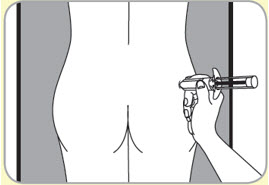
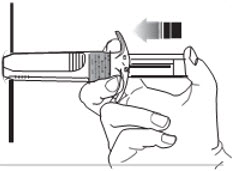
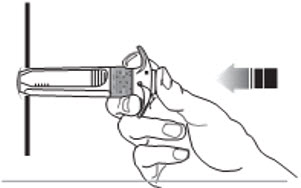
The recommended dosage of SOMATULINE DEPOT is 120 mg administered every 4 weeks by deep subcutaneous injection.
The recommended starting dosage of SOMATULINE DEPOT in acromegalic patients with moderate or severe renal impairment (creatinine clearance less than 60 mL/min) is 60 mg via the deep subcutaneous route at 4-week intervals for 3 months followed by dosage adjustment [see Dosage and Administration (2.2), Use in Specific Populations (8.6)].
The recommended starting dosage of SOMATULINE DEPOT in acromegalic patients with moderate or severe hepatic impairment (Child-Pugh Class B or C) is 60 mg via the deep subcutaneous route at 4-week intervals for 3 months followed by dosage adjustment [see Dosage and Administration (2.2), Use in Specific Populations (8.7)].
The data described below reflect exposure to SOMATULINE DEPOT in 416 acromegalic patients in seven studies. One study was a fixed-dose pharmacokinetic study. The other six studies were open-label or extension studies, one had a placebo-controlled, run-in period, and another had an active control. The population was mainly Caucasian (329/353, 93%) with a median age of 53 years of age (range 19 to 84 years). Fifty-four subjects (13%) were age 66 to 74 and 18 subjects (4.3%) were 75 years of age and older.
Patients were evenly matched for sex (205 males and 211 females). The median average monthly dose was 91.2 mg (e.g., 90 mg injected via the deep subcutaneous route every 4 weeks) over 385 days with a median cumulative dose of 1290 mg. Of the patients reporting acromegaly, severity at baseline (N=265), serum GH levels were less than 10 ng/mL for 69% (183/265) of the patients and 10 ng/mL or greater for 31% (82/265) of the patients.
The most commonly reported adverse reactions reported by greater than 5% of patients who received SOMATULINE DEPOT (N=416) in the overall pooled safety studies in acromegaly patients were gastrointestinal disorders (diarrhea, abdominal pain, nausea, constipation, flatulence, vomiting, loose stools), cholelithiasis, and injection site reactions.
Tables 1 and 2 present adverse reaction data from clinical studies with SOMATULINE DEPOT in acromegalic patients. The tables include data from a single clinical study and pooled data from seven clinical studies.
The incidence of treatment-emergent adverse reactions for SOMATULINE DEPOT 60, 90, and 120 mg by dose as reported during the first 4 months (fixed-dose phase) of Study 1 [see Clinical Studies (14.1)] are provided in Table 1.
In Study 1, the adverse reactions of diarrhea, abdominal pain, and flatulence increased in incidence with increasing dose of SOMATULINE DEPOT.
Table 2 provides the most common adverse reactions (greater than 5%) that occurred in 416 acromegalic patients treated with SOMATULINE DEPOT pooled from 7 studies compared to those patients from the 2 efficacy studies (Studies 1 and 2). Patients with elevated GH and IGF-1 levels were either naive to somatostatin analog therapy or had undergone a 3-month washout [see Clinical Studies (14.1)].
In addition to the adverse reactions listed in Table 2, the following reactions were also seen:
- Sinus bradycardia occurred in 7% (12) of patients in the pooled Study 1 and 2 and in 3% (13) of patients in the overall pooled studies.
- Hypertension occurred in 7% (11) of patients in the pooled Study 1 and 2 and in 5% (20) of patients in the overall pooled studies.
- Anemia occurred in 7% (12) of patients in the pooled Study 1 and 2 and in 3% (14) of patients in the overall pooled studies.
Gastrointestinal Adverse Reactions
In the pooled clinical studies of SOMATULINE DEPOT therapy, a variety of gastrointestinal (GI) reactions occurred, the majority of which were mild to moderate in severity. One percent of acromegalic patients treated with SOMATULINE DEPOT in the pooled clinical studies discontinued treatment because of gastrointestinal reactions.
Pancreatitis was reported in less than 1% of patients.
Gallbladder Adverse Reactions
In clinical studies involving 416 acromegalic patients treated with SOMATULINE DEPOT, cholelithiasis and gallbladder sludge were reported in 20% of the patients. Among 167 acromegalic patients treated with SOMATULINE DEPOT who underwent routine evaluation with gallbladder ultrasound, 17% had gallstones at baseline. New cholelithiasis was reported in 12% of patients. Cholelithiasis may be related to dose or duration of exposure [see Warnings and Precautions (5.1)].
Injection Site Reactions
In the pooled clinical studies, injection site pain (4%) and injection site mass (2%) were the most frequently reported local adverse drug reactions that occurred with the administration of SOMATULINE DEPOT. In a specific analysis, 20 of 413 patients (5%) presented indurations at the injection site. Injection site adverse reactions were more commonly reported soon after the start of treatment and were less commonly reported as treatment continued. Such adverse reactions were usually mild or moderate but did lead to withdrawal from clinical studies in two subjects.
Glucose Metabolism Adverse Reactions
In the clinical studies in acromegalic patients treated with SOMATULINE DEPOT, adverse reactions of dysglycemia (hypoglycemia, hyperglycemia, diabetes) were reported by 14% (47/332) of patients and were considered related to study drug in 7% (24/332) of patients [see Warnings and Precautions (5.2)].
Cardiac Adverse Reactions
In the pooled clinical studies, sinus bradycardia (3%) was the most frequently observed heart rate and rhythm disorder. All other cardiac adverse drug reactions were observed in less than 1% of patients. The relationship of these events to SOMATULINE DEPOT could not be established because many of these patients had underlying cardiac disease [see Warnings and Precautions (5.3)].
A comparative echocardiography study of lanreotide and another somatostatin analog demonstrated no difference in the development of new or worsening valvular regurgitation between the 2 treatments over 1 year. The occurrence of clinically significant mitral regurgitation (i.e., moderate or severe in intensity) or of clinically significant aortic regurgitation (i.e., at least mild in intensity) was low in both groups of patients throughout the study.
Other Adverse Reactions
For the most commonly occurring adverse reactions in the pooled analysis, diarrhea, abdominal pain, and cholelithiasis, there was no apparent trend for increasing incidence with age. GI disorders and renal and urinary disorders were more common in patients with documented hepatic impairment; however, the incidence of cholelithiasis was similar between groups.
Gastroenteropancreatic Neuroendocrine Tumors
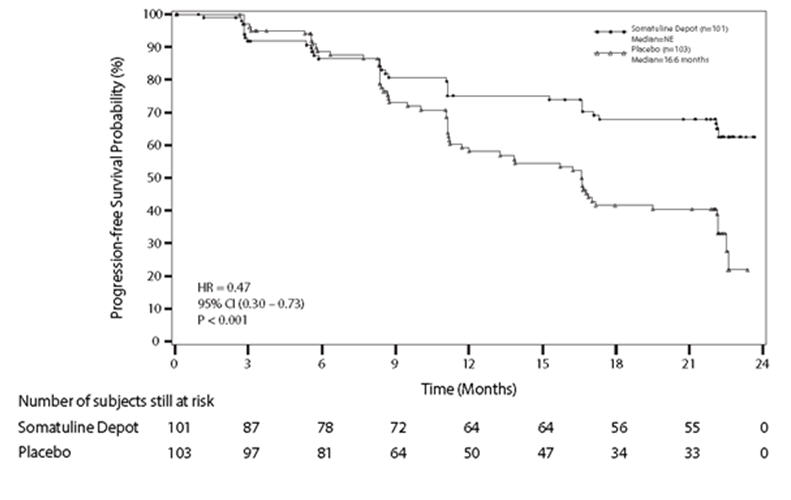
The safety of SOMATULINE DEPOT 120 mg for the treatment of patients with gastroenteropancreatic neuroendocrine tumors (GEP-NETs) was evaluated in Study 3, a double-blind, placebo-controlled trial. Patients in Study 3 were randomized to receive SOMATULINE DEPOT (N=101) or placebo (N=103) administered by deep subcutaneous injection once every 4 weeks. The data below reflect exposure to SOMATULINE DEPOT in 101 patients with GEP-NETs, including 87 patients exposed for at least 6 months and 72 patients exposed for at least 1 year (median duration of exposure 22 months). Patients treated with SOMATULINE DEPOT had a median age of 64 years (range 30 to 83 years), 53% were men and 96% were Caucasian. Eighty-one percent of patients (83/101) in the SOMATULINE DEPOT arm and 82% of patients (82/103) in the placebo arm did not have disease progression within 6 months of enrollment and had not received prior therapy for GEP-NETs. The rates of discontinuation due to treatment-emergent adverse reactions were 5% (5/101 patients) in the SOMATULINE DEPOT arm and 3% (3/103 patients) in the placebo arm.
Table 3 compares the adverse reactions reported with an incidence of 5% and greater in patients receiving SOMATULINE DEPOT 120 mg administered every 4 weeks and reported more commonly than placebo.
Table 3: Adverse Reactions Occurring in 5% and Greater of SOMATULINE DEPOT-Treated Patients and at a Higher Rate Than in Placebo-Treated Patients in Study 3| Adverse Reaction | SOMATULINE DEPOT 120 mg
N=101 | Placebo
N=103 |
|---|
| Any (%) | Severe Defined as hazardous to well-being, significant impairment of function or incapacitation (%) | Any (%) | Severe (%) |
|---|
| Any Adverse Reactions | 88 | 26 | 90 | 31 |
| Abdominal pain Includes preferred terms of abdominal pain, abdominal pain upper/lower, abdominal discomfort | 34 Includes one or more serious adverse events (SAEs) defined as any event that results in death, is life threatening, results in hospitalization or prolongation of hospitalization, results in persistent or significant disability, results in congenital anomaly/birth defect, or may jeopardize the patient and may require medical or surgical intervention to prevent one of the outcomes listed. | 6 | 24 | 4 |
| Musculoskeletal pain Includes preferred terms of myalgia, musculoskeletal discomfort, musculoskeletal pain, back pain | 19 | 2 | 13 | 2 |
| Vomiting | 19 | 2 | 9 | 2 |
| Headache | 16 | 0 | 11 | 1 |
| Injection site reaction Includes preferred terms of infusion site extravasation, injection site discomfort, injection site granuloma, injections site hematoma, injection site hemorrhage, injection site induration, injection site mass, injections site nodule, injection site pain, injection site pruritus, injection site rash, injection site reaction, injection site swelling | 15 | 0 | 7 | 0 |
| Hyperglycemia Includes preferred terms of diabetes mellitus, glucose tolerance impaired, hyperglycemia, type 2 diabetes mellitus | 14 | 0 | 5 | 0 |
| Hypertension Includes preferred terms of hypertension, hypertensive crisis | 14 | 1 | 5 | 0 |
| Cholelithiasis | 14 | 1 | 7 | 0 |
| Dizziness | 9 | 0 | 2 | 0 |
| Depression Includes preferred terms of depression, depressed mood | 7 | 0 | 1 | 0 |
| Dyspnea | 6 | 0 | 1 | 0 |
Carcinoid Syndrome
The safety of SOMATULINE DEPOT 120 mg in patients with histopathologically confirmed neuroendocrine tumors and a history of carcinoid syndrome (flushing and/or diarrhea) was evaluated in Study 4, a double-blind, placebo-controlled trial. Patients were randomized to receive SOMATULINE DEPOT (N=59) or placebo (N=56) administered by deep subcutaneous injection once every 4 weeks. Patients in both arms of Study 4 had access to subcutaneous octreotide as rescue medication for symptom control.
Adverse reactions reported in Study 4 were generally similar to those reported in Study 3 for the GEP-NETs population shown in Table 3 above. Adverse reactions occurring in Study 4 in 5% and greater of SOMATULINE DEPOT-treated patients and occurring at least 5% more than in placebo-treated patients were headache (12% vs 5%, respectively), dizziness (7% vs 0%, respectively), and muscle spasm (5% vs 0%, respectively) by week 16.
Risk Summary
Limited available data based on postmarketing case reports with SOMATULINE DEPOT use in pregnant women are not sufficient to determine a drug-associated risk of adverse developmental outcomes. In animal reproduction studies, decreased embryo/fetal survival was observed in pregnant rats and rabbits at subcutaneous doses 5- and 2-times the maximum recommended human dose (MRHD) of 120 mg, respectively (see Data).
The estimated background risk of major birth defects and miscarriage for the indicated populations is unknown. All pregnancies have a background risk of birth defect, loss, or other adverse outcomes. In the U.S. general population, the estimated background risk of major birth defects and miscarriage in clinically recognized pregnancies is 2% to 4% and 15% to 20%, respectively.
Data
Animal Data
A reproductive study in pregnant rats given 30 mg/kg of lanreotide by subcutaneous injection every 2 weeks (5 times the human dose, based on body surface area comparisons) resulted in decreased embryo/fetal survival. A study in pregnant rabbits given subcutaneous injections of 0.45 mg/kg/day (2 times the human therapeutic exposures at the maximum recommended dose of 120 mg, based on comparisons of relative body surface area) shows decreased fetal survival and increased fetal skeletal/soft tissue abnormalities.
Risk Summary
There is no information available on the presence of lanreotide in human milk, the effects of the drug on the breastfed infant, or the effects of the drug on milk production. Studies show that lanreotide acetate administered subcutaneously passes into the milk of lactating rats; however, due to specifies-specific differences in lactation physiology, animal data may not reliably predict drug levels in human milk. Because of the potential for serious adverse reactions in breastfed infants from SOMATULINE DEPOT, including effects on glucose metabolism and bradycardia, advise women not to breastfeed during treatment with SOMATULINE DEPOT and for 6 months (6 half-lives) following the last dose.
Infertility
Females
Based on results from animal studies conducted in female rats, SOMATULINE DEPOT may reduce fertility in females of reproductive potential [see Nonclinical Toxicology (13.1)].
Acromegaly
Lanreotide has been studied in patients with end-stage renal function on dialysis, but has not been studied in patients with mild, moderate, or severe renal impairment. It is recommended that patients with moderate or severe renal impairment receive a starting dose of lanreotide of 60 mg. Caution should be exercised when considering patients with moderate or severe renal impairment for an extended dosing interval of SOMATULINE DEPOT 120 mg every 6 or 8 weeks [see Dosage and Administration (2.1) and Clinical Pharmacology (12.3)].
Neuroendocrine Tumors (NET) – Gastroenteropancreatic Neuroendocrine Tumors
No effect was observed in total clearance of lanreotide in patients with mild to moderate renal impairment receiving SOMATULINE DEPOT 120 mg. Patients with severe renal impairment were not studied [see Clinical Pharmacology (12.3)].
Acromegaly
It is recommended that patients with moderate or severe hepatic impairment receive a starting dose of lanreotide of 60 mg. Caution should be exercised when considering patients with moderate or severe hepatic impairment for an extended dosing interval of SOMATULINE DEPOT 120 mg every 6 or 8 weeks [see Dosage and Administration (2.1) and Clinical Pharmacology (12.3)].
Neuroendocrine Tumors (NET) – Gastroenteropancreatic Neuroendocrine Tumors
SOMATULINE DEPOT has not been studied in patients with hepatic impairment.
Acromegaly
In a repeat-dose administration pharmacokinetics (PK) study in acromegalic patients, rapid initial release was seen giving peak levels during the first day after administration. At doses of SOMATULINE DEPOT between 60 and 120 mg, linear pharmacokinetics were observed in acromegalic patients. At steady state, mean Cmax values were 3.8 ± 0.5, 5.7 ± 1.7, and 7.7 ± 2.5 ng/mL, increasing linearly with dose. The mean accumulation ratio index was 2.7, which is in line with the range of values for the half-life of SOMATULINE DEPOT. The steady-state trough serum lanreotide concentrations in patients receiving SOMATULINE DEPOT every 28 days were 1.8 ± 0.3; 2.5 ± 0.9 and 3.8 ± 1.0 ng/mL at 60 mg, 90 mg, and 120 mg doses, respectively. A limited initial burst effect and a low peak-to-trough fluctuation (81% to 108%) of the serum concentration at the plateau were observed.
For the same doses, similar values were obtained in clinical studies after at least four administrations (2.3 ± 0.9, 3.2 ± 1.1, and 4.0 ± 1.4 ng/mL, respectively).
Pharmacokinetic data from studies evaluating extended dosing use of SOMATULINE DEPOT 120 mg demonstrated mean steady-state, Cmin values between 1.6 and 2.3 ng/mL for the 8- and 6-week treatment interval, respectively.
Gastroenteropancreatic Neuroendocrine Tumors
In patients with GEP-NETs treated with SOMATULINE DEPOT 120 mg every 4 weeks, steady state concentrations were reached after 4 to 5 injections and the mean trough serum lanreotide concentrations at steady state ranged from 5.3 to 8.6 ng/mL.
Specific Populations
SOMATULINE DEPOT has not been studied in specific populations. However, the pharmacokinetics of lanreotide in renal impaired, hepatic impaired, and geriatric subjects were evaluated after IV administration of lanreotide immediate release formulation (IRF) at 7 mcg/kg dose.
Geriatric
Studies in healthy elderly subjects showed an 85% increase in half-life and a 65% increase in mean residence time (MRT) of lanreotide compared to those seen in healthy young subjects; however, there was no change in either AUC or Cmax of lanreotide in elderly as compared to healthy young subjects. Age has no effect on clearance of lanreotide based on population PK analysis in patients with GEP-NET which included 122 patients aged 65 to 85 years with neuroendocrine tumors.
Renal Impairment
An approximate 2-fold decrease in total serum clearance of lanreotide, with a consequent 2-fold increase in half-life and AUC was observed. Patients with acromegaly and with moderate to severe renal impairment should begin treatment with SOMATULINE DEPOT 60 mg. Caution should be exercised when considering patients with moderate or severe renal impairment for an extended dosing interval of SOMATULINE DEPOT 120 mg every 6 or 8 weeks.
Mild (CLcr 60-89 mL/min) or moderate (CLcr 30-59 mL/min) renal impairment has no effect on clearance of lanreotide in patients with GEP-NET based on population PK analysis which included 106 patients with mild and 59 patients with moderate renal impairment treated with SOMATULINE DEPOT. GEP-NET patients with severe renal impairment (CLcr < 30 mL/min) were not studied.
Hepatic Impairment
In subjects with moderate to severe hepatic impairment, a 30% reduction in clearance of lanreotide was observed. Patients with acromegaly and with moderate to severe hepatic impairment should begin treatment with SOMATULINE DEPOT 60 mg. Caution should be exercised when considering patients with moderate or severe hepatic impairment for an extended dosing interval of SOMATULINE DEPOT 120 mg every 6 or 8 weeks.
The effect of hepatic impairment on clearance of lanreotide has not been studied in patients with GEP-NET.
Study 1
This 1-year study included a 4-week, double-blind, placebo-controlled phase; a 16-week single-blind, fixed-dose phase; and a 32-week, open-label, dose-titration phase. Patients with active acromegaly, based on biochemical tests and medical history, entered a 12-week washout period if there was previous treatment with a somatostatin analog or a dopaminergic agonist.
Upon entry, patients were randomly allocated to receive a single, deep subcutaneous injection of SOMATULINE DEPOT 60, 90, or 120 mg or placebo. Four weeks later, patients entered a fixed-dose phase where they received 4 injections of SOMATULINE DEPOT followed by a dose-titration phase of 8 injections for a total of 13 injections over 52 weeks (including the placebo phase). Injections were given at 4-week intervals. During the dose-titration phase of the study, the dose was titrated twice (every fourth injection), as needed, according to individual GH and IGF-1 levels.
A total of 108 patients (51 males, 57 females) were enrolled in the initial placebo-controlled phase of the study. Half (54/108) of the patients had never been treated with a somatostatin analog or dopamine agonist, or had stopped treatment for at least 3 months prior to their participation in the study and were required to have a mean GH level greater than 5 ng/mL at their first visit. The other half of the patients had received prior treatment with a somatostatin analog or a dopamine agonist before study entry and at study entry were required to have a mean GH concentration greater than 3 ng/mL and at least a 100% increase in mean GH concentration after washout of medication.
One hundred and seven (107) patients completed the placebo-controlled phase, 105 patients completed the fixed-dose phase, and 99 patients completed the dose-titration phase. Patients not completing withdrew due to adverse events (5) or lack of efficacy (4).
In the double-blind phase of Study 1, a total of 52 (63%) of the 83 lanreotide-treated patients had a greater than 50% decrease in mean GH from baseline to Week 4, including 52%, 44%, and 90% of patients in the 60, 90, and 120 mg groups, respectively, compared to placebo (0%, 0/25). In the fixed-dose phase at Week 16, 72% of all 107 lanreotide-treated patients had a decrease from baseline in mean GH of greater than 50%, including 68% (23/34), 64% (23/36), and 84% (31/37) of patients in the 60, 90, and 120 mg lanreotide treatment groups, respectively. Efficacy achieved in the first 16 weeks was maintained for the duration of the study (see Table 4).
Table 4: Overall Efficacy Results Based on GH and IGF-1 Levels by Treatment Phase in Study 1 | Baseline | Before Titration 1 | Before Titration 2 | Last Value Available Last Observation Carried Forward |
|---|
| N=107 | (16 weeks)
N=107 | (32 weeks)
N=105 | N=107 |
|---|
| GH |
| ≤5.0 ng/mL | Number of Responders (%) | 20
(19%) | 72
(67%) | 76
(72%) | 74
(69%) |
| ≤2.5 ng/mL | Number of Responders (%) | 0
(0%) | 52
(49%) | 59
(56%) | 55
(51%) |
| ≤1.0 ng/mL | Number of Responders (%) | 0
(0%) | 15
(14%) | 18
(17%) | 17
(16%) |
| Median GH | ng/mL | 10.27 | 2.53 | 2.20 | 2.43 |
| GH Reduction | Median % Reduction | -- | 75.5 | 78.2 | 75.5 |
| IGF-1 |
| Normal Age-adjusted | Number of Responders (%) | 9
(8%) | 58
(54%) | 57
(54%) | 62
(58%) |
| Median IGF-1 | ng/mL | 775.0 | 332.0 n=105, | 316.5 n=102, | 326.0 |
| IGF-1 Reduction | Median % Reduction | -- | 52.3 | 54.5 | 55.4 |
| IGF-1 Normal + GH ≤2.5 ng/mL | Number of Responders (%) | 0
(0%) | 41
(38%) | 46
(44%) | 44
(41%) |
Study 2
This was a 48-week, open-label, uncontrolled, multicenter study that enrolled patients who had an IGF-1 concentration 1.3 times or greater than the upper limit of the normal age-adjusted range. Patients receiving treatment with a somatostatin analog (other than SOMATULINE DEPOT) or a dopaminergic agonist had to attain this IGF-1 concentration after a washout period of up to 3 months.
Patients were initially enrolled in a 4-month, fixed-dose phase where they received 4 deep subcutaneous injections of SOMATULINE DEPOT 90 mg, at 4-week intervals. Patients then entered a dose-titration phase where the dose of SOMATULINE DEPOT was adjusted based on GH and IGF-1 levels at the beginning of the dose-titration phase and, if necessary, again after another 4 injections. Patients titrated up to the maximum dose (120 mg) were not allowed to titrate down again.
A total of 63 patients (38 males, 25 females) entered the fixed-dose phase of the trial and 57 patients completed 48 weeks of treatment. Six patients withdrew due to adverse reactions (3), other reasons (2), or lack of efficacy (1).
After 48 weeks of treatment with SOMATULINE DEPOT at 4-week intervals, 43% (27/63) of the acromegalic patients in this study achieved normal age-adjusted IGF-1 concentrations. Mean IGF-1 concentrations after treatment completion were 1.3 ± 0.7 times the upper limit of normal compared to 2.5 ± 1.1 times the upper limit of normal at baseline.
The reduction in IGF-1 concentrations over time correlated with a corresponding marked decrease in mean GH concentrations. The proportion of patients with mean GH concentrations less than 2.5 ng/mL increased significantly from 35% to 77% after the fixed-dose phase and 85% at the end of the study. At the end of treatment, 24/63 (38%) of patients had both normal IGF-1 concentrations and a GH concentration of less than or equal to 2.5 ng/mL (see Table 5) and 17/63 patients (27%) had both normal IGF-1 concentrations and a GH concentration of less than 1 ng/mL.
Table 5: Overall Efficacy Results Based on GH and IGF-1 Levels by Treatment Phase in Study 2 | Baseline | Before Titration 1 (12 wks) | Before Titration 2 (28 wks) | Last Value Available Last Observation Carried Forward |
|---|
| N=63 | N=63 | N=59 | N=63 |
|---|
| IGF-1 |
| Normal Age-adjusted, | Number of Responders (%) | 0
(0%) | 17
(27%) | 22
(37%) | 27
(43%) |
| Median IGF-1 | ng/mL | 689.0 | 382.0 | 334.0 | 317.0 |
| IGF-1 Reduction | Median % Reduction | -- | 41.0 | 51.0 | 50.3 |
| GH |
| ≤5.0 ng/mL | Number of Responders (%) | 40
(64%) | 59
(94%) | 57
(97%) | 62
(98%) |
| ≤2.5 ng/mL | Number of Responders (%) | 21
(33%) | 47
(75%) | 47
(80%) | 54
(86 %) |
| ≤1.0 ng/mL | Number of Responders (%) | 8
(13%) | 19
(30%) | 18
(31%) | 28
(44%) |
| Median GH | ng/Ml | 3.71 | 1.65 | 1.48 | 1.13 |
| GH Reduction | Median % Reduction | -- | 63.2 | 66.7 | 78.6 N= 62, |
| IGF-1 normal + GH ≤2.5 ng/mL | Number of Responders (%) | 0
(0%) | 14
(22%) | 20
(34%) | 24
(38%) |
Examination of age and gender subgroups did not identify differences in response to SOMATULINE DEPOT among these subgroups. The limited number of patients in the different racial subgroups did not raise any concerns regarding efficacy of SOMATULINE DEPOT in these subgroups.
Hypersensitivity Reactions
Advise patients to immediately contact their healthcare provider if they experience serious hypersensitivity reactions, such as angioedema or anaphylaxis [see Contraindications (4)].
Cholelithiasis and Gallbladder Sludge
Advise patients to contact their healthcare provider if they experience signs or symptoms of gallstones [see Warnings and Precautions (5.1)].
Hyperglycemia and Hypoglycemia
Advise patients to immediately contact their healthcare provider if they experience signs or symptoms of hyper- or hypoglycemia [see Warnings and Precautions (5.2)].
Cardiovascular Abnormalities
Advise patients to immediately contact their healthcare provider if they experience bradycardia [see Warnings and Precautions (5.3)].
Thyroid Function Abnormalities
Advise patients to contact their healthcare provider if they experience signs or symptoms of hypothyroidism [see Warnings and Precautions (5.4)].
Laboratory Tests
Advise patients with acromegaly that response to SOMATULINE DEPOT should be monitored by periodic measurements of GH and IGF-1 levels, with a goal of decreasing these levels to the normal range [see Dosage and Administration (2.2)].
Lactation
Advise women not to breastfeed during treatment with SOMATULINE DEPOT and for 6 months after the last dose [see Use in Specific Populations (8.2)].
Infertility
Advise females of reproductive potential of the potential for reduced fertility from SOMATULINE DEPOT [see Use in Specific Populations (8.3)].
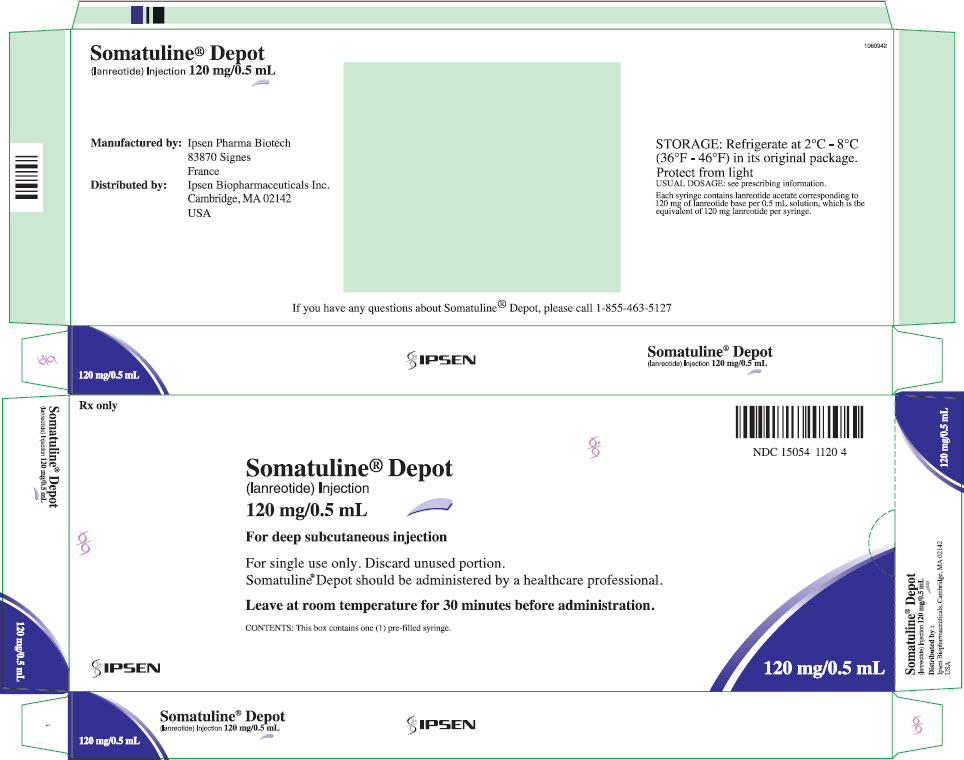
Manufactured by:
Ipsen Pharma Biotech
83870 Signes, France
Distributed by:
Ipsen Biopharmaceuticals, Inc.
Basking Ridge, NJ 07920 USA