Information for Patients
Patients should be informed of the following
information before initiating therapy with an NSAID and periodically during the
course of ongoing therapy. Patients should also be encouraged to read the NSAID
Medication Guide that accompanies each prescription dispensed.
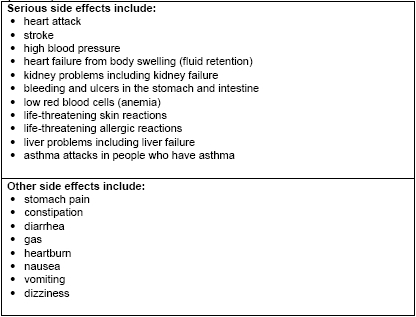
1. Diclofenac potassium immediate-release tablets, like other NSAIDs, may
cause serious CV side effects, such as MI or stroke, which may result in
hospitalization and even death. Although serious CV events can occur without
warning symptoms, patients should be alert for the signs and symptoms of chest
pain, shortness of breath, weakness, slurring of speech, and should ask for
medical advice when observing any indicative sign or symptoms. Patients should
be apprised of the importance of this follow-up (see WARNINGS, CARDIOVASCULAR
EFFECTS).
2. Diclofenac potassium immediate-release tablets, like other NSAIDs, can
cause GI discomfort and, rarely, more serious GI side effects, such as ulcers
and bleeding, which may result in hospitalization and even death. Although
serious GI tract ulcerations and bleeding can occur without warning symptoms,
patients should be alert for the signs and symptoms of ulcerations and bleeding,
and should ask for medical advice when observing any indicative sign or symptoms
including epigastric pain, dyspepsia, melena, and hematemesis. Patients should
be apprised of the importance of this follow-up (see WARNINGS, Gastrointestinal
Effects: Risk of Ulceration, Bleeding, and Perforation).
3. Diclofenac potassium immediate-release tablets, like other NSAIDs, can
cause serious skin side effects such as exfoliative dermatitis, SJS, and TEN,
which may result in hospitalizations and even death. Although serious skin
reactions may occur without warning, patients should be alert for the signs and
symptoms of skin rash and blisters, fever, or other signs of hypersensitivity
such as itching, and should ask for medical advice when observing any indicative
signs or symptoms. Patients should be advised to stop the drug immediately if
they develop any type of rash and contact their physicians as soon as possible.
4. Patients should promptly report signs or symptoms of unexplained weight
gain or edema to their physicians.
5. Patients should be informed of the warning signs and symptoms of
hepatotoxicity (e.g., nausea, fatigue, lethargy, pruritus, jaundice, right upper
quadrant tenderness, and “flu-like” symptoms). If these occur, patients should
be instructed to stop therapy and seek immediate medical therapy.
6. Patients should be informed of the signs of an anaphylactoid reaction
(e.g., difficulty breathing, swelling of the face or throat). If these occur,
patients should be instructed to seek immediate emergency help (see WARNINGS).
7. In late pregnancy, as with other NSAIDs, diclofenac potassium
immediate-release tablets should be avoided because it may cause premature
closure of the ductus arteriosus.
Laboratory Tests Because serious GI tract ulcerations and bleeding can occur
without warning symptoms, physicians should monitor for signs or symptoms of GI
bleeding. In patients on long-term treatment with NSAIDs, including diclofenac
potassium immediate-release tablets, the CBC and a chemistry profile (including
transaminase levels) should be checked periodically. If clinical signs and
symptoms consistent with liver or renal disease develop, systemic manifestations
occur (e.g., eosinophilia, rash, etc.) or if abnormal liver tests persist or
worsen, diclofenac potassium immediate-release tablets should be
discontinued.
Drug Interactions Aspirin:When diclofenac potassium immediate-release tablets are
administered with aspirin, its protein binding is reduced. The clinical
significance of this interaction is not known; however, as with other NSAIDs,
concomitant administration of diclofenac and aspirin is not generally
recommended because of the potential of increased adverse effects.
Methotrexate:
NSAIDs have been reported to competitively inhibit methotrexate
accumulation in rabbit kidney slices. This may indicate that they could enhance
the toxicity of methotrexate. Caution should be used when NSAIDs are
administered concomitantly with methotrexate.
Cyclosporine:
Diclofenac potassium immediate-release tablets, like other
NSAIDs, may affect renal prostaglandins and increase the toxicity of certain
drugs. Therefore, concomitant therapy with diclofenac potassium
immediate-release tablets may increase cyclosporine’s nephrotoxicity. Caution
should be used when diclofenac potassium immediate-release tablets are
administered concomitantly with cyclosporine.
ACE- inhibitors:
Reports suggest that NSAIDs may diminish the antihypertensive
effect of ACE inhibitors. This interaction should be given consideration in
patients taking NSAIDs concomitantly with ACE inhibitors.
Diuretics:Clinical studies, as well as post-marketing observations, have
shown that diclofenac can reduce the natriuretic effect of furosemide and
thiazides in some patients. This response has been attributed to inhibition of
renal prostaglandin synthesis. During concomitant therapy with NSAIDs, the
patient should be observed closely for signs of renal failure (see PRECAUTIONS –
Renal Effects), as well as to assure diuretic efficacy.
Lithium:NSAIDs have produced an elevation of plasma lithium levels and a
reduction in renal lithium clearance. The mean minimum lithium concentration
increased 15% and the renal clearance was decreased by approximately 20%. These
effects have been attributed to inhibition of renal prostaglandin synthesis by
the NSAID. Thus, when NSAIDs and lithium are administered concurrently, subjects
should be observed carefully for signs of lithium toxicity.
Warfarin:The effects of warfarin and NSAIDs on GI bleeding are
synergistic, such that users of both drugs together have a risk of serious GI
bleeding higher than users of either drug alone.
PregnancyTeratogenic Effects:
Pregnancy Category C
Reproductive studies conducted in rats and rabbits have not
demonstrated evidence of developmental abnormalities. However, animal
reproduction studies are not always predictive of human response. There are no
adequate and well-controlled studies in pregnant women. Diclofenac potassium
immediate-release tablets should be used in pregnancy only if the potential
benefit justifies the potential risk to the fetus.
Nonteratogenic
Effects:
Because of the known effects of nonsteroidal anti-inflammatory
drugs on the fetal cardiovascular system (closure of ductus arteriosus), use
during pregnancy (particularly late pregnancy) should be avoided.
Labor and Delivery In rat studies with NSAIDs, as with other drugs known to inhibit
prostaglandin synthesis, an increased incidence of dystocia, delayed
parturition, and decreased pup survival occurred. The effects of diclofenac on
labor and delivery in pregnant women are unknown.
Nursing Mothers It is not known whether this drug is excreted in human milk.
Because many drugs are excreted in human milk and because of the potential for
serious adverse reactions in nursing infants from diclofenac potassium
immediate-release tablets, a decision should be made whether to discontinue
nursing or to discontinue the drug, taking into account the importance of the
drug to the mother.
Pediatric Use Safety and effectiveness in pediatric patients have not been
established.
Geriatric Use As with any NSAIDs, caution should be exercised in treating the
elderly (65 years and older).