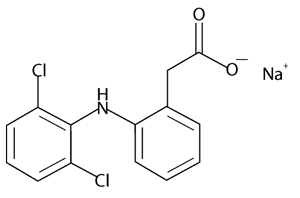
Borderline elevations (less than 3 times the upper limit of the normal [ULN] range) or greater elevations of transaminases occurred in about 15% of oral diclofenac-treated patients in clinical trials of indications other than acute pain. Of the markers of hepatic function, ALT (SGPT) is recommended for the monitoring of liver injury.
In clinical trials of an oral diclofenac-misoprostol combination product, meaningful elevations (i.e., more than 3 times the ULN) of AST (SGOT) occurred in about 2% of approximately 5,700 patients at some time during diclofenac treatment (ALT was not measured in all studies).
In an open-label, controlled trial of 3,700 patients treated for 2 to 6 months, patients with oral diclofenac were monitored first at 8 weeks and 1,200 patients were monitored again at 24 weeks. Meaningful elevations of ALT and/or AST occurred in about 4% of the 3,700 patients and included marked elevations (>8 times the ULN) in about 1% of the 3,700 patients. In this open-label study, a higher incidence of borderline (less than 3 times the ULN), moderate (3 to 8 times the ULN), and marked (>8 times the ULN) elevations of ALT or AST was observed in patients receiving diclofenac when compared to other NSAIDs. Elevations in transaminases were seen more frequently in patients with osteoarthritis than in those with rheumatoid arthritis. Almost all meaningful elevations in transaminases were detected before patients became symptomatic.
Abnormal tests occurred during the first 2 months of therapy with oral diclofenac in 42 of the 51 patients in all trials who developed marked transaminase elevations. In postmarketing reports, cases of drug-induced hepatotoxicity have been reported in the first month, and in some cases, the first 2 months of NSAID therapy.
Postmarketing surveillance has reported cases of severe hepatic reactions, including liver necrosis, jaundice, fulminant hepatitis with and without jaundice, and liver failure. Some of these reported cases resulted in fatalities or liver transplantation.
In a European retrospective population-based, case-controlled study, 10 cases of oral diclofenac associated drug-induced liver injury with current use compared with non-use of diclofenac were associated with a statistically significant 4-fold adjusted odds ratio of liver injury. In this particular study, based on an overall number of 10 cases of liver injury associated with diclofenac, the adjusted odds ratio increased further with female gender, doses of 150 mg or more, and duration of use for more then 90 days.
Measure transaminases (ALT and AST) periodically in patients receiving long-term therapy with diclofenac, because severe hepatotoxicity may develop without a prodrome of distinguishing symptoms. The optimum times for making the first and subsequent transaminase measurements are not known. Based on clinical trial data and postmarketing experiences, monitor transaminases within 4 to 8 weeks after initiating treatment with diclofenac. However, severe hepatic reactions can occur at any time during treatment with diclofenac. If abnormal liver tests persist or worsen, if clinical signs and/or symptoms consistent with liver disease develop, or if systemic manifestations occur (e.g., eosinophilia, rash, abdominal pain, diarrhea, dark urine, etc.), discontinue PENNSAID immediately.
To minimize the possibility that hepatic injury will become severe between transaminase measurements, inform patients of the warning signs and symptoms of hepatotoxicity (e.g., nausea, fatigue, lethargy, diarrhea, pruritus, jaundice, right upper quadrant tenderness, and "flulike" symptoms), and the appropriate action to take if these signs and symptoms appear.
To minimize the potential risk for an adverse liver-related event in patients treated with PENNSAID, use the lowest effective dose for the shortest duration possible. Exercise caution when prescribing PENNSAID with concomitant drugs that are known to be potentially hepatotoxic (e.g., acetaminophen, certain antibiotics, antiepileptics). Caution patients to avoid taking unprescribed acetaminophen while using PENNSAID.