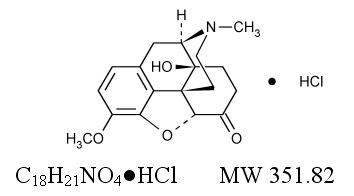
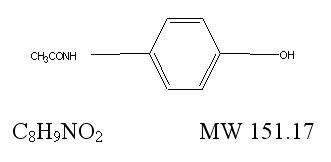
GeneralOpioid analgesics should be used with caution when combined with
CNS depressant drugs, and should be reserved for cases where the benefits of
opioid analgesia outweigh the known risks of respiratory depression, altered
mental state, and postural hypotension.
Acute Abdominal Conditions
The administration of ENDOCET (Oxycodone and
Acetaminophen Tablets, USP) or other opioids may obscure the diagnosis or
clinical course in patients with acute abdominal conditions.
ENDOCET tablets should be given with caution to patients with CNS depression,
elderly or debilitated patients, patients with severe impairment of hepatic,
pulmonary, or renal function, hypothyroidism, Addison's disease, prostatic
hypertrophy, urethral stricture, acute alcoholism, delirium tremens,
kyphoscoliosis with respiratory depression, myxedema, and toxic psychosis.
ENDOCET tablets may obscure the diagnosis or clinical course in patients with
acute abdominal conditions. Oxycodone may aggravate convulsions in patients with
convulsive disorders, and all opioids may induce or aggravate seizures in some
clinical settings.
Following administration of ENDOCET tablets, anaphylactic reactions have been
reported in patients with a known hypersensitivity to codeine, a compound with a
structure similar to morphine and oxycodone. The frequency of this possible
cross-sensitivity is unknown.
Interactions with Other CNS DepressantsPatients receiving other opioid analgesics, general anesthetics,
phenothiazines, other tranquilizers, centrally-acting anti-emetics,
sedative-hypnotics or other CNS depressants (including alcohol) concomitantly
with ENDOCET tablets may exhibit an additive CNS depression. When such combined
therapy is contemplated, the dose of one or both agents should be reduced.
Interactions with Mixed Agonist/Antagonist Opioid
AnalgesicsAgonist/antagonist analgesics (i.e., pentazocine, nalbuphine, and
butorphanol) should be administered with caution to a patient who has received
or is receiving a course of therapy with a pure opioid agonist analgesic such as
oxycodone. In this situation, mixed agonist/antagonist analgesics may reduce the
analgesic effect of oxycodone and/or may precipitate withdrawal symptoms in
these patients.
Ambulatory Surgery and Postoperative UseOxycodone and other morphine-like opioids have been shown to
decrease bowel motility. Ileus is a common postoperative complication,
especially after intra-abdominal surgery with use of opioid analgesia. Caution
should be taken to monitor for decreased bowel motility in postoperative
patients receiving opioids. Standard supportive therapy should be
implemented.
Use in Pancreatic/Biliary Tract DiseaseOxycodone may cause spasm of the Sphincter of Oddi and should be
used with caution in patients with biliary tract disease, including acute
pancreatitis. Opioids like oxycodone may cause increases in the serum amylase
level.
Tolerance and Physical DependenceTolerance is the need for increasing doses of opioids to maintain
a defined effect such as analgesia (in the absence of disease progression or
other external factors). Physical dependence is manifested by withdrawal
symptoms after abrupt discontinuation of a drug or upon administration of an
antagonist. Physical dependence and tolerance are not unusual during chronic
opioid therapy.
The opioid abstinence or withdrawal syndrome is characterized by some or all
of the following: restlessness, lacrimation, rhinorrhea, yawning, perspiration,
chills, myalgia, and mydriasis. Other symptoms also may develop, including:
irritability, anxiety, backache, joint pain, weakness, abdominal cramps,
insomnia, nausea, anorexia, vomiting, diarrhea, or increased blood pressure,
respiratory rate, or heart rate.
In general, opioids should not be abruptly discontinued (see DOSAGE AND ADMINISTRATION: Cessation of
Therapy).
Information for Patients/CaregiversThe following information should be provided
to patients receiving ENDOCET tablets by their physician, nurse, pharmacist, or
caregiver:
- Patients should be aware that ENDOCET tablets contain oxycodone, which is a
morphine-like substance.
- Patients should be instructed to keep ENDOCET tablets in a secure place out
of the reach of children. In the case of accidental ingestions, emergency
medical care should be sought immediately.
- When ENDOCET tablets are no longer needed, the unused tablets should be
destroyed by flushing down the toilet.
- Patients should be advised not to adjust the medication dose themselves.
Instead, they must consult with their prescribing physician.
- Patients should be advised that ENDOCET tablets may impair mental and/or
physical ability required for the performance of potentially hazardous tasks
(e.g., driving, operating heavy machinery).
- Patients should not combine ENDOCET tablets with alcohol, opioid analgesics,
tranquilizers, sedatives, or other CNS depressants unless under the
recommendation and guidance of a physician. When co-administered with another
CNS depressant, ENDOCET tablets can cause dangerous additive central nervous
system or respiratory depression, which can result in serious injury or death.
- The safe use of ENDOCET tablets during pregnancy has not been established;
thus, women who are planning to become pregnant or are pregnant should consult
with their physician before taking ENDOCET tablets.
- Nursing mothers should consult with their physicians about whether to
discontinue nursing or discontinue ENDOCET tablets because of the potential for
serious adverse reactions to nursing infants.
- Patients who are treated with ENDOCET tablets for more than a few weeks
should be advised not to abruptly discontinue the medication. Patients should
consult with their physician for a gradual discontinuation dose schedule to
taper off the medication.
- Patients should be advised that ENDOCET tablets are a potential drug of
abuse. They should protect it from theft, and it should never be given to anyone
other than the individual for whom it was prescribed.
Laboratory TestsAlthough oxycodone may cross-react with some drug urine tests, no
available studies were found which determined the duration of detectability of
oxycodone in urine drug screens. However, based on pharmacokinetic data, the
approximate duration of detectability for a single dose of oxycodone is roughly
estimated to be one to two days following drug exposure.
Urine testing for opiates may be performed to determine illicit drug use and
for medical reasons such as evaluation of patients with altered states of
consciousness or monitoring efficacy of drug rehabilitation efforts. The
preliminary identification of opiates in urine involves the use of an
immunoassay screening and thin-layer chromatography (TLC). Gas
chromatography/mass spectrometry (GC/MS) may be utilized as a third-stage
identification step in the medical investigational sequence for opiate testing
after immunoassay and TLC. The identities of 6-keto opiates (e.g., oxycodone)
can further be differentiated by the analysis of their methoxime-trimethylsilyl
(MO-TMS) derivative.
Drug/Drug Interactions with OxycodoneOpioid analgesics may enhance the neuromuscular-blocking action
of skeletal muscle relaxants and produce an increase in the degree of
respiratory depression.
Patients receiving CNS depressants such as other opioid analgesics, general
anesthetics, phenothiazines, other tranquilizers, centrally-acting anti-emetics,
sedative-hypnotics or other CNS depressants (including alcohol) concomitantly
with ENDOCET tablets may exhibit an additive CNS depression. When such combined
therapy is contemplated, the dose of one or both agents should be reduced. The
concurrent use of anticholinergics with opioids may produce paralytic ileus.
Agonist/antagonist analgesics (i.e., pentazocine, nalbuphine, naltrexone, and
butorphanol) should be administered with caution to a patient who has received
or is receiving a pure opioid agonist such as oxycodone. These
agonist/antagonist analgesics may reduce the analgesic effect of oxycodone or
may precipitate withdrawal symptoms.
Drug/Drug Interactions with AcetaminophenAlcohol, ethyl: Hepatotoxicity has occurred in chronic alcoholics
following various dose levels (moderate to excessive) of acetaminophen.
Anticholinergics: The onset of acetaminophen effect may be delayed or
decreased slightly, but the ultimate pharmacological effect is not significantly
affected by anticholinergics.
Oral Contraceptives: Increase in glucuronidation resulting in increased
plasma clearance and a decreased half-life of acetaminophen.
Charcoal (activated): Reduces acetaminophen absorption when administered as
soon as possible after overdose.
Beta Blockers (Propanolol): Propanolol appears to inhibit the enzyme systems
responsible for the glucuronidation and oxidation of acetaminophen. Therefore,
the pharmacologic effects of acetaminophen may be increased.
Loop diuretics: The effects of the loop diuretic may be decreased because
acetaminophen may decrease renal prostaglandin excretion and decrease plasma
renin activity.
Lamotrigine: Serum lamotrigine concentrations may be reduced, producing a
decrease in therapeutic effects.
Probenecid: Probenecid may increase the therapeutic effectiveness of
acetaminophen slightly.
Zidovudine: The pharmacologic effects of zidovudine may be decreased because
of enhanced non-hepatic or renal clearance of zidovudine.
Drug/Laboratory Test InteractionsDepending on the sensitivity/specificity and the test
methodology, the individual components of ENDOCET (Oxycodone and Acetaminophen
Tablets, USP) may cross-react with assays used in the preliminary detection of
cocaine (primary urinary metabolite, benzoylecgonine) or marijuana
(cannabinoids) in human urine. A more specific alternate chemical method must be
used in order to obtain a confirmed analytical result. The preferred
confirmatory method is gas chromatography/mass spectrometry (GC/MS). Moreover,
clinical considerations and professional judgment should be applied to any
drug-of-abuse test result, particularly when preliminary positive results are
used.
Acetaminophen may interfere with home blood glucose measurement systems;
decreases of >20% in mean glucose values may be noted. This effect appears to
be drug, concentration and system dependent.
Carcinogenesis, Mutagenesis, Impairment of
FertilityCarcinogenesis
Animal studies to evaluate the carcinogenic
potential of oxycodone and acetaminophen have not been performed.
Mutagenesis
The combination of oxycodone and acetaminophen has not been
evaluated for mutagenicity. Oxycodone alone was negative in a bacterial reverse
mutation assay (Ames), an in vitro chromosome
aberration assay with human lymphocytes without metabolic activation and an
in vivo mouse micronucleus assay. Oxycodone was
clastogenic in the human lymphocyte chromosomal assay in the presence of
metabolic activation and in the mouse lymphoma assay with or without metabolic
activation.
Fertility
Animal studies to evaluate the effects of oxycodone on fertility
have not been performed.
PregnancyTeratogenic Effects
Pregnancy Category
C
Animal reproductive studies have not been conducted with ENDOCET.
It is also not known whether ENDOCET can cause fetal harm when administered to a
pregnant woman or can affect reproductive capacity. ENDOCET should not be given
to a pregnant woman unless in the judgment of the physician, the potential
benefits outweigh the possible hazards
Nonteratogenic Effects
Opioids can cross the placental barrier and have
the potential to cause neonatal respiratory depression. Opioid use during
pregnancy may result in a physically drug-dependent fetus. After birth, the
neonate may suffer severe withdrawal symptoms.
Labor and DeliveryENDOCET tablets are not recommended for use in women during and
immediately prior to labor and delivery due to its potential effects on
respiratory function in the newborn.
Nursing MothersOrdinarily, nursing should not be undertaken while a patient is
receiving ENDOCET tablets because of the possibility of sedation and/or
respiratory depression in the infant. Oxycodone is excreted in breast milk in
low concentrations, and there have been rare reports of somnolence and lethargy
in babies of nursing mothers taking an oxycodone/acetaminophen product.
Acetaminophen is also excreted in breast milk in low concentrations.
Pediatric UseSafety and effectiveness in pediatric patients have not been
established.
Geriatric UseSpecial precaution should be given when determining the dosing
amount and frequency of ENDOCET tablets for geriatric patients, since clearance
of oxycodone may be slightly reduced in this patient population when compared to
younger patients.
Hepatic ImpairmentIn a pharmacokinetic study of oxycodone in patients with
end-stage liver disease, oxycodone plasma clearance decreased and the
elimination half-life increased. Care should be exercised when oxycodone is used
in patients with hepatic impairment.
Renal ImpairmentIn a study of patients with end stage renal impairment, mean
elimination half-life was prolonged in uremic patients due to increased volume
of distribution and reduced clearance. Oxycodone should be used with caution in
patients with renal impairment.