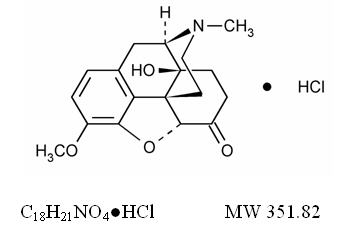
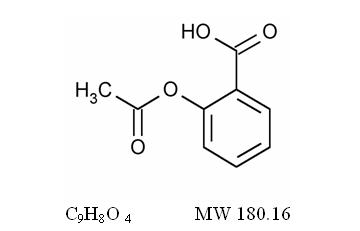
Serious adverse reactions that may be associated with ENDODAN
tablet use include respiratory depression, apnea, respiratory arrest,
circulatory depression, hypotension, and shock (see OVERDOSAGE).
The most frequently observed non-serious adverse reactions include
lightheadedness, dizziness, drowsiness or sedation, nausea, and vomiting. These
effects seem to be more prominent in ambulatory than in nonambulatory patients,
and some of these adverse reactions may be alleviated if the patient lies down.
Other adverse reactions include euphoria, dysphoria, constipation and
pruritus.
Aspirin may increase the likelihood of hemorrhage due to its effect on the
gastric mucosa and platelet function. Furthermore, aspirin has the potential to
cause anaphylaxis in hypersensitive patients as well as angioedema especially in
patients with chronic urticaria. Other adverse reactions due to aspirin use
include anorexia, reversible hepatotoxicity, leukopenia, thrombocytopenia,
purpura, decreased plasma iron concentration, and shortened erythrocyte survival
time.
Other adverse reactions obtained from postmarketing experiences with ENDODAN
tablets are listed by organ system and in decreasing order of severity and/or
frequency as follows:
Body as a Whole
allergic reaction, malaise, asthenia, headache, anaphylaxis, fever,
hypothermia, thirst, increased sweating, accident, accidental overdose,
non-accidental overdose.
Cardiovascular
tachycardia, dysrhythmias, hypotension, orthostatic hypotension, bradycardia,
palpitations
Central and Peripheral Nervous System
stupor, paresthesia, agitation, cerebral edema, coma, confusion, dizziness,
headache, subdural or intracranial hemorrhage, lethargy, seizures, anxiety,
mental impairment
Fluid and Electrolyte
dehydration, hyperkalemia, metabolic acidosis, respiratory alkalosis
Gastrointestinal
hemorrhagic gastric/duodenal ulcer, gastric/peptic ulcer, dyspepsia,
abdominal pain, diarrhea, eructation, dry mouth, gastrointestinal bleeding,
intestinal perforation, nausea, vomiting, transient elevations of hepatic
enzymes, hepatitis, Reye syndrome, pancreatitis, intestinal obstruction,
ileus
Hearing and Vestibular
hearing loss, tinnitus. Patients with high frequency loss may have difficulty
perceiving tinnitus. In these patients, tinnitus cannot be used as a clinical
indicator of salicylism.
Hematologic
unspecified hemorrhage, purpura, reticulocytosis, prolongation of prothrombin
time, disseminated intravascular coagulation, ecchymosis, thrombocytopenia.
Hypersensitivity
acute anaphylaxis, angioedema, asthma, bronchospasm, laryngeal edema,
urticaria, anaphylactoid reaction
Metabolic and Nutritional
hypoglycemia, hyperglycemia, acidosis, alkalosis
Musculoskeletal
rhabdomyolysis
Ocular
miosis, visual disturbances, red eye.
Psychiatric
drug dependence, drug abuse, somnolence, depression, nervousness,
hallucination
Reproductive
prolonged pregnancy and labor, stillbirths, lower birth weight infants,
antepartum and postpartum bleeding, closure of patent ductus arteriosis
Respiratory System
bronchospasm, dyspnea, hyperpnea, pulmonary edema, tachypnea, aspiration,
hypoventilation, laryngeal edema
Skin and Appendages
urticaria, rash, flushing
Urogenital
interstitial nephritis, papillary necrosis, proteinuria, renal insufficiency
and failure, urinary retention