Etonogestrel And Ethinyl Estradiol Vaginal Ring
Product Images NDC 16714-029

View Photos of Packaging, Regulatory Labels, and Product Appearance

Product Visual Gallery

This gallery contains 11 technical images submitted to the FDA as part of the official labeling for Etonogestrel And Ethinyl Estradiol Vaginal Ring (NDC 16714-029). Unlike standard consumer photos, these assets often include clinical data figures, molecular chemical structures, and official manufacturer packaging layouts.

As provided by Northstar Rx Llc, these visuals offer a comprehensive scientific overview of the product's physical and chemical identity, aiding pharmacists and researchers in product verification and study.

FDA Label Image

Carton (Eto Ee Ring Carton Label)
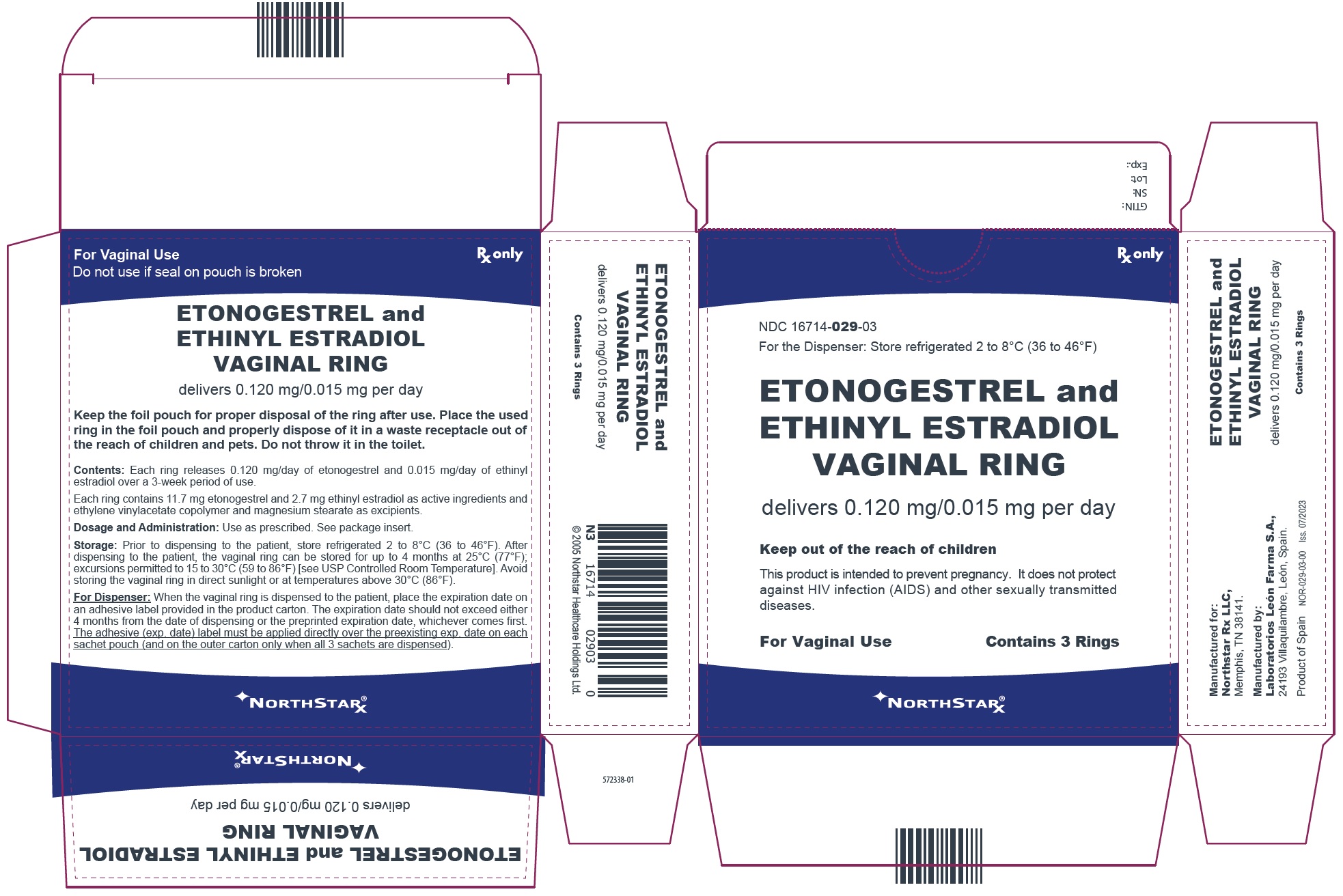
Carton (Eto Ee Ring Carton Label)
Packaging label for Etonogestrel and Ethinyl Estradiol Vaginal Ring, a human prescription drug by Northstar Rx LLC. The label states the ring delivers 0.120 mg etonogestrel and 0.015 mg ethinyl estradiol per day. It is for vaginal use, contains 3 rings, and includes storage instructions to keep refrigerated. The label emphasizes proper disposal and keeping out of the reach of children.*
FDA Label Image

Structure (Eto Ee Ring Chemical Structure)

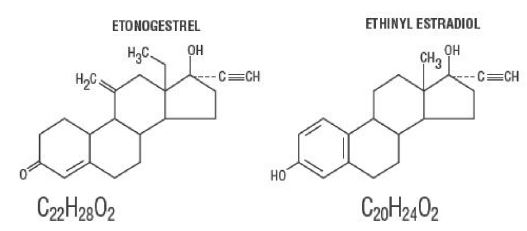
Structure (Eto Ee Ring Chemical Structure)
Chemical structures of Etonogestrel and Ethinyl Estradiol, the active ingredients in the Etonogestrel and Ethinyl Estradiol Vaginal Ring. The image shows molecular diagrams and molecular formulas for both compounds.*
FDA Label Image

Image Description (Eto Ee Ring Figure 1)

Image Description (Eto Ee Ring Figure 1)
A horizontal bar chart illustrating the number of women with a blood clot out of 10,000 woman-years across four categories: Non-CHC User Non-Pregnant, CHC User, Pregnancy, and Postpartum (12 weeks only). The chart shows ranges for each category, increasing from 1-5 for Non-CHC Users to 40-65 for Postpartum women.*
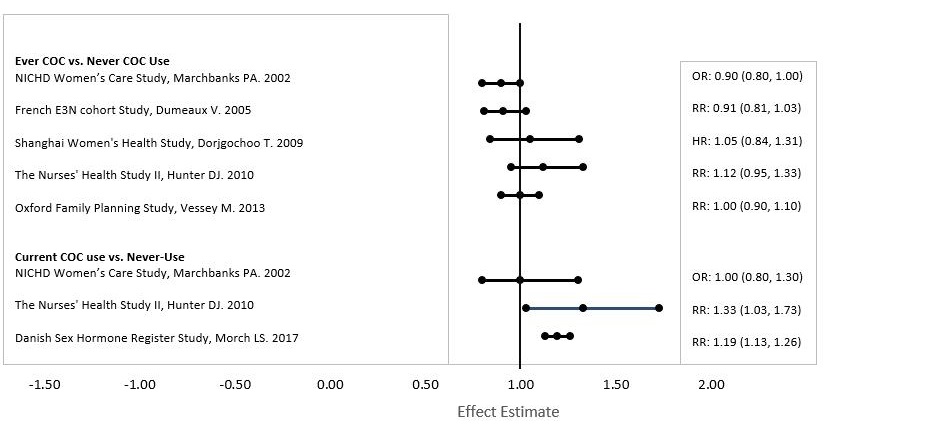
FDA Label Image

Enilloring-chart (Eto Ee Ring Figure 2)

Enilloring-chart (Eto Ee Ring Figure 2)
A forest plot illustrating effect estimates from multiple studies comparing combined oral contraceptive (COC) use versus never use, including measures like odds ratios (OR), relative risks (RR), and hazard ratios (HR) with confidence intervals. The horizontal axis represents the effect estimate ranging from -1.50 to 2.00, with several studies listed on the vertical axis.*
FDA Label Image

Image Description (Eto Ee Ring Figure 3)

Image Description (Eto Ee Ring Figure 3)
A line graph depicting blood concentration levels of Etonogestrel and Ethinyl Estradiol (EE) over 21 days following insertion of the Etonogestrel and Ethinyl Estradiol Vaginal Ring. The vertical axis on the left shows Etonogestrel levels in pg/mL, while the right axis displays Ethinyl Estradiol (EE) levels in pg/mL. Etonogestrel levels rise sharply initially and then plateau, while EE levels remain relatively steady over time.*
FDA Label Image

Fig-1b (Eto Ee Ring Figure 4)

Fig-1b (Eto Ee Ring Figure 4)
An infographic illustrating pregnancy rates per 100 women in one year based on birth control methods. It categorizes methods by effectiveness from fewer than 1 pregnancy with implants, injections, intrauterine devices, and sterilization to 85 or more pregnancies with no birth control. Intermediate methods include birth control pills, skin patch, vaginal ring with hormones, condoms, diaphragm, abstinence during fertile days, spermicide, and withdrawal.*
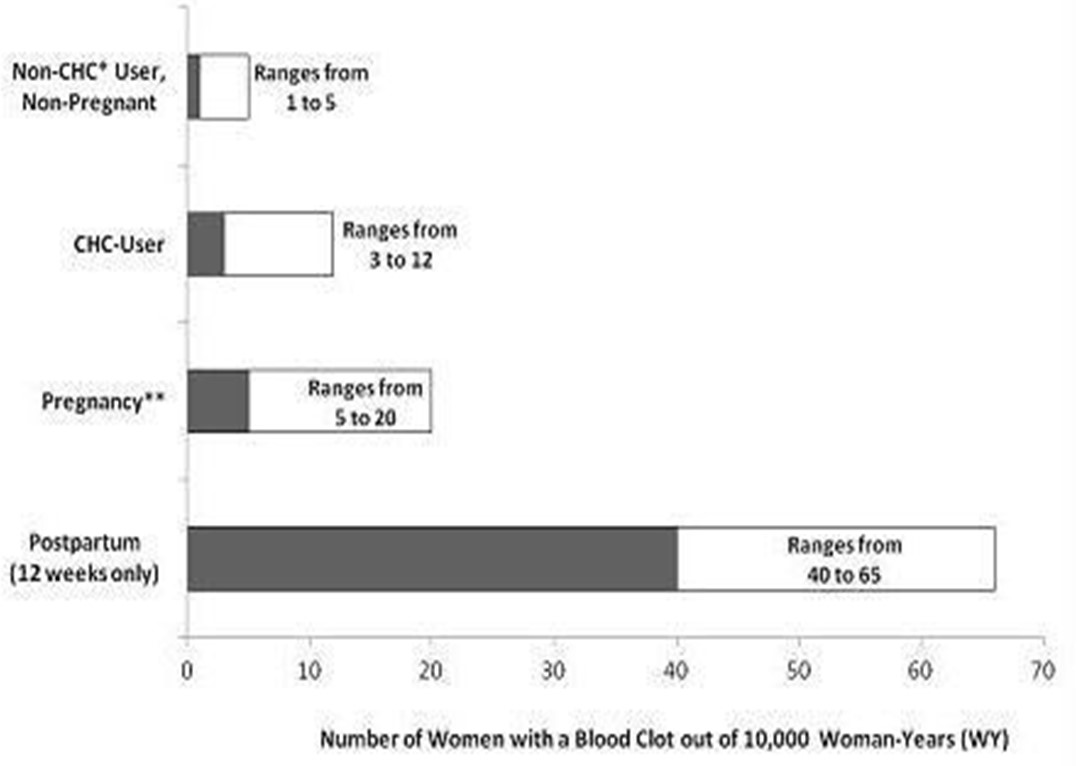
FDA Label Image

Eto-ee-ring-barchart-2 (Eto Ee Ring Figure 5)

Eto-ee-ring-barchart-2 (Eto Ee Ring Figure 5)
A horizontal bar chart showing the number of women with a blood clot out of 10,000 woman-years (WY) for four groups: Non-CHC user/non-pregnant (range 1 to 5), CHC user (range 3 to 12), pregnant (range 5 to 20), and postpartum (12 weeks only) with the highest range of 40 to 65. The chart illustrates varying blood clot risk levels among these groups.*
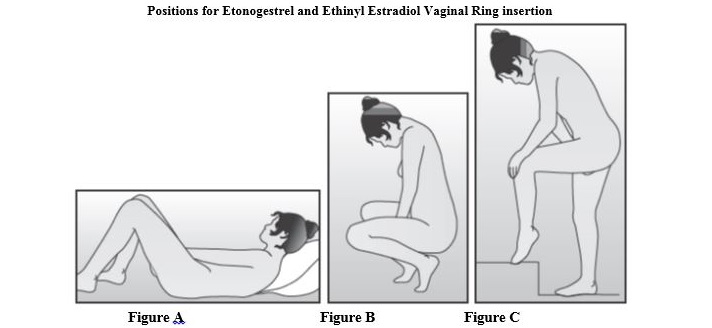
FDA Label Image

Positions For Ring Insertion (Eto Ee Ring Figure 6)

Positions For Ring Insertion (Eto Ee Ring Figure 6)
An instructional illustration showing three different positions for insertion of the Etonogestrel and Ethinyl Estradiol Vaginal Ring. Figure A depicts a woman lying down with knees bent, Figure B shows a woman squatting, and Figure C illustrates a woman standing with one foot elevated on a step.*
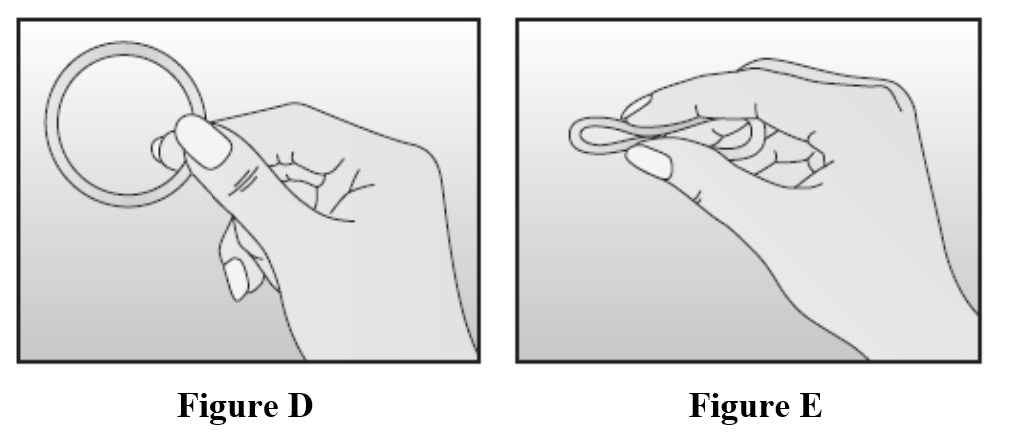
FDA Label Image

Figure D And Figure E (Eto Ee Ring Figure 7)

Figure D And Figure E (Eto Ee Ring Figure 7)
An instructional illustration showing two steps for handling the Etonogestrel and Ethinyl Estradiol Vaginal Ring. Figure D depicts a hand holding the vaginal ring between the thumb and index finger. Figure E shows the hand folding the ring, preparing for insertion.*
FDA Label Image

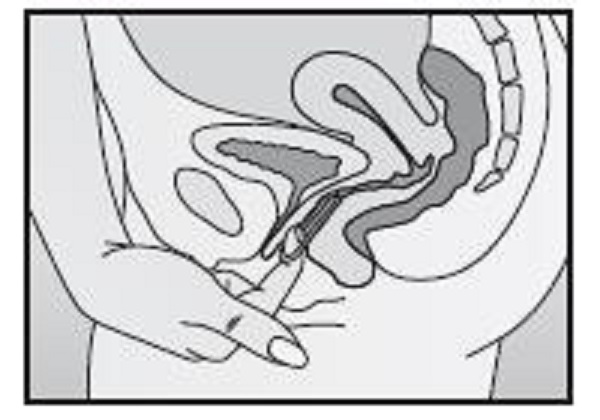
Ring Removal (Eto Ee Ring Figure 8)

Ring Removal (Eto Ee Ring Figure 8)
An instructional diagram showing the anatomy of the female pelvic region and depicting the correct insertion of a vaginal ring. The image illustrates a hand placing the vaginal ring inside the vaginal canal toward the cervix.*
FDA Label Image

Ring Insertion (Eto Ee Ring Figure 9)

Ring Insertion (Eto Ee Ring Figure 9)
An anatomical illustration showing the female reproductive organs labeled as uterus and vagina, with depiction of the Etonogestrel and Ethinyl Estradiol Vaginal Ring. Additional sequential diagrams (Figures G, H, I) demonstrate the proper placement or positioning of the vaginal ring within the vaginal canal relative to the uterus.*

* About these descriptions: Image descriptions on this page are generated by automated AI analysis of the product label images from the manufacturer's FDA label submission (SPL). They are provided for reference only and may contain errors or omissions. Always rely on the printed label itself and the official FDA labeling, and consult a pharmacist or healthcare professional with any questions about this product.