Larin 1.5/30 Kit
Product Images NDC 16714-407
View Photos of Packaging, Regulatory Labels, and Product Appearance
Product Visual Gallery
This gallery contains 12 technical images submitted to the FDA as part of the official labeling for Larin 1.5/30 (NDC 16714-407). Unlike standard consumer photos, these assets often include clinical data figures, molecular chemical structures, and official manufacturer packaging layouts.
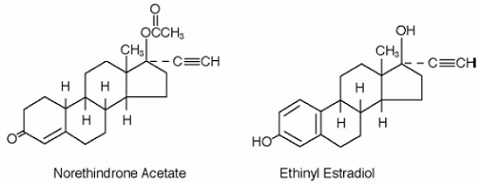
As provided by Northstar Rx Llc, these visuals offer a comprehensive scientific overview of the product's physical and chemical identity, aiding pharmacists and researchers in product verification and study.
2 (Image 02)
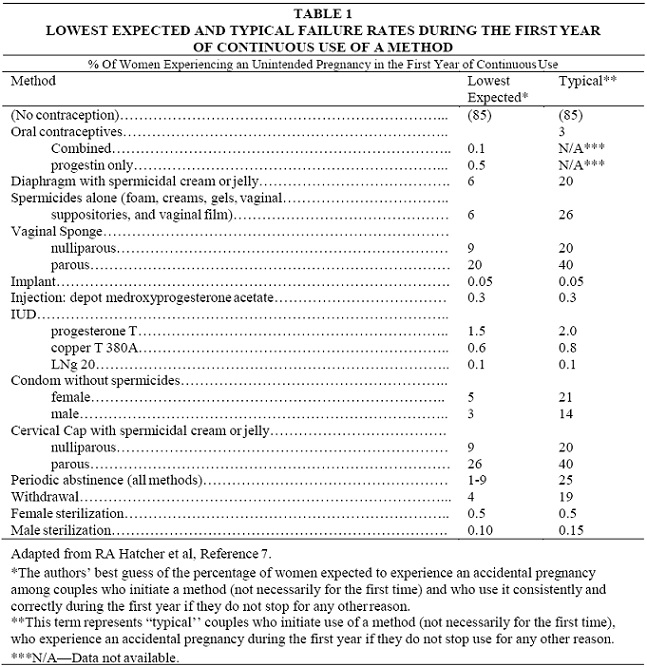
This is a table showing the lowest and typical expected failure rates of different contraceptive methods during the first year of continuous use among women. The failure rates range from 0.05% to 26%. The table also includes periodic abstinence and withdrawal as contraceptive methods. The data is adapted from RA Hatcher et al, Reference 7.*
3 (Image 03)
Cigarette smoking can increase the risk of severe cardiovascular related adverse effects that may occur due to oral contraceptive use. This risk escalates with age and heavy smoking (15 or more cigarettes per day) and is considerably evident in women above the age of 35 years. Hence, women who are under oral contraceptive medication are advised not to smoke.*
4 (Image 04)
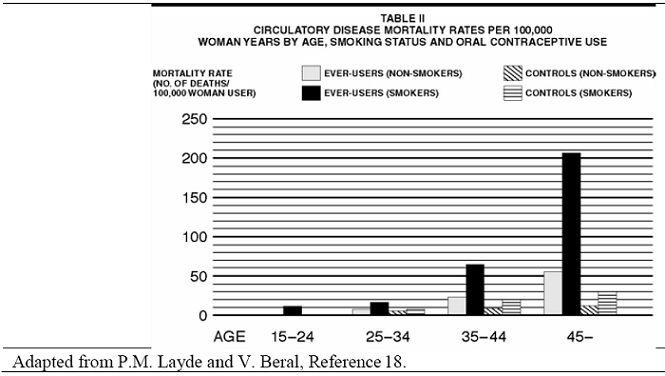
The text describes a table showing mortality rates per 100,000 women by age, smoking status, and oral contraceptive use for circulatory disease. The table is divided into mortality rates for smokers and non-smokers. The data is displayed in columns with categories for age ranges. The source of the table is P.M. Layde and V. Beral reference 18.*
5 (Image 05)
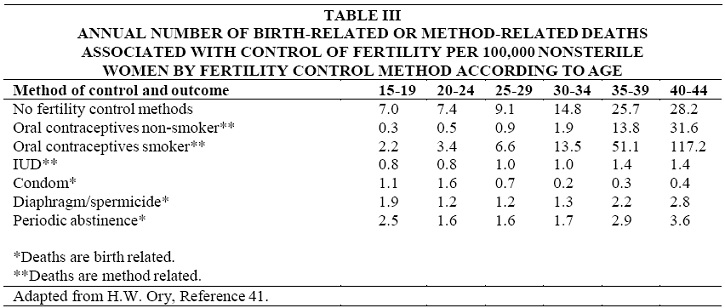
This table shows the annual number of birth-related or method-related deaths associated with control of fertility per 100,000 nonsterile women by fertility control method according to age. The table includes data for women in the age groups of 15-19, 20-24, 25-29, 30-34, and 40-44. The methods of control and outcomes considered are no fertility control methods, oral contraceptives for non-smokers and smokers, intrauterine devices (IUDs), condoms, diaphragms/spermicides, and periodic abstinence. The deaths are either birth-related or method-related. The data presented in this table were adapted from a reference by H.W. Ory.*
6 (Image 06)
7 (Image 07)
8 (Image 08)
Cigarette smoking can lead to severe cardiovascular complications when combined with oral contraceptive use. The risk is greater in older women and those who smoke 15 or more cigarettes daily. Women over 35 years of age are particularly vulnerable to this risk. It is highly recommended that women who take oral contraceptives should not smoke.*
9 (Image 09)
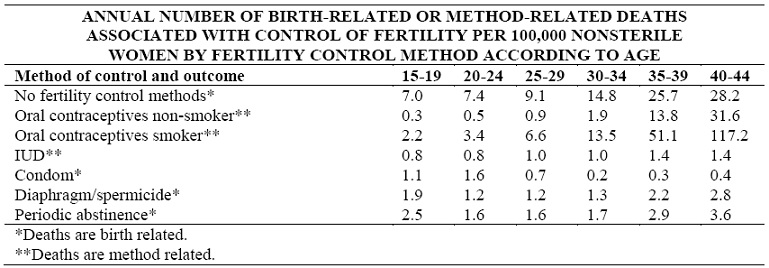
The given text provides the annual number of birth-related or method-related deaths associated with the control of fertility per 100,000 nonsterile women by fertility control method according to age. It includes data about various contraceptive methods such as no fertility control methods, oral contraceptives for non-smokers and smokers, TUD, condoms, diaphragms/spermicides, and periodic abstinence. It shows the outcome in different age groups from 15-19 to 40-44. The deaths mentioned as "birth-related" and "method-related".*
10 (Image 10)
11 (Image 11)
12 (Image 12)
* These product label images have been analyzed using experimental machine learning. Please verify findings with the primary label text.