Other
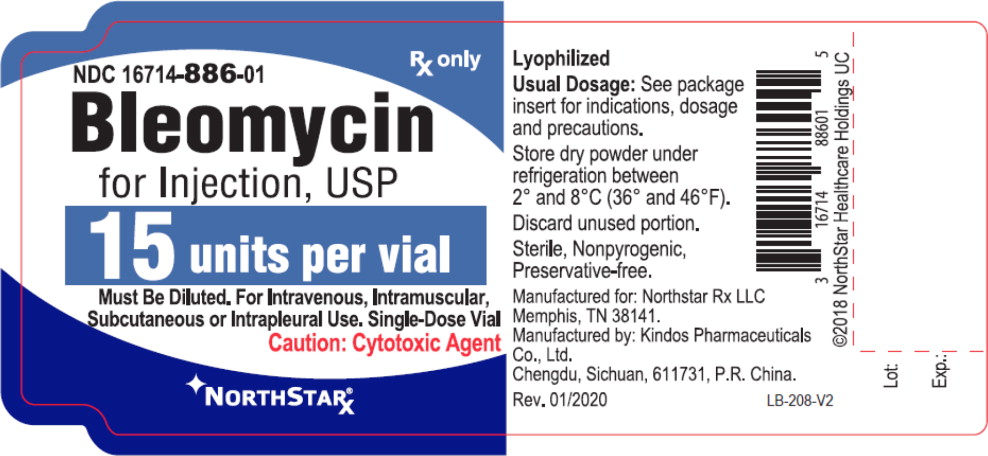
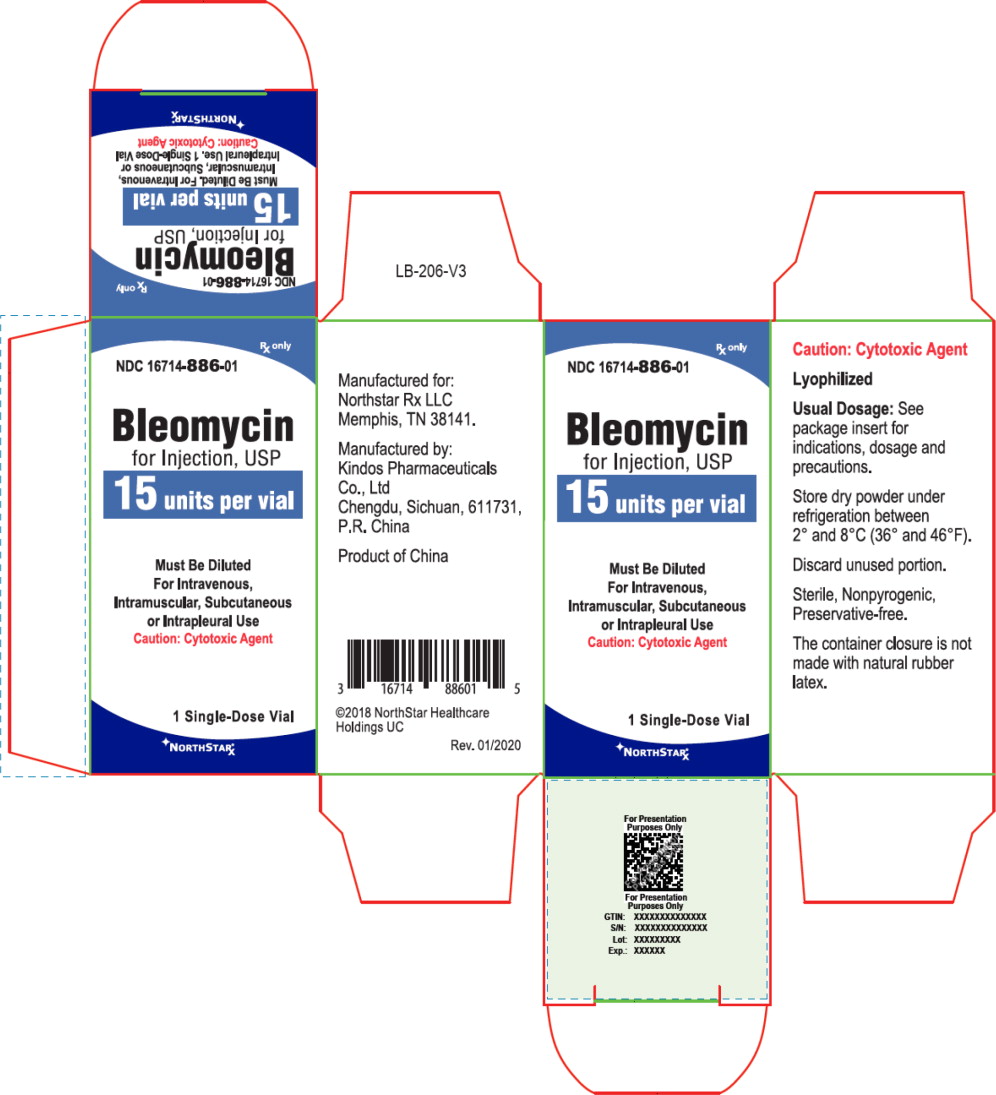
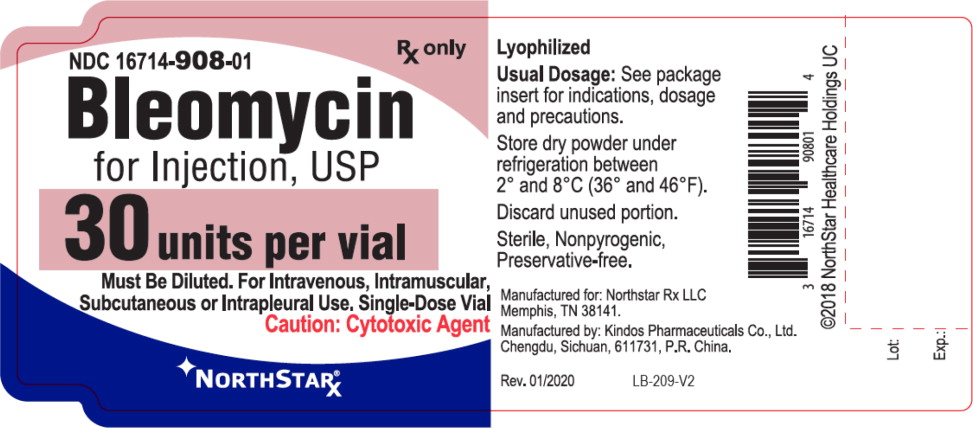
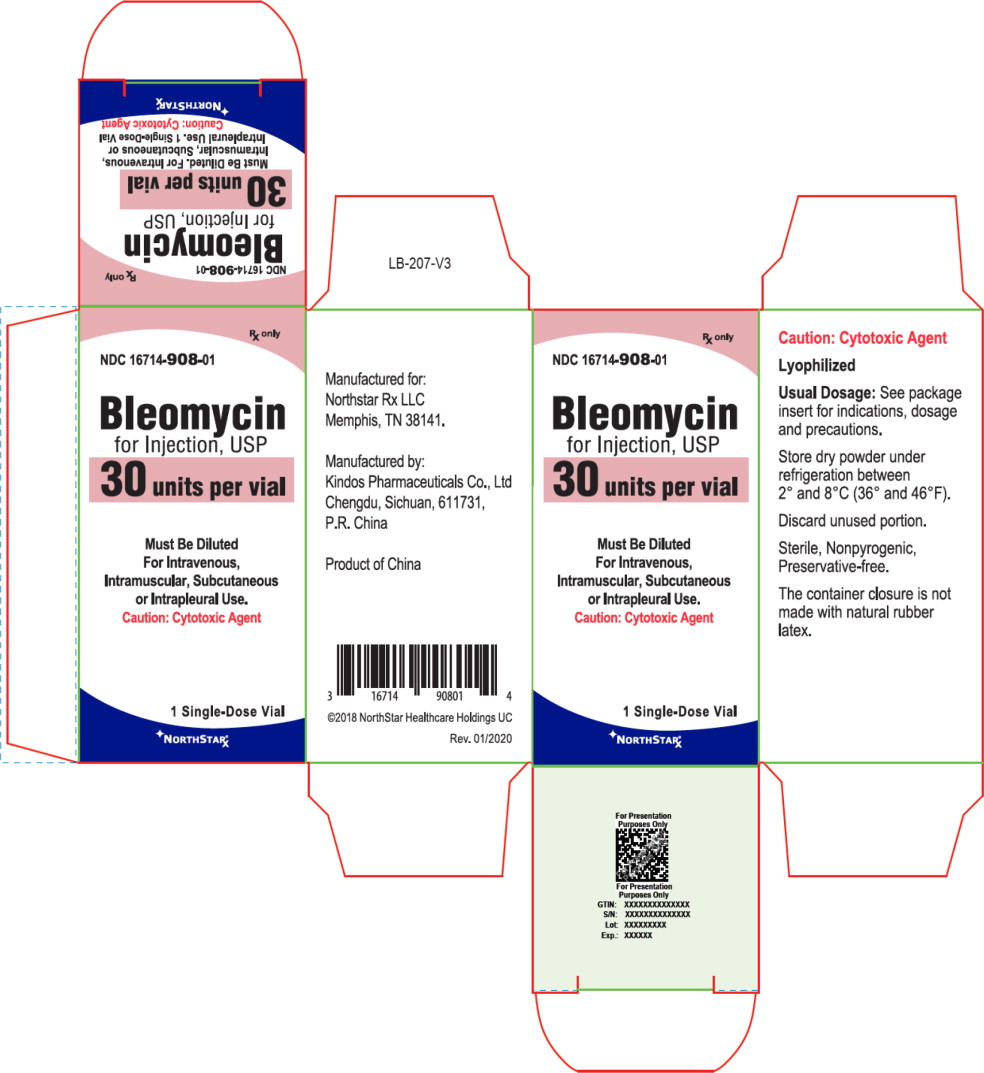
Rx only
Vascular toxicities coincident with the use of bleomycin in combination with other antineoplastic agents have been reported. The events are clinically heterogeneous and may include myocardial infarction, cerebrovascular accident, thrombotic microangiopathy (HUS), or cerebral arteritis. Various mechanisms have been proposed for these vascular complications. There are also reports of Raynaud's phenomenon occurring in patients treated with bleomycin in combination with vinblastine with or without cisplatin or, in a few cases, with bleomycin as a single agent. It is currently unknown if the cause of Raynaud's phenomenon in these cases is the disease, underlying vascular compromise, bleomycin, vinblastine, hypomagnesemia, or a combination of any of these factors.
Fever, chills, and vomiting have been reported. Anorexia and weight loss have been reported and may persist long after termination of this medication. Pain at tumor site, phlebitis, and other local reactions have been reported.
Malaise has been reported.
To report SUSPECTED ADVERSE REACTIONS, contact NorthStar Healthcare at 1-800-206-7821 or FDA at 1-800-FDA-1088 or www.fda.gov/medwatch.
Squamous cell carcinoma, non-Hodgkin's lymphoma, testicular carcinoma – 0.25 to 0.5 units/kg (10 to 20 units/m2) given intravenously, intramuscularly, or subcutaneously weekly or twice weekly.
Hodgkin's Disease – 0.25 to 0.5 units/kg (10 to 20 units/m2) given intravenously, intramuscularly, or subcutaneously weekly or twice weekly. After a 50% response, a maintenance dose of 1 unit daily or 5 units weekly intravenously or intramuscularly should be given.
Pulmonary toxicity of bleomycin for injection appears to be dose-related with a striking increase when the total dose is over 400 units. Total doses over 400 units should be given with great caution.
Note: When bleomycin for injection is used in combination with other antineoplastic agents,
pulmonary toxicities may occur at lower doses.
Improvement of Hodgkin's disease and testicular tumors is prompt and noted within 2 weeks. If no improvement is seen by this time, improvement is unlikely. Squamous cell cancers respond more slowly, sometimes requiring as long as 3 weeks before any improvement is noted.
Malignant Pleural Effusion – 60 units administered as a single dose bolus intrapleural injection (see ADMINISTRATION: Intrapleural).