Dose adjustment is recommended in moderate (creatinine clearance: 30 to <50 mL/min) and severe renal impairment (creatinine clearance <30 mL/min) patients. The recommended starting dose is 20 mg per day. The dose in these patients should not exceed 80 mg per day
[see Use in Specific Populations (
8.6)]
.
Concomitant Use with CYP3A4 Inhibitors
Lurasidone hydrochloride should not be used concomitantly with a strong CYP3A4 inhibitor (e.g., ketoconazole, clarithromycin, ritonavir, voriconazole, mibefradil, etc.)
[see Contraindications (
4)]
.
If lurasidone hydrochloride is being prescribed and a moderate CYP3A4 inhibitor (e.g. diltiazem, atazanavir, erythromycin, fluconazole, verapamil etc.) is added to the therapy, the lurasidone hydrochloride dose should be reduced to half of the original dose level. Similarly, if a moderate CYP3A4 inhibitor is being prescribed and lurasidone hydrochloride is added to the therapy, the recommended starting dose of lurasidone hydrochloride is 20 mg per day, and the maximum recommended dose of lurasidone hydrochloride is 80 mg per day
[see Contraindications (
4), Drug Interactions (
7.1)]
.
Grapefruit and grapefruit juice should be avoided in patients taking lurasidone hydrochloride, since these may inhibit CYP3A4 and alter lurasidone hydrochloride concentrations [
see Drug Interactions (
7.1)
].
Concomitant Use with CYP3A4 Inducers
Lurasidone hydrochloride should not be used concomitantly with a strong CYP3A4 inducer (e.g., rifampin, avasimibe, St. John's wort, phenytoin, carbamazepine, etc.)
[see Contraindications (
4); Drug Interactions (
7.1)]
. If lurasidone hydrochloride is used concomitantly with a moderate CYP3A4 inducer, it may be necessary to increase the lurasidone hydrochloride dose after chronic treatment (7 days or more) with the CYP3A4 inducer.
Hyperglycemia and Diabetes Mellitus
Hyperglycemia, in some cases extreme and associated with ketoacidosis or hyperosmolar coma or death, has been reported in patients treated with atypical antipsychotics. Assessment of the relationship between atypical antipsychotic use and glucose abnormalities is complicated by the possibility of an increased background risk of diabetes mellitus in patients with schizophrenia and the increasing incidence of diabetes mellitus in the general population. Given these confounders, the relationship between atypical antipsychotic use and hyperglycemia-related adverse events is not completely understood. However, epidemiological studies suggest an increased risk of hyperglycemia-related adverse events in patients treated with the atypical antipsychotics.
Patients with an established diagnosis of diabetes mellitus who are started on atypical antipsychotics should be monitored regularly for worsening of glucose control. Patients with risk factors for diabetes mellitus (e.g., obesity, family history of diabetes) who are starting treatment with atypical antipsychotics should undergo fasting blood glucose testing at the beginning of treatment and periodically during treatment. Any patient treated with atypical antipsychotics should be monitored for symptoms of hyperglycemia including polydipsia, polyuria, polyphagia, and weakness. Patients who develop symptoms of hyperglycemia during treatment with atypical antipsychotics should undergo fasting blood glucose testing. In some cases, hyperglycemia has resolved when the atypical antipsychotic was discontinued; however, some patients required continuation of anti-diabetic treatment despite discontinuation of the suspect drug.
Schizophrenia
Adults
Pooled data from short-term, placebo-controlled schizophrenia studies are presented in
Table 3.
Table 3: Change in Fasting Glucose in Adult Schizophrenia Studies
| | | Lurasidone hydrochloride | | |
|---|
| Placebo | 20 mg/day | 40 mg/day | 80 mg/day | 120 mg/day | 160 mg/day |
|---|
| Mean Change from Baseline (mg/dL) |
|---|
| n=680
| n=71
| n=478
| n=508
| n=283
| n=113
|
|---|
| Serum Glucose
| -0.0
| -0.6
| +2.6
| -0.4
| +2.5
| + 2.5
|
| Proportion of Patients with Shifts to ≥ 126 mg/dL |
Serum Glucose
(≥ 126 mg/dL)
| 8.3%
(52/628)
| 11.7%
(7/60)
| 12.7%
( 57/449)
| 6.8%
(32/472)
| 10.0%
(26/260)
| 5.6%
(6/108)
|
In the uncontrolled, longer-term schizophrenia studies (primarily open-label extension studies), lurasidone hydrochloride was associated with a mean change in glucose of +1.8 mg/dL at week 24 (n=355), +0.8 mg/dL at week 36 (n=299) and +2.3 mg/dL at week 52 (n=307).
Adolescents
In studies of adolescents and adults with schizophrenia, changes in fasting glucose were similar. In the short-term, placebo-controlled study of adolescents, fasting serum glucose mean values were -1.3 mg/dL for placebo (n=95), +0.1 mg/dL for 40mg/day (n=90), and +1.8 mg/dL for 80mg/day (n=92).
Bipolar Depression
Adults
Monotherapy
Data from the adult short-term, flexible-dose, placebo-controlled monotherapy bipolar depression study are presented in
Table 4.
Table 4: Change in Fasting Glucose in the Adult Monotherapy Bipolar Depression Study
| | Lurasidone hydrochloride |
|---|
| Placebo | 20 to 60 mg/day | 80 to 120 mg/day |
|---|
| Mean Change from Baseline (mg/dL) |
|---|
|
| n=148 | n=140 | n=143 |
| Serum Glucose
| +1.8
| -0.8
| +1.8
|
| Proportion of Patients with Shifts to ≥ 126 mg/dL |
Serum Glucose
(≥ 126 mg/dL)
| 4.3%
(6/141)
| 2.2%
(3/138)
| 6.4%
(9/141)
|
In the uncontrolled, open-label, longer-term bipolar depression study, patients who received lurasidone hydrochloride as monotherapy in the short-term study and continued in the longer-term study, had a mean change in glucose of +1.2 mg/dL at week 24 (n=129).
Adjunctive Therapy with Lithium or Valproate
Data from the adult short-term, flexible-dosed, placebo-controlled adjunctive therapy bipolar depression studies are presented in
Table 5.
Table 5: Change in Fasting Glucose in the Adult Adjunctive Therapy Bipolar Depression Studies
| | Lurasidone hydrochloride |
|---|
| Placebo | 20 to 120 mg/day |
|---|
| Mean Change from Baseline (mg/dL) |
|---|
|
| n=302 | n=319 |
| Serum Glucose
| -0.9
| +1.2
|
| Proportion of Patients with Shifts to ≥ 126 mg/dL |
Serum Glucose
(≥ 126 mg/dL)
| 1.0%
(3/290)
| 1.3%
(4/316)
|
In the uncontrolled, open-label, longer-term bipolar depression study, patients who received lurasidone hydrochloride as adjunctive therapy with either lithium or valproate in the short-term study and continued in the longer-term study, had a mean change in glucose of +1.7 mg/dL at week 24 (n=88).
Pediatric Patients (10 to 17 years)
In studies of pediatric patients 10 to 17 years and adults with bipolar depression, changes in fasting glucose were similar. In the 6-week, placebo-controlled study of pediatric patients with bipolar depression, mean change in fasting glucose was +1.6 mg/dL for lurasidone hydrochloride 20 to 80 mg/day (n=145) and -0.5 mg/dL for placebo (n=145).
Pediatric Patients (6 to 17 years)
In a 104-week, open-label study in pediatric patients with schizophrenia, bipolar depression, or autistic disorder, 7 % of patients with a normal baseline fasting glucose experienced a shift to high at endpoint while taking lurasidone.
Dyslipidemia
Undesirable alterations in lipids have been observed in patients treated with atypical antipsychotics.
Schizophrenia
Adults
Pooled data from short-term, placebo-controlled schizophrenia studies are presented in
Table 6.
Table 6: Change in Fasting Lipids in Adult Schizophrenia Studies
| | | Lurasidone hydrochloride | | |
|---|
| Placebo | 20 mg/day | 40 mg/day | 80 mg/day | 120 mg/day | 160 mg/day |
|---|
| Mean Change from Baseline (mg/dL) |
|---|
| n=660 | n=71 | n=466 | n=499 | n=268 | n=115 |
|---|
| Total Cholesterol
| -5.8
| -12.3
| -5.7
| -6.2
| -3.8
| -6.9
|
| Triglycerides
| -13.4
| -29.1
| -5.1
| -13.0
| -3.1
| -10.6
|
| Proportion of Patients with Shifts |
| Total Cholesterol (≥ 240 mg/dL)
| 5.3%
(30/571)
| 13.8%
(8/58)
| 6.2%
(25/402)
| 5.3%
(23/434)
| 3.8%
(9/238)
| 4.0%
(4/101)
|
Triglycerides
(≥ 200 mg/dL)
| 10.1%
(53/526)
| 14.3%
(7/49)
| 10.8%
(41/379)
| 6.3%
(25/400)
| 10.5%
(22/209)
| 7.0%
(7/100)
|
In the uncontrolled, longer-term schizophrenia studies (primarily open-label extension studies), lurasidone hydrochloride was associated with a mean change in total cholesterol and triglycerides of -3.8 (n=356) and -15.1 (n=357) mg/dL at week 24, -3.1 (n=303) and -4.8 (n=303) mg/dL at week 36 and -2.5 (n=307) and -6.9 (n=307) mg/dL at week 52, respectively.
Adolescents
In the adolescent short-term, placebo-controlled study, fasting serum cholesterol mean values were -9.6 mg/dL for placebo (n=95), -4.4 mg/dL for 40mg/day (n=89), and +1.6 mg/dL for 80mg/day (n=92), and fasting serum triglyceride mean values were +0.1 mg/dL for placebo (n=95), -0.6 mg/dL for 40mg/day (n=89), and +8.5 mg/dL for 80mg/day (n=92).
Bipolar Depression
Adults
Monotherapy
Data from the adult short-term, flexible-dosed, placebo-controlled, monotherapy bipolar depression study are presented in
Table 7.
Table 7: Change in Fasting Lipids in the Adult Monotherapy Bipolar Depression Study
| | Lurasidone hydrochloride |
|---|
| Placebo | 20 to 60 mg/day | 80 to 120 mg/day |
|---|
| Mean Change from Baseline (mg/dL) |
|---|
|
| n=147 | n=140 | n=144 |
| Total cholesterol
| -3.2
| +1.2
| -4.6
|
| Triglycerides
| +6.0
| +5.6
| +0.4
|
| Proportion of Patients with Shifts |
Total cholesterol
(≥ 240 mg/dL)
| 4.2%
(5/118)
| 4.4%
(5/113)
| 4.4%
(5/114)
|
Triglycerides
(≥ 200 mg/dL)
| 4.8%
(6/126)
| 10.1%
(12/119)
| 9.8%
(12/122)
|
In the uncontrolled, open-label, longer-term bipolar depression study, patients who received lurasidone hydrochloride as monotherapy in the short-term and continued in the longer-term study had a mean change in total cholesterol and triglycerides of -0.5 mg/dL (n=130) and -1.0 mg/dL (n=130) at week 24, respectively.
Adjunctive Therapy with Lithium or Valproate
Data from the adult short-term, flexible-dosed, placebo-controlled, adjunctive therapy bipolar depression studies are presented in
Table 8.
Table 8: Change in Fasting Lipids in the Adult Adjunctive Therapy Bipolar Depression Studies
| | Lurasidone hydrochloride |
|---|
| Placebo | 20 to 120 mg/day |
|---|
| Mean Change from Baseline (mg/dL) |
|---|
|
| n=303 | n=321 |
| Total cholesterol
| -2.9
| -3.1
|
| Triglycerides
| -4.6
| +4.6
|
| Proportion of Patients with Shifts |
Total cholesterol
(≥ 240 mg/dL)
| 5.7%
(15/263)
| 5.4%
(15/276)
|
Triglycerides
(≥ 200 mg/dL)
| 8.6%
(21/243)
| 10.8%
(28/260)
|
In the uncontrolled, open-label, longer-term bipolar depression study, patients who received lurasidone hydrochloride, as adjunctive therapy with either lithium or valproate in the short-term study and continued in the longer-term study, had a mean change in total cholesterol and triglycerides of -0.9 (n=88) and +5.3 (n=88) mg/dL at week 24, respectively.
Pediatric Patients (10 to 17 years)
In the 6-week, placebo-controlled bipolar depression study with pediatric patients 10 to 17 years, mean change in fasting cholesterol was -6.3 mg/dL for lurasidone hydrochloride 20 to 80 mg/day (n=144) and 1.4 mg/dL for placebo (n=145), and mean change in fasting triglyceride was -7.6 mg/dL for lurasidone hydrochloride 20 to 80 mg/day (n=144) and +5.9 mg/dL for placebo (n=145).
Pediatric Patients (6 to 17 years)
In a 104-week, open-label study of pediatric patients with schizophrenia, bipolar depression, or autistic disorder, shifts in baseline fasting cholesterol from normal to high at endpoint were reported in 12% (total cholesterol), 3% (LDL cholesterol), and shifts in baseline from normal to low were reported in 27% (HDL cholesterol) of patients taking lurasidone. Of patients with normal baseline fasting triglycerides, 12% experienced shifts to high.
Weight Gain
Weight gain has been observed with atypical antipsychotic use. Clinical monitoring of weight is recommended.
Schizophrenia
Adults
Pooled data from short-term, placebo-controlled schizophrenia studies are presented in
Table 9. The mean weight gain was +0.43 kg for lurasidone hydrochloride-treated patients compared to -0.02 kg for placebo-treated patients. Change in weight from baseline for olanzapine was +4.15 kg and for quetiapine extended-release was +2.09 kg in Studies 3 and 5
[see Clinical Studies (
14.1)]
, respectively. The proportion of patients with a ≥ 7% increase in body weight (at Endpoint) was 4.8% for lurasidone hydrochloride-treated patients and 3.3% for placebo-treated patients.
Table 9: Mean Change in Weight (kg) from Baseline in Adult Schizophrenia Studies
| | | Lurasidone hydrochloride | | |
| Placebo
(n=696)
| 20 mg/day
(n=71)
| 40 mg/day
(n=484)
| 80 mg/day
(n=526)
| 120 mg/day
(n=291)
| 160 mg/day
(n=114) |
| All Patients
| -0.02
| -0.15
| +0.22
| +0.54
| +0.68
| +0.60
|
In the uncontrolled, longer-term schizophrenia studies (primarily open-label extension studies), lurasidone hydrochloride was associated with a mean change in weight of -0.69 kg at week 24 (n=755), -0.59 kg at week 36 (n=443) and -0.73 kg at week 52 (n=377).
Adolescents
Data from the short-term, placebo-controlled adolescent schizophrenia study are presented in
Table 10. The mean change in weight gain was +0.5 kg for lurasidone hydrochloride-treated patients compared to +0.2 kg for placebo-treated patients. The proportion of patients with a ≥7% increase in body weight (at Endpoint) was 3.3% for lurasidone hydrochloride-treated patients and 4.5% for placebo-treated patients.
Table 10: Mean Change in Wieght(kg) from Baseline in Adolescent Schizophrenia Study
| | Lurasidone hydrochloride |
|---|
| Placebo
(n=111)
| 40 mg/day
(n=109)
| 80 mg/day
(n=104)
|
|---|
| All Patients
| +0.2
| +0.3
| +0.7
|
Bipolar Depression
Adults
Monotherapy
Data from the adult short-term, flexible-dosed, placebo-controlled monotherapy bipolar depression study are presented in
Table 11. The mean change in weight gain was +0.29 kg for lurasidone hydrochloride-treated patients compared to -0.04 kg for placebo-treated patients. The proportion of patients with a ≥ 7% increase in body weight (at Endpoint) was 2.4% for lurasidone hydrochloride-treated patients and 0.7% for placebo-treated patients.
Table 11: Mean Change in Wieght(kg) from Baseline in Adult Monotherapy Bipolar Depression Study
| | Lurasidone hydrochloride |
|---|
| Placebo
(n=151)
| 40 mg/day
(n=143)
| 80 mg/day
(n=147)
|
|---|
|
| All Patients
| -0.04
| +0.56
| +0.02
|
In the uncontrolled, open-label, longer-term bipolar depression study, patients who received lurasidone hydrochloride as monotherapy in the short-term and continued in the longer-term study had a mean change in weight of -0.02 kg at week 24 (n=130).
Adjunctive Therapy with Lithium or Valproate
Data from the adult short-term, flexible-dosed, placebo-controlled adjunctive therapy bipolar depression studies are presented in
Table 12. The mean change in weight gain was +0.11 kg for lurasidone hydrochloride-treated patients compared to +0.16 kg for placebo-treated patients. The proportion of patients with a ≥ 7% increase in body weight (at Endpoint) was 3.1% for lurasidone hydrochloride-treated patients and 0.3% for placebo-treated patients.
Table 12: Mean Change in Weight (kg) from Baseline in the Adult Adjunctive Therapy Bipolar Depression Studies
| | Lurasidone hydrochloride |
|---|
| Placebo
(n=307)
| 20 to 120 mg/day
(n=327)
|
|---|
|
| All Patients
| +0.16
| +0.11
|
In the uncontrolled, open-label, longer-term bipolar depression study, patients who were treated with lurasidone hydrochloride, as adjunctive therapy with either lithium or valproate in the short-term and continued in the longer-term study, had a mean change in weight of +1.28 kg at week 24 (n=86).
Pediatric Patients (10 to 17 years)
Data from the 6-week, placebo-controlled bipolar depression study in patients 10 to 17 years are presented in Table 13. The mean change in weight gain was +0.7 kg for lurasidone hydrochloride -treated patients compared to +0.5 kg for placebo-treated patients. The proportion of patients with a ≥7% increase in body weight (at Endpoint) was 4.0% for lurasidone hydrochloride -treated patients and 5.3% for placebo-treated patients.
Table 13: Mean Change in Weight (kg) from Baseline in the Bipolar Depression Study in Pediatric Patient(10 to 17 years)
| | Lurasidone hydrochloride |
|---|
| Placebo
(n=170)
| 20 to 80 mg/day
(n=175)
|
|---|
| All Patients
| +0.5
| +0.7
|
Pediatric Patients (6 to 17 years)
In a long-term, open-label study that enrolled pediatric patients with schizophrenia, bipolar depression, or autistic disorder from three short-term, placebo-controlled trials, 54% (378/701) received lurasidone for 104 weeks. The mean increase in weight from open-label baseline to Week 104 was 5.85 kg. To adjust for normal growth, z-scores were derived (measured in standard deviations [SD]), which normalize for the natural growth of children and adolescents by comparisons to age- and sex-matched population standards. A z-score change <0.5 SD is considered not clinically significant. In this trial, the mean change in z-score from open-label baseline to Week 104 was -0.06 SD for body weight and -0.13 SD for body mass index (BMI), indicating minimal deviation from the normal curve for weight gain.
Bipolar Depression
Adults
Monotherapy
The median change from baseline to endpoint in prolactin levels, in the adult short-term, flexible-dosed, placebo-controlled monotherapy bipolar depression study, was +1.7 ng/mL and +3.5 ng/mL with lurasidone hydrochloride 20 to 60 mg/day and 80 to 120 mg/day, respectively compared to +0.3 ng/mL with placebo-treated patients. The median change from baseline to endpoint for males was +1.5 ng/mL and for females was +3.1 ng/mL. Median changes for prolactin by dose range are shown in
Table 16.
Table 16: Median Change in Prolactin (ng/mL) from Baseline in the Adult Monotherapy Bipolar Depression Study
| | Lurasidone hydrochloride |
|---|
| Placebo | 20 to 60 mg/day | 80 to 120 mg/day |
|---|
|
| All Patients
| +0.3
(n=147)
| +1.7
(n=140)
| +3.5
(n=144)
|
| Females
| 0.0
(n=82)
| +1.8
(n=78)
| +5.3
(n=88)
|
| Males
| +0.4
(n=65)
| +1.2
(n=62)
| +1.9
(n=56)
|
The proportion of patients with prolactin elevations ≥ 5x upper limit of normal (ULN) was 0.4% for lurasidone hydrochloride-treated patients and 0.0% for placebo-treated patients. The proportion of female patients with prolactin elevations ≥ 5x ULN was 0.6% for lurasidone hydrochloride-treated patients and 0% for placebo-treated female patients. The proportion of male patients with prolactin elevations ≥ 5x ULN was 0% and 0% for placebo-treated male patients.
In the uncontrolled, open-label, longer-term bipolar depression study, patients who were treated with lurasidone hydrochloride as monotherapy in the short-term and continued in the longer-term study, had a median change in prolactin of -1.15 ng/mL at week 24 (n=130).
Adjunctive Therapy with Lithium or Valproate
The median change from baseline to endpoint in prolactin levels, in the adult short-term, flexible-dosed, placebo-controlled adjunctive therapy bipolar depression studies was +2.8 ng/mL with lurasidone hydrochloride 20 to 120 mg/day compared to 0.0 ng/mL with placebo-treated patients. The median change from baseline to endpoint for males was +2.4 ng/mL and for females was +3.2 ng/mL. Median changes for prolactin across the dose range are shown in
Table 17.
Table 17: Median Change in Prolactin (ng/mL) from Baseline in the Adult Adjunctive Therapy Bipolar Depression Studies
| | Lurasidone hydrochloride |
|---|
| Placebo | 20 to 120 mg/day |
|---|
|
| All Patients
| 0.0
(n=301)
| +2.8
(n=321)
|
| Females
| +0.4
(n=156)
| +3.2
(n=162)
|
| Males
| -0.1
(n=145)
| +2.4
(n=159)
|
The proportion of patients with prolactin elevations ≥ 5x upper limit of normal (ULN) was 0.0% for lurasidone hydrochloride-treated patients and 0.0% for placebo-treated patients. The proportion of female patients with prolactin elevations ≥ 5x ULN was 0% for lurasidone hydrochloride-treated patients and 0% for placebo-treated female patients. The proportion of male patients with prolactin elevations ≥ 5x ULN was 0% and 0% for placebo-treated male patients.
In the uncontrolled, open-label, longer-term bipolar depression study, patients who were treated with lurasidone hydrochloride, as adjunctive therapy with either lithium or valproate, in the short-term and continued in the longer-term study, had a median change in prolactin of -2.9 ng/mL at week 24 (n=88).
Pediatric Patients (10 to 17 years)
In the 6-week, placebo-controlled bipolar depression study with pediatric patients 10 to 17 years, the median change from baseline to endpoint in prolactin levels for lurasidone hydrochloride-treated patients was +1.10 ng/mL and was +0.50 ng/mL for placebo-treated patients. For lurasidone hydrochloride -treated patients, the median change from baseline to endpoint for males was +0.85 ng/mL and for females was +2.50 ng/mL. Median changes for prolactin are shown in
Table 18.
Table 18: Median Change in Prolactin (ng/mL) from Baseline in the Bipolar Depression Study in Pediatric Patients (10 to 17 years)
| | Lurasidone hydrochloride |
|---|
| Placebo | 20 to 80 mg/day |
|---|
| All Patients
| +0.50
(n=157)
| +1.10
(n=165)
|
| Females
| +0.55
(n=78)
| +2.50
(n=83)
|
| Males
| +0.50
(n=79)
| +0.85
(n=82)
|
The proportion of patients with prolactin elevations ≥5x ULN was 0% for lurasidone hydrochloride-treated patients and 0.6% for placebo-treated patients. The proportion of female patients with prolactin elevations ≥5x ULN was 0% for lurasidone hydrochloride-treated patients and 1.3% for placebo-treated female patients. No male patients in the placebo or lurasidone hydrochloride treatment groups had prolactin elevations ≥5x ULN.
Pediatric Patients (6 to 17 years)
In a 104-week, open-label study of pediatric patients with schizophrenia, bipolar depression, or autistic disorder, the median changes from baseline to endpoint in serum prolactin levels were -0.20 ng/mL (all patients), -0.30 ng/mL (females), and -0.05 ng/mL (males). The proportions of patients with a markedly high prolactin level (≥5 times the upper limit of normal) at any time during open-label treatment were 2% (all patients), 3% (females), and 1% (males).
Adverse events among females in this trial that are potentially prolactin-related include galactorrhea (0.6%). Among male patients in this study, decreased libido was reported in one patient (0.2%) and there were no reports of impotence, gynecomastia, or galactorrhea.
Schizophrenia
Adults
The incidence of orthostatic hypotension and syncope reported as adverse events from short-term, placebo-controlled schizophrenia studies was (lurasidone hydrochloride incidence, placebo incidence): orthostatic hypotension [0.3% (5/1508), 0.1% (1/708)] and syncope [0.1% (2/1508), 0% (0/708)].
In short-term schizophrenia clinical studies, orthostatic hypotension, as assessed by vital signs, occurred with a frequency of 0.8% with lurasidone hydrochloride 40 mg, 2.1% with lurasidone hydrochloride 80 mg, 1.7% with lurasidone hydrochloride 120 mg and 0.8% with lurasidone hydrochloride 160 mg compared to 0.7% with placebo.
Adolescents
The incidence of orthostatic hypotension reported as adverse events from the short-term, placebo-controlled adolescent schizophrenia study was 0.5% (1/214) in lurasidone hydrochloride-treated patients and 0% (0/112) in placebo-treated patients. No syncope event was reported. Orthostatic hypotension, as assessed by vital signs, occurred with a frequency of 0% with lurasidone hydrochloride 40 mg and 2.9% with lurasidone hydrochloride 80 mg, compared to 1.8% with placebo.
Bipolar Depression
Adults
Monotherapy
In the adult short-term, flexible-dose, placebo-controlled monotherapy bipolar depression study, there were no reported adverse events of orthostatic hypotension and syncope.
Orthostatic hypotension, as assessed by vital signs, occurred with a frequency of 0.6% with lurasidone hydrochloride tablets 20 to 60 mg and 0.6% with lurasidone hydrochloride tablets 80 to 120 mg compared to 0% with placebo.
Adjunctive Therapy with Lithium or Valproate
In the adult short-term, flexible-dose, placebo-controlled adjunctive therapy bipolar depression therapy studies, there were no reported adverse events of orthostatic hypotension and syncope. Orthostatic hypotension, as assessed by vital signs, occurred with a frequency of 1.1% with lurasidone hydrochloride tablets 20 to 120 mg compared to 0.9% with placebo.
Pediatric Patients (10 to 17 years)
In the 6-week, placebo-controlled bipolar depression study in pediatric patients 10 to 17 years, there were no reported adverse events of orthostatic hypotension or syncope.
Orthostatic hypotension, as assessed by vital signs, occurred with a frequency of 1.1% with lurasidone hydrochloride 20 to 80 mg/day, compared to 0.6% with placebo.
Bipolar Depression
Monotherapy
In the adult and pediatric 6-week, flexible-dose, placebo-controlled monotherapy bipolar depression studies, no patients experienced seizures/convulsions.
Adjunctive Therapy with Lithium or Valproate
In the adult short-term, flexible-dose, placebo-controlled adjunctive therapy bipolar depression studies, no patient experienced seizures/convulsions.
Schizophrenia
Adults
In short-term, placebo-controlled schizophrenia studies, somnolence was reported by 17.0% (256/1508) of patients treated with lurasidone hydrochloride (15.5% lurasidone hydrochloride 20 mg, 15.6% lurasidone hydrochloride 40 mg, 15.2% lurasidone hydrochloride 80 mg, 26.5% lurasidone hydrochloride 120 mg and 8.3% lurasidone hydrochloride 160 mg/day) compared to 7.1% (50/708) of placebo patients.
Adolescents
In the short-term, placebo-controlled adolescent schizophrenia study, somnolence was reported by 14.5% (31/214) of patients treated with lurasidone hydrochloride (15.5% lurasidone hydrochloride 40 mg and 13.5% lurasidone hydrochloride 80 mg,/day) compared to 7.1% (8/112) of placebo patients.
Bipolar Depression
Adults
Monotherapy
In the adult short-term, flexible-dosed, placebo-controlled monotherapy bipolar depression study, somnolence was reported by 7.3% (12/164) and 13.8% (23/167) with lurasidone hydrochloride tablets 20 to 60 mg and 80 to120 mg, respectively compared to 6.5% (11/168) of placebo patients.
Adjunctive Therapy with Lithium or Valproate
In the adult short-term, flexible-dosed, placebo-controlled adjunctive therapy bipolar depression studies, somnolence was reported by 11.4% (41/360) of patients treated with lurasidone hydrochloride tablets 20 to 120 mg compared to 5.1% (17/334) of placebo patients.
Pediatric Patients (10 to 17 years)
In the 6-week, placebo-controlled bipolar depression study in pediatric patients 10 to 17 years, somnolence was reported by 11.4% (20/175) of patients treated with lurasidone hydrochloride tablets 20 to 80 mg/day compared to 5.8% (10/172) of placebo treated patients.
Schizophrenia
The following findings are based on the short-term, placebo-controlled premarketing adult studies for schizophrenia in which lurasidone hydrochloride was administered at daily doses ranging from 20 to 160 mg (n=1508).
Commonly Observed Adverse Reactions: The most common adverse reactions (incidence ≥ 5% and at least twice the rate of placebo) in patients treated with lurasidone hydrochloride were somnolence, akathisia, extrapyramidal symptoms, and nausea.
Adverse Reactions Associated with Discontinuation of Treatment: A total of 9.5% (143/1508) lurasidone hydrochloride-treated patients and 9.3% (66/708) of placebo-treated patients discontinued due to adverse reactions. There were no adverse reactions associated with discontinuation in subjects treated with lurasidone hydrochloride that were at least 2% and at least twice the placebo rate.
Adverse Reactions Occurring at an Incidence of 2% or More in lurasidone hydrochloride -Treated Patients: Adverse reactions associated with the use of lurasidone hydrochloride (incidence of 2% or greater, rounded to the nearest percent and lurasidone hydrochloride incidence greater than placebo) that occurred during acute therapy (up to 6 weeks in patients with schizophrenia) are shown in
Table 19.
Table 19: Adverse Reactions in 2% or More of Lurasidone Hydrochloride-Treated Patients and That Occurred at Greater Incidence than in the Placebo-Treated Patients in Adult Short-term Schizophrenia Studies
|
|
|
| Percentage of Patients Reporting Reaction |
| Lurasidone hydrochloride |
Body System or
Organ Class | Placebo
(N=708)
(%) | 20 mg/day
(N=71)
(%) | 40 mg/day
(N=487)
(%) | 80 mg/day
(N=538)
(%) | 120 mg/day
(N=291)
(%) | 160 mg/day
(N=121)
(%) | All
Lurasidone hydrochloride
(N=1508)
(%) |
| Gastrointestinal Disorders | | | | | | | |
| Nausea
| 5
| 11
| 10
| 9
| 13
| 7
| 10
|
| Vomiting
| 6
| 7
| 6
| 9
| 9
| 7
| 8
|
| Dyspepsia
| 5
| 11
| 6
| 5
| 8
| 6
| 6
|
Salivary
Hypersecretion
| <1
| 1
| 1
| 2
| 4
| 2
| 2
|
| Musculoskeletal and Connective Tissue Disorders | | | | | | | |
| Back Pain
| 2
| 0
| 4
| 3
| 4
| 0
| 3
|
| Nervous System Disorders | | | | | | | |
| Somnolence*
| 7
| 15
| 16
| 15
| 26
| 8
| 17
|
| Akathisia
| 3
| 6
| 11
| 12
| 22
| 7
| 13
|
| Extrapyramidal Disorder**
| 6
| 6
| 11
| 12
| 22
| 13
| 14
|
| Dizziness
| 2
| 6
| 4
| 4
| 5
| 6
| 4
|
| Psychiatric Disorders | | | | | | | |
| Insomnia
| 8
| 8
| 10
| 11
| 9
| 7
| 10
|
| Agitation
| 4
| 10
| 7
| 3
| 6
| 5
| 5
|
| Anxiety
| 4
| 3
| 6
| 4
| 7
| 3
| 5
|
| Restlessness
| 1
| 1
| 3
| 1
| 3
| 2
| 2
|
Dose-Related Adverse Reactions in the Schizophrenia Studies
Akathisia and extrapyramidal symptoms were dose-related. The frequency of akathisia increased with dose up to 120 mg/day (5.6% for lurasidone hydrochloride 20 mg, 10.7% for lurasidone hydrochloride 40 mg, 12.3% for lurasidone hydrochloride 80 mg, and 22.0% for lurasidone hydrochloride 120 mg). Akathisia was reported by 7.4% (9/121) of patients receiving 160 mg/day. Akathisia occurred in 3.0% of subjects receiving placebo. The frequency of extrapyramidal symptoms increased with dose up to 120 mg/day (5.6% for lurasidone hydrochloride 20 mg, 11.5% for lurasidone hydrochloride 40 mg, 11.9% for lurasidone hydrochloride 80 mg, and 22.0% for lurasidone hydrochloride 120 mg).
Bipolar Depression (Monotherapy)
The following findings are based on the adult short-term, placebo-controlled premarketing study for bipolar depression in which lurasidone hydrochloride tablets were administered at daily doses ranging from 20 to 120 mg (n=331).
Commonly Observed Adverse Reactions: The most common adverse reactions (incidence ≥ 5%, in either dose group, and at least twice the rate of placebo) in patients treated with lurasidone hydrochloride were akathisia, extrapyramidal symptoms, somnolence, nausea, vomiting, diarrhea, and anxiety.
Adverse Reactions Associated with Discontinuation of Treatment: A total of 6.0% (20/331) lurasidone hydrochloride-treated patients and 5.4% (9/168) of placebo-treated patients discontinued due to adverse reactions. There were no adverse reactions associated with discontinuation in subjects treated with lurasidone hydrochloride that were at least 2% and at least twice the placebo rate.
Adverse Reactions Occurring at an Incidence of 2% or More in lurasidone hydrochloride-Treated Patients: Adverse reactions associated with the use of lurasidone hydrochloride (incidence of 2% or greater, rounded to the nearest percent and lurasidone hydrochloride incidence greater than placebo) that occurred during acute therapy (up to 6 weeks in patients with bipolar depression) are shown in
Table 20.
Table 20: Adverse Reactions in 2% or More of Lurasidone Hydrochloride-Treated Patients and That Occurred at Greater Incidence than in the Placebo-Treated Patients in the Adult Short-term Monotherapy Bipolar Depression Study
|
| Percentage of Patients Reporting Reaction |
Body System or Organ Class
Dictionary-derived Term
| Placebo
(N=168)
(%) | Lurasidone hydrochloride
20 to 60 mg/day
(N=164)
(%) | Lurasidone hydrochloride
80 to 120 mg/day
(N=167)
(%) | All Lurasidone Hydrochloride Tablets(N=331)
(%) |
| Gastrointestinal Disorders |
| Nausea
| 8
| 10
| 17
| 14
|
| Dry Mouth
| 4
| 6
| 4
| 5
|
| Vomiting
| 2
| 2
| 6
| 4
|
| Diarrhea
| 2
| 5
| 3
| 4
|
| Infections and Infestations |
| Nasopharyngitis
| 1
| 4
| 4
| 4
|
| Influenza
| 1
| <1
| 2
| 2
|
| Urinary Tract Infection
| <1
| 2
| 1
| 2
|
Musculoskeletal and Connective Tissue
Disorders |
| Back Pain
| <1
| 3
| <1
| 2
|
| Nervous System Disorders |
| Extrapyramidal Symptoms
Extrapyramidal symptoms include adverse event terms: bradykinesia, cogwheel rigidity, drooling, dystonia, extrapyramidal disorder, glabellar reflex abnormal, hypokinesia, muscle rigidity, oculogyric crisis, oromandibular dystonia, parkinsonism, psychomotor retardation, tongue spasm, torticollis, tremor, and trismus | 2
| 5
| 9
| 7
|
| Akathisia
| 2
| 8
| 11
| 9
|
| Somnolence
Somnolence includes adverse event terms: hypersomnia, hypersomnolence, sedation, and somnolence | 7
| 7
| 14
| 11
|
| Psychiatric Disorders |
| Anxiety
| 1
| 4
| 5
| 4
|
Dose-Related Adverse Reactions in the Monotherapy Study:
In the adult short-term, placebo-controlled study (involving lower and higher lurasidone hydrochloride dose ranges) [see Clinical Studies (
14.2)] the adverse reactions that occurred with a greater than 5% incidence in the patients treated with lurasidone hydrochloride in any dose group and greater than placebo in both groups were nausea (10.4%, 17.4%), somnolence (7.3%, 13.8%), akathisia (7.9%, 10.8%), and extrapyramidal symptoms (4.9%, 9.0%) for lurasidone hydrochloride 20 to 60 mg/day and lurasidone hydrochloride 80 to 120 mg/day, respectively.
Bipolar Depression
Adjunctive Therapy with Lithium or Valproate
The following findings are based on two adult short-term, placebo-controlled premarketing studies for bipolar depression in which lurasidone hydrochloride tablets were administered at daily doses ranging from 20 to 120 mg as adjunctive therapy with lithium or valproate (n=360).
Commonly Observed Adverse Reactions: The most common adverse reactions (incidence ≥ 5% and at least twice the rate of placebo) in subjects treated with lurasidone hydrochloride were akathisia and somnolence.
Adverse Reactions Associated with Discontinuation of Treatment: A total of 5.8% (21/360) lurasidone hydrochloride-treated patients and 4.8% (16/334) of placebo-treated patients discontinued due to adverse reactions. There were no adverse reactions associated with discontinuation in subjects treated with lurasidone hydrochloride that were at least 2% and at least twice the placebo rate.
Adverse Reactions Occurring at an Incidence of 2% or More in Lurasidone Hydrochloride -Treated Patients: Adverse reactions associated with the use of lurasidone hydrochloride (incidence of 2% or greater, rounded to the nearest percent and lurasidone hydrochloride incidence greater than placebo) that occurred during acute therapy (up to 6 weeks in patients with bipolar depression) are shown in
Table 21.
Table 21: Adverse Reactions in 2% or More of Lurasidone Hydrochloride-Treated Patients and That Occurred at Greater Incidence than in the Placebo-Treated Patients in the Adult Short-term Adjunctive Therapy Bipolar Depression Studies
|
| Percentage of Patients Reporting Reaction |
Body System or Organ Class
Dictionary-derived Term
| Placebo
(N=334)
(%) | Lurasidone hydrochloride
20 to 120 mg/day
(N=360)
(%) |
| Gastrointestinal Disorders |
| Nausea
| 10
| 14
|
| Vomiting
| 1
| 4
|
| General Disorders |
| Fatigue
| 1
| 3
|
| Infections and Infestations |
| Nasopharyngitis
| 2
| 4
|
| Investigations |
| Weight Increased
| <1
| 3
|
| Metabolism and Nutrition Disorders |
| Increased Appetite
| 1
| 3
|
| Nervous System Disorders |
| Extrapyramidal Symptoms
Extrapyramidal symptoms include adverse event terms: bradykinesia, cogwheel rigidity, drooling, dystonia, extrapyramidal disorder, glabellar reflex abnormal, hypokinesia, muscle rigidity, oculogyric crisis, oromandibular dystonia, parkinsonism, psychomotor retardation, tongue spasm, torticollis, tremor, and trismus | 9
| 14
|
| Somnolence
Somnolence includes adverse event terms: hypersomnia, hypersomnolence, sedation, and somnolence | 5
| 11
|
| Akathisia
| 5
| 11
|
| Psychiatric Disorders |
| Restlessness
| <1
| 4
|
Adolescents
Schizophrenia
The following findings are based on the short-term, placebo-controlled adolescent study for schizophrenia in which lurasidone hydrochloride was administered at daily doses ranging from 40 (N=110) to 80 mg (N=104).
Commonly Observed Adverse Reactions: The most common adverse reactions (incidence ≥5% and at least twice the rate of placebo) in adolescent patients (13 to 17 years) treated with lurasidone hydrochloride were somnolence, nausea, akathisia, extrapyramidal symptoms (non-akathisia, 40mg only), vomiting, and rhinorrhea/rhinitis (80mg only).
Adverse Reactions Associated with Discontinuation of Treatment: The incidence of discontinuation due to adverse reactions between lurasidone hydrochloride-and placebo-treated adolescent patients (13 to 17 years) was 4% and 8%, respectively.
Adverse Reactions Occurring at an Incidence of 2% or More in Lurasidone Hydrochloride -Treated Patients:
Adverse reactions associated with the use of lurasidone hydrochloride (incidence of 2% or greater, rounded to the nearest percent and lurasidone hydrochloride incidence greater than placebo) that occurred during acute therapy (up to 6-weeks in adolescent patients with schizophrenia) are shown in
Table 22.
Table 22: Adverse Reactions in 2% or More of Lurasidone Hydrochloride Treated Patients and That Occurred at Greater Incidence than in the Placebo-Treated Patients in the Adolescent Short-term Schizophrenia Study | Percentage of Patients Reporting Reaction |
Body System or Organ Class Dictionary-derived Term | Placebo (N=112) | Lurasidone hydrochloride 40 mg/day (N=110) | Lurasidone hydrochloride 80 mg/day (N=104) | All Lurasidone hydrochloride (N=214) |
Gastrointestinal Disorders |
Nausea | 3 | 13 | 14 | 14 |
Vomiting | 2 | 8 | 6 | 8 |
Diarrhea | 1 | 3 | 5 | 4 |
Dry Mouth | 0 | 2 | 3 | 2 |
Infections and Infestations |
Viral Infection** | 6 | 11 | 10 | 10 |
Rhinitis*** | 2 | <1 | 8 | 4 |
Oropharyngeal pain | 0 | <1 | 3 | 2 |
Tachycardia | 0 | 0 | 3 | 1 |
Nervous System Disorders |
Somnolence* | 7 | 15 | 13 | 15 |
Akathisia | 2 | 9 | 9 | 9 |
Dizziness | 1 | 5 | 5 | 5 |
Note: Figures rounded to the nearest integer
* Somnolence includes adverse event terms: hypersomnia, sedation, and somnolence
** Viral Infection includes adverse event terms: nasopharyngitis, influenza, viral infection, upper respiratory tract infection
*** Rhinitis incudes adverse event terms: rhinitis, allergic rhinitis, rhinorrhea, and nasal congestion
Pediatric Patients (10 to 17 years)
Bipolar Depression
The following findings are based on the 6-week , placebo-controlled study for bipolar depression in pediatric patients 10 to 17 years in which lurasidone hydrochloride was administered at daily doses ranging from 20 to 80 mg (N=175).
Commonly Observed Adverse Reactions: The most common adverse reactions (incidence ≥5%, and at least twice the rate of placebo) in pediatric patients (10 to 17 years) treated with lurasidone hydrochloride were nausea, weight increase, and insomnia.
Adverse Reactions Associated with Discontinuation of Treatment: The incidence of discontinuation due to adverse reactions between lurasidone hydrochloride and placebo-treated pediatric patients 10 to 17 years was 2% and 2%, respectively.
Adverse Reactions Occurring at an Incidence of 2% or More in Lurasidone Hydrochloride -Treated Patients:
Adverse reactions associated with the use of lurasidone hydrochloride (incidence of 2% or greater, rounded to the nearest percent and lurasidone hydrochloride incidence greater than placebo) that occurred during acute therapy (up to 6 weeks in pediatric patients with bipolar depression) are shown in
Table 23.
Table 23: Adverse Reactions in 2% or More of Lurasidone Hydrochloride -Treated Patients and That Occurred at Greater Incidence than in the Placebo-Treated Patients in the 6- Week Bipolar Depression Study in Pediatric Patients (10 to 17 years) | Percentage of Patients Reporting Reaction |
Body System or Organ Class Dictionary-derived Term | Placebo (N=172) | Lurasidone hydrochloride 20 to 80 mg/day (N=175) |
Gastrointestinal Disorders |
Nausea | 6 | 16 |
Vomiting | 4 | 6 |
Abdominal Pain Upper | 2 | 3 |
Diarrhea | 2 | 3 |
Abdominal Pain | 1 | 3 |
General Disorders And Administration Site Conditions |
Fatigue | 2 | 3 |
Investigations |
Weight Increased | 2 | 7 |
Metabolism and Nutrition Disorders |
Decreased Appetite | 2 | 4 |
Nervous System Disorders |
Somnolence* | 6 | 11 |
Extrapyramidal symptoms** | 5 | 6 |
Dizziness | 5 | 6 |
Psychiatric Disorders |
Insomnia | 2 | 5 |
Abnormal Dreams | 2 | 2 |
Respiratory, Thoracic and Mediastinal Disorders |
Oropharyngeal Pain | 2 | 2 |
Note: Figures rounded to the nearest integer
*Somnolence includes adverse event terms: hypersomnia, hypersomnolence, sedation, and somnolence
**EPS includes adverse event terms: akathisia, cogwheel rigidity, dyskinesia, dystonia, hyperkinesia, joint stiffness, muscle rigidity, muscle spasms, musculoskeletal stiffness, oculogyric crisis, parkinsonism, tardive dyskinesia, and tremor
Extrapyramidal Symptoms
Schizophrenia
Adults
In the short-term, placebo-controlled schizophrenia studies, for lurasidone hydrochloride-treated patients, the incidence of reported events related to extrapyramidal symptoms (EPS), excluding akathisia and restlessness, was 13.5% and 5.8% for placebo-treated patients. The incidence of akathisia for lurasidone hydrochloride-treated patients was 12.9% and 3.0% for placebo-treated patients. Incidence of EPS by dose is provided in
Table 24.
Table 24: Incidence of EPS Compared to Placebo in Adult Schizophrenia Studies
|
|
|
| | | Lurasidone hydrochloride | | |
| Adverse Event Term | Placebo
(N=708)
(%) | 20 mg/day
(N=71)
(%) | 40 mg/day
(N=487)
(%) | 80 mg/day
(N=538)
(%) | 120 mg/day
(N=291)
(%) | 160 mg/day
(N=121)
(%) |
| All EPS events | 9 | 10 | 21 | 23 | 39 | 20 |
| All EPS events, excluding Akathisia/Restlessness |
6
|
6
|
11
|
12
|
22
|
13
|
| Akathisia
| 3
| 6
| 11
| 12
| 22
| 7
|
| Dystonia*
| <1
| 0
| 4
| 5
| 7
| 2
|
| Parkinsonism**
| 5
| 6
| 9
| 8
| 17
| 11
|
| Restlessness
| 1
| 1
| 3
| 1
| 3
| 2
|
Adolescents
In the short-term, placebo-controlled, study of schizophrenia in adolescents, the incidence of EPS, excluding events related to akathisia, for lurasidone hydrochloride-treated patients was higher in the 40 mg (10%) and the 80 mg (7.7%) treatment groups vs. placebo (3.6%); and the incidence of akathisia-related events for lurasidone hydrochloride-treated patients was 8.9% vs. 1.8% for placebo-treated patients. Incidence of EPS by dose is provided in
Table 25.
Table 25: Incidence of EPS Compared to Placebo in the Adolescent Schizophrenia Study
| | | Lurasidone hydrochloride |
|---|
| Adverse Event Term | Placebo
(N=112)
(%) | 40 mg/day
(N=110)
(%) | 80 mg/day
(N=104)
(%) |
|---|
| All EPS events | 5 | 14 | 14 |
|---|
| All EPS events, excluding Akathisia/Restlessness | 4 | 7 | 7 |
|---|
| Akathisia
| 2
| 9
| 9
|
| Parkinsonism**
| <1
| 4
| 0
|
| Dyskinesia
| <1
| <1
| 1
|
| Dystonia*
| 0
| <1
| 1
|
Note: Figures rounded to the nearest integer
* Dystonia includes adverse event terms: dystonia, trismus, oculogyric crisis, oromandibular dystonia, tongue spasm, and torticollis
** Parkinsonism includes adverse event terms: bradykinesia, drooling, extrapyramidal disorder, glabellar reflex abnormal, hypokinesia, parkinsonism, and psychomotor retardation
Bipolar Depression
Adults
Monotherapy
In the adult short-term, placebo-controlled monotherapy bipolar depression study, for lurasidone hydrochloride-treated patients, the incidence of reported events related to EPS, excluding akathisia and restlessness was 6.9% and 2.4% for placebo-treated patients. The incidence of akathisia for lurasidone hydrochloride-treated patients was 9.4% and 2.4% for placebo-treated patients. Incidence of EPS by dose groups is provided in
Table 26.
Table 26: Incidence of EPS Compared to Placebo in the Adult Monotherapy Bipolar Depression Study
| | | Lurasidone hydrochloride |
|---|
| Adverse Event Term | Placebo
(N=168)
(%) | 20 to 60 mg/day
(N=164)
(%) | 80 to 120 mg/day
(N=167)
(%) |
|---|
| All EPS events | 5 | 12 | 20 |
|---|
| All EPS events, excluding Akathisia/Restlessness | 2 | 5 | 9 |
|---|
|
| Akathisia
| 2
| 8
| 11
|
| Dystonia
Dystonia includes adverse event terms: dystonia, oculogyric crisis, oromandibular dystonia, tongue spasm, torticollis, and trismus | 0
| 0
| 2
|
| Parkinsonism
Parkinsonism includes adverse event terms: bradykinesia, cogwheel rigidity, drooling, extrapyramidal disorder, glabellar reflex abnormal, hypokinesia, muscle rigidity, parkinsonism, psychomotor retardation, and tremor | 2
| 5
| 8
|
| Restlessness
| <1
| 0
| 3
|
Adjunctive Therapy with Lithium or Valproate
In the adult short-term, placebo-controlled adjunctive therapy bipolar depression studies, for lurasidone hydrochloride-treated patients, the incidence of EPS, excluding akathisia and restlessness, was 13.9% and 8.7% for placebo. The incidence of akathisia for lurasidone hydrochloride-treated patients was 10.8% and 4.8% for placebo-treated patients. Incidence of EPS is provided in
Table 27.
Table 27: Incidence of EPS Compared to Placebo in the Adult Adjunctive Therapy Bipolar Depression Studies
| Adverse Event Term | Placebo
(N=334)
(%) | Lurasidone hydrochloride
20 to 120 mg/day
(N=360)
(%) |
|---|
| All EPS events | 13 | 24 |
|---|
| All EPS events, excluding Akathisia/Restlessness | 9 | 14 |
|---|
|
| Akathisia
| 5
| 11
|
| Dystonia
Dystonia includes adverse event terms: dystonia, oculogyric crisis, oromandibular dystonia, tongue spasm, torticollis, and trismus | <1
| 1
|
| Parkinsonism
Parkinsonism includes adverse event terms: bradykinesia, cogwheel rigidity, drooling, extrapyramidal disorder, glabellar reflex abnormal, hypokinesia, muscle rigidity, parkinsonism, psychomotor retardation, and tremor | 8
| 13
|
| Restlessness
| <1
| 4
|
In the short-term, placebo-controlled schizophrenia and bipolar depression studies, data was objectively collected on the Simpson Angus Rating Scale (SAS) for extrapyramidal symptoms (EPS), the Barnes Akathisia Scale (BAS) for akathisia and the Abnormal Involuntary Movement Scale (AIMS) for dyskinesias.
Pediatric Patients (10 to 17 years)
In the 6-week, placebo-controlled study of bipolar depression in pediatric patients 10 to 17 years, the incidence of EPS, excluding events related to akathisia, for lurasidone hydrochloride treated patients was similar in the lurasidone hydrochloride 20 to 80 mg/day (3.4%) treatment group vs. placebo (3.5%); and the incidence of akathisia-related events for lurasidone hydrochloride treated patients was 2.9% vs. 3.5% for placebo-treated patients. Incidence of EPS by dose is provided in
Table 28.
Table 28: Incidence of EPS Compared to Placebo in the Bipolar Depression Study in Pediatric Patients (10 to 17 years)
| Adverse Event Term | Placebo
(N=172)
(%) | Lurasidone hydrochloride
20 to 80 mg/day
(N=175)
(%) |
|---|
| All EPS events* | 5 | 6 |
|---|
| All EPS events, excluding Akathisia/Restlessness | 4 | 3 |
|---|
| Akathisia
| 4
| 3
|
| Parkinsonism**
| <1
| <1
|
| Dystonia***
| 1
| <1
|
| Salivary hypersecretion
| <1
| <1
|
| Psychomotor hyperactivity
| 0
| <1
|
| Tardive Dyskinesia
| <1
| 0
|
Note: Figures rounded to the nearest integer
* EPS include adverse event terms: akathisia, cogwheel rigidity, dyskinesia, dystonia, hyperkinesia, joint stiffness, muscle rigidity, muscle spasms, musculoskeletal stiffness, oculogyric crisis, parkinsonism, tardive dyskinesia, and tremor
** Parkinsonism includes adverse event terms: bradykinesia, drooling, extrapyramidal disorder, glabellar reflex abnormal, hypokinesia, parkinsonism, and psychomotor retardation
***Dystonia includes adverse event terms: dystonia, oculogyric crisis, oromandibular dystonia, tongue spasm, torticollis, and trismus
Schizophrenia
Adults
The mean change from baseline for lurasidone hydrochloride-treated patients for the SAS, BAS and AIMS was comparable to placebo-treated patients, with the exception of the Barnes Akathisia Scale global score (lurasidone hydrochloride, 0.1; placebo, 0.0). The percentage of patients who shifted from normal to abnormal was greater in lurasidone hydrochloride-treated patients and placebo for the BAS (lurasidone hydrochloride, 14.4%; placebo, 7.1%), the SAS (lurasidone hydrochloride, 5.0%; placebo, 2.3%) and the AIMS (lurasidone hydrochloride, 7.4%; placebo, 5.8%).
Adolescents
The mean change from baseline for lurasidone hydrochloride-treated patients with adolescent schizophrenia for the SAS, BAS and AIMS was comparable to placebo-treated patients. The percentage of patients who shifted from normal to abnormal was greater in lurasidone hydrochloride -treated patients and placebo for the BAS (lurasidone hydrochloride, 7.0%; placebo, 1.8%), the SAS (lurasidone hydrochloride, 8.3%; placebo, 2.7%) and the AIMS (lurasidone hydrochloride, 2.8%; placebo, 0.9%).
Bipolar Depression
Adults
Monotherapy
The mean change from baseline for lurasidone hydrochloride-treated adult patients for the SAS, BAS and AIMS was comparable to placebo-treated patients. The percentage of patients who shifted from normal to abnormal was greater in lurasidone hydrochloride-treated patients and placebo for the BAS (lurasidone hydrochloride, 8.4%; placebo, 5.6%), the SAS (lurasidone hydrochloride, 3.7%; placebo, 1.9%) and the AIMS (lurasidone hydrochloride, 3.4%; placebo, 1.2%).
Adjunctive Therapy with Lithium or Valproate
The mean change from baseline for lurasidone hydrochloride-treated adult patients for the SAS, BAS and AIMS was comparable to placebo-treated patients. The percentage of patients who shifted from normal to abnormal was greater in lurasidone hydrochloride-treated patients and placebo for the BAS (lurasidone hydrochloride, 8.7%; placebo, 2.1%), the SAS (lurasidone hydrochloride, 2.8%; placebo, 2.1%) and the AIMS (lurasidone hydrochloride, 2.8%; placebo, 0.6%).
Pediatric Patients (10 to 17 years)
In the 6-week, placebo-controlled bipolar depression study in pediatric patients 10 to 17 years, dystonia occurred in 0.6% of lurasidone hydrochloride-treated patients compared to 1.2% of patients receiving placebo. No patients discontinued the clinical study due to dystonic events.
Dystonia
Class Effect:
Symptoms of dystonia, prolonged abnormal contractions of muscle groups, may occur in susceptible individuals during the first few days of treatment. Dystonic symptoms include: spasm of the neck muscles, sometimes progressing to tightness of the throat, swallowing difficulty, difficulty breathing, and/or protrusion of the tongue. While these symptoms can occur at low doses, they occur more frequently and with greater severity with high potency and at higher doses of first-generation antipsychotic drugs. An elevated risk of acute dystonia is observed in males and younger age groups.
Schizophrenia
Adults
In the short-term, placebo-controlled schizophrenia clinical studies, dystonia occurred in 4.2% of lurasidone hydrochloride -treated subjects (0.0% lurasidone hydrochloride 20 mg, 3.5% lurasidone hydrochloride 40 mg, 4.5% lurasidone hydrochloride 80 mg, 6.5% lurasidone hydrochloride 120 mg and 2.5% lurasidone hydrochloride 160 mg) compared to 0.8% of subjects receiving placebo. Seven subjects (0.5%, 7/1508) discontinued clinical trials due to dystonic events – four were receiving lurasidone hydrochloride 80 mg/day and three were receiving lurasidone hydrochloride 120 mg/day.
Adolescents
In the short-term, placebo-controlled, adolescent schizophrenia study, dystonia occurred in 1% of lurasidone hydrochloride-treated patients (1% lurasidone hydrochloride 40 mg and 1% lurasidone hydrochloride 80 mg) compared to 0% of patients receiving placebo. No patients discontinued the clinical study due to dystonic events.
Bipolar Depression
Adults
Monotherapy
In the adult short-term, flexible-dose, placebo-controlled monotherapy bipolar depression study, dystonia occurred in 0.9% of lurasidone hydrochloride-treated subjects (0.0% and 1.8% for lurasidone hydrochloride 20 to 60 mg/day and lurasidone hydrochloride 80 to 120 mg/day, respectively) compared to 0.0% of subjects receiving placebo. No subject discontinued the clinical study due to dystonic events.
Adjunctive Therapy with Lithium or Valproate
In the adult short-term, flexible-dose, placebo-controlled adjunctive therapy bipolar depression studies, dystonia occurred in 1.1% of lurasidone hydrochloride-treated subjects (20 to 120 mg) compared to 0.6% of subjects receiving placebo. No subject discontinued the clinical study due to dystonic events.
Pediatric Patients (10 to 17 years)
In the 6-week, placebo-controlled bipolar depression study in pediatric patients 10 to 17 years, dystonia occurred in 0.6% of lurasidone hydrochloride-treated patients compared to 1.2% of patients receiving placebo. No patients discontinued the clinical study due to dystonic events.
Other Adverse Reactions Observed During the Premarketing Evaluation of lurasidone hydrochloride
Following is a list of adverse reactions reported by adult patients treated with lurasidone hydrochloride at multiple doses of ≥ 20 mg once daily within the premarketing database of 2905 patients with schizophrenia. The reactions listed are those that could be of clinical importance, as well as reactions that are plausibly drug-related on pharmacologic or other grounds. Reactions listed in
Table 19 or those that appear elsewhere in the lurasidone hydrochloride label are not included.
Reactions are further categorized by organ class and listed in order of decreasing frequency according to the following definitions: those occurring in at least 1/100 patients (frequent) (only those not already listed in the tabulated results from placebo-controlled studies appear in this listing); those occurring in 1/100 to 1/1000 patients (infrequent); and those occurring in fewer than 1/1000 patients (rare).
Blood and Lymphatic System Disorders:
Infrequent:
anemia
Cardiac Disorders:
Frequent:
tachycardia;
Infrequent:
AV block 1st degree, angina pectoris, bradycardia
Ear and Labyrinth Disorders:
Infrequent:
vertigo
Eye Disorders:
Frequent:
blurred vision
Gastrointestinal Disorders:
Frequent:
abdominal pain, diarrhea;
Infrequent:
gastritis
General Disorders and Administrative Site Conditions:
Rare:
sudden death
Investigations:
Frequent:
CPK increased
Metabolism and Nutritional System Disorders:
Frequent:
decreased appetite
Musculoskeletal and Connective Tissue Disorders:
Rare:
rhabdomyolysis
Nervous System Disorders:
Infrequent:
cerebrovascular accident, dysarthria
Psychiatric Disorders:
Infrequent:
abnormal dreams, panic attack, sleep disorder
Renal and Urinary Disorders:
Infrequent:
dysuria;
Rare:
renal failure
Reproductive System and Breast Disorders:
Infrequent:
amenorrhea, dysmenorrhea;
Rare:
breast enlargement, breast pain, galactorrhea, erectile dysfunction, priapism
Skin and Subcutaneous Tissue Disorders:
Frequent:
rash, pruritus;
Rare:
angioedema
Vascular Disorders:
Frequent:
hypertension
Clinical Laboratory Changes
Schizophrenia
Adults
Serum Creatinine: In short-term, placebo-controlled trials, the mean change from Baseline in serum creatinine was +0.05 mg/dL for lurasidone hydrochloride-treated patients compared to +0.02 mg/dL for placebo-treated patients. A creatinine shift from normal to high occurred in 3.0% (43/1453) of lurasidone hydrochloride-treated patients and 1.6% (11/681) on placebo. The threshold for high creatinine value varied from > 0.79 to > 1.3 mg/dL based on the centralized laboratory definition for each study (
Table 29).
Table 29: Serum Creatinine Shifts from Normal at Baseline to High at Study End-Point in Adult Schizophrenia Studies
| Laboratory Parameter | Placebo
(N=708)
| Lurasidone
hydrochloride
20 mg/day
(N=71)
| Lurasidone
hydrochloride
40 mg/day
(N=487)
| Lurasidone
hydrochloride
80 mg/day
(N=538)
| Lurasidone
hydrochloride
120 mg/day
(N=291)
| Lurasidone
hydrochloride
160 mg/day
(N=121)
|
| Serum Creatinine Elevated | 2%
| 1%
| 2%
| 2%
| 5%
| 7%
|
Adolescents
Serum Creatinine: In the short-term, placebo-controlled, adolescent schizophrenia study, the mean change from Baseline in serum creatinine was -0.009 mg/dL for lurasidone hydrochloride treated patients compared to +0.017 mg/dL for placebo-treated patients. A creatinine shift from normal to high (based on the centralized laboratory definition) occurred in 7.2% (14/194) of lurasidone hydrochloride treated patients and 2.9% (3/103) on placebo
Table 30.
Table 30: Serum Creatinine Shifts from Normal at Baseline to High at Study End-Point in the Adolescent Schizophrenia Study
| Laboratory Parameter | Placebo
(N=103) | Lurasidone hydrochloride
40 mg/day
(N=97) | Lurasidone hydrochloride
80 mg/day
(N=97) |
| Serum Creatinine Elevated | 2.9%
| 7.2%
| 7.2%
|
Bipolar Depression
Adults
Monotherapy
Serum Creatinine: In the adult short-term, flexible-dose, placebo-controlled monotherapy bipolar depression study, the mean change from Baseline in serum creatinine was +0.01 mg/dL for lurasidone hydrochloride-treated patients compared to -0.02 mg/dL for placebo-treated patients. A creatinine shift from normal to high occurred in 2.8% (9/322) of lurasidone hydrochloride-treated patients and 0.6% (1/162) on placebo (
Table 31).
Table 31: Serum Creatinine Shifts from Normal at Baseline to High at Study End-Point in the Adult Monotherapy Bipolar Depression Study
| Laboratory Parameter | Placebo
(N=168) | Lurasidone hydrochloride
20 to 60 mg/day
(N=164) | Lurasidone hydrochloride
80 to 120 mg/day
(N=167) |
| Serum Creatinine Elevated | <1%
| 2%
| 4%
|
Adjunctive Therapy with Lithium or Valproate
Serum Creatinine: In adult short-term, placebo-controlled premarketing adjunctive studies for bipolar depression, the mean change from Baseline in serum creatinine was +0.04 mg/dL for lurasidone hydrochloride-treated patients compared to -0.01 mg/dL for placebo-treated patients. A creatinine shift from normal to high occurred in 4.3% (15/360) of lurasidone hydrochloride-treated patients and 1.6% (5/334) on placebo (
Table 32).
Table 32: Serum Creatinine Shifts from Normal at Baseline to High at Study End-Point in the Adult Adjunctive Therapy Bipolar Depression Studies
| Laboratory Parameter | Placebo
(N=334) | Lurasidone hydrochloride
20 to 120 mg/day
(N=360)
|
| Serum Creatinine Elevated | 2%
| 4%
|
Pediatric Patients (10 to 17 years)
Serum Creatinine: In the 6-week, placebo-controlled bipolar depression study in pediatric patients 10 to 17 years, the mean change from Baseline in serum creatinine was +0.021 mg/dL for lurasidone hydrochloride -treated patients compared to +0.009 mg/dL for placebo-treated patients. A creatinine shift from normal to high (based on the centralized laboratory definition) occurred in 6.7% (11/163) of lurasidone hydrochloride -treated patients and 4.5% (7/155) on placebo (
Table 33)
Table 33: Serum Creatinine Shifts from Normal at Baseline to High at Study End-Point in the Bipolar Depression Study in Pediatric Patients (10 to 17 years)
| Laboratory Parameter | Placebo
(N=155) | Lurasidone hydrochloride
20 to 80 mg/day
(N=163)
|
| Serum Creatinine Elevated | 4.5%
| 6.7%
|
Pediatric Patients (6 to 17 years)
In a 104-week, open-label study in pediatric patients with schizophrenia, bipolar depression, or autistic disorder, the mean change from baseline to Week 104 in serum creatinine was +0.07 mg/dL. In patients with a normal serum creatinine at baseline, 6% experienced a shift to high at endpoint.
Risk Summary
Neonates exposed to antipsychotic drugs during the third trimester of pregnancy are at risk for extrapyramidal and/or withdrawal symptoms following delivery
[see
Clinical Considerations]
. There are no studies of lurasidone hydrochloride use in pregnant women. The limited available data are not sufficient to inform a drug-associated risk of birth defects or miscarriage. In animal reproduction studies, no teratogenic effects were seen in pregnant rats and rabbits given lurasidone during the period of organogenesis at doses approximately 1.5- and 6-times, the maximum recommended human dose (MRHD) of 160 mg/day, respectively based on mg/m2 body surface area
[see
Data]
.
The estimated background risk of major birth defects and miscarriage for the indicated population(s) is unknown. All pregnancies have a background risk of birth defect, loss or other adverse outcomes. In the U.S. general population, the estimated background risk of major birth defects and miscarriage in clinically recognized pregnancies is 2 to 4% and 15 to 20%, respectively.
Clinical Considerations
Fetal/Neonatal Adverse Reactions
Extrapyramidal and/or withdrawal symptoms, including agitation, hypertonia, hypotonia, tremor, somnolence, respiratory distress and feeding disorder have been reported in neonates who were exposed to antipsychotic drugs during the third trimester of pregnancy. These symptoms have varied in severity. Some neonates recovered within hours or days without specific treatment; others required prolonged hospitalization. Monitor neonates for extrapyramidal and/or withdrawal symptoms and manage symptoms appropriately.
Data
Animal Data
Pregnant rats were treated with oral lurasidone at doses of 3, 10, and 25 mg/kg/day during the period of organogenesis. These doses are 0.2, 0.6, and 1.5 times the MRHD of 160 mg/day based on mg/m
2 body surface area. No teratogenic or embryo-fetal effects were observed up to 1.5 times the MRHD of 160 mg/day, based on mg/m
2.
Pregnant rabbits were treated with oral lurasidone at doses of 2, 10, and 50 mg/kg/day during the period of organogenesis. These doses are 0.2, 1.2 and 6 times the MRHD of 160 mg/day based on mg/m
2. No teratogenic or embryo-fetal effects were observed up to 6 times the MRHD of 160 mg/day based on mg/m
2.
Pregnant rats were treated with oral lurasidone at doses of 0.4, 2, and 10 mg/kg/day during the periods of organogenesis and lactation. These doses are 0.02, 0.1 and 0.6 times the MRHD of 160 mg/day based on mg/m
2. No pre- and postnatal developmental effects were observed up to 0.6 times the MRHD of 160 mg/day, based on mg/m
2.
ECG Changes
The effects of lurasidone hydrochloride on the QTc interval were evaluated in a randomized, double-blind, multiple-dose, parallel-dedicated thorough QT study in 43 patients with schizophrenia or schizoaffective disorder, who were treated with lurasidone hydrochloride doses of 120 mg daily, 600 mg daily and completed the study. The maximum mean (upper 1-sided, 95% CI) increase in baseline-adjusted QTc intervals based on individual correction method (QTcI) was 7.5 (11.7) ms and 4.6 (9.5) ms, for the 120 mg and 600 mg dose groups respectively, observed at 2 to 4 hours after dosing. In this study, there was no apparent dose (exposure)-response relationship.
In short-term, placebo-controlled studies in schizophrenia and bipolar depression, no post-baseline QT prolongations exceeding 500 msec were reported in patients treated with lurasidone hydrochloride or placebo.
Drug Interaction Studies
Effects of other drugs on the exposure of lurasidone are summarized in
Figure 1. A population PK analyses concluded that coadministration of lithium 300 to 2400 mg/day or valproate 300 to 2000 mg/day with lurasidone for up to 6 weeks has minimal effect on lurasidone exposure.
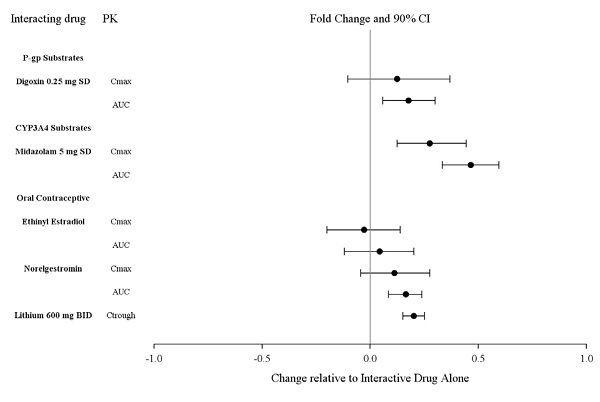
And the effects of lurasidone hydrochloride on the exposures of other drugs are summarized in
Figure 2. A population PK analyses concluded that coadministration of lurasidone has minimal effect on lithium and valproate exposure when it is coadministered with lithium 300 to 2400 mg/day or valproate 300 to 2000 mg/day.
Figure 1: Impact of Other Drugs on Lurasidone Hydrochloride Pharmacokinetics
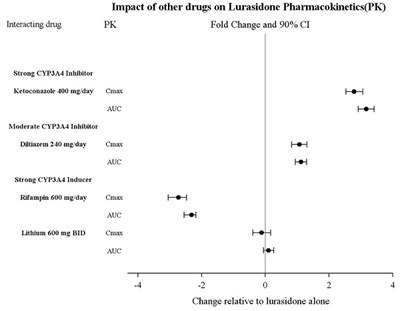
Figure 1 (Lurasidone Fig1)
Figure 2: Impact of Lurasidone Hydrochloride on Other Drugs
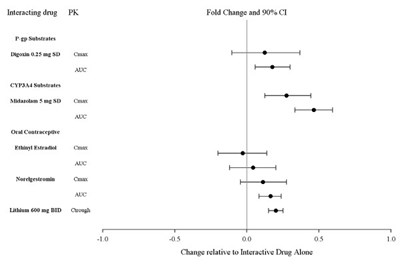
Figure 2 (Lurasidone Fig2)
Studies in Specific Populations
The effect of intrinsic patient factors on the pharmacokinetics of lurasidone hydrochloride is presented in
Figure 3.
Pediatric Patients
Lurasidone hydrochloride exposure (i.e., steady-state Cmax and AUC) in children and adolescent patients (10 to 17 years of age) was generally similar to that in adults across the dose range from 40 to 160 mg, without adjusting for body weight.
Figure 3: Impact of Other Patient Factors on Lurasidone Hydrochloride Pharmacokinetics
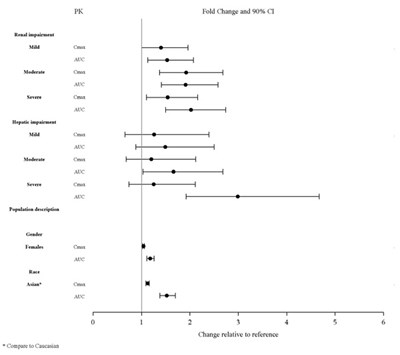
Figure 3 (Lurasidone Fig3)
Carcinogenesis: Lurasidone increased incidences of malignant mammary gland tumors and pituitary gland adenomas in female mice orally dosed with 30, 100, 300, or 650 mg/kg/day. The lowest dose produced plasma levels (AUC) approximately equal to those in humans receiving the MRHD of 160 mg/day. No increases in tumors were seen in male mice up to the highest dose tested, which produced plasma levels (AUC) 14 times those in humans receiving the MRHD.
Lurasidone increased the incidence of mammary gland carcinomas in female rats orally dosed at 12 and 36 mg/kg/day: the lowest dose; 3 mg/kg/day is the no-effect dose which produced plasma levels (AUC) 0.4 times those in humans receiving the MRHD. No increases in tumors were seen in male rats up to the highest dose tested, which produced plasma levels (AUC) 6 times those in humans receiving the MRHD.
Proliferative and/or neoplastic changes in the mammary and pituitary glands of rodents have been observed following chronic administration of antipsychotic drugs and are considered to be prolactin-mediated.
[see Warnings and Precautions (
5.7)]
.
Mutagenesis: Lurasidone did not cause mutation or chromosomal aberration when tested
in vitro and
in vivo test battery. Lurasidone was negative in the Ames gene mutation test, the Chinese Hamster Lung (CHL) cells, and in the
in vivo mouse bone marrow micronucleus test up to 2000 mg/kg which is 61 times the MRHD of 160 mg/day based on mg/m
2 body surface area.
Impairment of Fertility: Estrus cycle irregularities were seen in rats orally administered lurasidone at 1.5, 15 and 150 mg/kg/day for 15 consecutive days prior to mating, during the mating period, and through gestation day 7. No effect was seen at the lowest dose of 0.1 mg/kg which is approximately 0.006 times the MRHD of 160 mg/day based on mg/m
2. Fertility was reduced only at the highest dose, which was reversible after a 14 day drug-free period. The no-effect dose for reduced fertility was approximately equal to the MRHD based on mg/m
2.
Lurasidone had no effect on fertility in male rats treated orally for 64 consecutive days prior to mating and during the mating period at doses up to 9 times the MRHD based on mg/m
2.
Adults
Monotherapy
The efficacy of lurasidone hydrochloride, as monotherapy, was established in a 6-week, multicenter, randomized, double-blind, placebo-controlled study of adult patients (mean age of 41.5 years, range 18 to 74) who met DSM-IV-TR criteria for major depressive episodes associated with bipolar I disorder, with or without rapid cycling, and without psychotic features (N=485). Patients were randomized to one of two flexible-dose ranges of lurasidone hydrochloride (20 to 60 mg/day, or 80 to 120 mg/day) or placebo.
The primary rating instrument used to assess depressive symptoms in this study was the Montgomery-Asberg Depression Rating Scale (MADRS), a 10-item clinician-rated scale with total scores ranging from 0 (no depressive features) to 60 (maximum score). The primary endpoint was the change from baseline in MADRS score at Week 6. The key secondary instrument was the Clinical Global Impression-Bipolar-Severity of Illness scale (CGI-BP-S), a clinician-rated scale that measures the subject's current illness state on a 7-point scale, where a higher score is associated with greater illness severity.
For both dose groups, lurasidone hydrochloride was superior to placebo in reduction of MADRS and CGI-BP-S scores at Week 6. The primary efficacy results are provided in
Table 37. The high dose range (80 to 120 mg per day) did not provide additional efficacy on average, compared to the low dose range (20 to 60 mg per day).
Adjunctive Therapy with Lithium or Valproate
The efficacy of lurasidone hydrochloride, as an adjunctive therapy with lithium or valproate, was established in a 6-week, multicenter, randomized, double-blind, placebo-controlled study of adult patients (mean age of 41.7 years, range 18 to 72) who met DSM-IV-TR criteria for major depressive episodes associated with bipolar I disorder, with or without rapid cycling, and without psychotic features (N=340). Patients who remained symptomatic after treatment with lithium or valproate were randomized to flexibly dosed lurasidone hydrochloride 20 to 120 mg/day or placebo.
The primary rating instrument used to assess depressive symptoms in this study was the MADRS. The primary endpoint was the change from baseline in MADRS score at Week 6. The key secondary instrument was the CGI-BP-S scale.
Lurasidone hydrochloride was superior to placebo in reduction of MADRS and CGI-BP-S scores at Week 6, as an adjunctive therapy with lithium or valproate (
Table 37).
Table 37: Primary Efficacy Results for Adult Studies in Depressive Episodes Associated with Bipolar I Disorder (MADRS Scores)
|
Study
| Treatment Group | Primary Efficacy Measure: MADRS |
| Mean Baseline Score (SD) | LS Mean Change from Baseline (SE) | Placebo-subtracted Difference Difference (drug minus placebo) in least-squares mean change from baseline.
(95% CI) |
Monotherapy study
| Lurasidone hydrochloride (20 to 60 mg/day)
Treatment group statistically significantly superior to placebo. | 30.3 (5.0)
| -15.4 (0.8)
| -4.6 (-6.9, -2.3)
|
| Lurasidone hydrochloride (80 to 120 mg/day)
| 30.6 (4.9)
| -15.4 (0.8)
| -4.6 (-6.9, -2.3)
|
| Placebo
| 30.5 (5.0)
| -10.7 (0.8)
| --
|
Adjunctive Therapy study
| Lurasidone hydrochloride (20 to 120 mg/day)
+ lithium or valproate
| 30.6 (5.3)
| -17.1 (0.9)
| -3.6 (-6.0, -1.1)
|
| Placebo + lithium or valproate
| 30.8 (4.8)
| -13.5 (0.9)
| --
|
Pediatric Patients (10 to 17 years)
The efficacy of lurasidone hydrochloride was established in a 6-week, multicenter, randomized, double-blind, placebo-controlled study of pediatric patients (10 to 17 years) who met DSM-5 criteria for a major depressive episode associated with bipolar I disorder, with or without rapid cycling, and without psychotic features (N=343). Patients were randomized to flexibly dosed lurasidone hydrochloride 20 to 80 mg/day or placebo. At the end of the clinical study, most patients (67%) received 20 mg/day or 40 mg/day.
The primary rating scale used to assess depressive symptoms in this study was the Children’s Depression Rating Scale, Revised (CDRS-R) total score. The CDRS-R is a 17-item clinician-rated scale with total scores ranging from 17 to 113. The primary endpoint was the change from baseline in CDRS-R score at Week 6. The key secondary endpoint was the change from baseline in CGI-BP-S depression score.
Lurasidone hydrochloride was superior to placebo in reduction of CDRS-R total score and CGI-BP-S depression score at Week 6. The primary efficacy results are provided in
Table 38.
Table 38:Primary Efficacy Results for the Study in Depressive Episodes Associated with Bipolar I Disorder (CDRS-R Total Score) in Pediatric Patients (10 to 17 years) |
|
|
| Treatment Group | Primary Efficacy Measure: CDRS-R |
Mean Baseline Score
(SD)
| LS Mean Change from Baseline (SE) | Placebo-subtracted Differencea(95% CI) |
| Lurasidone hydrochloride (20 to 80 mg/day)* | 59.2 (8.24) | -21.0 (1.06) | -5.7 (-8.4, -3.0) |
| Placebo | 58.6 (8.26) | -15.3(1.08) | -- |
Storage
Store lurasidone hydrochloride tablets at 25°C (77°F); excursions permitted to 15°C to 30°C (59° F to 86°F)
[See USP Controlled Room Temperature].
Suicidal Thoughts and Behavior
Advise patients and caregivers to look for the emergence of suicidality, especially early during treatment and when the dosage is adjusted up or down and instruct them to report such symptoms to the healthcare provider
[see
Boxed Warning, Warnings and Precautions (
5.2)]
.
Neuroleptic Malignant Syndrome
Counsel patients about a potentially fatal adverse reaction referred to as Neuroleptic Malignant Syndrome (NMS). Advise patients, family members, or caregivers to contact healthcare provider or to report to the emergency room if they experience signs and symptoms of NMS
[see Warnings and Precautions (
5.4)]
.
Tardive Dyskinesia
Counsel patients on the signs and symptoms of tardive dyskinesia and to contact their healthcare provider if these abnormal movements occur
[see Warnings and Precautions (
5.5)]
.
Metabolic Changes
Educate patients about the risk of metabolic changes, how to recognize symptoms of hyperglycemia and diabetes mellitus, and the need for specific monitoring, including blood glucose, lipids, and weight
[s
ee Warnings and Precautions (
5.6)]
.
Hyperprolactinemia
Counsel patients on signs and symptoms of hyperprolactinemia that may be associated with chronic use of lurasidone hydrochloride tablets. Advise them to seek medical attention if they experience any of the following: amenorrhea or galactorrhea in females, erectile dysfunction or gynecomastia in males
[see Warnings and Precautions (
5.7)
].
Leukopenia/Neutropenia
Advise patients with a pre-existing low WBC or a history of drug-induced leukopenia/neutropenia that they should have their CBC monitored while taking lurasidone hydrochloride tablets
[s
ee Warnings and Precautions (
5.8)]
.
Orthostatic Hypotension
Educate patients about the risk of orthostatic hypotension, particularly at the time of initiating treatment, re-initiating treatment, or increasing the dose
[see Warnings and Precautions (
5.9)]
.
Interference with Cognitive and Motor Performance
Caution patients about performing activities requiring mental alertness, such as operating hazardous machinery or operating a motor vehicle, until they are reasonably certain that lurasidone hydrochloride tablets therapy does not affect them adversely
[see Warnings and Precautions (
5.12)]
.
Heat Exposure and Dehydration
Educate patients regarding appropriate care in avoiding overheating and dehydration
[see Warnings and Precautions (
5.13)]
.
Activation of Mania or Hypomania
Advise patients and their caregivers to observe for signs of activation of mania/hypomania [
see Warnings and Precautions (
5.14)
].
Concomitant Medication
Advise patients to inform their physicians if they are taking, or plan to take, any prescription or over-the-counter drugs, because there is a potential for drug interactions.
[see Drug Interactions (
7)]
.
Pregnancy
Advise patients that lurasidone hydrochloride tablets may cause extrapyramidal and/or withdrawal symptoms in a neonate. Advise patients to notify their healthcare provider with a known or suspected pregnancy
[see Use in Specific Populations (
8.1)]
. Advise patients that there is a pregnancy exposure registry that monitors pregnancy outcomes in women exposed to lurasidone hydrochloride tablets during pregnancy
[see Use in Specific Populations (
8.1)]
Manufactured For:
Accord Healthcare, Inc.,
1009 Slater Road,
Suite 210-B,
Durham, NC 27703,
USA.
Manufactured By:
Intas Pharmaceuticals Limited,
Plot No. : 457, 458,
Village – Matoda,
Bavla Road, Ta.- Sanand,
Dist.- Ahmedabad – 382 210,
INDIA.
10 4444 0 6001492
Issued November 2021